
2016 Conventional Daycab Trucks For Sale in Pennsylvania
Shop 2016 conventional daycab trucks in Pennsylvania. Compare wheelbase, engine, transmission, axle ratings, and local-route specs.
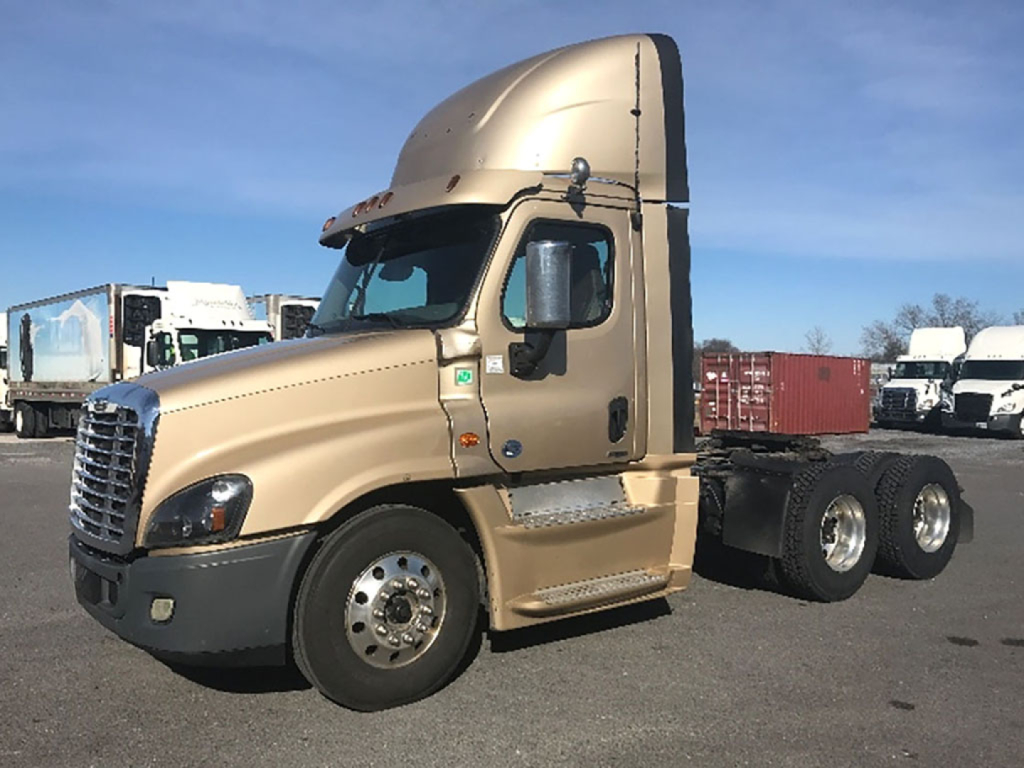
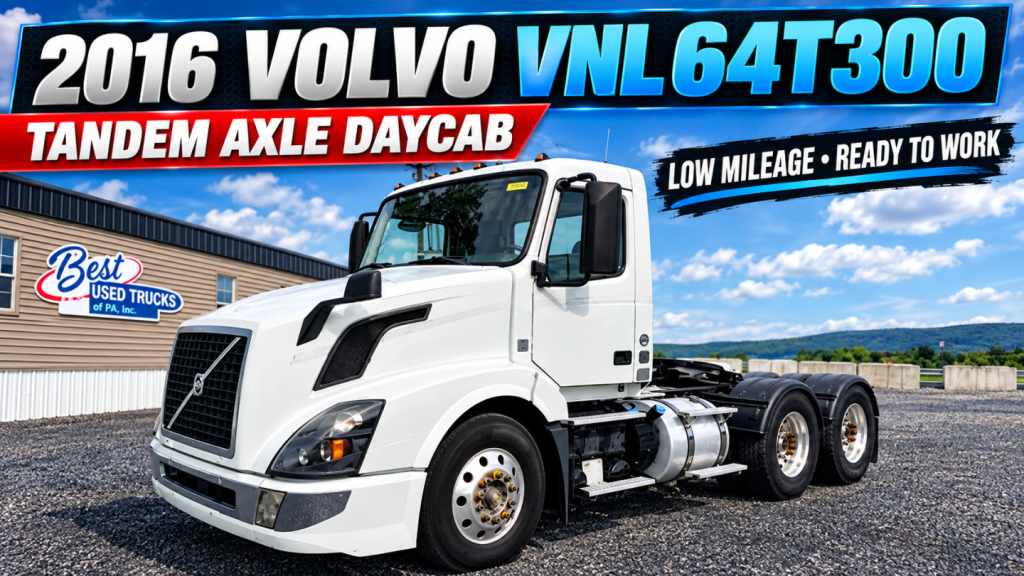
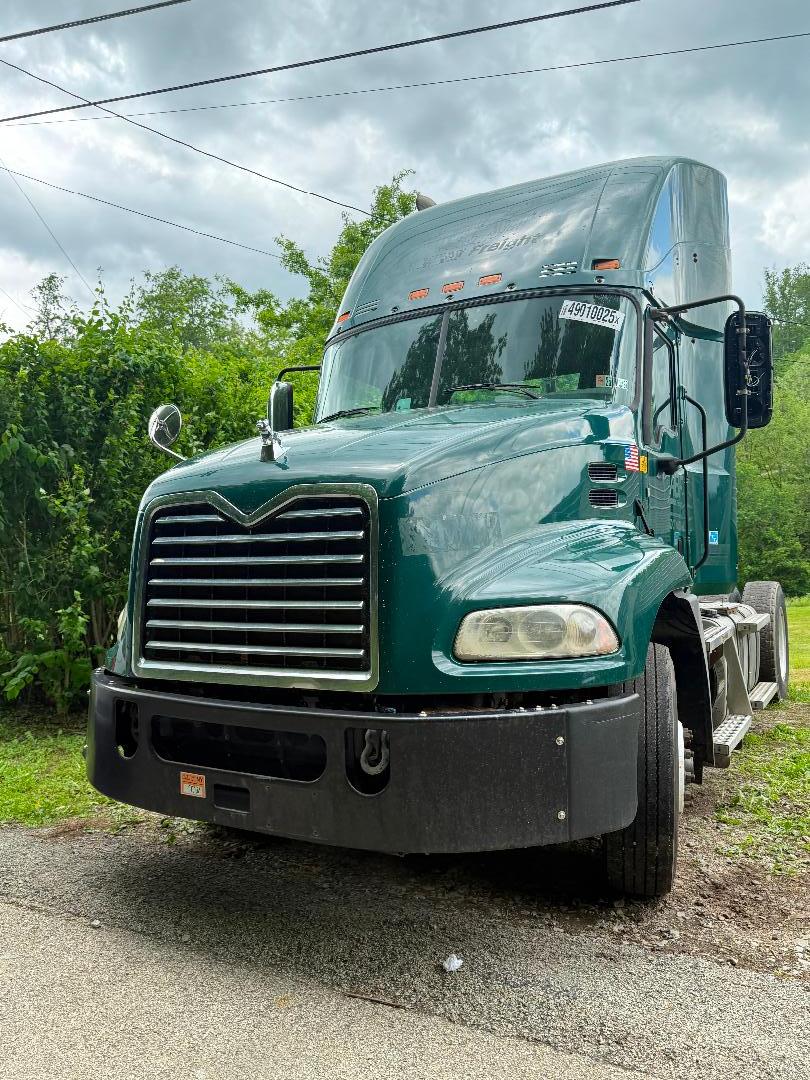
Selling a 2016 conventional daycab truck? List your 2016 conventional daycab truck for sale and reach thousands of commercial buyers.
2016 Conventional Daycab Trucks in Pennsylvania
Spec choice matters more than model year alone. A short wheelbase daycab is easier to maneuver in urban and industrial settings, while a longer wheelbase can improve ride quality and help with weight distribution on heavier trailer combinations. Horsepower in this segment often falls in the 350 to 500 range, with torque and rear axle ratio playing a bigger role than advertised horsepower if the truck will see hills, bulk loads, or frequent stop-and-go duty. Buyers should also compare automated manual versus manual transmissions, suspension type, front and rear axle ratings, and fifth wheel height. In Pennsylvania, vocational crossover specs such as wet kits, locking differentials, dump valves, and heavy front axles can be especially relevant for dump, tank, and bulk applications.
2016 trucks sit in a useful part of the used market because many were built with modern aerodynamics, improved cab ergonomics, and emissions systems that were already well established by that point. A buyer should still pay close attention to DPF, DEF, and EGR service history, along with engine hours, idle time, and fleet maintenance records. For a daycab, condition in the cab and chassis often tells you a lot about how the truck was used. Check for frame modifications, fifth wheel rail wear, suspension bushing condition, steer tire pattern wear, and evidence of repeated yard or city-route abuse. If the truck will be paired to multiple trailers, confirm kingpin setting compatibility, air and electrical line routing, and whether the truck has a sliding fifth wheel or fixed plate.
A good 2016 conventional daycab should match the job before it matches the badge on the hood. Local P&D work calls for maneuverability, visibility, and easy cab access. Regional freight may favor a more aerodynamic hood, higher horsepower, and a driver-friendly automated transmission. Heavy haul support or construction-related use may require stronger axle ratings, double frame sections, and PTO or wet-line capability. Buyers comparing 2016 daycab trucks for sale in Pennsylvania should look beyond mileage and price and evaluate the full operating spec, because the right combination of engine, gearing, wheelbase, and chassis equipment has a direct impact on uptime, fuel economy, and resale value.
Frequently Asked Questions about 2016 Conventional Daycab Trucks in Pennsylvania
What is a conventional daycab truck used for?
A conventional daycab truck is a highway tractor without a sleeper compartment, designed for routes where the driver returns the same day or does not need overnight accommodations. It is commonly used for local freight, regional runs, drayage, intermodal work, terminal shuttles, tanker service, dump applications, and dedicated contract hauling. The daycab layout reduces weight and overall length compared with a sleeper tractor, which can improve maneuverability and payload flexibility.
What should I look for when buying a 2016 daycab truck?
Start with the truck's working spec, not just its mileage. Key items include engine model, horsepower, torque, transmission type, rear axle ratio, wheelbase, suspension, axle ratings, and fifth wheel configuration. Service records are important on any 2016 emissions-era truck, especially for the DPF, DEF, EGR, and aftertreatment system. Buyers should also inspect frame condition, tire wear patterns, clutch or automated transmission behavior, driveline vibration, suspension wear, and signs of hard yard use or repeated heavy loading.
Is an automatic or manual transmission better in a 2016 conventional daycab?
It depends on the route and driver pool. Automated manual transmissions are popular in daycab service because they reduce driver fatigue, improve consistency in stop-and-go traffic, and can help limit clutch abuse in fleet operations. Manual transmissions still appeal to buyers who want direct control, simpler driver-preference matching in some operations, or specific vocational use cases. The better choice is the one that fits the route profile, maintenance capability, and available drivers.
What axle and wheelbase setup is best for Pennsylvania operations?
For many Pennsylvania applications, a tandem axle daycab offers the best mix of legal payload, trailer compatibility, and resale appeal. Wheelbase should match the work environment. Shorter wheelbases are easier in cities, tight terminals, and industrial sites, while longer wheelbases can ride better and help with weight distribution on heavier loads. Buyers hauling specialized trailers should also verify fifth wheel height, sliding range, and bridge-law suitability for their lanes.
Are 2016 daycab trucks good for regional hauling?
Yes, a properly spec'd 2016 daycab can be a strong regional truck if the routes do not require sleeper accommodations. Many 2016 models offer aerodynamic improvements, efficient powertrains, and driver comfort features that work well for out-and-back runs. For regional use, buyers usually prioritize fuel-efficient engines, comfortable seating, good visibility, automated transmissions, and a chassis setup that balances maneuverability with stable highway performance.