
International Conventional Daycab Trucks For Sale in Pennsylvania
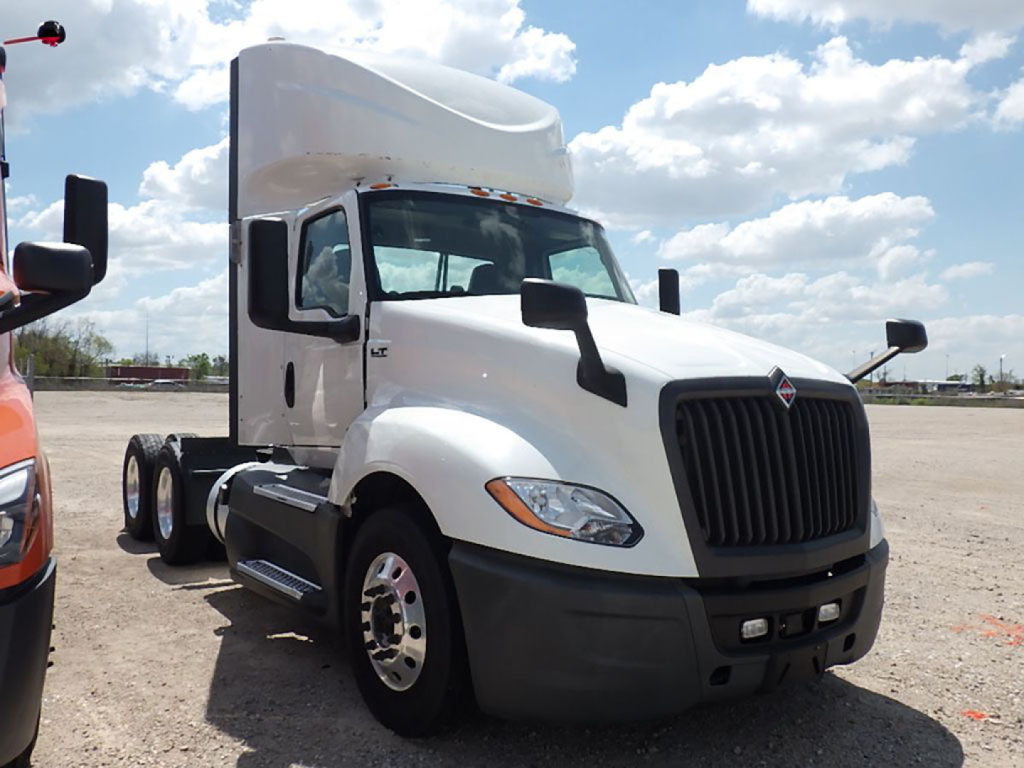
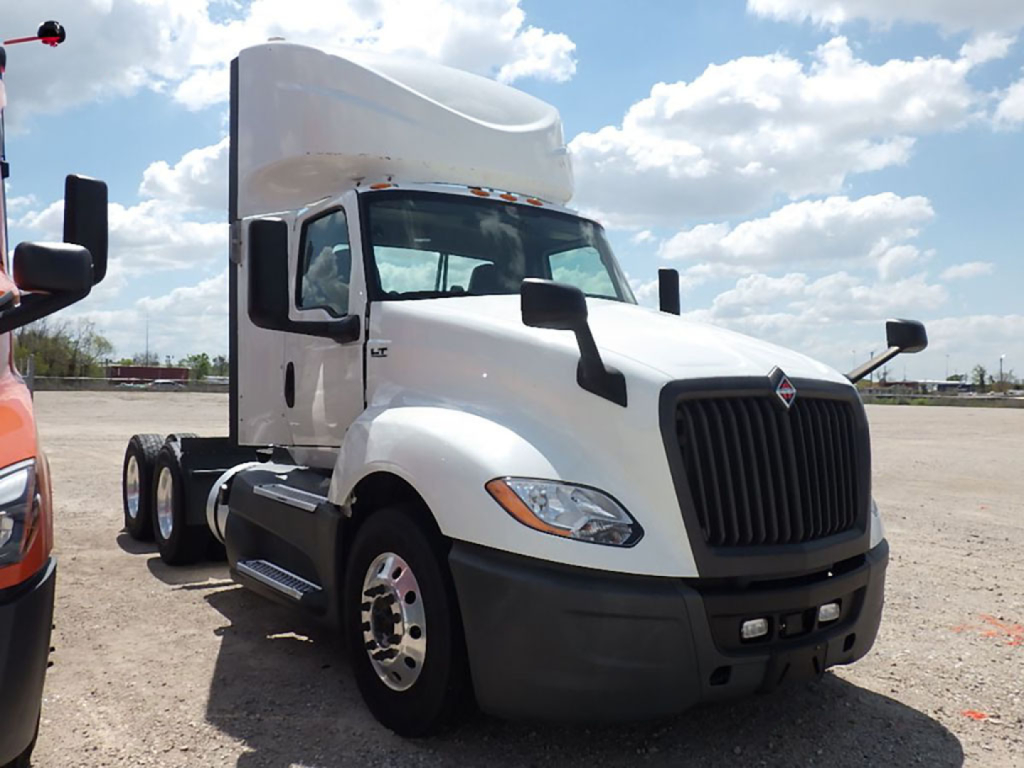
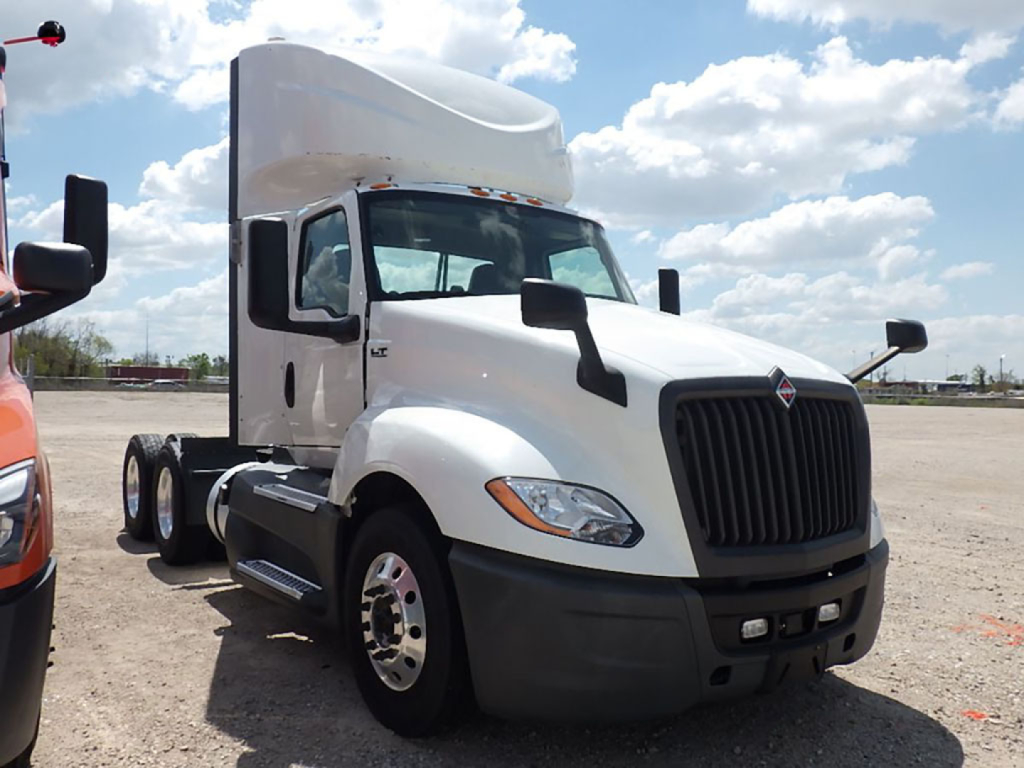
Browse International conventional daycab trucks for sale in Pennsylvania, including LT and ProStar models built for regional haul and local fleet work.
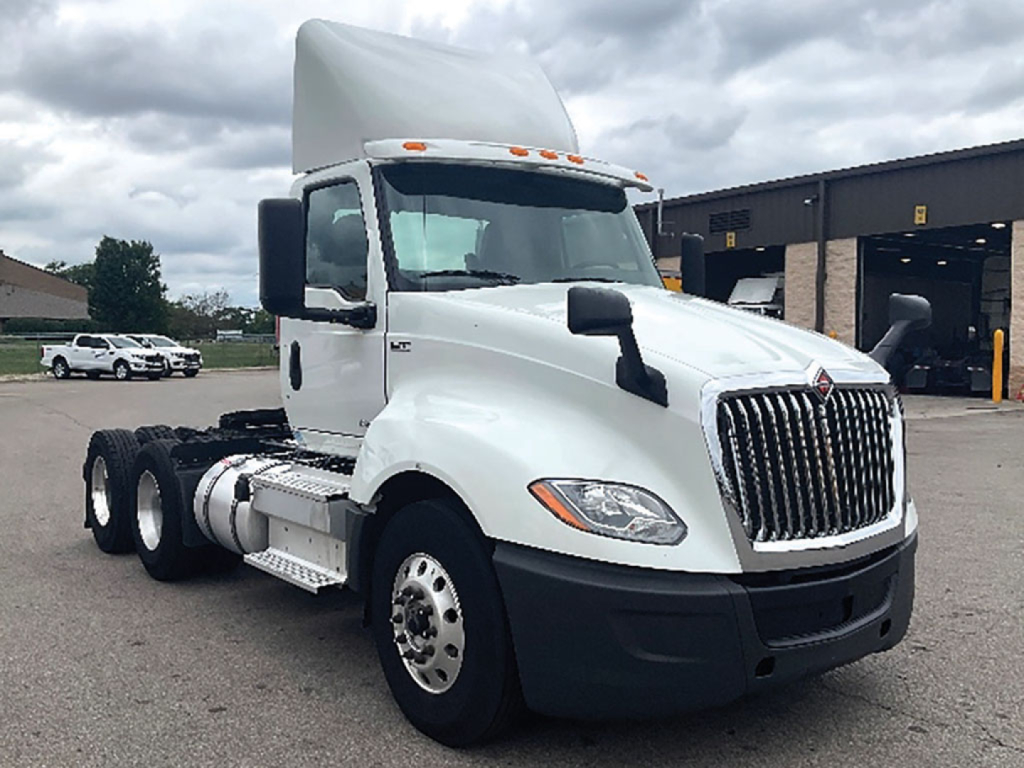
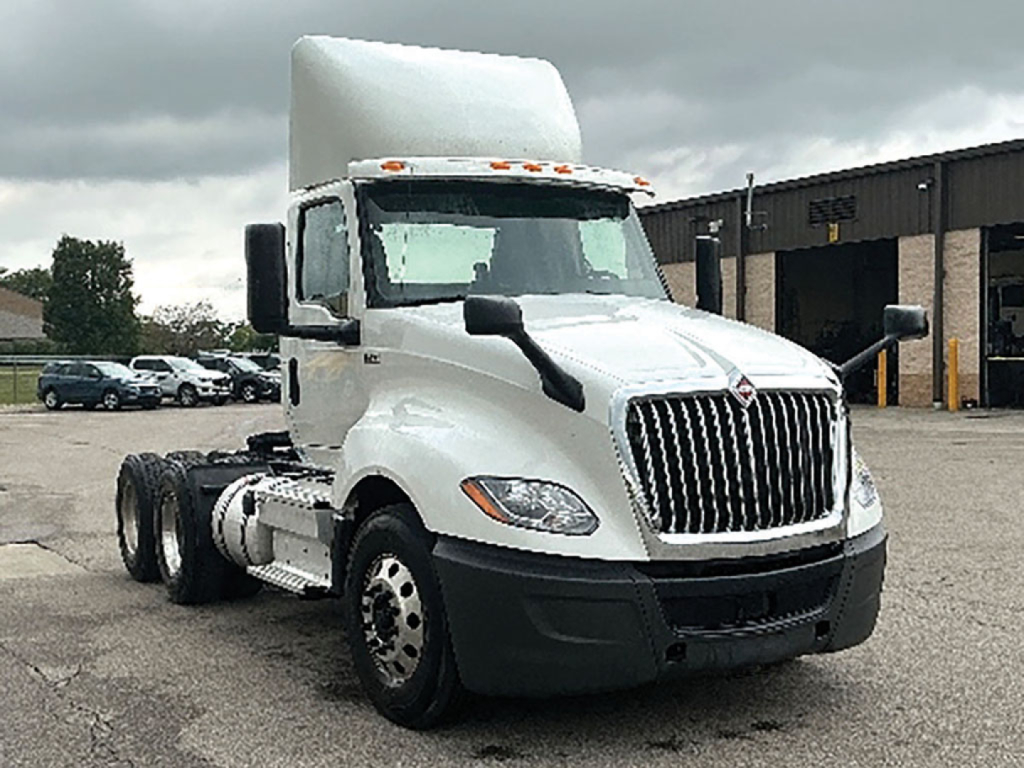
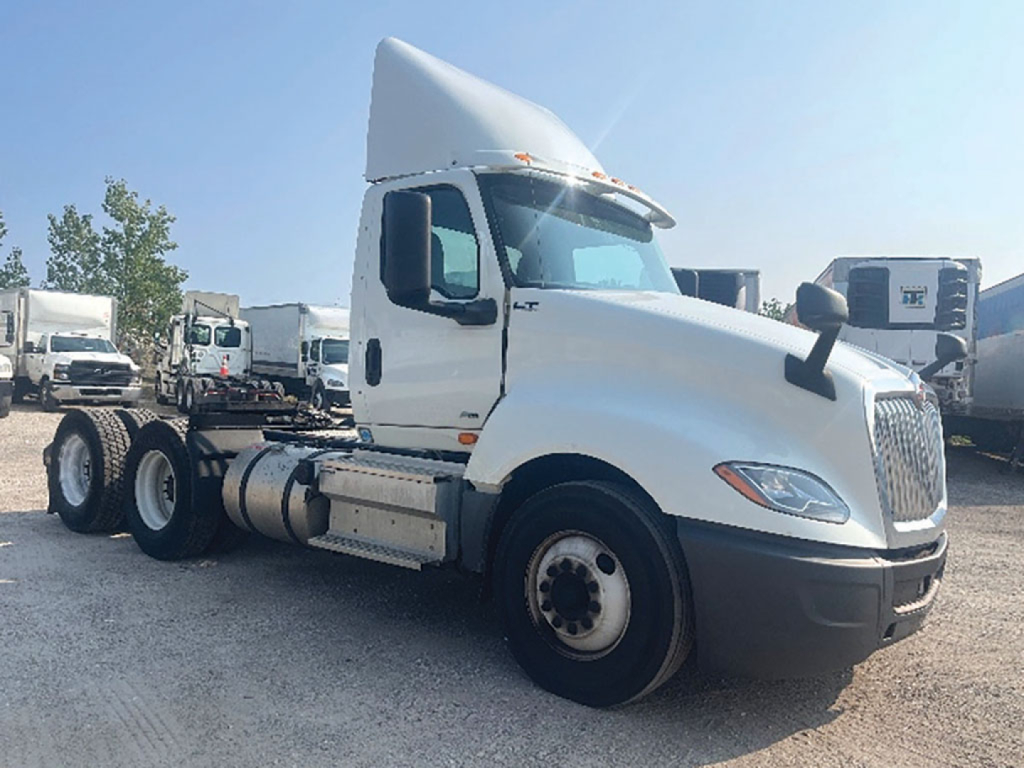
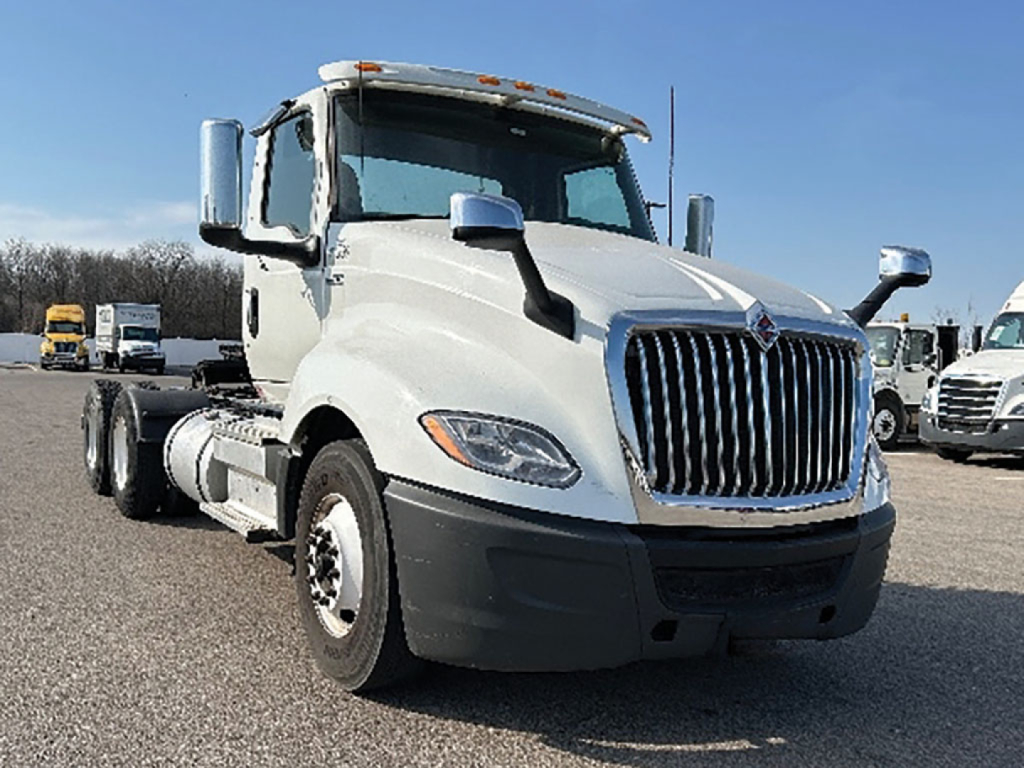
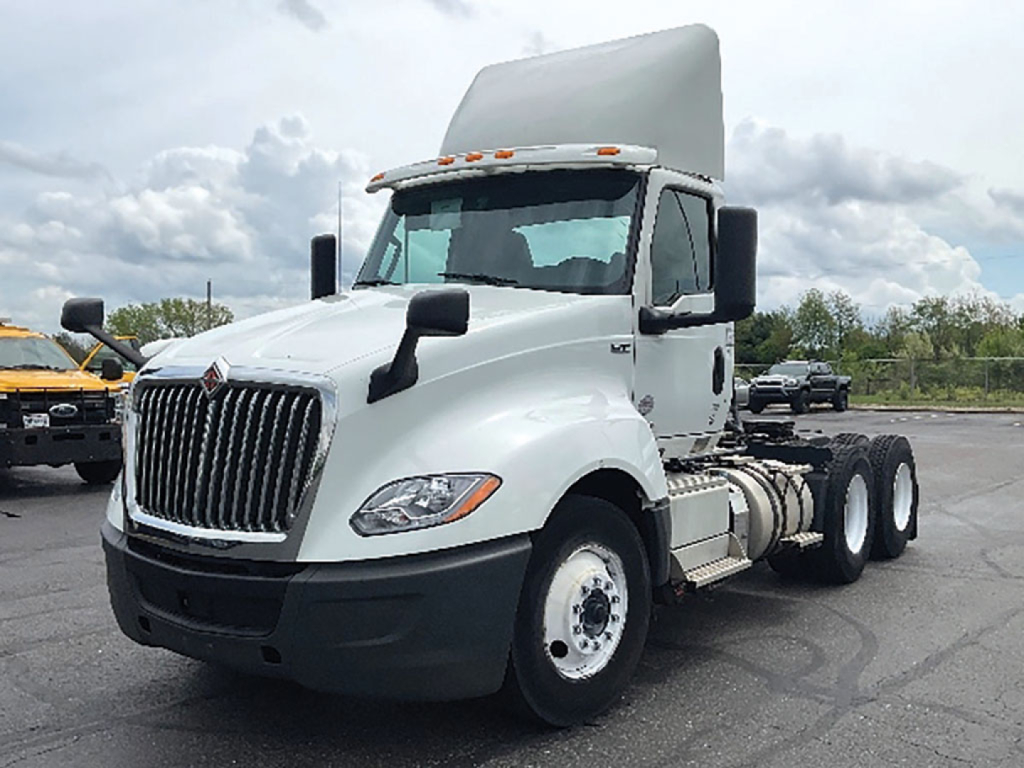
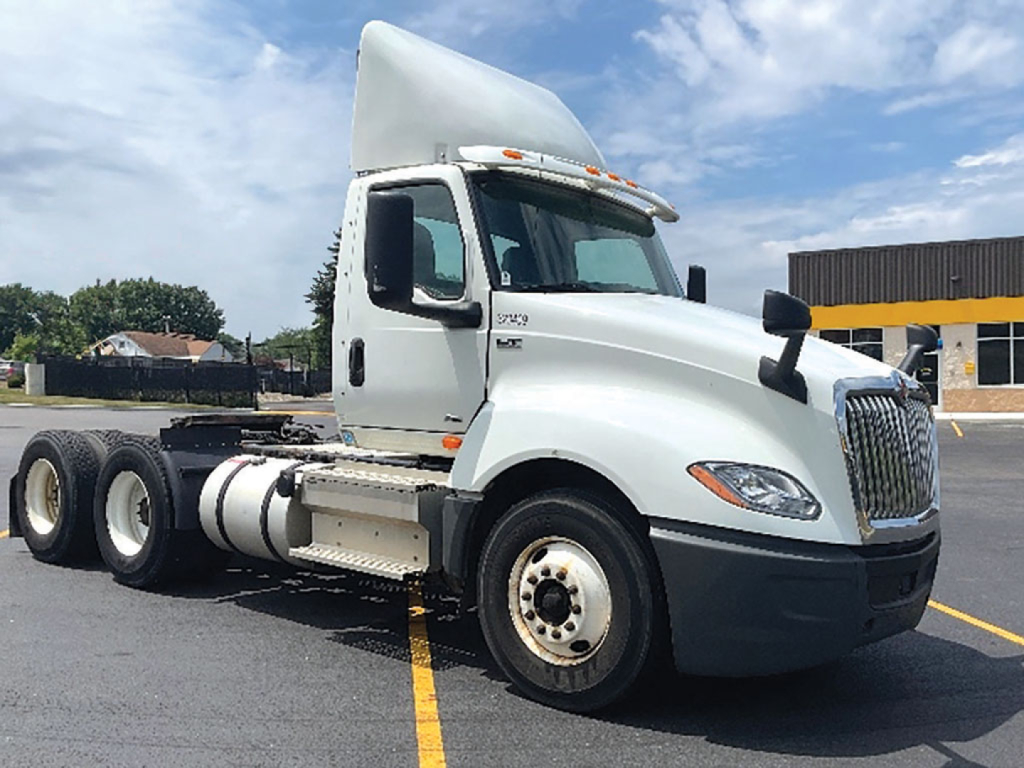
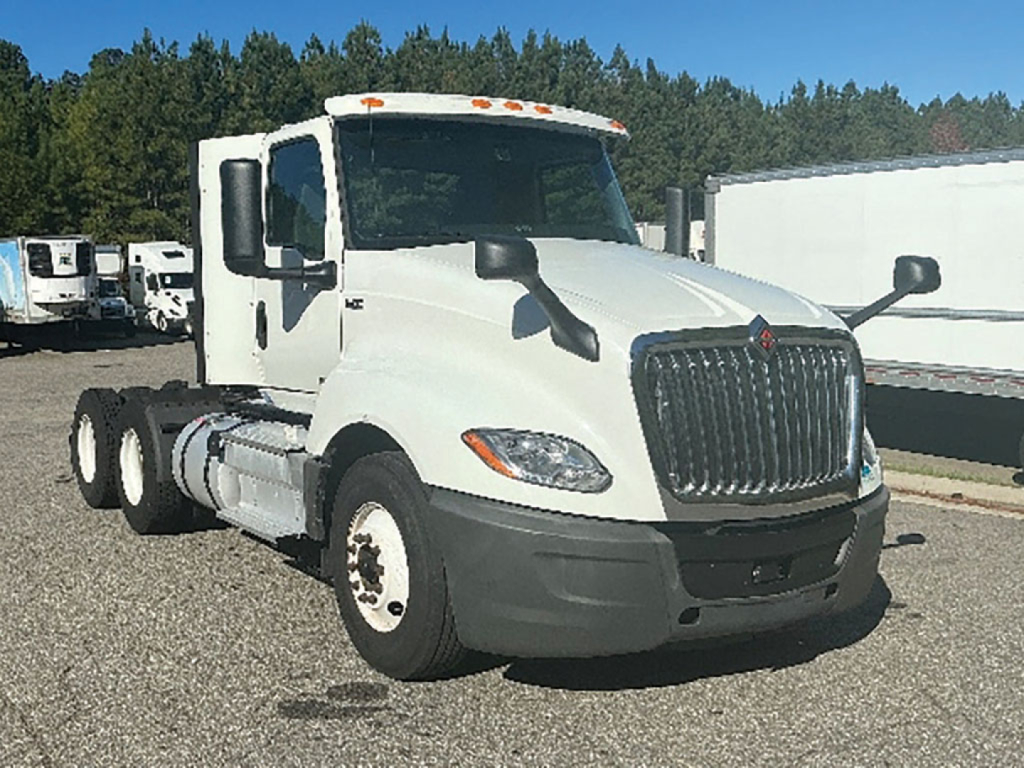
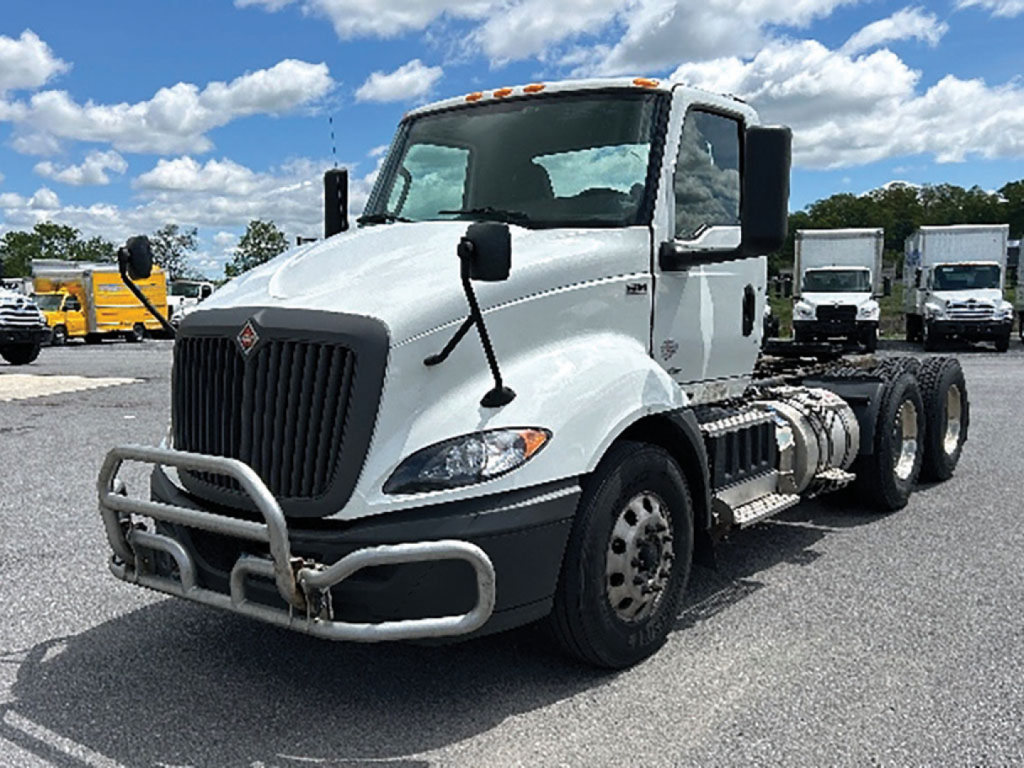
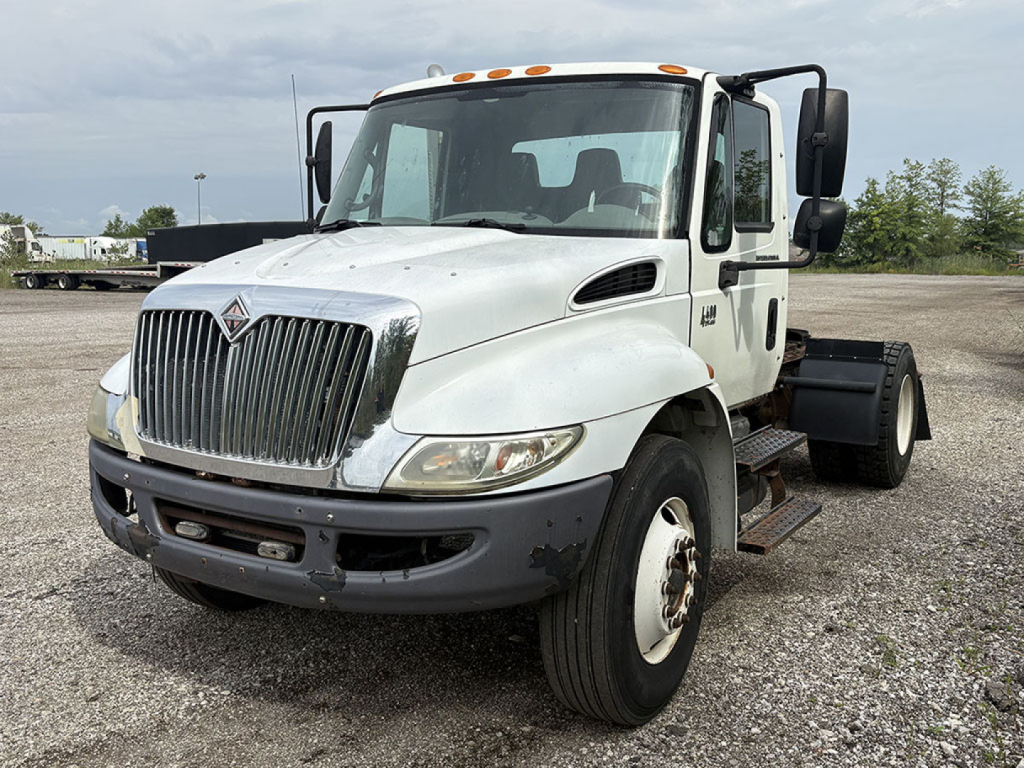
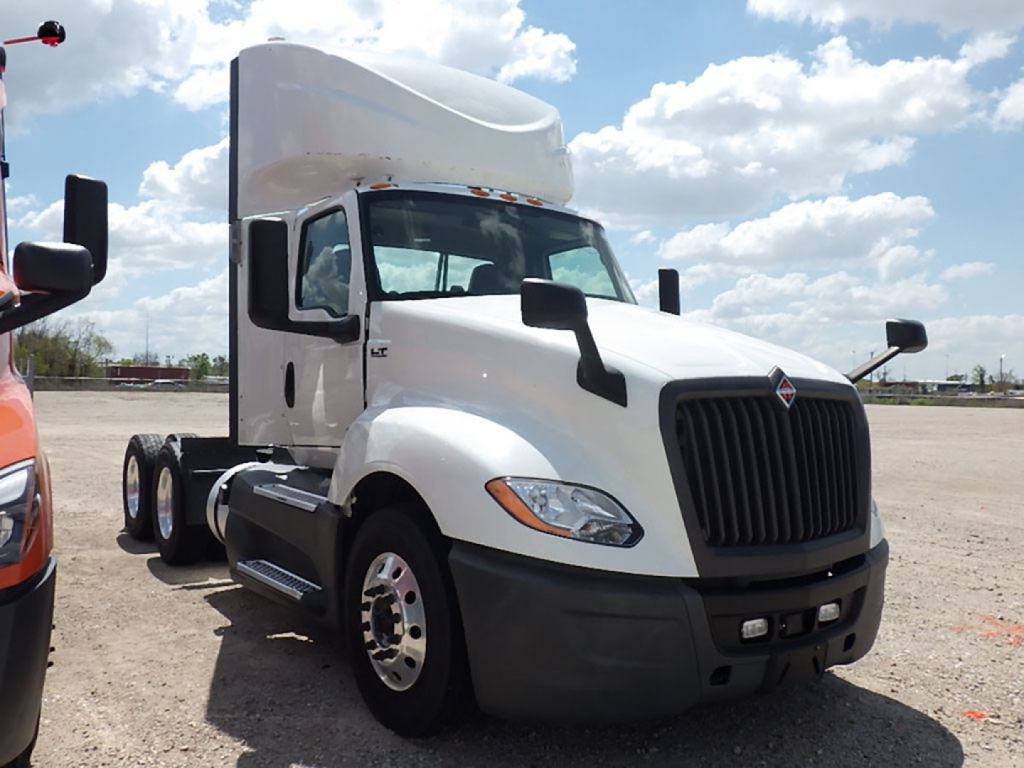
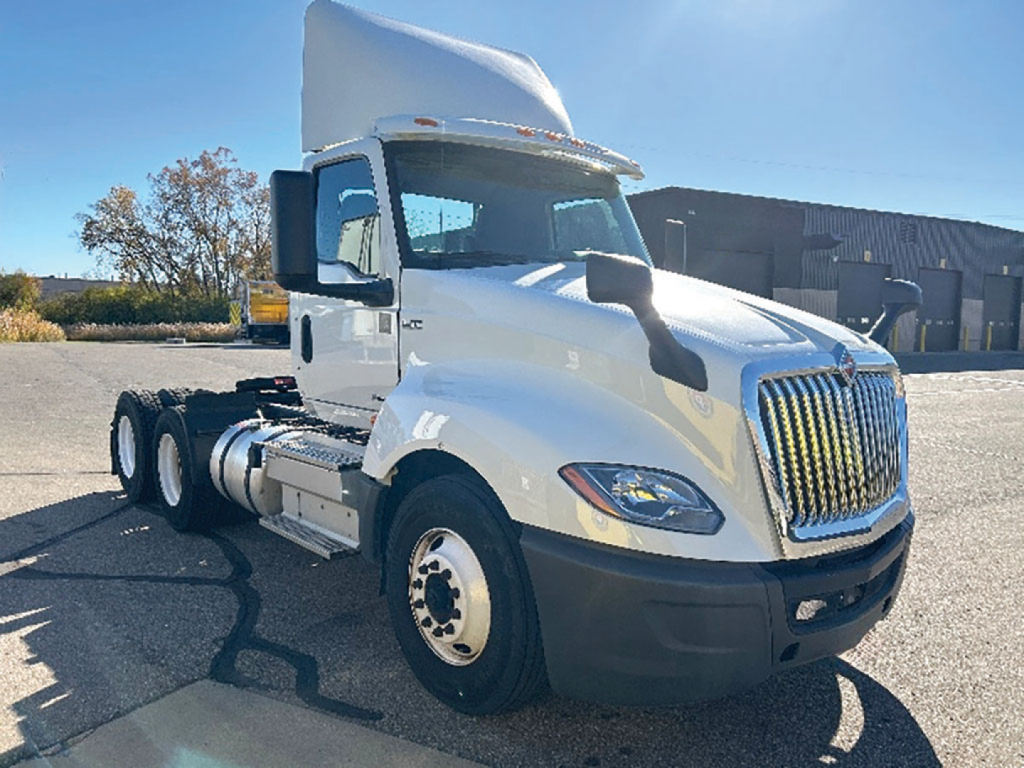
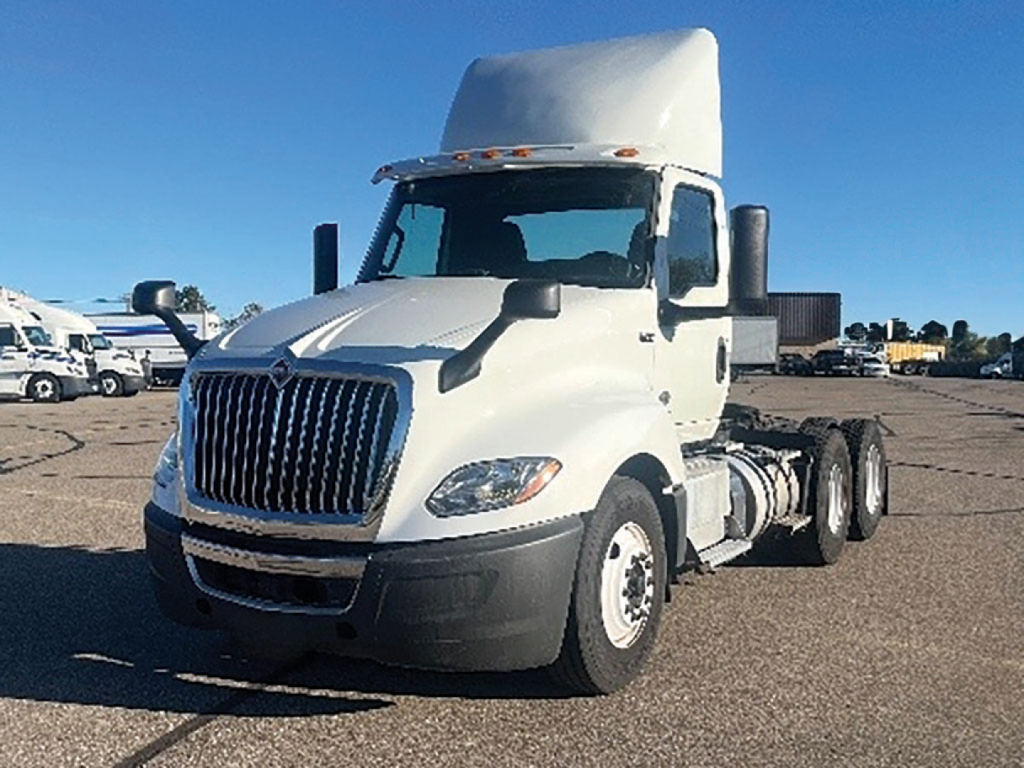
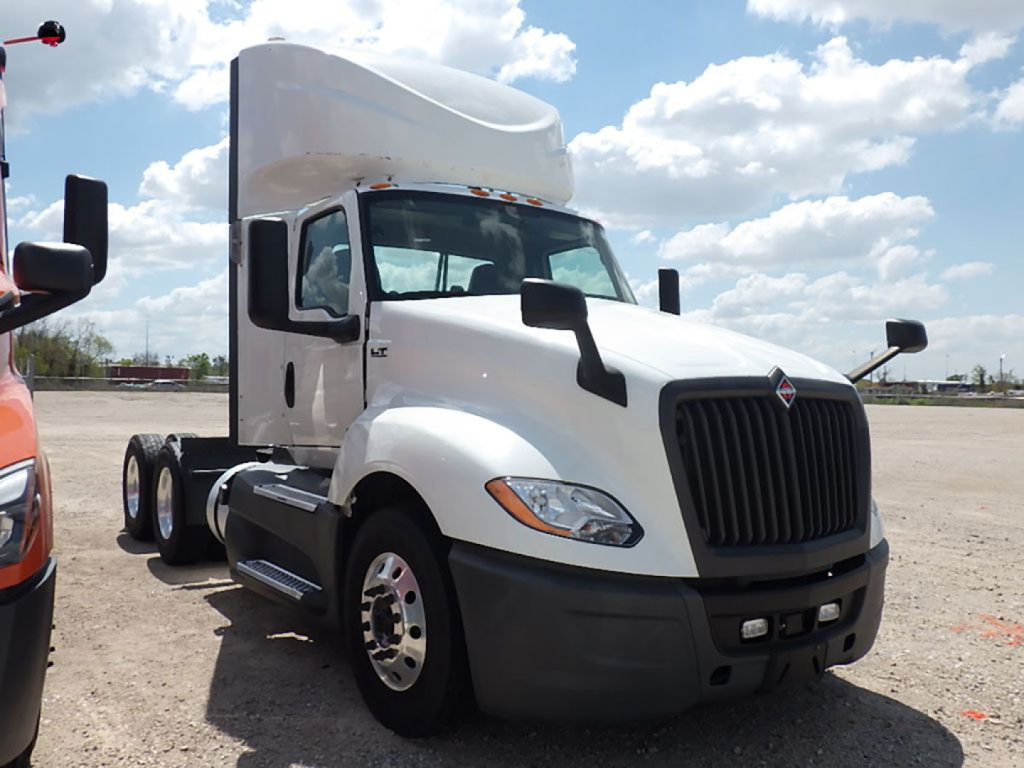
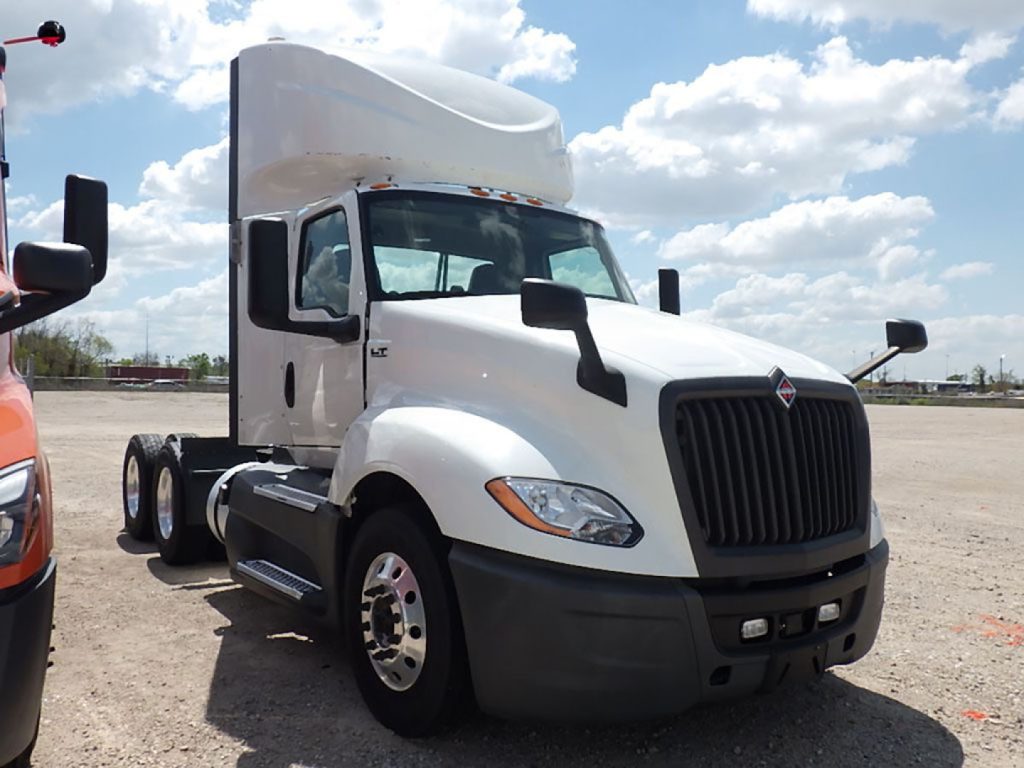
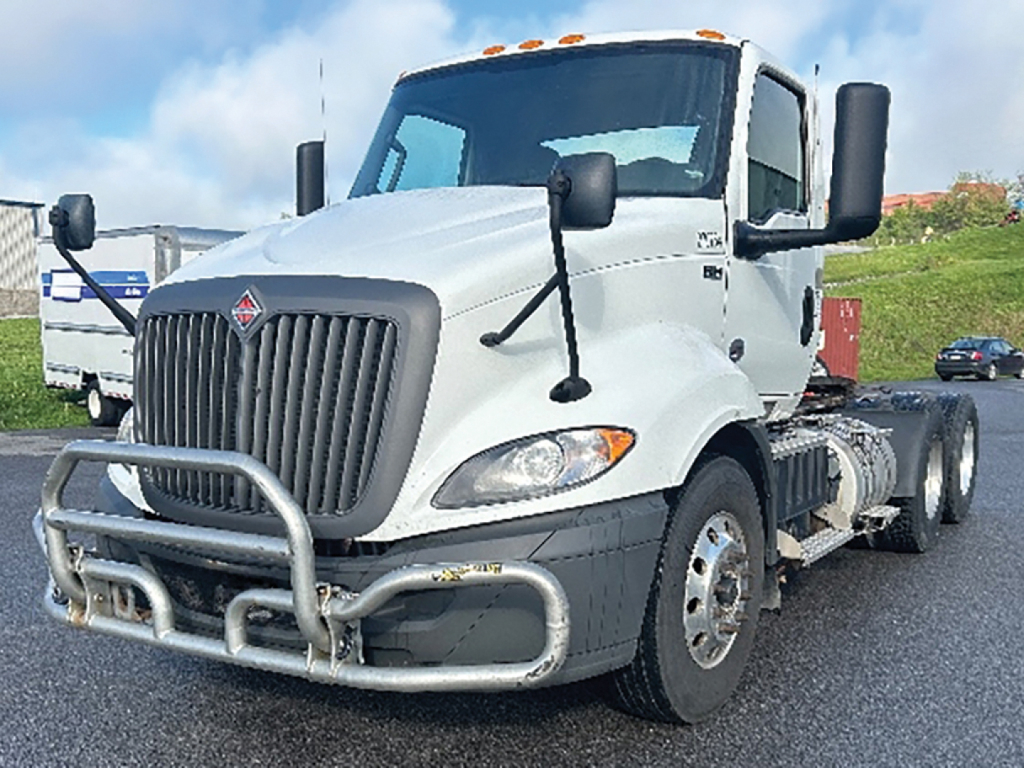

Have international conventional daycab truck to sell? List it here to reach thousands of buyers.
International Conventional Daycab Trucks in Pennsylvania
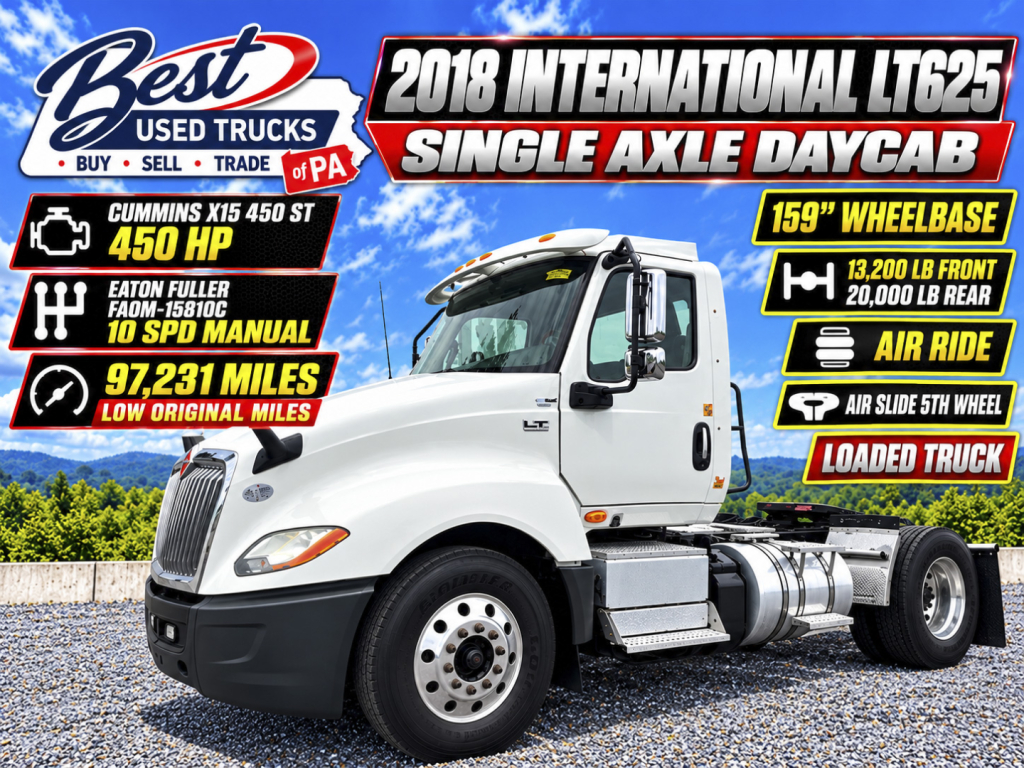
A buyer should pay close attention to wheelbase, rear axle ratio, transmission type, and fifth wheel configuration before focusing on cosmetic details. Many International daycab tractors are spec'd with 175 to 184 inch wheelbases, 40,000 lb rears, air ride suspension, and sliding fifth wheels, which makes them flexible for van, reefer, and many general freight applications. Automated manual transmissions are common on newer units and can help with driver consistency and fuel economy in stop-and-go duty cycles, while older manual 10-speed specs still appeal to buyers who want a simpler drivetrain layout. Rear axle ratios in the mid-2s generally favor fuel-efficient highway running, while a deeper ratio such as 3.36 may be more attractive for heavier starts, tighter routes, or operations that spend less time cruising at top road speed.
International daycabs in this class are often powered by Cummins ISX or X15 engines around the 450 hp range, a popular rating for regional and linehaul tractor work. That power level gives enough headroom for loaded highway pulls without overbuilding the truck for typical dry van or refrigerated freight. Buyers should also look at braking spec, especially engine brake performance and whether the truck has front and rear disc brakes, since that can matter on western Pennsylvania grades and in frequent traffic. Other common details such as dual aluminum fuel tanks, cab extenders, roof fairings, quarter fenders, and low-profile 22.5 tires affect operating range, trailer gap management, and day-to-day durability more than many first-time buyers expect.
The biggest difference between one International conventional daycab and another is usually the prior duty cycle and maintenance history, not the badge on the hood. Fleet-maintained units can make strong candidates for regional service if the ECM history, aftertreatment condition, clutch or AMT service records, suspension wear, and brake life all line up with the mileage and idle hours. For Pennsylvania buyers, it also makes sense to inspect for frame and cab corrosion, especially on trucks that have spent winters on treated roads. A well-matched International daycab can be a productive, easy-to-driver tractor for short haul and terminal-based work, but the right spec depends on payload, trailer type, average route length, and how much backing and city maneuvering the truck will do each week.
Frequently Asked Questions about International Conventional Daycab Trucks in Pennsylvania
What are International conventional daycab trucks best used for?
International conventional daycab trucks are typically used for regional hauling, local delivery routes, dedicated contract freight, drayage, and yard-to-yard shuttle work. A daycab eliminates the sleeper to reduce weight and shorten overall tractor length, which helps with maneuverability in terminals, cities, and customer yards. For many fleets, they are the standard choice when drivers return home daily or when the truck runs predictable lanes that do not require overnight accommodations.
Which International daycab models are most common on the used market?
The most common International conventional daycab models on the used market are the ProStar and the newer LT series. The ProStar was widely adopted in fleet service and remains a familiar platform for buyers looking at value-oriented used tractors. The LT series is the later evolution, with updates to aerodynamics, cab refinement, and driver comfort. Both are commonly found with Cummins power, tandem rear axles, and specs intended for van and reefer freight.
What specs matter most when buying a used International daycab?
The most important specs are engine model and horsepower, transmission type, rear axle ratio, wheelbase, rear axle capacity, and fifth wheel setup. These determine how the truck pulls a load, how it performs on hills, how efficiently it cruises, and how well it fits the trailers in your operation. Buyers should also review brake type, suspension, fuel capacity, tire size, and fairing package, then compare those specs against the truck's actual job instead of buying on mileage alone.
Are International daycabs in Pennsylvania usually spec'd for regional freight?
Yes, many International daycabs in Pennsylvania are configured for regional and short linehaul freight. Common specs include 450 hp engines, 40,000 lb rears, air ride suspension, aerodynamic fairings, and highway-friendly axle ratios. That setup works well for dry van, reefer, and general freight moving across the state, into the Mid-Atlantic, or on repeated terminal-to-terminal runs. Buyers operating in hillier areas or pulling heavier loads may prefer a deeper rear ratio or a drivetrain spec that favors startability over maximum fuel economy.
How do automatic and manual transmissions compare in an International daycab?
Automated manual transmissions are common in newer International daycabs because they can improve shift consistency, reduce driver fatigue, and help standardize fleet operation. They are especially useful in traffic-heavy regional service. Manual 10-speed trucks still have a place with buyers who prefer direct control, have drivers comfortable with shifting, or want a simpler older spec. The better choice depends on driver pool, route type, maintenance support, and whether fuel economy or driver preference is the higher priority.