
Conventional Daycab Trucks For Sale in Pennsylvania
Browse conventional daycab trucks in Pennsylvania with specs for local, regional, port, dump, and terminal hauling applications.
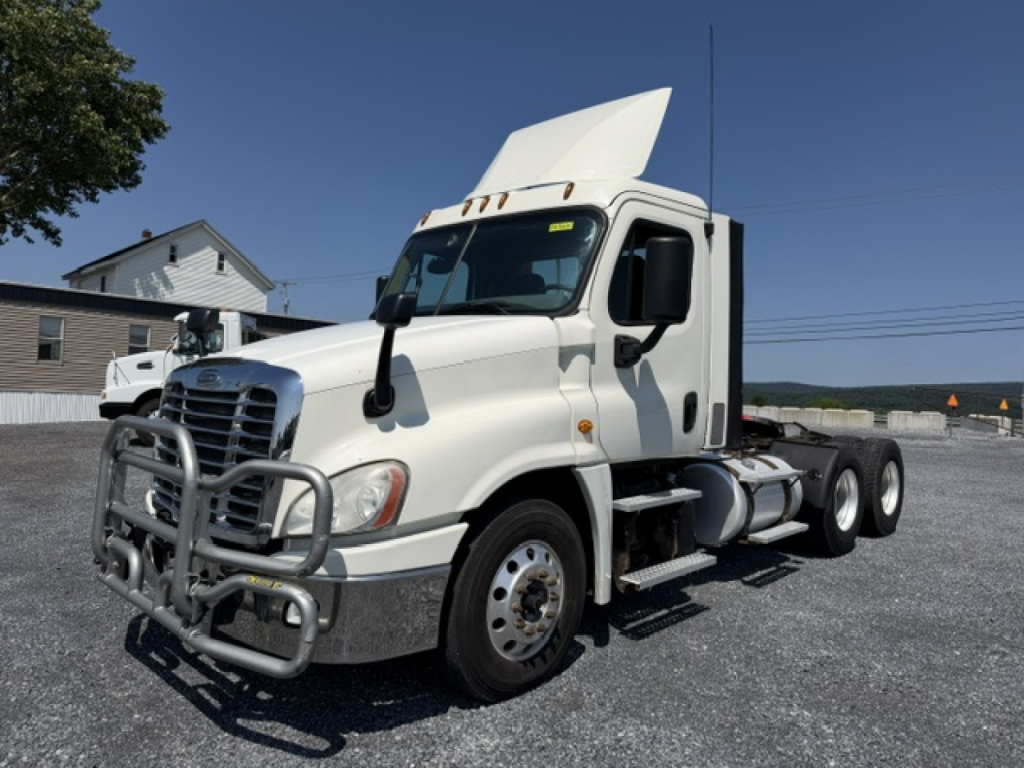
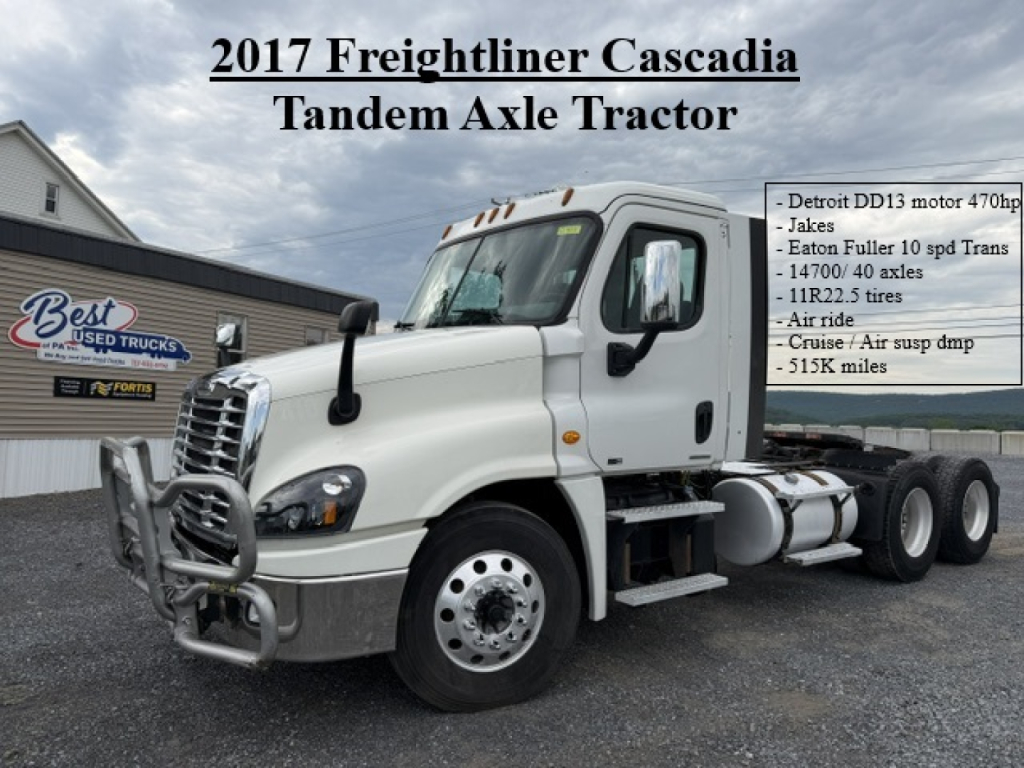
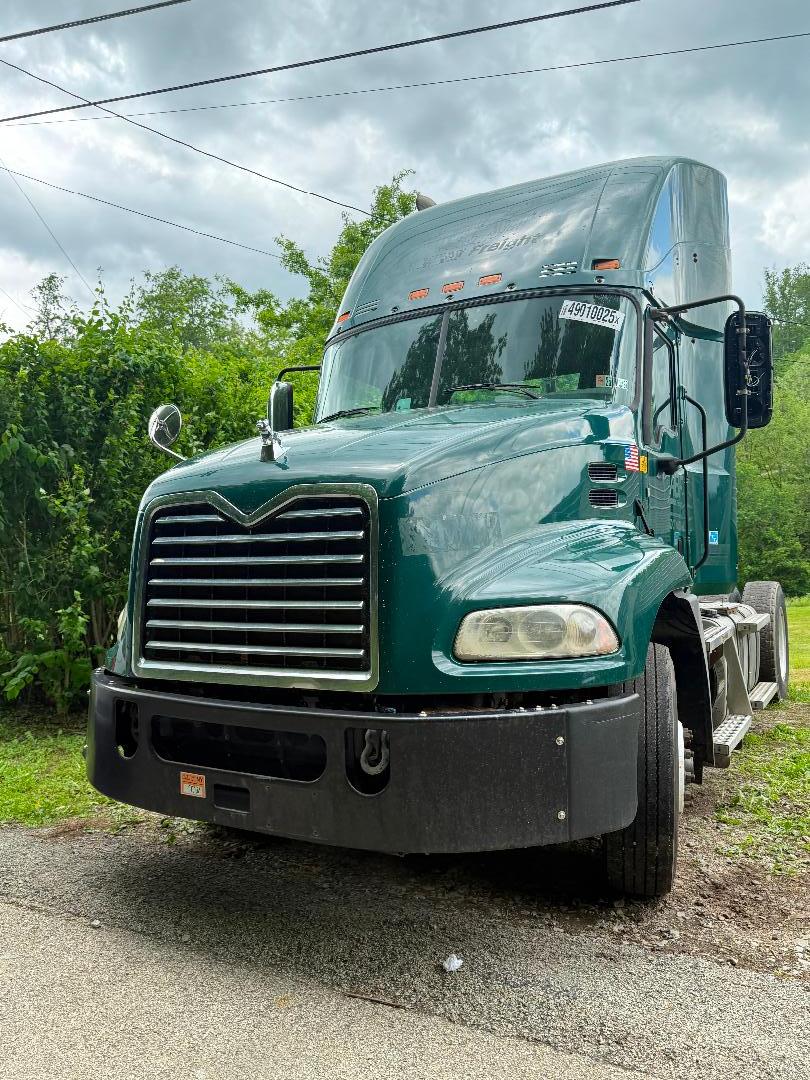

Selling a conventional daycab truck? List your conventional daycab truck for sale and reach thousands of commercial buyers.
Conventional Daycab Trucks in Pennsylvania
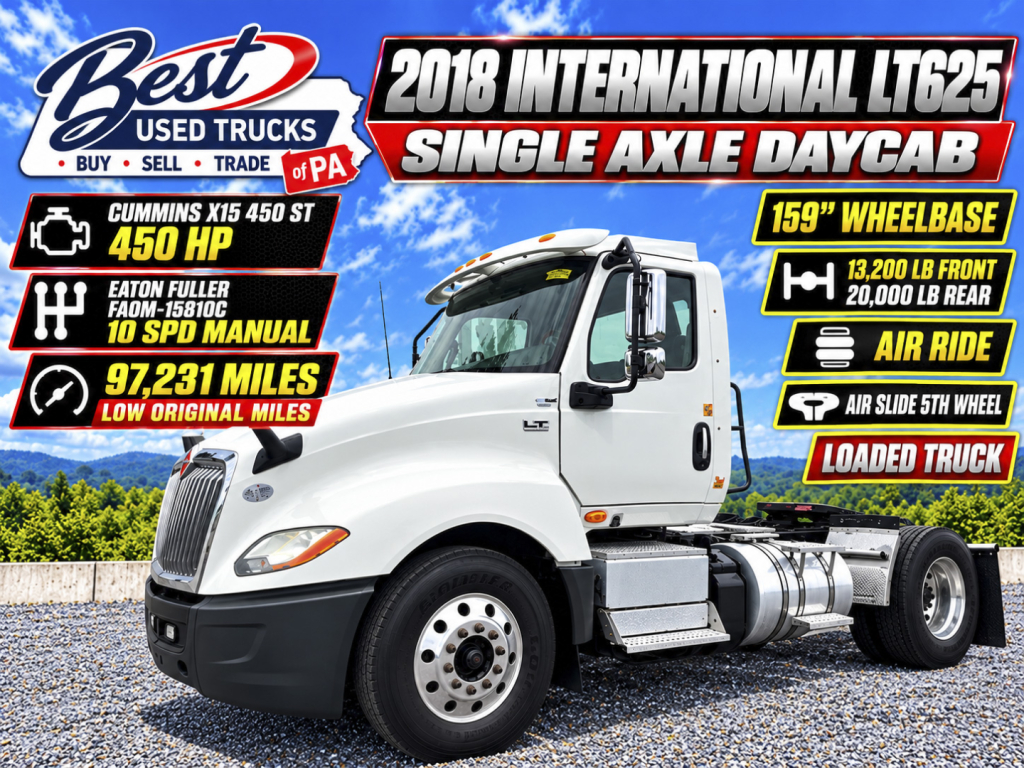
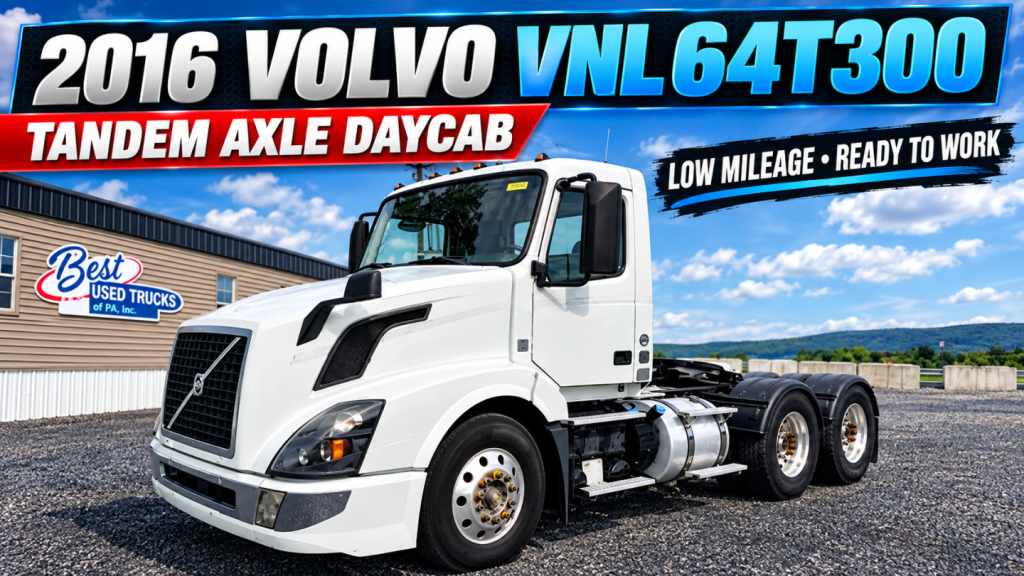
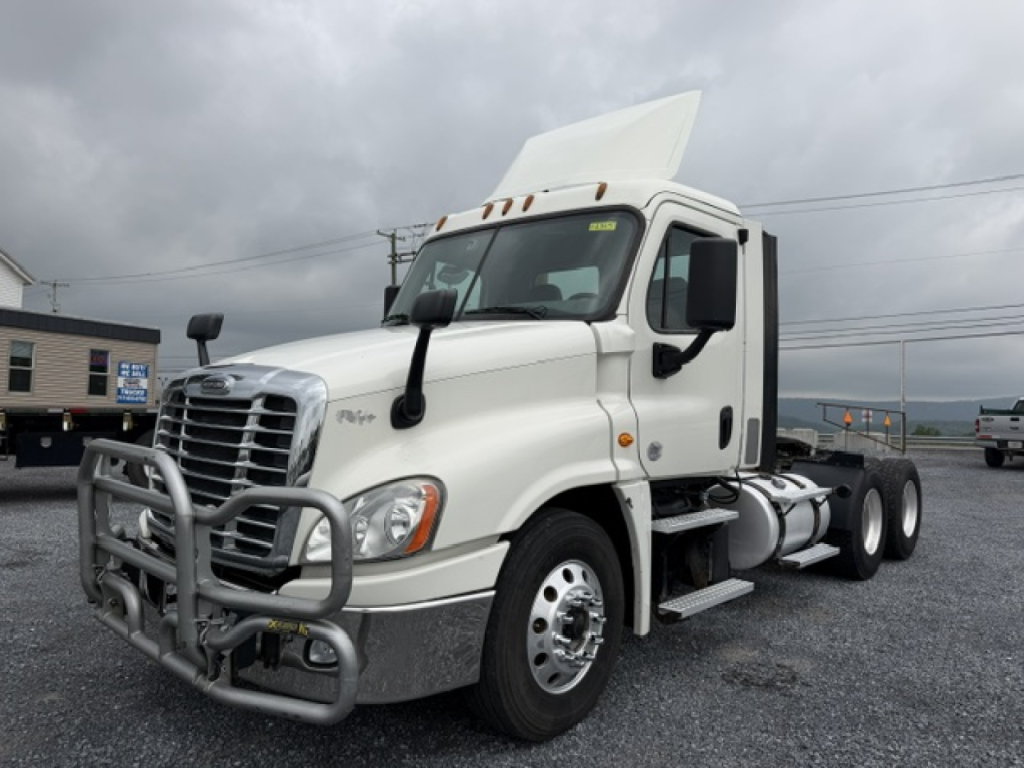
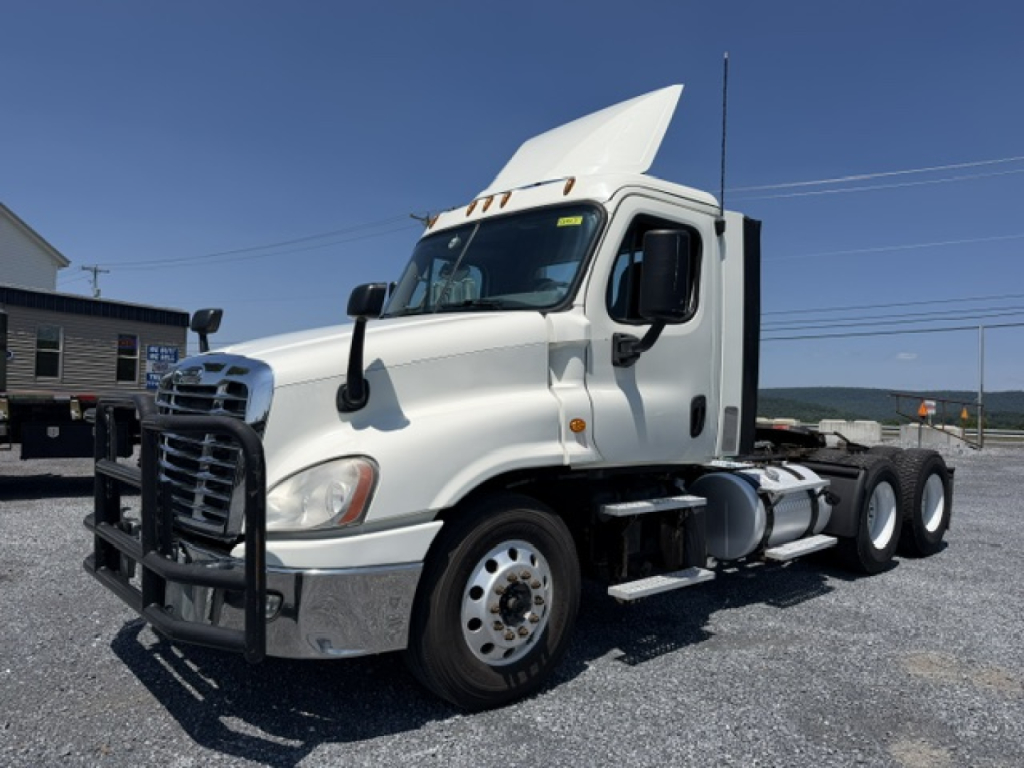
The most important buying decisions usually come down to wheelbase, axle rating, engine, transmission, and rear ratio. Many conventional daycabs run tandem axles with 40,000 lb rears, air ride suspension, and a sliding fifth wheel, which suits van, reefer, flatbed, and container work. Shorter wheelbases around the mid-170-inch range are common for tighter yards and urban delivery, while longer wheelbases closer to 200 inches or more can improve ride quality and frame space for tanks, wet kits, or specialty setups. Pennsylvania buyers should also pay attention to gearing. Faster ratios like 2.64 favor fuel economy on highway-oriented lanes, while deeper ratios such as 4.11 are better for heavy starts, steeper grades, and vocational applications.
Powertrains in this category vary from pre-emissions diesel engines to newer spec trucks with automated manual transmissions and aerodynamic packages. Common engines include Cummins ISX15 and X15, Caterpillar C13, and similar heavy-duty platforms in the 400 to 450 horsepower range. Manual 10-speeds remain popular for fleets that want simplicity and driver control, while automated transmissions can reduce driver fatigue in stop-and-go service and help standardize operation across multiple drivers. Buyers comparing used conventional daycabs should look closely at engine brake function, suspension condition, fifth wheel wear, brake type, tire size, and whether the truck has air slide, diff lock, cab extenders, fairings, or disc brakes.
For Pennsylvania service, corrosion exposure, inspection status, and drivetrain condition deserve extra attention. Road salt, mixed terrain, and city-to-turnpike duty cycles can accelerate wear on frames, crossmembers, brake components, and electrical connections. A strong daycab spec for this market often includes air conditioning, cruise, power windows, heated mirrors, aluminum fuel tanks, and a driver-friendly air ride seat, but the real value is in matching the truck to the lane. A port tractor, a local fuel hauler, and a regional van tractor may all be daycabs, yet they need very different gearing, wheelbase, and suspension specs to perform well and control operating costs.
Frequently Asked Questions about Conventional Daycab Trucks in Pennsylvania
What is a conventional daycab truck used for?
A conventional daycab truck is used for freight operations that do not require a sleeper berth. Common applications include local pickup and delivery, terminal-to-terminal moves, dedicated regional lanes, port drayage, dump and construction support, tanker work, and short-haul trailer spotting. The cab layout keeps weight down and improves maneuverability, which is valuable when the truck makes frequent stops or operates in tighter yards and urban areas.
What specs matter most when buying a used daycab in Pennsylvania?
The key specs are wheelbase, axle ratings, rear-end ratio, engine model, transmission type, suspension, and fifth wheel setup. In Pennsylvania, buyers should also evaluate corrosion, current inspection status, brake condition, and how the gearing fits the terrain. A fuel-efficient highway daycab may use a tall rear ratio and aerodynamic equipment, while a heavier vocational or grade-sensitive application may need deeper gearing, higher usable torque, and a more purpose-built chassis layout.
Is an automatic or manual transmission better in a conventional daycab?
Neither is universally better because the right choice depends on route, drivers, and maintenance strategy. Automated manual transmissions are common in newer fleet daycabs because they reduce driver fatigue, help with consistency, and work well in stop-and-go operations. Manual transmissions still appeal to operators who want direct control, simpler electronics, and familiarity in heavy pulling or specialized service. The better option is the one that matches driver availability, terrain, and total cost of ownership.
How do I choose the right rear ratio for a daycab truck?
Rear ratio should match the truck's average load, speed, and route profile. Ratios such as 2.64 are typically chosen for fuel economy and lower engine rpm on highway runs. Ratios like 4.11 are better suited to heavy starts, lower-speed work, and routes with more grades or vocational demands. The transmission, tire size, and engine torque curve all affect how that ratio performs, so the complete drivetrain spec matters more than the ratio number alone.
Are conventional daycabs good for regional hauling?
Yes, conventional daycabs are widely used in regional hauling when the driver returns home daily or when the route does not require sleeper accommodations. They are efficient for dedicated lanes, drop-and-hook freight, and distribution work because they combine Class 8 capability with a lighter, simpler cab configuration. The best regional daycab setup usually includes the right horsepower, comfortable driver features, highway-friendly gearing, and enough wheelbase and tank capacity to support the intended operating radius.