
2017 Conventional Daycab Trucks For Sale in Pennsylvania
Shop 2017 conventional daycab trucks in Pennsylvania. Compare specs, wheelbase, engine options, transmissions, and regional haul suitability.
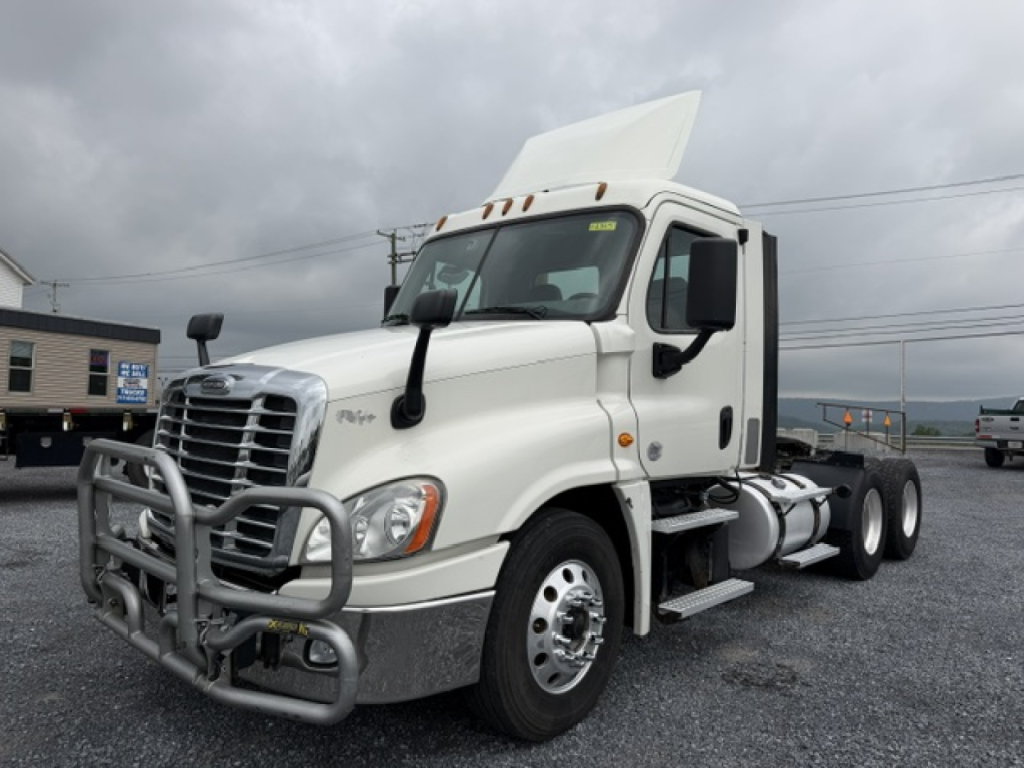
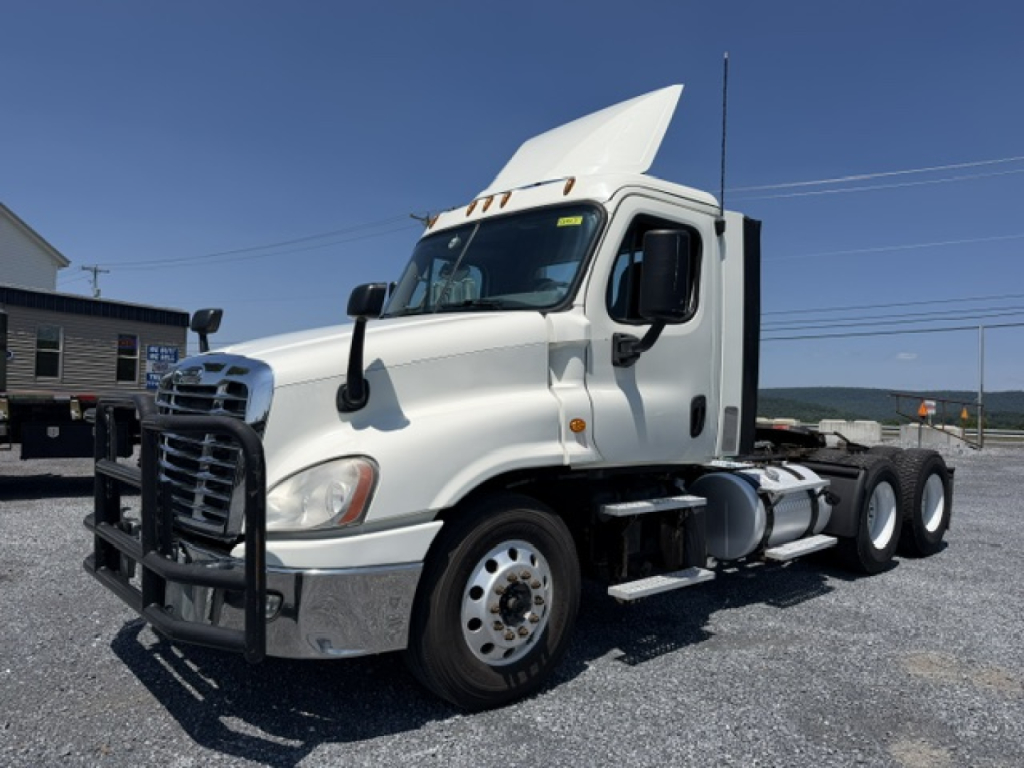
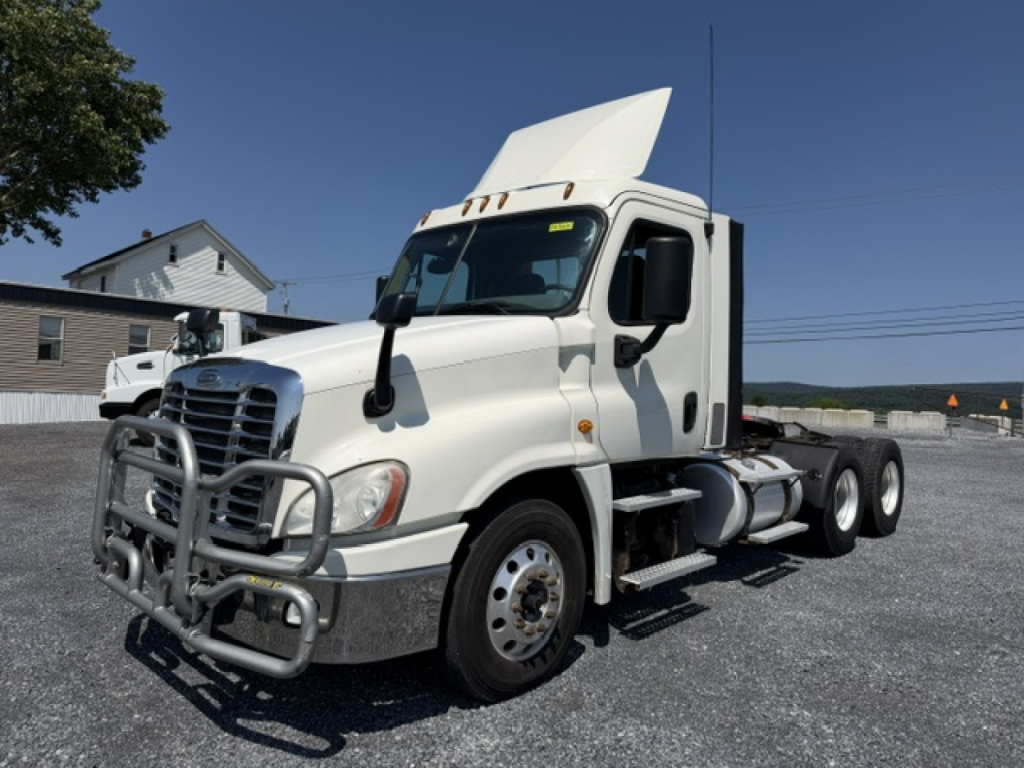
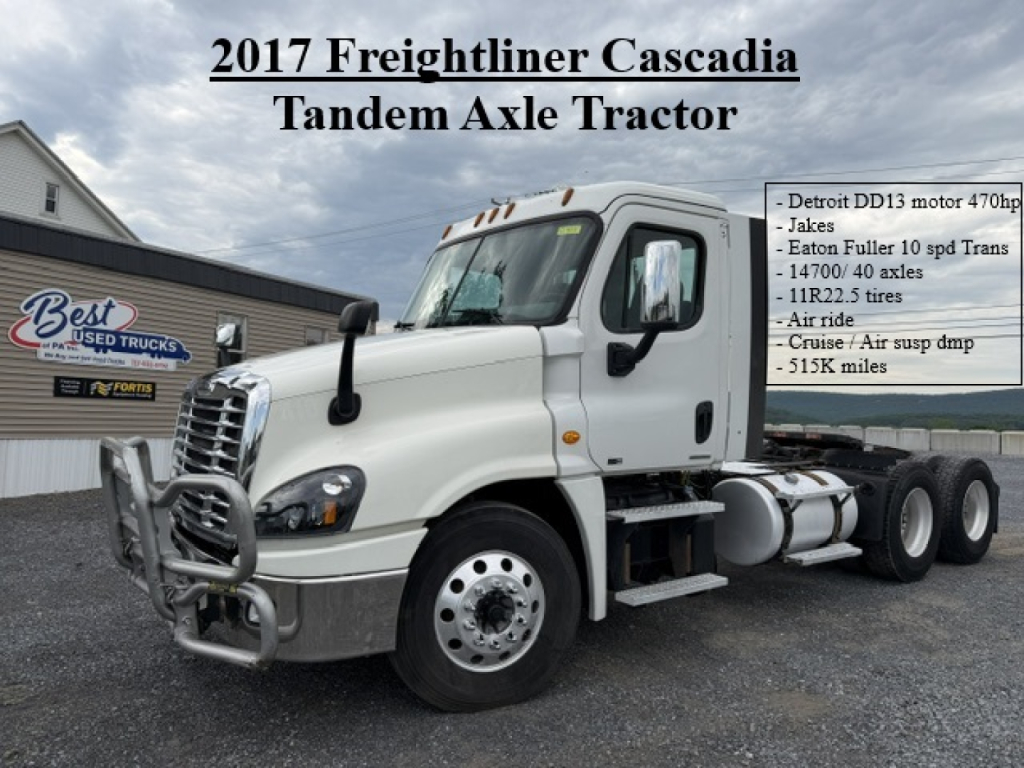

Selling a 2017 conventional daycab truck? List your 2017 conventional daycab truck for sale and reach thousands of commercial buyers.
2017 Conventional Daycab Trucks in Pennsylvania
The key buying decisions usually start with powertrain and axle specs. In this model year, common engines include the Detroit DD13, Cummins ISX or X15 in some heavier specs, Paccar MX series, Navistar A26, and Mack MP7, generally in the 380 to 450 horsepower range for most fleet daycabs. Many 2017 trucks were spec'd with automated manual transmissions for fuel economy and driver acceptance, though 10-speed and other manual options still show up in vocational or fleet-retained units. A typical tandem-axle setup carries a 12,000 to 14,700 pound front axle and 40,000 pound rears, often with ratios like 3.08, 3.25, or 3.36 depending on whether the truck was intended for highway efficiency or more start-stop and grade work. Air ride suspension, engine brakes, locking differentials, and air slide fifth wheels are common features worth comparing unit to unit.
Wheelbase, fifth wheel placement, and fuel capacity deserve close attention because they directly affect trailer gap, bridge law flexibility, and daily usability. Many 2017 conventional daycabs fall in roughly the 168-inch to 200-inch wheelbase range, with shorter specs favoring city maneuverability and longer specs giving more stable trailer tracking and room for larger dual tanks. If the truck will handle mixed trailer lengths, look at the air slide travel, frame condition around the slider area, and kingpin setting compatibility. Buyers running in Pennsylvania and surrounding states should also check for corrosion on frame rails, crossmembers, cab mounts, brake components, and electrical connections, especially on trucks that spent multiple winters on salted roads.
Cab condition and driver-focused equipment matter more than many buyers expect in a daycab. A clean interior, working HVAC, good seat base, functional power windows and mirrors, and a tight steering column make a difference when the truck is making multiple stops or spending long days in regional service. Disc brakes, collision mitigation, suspension dump controls, heated mirrors, and aluminum wheels may also show up on 2017 specs and can reduce downtime or improve operating ease. The best 2017 conventional daycab for sale is not just the lowest-mile truck. It is the one with the right drivetrain, wheelbase, maintenance history, and application fit for the lanes, trailers, and terrain it will actually run.
Frequently Asked Questions about 2017 Conventional Daycab Trucks in Pennsylvania
What is a 2017 conventional daycab truck best used for?
A 2017 conventional daycab truck is best suited for regional hauling, local and dedicated freight, drayage, terminal-to-terminal runs, and industrial applications where the driver returns home daily. The non-sleeper layout reduces empty weight and shortens the overall tractor length, which helps with maneuverability in tighter yards and customer locations. It is typically a better fit than a sleeper tractor when overnight accommodations are not needed.
What engine and transmission specs are common in 2017 daycab tractors?
Many 2017 conventional daycabs were spec'd with engines in the 380 to 450 horsepower range and tandem rear axles rated around 40,000 pounds. Common engines include the Detroit DD13, Mack MP7, Navistar A26, Cummins platforms, and some Paccar MX variants depending on make and model. Both automated manual and manual transmissions are common in this year range, with AMTs often chosen for fuel economy and easier driver onboarding, while manuals may still appeal to certain fleets and vocational users.
What wheelbase should I look for in a 2017 conventional daycab?
The right wheelbase depends on trailer type, axle spread requirements, and how tight the operating environment is. Shorter wheelbases are easier to maneuver in city and plant settings, while longer wheelbases can improve ride quality, trailer tracking, and fuel tank capacity. Buyers should also verify fifth wheel location and slide range so the tractor matches kingpin settings and bridge law needs for the trailers it will pull most often.
Are 2017 daycab trucks a good choice for Pennsylvania operations?
Yes, a 2017 daycab can be a strong fit for Pennsylvania freight because it balances highway capability with the maneuverability needed for older towns, industrial facilities, and congested corridors. The main concern is condition exposure from winter road treatment, so frame rust, brake hardware, wiring, and suspension components should be inspected carefully. Trucks with engine brakes, proper rear axle ratios, and good tire condition are especially useful for mixed grades and regional terrain.
What should I inspect first on a used 2017 conventional daycab?
Start with maintenance history, mileage context, engine and aftertreatment performance, transmission operation, and overall chassis condition. Pay close attention to DPF and SCR service records, oil or coolant leaks, suspension wear, kingpin and fifth wheel wear, brake condition, and signs of corrosion on frame rails and crossmembers. A used daycab should also be evaluated for cab comfort items and electrical function because regional and local trucks often see frequent driver entry, idle time, and stop-and-go duty cycles.