
2017 Freightliner Conventional Daycab Trucks For Sale in Pennsylvania
Shop 2017 Freightliner conventional daycab trucks in Pennsylvania. Compare Cascadia specs, axle setups, horsepower, wheelbase, and transmission options.
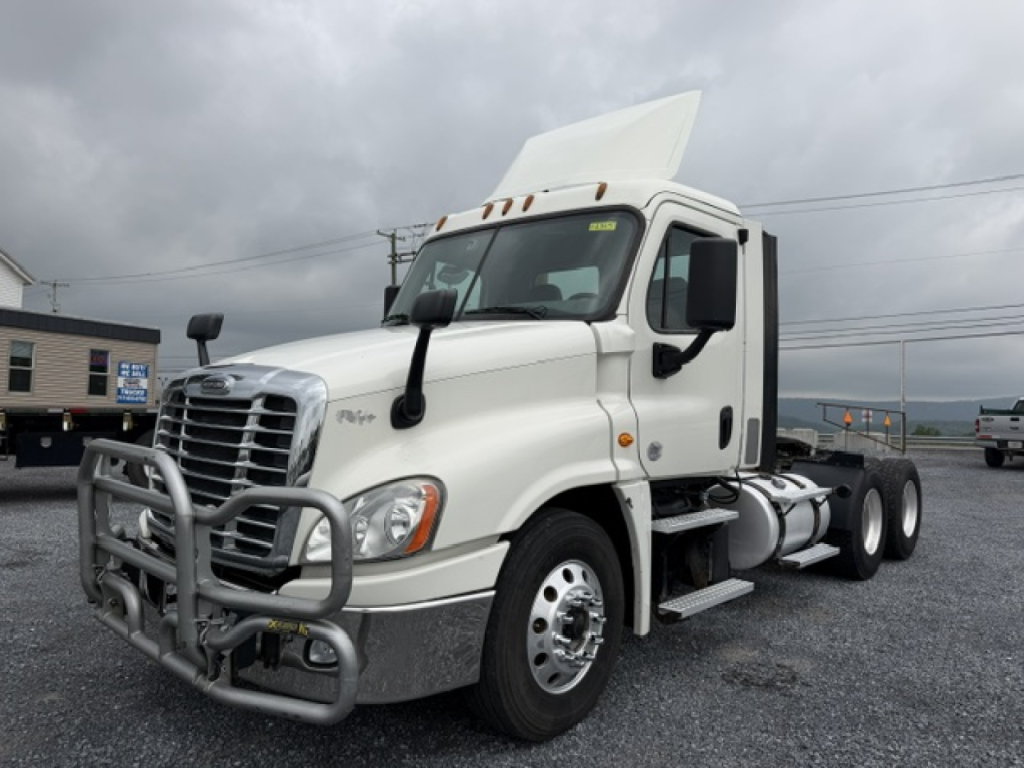
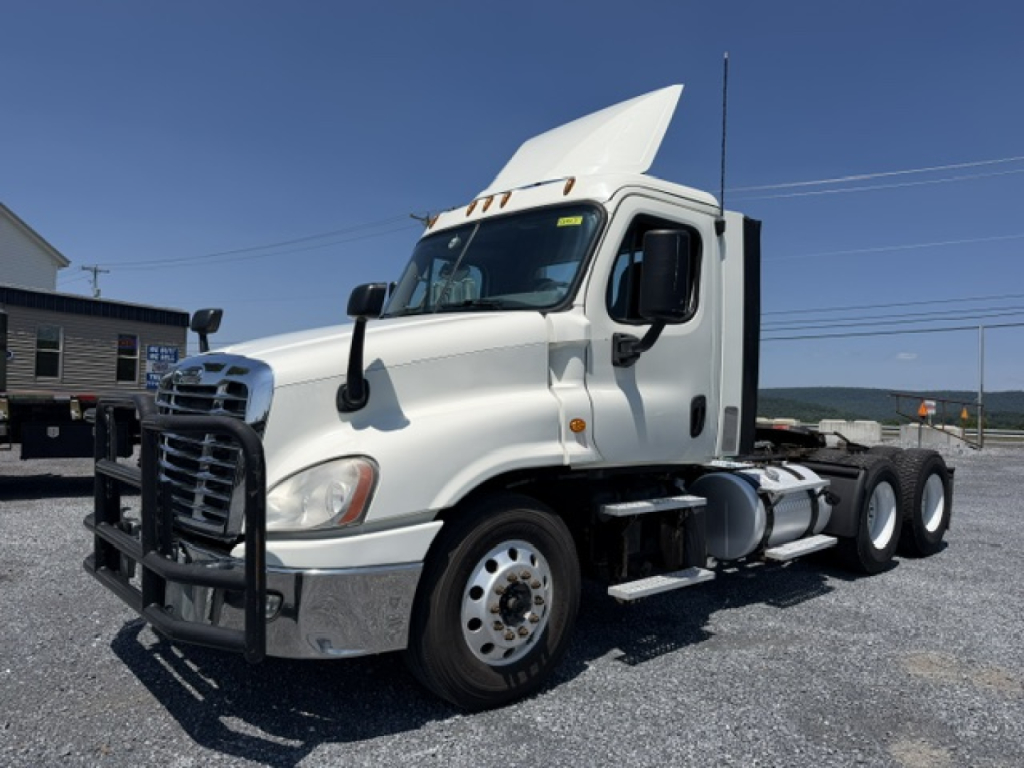
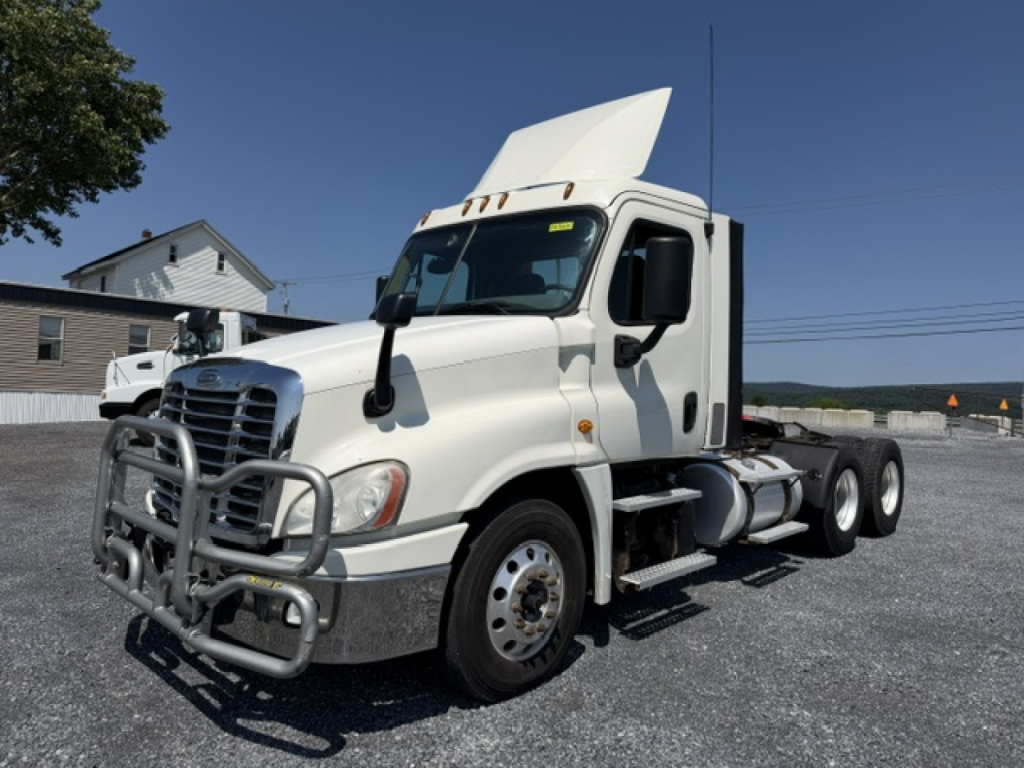
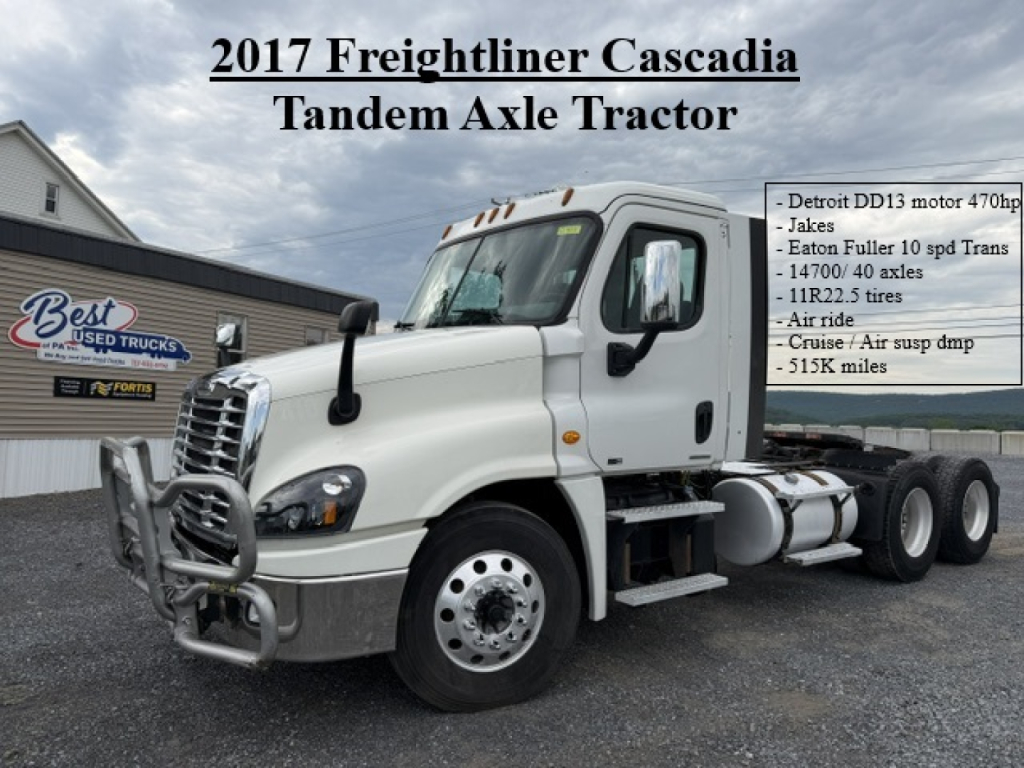
Selling a 2017 freightliner conventional daycab truck? List your 2017 freightliner conventional daycab truck for sale and reach thousands of commercial buyers.
2017 Freightliner Conventional Daycab Trucks in Pennsylvania
For this model year, many buyers focus first on the powertrain. A 2017 Freightliner daycab is commonly equipped with a Detroit DD13, often in the 410 to 450 horsepower range, though some fleets spec other ratings depending on gross weight and route profile. Transmission choice is a major separator. You will see both Eaton Fuller manual transmissions and Detroit DT12 automated manuals. Manuals still appeal to buyers who want simplicity and direct control, while DT12-equipped trucks can reduce driver fatigue and help standardize fuel economy across a fleet. Rear axle ratings are often 40,000 pounds on tandem axle trucks, with single axle specs also common for lighter regional work. Wheelbase, 5th wheel type, and axle ratio should be matched to trailer length, bridge law needs, and how tight the truck has to turn in yards or city docks.
Chassis and cab details matter just as much as engine badge and horsepower. Many 2017 Freightliner conventional daycab trucks use air ride suspension, air slide 5th wheels, aluminum fuel tanks, and 11R22.5 rubber. Buyers comparing listings should pay attention to front axle capacity, suspension make, brake type, and whether the truck has disc or drum brakes. A shorter wheelbase can improve maneuverability for city and LTL work, while a longer wheelbase may track better with certain trailer combinations. Common driver-focused features include power windows, heated mirrors, tilt and telescoping steering, cruise control, and air suspension dump controls in the cab. If the truck will spend long days in stop-and-go service, those details have real value.
A used 2017 Freightliner day cab should be evaluated around application fit more than age alone. Miles, idle time, maintenance records, emissions system history, clutch life on manual trucks, and tire wear pattern all tell you more than the model year by itself. For Pennsylvania fleets, rust exposure, frame condition, and how the truck was maintained through winter road salt are especially worth checking. Freightliner conventional daycab trucks remain a popular choice because parts availability is broad, most shops know the platform well, and the spec range is wide enough to cover everything from a lightweight single axle tractor to a tandem axle regional hauler.
Frequently Asked Questions about 2017 Freightliner Conventional Daycab Trucks in Pennsylvania
What is a 2017 Freightliner conventional daycab best used for?
A 2017 Freightliner conventional daycab is best suited for regional freight, local tractor-trailer work, drayage, dedicated fleet routes, and other applications where overnight sleeper space is not needed. The day cab layout reduces weight and keeps the truck compact, which helps in tighter terminals, city deliveries, and frequent hook-and-drop operations. It is a practical choice for buyers who want a road tractor with highway capability but do not need a sleeper berth.
What engines and transmissions are common in a 2017 Freightliner day cab?
The most common engine in this category is the Detroit DD13, usually rated around 410 to 450 horsepower depending on the original fleet spec. Transmission choices often include Eaton Fuller manual gearboxes and Detroit DT12 automated manuals. The right setup depends on route profile, driver preference, gross combined weight, and maintenance philosophy. Manual transmissions still attract some owner-operators, while automated manuals are widely used in fleet service for consistency and ease of operation.
How do I choose between a single axle and tandem axle Freightliner day cab?
A single axle day cab is typically chosen for lighter loads, shorter routes, and operations where lower empty weight and tighter maneuverability matter most. A tandem axle day cab is usually the better fit for heavier freight, standard van and flatbed applications, and broader flexibility across different trailer types. Buyers should compare rear axle rating, wheelbase, and intended trailer combination before deciding, because those factors have a direct effect on payload, bridge compliance, and turning radius.
What should I inspect on a used 2017 Freightliner conventional daycab?
The most important checks are engine and emissions service history, transmission condition, suspension wear, brake condition, tire wear, frame corrosion, and signs of hard fleet use. On Pennsylvania trucks, exposure to winter salt makes undercarriage and frame inspection especially important. Buyers should also confirm axle ratings, wheelbase, 5th wheel travel, and any driver-assist or electrical features that matter to the operation. A truck with the right maintenance history and correct spec is usually more valuable than one with a lower price but a poor application match.
Why are Freightliner Cascadia day cabs so common on the used market?
Freightliner Cascadia day cabs are common because they were heavily adopted by fleets for regional and local service. That widespread use created strong parts support, broad technician familiarity, and many variations in horsepower, axle configuration, and cab equipment. For buyers, that means it is often easier to compare specifications side by side and find a truck that matches a specific route, trailer, or duty cycle without moving into a less common platform.