
2017 Freightliner Conventional Daycab Trucks For Sale
Shop 2017 Freightliner conventional daycab trucks. Compare Cascadia daycab specs, DD13 power, DT12 transmissions, axles, and wheelbase options.
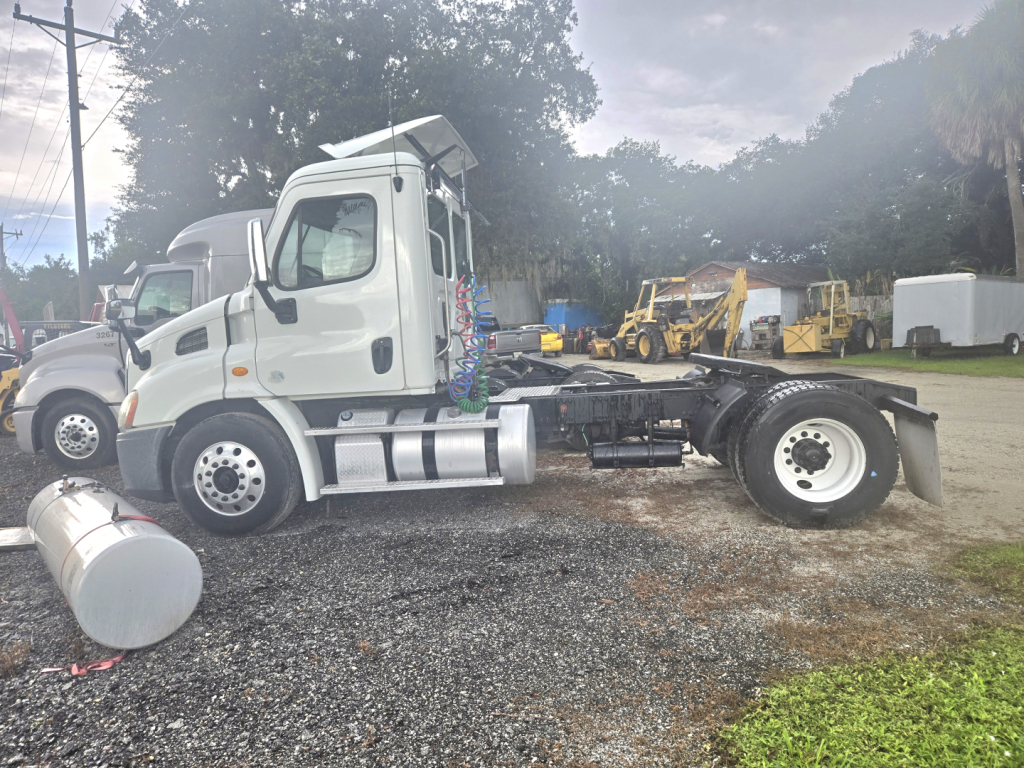
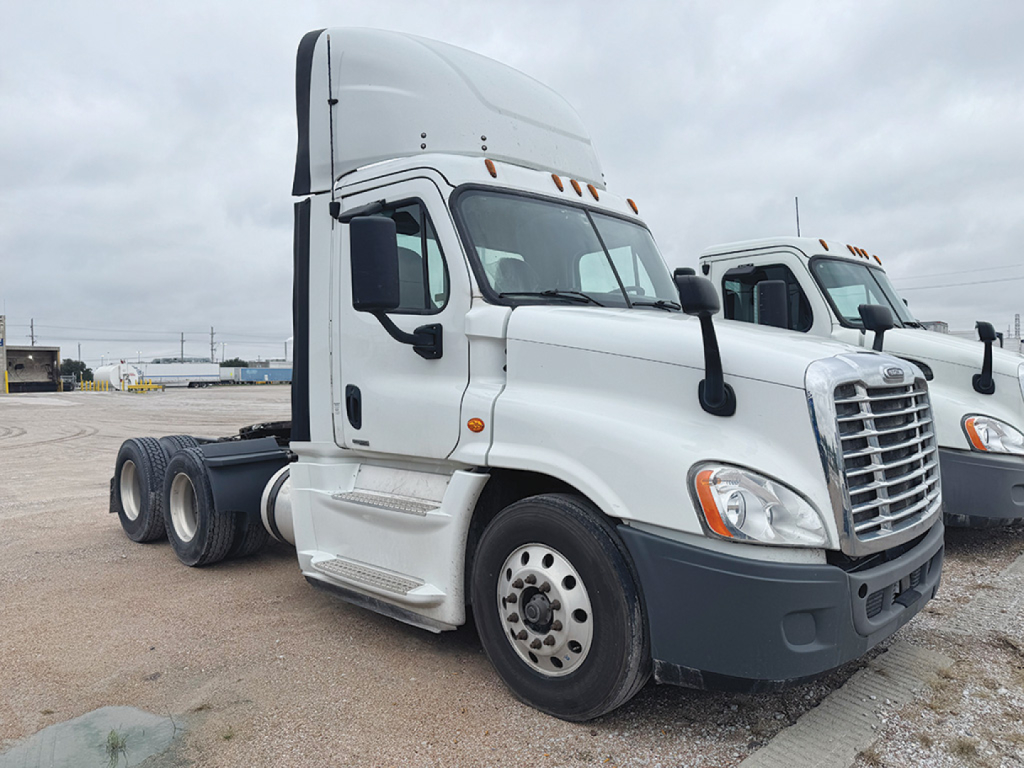
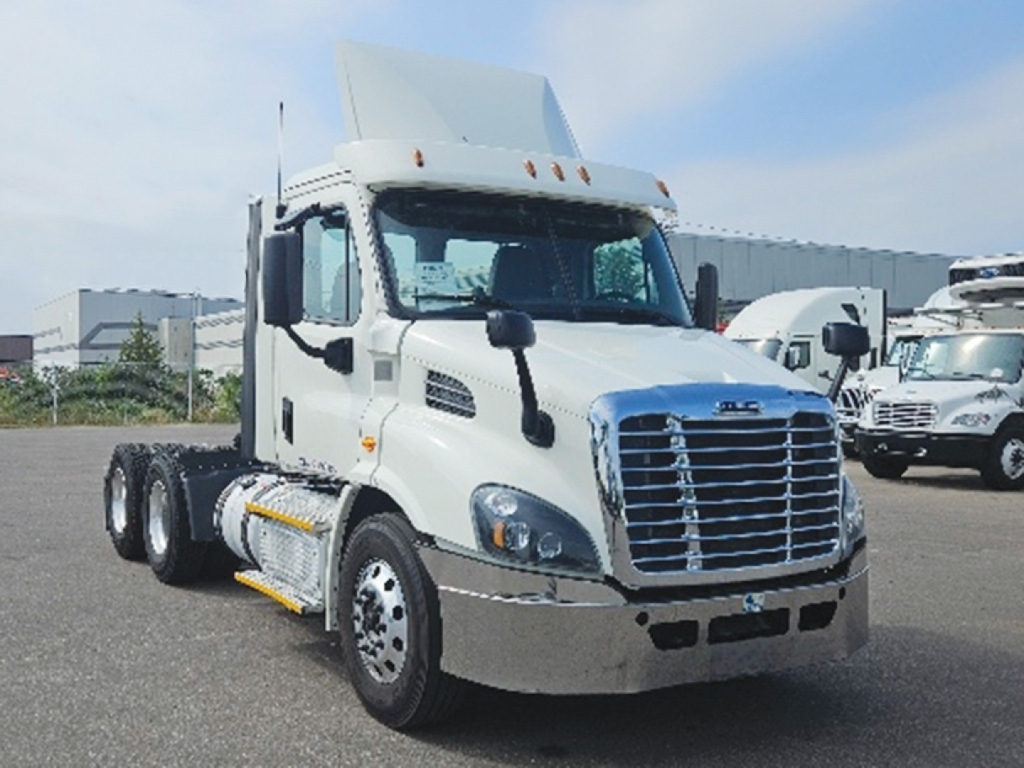
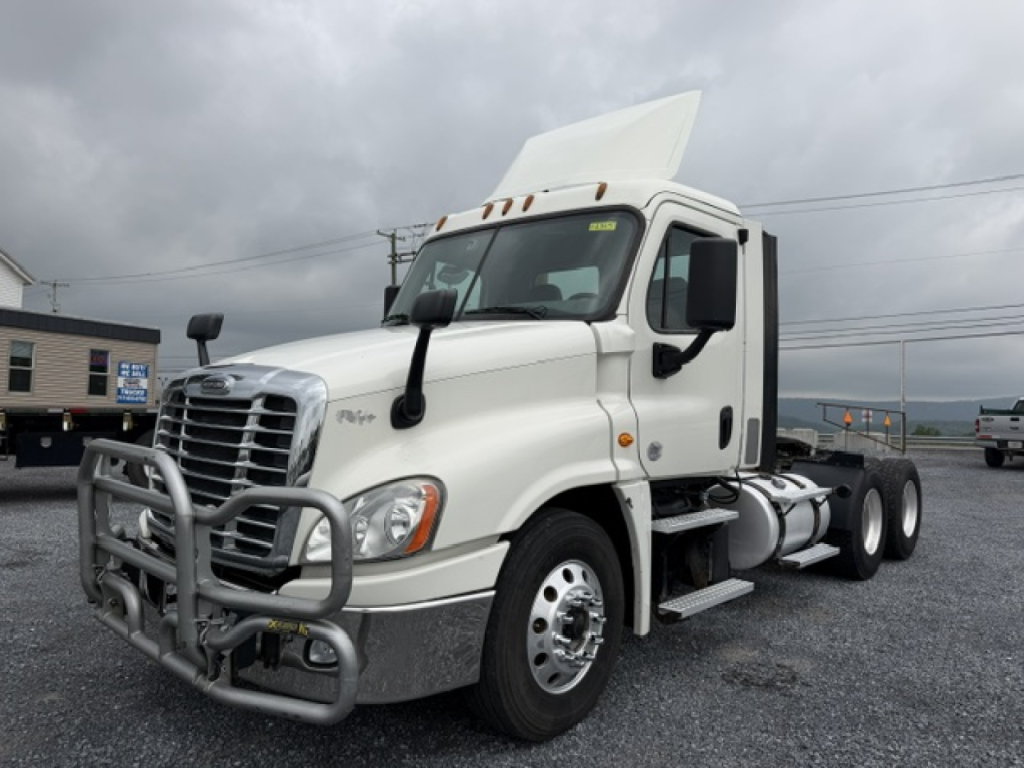
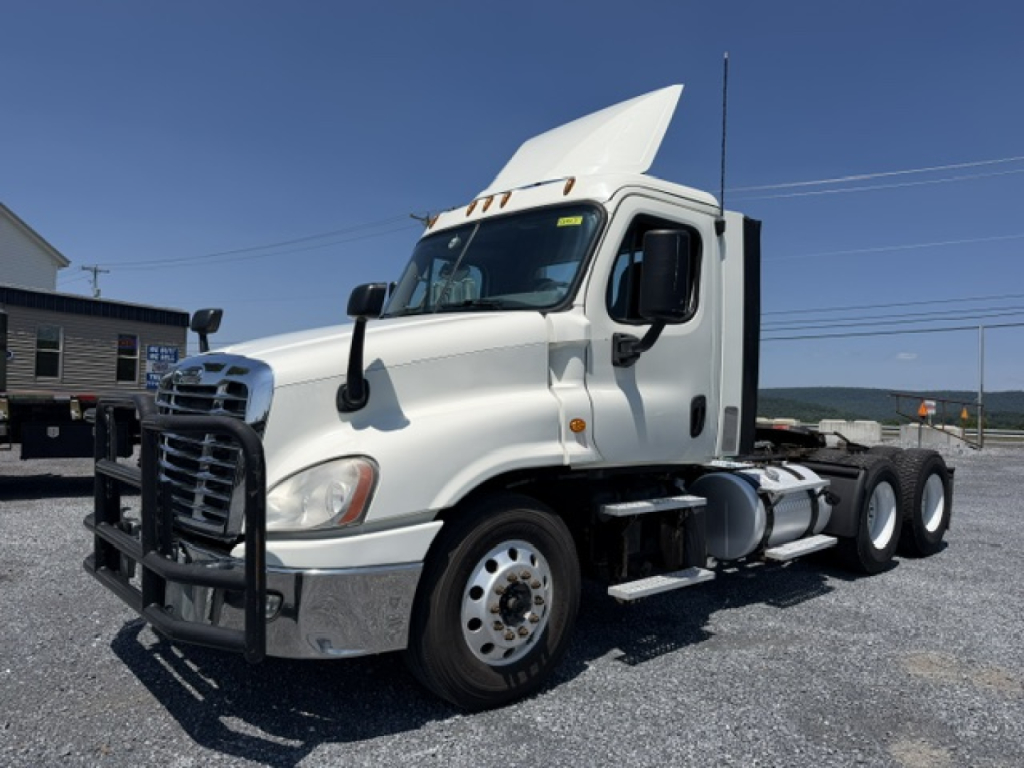
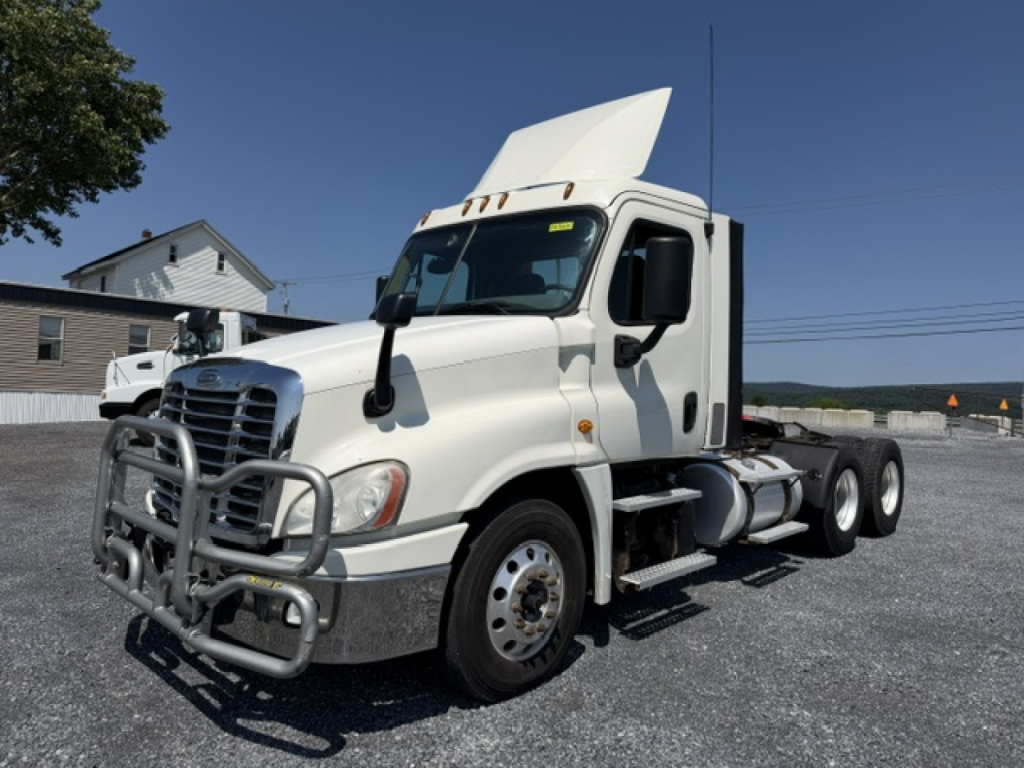
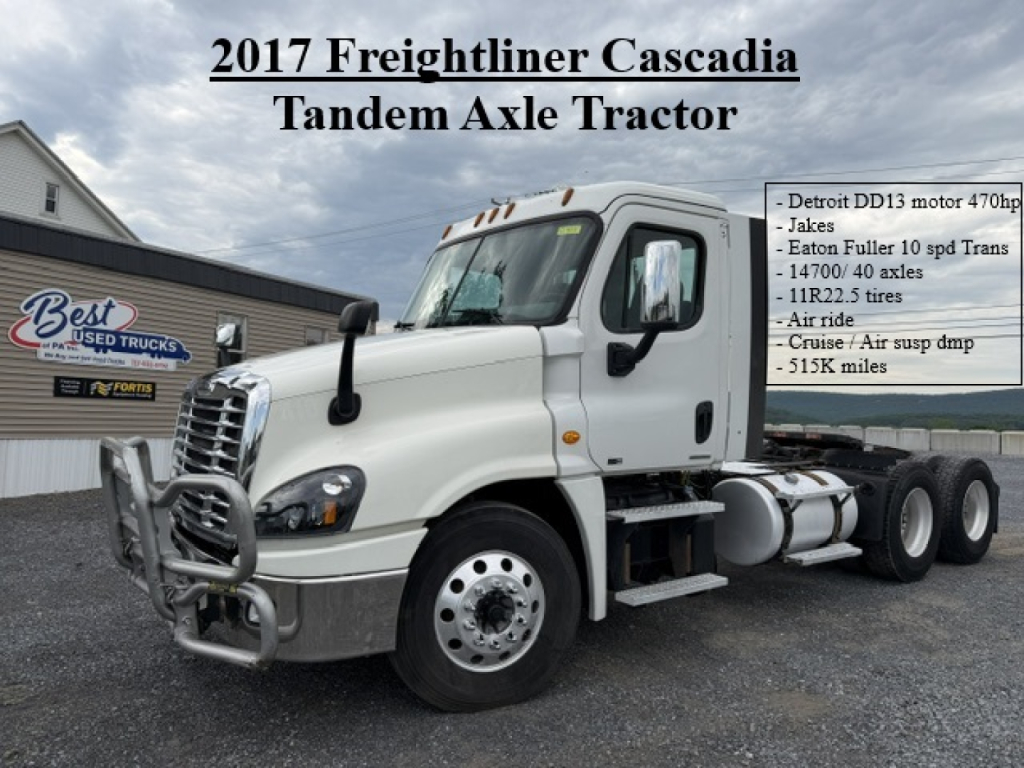
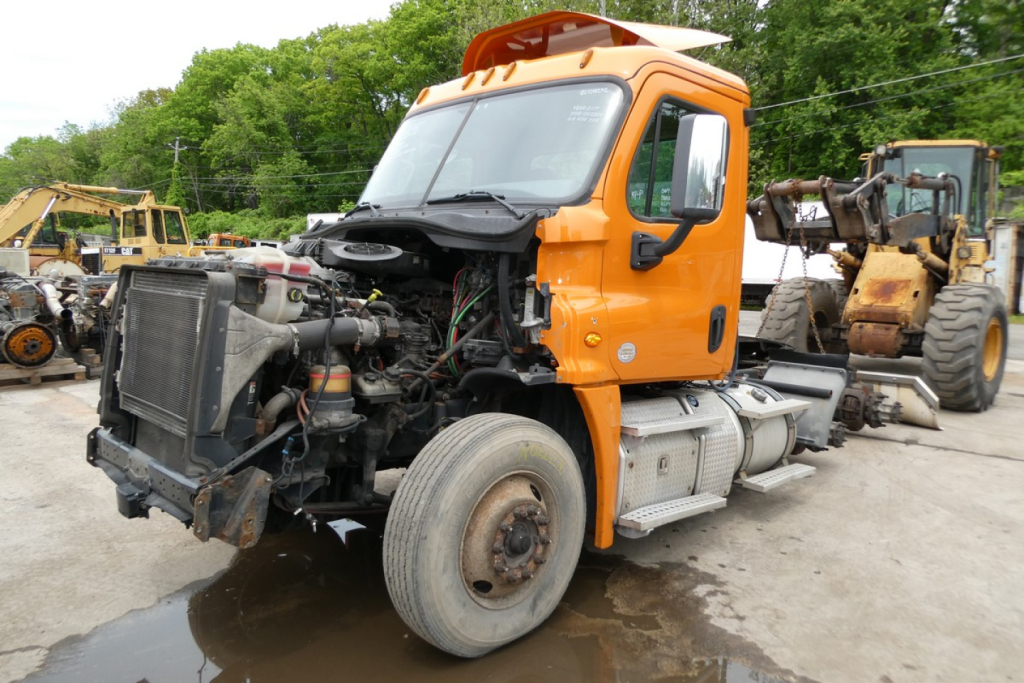
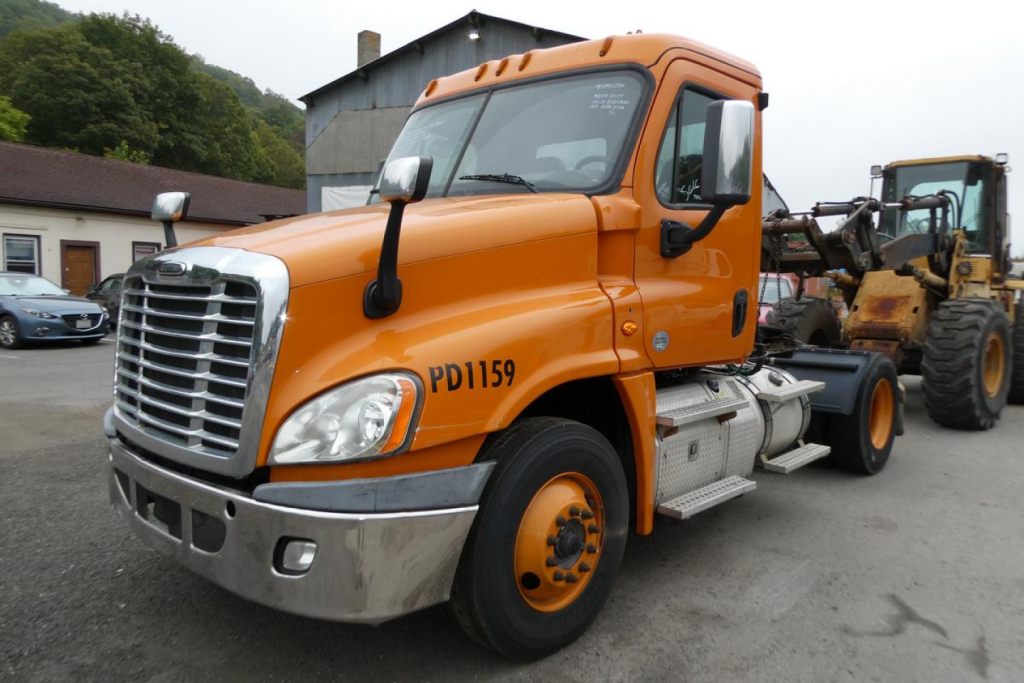
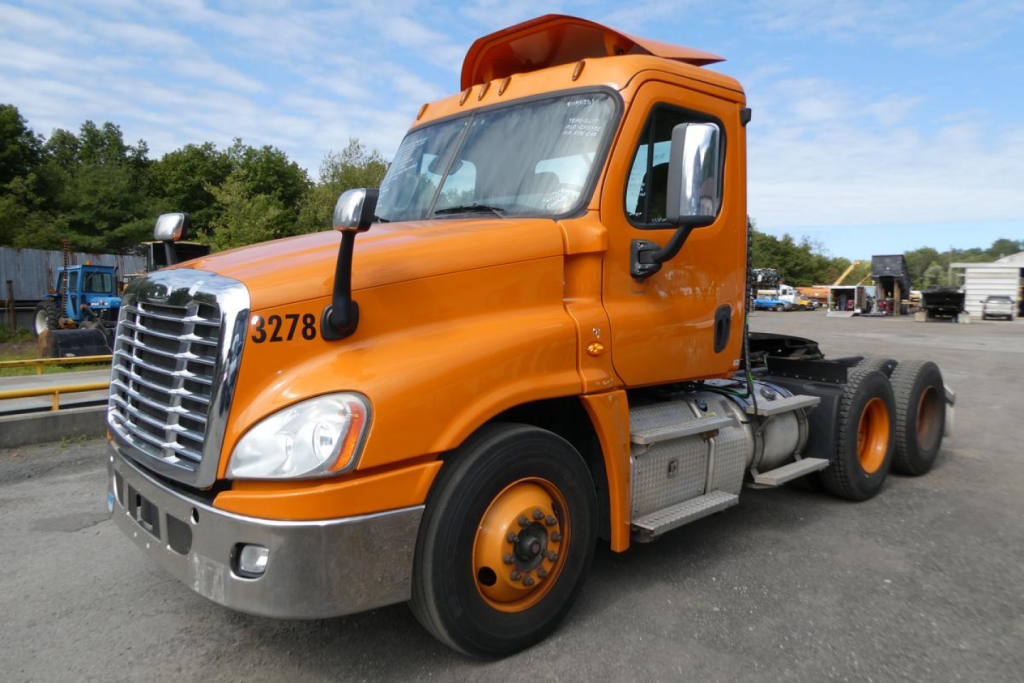
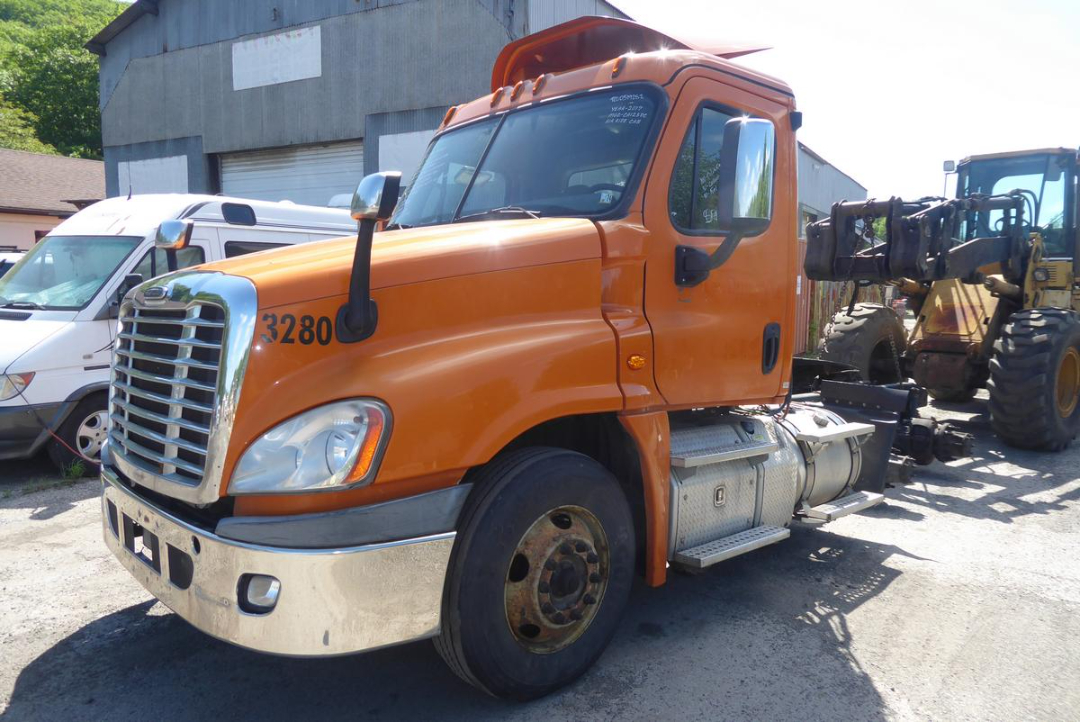
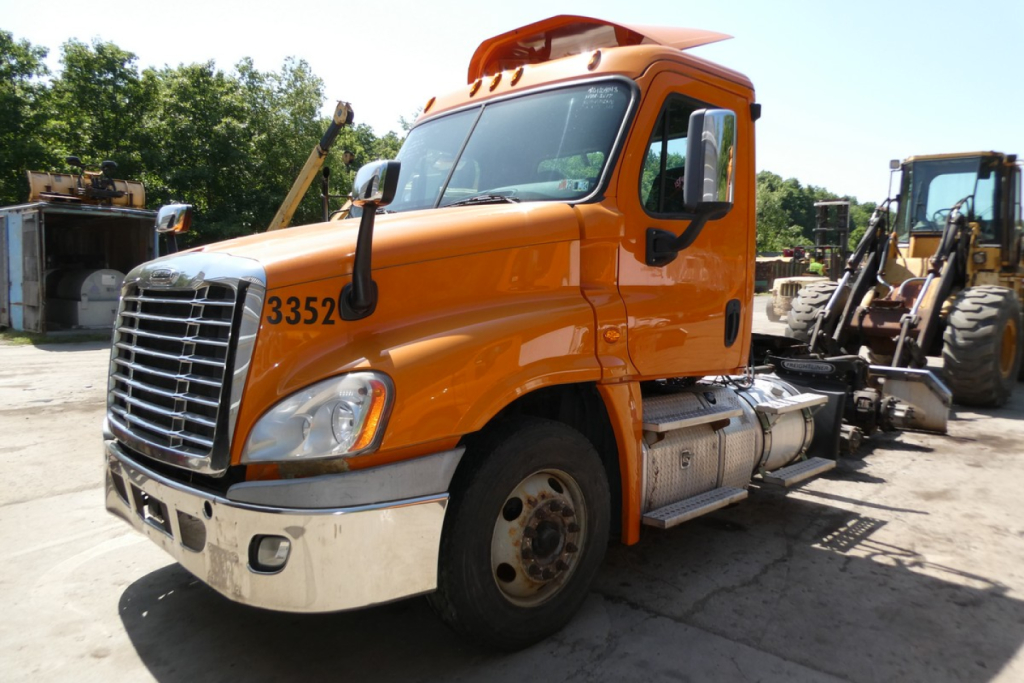
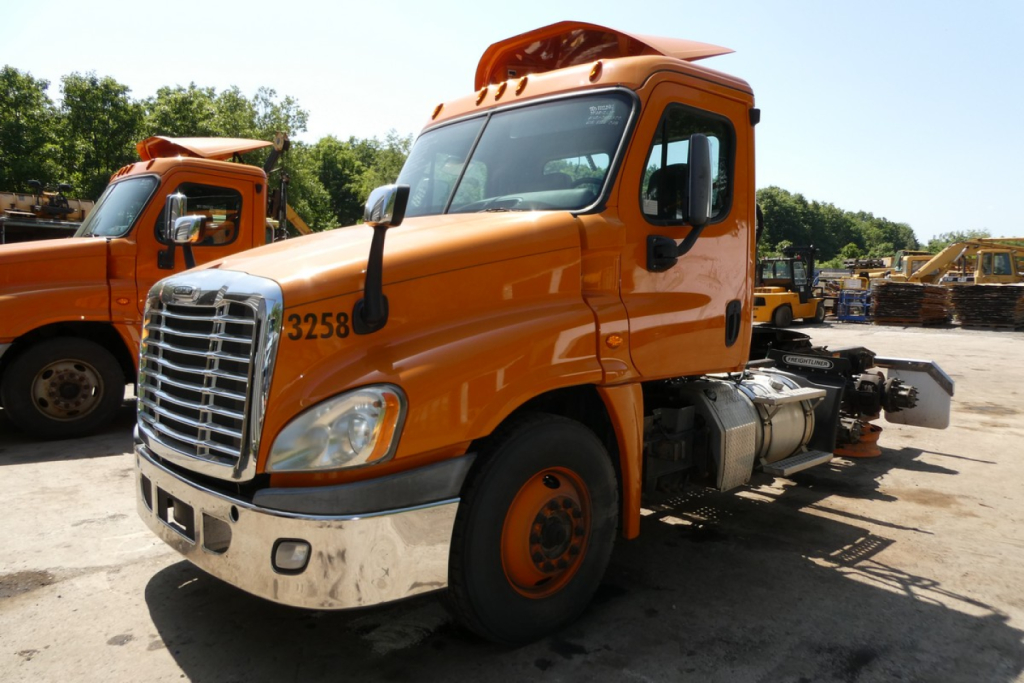
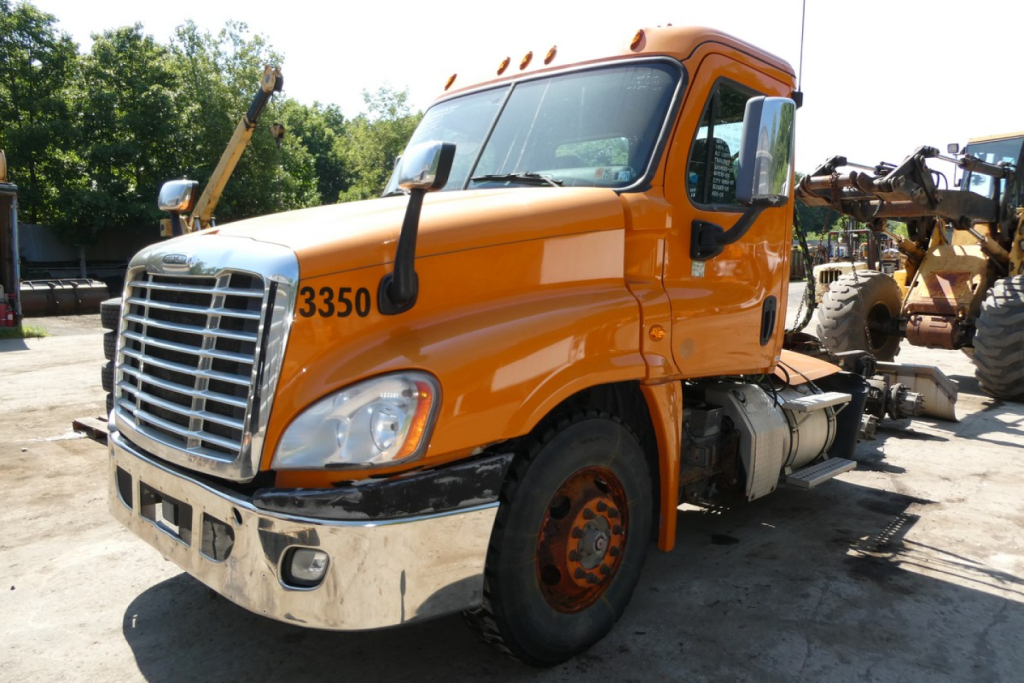
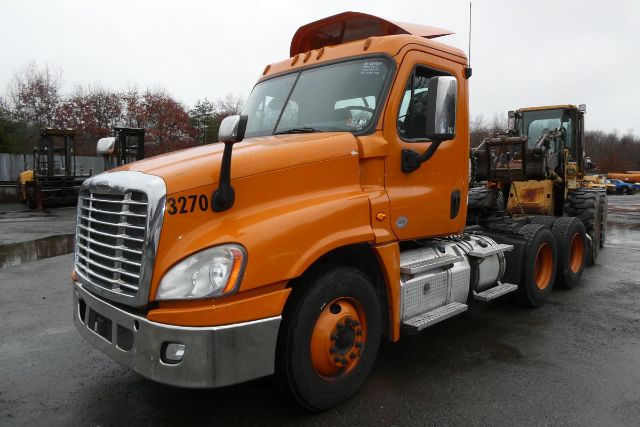
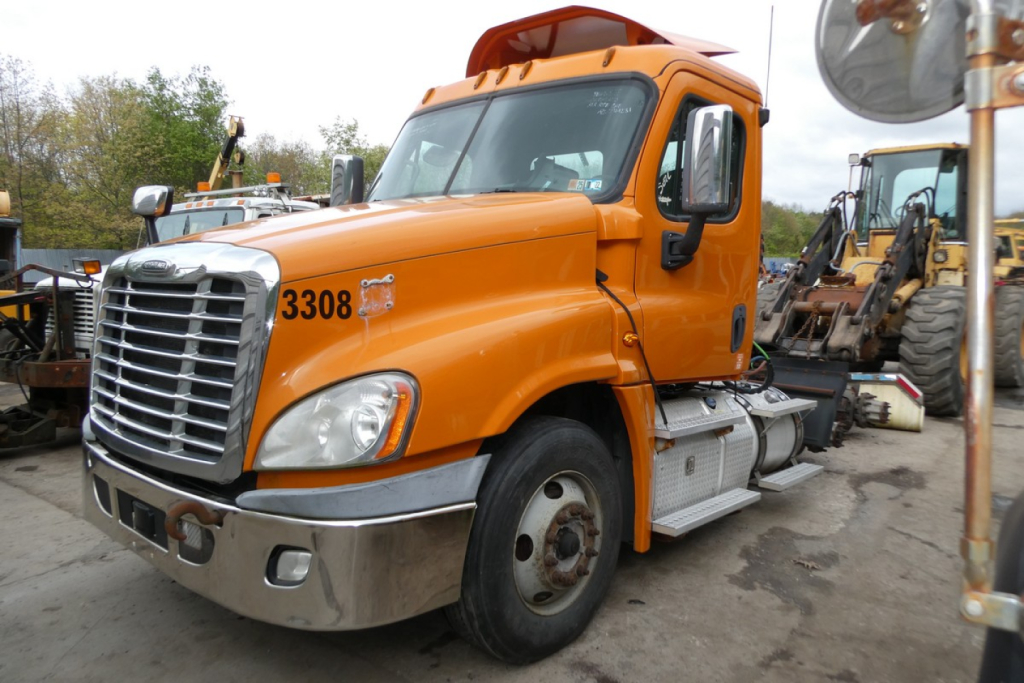
Selling a 2017 freightliner conventional daycab truck? List your 2017 freightliner conventional daycab truck for sale and reach thousands of commercial buyers.
2017 Freightliner Conventional Daycab Trucks
Frequently Asked Questions about 2017 Freightliner Conventional Daycab Trucks
What engine and transmission are common in a 2017 Freightliner daycab?
The most common powertrain in a 2017 Freightliner conventional daycab is the Detroit DD13 paired with a Detroit DT12 automated manual transmission. Many trucks in this class are rated around 450 hp, with torque and calibration varying by vocation. This setup is popular because it balances fuel economy, drivability, and service support. Some trucks may still be spec'd with manual transmissions, but DT12-equipped Cascadias are very common in fleet daycab service.
What axle and suspension specs should I expect on a 2017 Freightliner Cascadia daycab?
Many 2017 Freightliner daycabs are built with a 12,000 lb front axle, 40,000 lb tandem rear axles, and Freightliner Airliner air ride suspension. A 3.08 rear ratio is a common highway spec, especially for fuel-conscious regional operations. This combination supports legal highway payloads while keeping ride quality and traction acceptable for dock-to-dock freight work. Buyers should confirm whether the truck has a single frame or double frame, the exact rear axle model, and whether the suspension spec matches the intended trailer weight and terrain.
Is a 2017 Freightliner conventional daycab good for local and regional work?
Yes. A daycab is purpose-built for routes where the driver returns home or to a terminal the same day. The 2017 Freightliner conventional daycab is a strong fit for metro distribution, intermodal drayage, short regional lanes, and dedicated contract freight. Compared with a sleeper tractor, it usually offers lower curb weight, a shorter wheelbase, and easier maneuvering in tight yards and city loading areas. The tradeoff is limited onboard storage and no sleeper compartment for longer over-the-road use.
What measurements matter most when comparing Freightliner daycabs?
Wheelbase, cab-to-axle, and cab-to-end dimensions are critical because they affect trailer swing clearance, bridge law planning, and how the truck fits a specific body or fifth wheel setup. Many highway daycabs in this category fall in the low-170-inch wheelbase range, but exact dimensions vary with axle spacing and intended use. Buyers should also verify overall height with fairings, fifth wheel type, and tire size, especially if the truck will operate under low-clearance routes or pull specialized trailers.
What should I inspect closely on a used 2017 Freightliner daycab?
Focus on emissions health, transmission behavior, brake type and condition, suspension wear, and electronic fault history. On a 2017 unit, it is important to review DEF system performance, one-box or aftertreatment history, engine hours versus odometer, and whether the truck has active warning lights. Also confirm if it has air disc brakes or drums, inspect the fifth wheel and frame rails for wear, and compare ECM miles to dash miles when available. Fleet-maintained Freightliner daycabs can be solid value trucks, but service records make a major difference.