
2017 Conventional Daycab Trucks For Sale
Shop 2017 conventional daycab trucks with specs for regional haul, vocational work, and local delivery fleets.
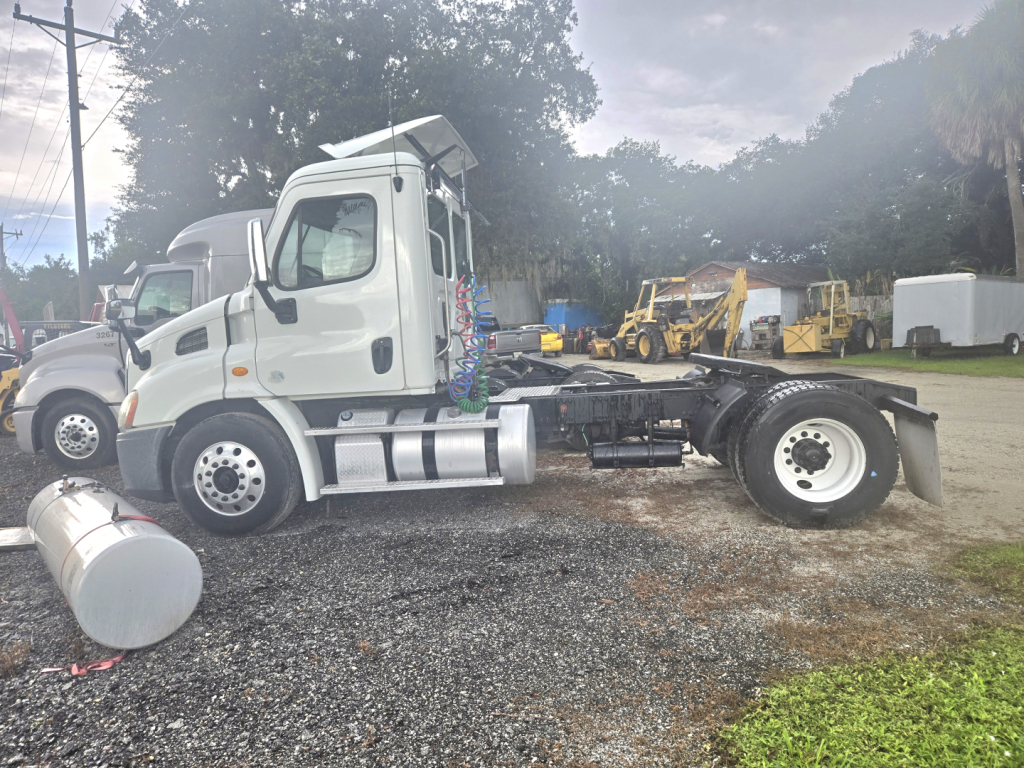
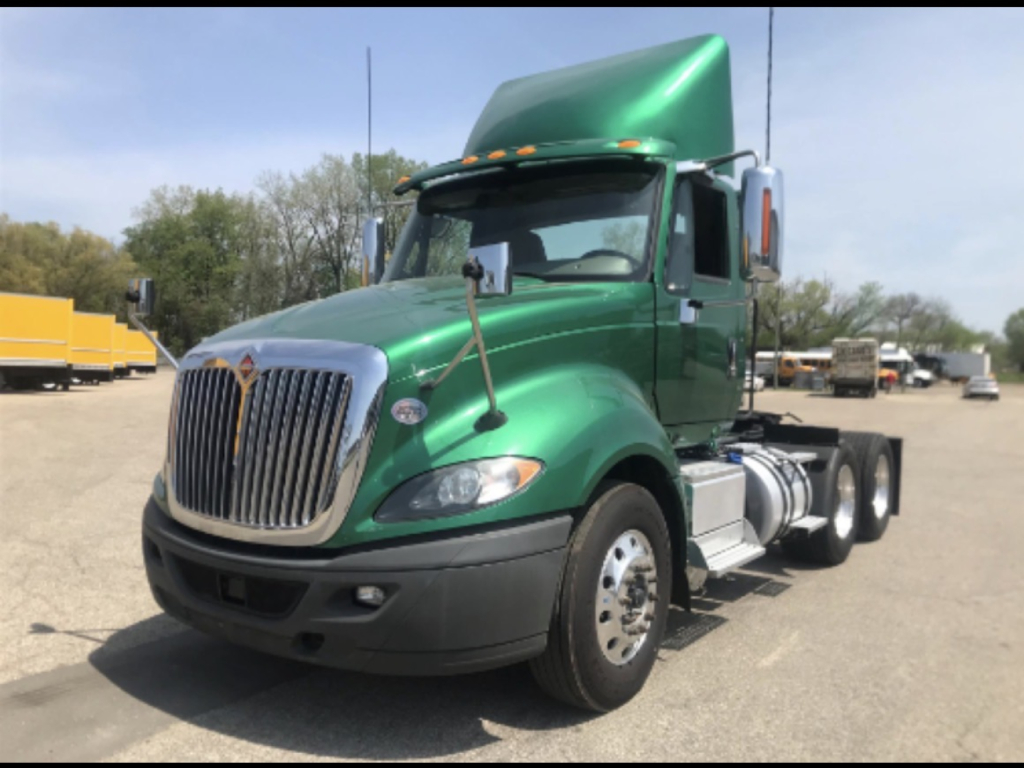
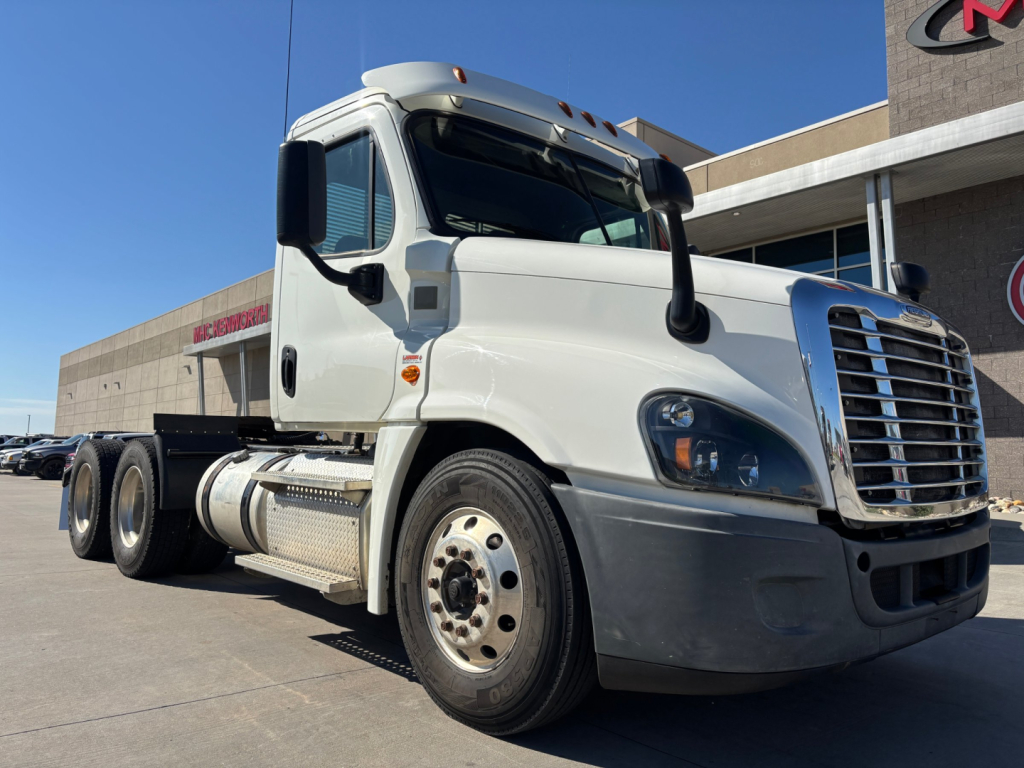
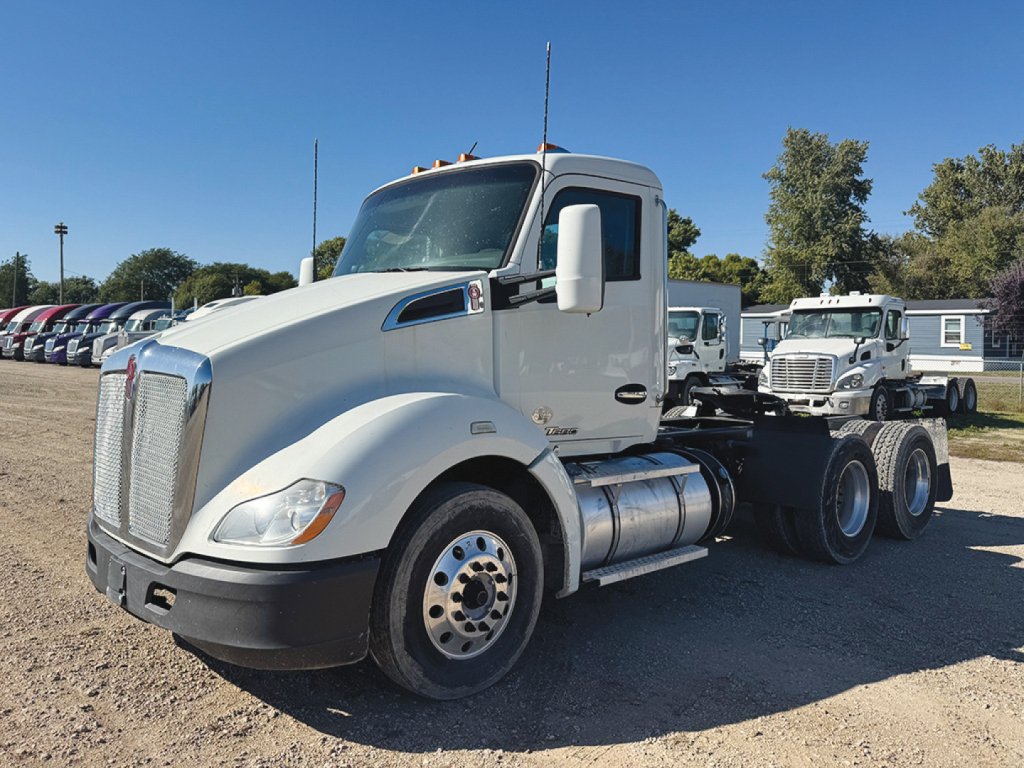
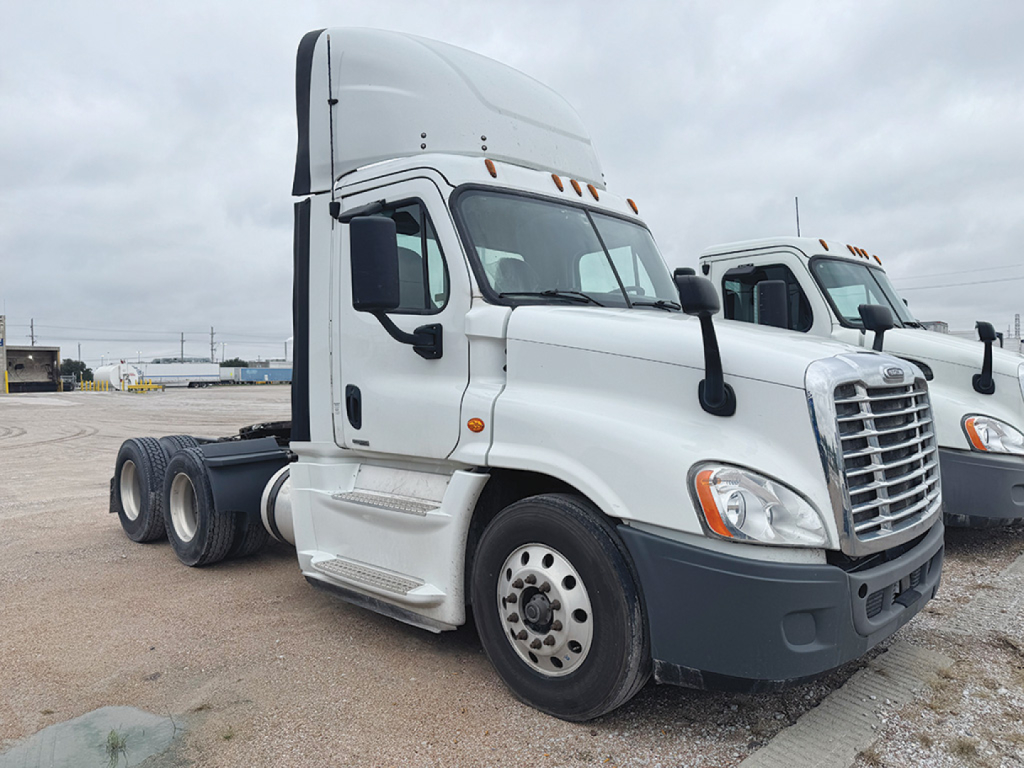
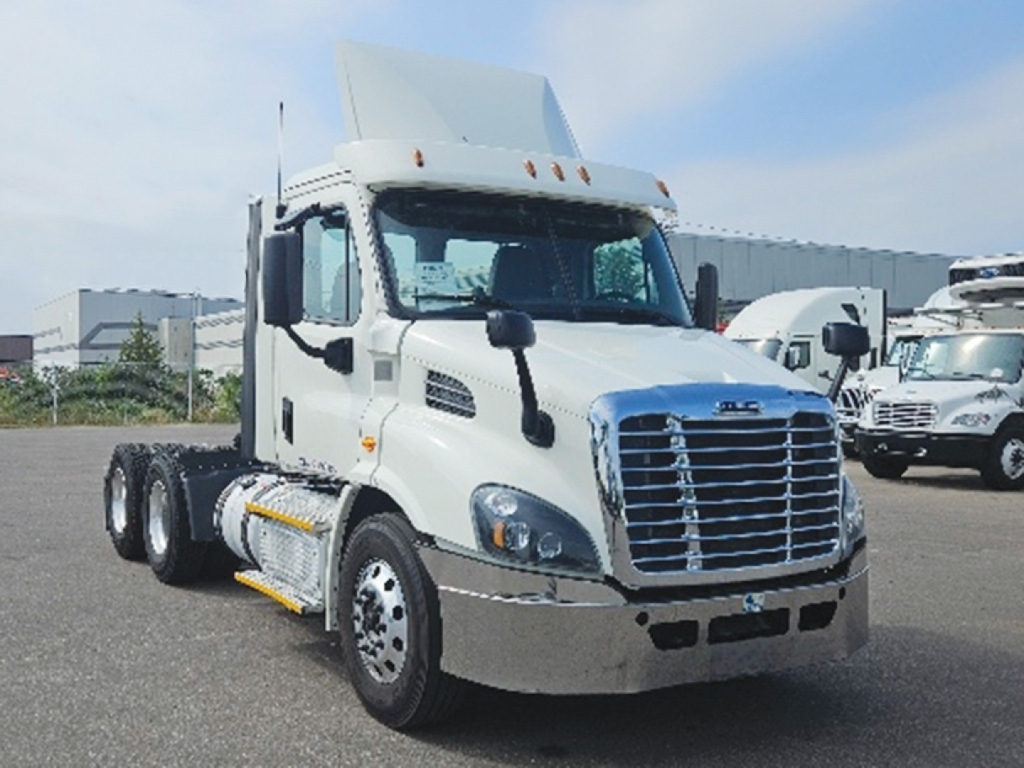
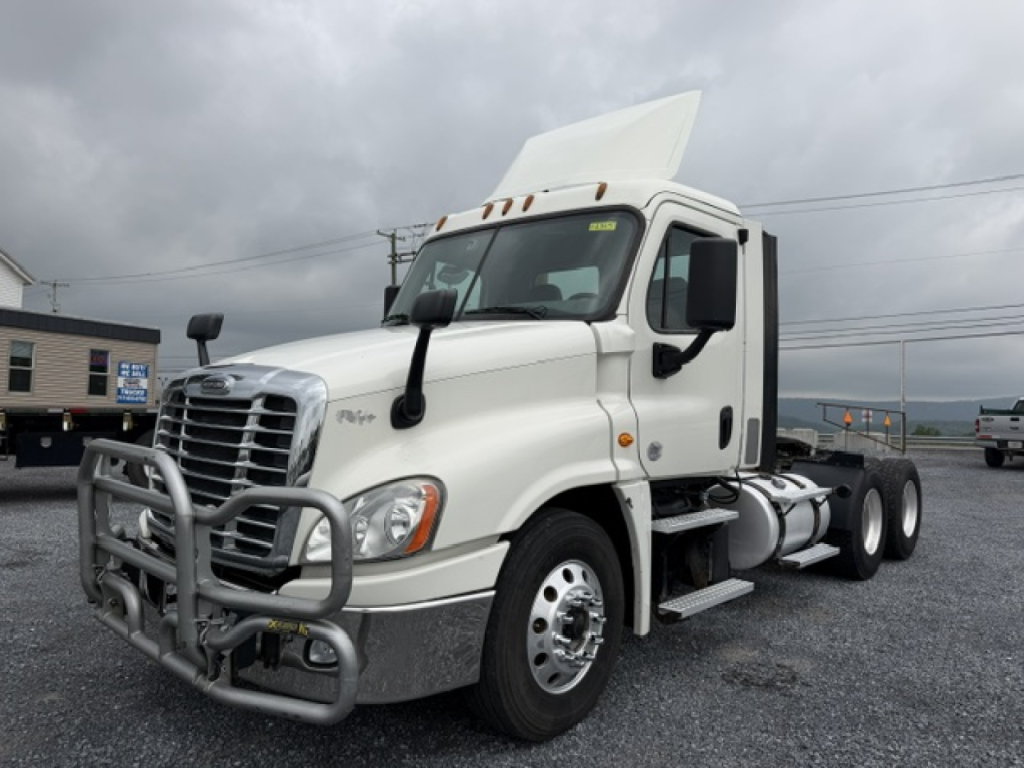
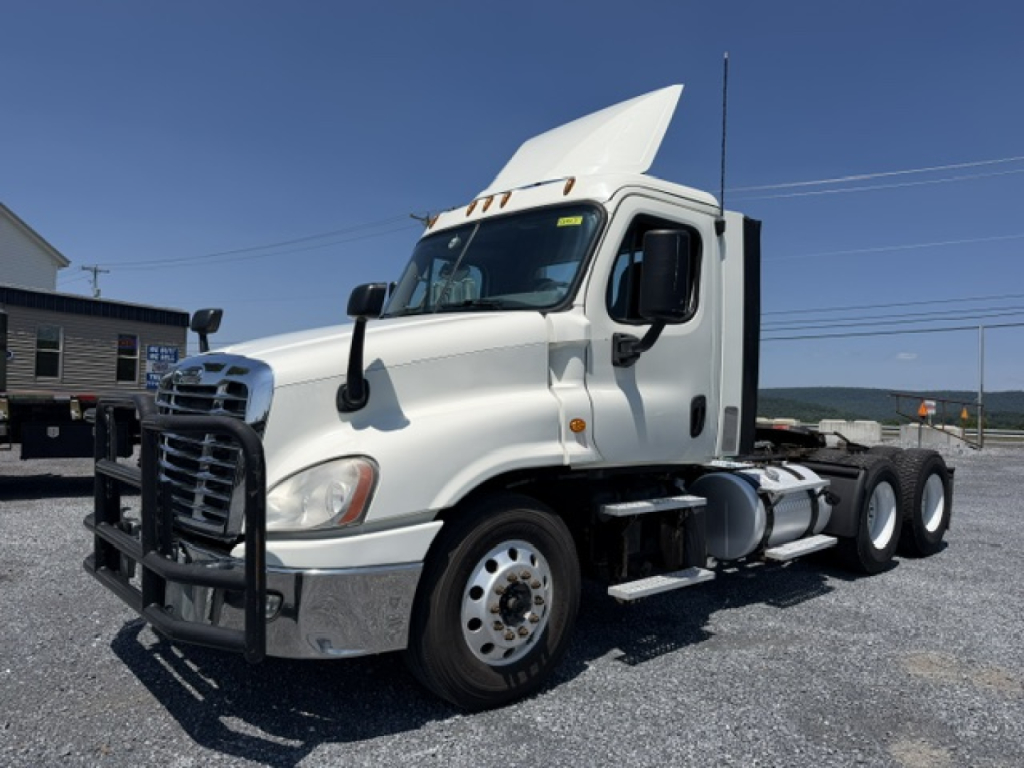
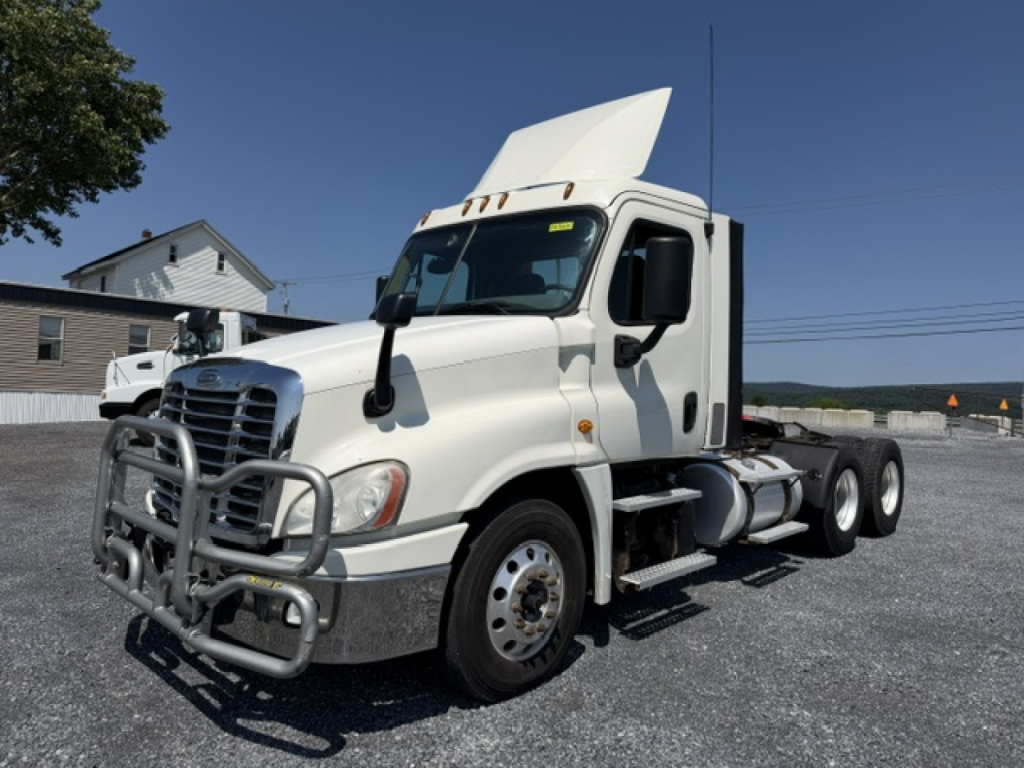
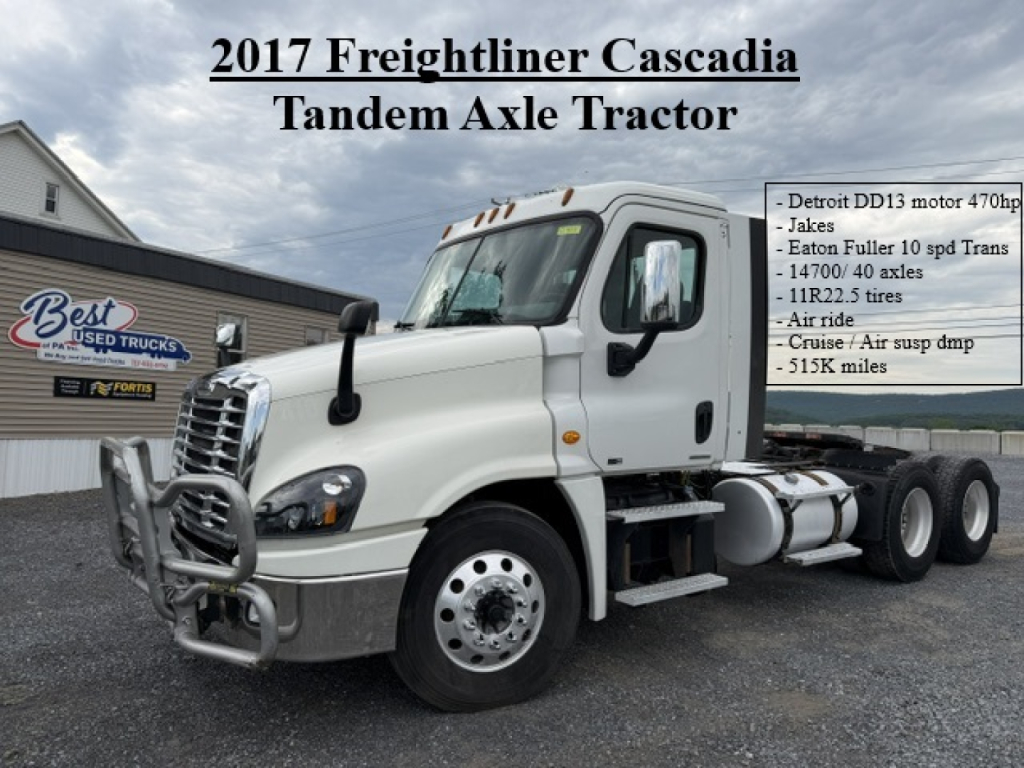
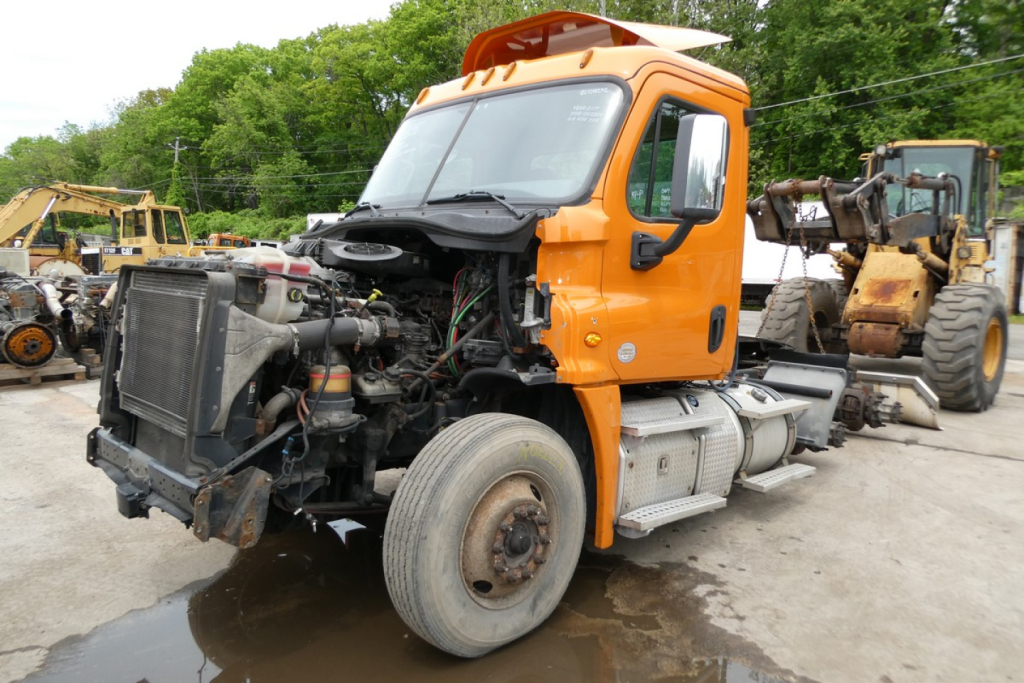
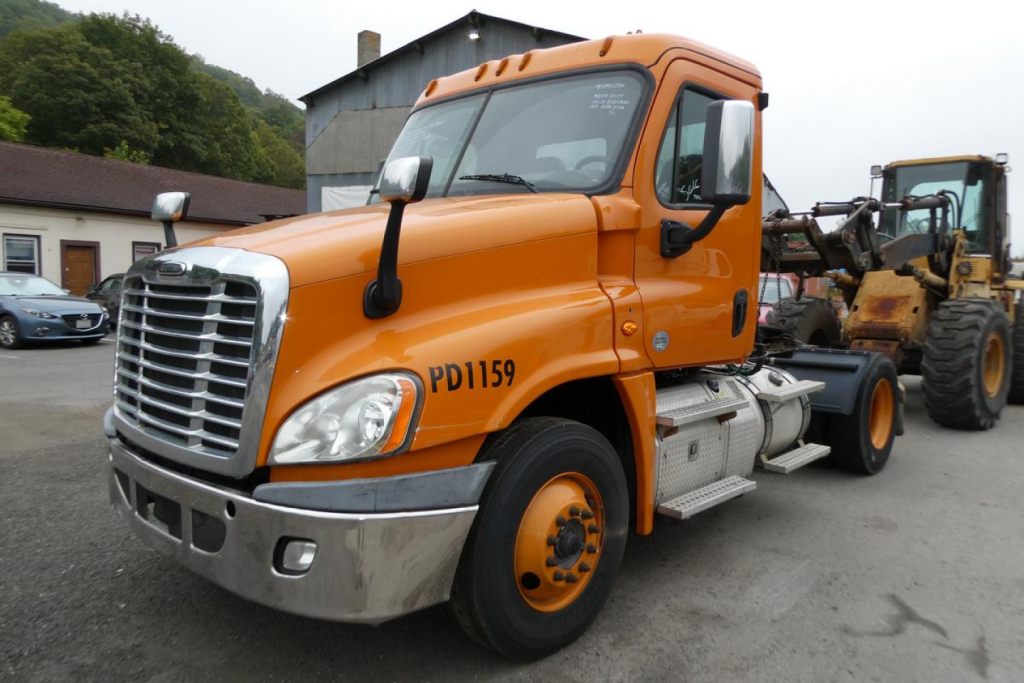
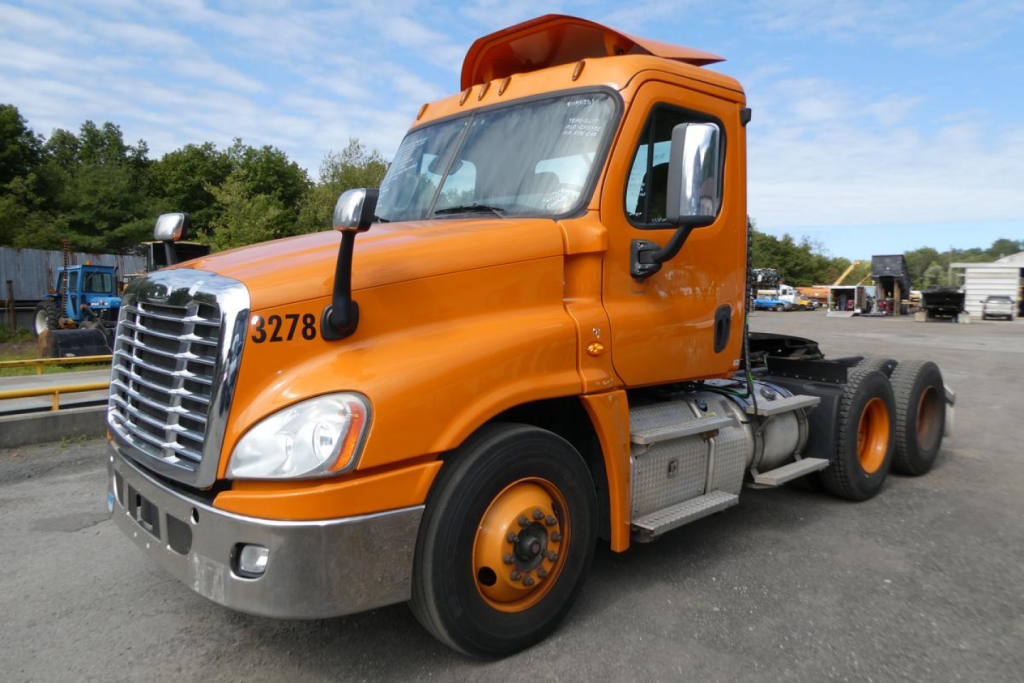
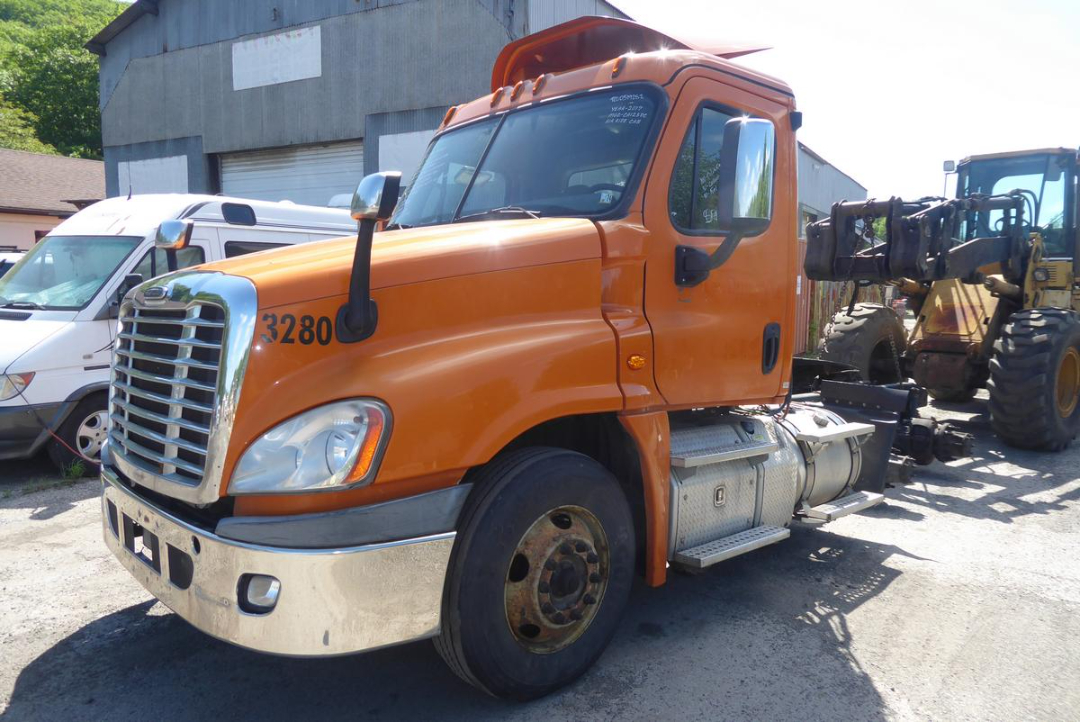
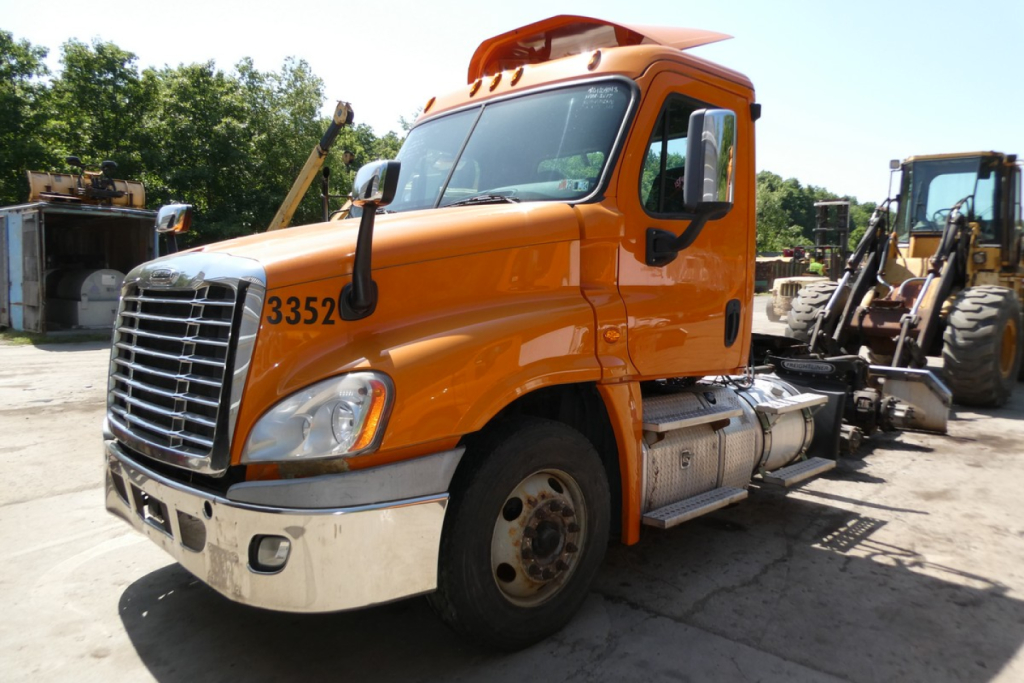
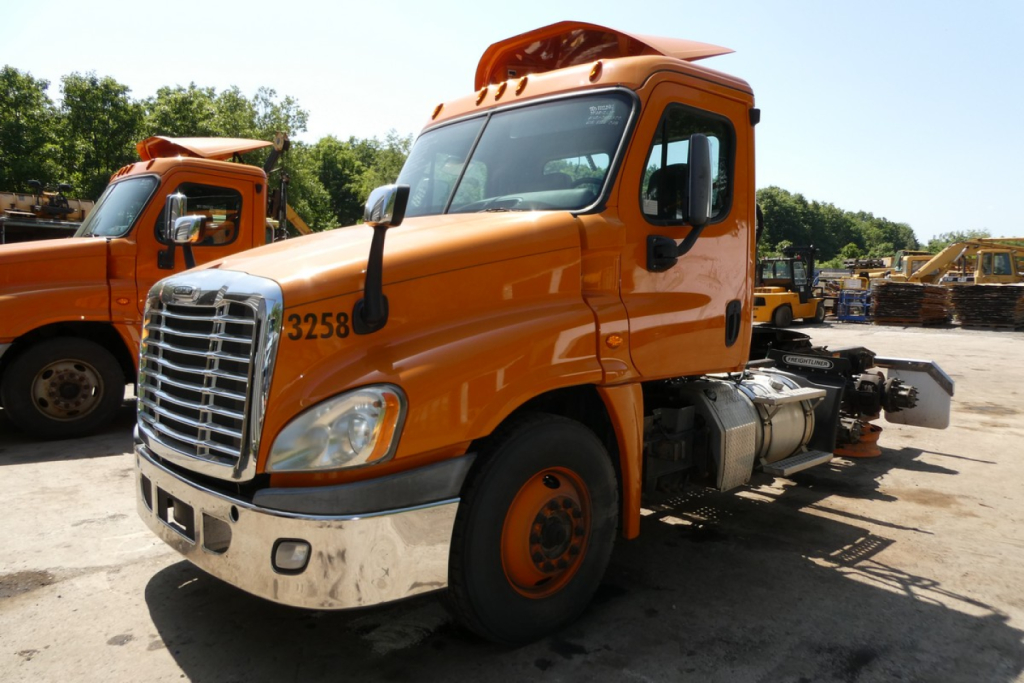
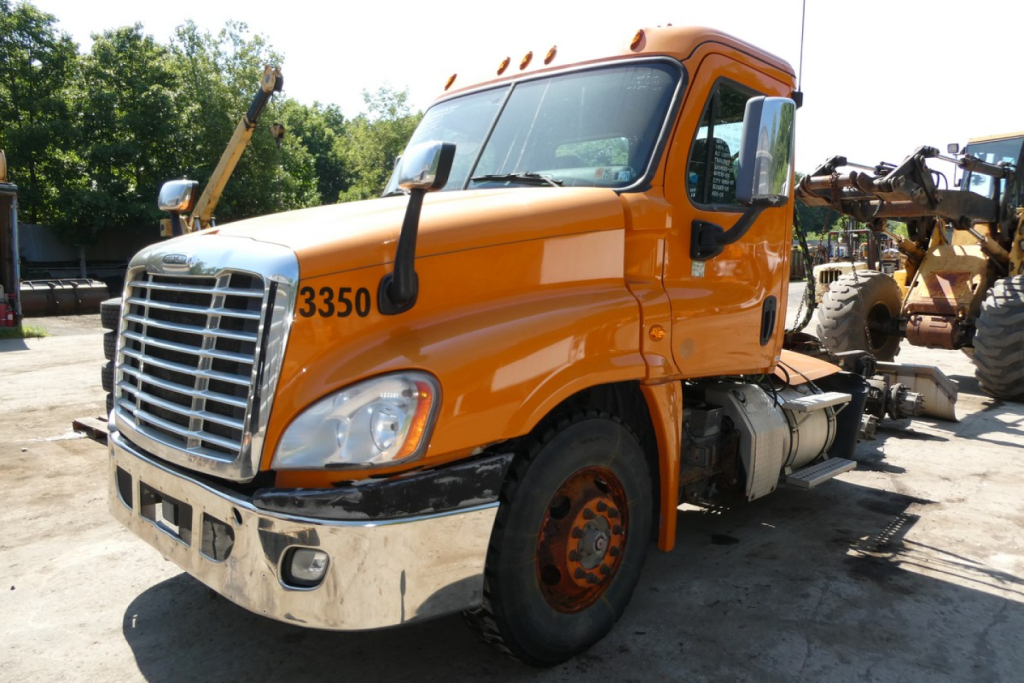
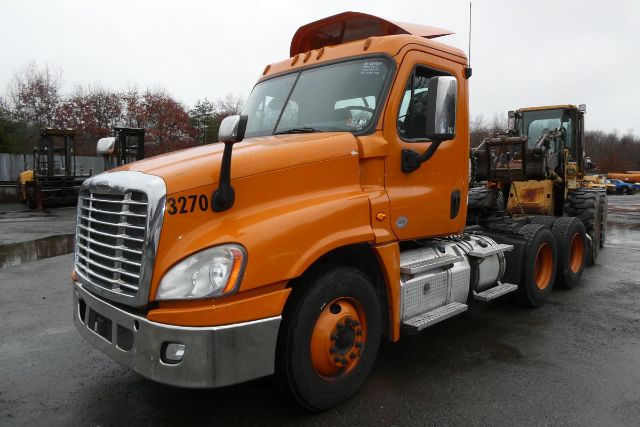
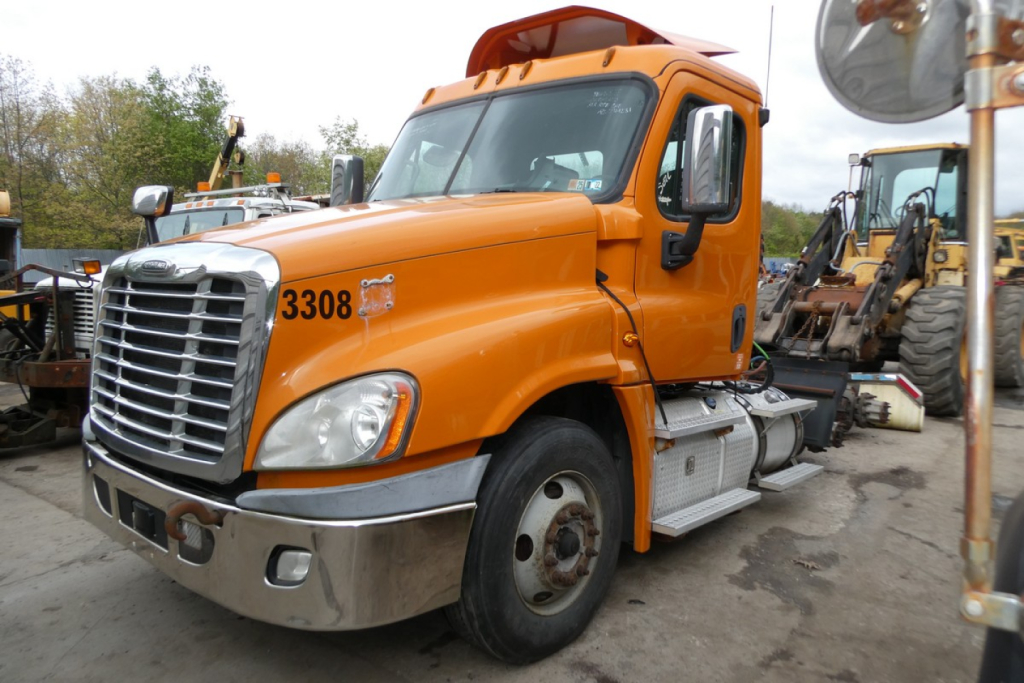

Selling a 2017 conventional daycab truck? List your 2017 conventional daycab truck for sale and reach thousands of commercial buyers.
2017 Conventional Daycab Trucks
The biggest buying decisions usually come down to wheelbase, axle setup, engine rating, and transmission spec. In this category, you will commonly see 4x2 and 6x4 daycabs, with wheelbases set up for anything from tight urban terminals to heavier vocational applications. Typical engines include Detroit DD13 and DD15, Cummins ISX and X15, PACCAR MX-13, Volvo D11 and D13, and Mack MP7 or MP8, often paired with automated manuals like the Detroit DT12, Eaton Endurant, Volvo I-Shift, or mDRIVE, along with some 10-speed and 13-speed manuals. Rear axle ratios, suspension type, and fifth wheel placement have a major effect on startability, cruise rpm, and bridge law flexibility, so those specs should match the lane and trailer type rather than just the badge on the hood.
A 2017 daycab can also vary widely by intended duty cycle. Highway-oriented conventional daycabs tend to have aerodynamic fairings, lower ride height, and fuel-focused gearing for regional freight. Vocational or severe-service setups may use heavier front axles, double frame sections, set-back or set-forward axle configurations, pusher axles, wet kits, and high-capacity cooling packages. If the truck will be used in drop-and-hook, check turning radius, cab-to-axle dimensions, and sliding fifth wheel travel. If it will pull tank, hopper, or end dump, look closely at PTO compatibility, frame rail condition, and suspension ratings. Interior condition matters too, especially on local units with frequent driver turnover, but drivetrain spec and service history should carry more weight than cosmetic upgrades.
For many buyers, the value in a 2017 conventional daycab is operational simplicity. You still get a modern cab, current safety and telematics capability on many makes, and broad parts support across major OEMs. The smartest comparison is total operating fit: engine hours versus miles, emissions service history, clutch or AMT calibration records, DPF and SCR maintenance, tire wear pattern, brake type, and evidence of alignment or suspension issues. A well-spec'd 2017 daycab can serve as a dependable fleet replacement or an owner-operator local workhorse, provided the truck's axle ratings, gearing, and frame layout match the freight it is expected to move.
Frequently Asked Questions about 2017 Conventional Daycab Trucks
What is the main advantage of a 2017 conventional daycab compared with a sleeper tractor?
A conventional daycab removes the sleeper compartment, which reduces overall weight, shortens the truck, and simplifies maintenance. That makes it a strong choice for regional haul, port work, local delivery, and vocational applications where the driver returns home daily. The shorter chassis can also improve maneuverability in tight yards, city streets, and jobsite access points.
What engine and transmission specs are common in 2017 conventional daycab trucks?
Common 2017 daycab specs include 11-liter to 15-liter diesel engines such as the Detroit DD13 or DD15, Cummins ISX or X15, PACCAR MX-13, and Volvo or Mack powerplants. Transmissions in this model year frequently include automated manuals like the DT12, I-Shift, and mDRIVE, along with traditional 10-speed or 13-speed manuals. The best setup depends on the gross combination weight, terrain, stop-and-go frequency, and whether fuel economy or low-speed pulling power is the priority.
What should buyers inspect first on a used 2017 daycab?
Start with maintenance documentation, engine hours, and the emissions system service history. On a 2017 truck, DPF cleaning intervals, SCR performance, DEF system repairs, and any fault code history are important because emissions downtime can erase the savings of a lower purchase price. After that, inspect frame condition, suspension wear, tire wear patterns, brake condition, transmission operation, and signs of excessive idle or PTO use that may not be obvious from mileage alone.
How do wheelbase and axle ratio affect a 2017 conventional daycab’s performance?
Wheelbase affects turning radius, trailer swing clearance, bridge compliance, and how the truck fits specific body or fifth wheel requirements. Axle ratio affects launch feel, gradeability, and engine rpm at highway speed. A shorter wheelbase with a deeper rear ratio usually suits urban or vocational work, while a longer wheelbase and taller gearing may be better for regional lanes where fuel economy and steady cruise speeds matter more.
Are 2017 conventional daycab trucks suitable for vocational work as well as highway freight?
Yes, but the spec has to match the job. Some 2017 conventional daycabs are built as aerodynamic road tractors for van and reefer freight, while others are configured for heavy vocational service with stronger frame rails, higher axle ratings, engine brakes, PTO provisions, and vocational suspensions. Buyers should confirm front axle capacity, frame specification, suspension type, and drivetrain gearing before assuming a highway tractor can handle construction, dump, or tanker duty.