
2022 Conventional Daycab Trucks For Sale in Pennsylvania
Browse 2022 conventional daycab trucks in Pennsylvania. Compare specs, wheelbases, engines, axle ratings, and vocational fit.
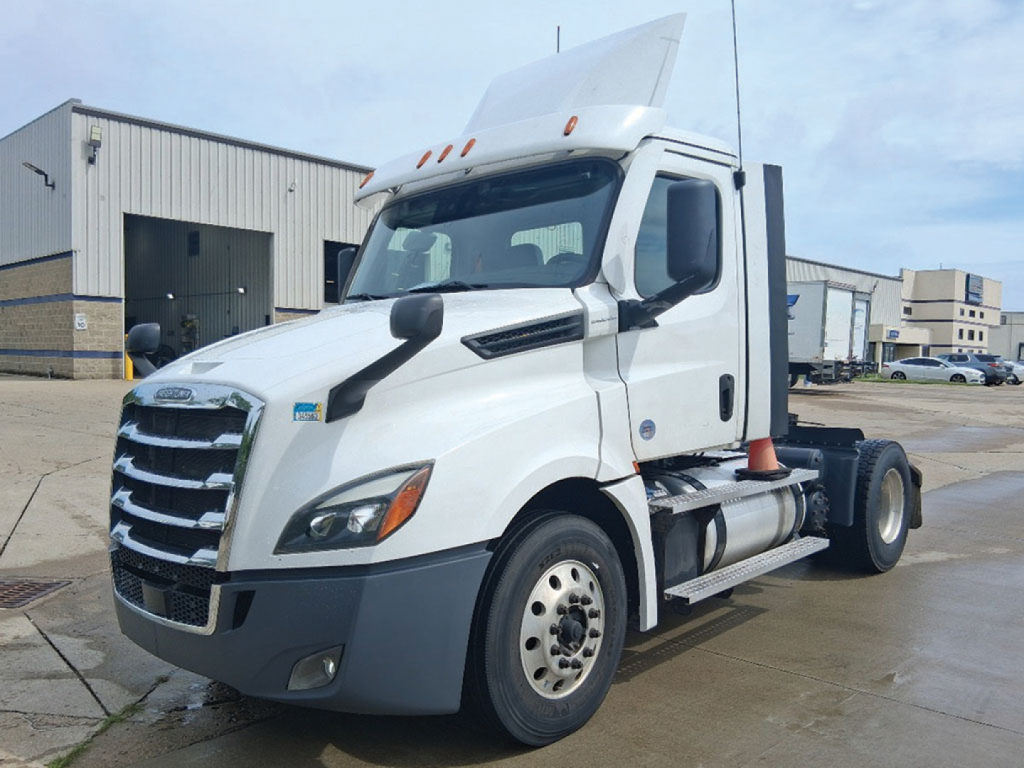
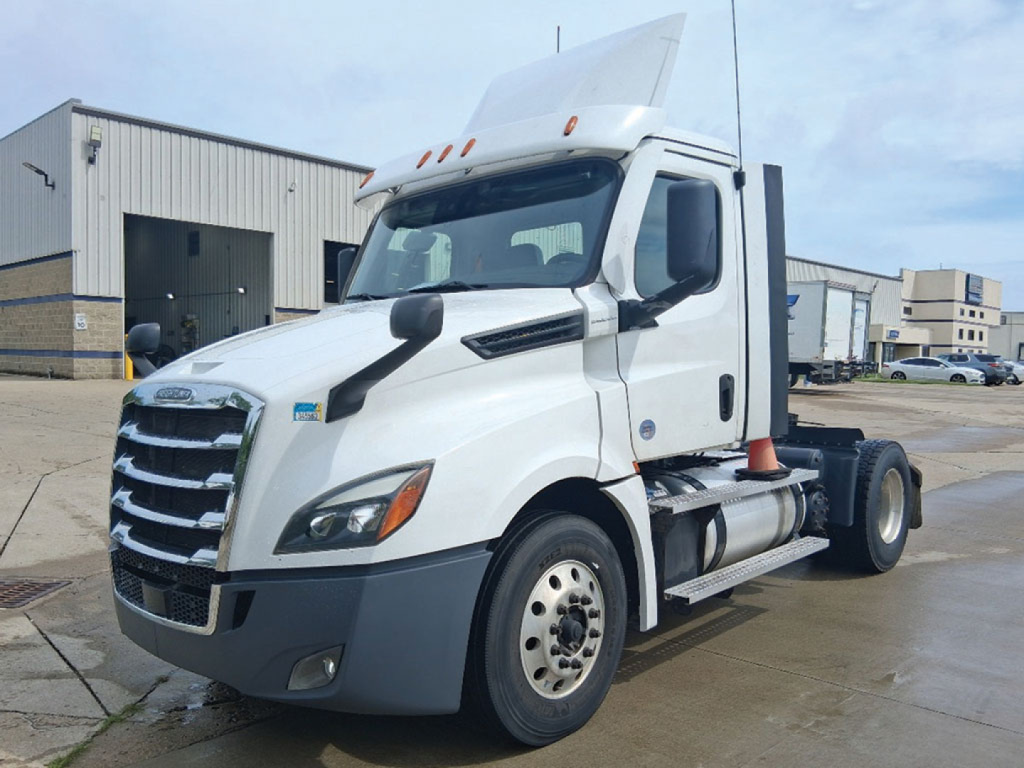
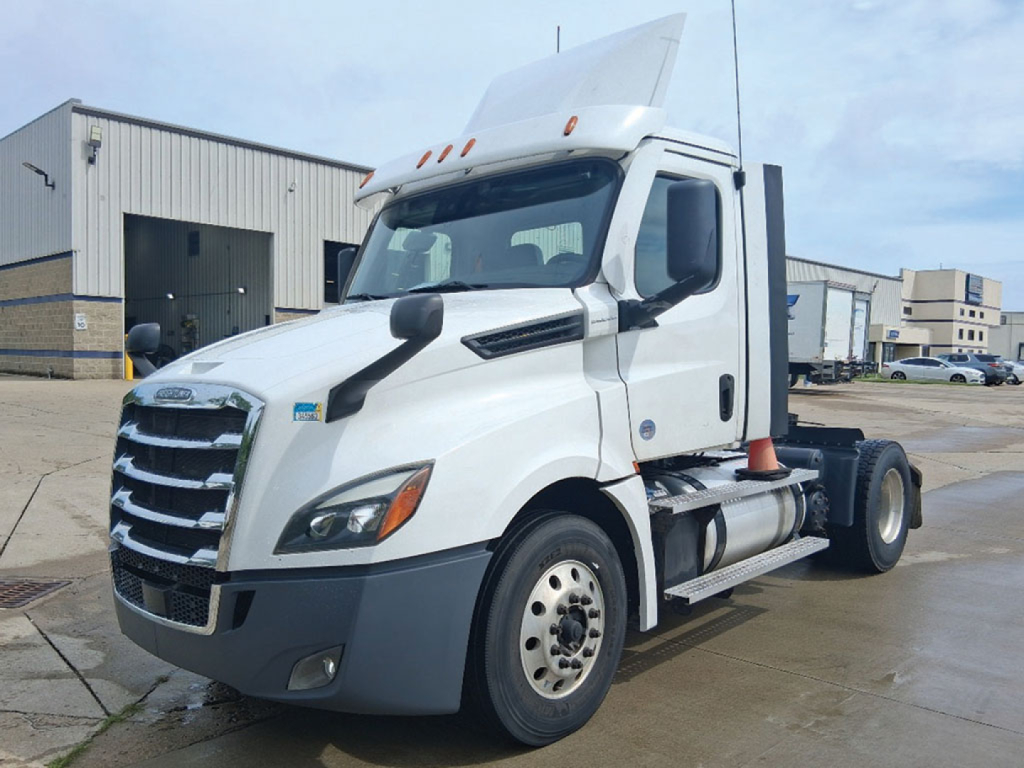
Have 2022 conventional daycab truck to sell? List it here to reach thousands of buyers.
2022 Conventional Daycab Trucks in Pennsylvania
Most 2022 conventional daycab trucks are spec'd with proven on-highway diesel platforms such as the Cummins X15, Detroit DD13 or DD15, Paccar MX engines, or the International A26, typically paired with automated manual transmissions like the DT12 or Endurant, though some buyers still prefer a 10-speed or similar manual for driver preference and service familiarity. Horsepower commonly falls in the 400 to 500 HP range, with rear axle ratings often at 40,000 pounds on tandem-axle tractors and ratios selected around 3.08 to 3.55 depending on cruising speed, terrain, and startability requirements. Wheelbases in this category often run roughly 165 to 190 inches, and that difference is worth watching closely if the truck will be used with 28-foot pups, tight dock approaches, or frequent urban turns. Fifth wheel type, slide travel, and kingpin setting compatibility also matter when matching the tractor to your trailer mix.
A smart buyer should also look beyond the headline specs and pay attention to braking and chassis details. Air ride suspension is standard on many road tractors in this class and helps ride quality and traction, while disc brakes have become increasingly common on newer daycabs for stopping performance and service consistency. Aluminum wheels, aluminum tanks, quarter fenders, collision mitigation systems, and roof fairings are common features that affect weight, durability, and operating cost. If the truck will pull van, reefer, or tanker freight at highway speed, aero package details can make a real fuel economy difference. If it is headed into heavier vocational or yard-cycle work, durability items like frame condition, suspension spec, pusher compatibility, and PTO readiness can matter more than appearance.
For a 2022 model year truck, emissions system condition, software history, and maintenance records should be part of the buying decision just as much as engine brand. Buyers in Pennsylvania often want a truck that can handle cold starts, hills, and stop-and-go traffic without excessive idle time or aftertreatment issues. Review the engine brake rating, tire size, remaining brake life, and any active safety systems before comparing price alone. The best conventional daycab is not simply the newest or highest horsepower unit. It is the one with the right rear ratio, transmission logic, wheelbase, and cab spec for the freight, lanes, and driver environment it will see every week.
Frequently Asked Questions about 2022 Conventional Daycab Trucks in Pennsylvania
What is a conventional daycab truck used for?
A conventional daycab truck is used for regional and local tractor work where the driver returns home or to a terminal rather than sleeping in the truck. Common applications include dry van, reefer, tanker, container, dedicated route, LTL, and short-haul flatbed service. Compared with a sleeper tractor, a daycab usually saves weight, improves maneuverability, and reduces unnecessary cab space for operations that do not need overnight accommodations.
What specs matter most when buying a 2022 conventional daycab?
The most important specs are engine model and horsepower, transmission type, rear axle ratio, axle ratings, wheelbase, suspension, and fifth wheel configuration. These directly affect fuel economy, startability, top cruising RPM, turning radius, and trailer compatibility. Buyers should also confirm brake type, tire size, safety systems, and whether the truck has an aero package or a more vocational chassis setup.
Is an automatic or manual transmission better in a daycab tractor?
For most 2022 daycab buyers, an automated manual transmission offers easier driver onboarding, more consistent shifting, and often better fuel economy in mixed service. A manual transmission can still appeal to fleets with experienced drivers, specific terrain preferences, or in-house service familiarity. The better choice depends on route profile, driver pool, maintenance support, and how tightly the truck's gearing matches the intended load and highway speed.
What wheelbase is best for a conventional daycab truck?
The best wheelbase depends on trailer length, axle spread requirements, and how much tight maneuvering the truck will do. Shorter wheelbases generally improve turning in city streets, yards, and crowded docks, while longer wheelbases can help ride quality, frame packaging, and trailer gap setup. Many highway daycabs land in the mid-160-inch to high-180-inch range, but the right fit comes from matching the tractor to the trailer and lane requirements, not choosing a number in isolation.
What should Pennsylvania buyers check on a used 2022 daycab?
Pennsylvania buyers should pay close attention to cold-weather starting behavior, emissions system health, brake condition, tire wear, suspension components, and any signs of corrosion from year-round road use. Service records are important, especially for aftertreatment work, software updates, clutch or transmission service, and preventive maintenance intervals. A truck that looks clean but has the wrong rear ratio, weak engine brake, or poor maintenance history can cost more in operation than a properly documented unit with higher miles.