
2022 Conventional Daycab Trucks For Sale
Shop 2022 conventional daycab trucks with modern emissions, strong spec flexibility, and efficient performance for local and regional hauling.
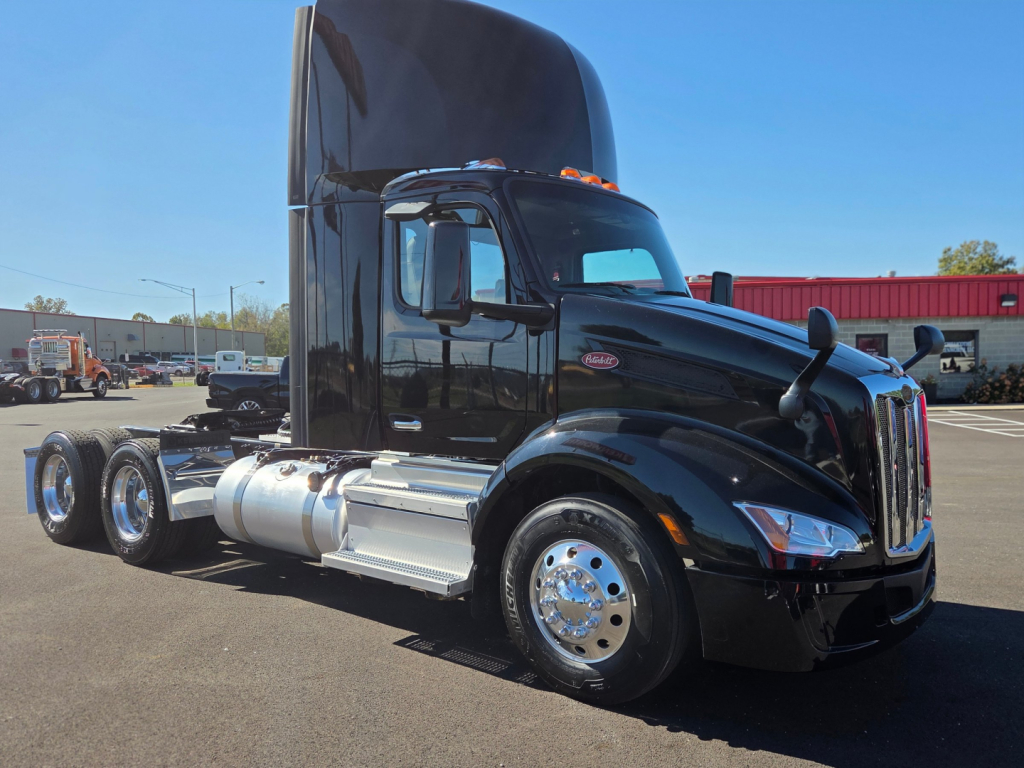
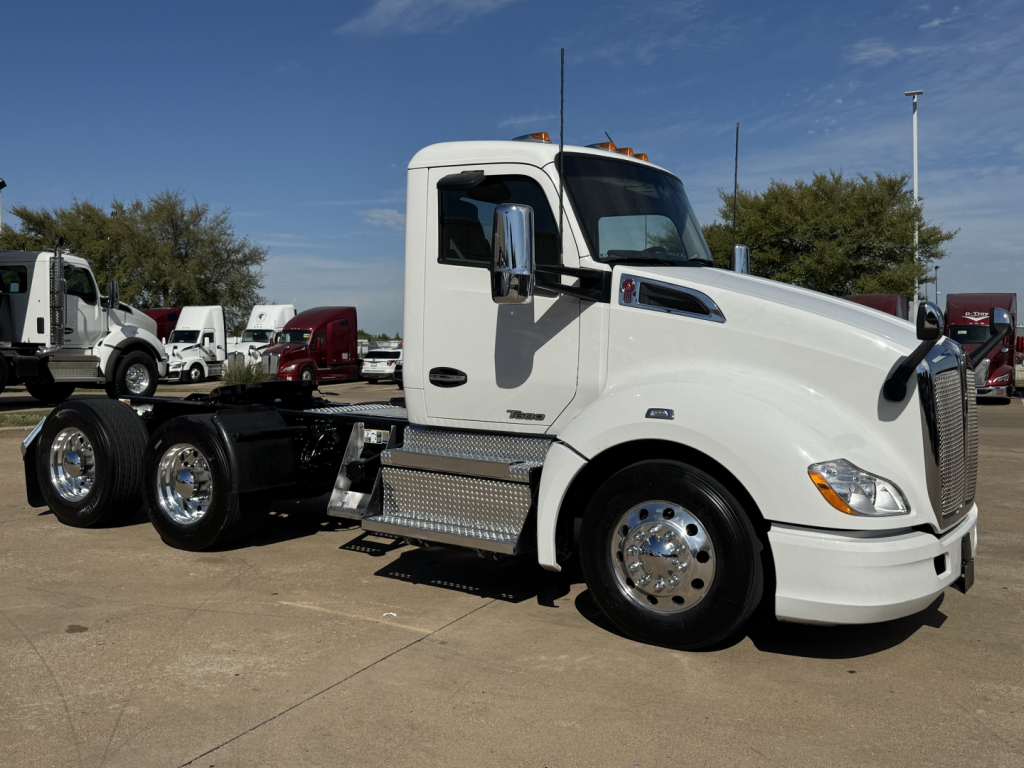
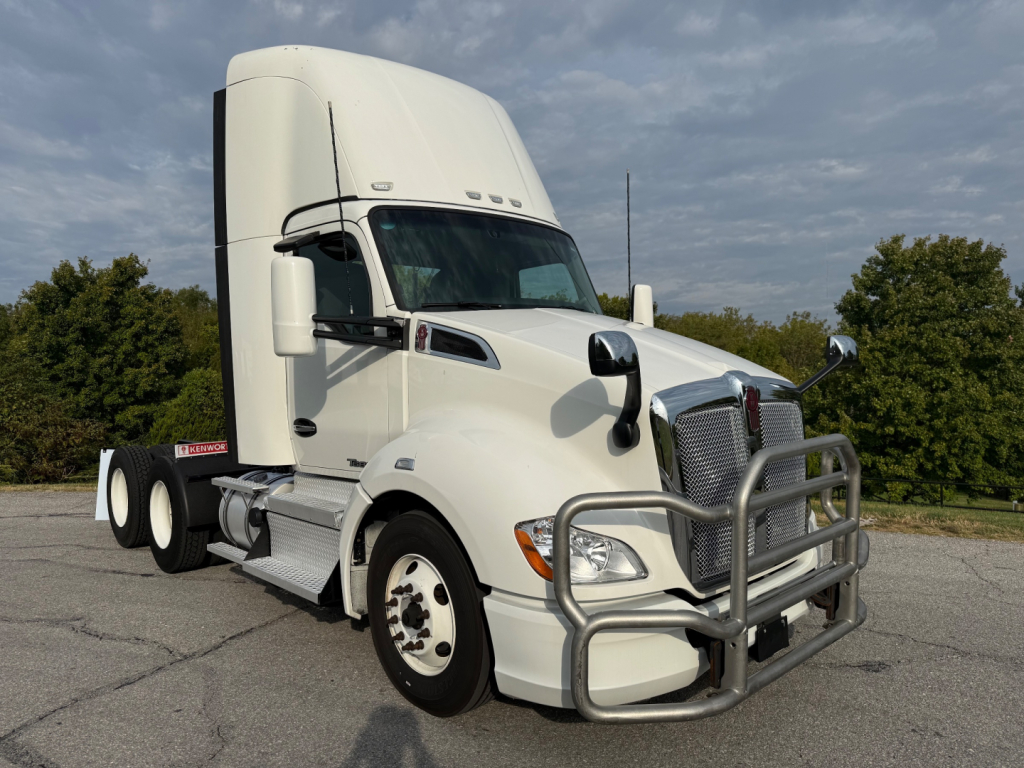
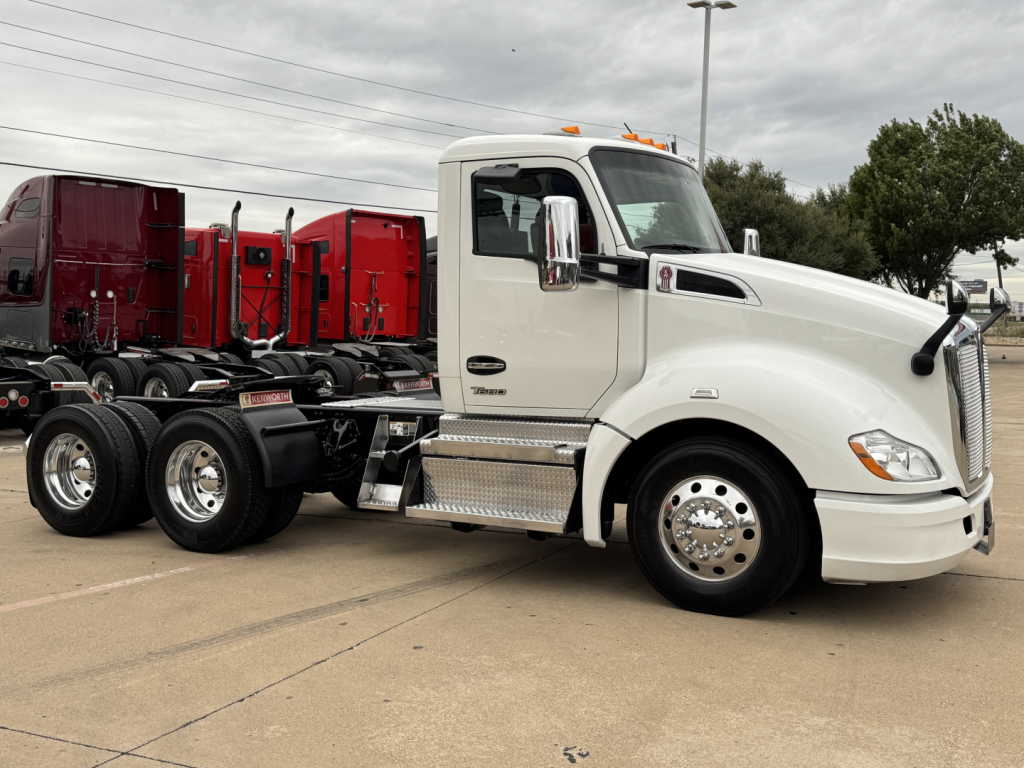
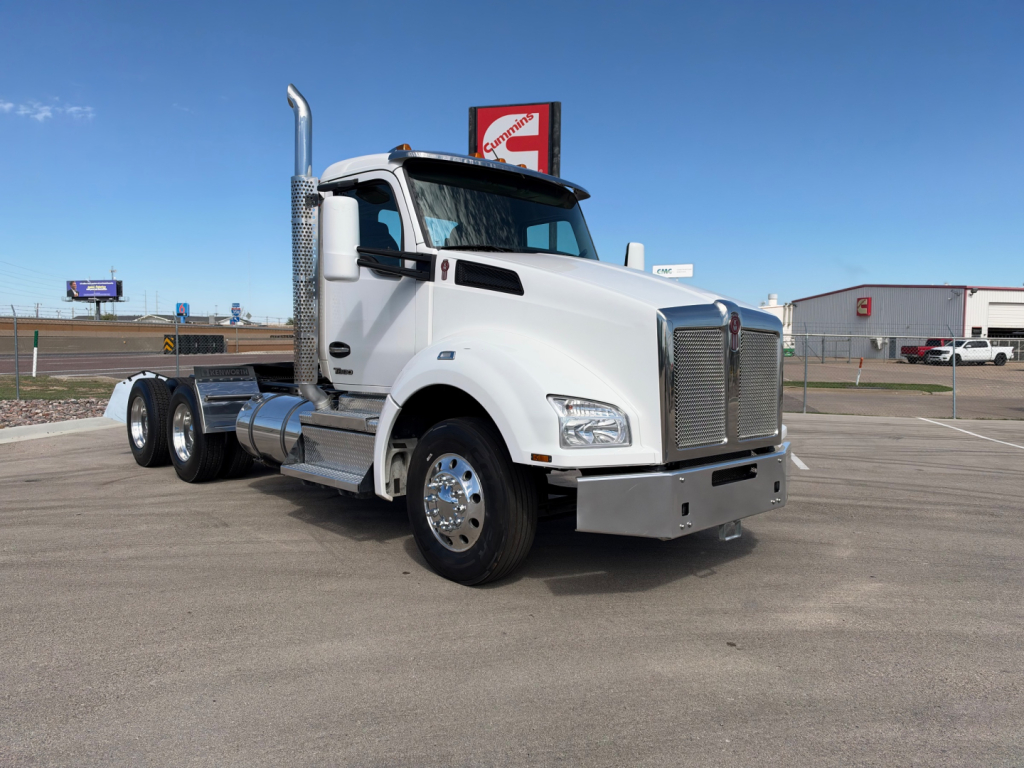
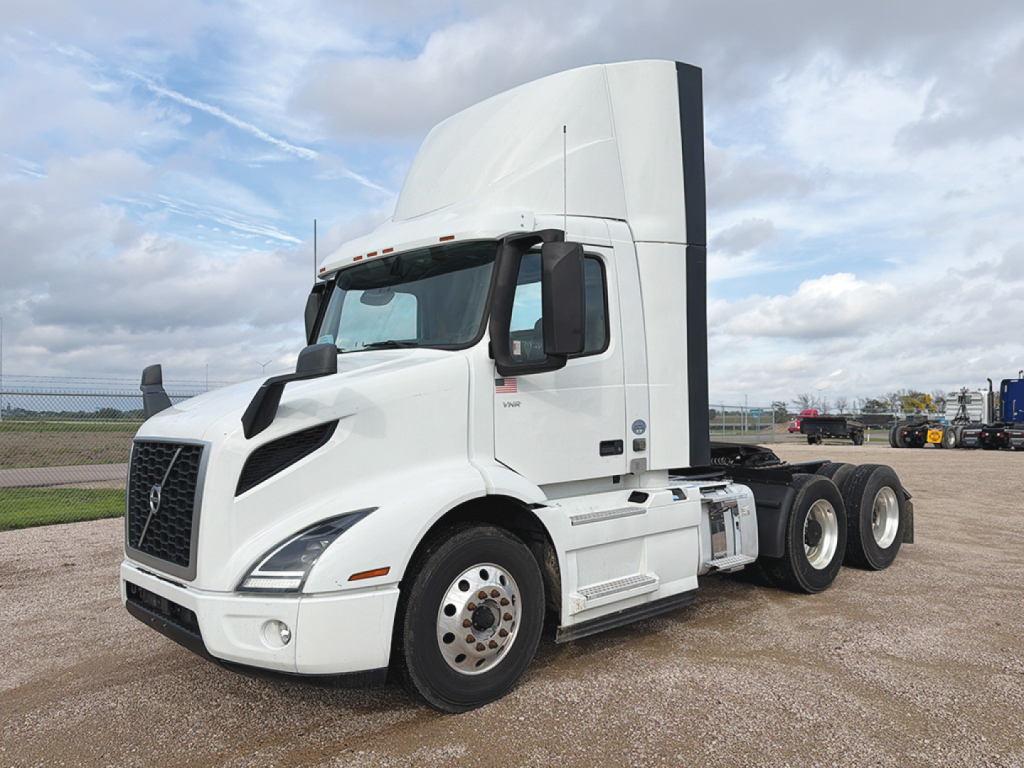
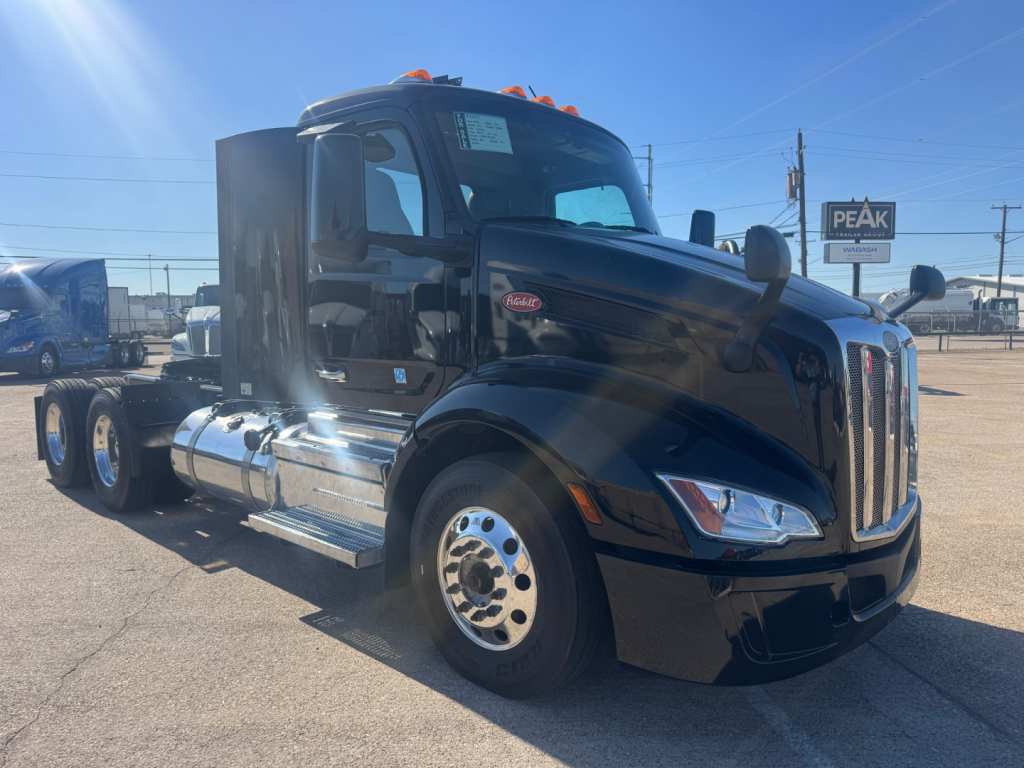
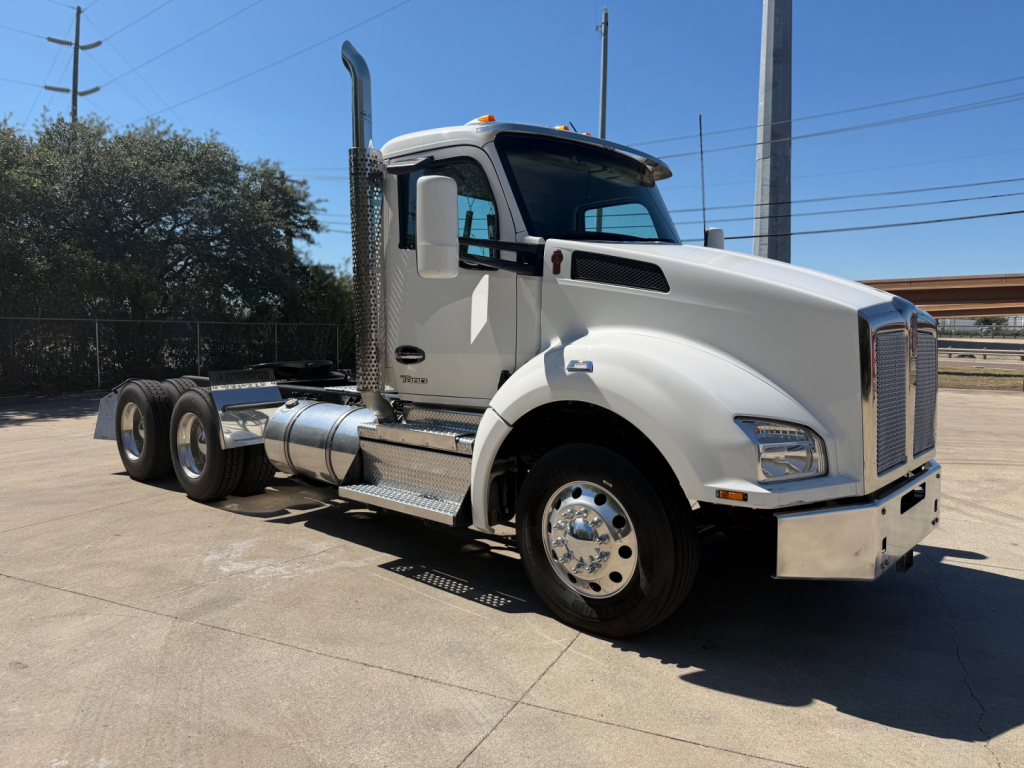
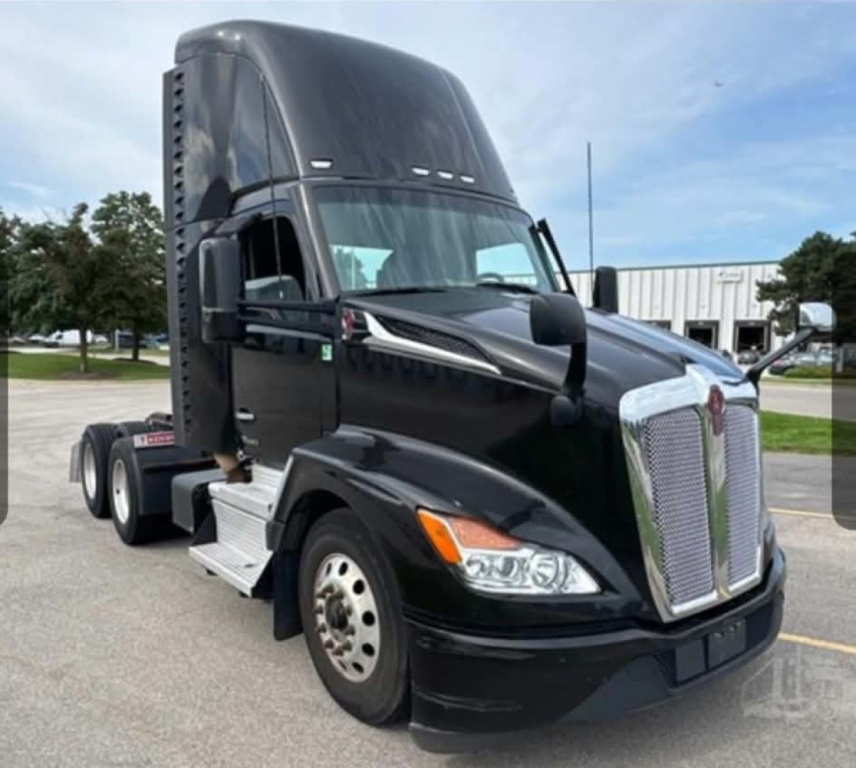
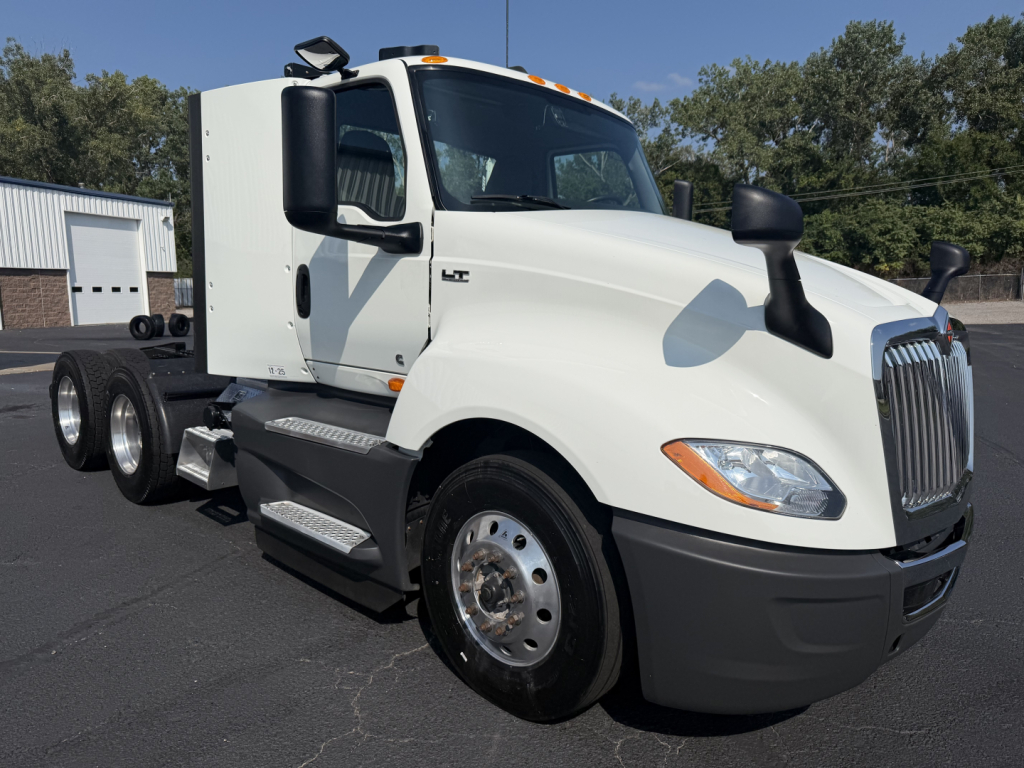
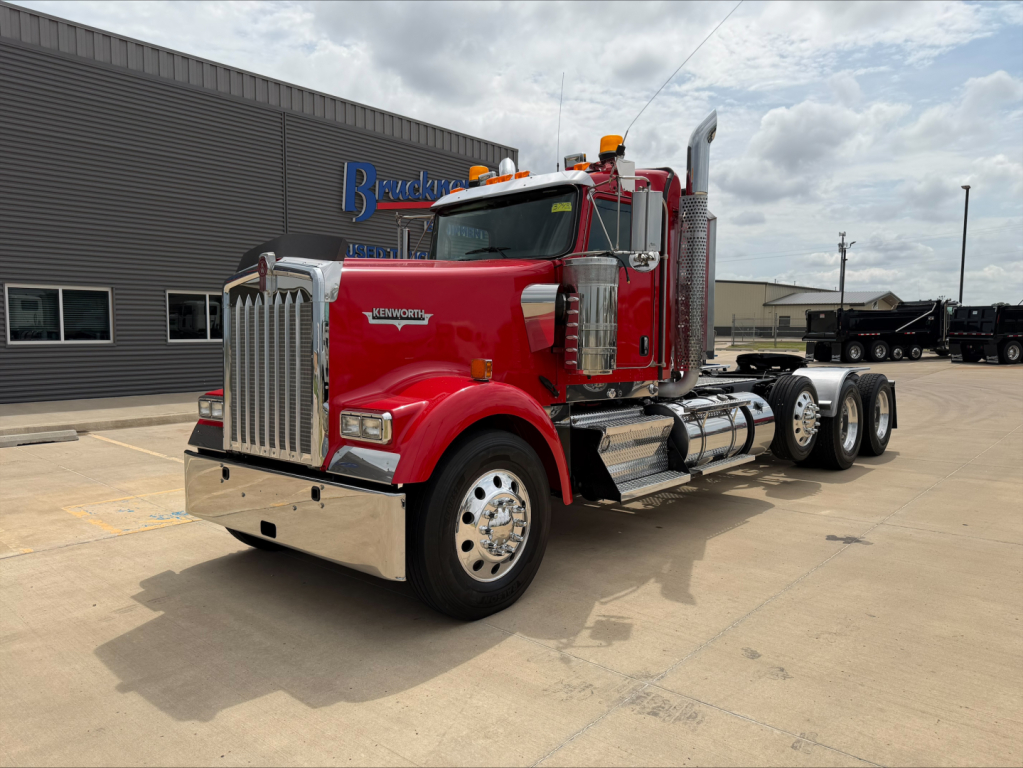
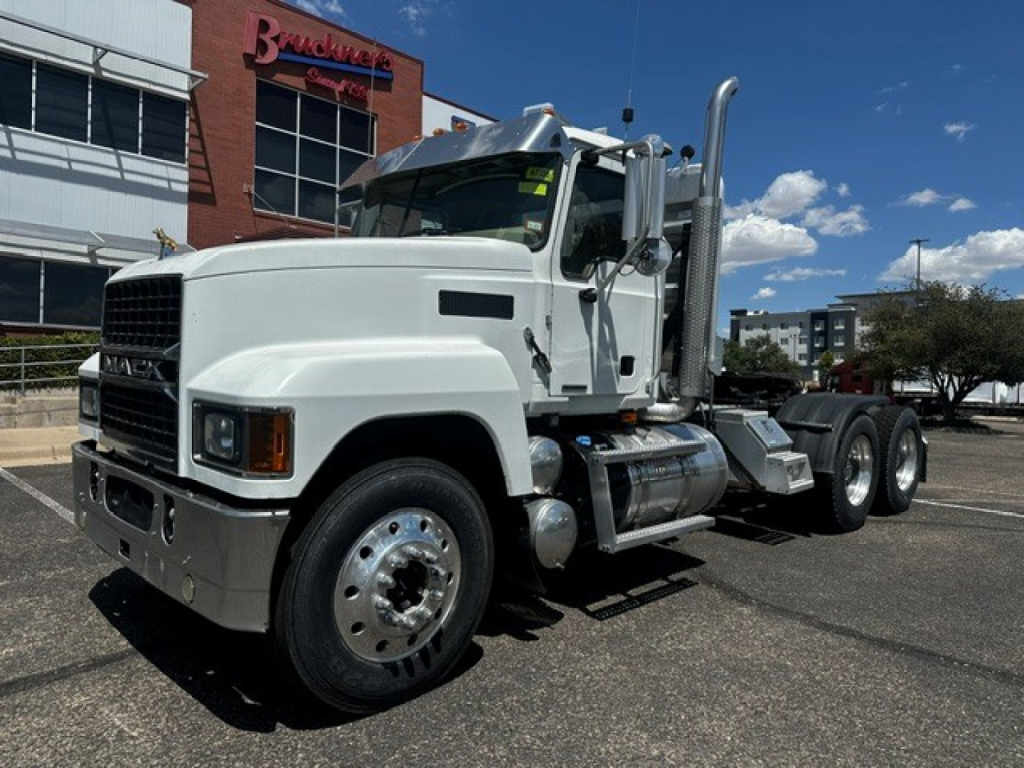
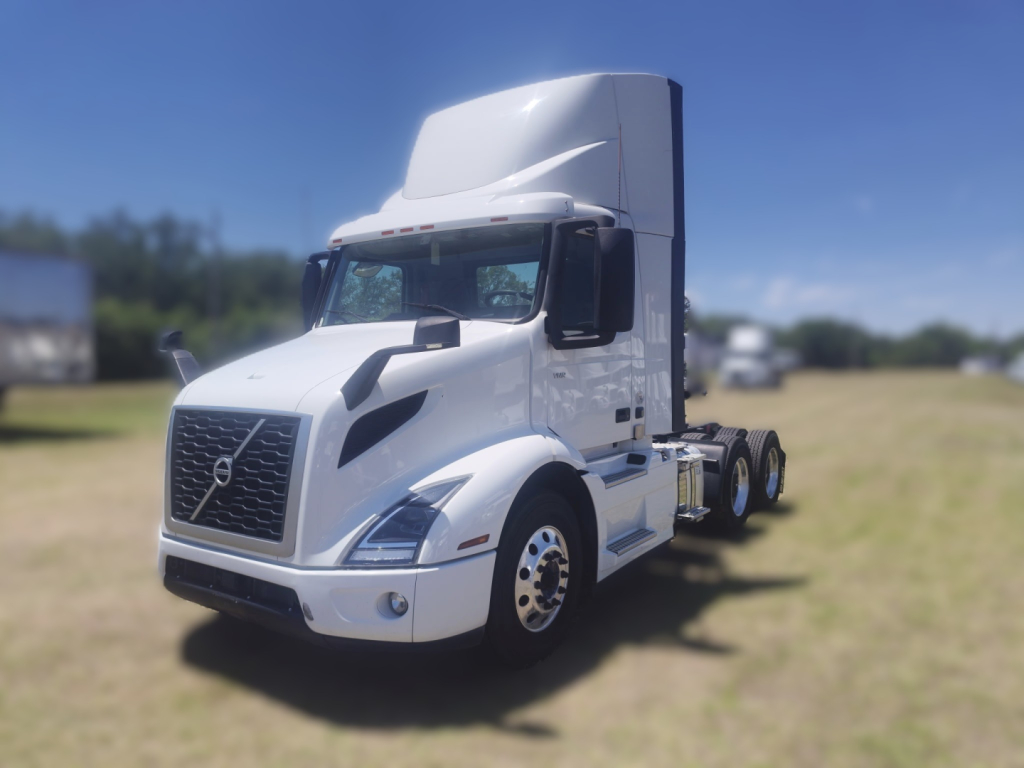
2022 Volvo VNR64T300
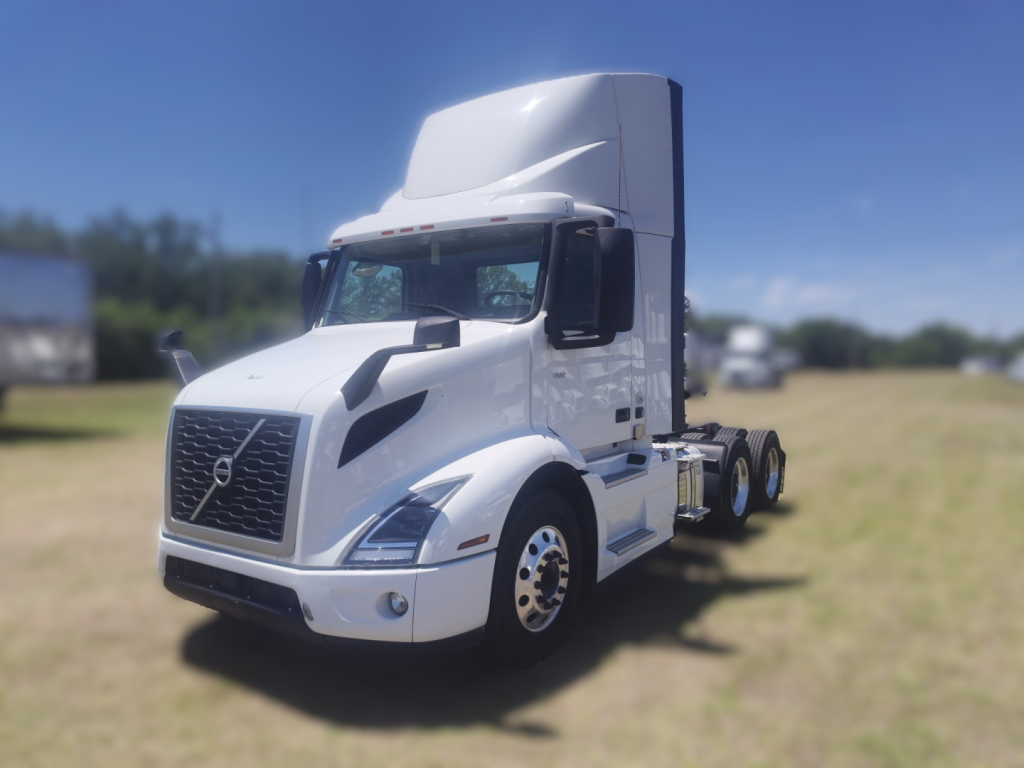
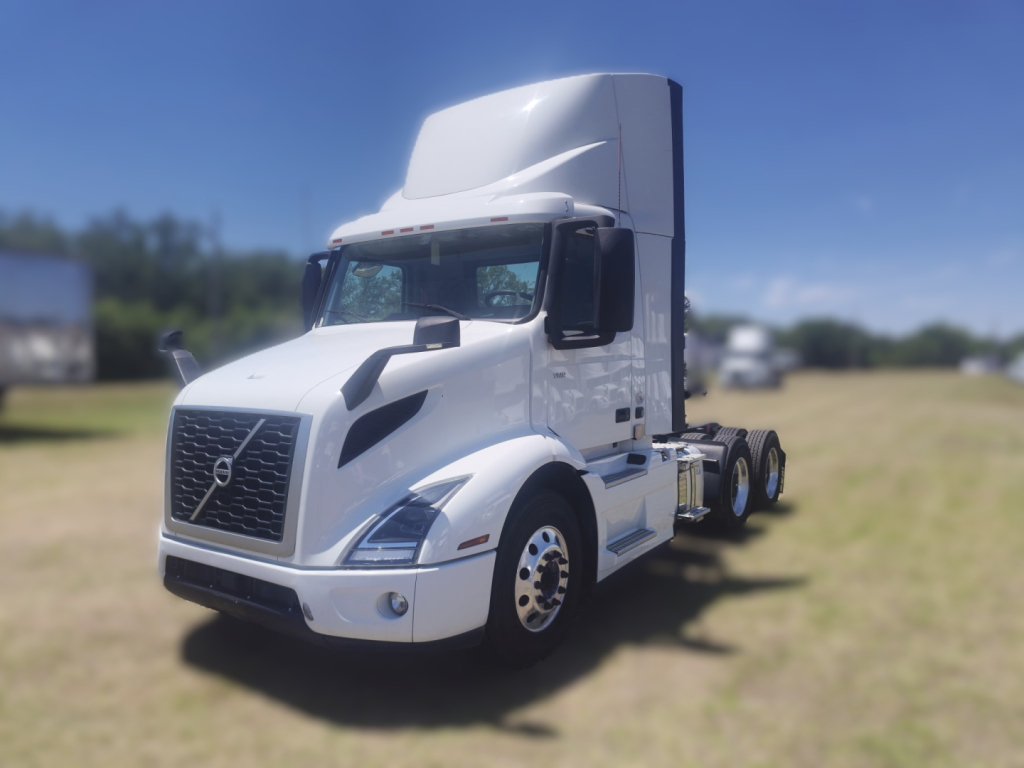
2022 Volvo VNR64T300
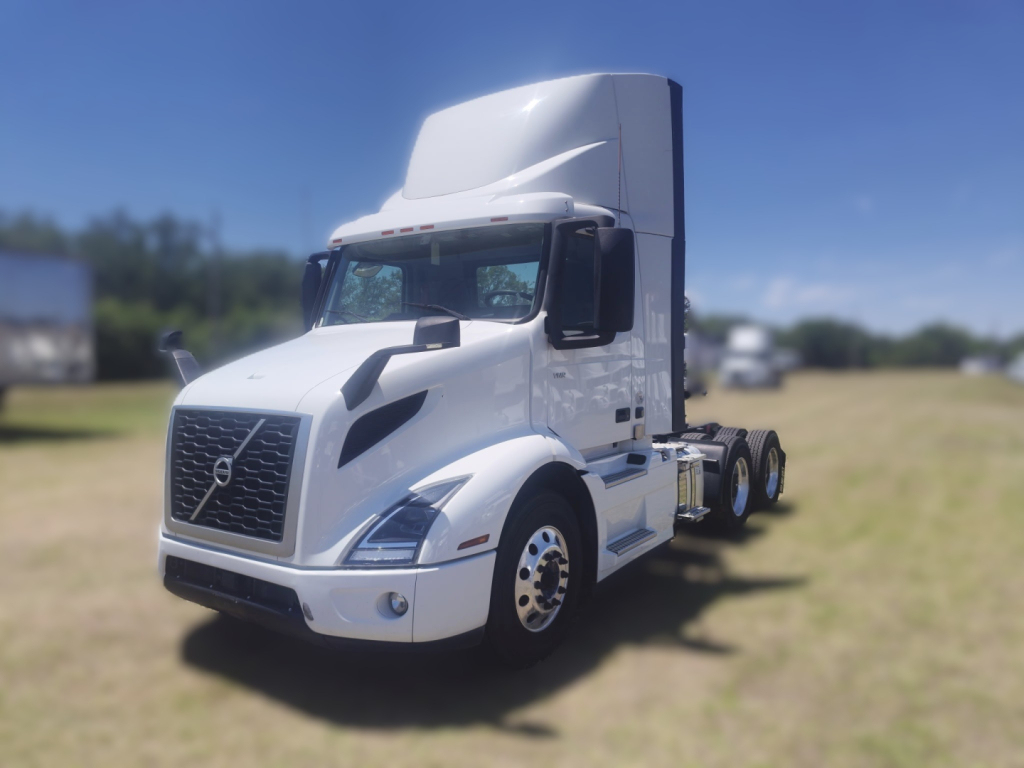
2022 Volvo VNR64T300
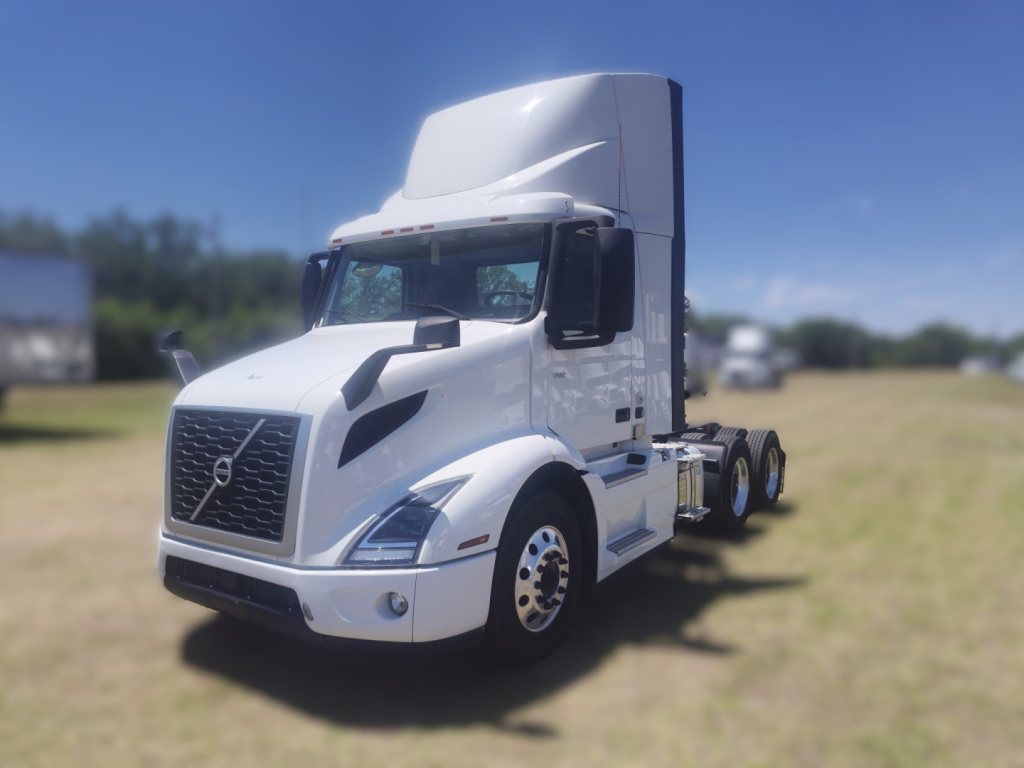
2022 Volvo VNR64T300
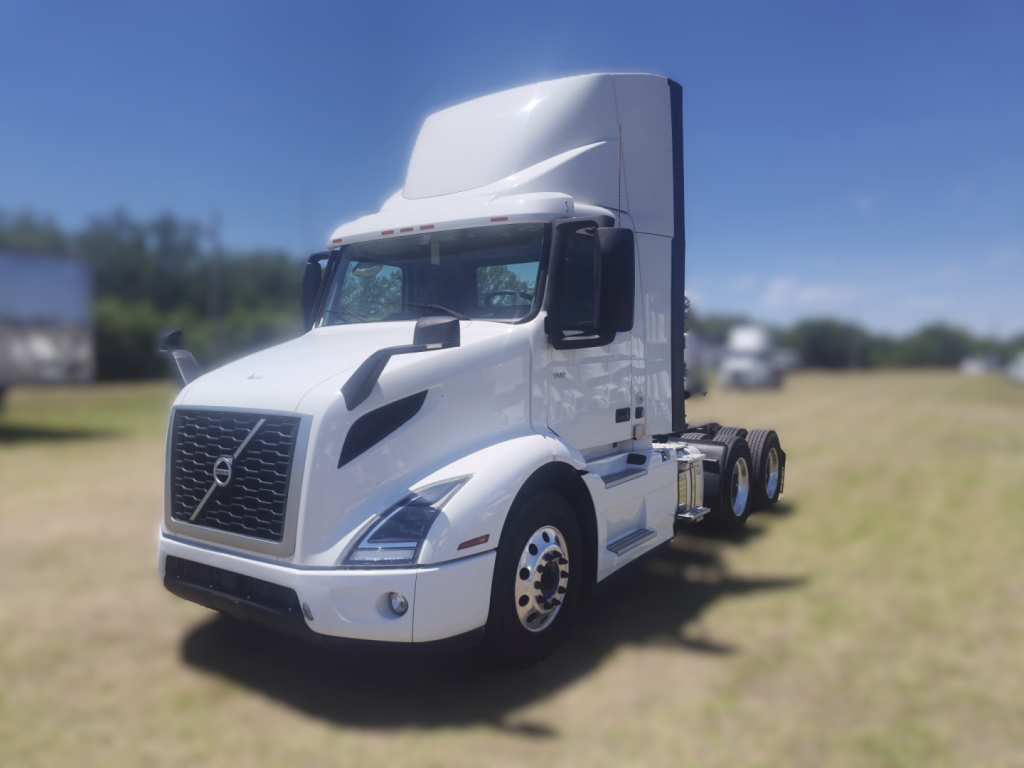
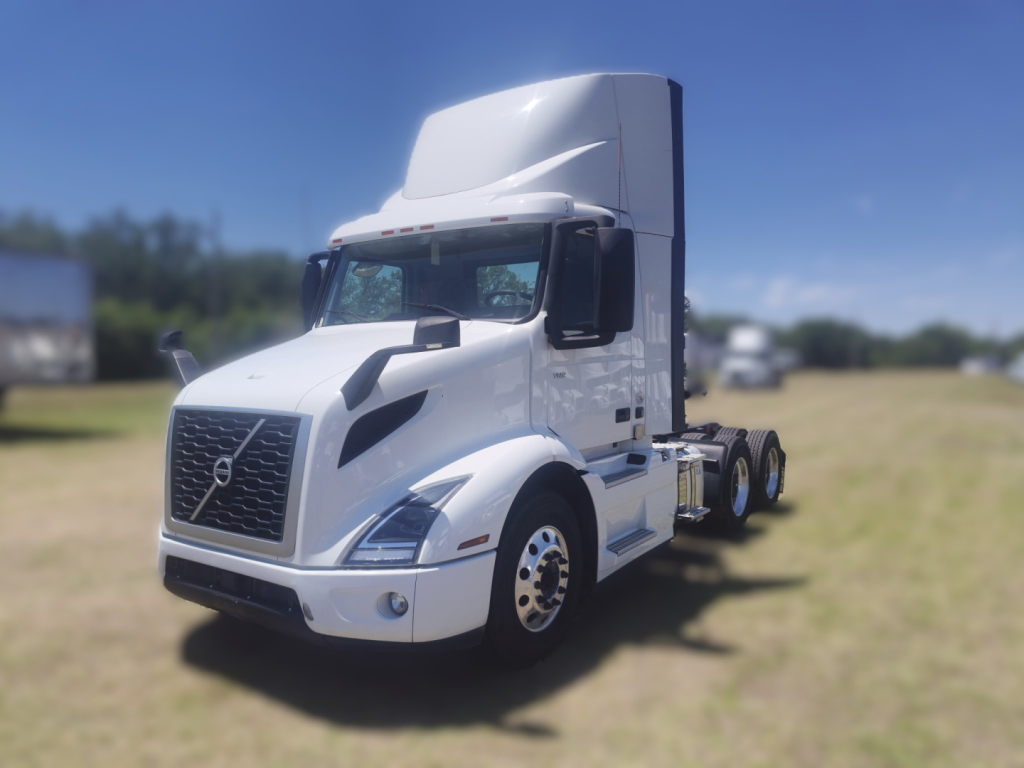
2022 Volvo VNR64T300
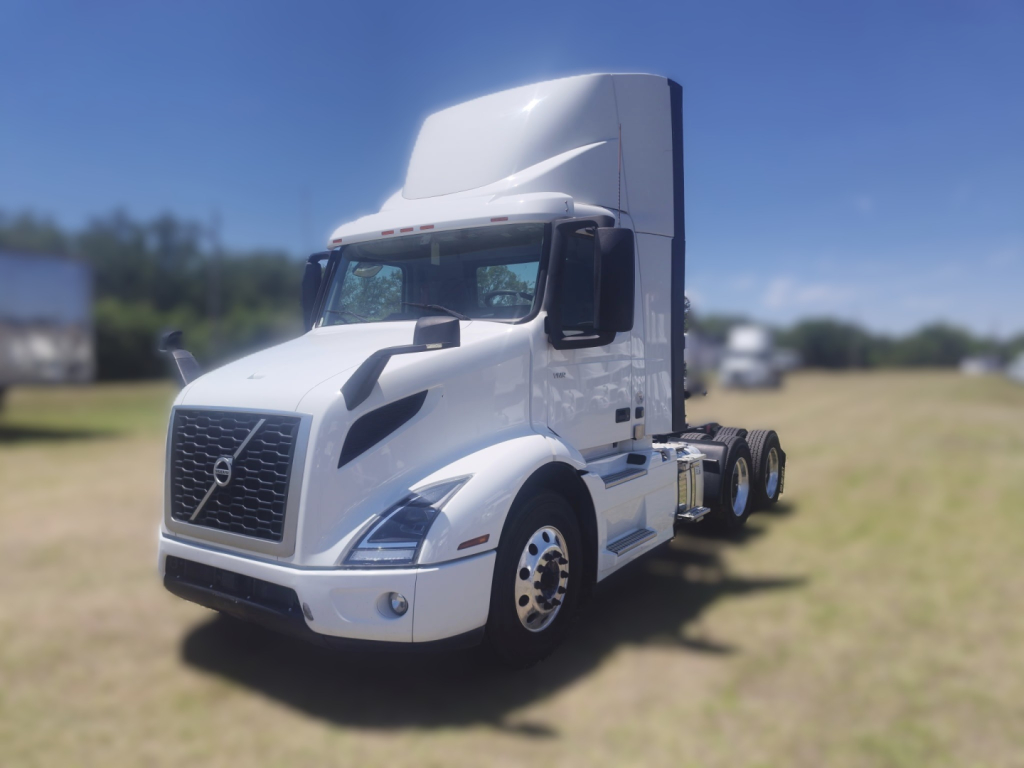
2022 Volvo VNR64T300
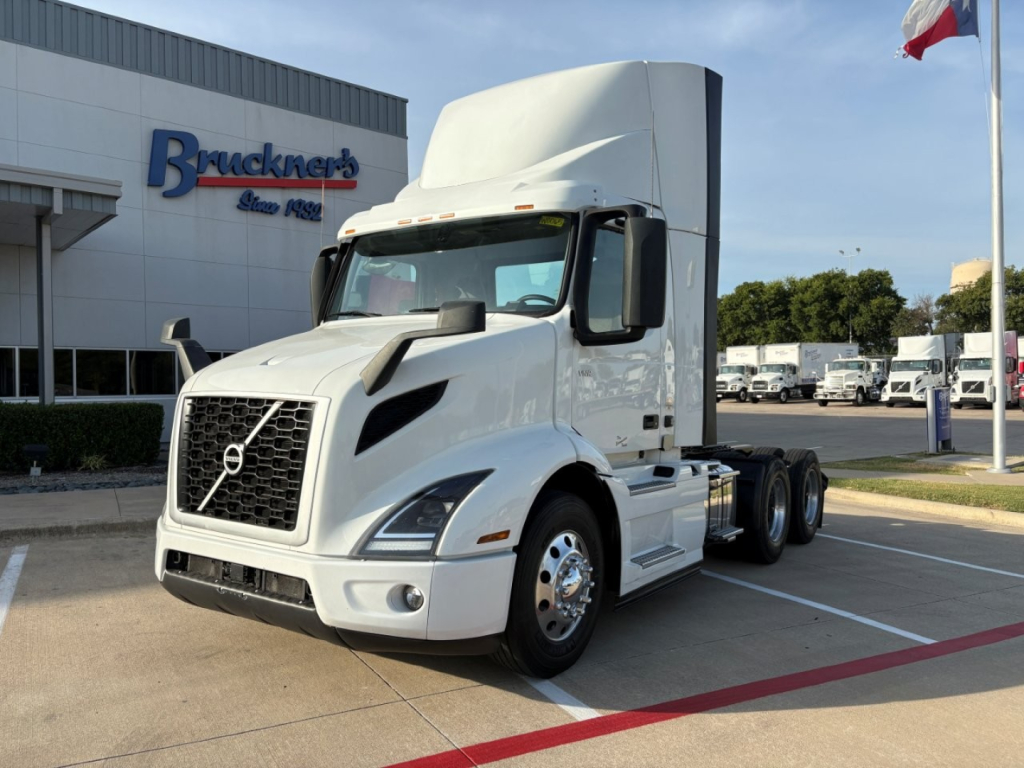
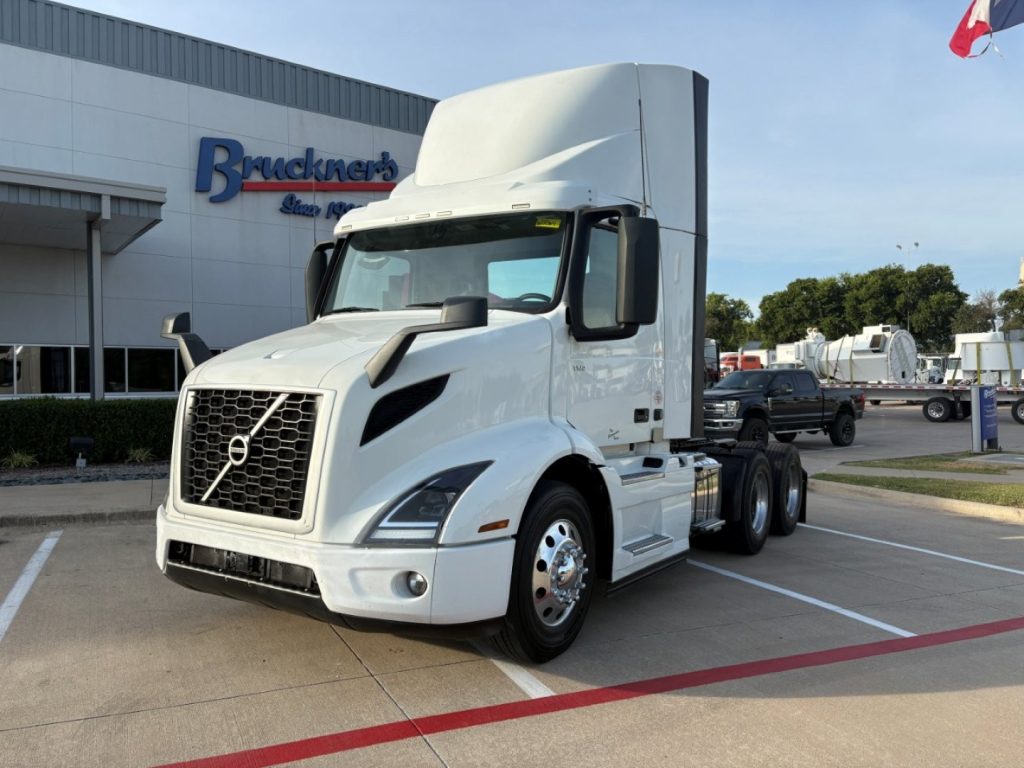
2022 Volvo VNR64T300
2022 Volvo VNR64T300
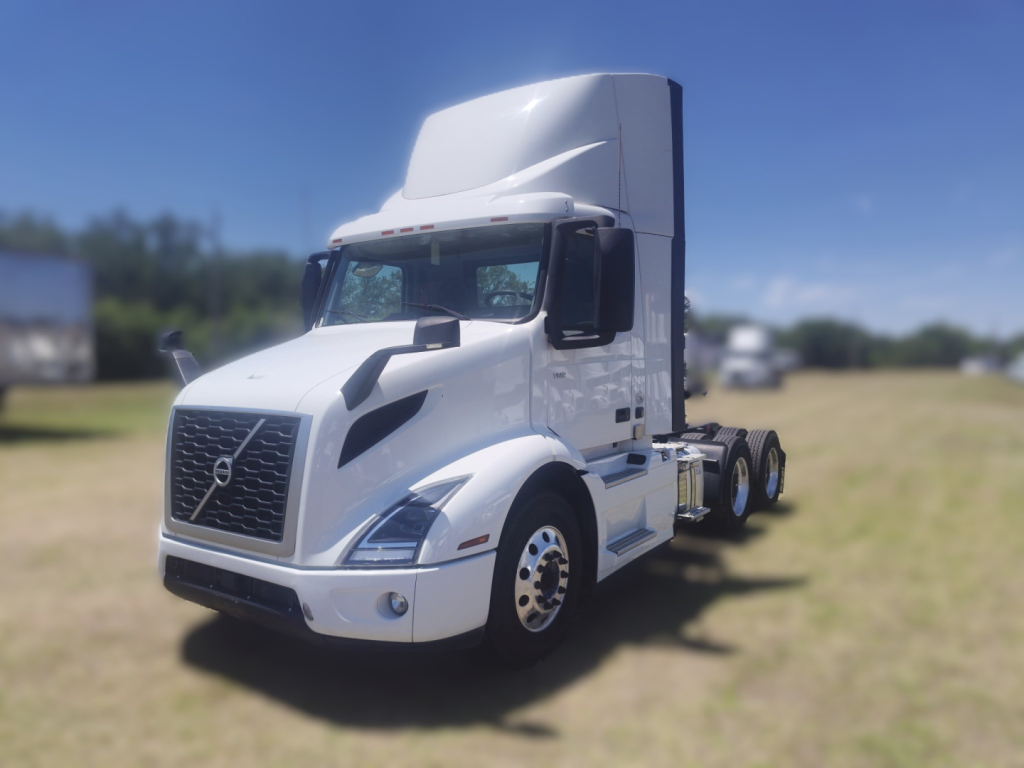
2022 Volvo VNR64T300
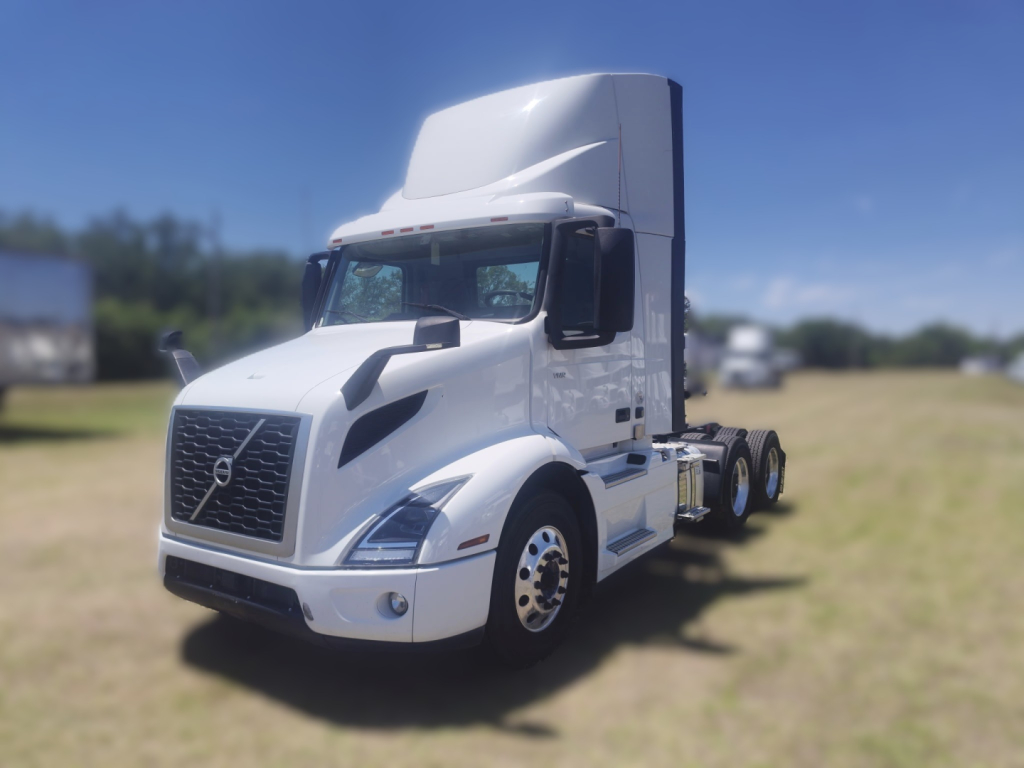
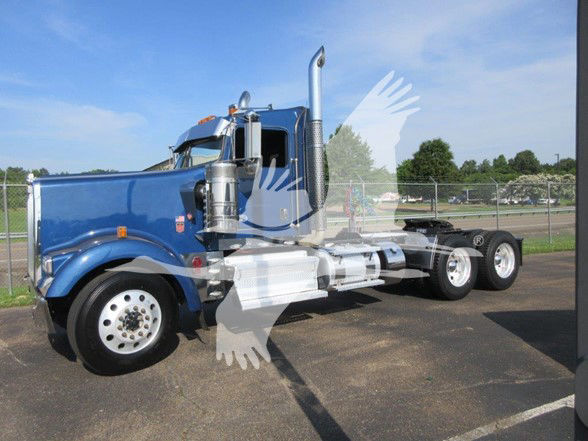

Showing 1 to 28 of 37 results
Selling a 2022 conventional daycab truck? List your 2022 conventional daycab truck for sale and reach thousands of commercial buyers.
2022 Conventional Daycab Trucks
The main spec decisions start with engine, transmission, axle ratio, and wheelbase. In this year range, common engines include the Detroit DD13 and DD15, Cummins X15, PACCAR MX-13, Volvo D13, and Mack MP series, usually paired with automated manual transmissions, though some manual spec trucks still appear. Horsepower often falls in the 400 to 505 hp range, with torque set to match the application. A shorter wheelbase daycab is easier to dock and turn in urban freight or port service, while a longer wheelbase may be preferred for ride quality, frame space, larger fuel capacity, or a sliding fifth wheel setup. Rear axle ratings commonly land around 40,000 to 46,000 pounds on tandem tractors, and ratios such as 2.64, 2.79, 3.08, or 3.42 can tell you a lot about whether the truck was built for fuel mileage, vocational work, or mixed duty cycles.
For a 2022 conventional daycab, condition evaluation should focus heavily on how the truck was used. A fleet-maintained highway tractor can present very differently from a truck that spent its life in city P&D, drayage, or heavy stop-and-go service. Check aftertreatment history, idle hours, transmission calibration records, brake type, suspension spec, and signs of frame modification around the fifth wheel area. It is also worth confirming whether the truck has a single or double frame, disc or drum brakes, wheel-end configuration, and any active safety equipment such as collision mitigation or lane departure systems. Interior wear matters too, because high driver turnover in local operations often shows up in seats, switchgear, and dash controls before the odometer tells the full story.
The best 2022 daycab truck for sale is the one whose build matches the freight. A lightweight aero spec may be ideal for regional van freight and fuel efficiency, while a heavier chassis with locking differentials, higher rear axle capacity, and tougher suspension may be the better choice for construction support or tanker work. Cab comfort, ingress-egress, visibility, and service network should all factor into the decision alongside price. For buyers comparing many listings, the real value is in matching axle layout, fifth wheel position, fuel capacity, and drivetrain spec to the lane, trailer, and annual miles the truck will actually run.
Frequently Asked Questions about 2022 Conventional Daycab Trucks
What is a conventional daycab truck used for?
A conventional daycab truck is used for hauling freight on routes that do not require overnight accommodations for the driver. These trucks are common in local delivery, regional haul, port drayage, dedicated contract carriage, tanker operations, and vocational tractor applications. The lack of a sleeper reduces weight and overall length, which can improve maneuverability, payload potential, and access in tighter yards or city environments.
What should I look for when buying a 2022 conventional daycab truck?
Focus first on drivetrain match and service history. Engine make, horsepower, torque rating, transmission type, rear axle ratio, and wheelbase should fit the trailer and duty cycle. Then review maintenance records for aftertreatment repairs, software updates, clutch or AMT service, suspension work, and brake wear. Idle hours, PTO usage if equipped, and signs of hard terminal service can be just as important as total miles when evaluating a late-model daycab.
Are 2022 daycab trucks mostly automatic or manual?
Most 2022 conventional daycab trucks on the market are spec'd with automated manual transmissions. AMTs became the standard in many fleets because they help with fuel economy consistency, driver recruitment, and reduced clutch wear from stop-and-go traffic. Manual transmissions still exist, but they are less common in this model year and are usually found in specialized fleet specs or owner-operator applications.
What wheelbase is best for a conventional daycab?
The best wheelbase depends on the trailer, axle spread requirements, and operating environment. Shorter wheelbase trucks are easier to maneuver in urban areas, at docks, and in port service. Longer wheelbase trucks can offer a smoother ride, more room for fuel tanks or equipment, and better fit for certain fifth wheel settings. Buyers should compare cab-to-axle, cab-to-end, and fifth wheel placement to make sure the tractor will balance properly with the trailers it will pull.
Is a 2022 conventional daycab a good choice for regional freight?
Yes, a 2022 conventional daycab can be an excellent regional freight truck if the route structure supports a non-sleeper operation. Many fleets use daycabs for out-and-back lanes, relay runs, and dedicated regional distribution. A late-model 2022 truck can offer modern aerodynamics, updated safety systems, and current emissions technology while still giving buyers access to a wide range of engine and chassis specifications.