
2022 Volvo Conventional Daycab Trucks For Sale
Shop 2022 Volvo conventional daycab trucks. Compare VNL and VNM specs, I-Shift options, wheelbases, axle ratings, and regional haul features.
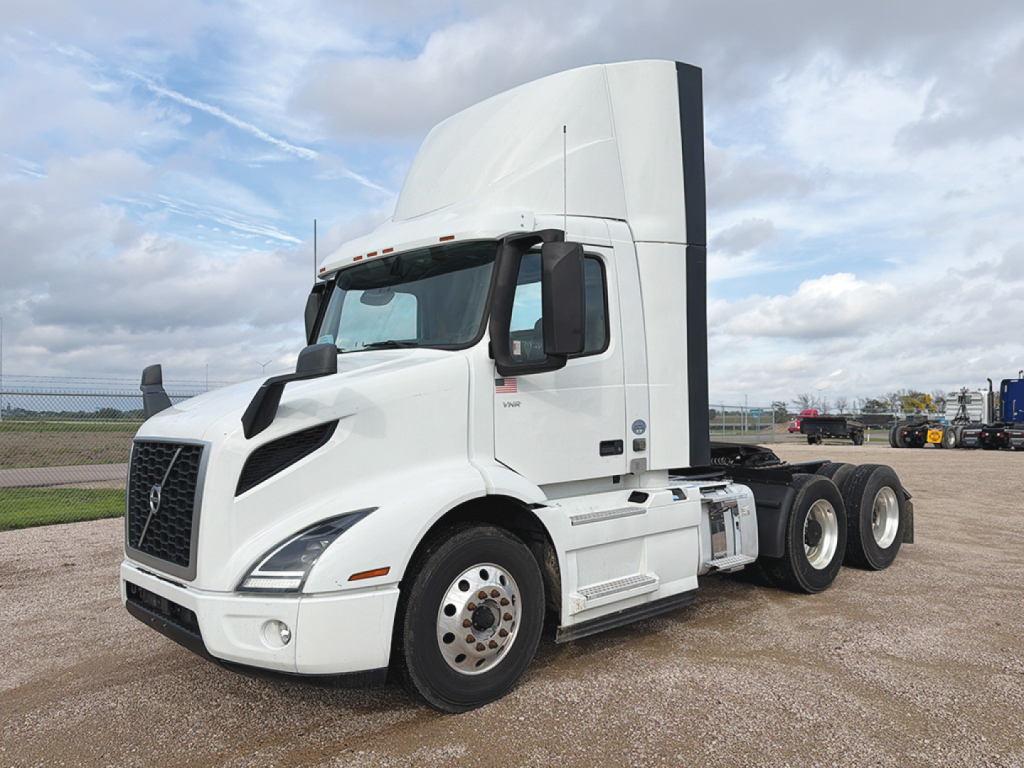
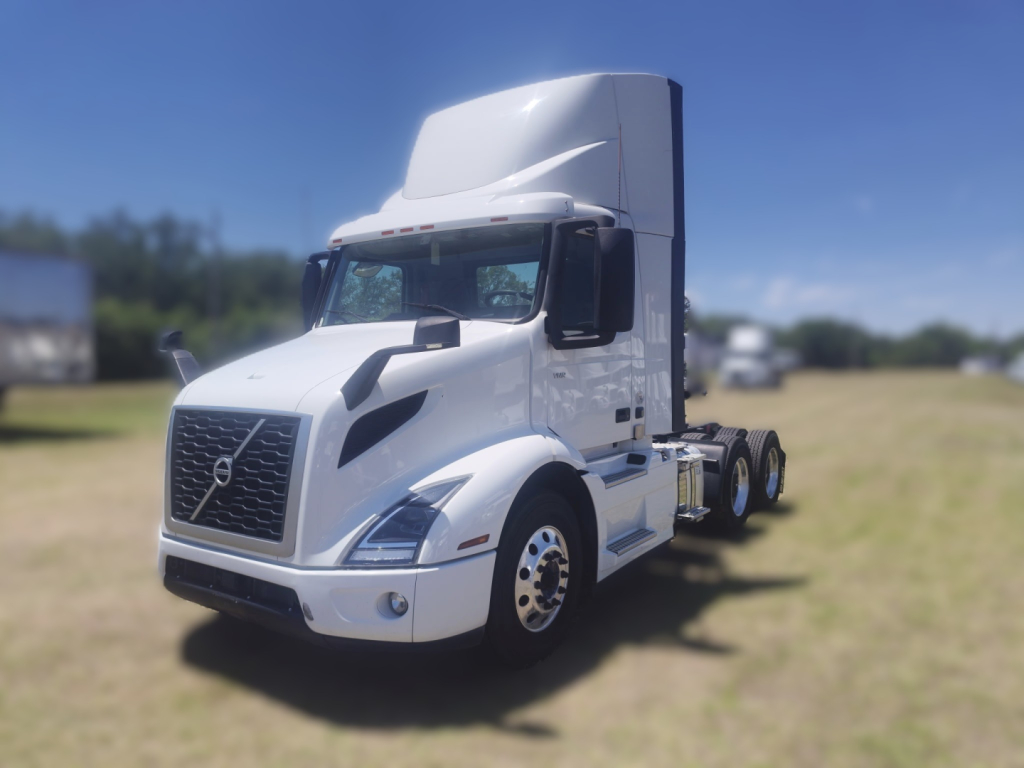
2022 Volvo VNR64T300
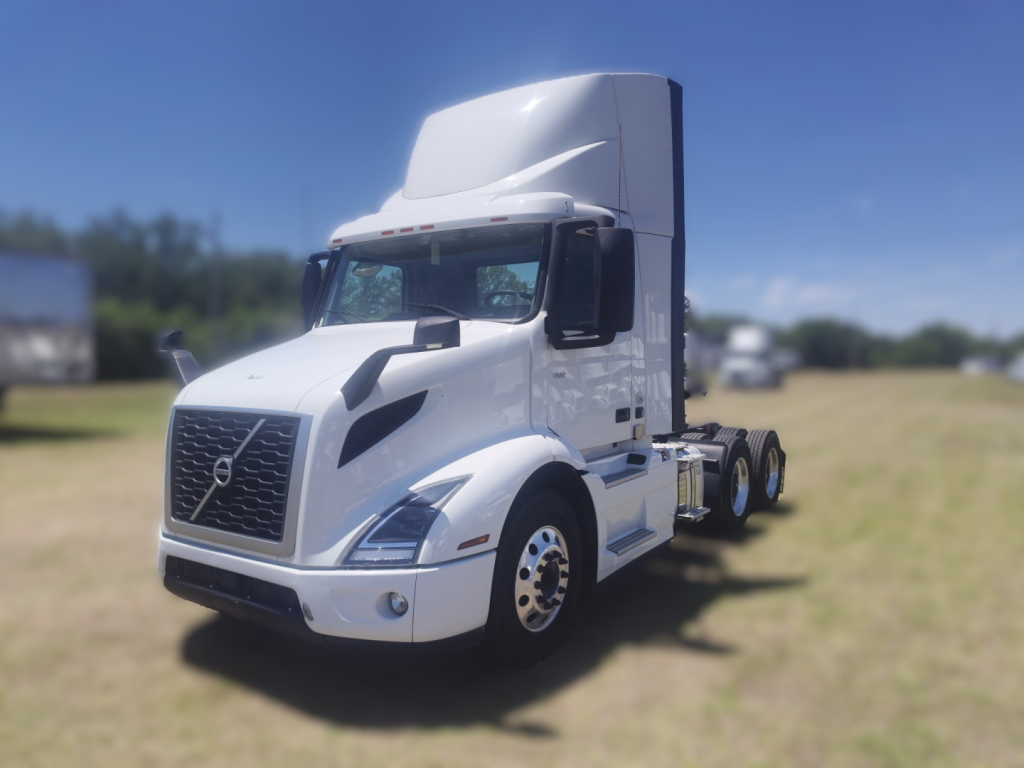
2022 Volvo VNR64T300
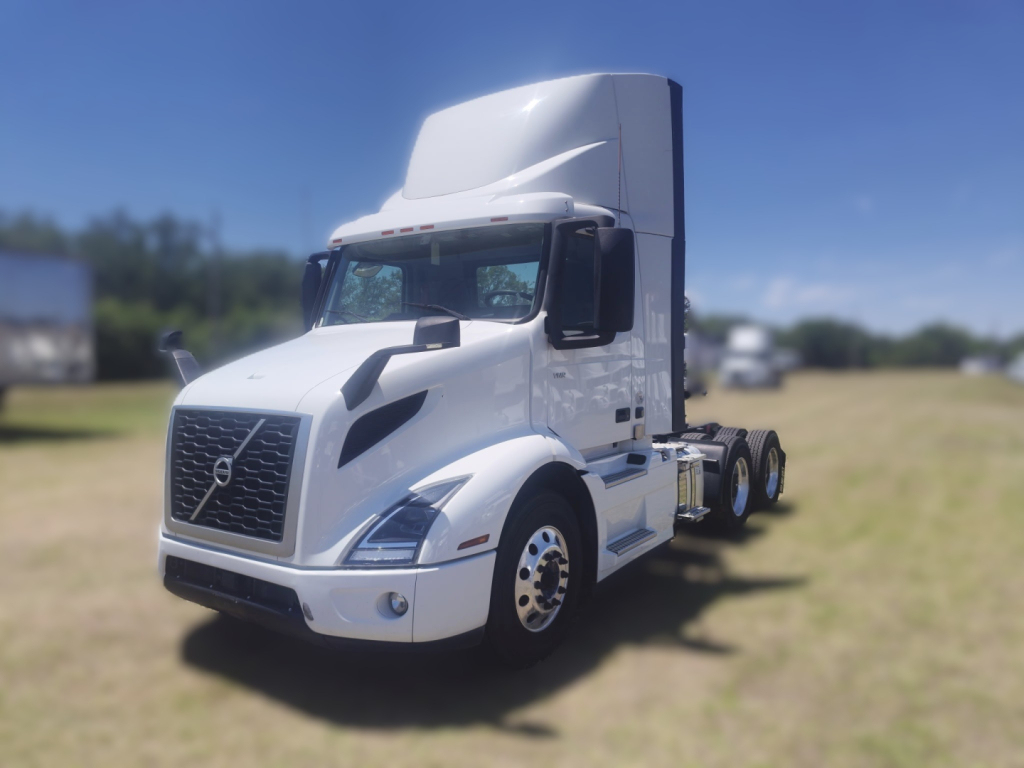
2022 Volvo VNR64T300
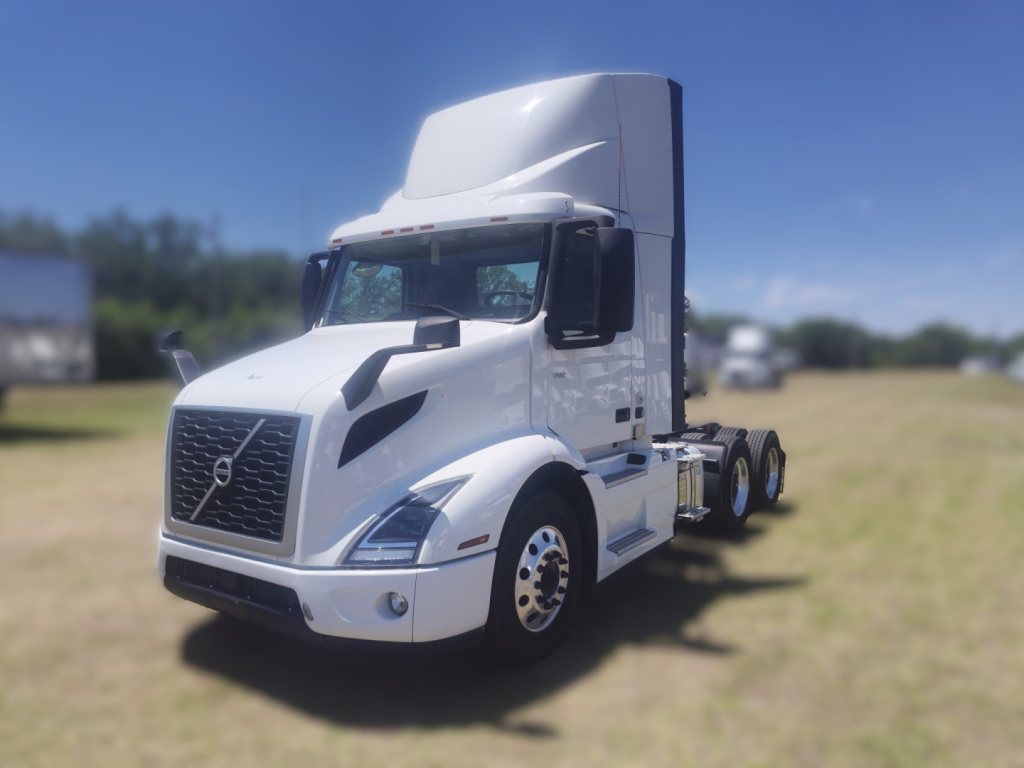
2022 Volvo VNR64T300
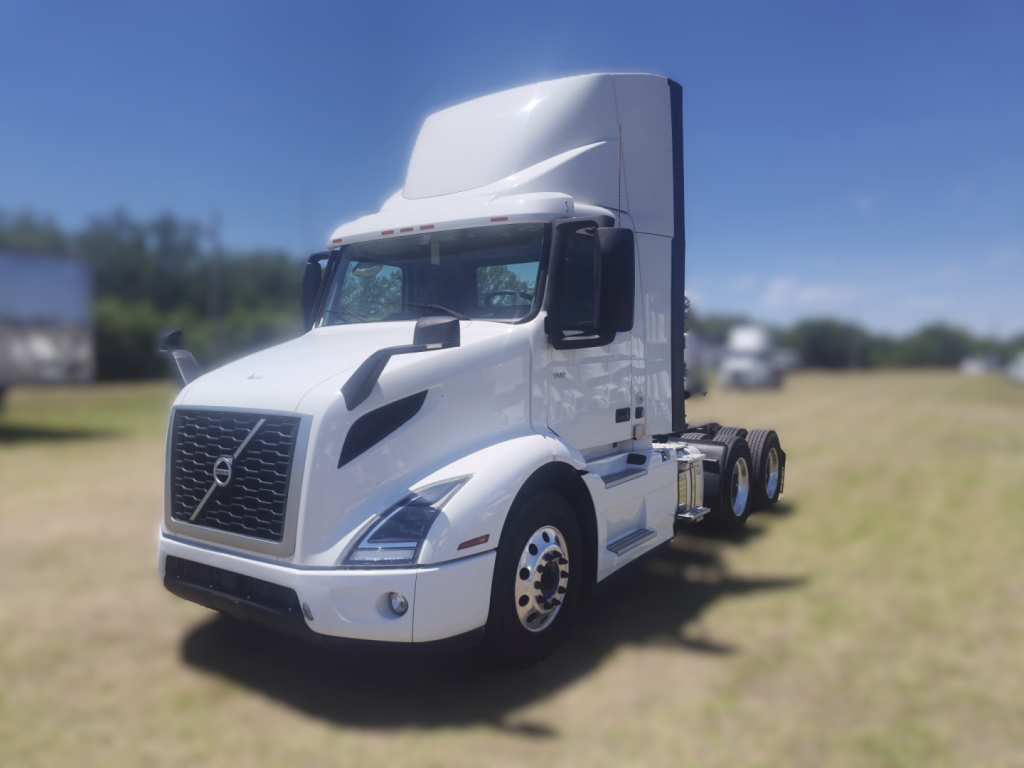
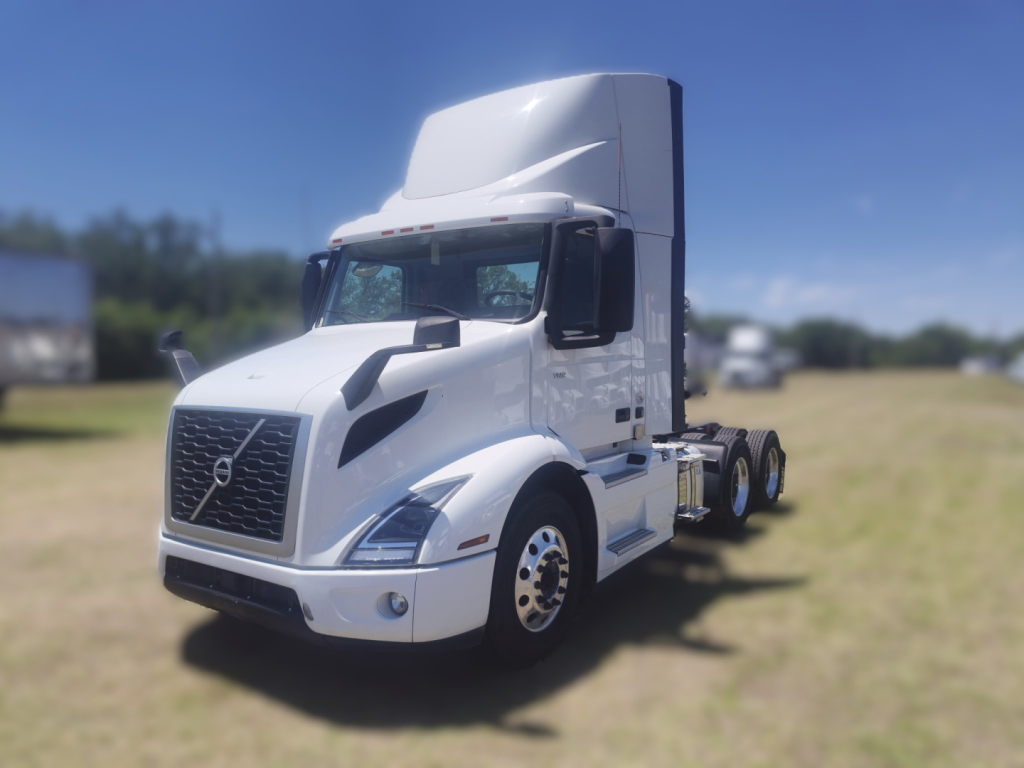
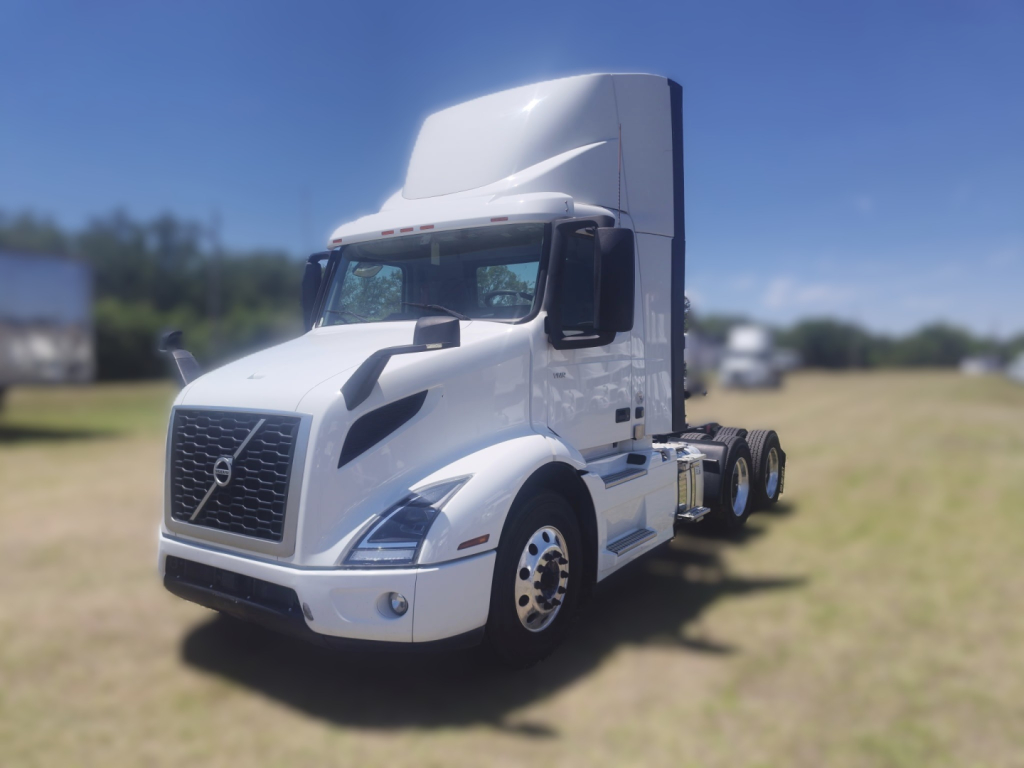
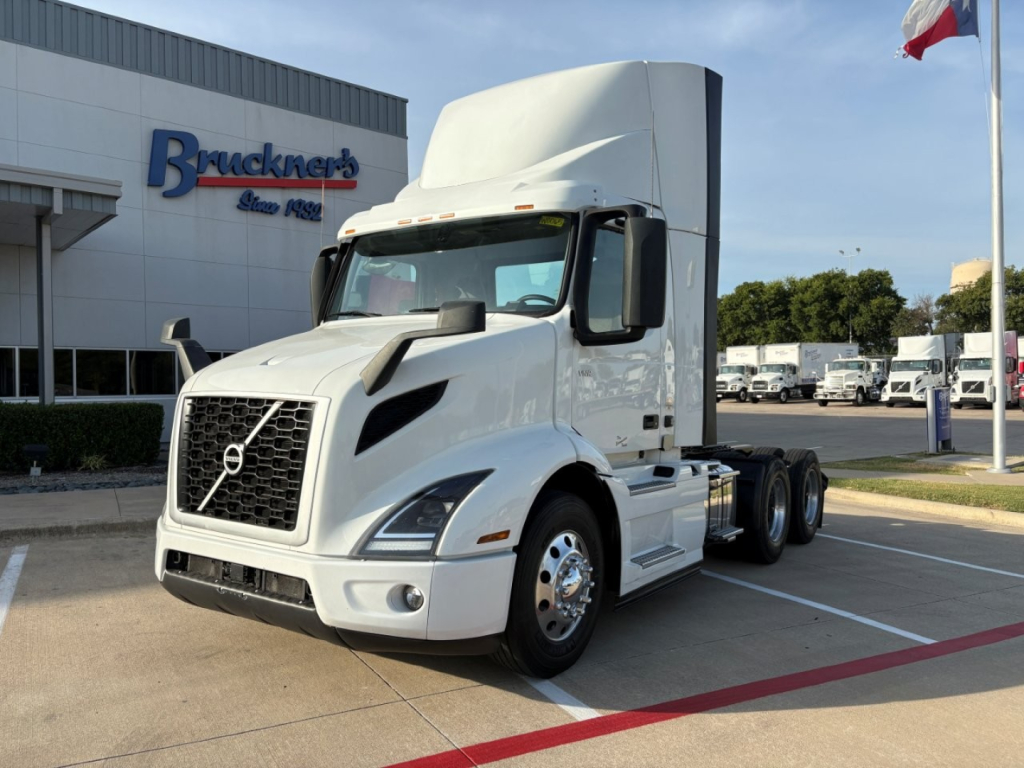
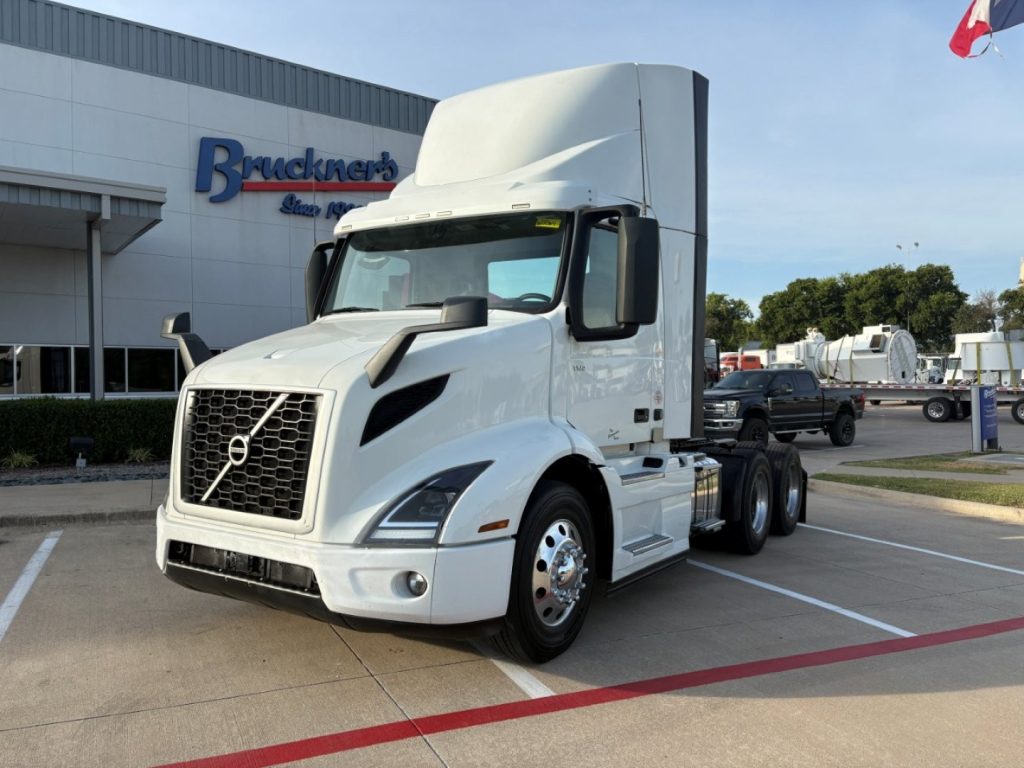
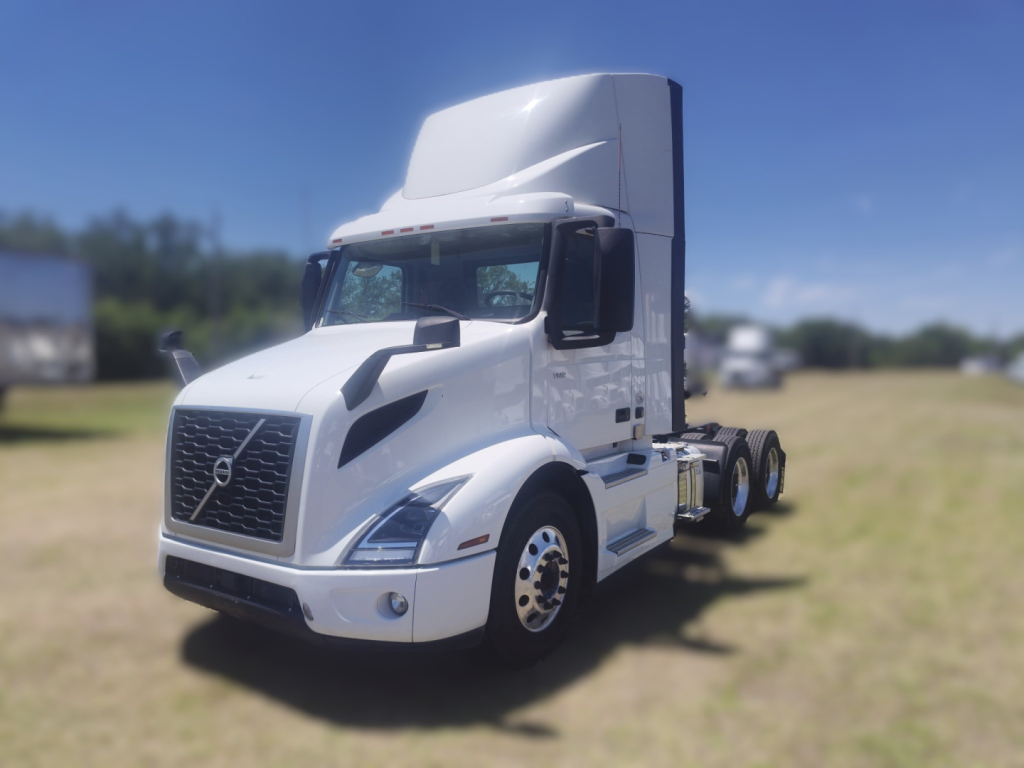
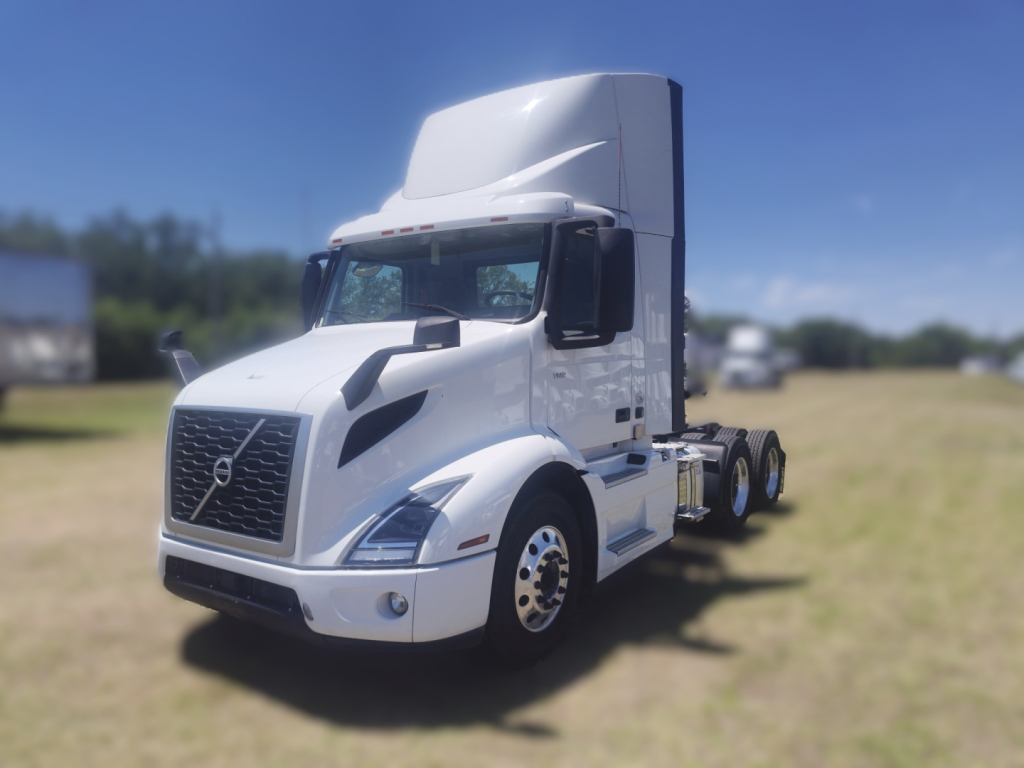
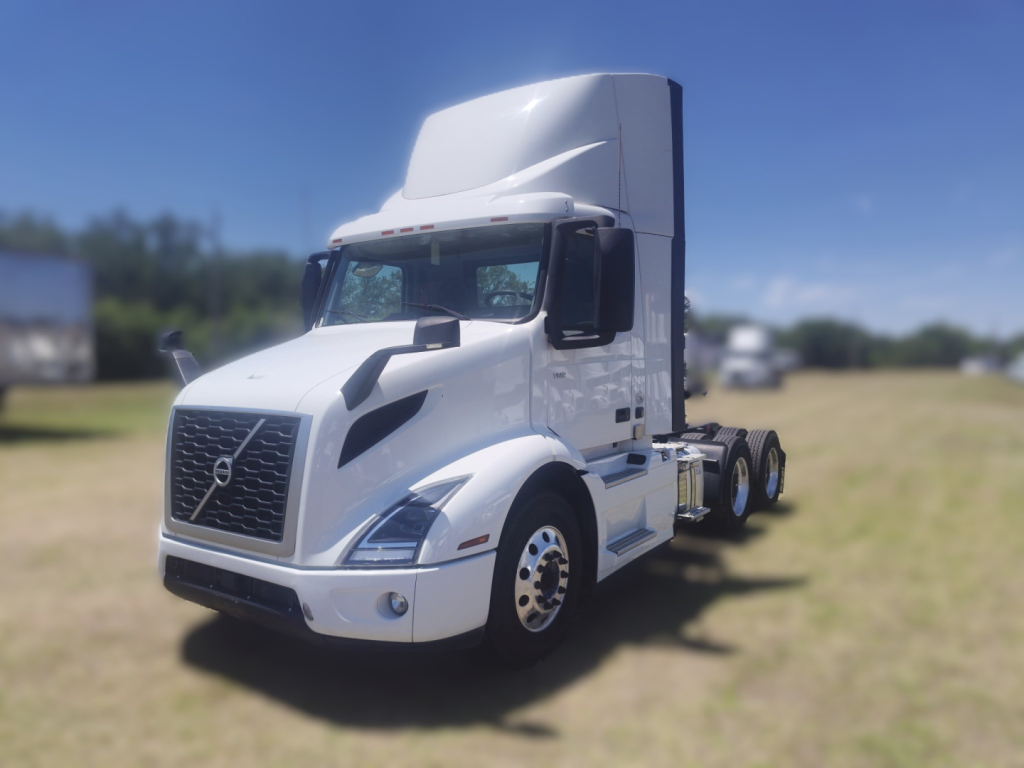
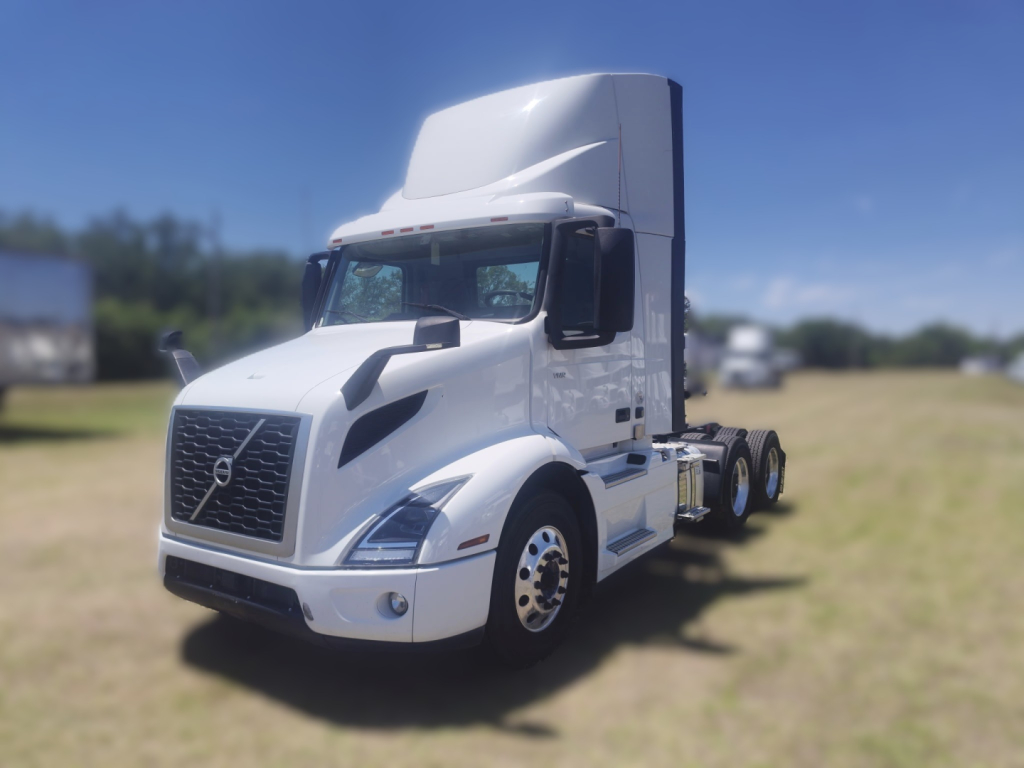
Selling a 2022 volvo conventional daycab truck? List your 2022 volvo conventional daycab truck for sale and reach thousands of commercial buyers.
2022 Volvo Conventional Daycab Trucks
For spec selection, the biggest decisions usually come down to engine, transmission, rear axle ratio, and wheelbase. Many 2022 Volvo daycabs are equipped with D11 or D13 engines, commonly in ratings suited for regional pulling rather than heavy long-haul sleeper work. The D11 can be a smart fit for lighter gross weights and frequent stop-and-go routes, while the D13 is more common when buyers want stronger torque, higher GCWR potential, or more flexibility across mixed terrain. I-Shift automated manual transmissions are common in this category and pair well with fuel-efficient rear ratios such as 2.47, 2.64, or similar highway-friendly setups. Buyers hauling heavier loads or working in steeper regions may prefer a more aggressive ratio to improve launch and gradeability.
Chassis layout matters just as much as powertrain. A conventional daycab can be spec'd with tandem rear axles for standard tractor use, and wheelbase choices affect turning radius, trailer gap, ride quality, and weight distribution. Air ride suspension is common, and many buyers specifically look for air disc brakes, sliding fifth wheels, and lightweight wheel packages to improve control and reduce maintenance variables. Cab-to-axle and kingpin setting compatibility should be checked closely if the truck will be used across multiple trailer types. For operations that live in crowded terminals or city streets, a shorter wheelbase VNM-style daycab may be the better tool. For regional van, reefer, or dedicated drop-and-hook lanes, a VNL daycab often provides a better balance of cab space and road manners.
A 2022 model year Volvo daycab also tends to attract buyers who care about uptime technology and driver environment. These trucks commonly feature advanced telematics, collision mitigation systems, lane support features, and an ergonomic dash layout that is easier on drivers running multiple turns per day. When comparing listings, pay close attention to actual axle ratings, transmission model, suspension spec, brake type, tire configuration, and remaining emissions warranty considerations. A well-matched 2022 Volvo conventional daycab can lower fuel spend, simplify training with the I-Shift platform, and deliver the kind of predictable regional performance that keeps both fleet managers and drivers satisfied.
Frequently Asked Questions about 2022 Volvo Conventional Daycab Trucks
What is the difference between a Volvo VNL daycab and a Volvo VNM daycab?
The Volvo VNL daycab is generally geared toward regional and highway tractor work, with a more aerodynamic profile and a cab designed for higher-mile operations. The Volvo VNM daycab is typically shorter and more maneuverable, which can make it a better fit for urban freight, pickup and delivery, or tighter terminal environments. The right choice depends on route density, trailer type, and how much importance you place on turning radius versus highway ride quality.
Is the Volvo I-Shift a good transmission for a 2022 daycab truck?
Yes. The Volvo I-Shift is one of the strongest reasons many buyers target a Volvo daycab. It is widely used in regional hauling because it helps standardize driver performance, reduces clutch wear, and can improve fuel economy when spec'd correctly. It also tends to be a good fit for fleets with mixed driver experience levels, especially on routes with frequent traffic, dock approaches, and stop-and-go operation.
Which engine is better in a 2022 Volvo daycab, the D11 or the D13?
The D11 is often the better fit for lighter regional freight where fuel economy and lower curb weight are priorities. The D13 is better suited for heavier loads, tougher terrain, and applications where more torque and broader performance flexibility are needed. Buyers should match the engine to average gross combination weight, terrain, and duty cycle rather than choosing strictly by horsepower.
What specs matter most when comparing 2022 Volvo conventional daycab trucks?
The most important specs are engine model and rating, transmission type, rear axle ratio, axle capacities, wheelbase, suspension, and brake configuration. Those items determine how the truck launches, cruises, turns, and handles payload. Fifth wheel style, tire setup, and cab-to-axle dimensions also matter because they affect trailer compatibility and weight distribution.
Are 2022 Volvo daycabs good for regional fleet service?
They are a strong fit for regional fleet service because they combine fuel-efficient aerodynamics, driver-friendly cab design, and modern safety and telematics systems. Many fleets like them for slip-seat operations, short-haul turns, and dedicated contract freight. A properly spec'd 2022 Volvo daycab can perform well in both private fleet and for-hire regional applications, especially where uptime, comfort, and predictable operating cost are priorities.