
2022 Conventional Daycab Trucks For Sale in Texas
Shop 2022 conventional daycab trucks in Texas. Compare tandem axle specs, engines, wheelbases, fuel capacity, and regional haul configurations.
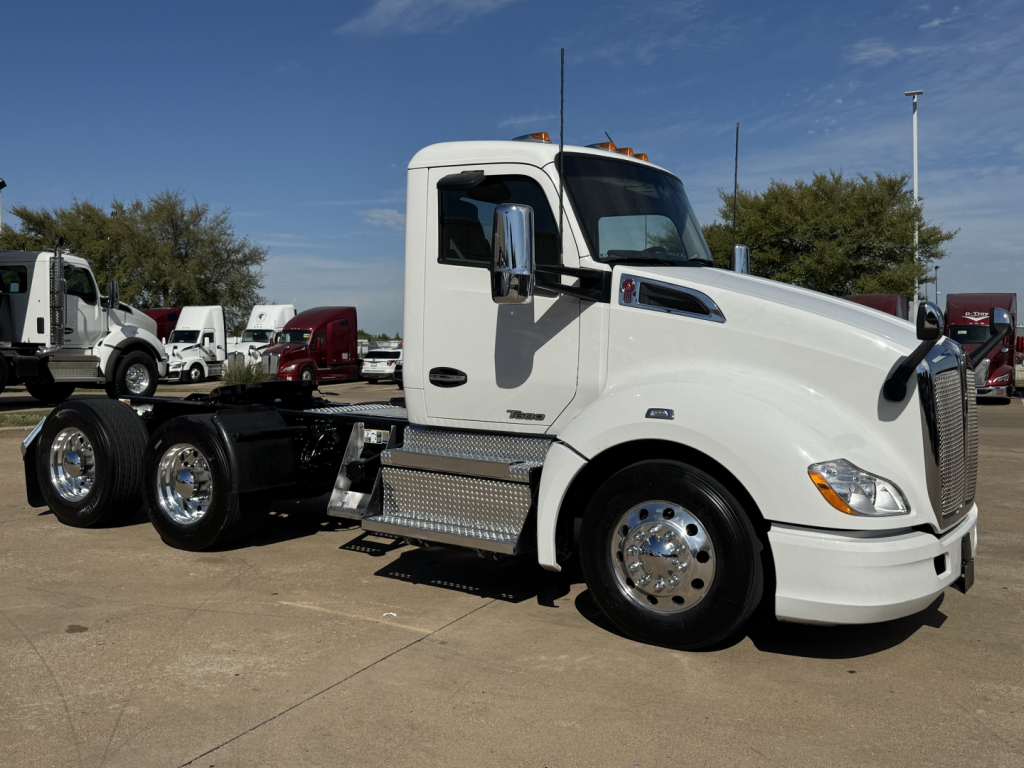
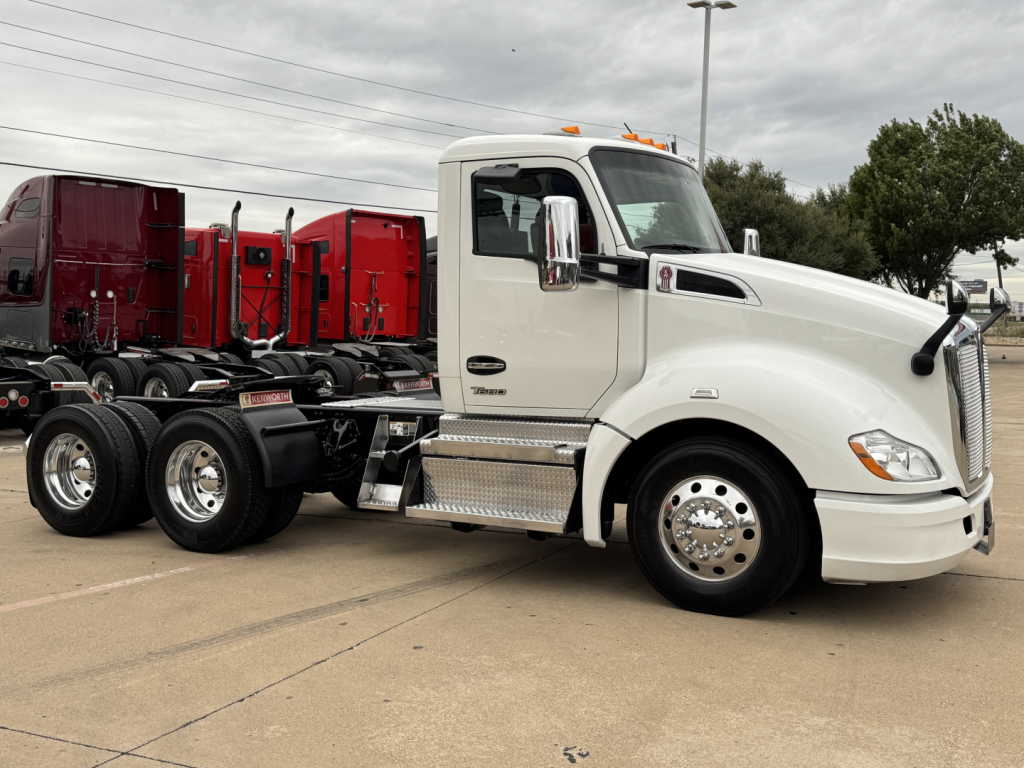
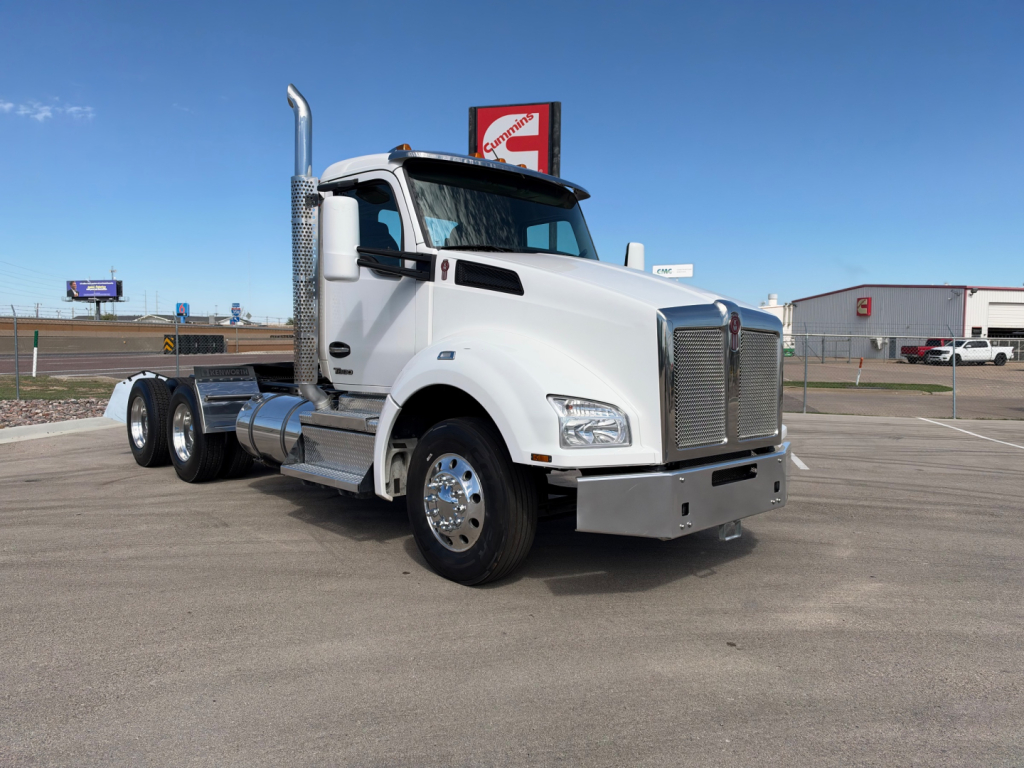
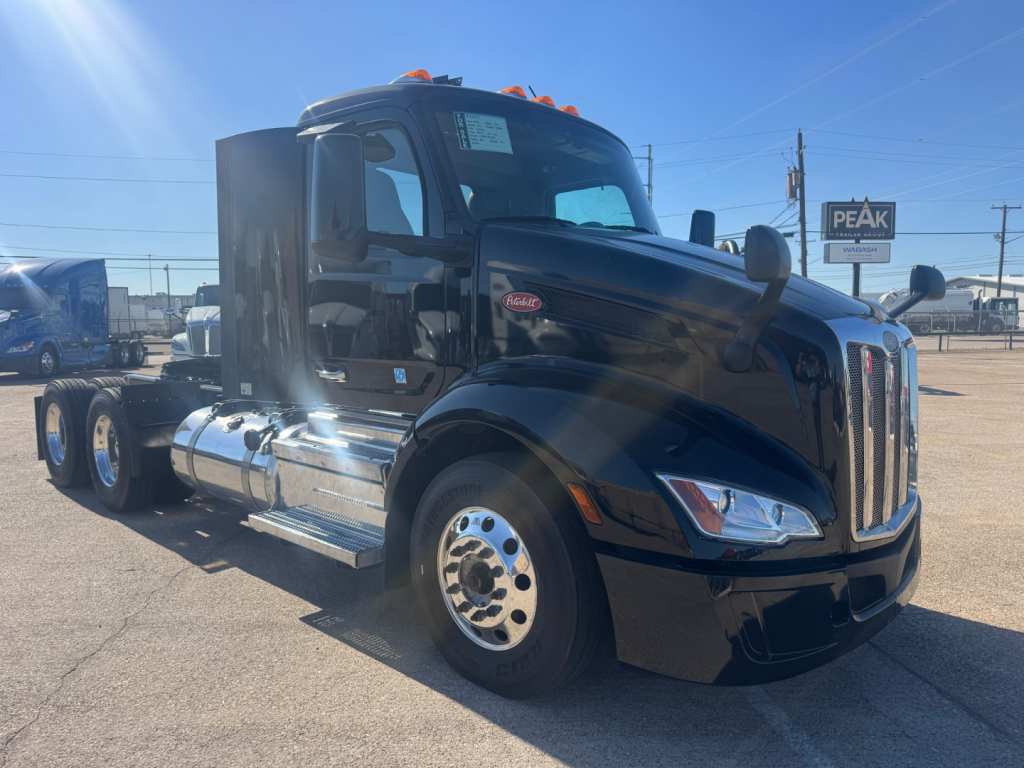
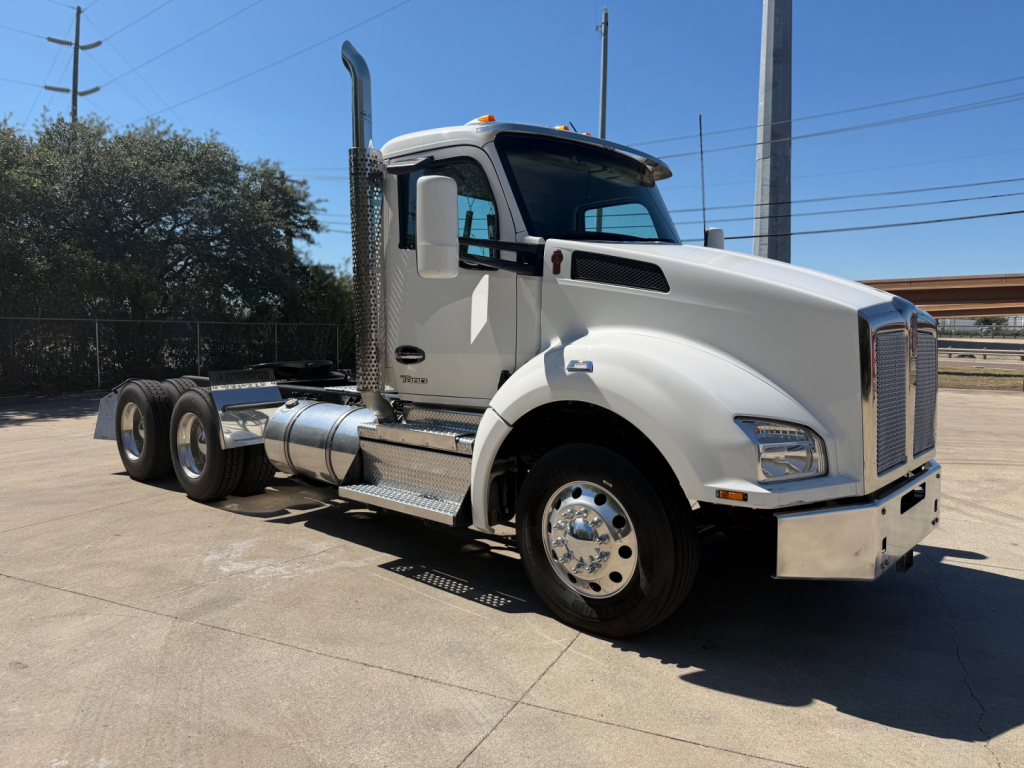
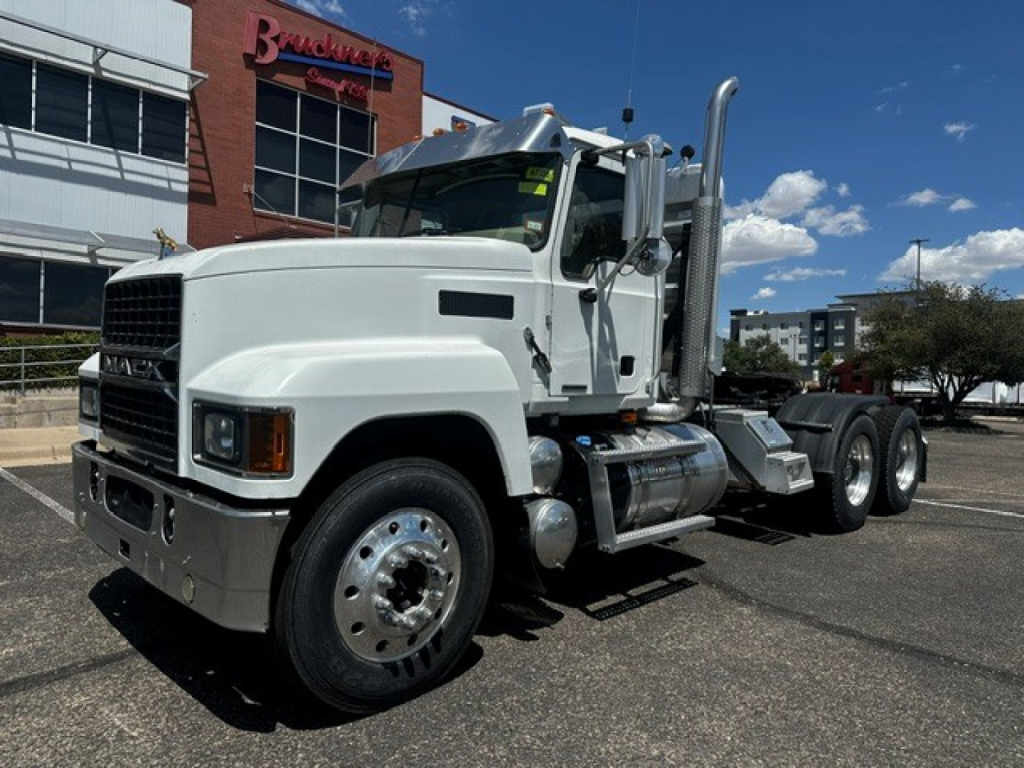
2022 Volvo VNR64T300
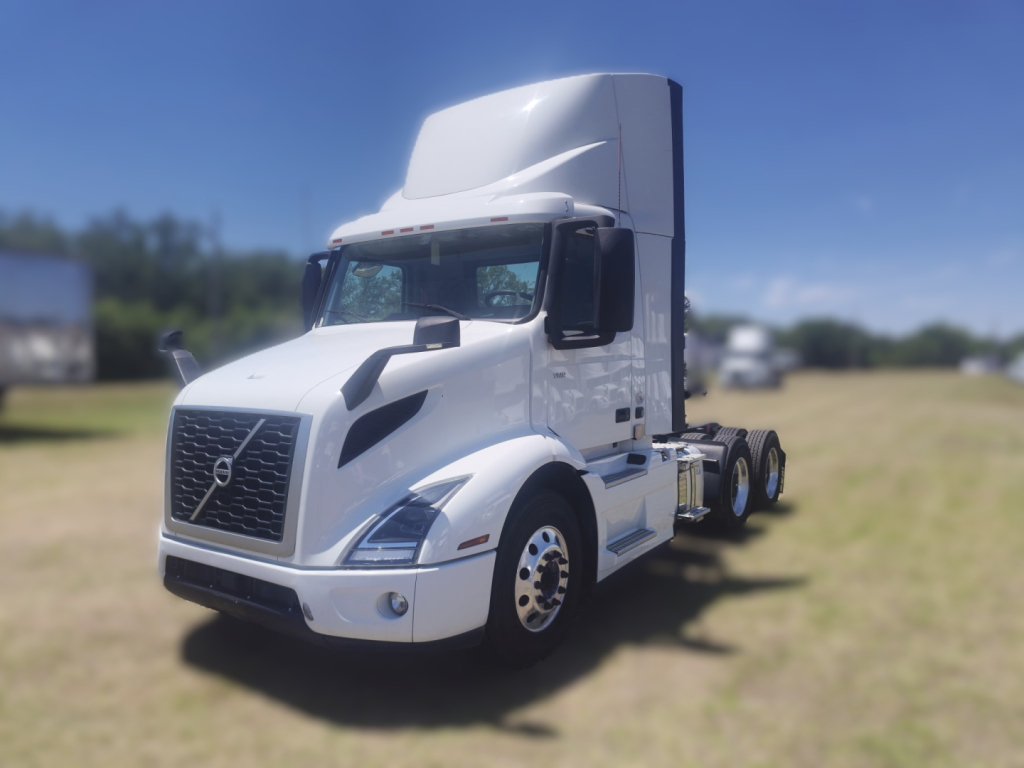
2022 Volvo VNR64T300
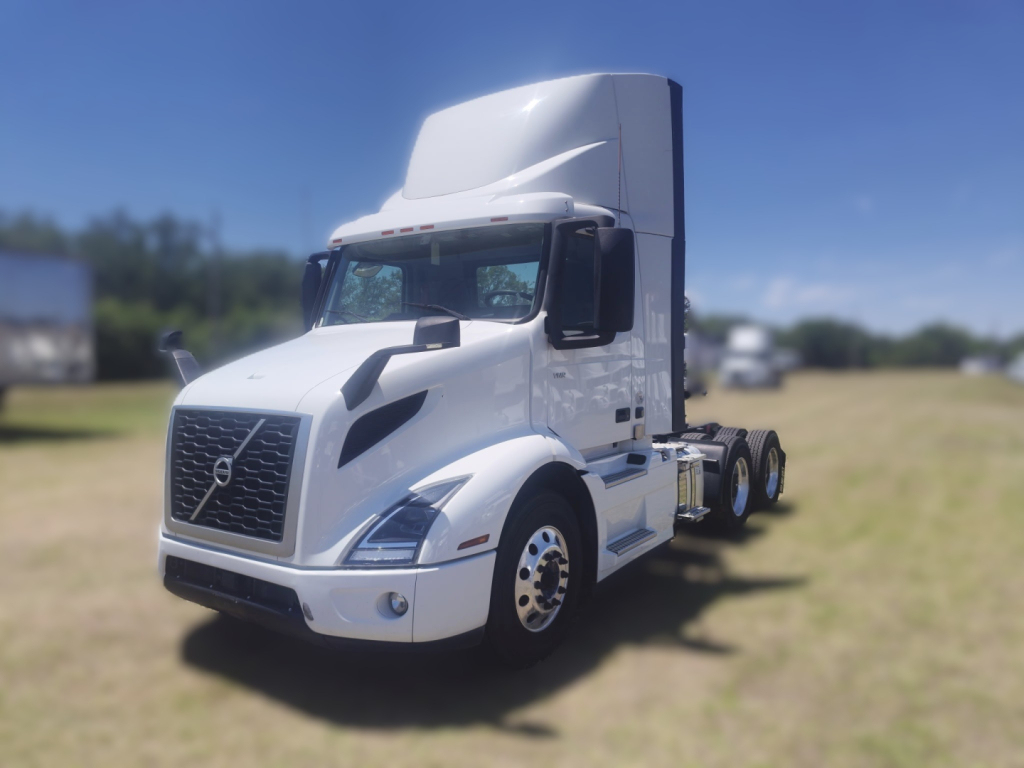
2022 Volvo VNR64T300
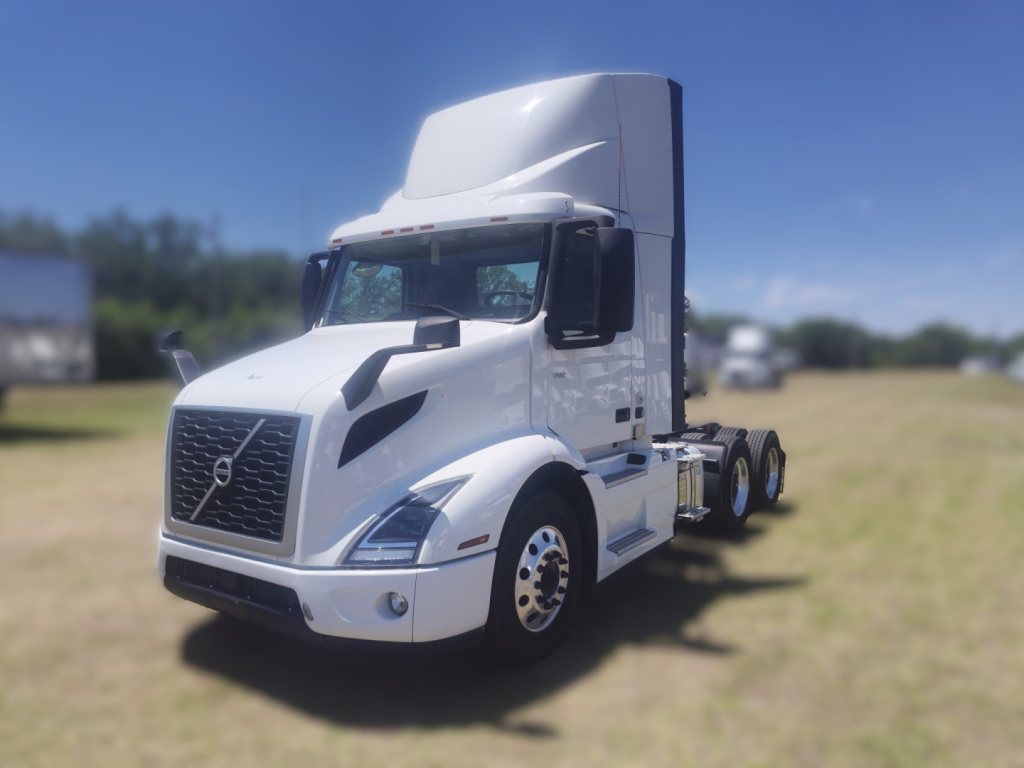
2022 Volvo VNR64T300
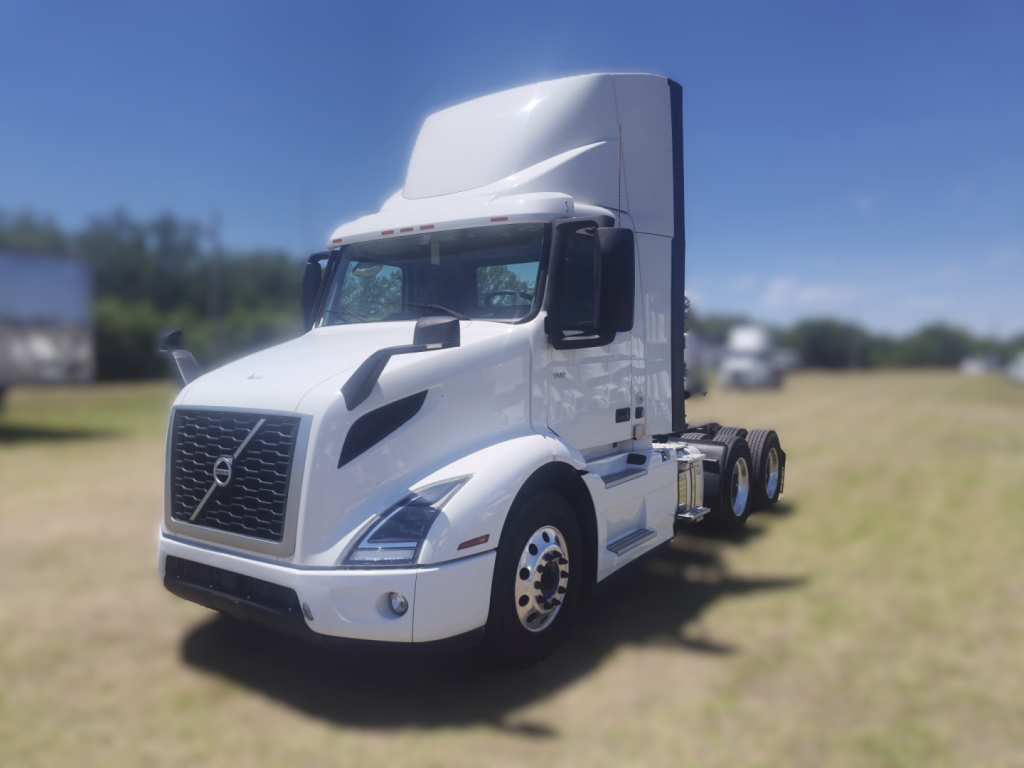
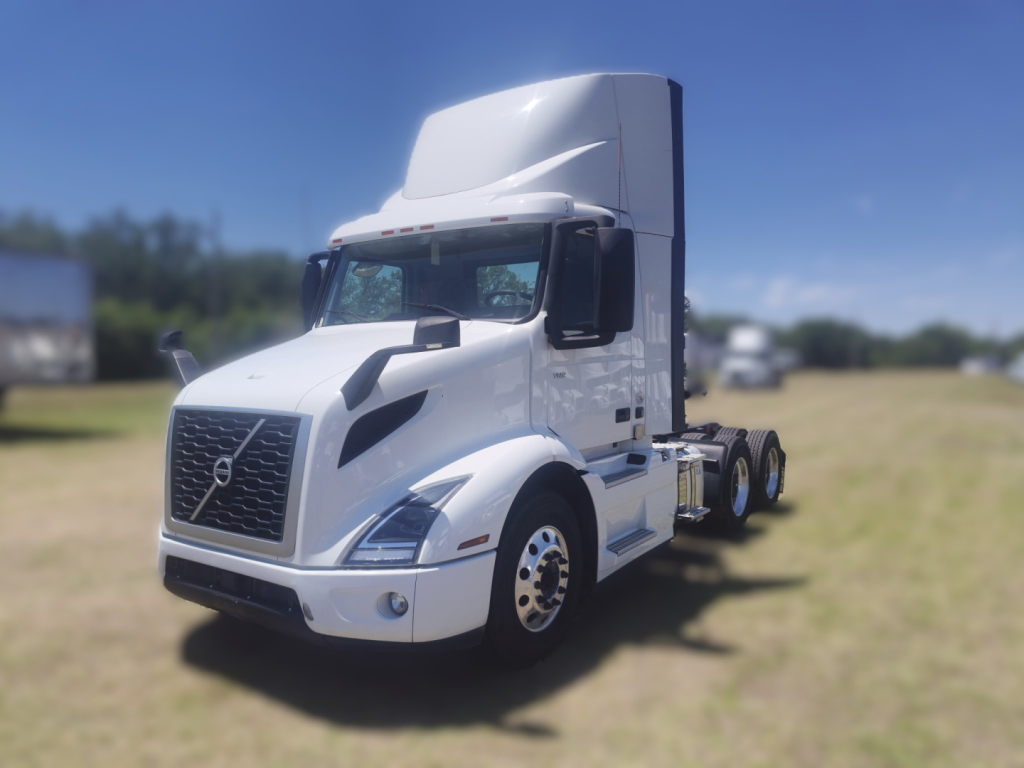
2022 Volvo VNR64T300
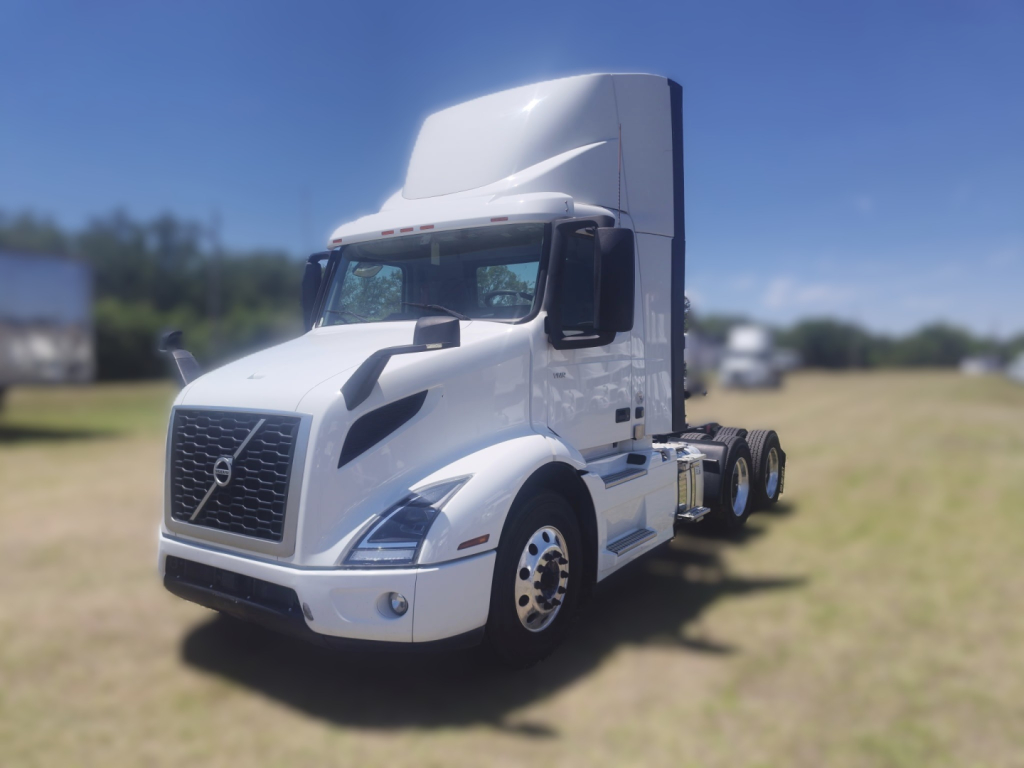
2022 Volvo VNR64T300
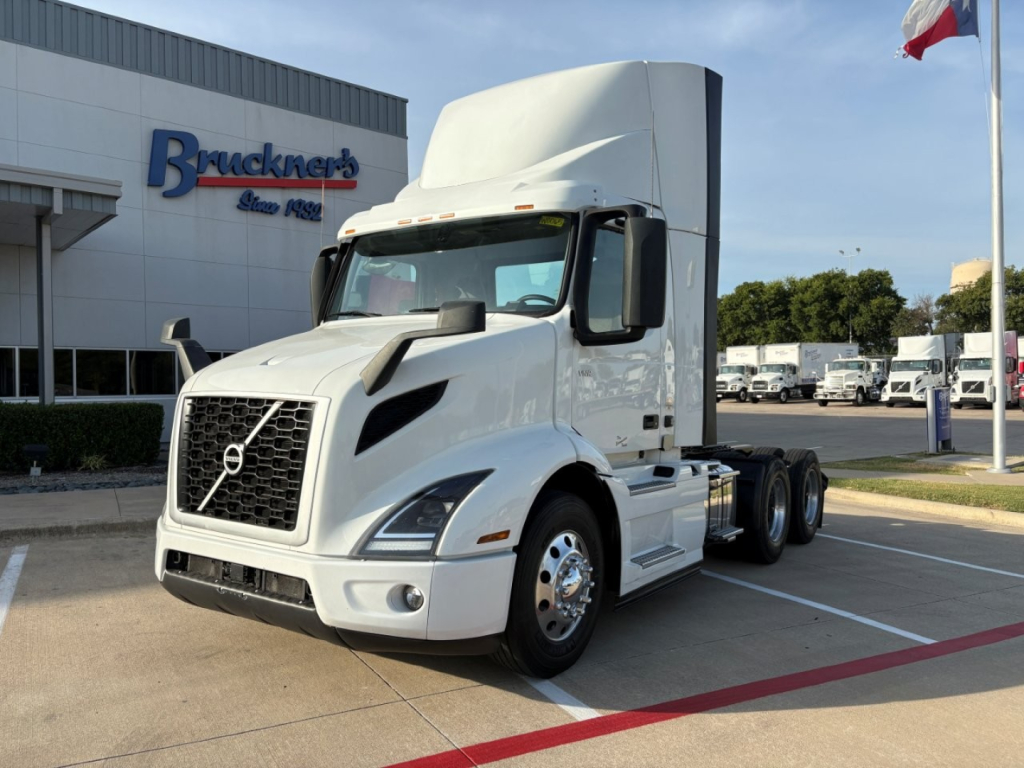
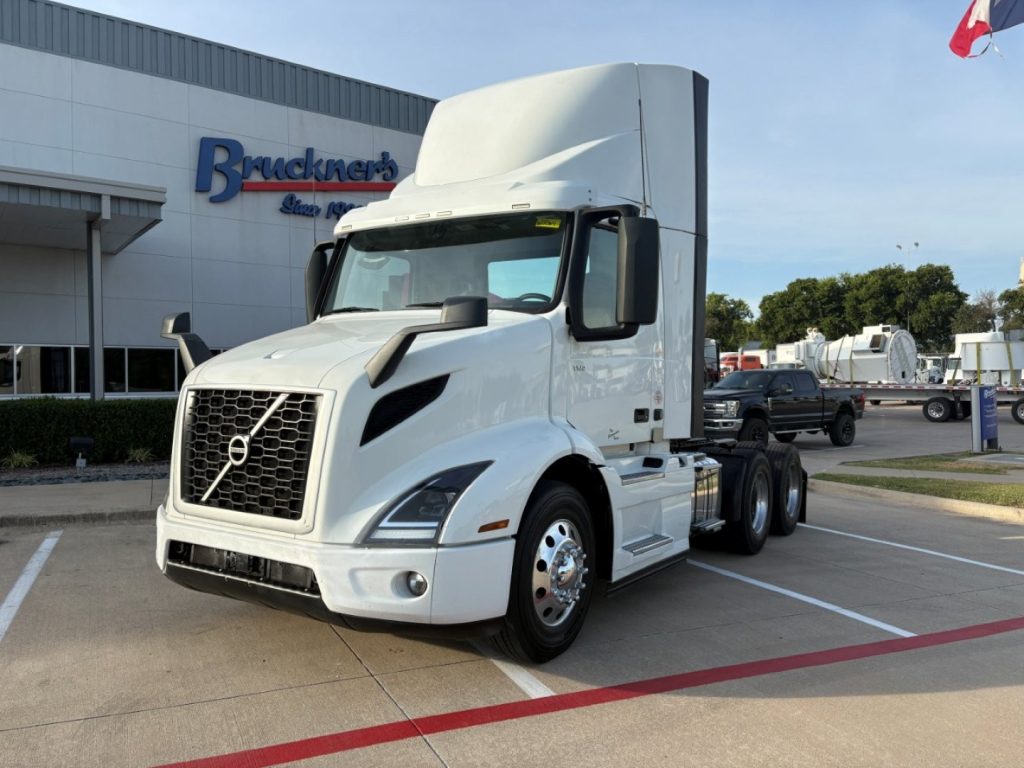
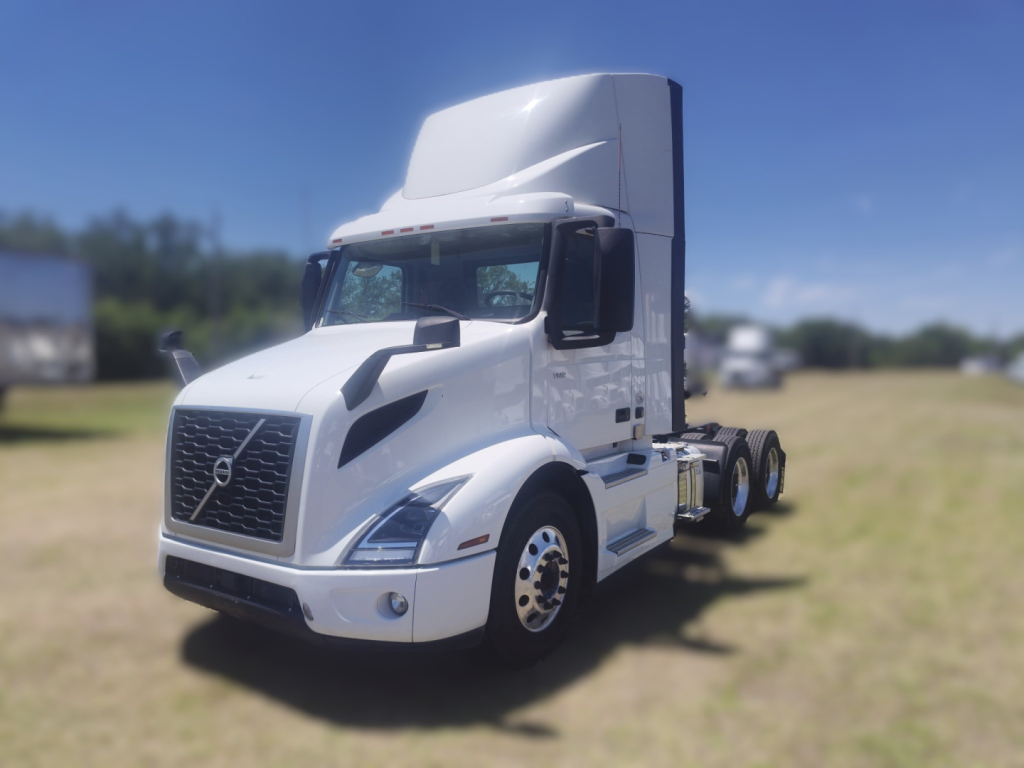
2022 Volvo VNR64T300
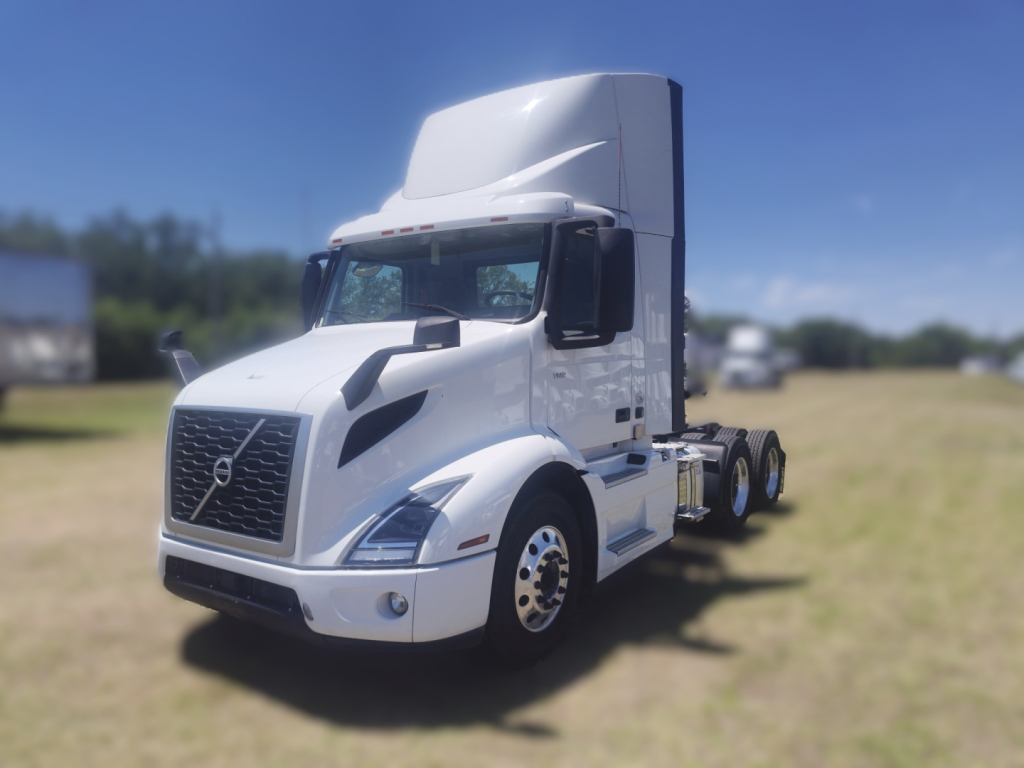
2022 Volvo VNR64T300
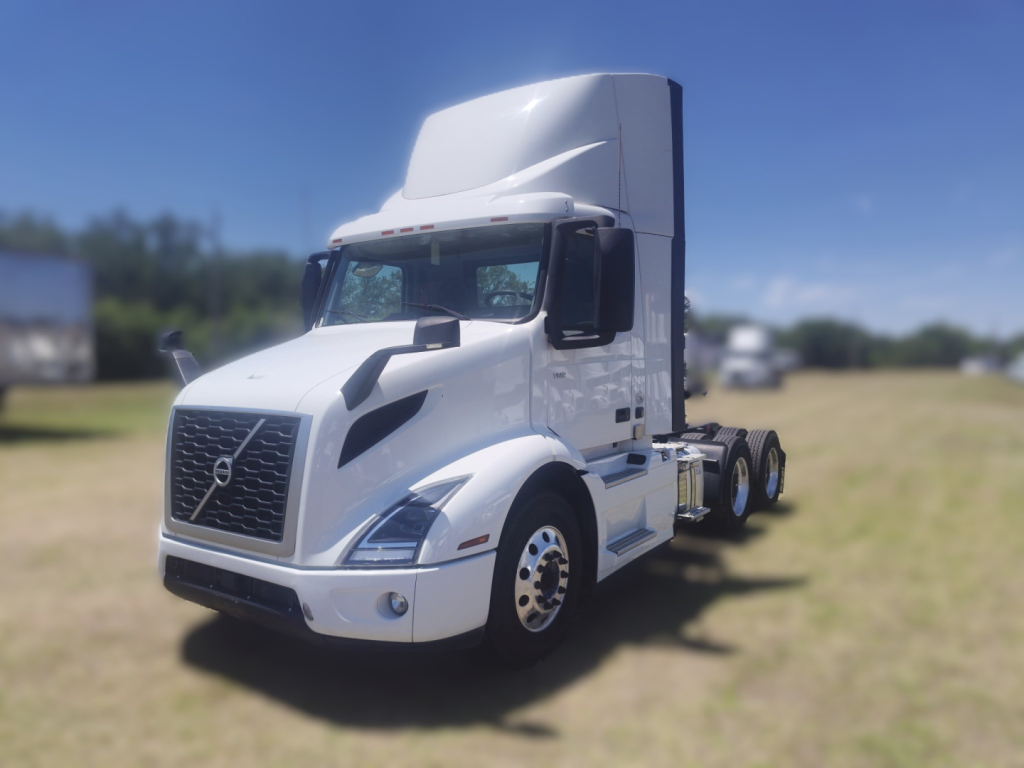
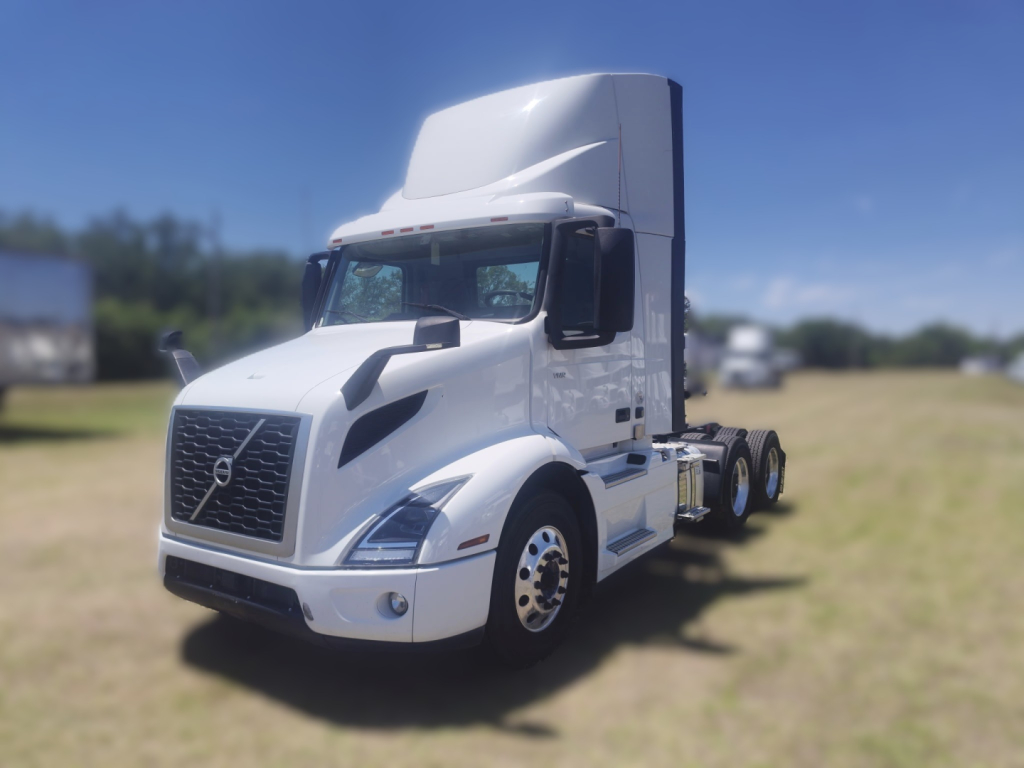
Selling a 2022 conventional daycab truck? List your 2022 conventional daycab truck for sale and reach thousands of commercial buyers.
2022 Conventional Daycab Trucks in Texas
The key buying decisions usually come down to powertrain, axle ratings, and wheelbase. Many 2022 daycab specs fall in the 400 to 455 horsepower range with torque matched to regional or vocational hauling, commonly through automated manual or automated transmissions, though some fleets still prefer manual boxes for specific applications. Tandem rear axles around 40,000 pounds are common, with front axle ratings often in the 12,000 to 14,600 pound range depending on the intended load and upfit. Rear axle ratios such as 3.08, 3.25, or 3.42 can change how the truck performs on fuel economy versus startability, especially if the truck will pull heavier gross weights or spend time in mixed city and highway service. Wheelbase matters more than many buyers expect. A shorter wheelbase improves maneuverability in yards and urban docks, while a longer wheelbase may support larger fuel capacity, better ride quality, or specific fifth wheel placement.
For a Texas buyer, fuel tank size, cooling performance, and driver comfort deserve close attention. Dual tanks in the 75 to 80 gallon range are common on regional specs and help reduce fuel stops across longer intrastate routes. Air ride suspensions, air ride cabs, collision mitigation, adaptive cruise, engine brakes, and air-slide fifth wheels are all features that can improve uptime and driver acceptance. Interior trim is not just cosmetic on a daycab. Good seating, HVAC performance, storage, and visibility matter when a driver is making repeated stops or spending a full shift in high heat. Brake spec is another worthwhile checkpoint. Disc brakes and modern safety systems can be a real advantage in dense traffic or high-mileage fleet service.
A 2022 model year also puts these trucks in a practical age range for many buyers balancing technology, emissions compliance, and acquisition cost. Depending on make and spec, you may see proven regional platforms from Mack, Volvo, International, and other major OEMs configured for dry van, reefer, flatbed, container, tanker, or specialized vocational use. Focus on the full operating picture: engine and transmission pairing, maintenance history, fifth wheel type, suspension, tire size, and how the spec matches your route profile. The best conventional daycab is not the one with the most features. It is the one with the right gearing, axle capacity, fuel range, and chassis layout for the work you actually run.
Frequently Asked Questions about 2022 Conventional Daycab Trucks in Texas
What is a conventional daycab truck used for?
A conventional daycab truck is primarily used for regional hauling, local freight, dedicated routes, drayage, and vocational tractor work where the driver returns home daily or does not need sleeper space. It offers the pulling power and durability of a highway tractor in a shorter, lighter package. That makes it a strong fit for dry van, reefer, flatbed, tanker, and port service depending on the axle and fifth wheel spec.
What should I look for when buying a 2022 conventional daycab in Texas?
Start with the route and load profile. In Texas, buyers should pay close attention to horsepower, torque, rear axle ratio, fuel capacity, cooling system condition, and wheelbase because trucks may see both urban congestion and long highway runs. Also review front and rear axle ratings, suspension type, brake spec, fifth wheel setup, and driver comfort features like air ride cab, seat quality, and HVAC performance. A truck spec that works in city P&D may not be ideal for heavier regional freight.
Is an automated transmission a good choice in a daycab truck?
For many fleets and owner-operators, yes. Automated and automated manual transmissions are common in 2022 daycab trucks because they help with driver consistency, reduce clutch wear, and can support fuel economy goals when paired correctly with the engine and axle ratio. They are especially useful in stop-and-go service and high-turnover operations. A manual transmission can still make sense for specialized applications or for buyers with a clear driver preference, but the automated setup is now standard in much of the regional tractor market.
What wheelbase is best for a conventional daycab?
The best wheelbase depends on where the truck will work. Shorter wheelbases generally improve maneuverability in tight docks, yards, and city streets. Longer wheelbases can improve ride quality, allow larger fuel tanks, and provide more flexibility for fifth wheel position and trailer clearance. Buyers should match wheelbase to trailer type, kingpin setting, bridge law considerations, and the amount of urban versus highway use in the operation.
How is a daycab different from a sleeper truck?
A daycab removes the sleeper compartment behind the cab, which reduces weight, shortens overall length, and often lowers acquisition and maintenance costs. That makes it more efficient for local and regional work where overnight accommodations are unnecessary. A sleeper truck is better suited to long-haul operations that require extended time on the road, while a conventional daycab is designed around daily productivity, maneuverability, and route efficiency.