
2022 Conventional Daycab Trucks For Sale in Oklahoma
Browse 2022 conventional daycab trucks in Oklahoma. Compare wheelbase, axle ratings, engine specs, transmission options, and regional hauling fit.
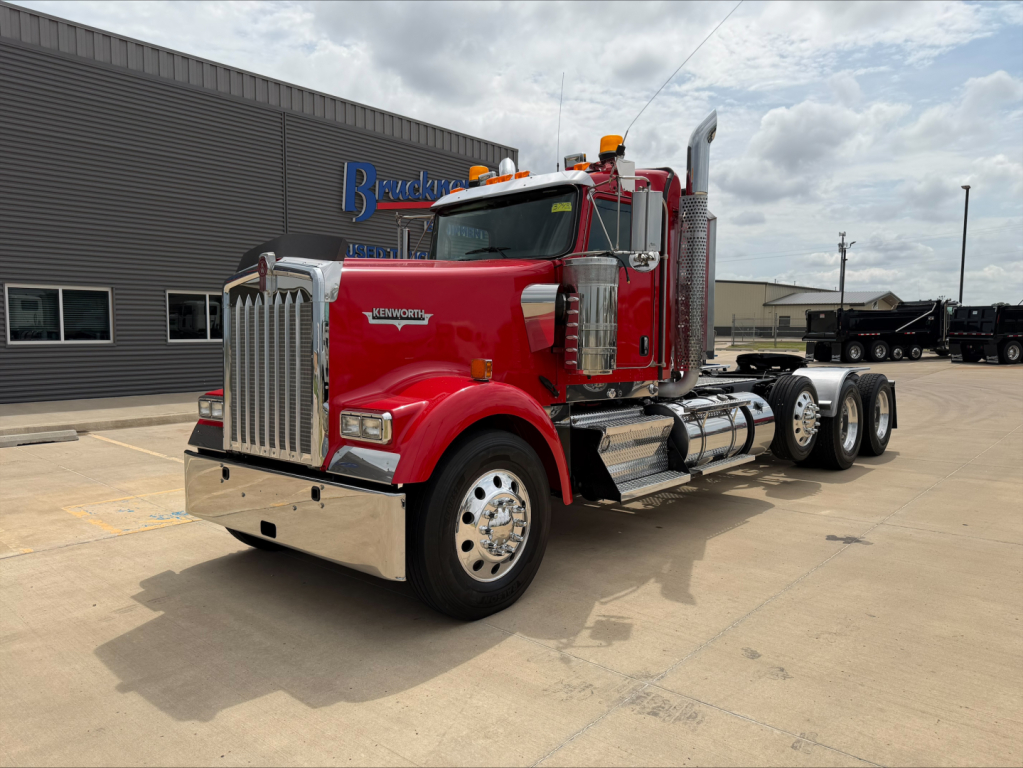

Selling a 2022 conventional daycab truck? List your 2022 conventional daycab truck for sale and reach thousands of commercial buyers.
2022 Conventional Daycab Trucks in Oklahoma
For most buyers, the engine and transmission pairing matters more than badge loyalty. A 2022 conventional daycab may be spec'd with 11 to 13 liter engines for weight-sensitive regional work, or larger displacement platforms when heavier GCW, steep grades, or frequent starts under load are part of the job. Horsepower often falls in the 400 to 505 range, with torque selected around the terrain, average payload, and cruise speed target. Automated manual transmissions are common in this model year because they simplify driver onboarding, protect the driveline, and improve fuel consistency. Manual transmissions still appeal in vocational or specialized applications where direct control, PTO integration, or driver preference matters. Rear axle ratios in the 2.64 to 3.55 range are common, and they change the truck's personality more than many first-time buyers expect.
Cab and chassis details separate a good daycab from an expensive mismatch. A shorter wheelbase helps maneuverability in yards, plants, and urban delivery points, while a longer wheelbase can improve ride quality and allow larger fuel tanks, headache racks, deck plates, wet kits, or other upfit needs. Suspension type, fifth wheel travel, frame rail thickness, and brake package all deserve a close look. Buyers hauling a mix of trailer lengths should pay attention to kingpin setting and back-of-cab clearance, especially if the truck is going to pull both standard vans and spread-axle flatbeds. Disc brakes, collision mitigation, adaptive cruise, and lane departure systems became more common by 2022, and those features can improve uptime and insurance appeal if the truck will be assigned across multiple drivers.
A strong 2022 conventional daycab should be evaluated as a revenue tool, not just a cab and engine combo. Check the emissions warranty status, idle hours, maintenance history, tire wear pattern, aftertreatment service record, and any signs of vocational use that may not show in mileage alone. In Oklahoma heat, cooling system condition and A/C performance matter more than buyers sometimes admit, especially on regional routes with frequent stops. Also confirm fuel tank capacity, PTO provisions, and exact frame layout before matching the tractor to a trailer pool or specialized body configuration. When the specs line up with the lane, a 2022 daycab can deliver lower operating cost, easier driver turnover, and better payload efficiency than a comparable sleeper tractor.
Frequently Asked Questions about 2022 Conventional Daycab Trucks in Oklahoma
What is a conventional daycab truck best used for?
A conventional daycab truck is best suited for local and regional hauling where the driver returns home daily and sleeper space is unnecessary. Common applications include dry van, reefer shuttles, tanker work, flatbed, dedicated manufacturing routes, port or rail drayage, and vocational tractor assignments. Because there is no sleeper, the truck usually saves weight, shortens overall length, and can be easier to maneuver in tight yards and customer facilities.
What wheelbase is best for a 2022 conventional daycab?
The right wheelbase depends on trailer type, fuel capacity, ride preference, and turning environment. Shorter wheelbases are typically better for city work, frequent docking, and tighter industrial sites. Longer wheelbases can improve ride quality, allow larger fuel tanks, and provide room for accessories such as headache racks, deck plates, or wet kits. Buyers should also verify trailer swing clearance and kingpin compatibility so the truck can handle the intended trailer mix without cab contact issues.
Are automated manual transmissions a good choice in a 2022 daycab?
For many fleets and owner-operators, yes. Automated manual transmissions became a mainstream spec because they help standardize shifting, reduce clutch wear, improve fuel economy consistency, and make it easier to place multiple drivers in the same truck. They are especially effective in regional linehaul and stop-and-go operations. A manual transmission may still make sense for specialized heavy haul, certain PTO applications, or buyers who strongly prefer direct gear control.
What engine and axle specs are common on a 2022 conventional daycab?
A typical 2022 conventional daycab often carries a 12,000 to 13,200 pound front axle and 40,000 pound rear axles, with horsepower commonly ranging from about 400 to 505. Engines may be in the 11 to 13 liter class for general freight, with larger engines used in heavier applications. Rear axle ratios often fall between 2.64 and 3.55 depending on cruise speed, terrain, payload, and transmission gearing. The best spec is the one that matches average gross weight and route profile, not simply the highest horsepower rating.
What should I inspect closely on a used 2022 daycab truck?
Focus on the maintenance record, engine hours, aftertreatment history, brake condition, tire wear, suspension wear points, and any evidence of frame modifications or hard vocational service. Review fault code history if available and confirm warranty status on emissions components. Interior wear can reveal how the truck was treated, while uneven tire wear can point to alignment, suspension, or axle issues. On a 2022 model, it is also smart to verify that driver-assist systems, sensors, and camera or radar components are functioning correctly because those repairs can be costly.