
Volvo Conventional Daycab Trucks For Sale in Pennsylvania
Shop Volvo conventional daycab trucks in Pennsylvania. Compare VNL and VNM specs, D13 and ISX power, wheelbase, axle ratings, and gearing.
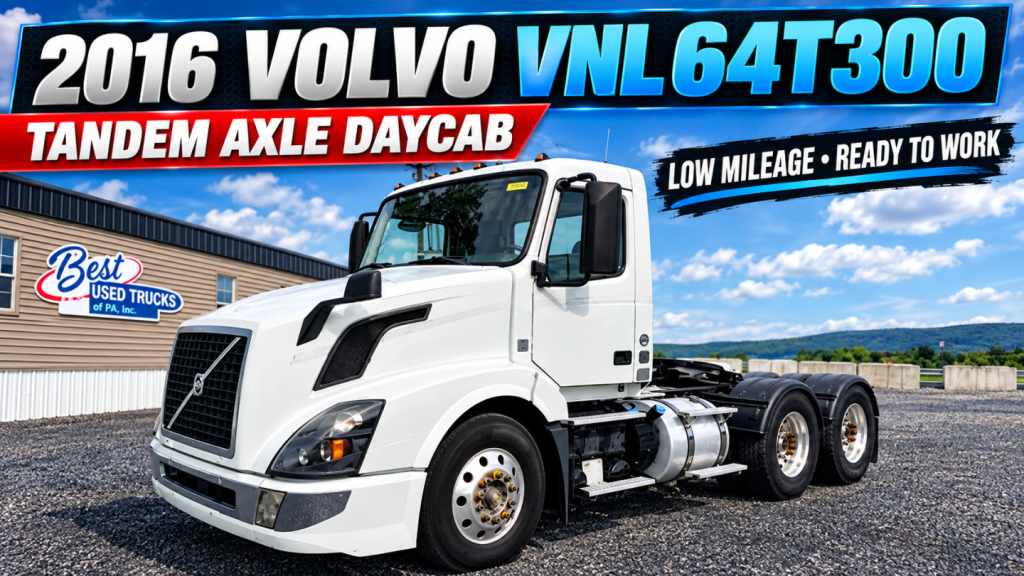
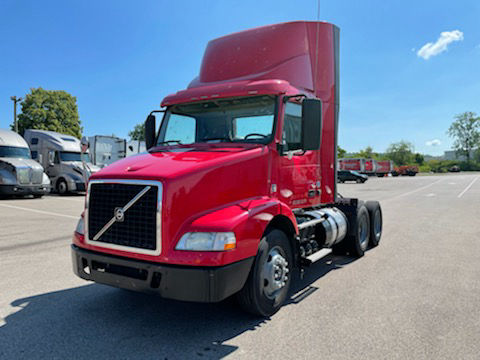

Have volvo conventional daycab truck to sell? List it here to reach thousands of buyers.
Volvo Conventional Daycab Trucks in Pennsylvania
Powertrain choice matters on this class. Common engines include the Volvo D13 and Cummins ISX15, often in the 435 to 500 horsepower range, paired with Volvo I-Shift or automated Eaton Fuller transmissions. For regional and short-haul work, an automated manual is often preferred for driver acceptance, clutch life, and consistent fuel economy. Rear axle ratings around 40,000 pounds are typical, with air ride suspension, engine brake, and disc brakes showing up on many specs. A faster ratio such as 2.64 can favor highway fuel economy with the right duty cycle, while a deeper ratio such as 3.55 is better suited to heavier starts, mixed terrain, and frequent low-speed work. If the truck will spend time on western Pennsylvania grades or pull heavier van, reefer, or bulk loads, gearing should be matched carefully to GCW and average route speed.
Cab layout and chassis details are just as important as engine and transmission. Daycabs in this segment often carry dual aluminum tanks, air slide fifth wheels, low-profile 22.5 tires, and wheelbases in the 170 to 180 inch range. That is a practical window for regional trailer work because it gives decent ride quality without making the truck cumbersome around docks. Volvo is known for a driver-friendly cab with good visibility, ergonomic switch placement, and a quieter interior than many older fleet-spec tractors. Features like tilt and telescoping steering, cruise control, cab extenders, roof fairings, and quarter fenders are common and worth evaluating based on the trailer mix. If most of the work is van freight at highway speed, aero equipment matters. If the truck will spend more time on local routes, condition of suspension, brakes, tires, and steering components usually matters more than appearance items.
A used Volvo daycab should be evaluated like any revenue truck: engine history, aftertreatment performance, transmission operation, and chassis wear all matter more than cosmetics. Check for service records on DPF cleaning intervals, injector or turbo work, clutch actuator or I-Shift calibration history, and any signs of excessive idle time. Confirm front axle and rear axle ratings against the loads you actually haul, and verify the current fifth wheel travel is compatible with the trailer lengths in your fleet. Pennsylvania buyers should also pay attention to corrosion, especially on frame hardware, air tanks, crossmembers, and electrical connections if the truck has spent years in winter road treatment. A well-matched Volvo conventional daycab can be a strong fit for fleets that need a dependable regional tractor with good driver appeal and efficient operating costs.
Frequently Asked Questions about Volvo Conventional Daycab Trucks in Pennsylvania
What are the most common Volvo daycab models in the conventional tractor market?
The Volvo VNL 300 and VNM daycab are two of the most common configurations. The VNL 300 is typically spec'd as a highway-oriented daycab with a comfortable cab and strong aero package, while the VNM is often chosen where a slightly more compact chassis and tighter maneuverability are important. Both can be set up for regional haul, local freight, container work, and dedicated route service depending on wheelbase, axle ratings, and gearing.
Is a Volvo D13 or Cummins ISX15 better in a Volvo conventional daycab?
It depends on the duty cycle and how your shop supports the truck. The Volvo D13 is widely used in regional and highway applications and pairs well with the I-Shift for fuel economy and drivability. The Cummins ISX15 is a familiar platform in mixed fleets and may appeal to buyers who want parts and service commonality across multiple makes. The better choice is usually the one with stronger maintenance history, the right horsepower and torque rating, and a transmission and axle ratio matched to the load.
What wheelbase is typical for a Volvo conventional daycab?
Many Volvo daycabs in this class fall around 170 to 180 inches, though exact specifications vary. That range works well for standard van and reefer pulling because it balances ride quality, trailer gap, and maneuverability. Buyers should confirm wheelbase together with fifth wheel travel and kingpin setting, since those dimensions affect bridge compliance, axle loading, and cab-to-trailer clearance during tight turns.
Are automated transmissions common in Volvo daycab trucks?
Yes. Volvo I-Shift and other automated manual transmissions are very common in modern Volvo daycabs. They are popular in regional and local service because they reduce driver fatigue, help with consistent shifting, and can improve clutch life compared with manual transmissions in stop-and-go work. The key is to verify software calibration, clutch wear status, and smooth operation under load during a road test.
What should Pennsylvania buyers inspect on a used Volvo daycab?
Corrosion and chassis condition deserve extra attention in Pennsylvania. Look closely at frame hardware, suspension components, brake lines, air tanks, battery box mounts, and electrical connections for rust or road-treatment damage. Also review aftertreatment service records, check for active fault codes, inspect tire wear for alignment or suspension issues, and confirm that axle ratings, gearing, and fifth wheel set-up fit the routes and trailer types the truck will actually handle.