
Freightliner Conventional Daycab Trucks For Sale in Pennsylvania
Shop Freightliner conventional daycab trucks in Pennsylvania. Compare Cascadia and Columbia specs, axle ratings, wheelbases, and drivetrain options.
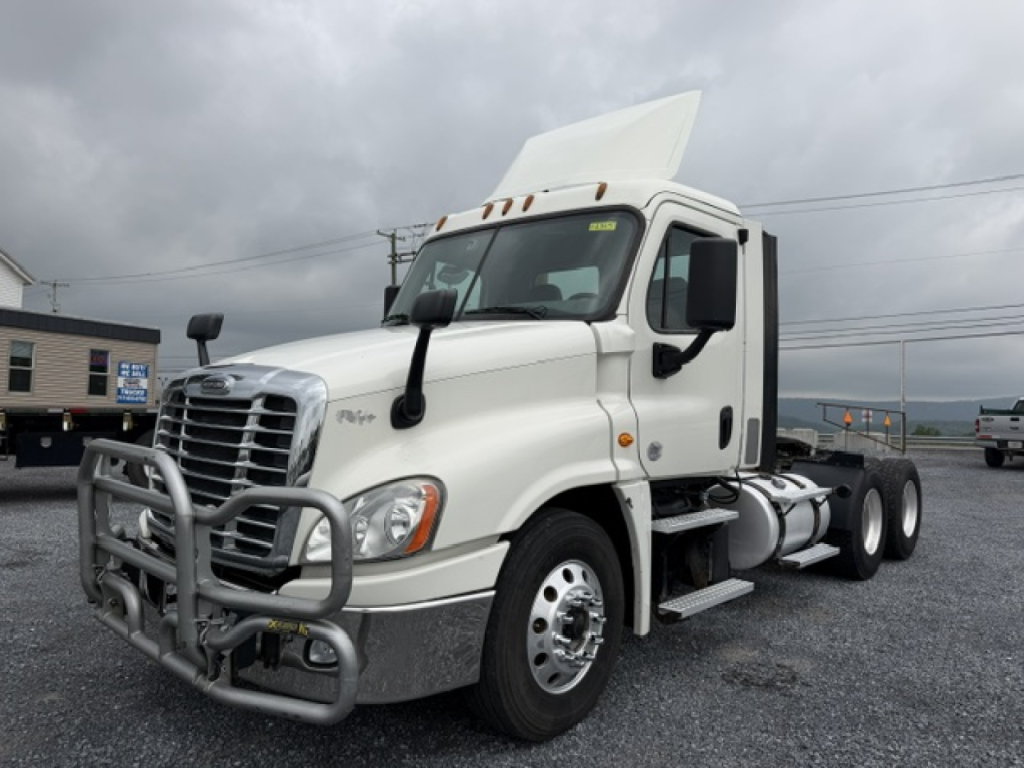
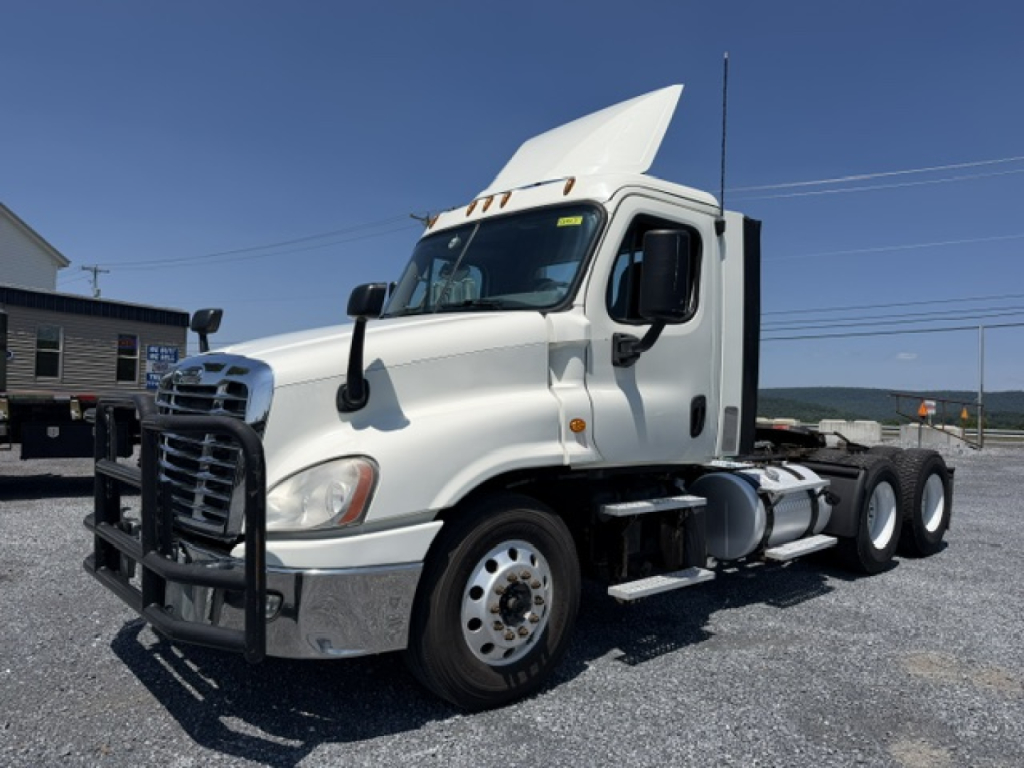
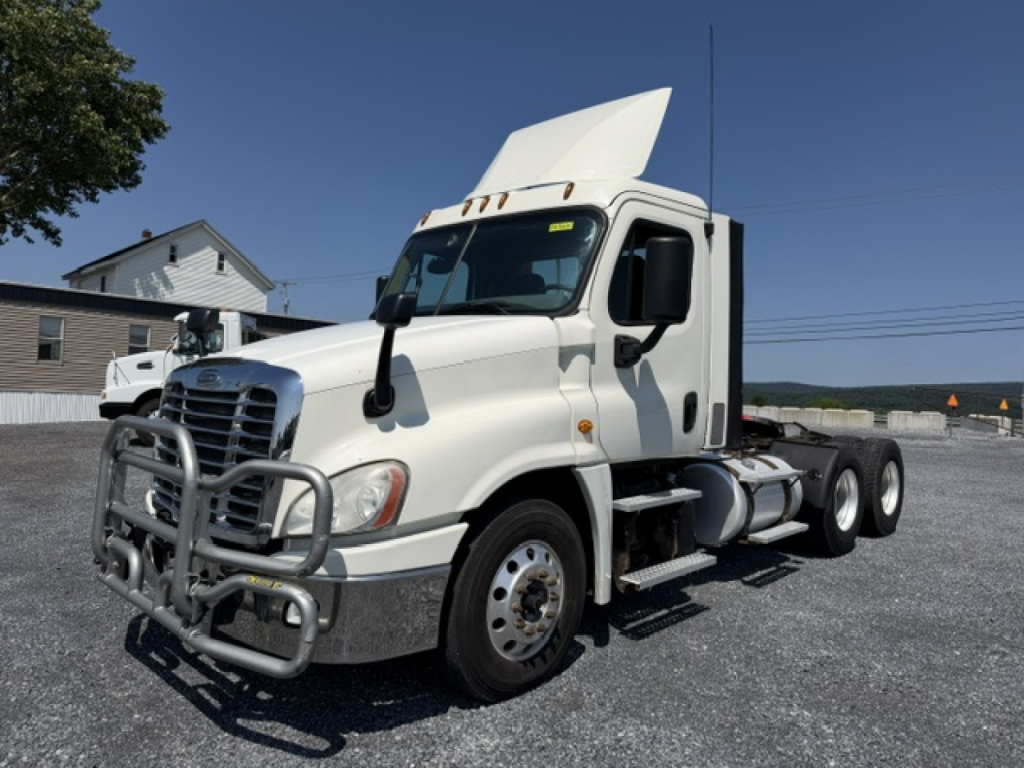
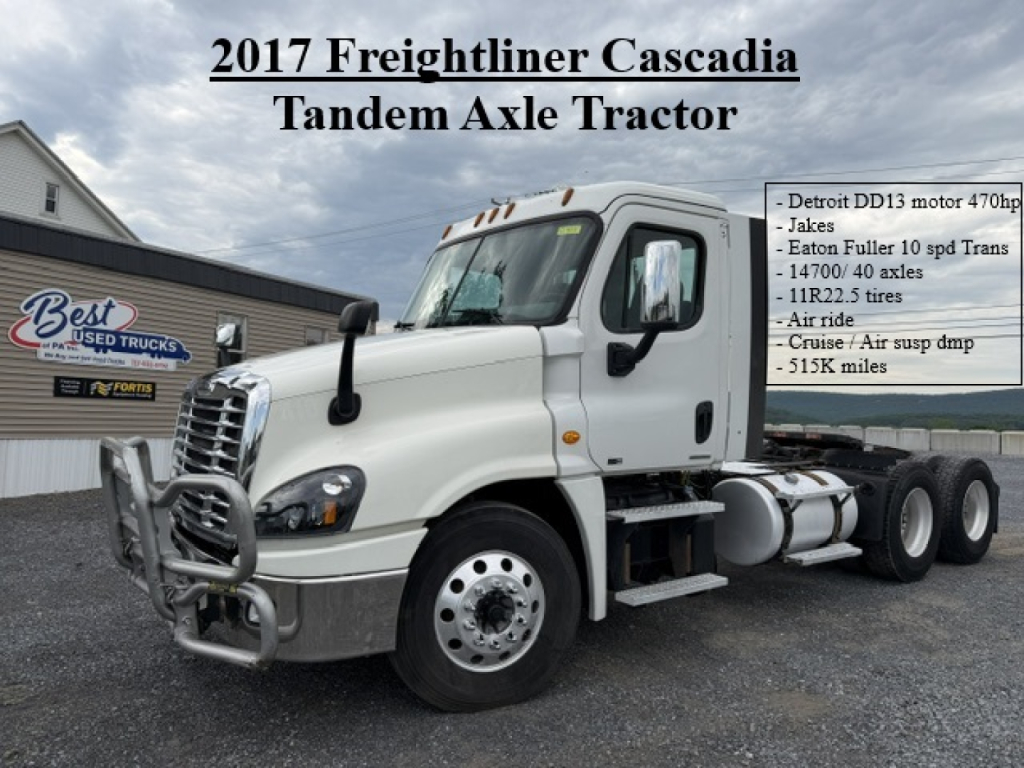

Selling a freightliner conventional daycab truck? List your freightliner conventional daycab truck for sale and reach thousands of commercial buyers.
Freightliner Conventional Daycab Trucks in Pennsylvania
For many buyers, the first decision is the model and drivetrain. Older Freightliner Columbia and CL120 daycab configurations are known for straightforward layouts and broad engine availability, including Caterpillar and Detroit power. Newer Freightliner Cascadia daycab trucks, including the Cascadia 113, typically bring better aerodynamics, improved cab ergonomics, and more advanced electronics. Common specs in this category include tandem axles, 40,000 lb rear axles, front axles in the 12,000 to 13,200 lb range, wheelbases around 180 to 210 inches, and fifth wheel setups that may be fixed, sliding, or air slide depending on the trailer mix. Transmission choices often include Eaton-Fuller 10-speed manuals or automated manuals like the UltraShift, and rear axle ratios such as 3.42 or 4.11 can significantly change how the truck performs in stop-and-go regional work versus steady highway pulls.
Application matters more than badge alone. A Pennsylvania buyer running heavier loads through grades and mixed terrain may prioritize horsepower, engine brake performance, axle ratio, and suspension durability over fuel economy alone. A truck spec'd with a DD13 or CAT C13 in the 430 to 470 HP range, full locking differentials, and air ride suspension can be a strong fit for regional freight, construction support, or bulk commodity work. If the truck will spend more time backing into docks and switching trailers, look closely at wheelbase, turning radius, fifth wheel travel, suspension dump controls, and visibility features such as heated mirrors and power windows. Tire size, 22.5 versus 24.5, can also affect ride height, gearing feel, and replacement cost planning.
Condition and spec alignment usually determine long-term value in a Freightliner conventional daycab. Buyers should pay close attention to emissions system history, ECM-verified miles and hours, brake and tire percentages, frame condition, suspension wear, and signs of prior vocational use. Newer daycabs may include lane departure warning, collision mitigation, ABS, and other safety features that matter to larger fleets and insurance programs. Older pre-emissions trucks can still appeal to operators who want simpler maintenance, but the overall value depends on engine pedigree, transmission condition, rear-end setup, and how well the truck matches the intended route and trailer combination.
Frequently Asked Questions about Freightliner Conventional Daycab Trucks in Pennsylvania
What are Freightliner conventional daycab trucks commonly used for?
Freightliner conventional daycab trucks are commonly used for regional hauling, local freight, drayage, tanker work, dump and vocational support, and dedicated trailer switching. A daycab removes the sleeper to reduce weight and shorten overall length, which helps in tighter yards, urban deliveries, and routes where the driver returns daily. They are especially common in fleet operations that need dependable service access and flexible spec options.
What is the difference between a Freightliner Columbia daycab and a Freightliner Cascadia daycab?
A Freightliner Columbia daycab is generally an older platform with a simpler design, broad engine options, and appeal for buyers who want a more straightforward truck. A Freightliner Cascadia daycab is a newer aerodynamic platform that typically offers better fuel efficiency, a more refined cab, and more advanced safety and electronic features. The better choice depends on budget, emissions preference, maintenance strategy, and whether the truck will be used for short regional work or higher-mileage fleet service.
Which specs matter most when buying a used Freightliner daycab in Pennsylvania?
The most important specs usually include engine make and horsepower, transmission type, rear axle ratio, wheelbase, axle ratings, and fifth wheel configuration. In Pennsylvania, terrain and mixed-duty routes make engine brake performance, differential lock, and suspension condition especially important. Buyers should also review emissions system status, tire size, brake condition, mileage and engine hours, and whether the truck is set up for the trailer types and payloads they plan to run.
Is an automatic or manual transmission better in a Freightliner daycab?
An automated or automatic transmission can reduce driver fatigue, improve consistency across multiple operators, and help in stop-and-go freight or city work. A manual transmission still appeals to many owner-operators and fleets that want direct control, simpler familiarity, or specific gearing behavior under load. The right choice depends on driver pool, maintenance support, route type, and how much low-speed maneuvering the truck does each day.
What axle and wheelbase configurations are typical on Freightliner conventional daycabs?
Many Freightliner conventional daycabs are tandem axle tractors with front axles around 12,000 to 13,200 lbs and rear axle ratings around 40,000 lbs. Wheelbases commonly fall in the 180 to 210 inch range, though exact specs vary by application. Shorter wheelbases generally improve maneuverability, while longer wheelbases can help with ride quality, trailer clearance, and weight distribution depending on the fifth wheel setting and trailer combination.