
2010 Conventional Daycab Trucks For Sale
Shop 2010 conventional daycab trucks. Compare wheelbase, axle ratings, engine, transmission, and spec choices for local and regional hauling.
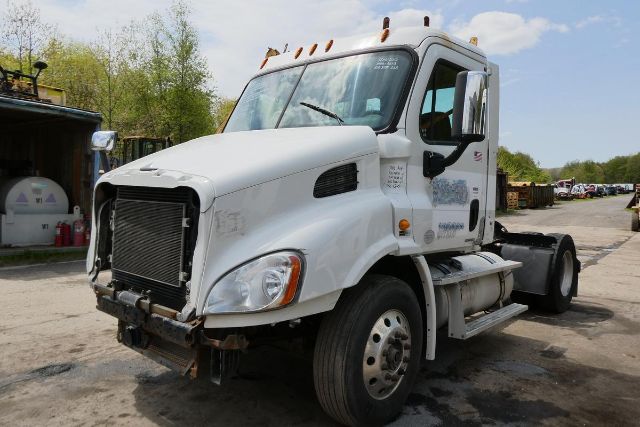
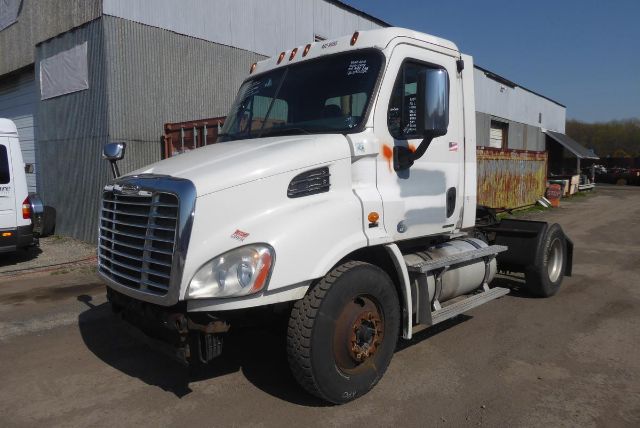
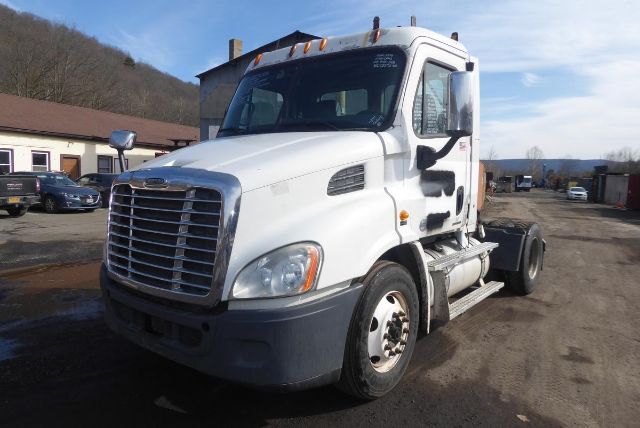
Selling a 2010 conventional daycab truck? List your 2010 conventional daycab truck for sale and reach thousands of commercial buyers.
2010 Conventional Daycab Trucks
In the 2010 model year, most conventional daycabs were spec'd with proven diesel platforms from Cummins, Detroit, Caterpillar, Volvo, Mack, and Paccar, paired with 10-speed, 13-speed, or automated manual transmissions depending on duty cycle. Typical front axles run around 12,000 to 14,600 pounds, with rears commonly at 23,000, 40,000, or 46,000 pounds. Wheelbases vary widely, but many daycabs fall in the short to mid range for tight urban work or regional trailer service. Rear axle ratios like 3.42, 3.55, or 3.73 are common and can make a noticeable difference in launch, cruise rpm, and fuel economy. Suspension type also matters. Air ride is usually preferred for ride quality and freight protection, while spring suspension still shows up in severe-service or vocational crossover specs.
A serious buyer should look closely at emissions equipment because 2010 trucks sit in an important transition period for EPA emissions systems. Diesel particulate filters are standard, and many 2010 engines also use SCR with DEF. That means maintenance history matters. Regeneration performance, DPF service records, DEF system condition, fault codes, and evidence of repeated derates should all be part of the evaluation. Beyond emissions, check engine hours against miles, inspect for frame modifications, confirm whether the truck has a sliding or stationary fifth wheel, and review tire size, brake type, and cab-to-axle dimensions. Air disc brakes, wetline kits, PTO provisions, and locking differentials can add real value when they match the job.
Comfort and drivability still matter on a daycab, especially for multi-stop fleets and driver retention. Look for a clean interior, working HVAC, good visibility, manageable dash layout, and spec choices like power windows, heated mirrors, and engine brakes. Aerodynamic highway daycabs and vocational daycabs can both fall into this category, but they serve different purposes, so it is worth matching bumper set-back, fairings, tanks, and chassis layout to the intended application. A well-matched 2010 conventional daycab can still be a productive truck for short-haul freight, yard-to-road work, and regional tractor duty when the spec and maintenance profile line up with the route.
Frequently Asked Questions about 2010 Conventional Daycab Trucks
What is a conventional daycab truck used for?
A conventional daycab truck is a highway tractor without a sleeper, designed mainly for local and regional runs. It is commonly used for drayage, LTL, tanker, dump transfer, dedicated route service, and short-haul trailer work. The shorter cab and chassis layout usually improve maneuverability, reduce empty weight, and simplify driver access in stop-and-go operations.
What should I check first on a 2010 conventional daycab?
Start with the wheelbase, axle ratings, engine, transmission, rear axle ratio, and fifth wheel configuration. Those core specs determine whether the truck will handle the trailer, payload, and route profile you need. On a 2010 model, emissions system history is equally important, including DPF service, DEF system condition if equipped, active fault codes, and any signs of frequent regeneration or derate events.
Are 2010 daycab trucks good for local and regional hauling?
Yes, a properly spec'd 2010 daycab can still fit many local and regional applications. The key is matching the truck to the job rather than buying only on price or mileage. Shorter wheelbases suit city and terminal work, while longer wheelbases may be better for stability, fuel capacity, and certain trailer combinations. Maintenance records and overall driveline condition are often more important than model year alone.
What axle and suspension specs are common on conventional daycabs?
Many conventional daycabs are equipped with 12,000 to 14,600 pound front axles and rear axles rated from 23,000 to 46,000 pounds depending on the application. Air ride suspension is common in over-the-road and freight-sensitive service because it improves ride quality and cargo protection. Spring suspension is still found on tougher vocational or mixed-use specs where durability and simplicity are prioritized.
Why does the rear axle ratio matter on a daycab truck?
Rear axle ratio affects launch performance, cruising rpm, gradeability, and fuel economy. A faster ratio such as 3.42 generally favors highway speed and lower engine rpm, while a deeper ratio such as 3.73 can help with heavier starts or more demanding stop-and-go work. The right choice depends on trailer weight, terrain, transmission gearing, and how much of the truck's day is spent in the city versus on the highway.