
2010 Conventional Daycab Trucks For Sale in New York
Shop 2010 conventional daycab trucks for local and regional hauling. Compare wheelbase, axle ratings, engine, transmission, and spec fit.
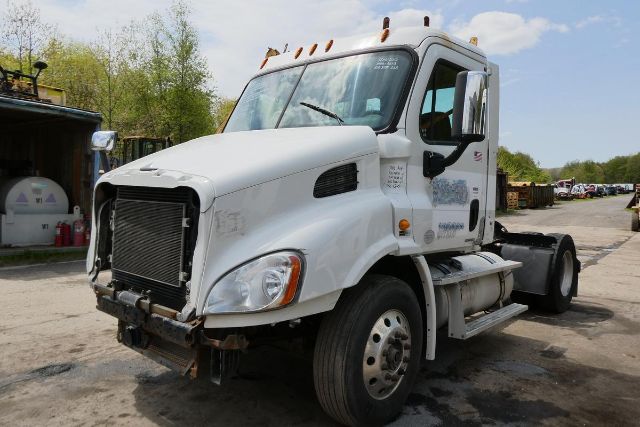
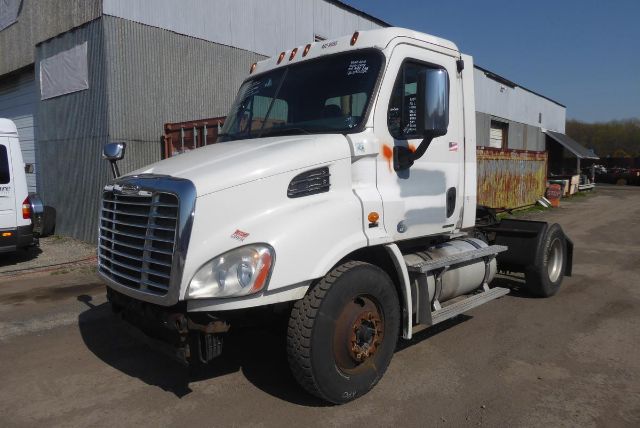
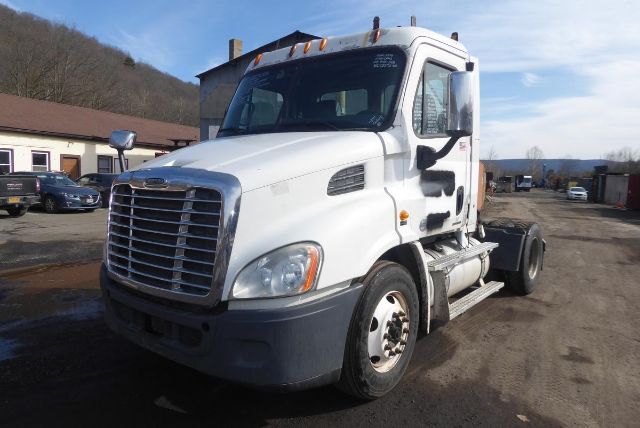
Selling a 2010 conventional daycab truck? List your 2010 conventional daycab truck for sale and reach thousands of commercial buyers.
2010 Conventional Daycab Trucks in New York
The most important buying decision is matching the powertrain to the route and payload. Around the 2010 model year, common engines in this category included Detroit DD13, Cummins ISX and ISC variants, Volvo D11 and D13, and Mack MP engines, often paired with 10-speed or 13-speed manual transmissions, automated manuals, and ratios chosen for either fuel economy or low-speed startability. Rear axle ratings commonly fall in the 20,000 to 23,000 lb range, with front axles around 12,000 lb, and GVWR often lands near 32,000 to 35,000 lbs depending on suspension and frame. A buyer comparing listings should pay close attention to rear ratio, suspension type, tire size, and whether the truck has air ride, air disc brakes, engine brake, PTO provision, or a pintle setup in addition to the fifth wheel.
For a daycab, chassis dimensions matter as much as horsepower. Wheelbase, cab-to-axle, and cab-to-end measurements determine trailer swing clearance, body upfit options, and bridge law flexibility. A short wheelbase daycab is easier to place in tight yards and urban docks, while a longer wheelbase can ride better and support certain vocational bodies or heavier frame-mounted equipment. Fifth wheel height and location also affect trailer compatibility, especially if the truck will pull mixed dry van, reefer, container chassis, or low-clearance equipment trailers. On older used trucks, inspect frame condition, crossmembers, suspension bushings, kingpin release operation, driveline angles, and evidence of prior fifth wheel relocation or frame drilling.
Because 2010 trucks sit in an important emissions era, condition and maintenance records are critical. Buyers should verify the emissions package, check for DPF and DEF system history where applicable, and review engine hours against odometer readings to judge true duty cycle. A well-matched conventional daycab can still be a productive, cost-effective choice for terminal work and short regional lanes, but deferred repairs can erase any purchase savings quickly. Good listings in this category should help you compare engine family, transmission model, axle spec, suspension, wheelbase, and overall chassis layout so you can find a truck that fits the freight instead of forcing the operation to fit the truck.
Frequently Asked Questions about 2010 Conventional Daycab Trucks in New York
What is a conventional daycab truck used for?
A conventional daycab truck is used for local and regional hauling where the driver returns home or to the terminal the same day. Common applications include container drayage, dry van and reefer shuttles, tanker work, refuse, municipal service, and vocational conversions. The lack of a sleeper reduces weight and shortens the chassis, which improves maneuverability and makes the truck easier to operate in dense traffic, tight yards, and urban loading areas.
What specs matter most when buying a 2010 conventional daycab?
The key specs are engine model, horsepower and torque rating, transmission type, rear axle ratio, wheelbase, axle capacities, suspension, and fifth wheel setup. These items determine how the truck starts under load, how it cruises, what trailers it can handle, and how well it fits your route profile. Buyers should also review tire size, brake type, cab-to-axle measurement, and any PTO or pintle equipment if the truck may be repurposed for vocational work.
Are 2010 daycab trucks affected by emissions system concerns?
Yes. Many 2010 trucks fall into an emissions transition period, so buyers should confirm whether the truck uses EGR only or includes DPF and DEF systems depending on make and engine. Service history matters because repeated regeneration issues, sensor failures, injector problems, or aftertreatment neglect can increase downtime and repair cost. A pre-purchase inspection should include fault code scans, aftertreatment checks, and a review of engine hours versus miles.
How do wheelbase and cab-to-axle measurements affect a daycab truck?
Wheelbase and cab-to-axle dimensions directly affect turning radius, ride quality, trailer clearance, and upfit compatibility. A shorter wheelbase is usually better for city delivery, terminal work, and tight dock access. A longer wheelbase may provide better ride stability and more flexibility for body installation or specialized equipment. These measurements should be matched to the trailer type, loading environment, and any legal bridge or axle spacing requirements in your operation.
Is a 2010 conventional daycab a good fit for New York operations?
It can be, especially for port, municipal, construction support, and short regional freight work. In New York, maneuverability, corrosion condition, brake performance, and emissions compliance tend to matter more than long-haul comfort features. Buyers should inspect the frame, cab mounts, wiring, air system, and undercarriage carefully for rust and winter road exposure, and they should verify the truck's emissions status before putting it into regular service.