
2010 Freightliner Conventional Daycab Trucks For Sale in New York
Shop 2010 Freightliner conventional daycab trucks in New York. Compare Cascadia specs, wheelbases, axle ratings, engines, and daycab applications.
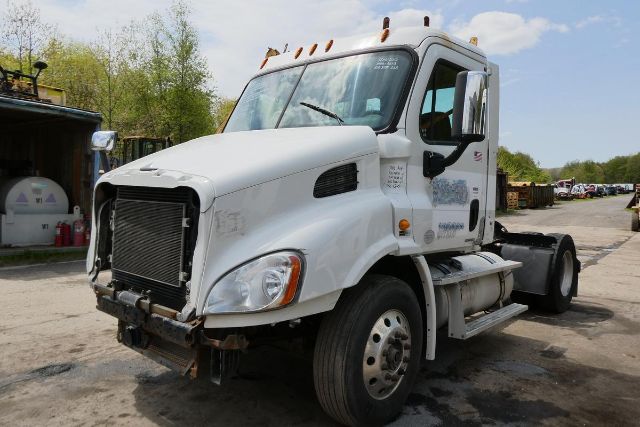
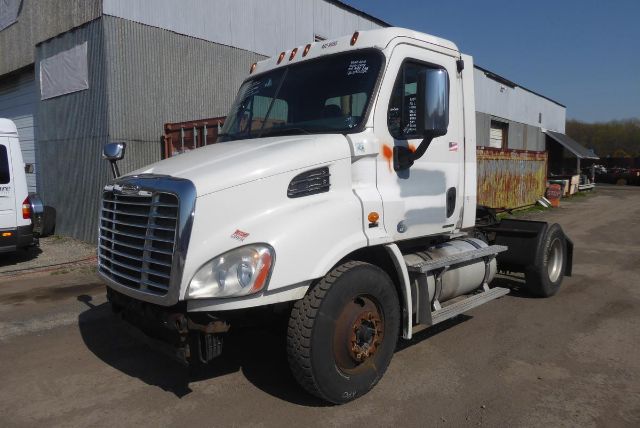
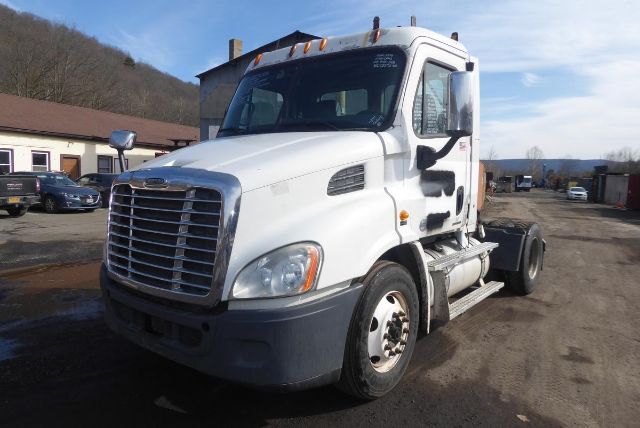
Selling a 2010 freightliner conventional daycab truck? List your 2010 freightliner conventional daycab truck for sale and reach thousands of commercial buyers.
2010 Freightliner Conventional Daycab Trucks in New York
The main decision usually starts with the drivetrain. Many 2010 Freightliner daycabs were spec'd with Detroit Diesel engines, commonly in the DD13 family, paired with Fuller 10-speed manual transmissions or automated options depending on the application. For heavier regional and short line freight, a 12,000 lb front axle with a 40,000 lb rear tandem and an AirLiner air ride suspension is a common target. Lighter daycab specs may carry 23,000 lb rears and lower GVW ratings, which can make sense for city delivery, container work, or vocational setups where payload and bridge laws are different. Rear axle ratios such as 3.08 or 3.42 can tell you a lot about intended use. A 3.08 ratio generally favors highway efficiency, while a 3.42 ratio is often better suited to stop-and-go work and heavier starts.
Cab layout and frame details deserve close attention on a used conventional daycab. Buyers should compare cab-to-axle, cab-to-end, and overall wheelbase against the trailer type they plan to pull, especially if the truck will handle 28-foot pups, containers, or tight dock work. A stationary fifth wheel can be fine for dedicated lanes, but an air slide adds flexibility for trailer balance and kingpin settings across mixed freight. Single-frame versus double-frame construction, presence of a pintle hook, air to rear, and brake type such as drum versus air disc brakes can all point to the truck's previous job and future fit. Tire size, rim style, and suspension capacity also influence ride quality, service cost, and parts commonality.
For a 2010 model, emissions compliance and maintenance history are just as important as mileage. This was the early DEF era for many heavy-duty specs, so buyers should confirm aftertreatment condition, fault history, and whether the truck has been used in severe idle or short-trip service that can stress emissions components. ECM miles and engine hours are worth comparing because high idle time can change the real wear profile of a daycab. Freightliner remains a popular choice because parts support is broad, Detroit powertrain service is widely available, and conventional daycab layouts are straightforward to spec for freight, municipal, and vocational crossover work. A well-matched 2010 Freightliner daycab can still be a practical truck when the axle package, wheelbase, transmission, and emissions system line up with the job.
Frequently Asked Questions about 2010 Freightliner Conventional Daycab Trucks in New York
What is the most important spec to compare on a 2010 Freightliner conventional daycab?
The most important spec is the overall chassis configuration for the job, not just engine horsepower. Buyers should compare wheelbase, cab-to-axle, front and rear axle ratings, suspension, rear axle ratio, and fifth wheel type before focusing on cosmetic condition. Those specs determine trailer compatibility, turning radius, payload handling, and road speed. On a 2010 Freightliner daycab, getting the chassis right usually matters more than small differences in trim or options.
Are 2010 Freightliner daycabs good for regional and local hauling?
Yes, that is one of their strongest use cases. A 2010 Freightliner conventional daycab is commonly used for regional freight, drayage, terminal switching, local tanker, flatbed, and dedicated route work where a sleeper is unnecessary. The shorter cab helps with visibility and maneuverability, while common drivetrain choices from this era can still support steady highway miles. The key is matching axle capacity and gearing to the weight and terrain of the route.
What engine and transmission setups are common in a 2010 Freightliner daycab?
Detroit Diesel power is common in Freightliner daycabs from this period, with DD13-equipped trucks often appearing in fleet and regional applications. Many trucks were paired with Eaton Fuller 10-speed manual transmissions, although some fleets moved toward automated options in nearby model years. A manual 10-speed is still valued by many buyers for familiarity and serviceability, while the engine rating and rear axle ratio together tell you more about how the truck was intended to run.
What should buyers check on emissions systems in a 2010 Freightliner daycab?
Buyers should verify whether the truck uses DEF, check for active or stored fault codes, and review the condition of the aftertreatment system, including sensors, doser components, and related wiring. A 2010 model can be sensitive to poor maintenance, repeated short-trip operation, or extended idle time. It is smart to compare dash miles to ECM miles and engine hours, then confirm the truck reaches and maintains proper operating temperatures. Emissions repairs can quickly change the true cost of ownership on an older daycab.
How do wheelbase and fifth wheel type affect a Freightliner daycab's usefulness?
Wheelbase and fifth wheel setup directly affect trailer fit, bridge compliance, and maneuverability. A shorter wheelbase daycab is easier to place in urban docks, yards, and port environments, while a longer wheelbase may ride better and offer more flexibility for certain trailer lengths or vocational upfits. A stationary fifth wheel works well in a dedicated application with consistent kingpin settings, but an air slide fifth wheel gives the operator more adjustment for axle loading and mixed trailer fleets.