
2010 Freightliner Conventional Daycab Trucks For Sale
Shop 2010 Freightliner conventional daycab trucks. Compare Cascadia specs, DD13 engines, wheelbases, axles, and day cab fleet features.
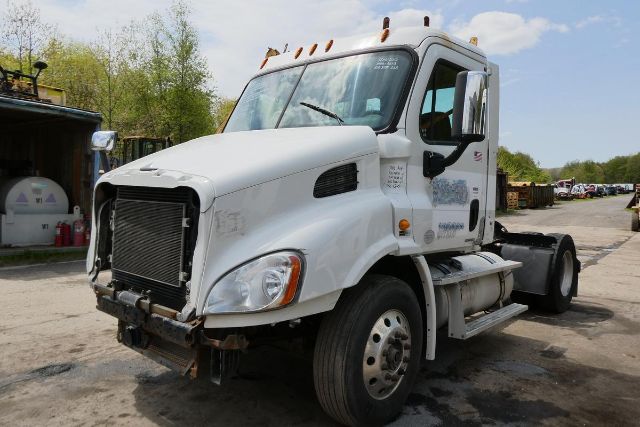
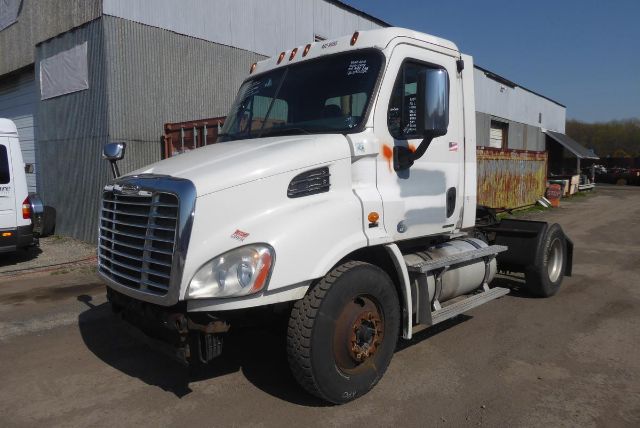
Selling a 2010 freightliner conventional daycab truck? List your 2010 freightliner conventional daycab truck for sale and reach thousands of commercial buyers.
2010 Freightliner Conventional Daycab Trucks
The first big buying decision is the powertrain. Many Freightliner daycabs from this era were spec'd with Detroit diesel engines, commonly in the DD13 range for regional freight, though some units may carry larger displacement options depending on axle rating and intended gross combination weight. Horsepower in this class often lands around 350 to 450 HP, paired with 10-speed or 13-speed manual transmissions, with some automated manual setups appearing in later replacement cycles. Pay close attention to rear axle ratio, as that will tell you a lot about the truck's intended duty cycle. A faster ratio can help fuel economy on highway lanes, while a deeper ratio better suits heavy start-stop work, bulk hauling, or operations in hilly territory. Tandem axle daycabs are common, but single axle specs also show up in lighter regional and specialized applications.
Chassis details matter just as much as engine make. Wheelbase, fifth wheel type, suspension, and front axle capacity determine how versatile the truck will be after purchase. A short wheelbase daycab is easier in tight urban work and container yards, while a 180-inch to 200-inch wheelbase can be a better fit for stable linehaul and tanker service. Many Freightliner conventional daycabs use air ride suspensions such as AirLiner setups, and buyers should check for suspension rating, frame configuration, and whether the truck has an air slide fifth wheel, differential lock, suspension dump valve, wet kit, or disc brakes. These spec choices can materially affect resale value and how quickly the truck can be put into a new assignment.
Condition is especially important on a 2010 model year truck. Service history, engine hours, emissions system status, and signs of prior fleet maintenance usually matter more than cosmetic appearance. Review mileage against ECM data, inspect for frame alterations, cab air leaks, aftertreatment repairs, clutch or transmission history, and wear in steering and suspension components. On a Freightliner daycab, also check the cab mounts, dash and switchgear condition, HVAC performance, and operation of electrical accessories that see heavy daily use in local fleets. A properly spec'd 2010 Freightliner conventional daycab can still be a practical truck for regional and vocational work if the chassis, drivetrain, and emissions components match the job.
Frequently Asked Questions about 2010 Freightliner Conventional Daycab Trucks
What is a 2010 Freightliner conventional daycab best used for?
A 2010 Freightliner conventional daycab is best suited for regional hauling, local freight, drayage, tanker work, dump applications, and dedicated routes that return to base daily. The day cab layout eliminates sleeper weight and length, which improves maneuverability and can increase usable payload. It is a common choice for operations that need a highway-capable tractor but do not require overnight accommodations.
What engine and transmission specs are common in a 2010 Freightliner daycab?
Common specs include Detroit diesel engines in medium to upper regional horsepower ratings, often paired with 10-speed manual transmissions on trucks from this period. Depending on how the truck was originally ordered, buyers may also find different axle ratios, engine brake setups, and suspension ratings that make the same truck model perform very differently. The best spec depends on route profile, loaded weight, and whether the truck will spend more time in city traffic or steady highway miles.
What should I inspect first on a used 2010 Freightliner conventional daycab?
Start with service records, engine hours, emissions history, and any mismatch between dash miles and ECM miles. Then inspect the aftertreatment system, transmission operation, clutch wear if equipped, suspension condition, frame rails, and fifth wheel assembly. On older daycabs, cab air leaks, HVAC issues, electrical faults, and worn interior controls are also common problem areas because these trucks often spend years in heavy stop-and-go fleet service.
How important is wheelbase on a Freightliner daycab?
Wheelbase is one of the most important setup decisions because it directly affects maneuverability, bridge law flexibility, ride quality, and trailer compatibility. A shorter wheelbase generally works better for urban freight, port work, and tight customer yards. A longer wheelbase can improve stability and fit certain tanker, bulk, or highway assignments better, especially when paired with the right kingpin setting and fifth wheel position.
Are 2010 Freightliner daycabs still a good value for fleet or owner-operator use?
They can be a good value if the truck has the right drivetrain for the intended work and a documented maintenance history. A lower purchase price only helps if the engine, emissions system, suspension, and cab structure are sound. For buyers who need a budget-conscious regional tractor or vocationally adapted road truck, a well-maintained 2010 Freightliner daycab can still offer solid service life and relatively straightforward parts support.