
Conventional Daycab Trucks For Sale in Arkansas
Shop conventional daycab trucks for local, regional, and vocational hauling with tandem and tri-axle specs, diesel power, and fleet-ready options.
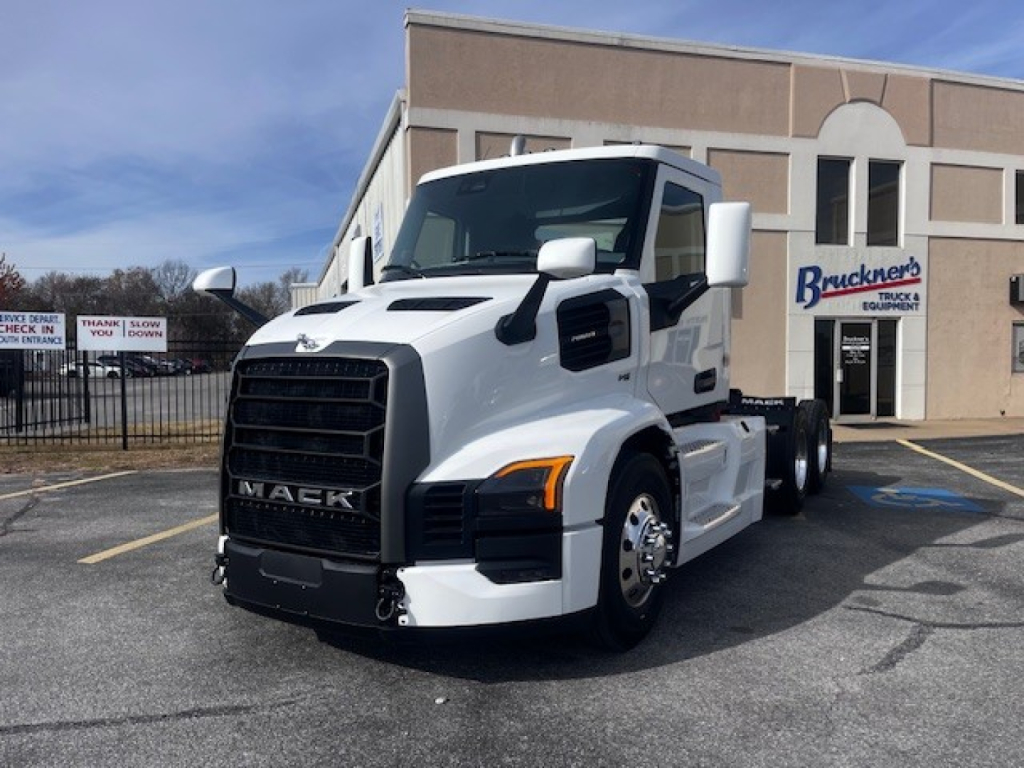
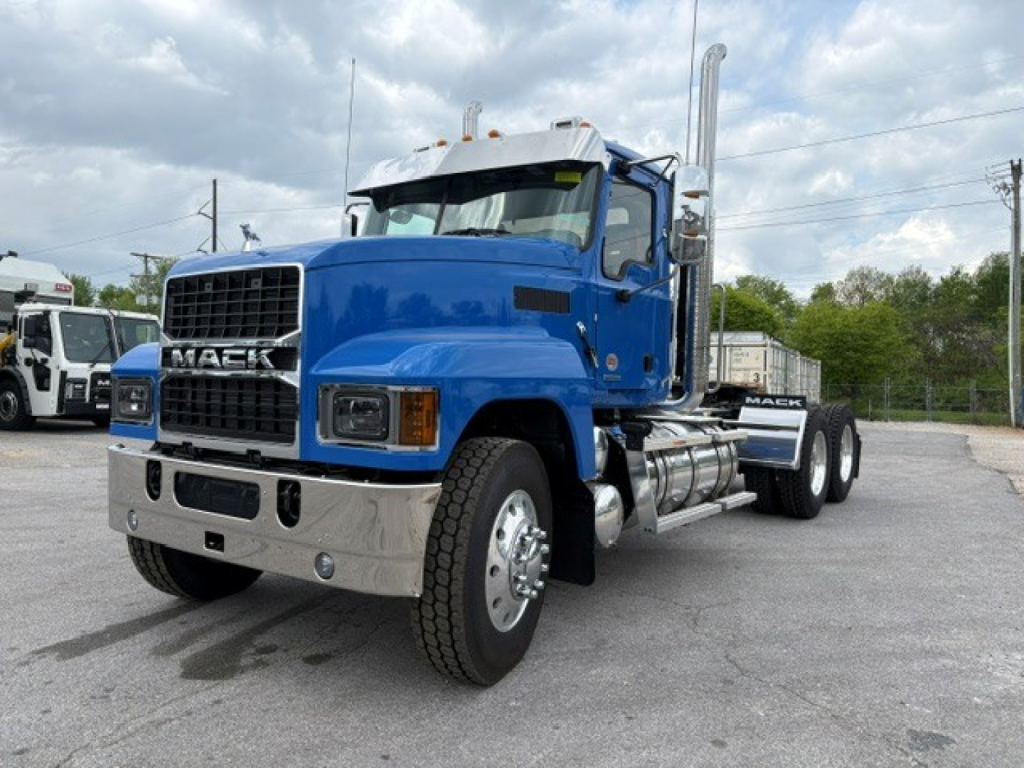
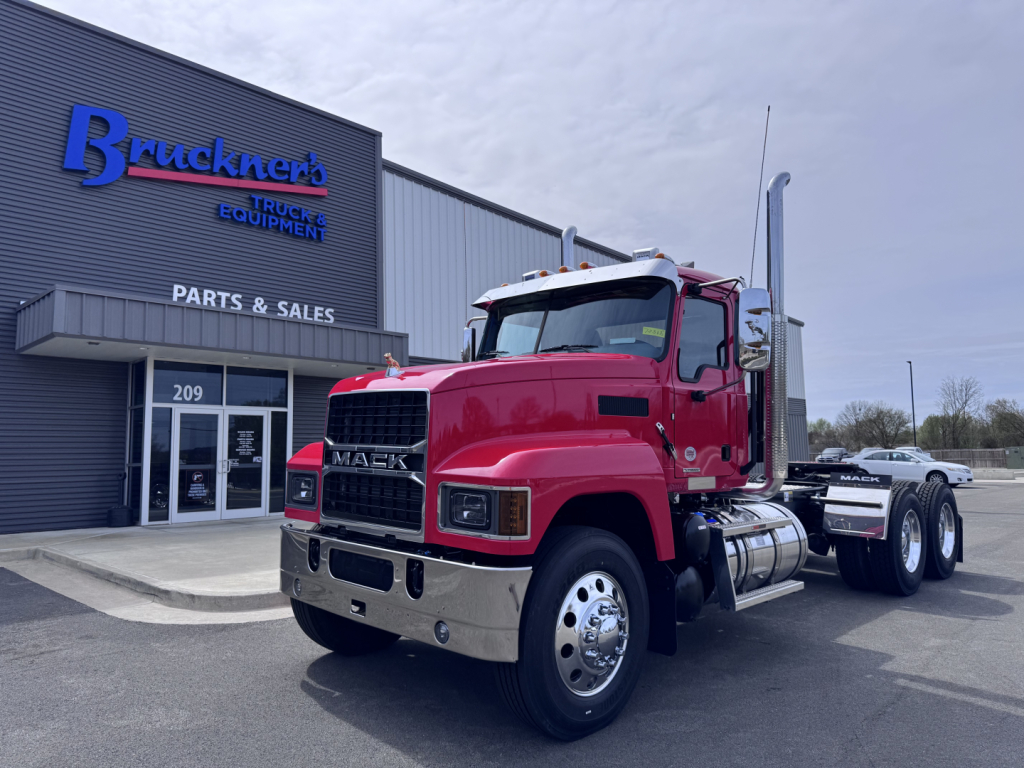
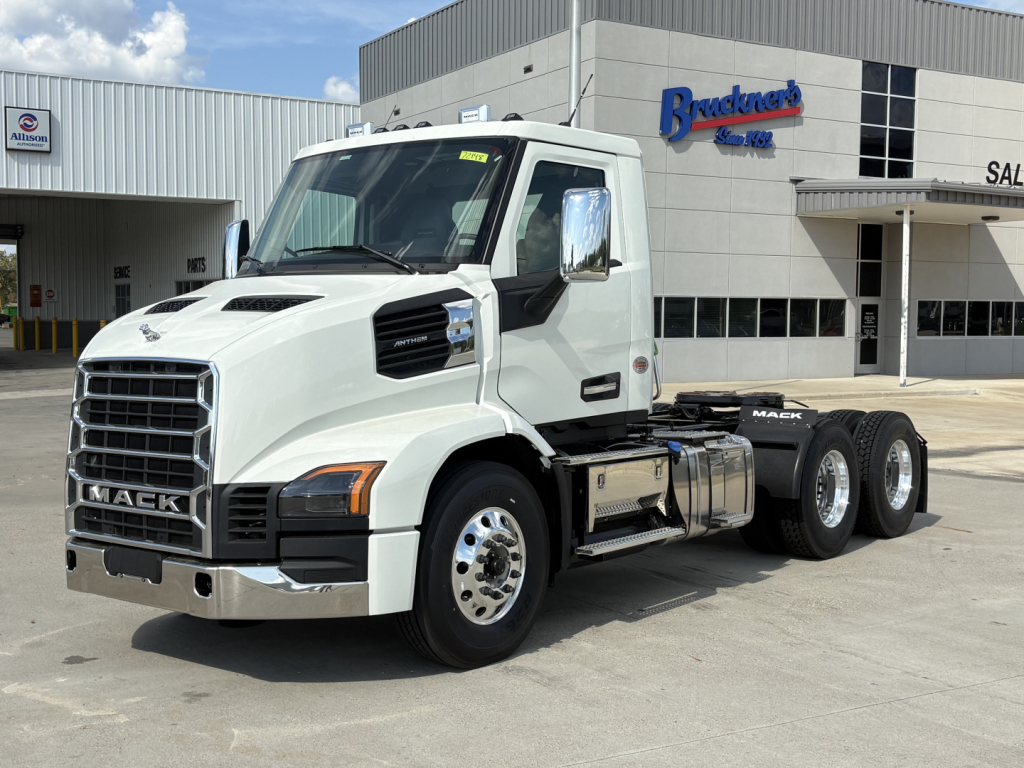
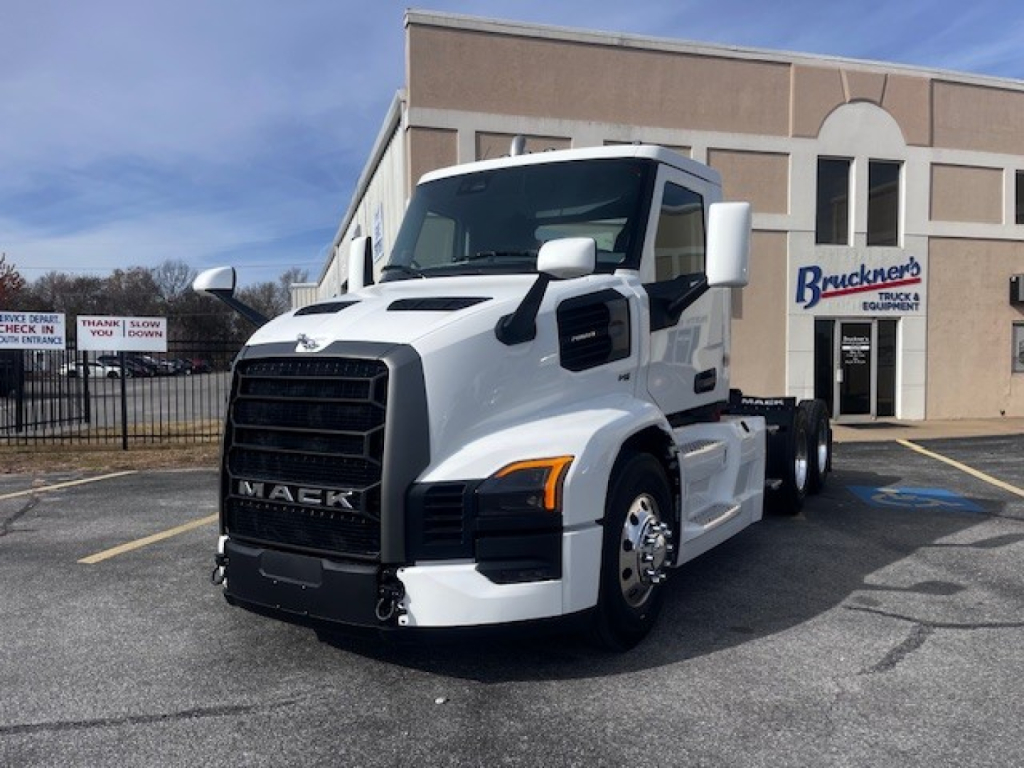
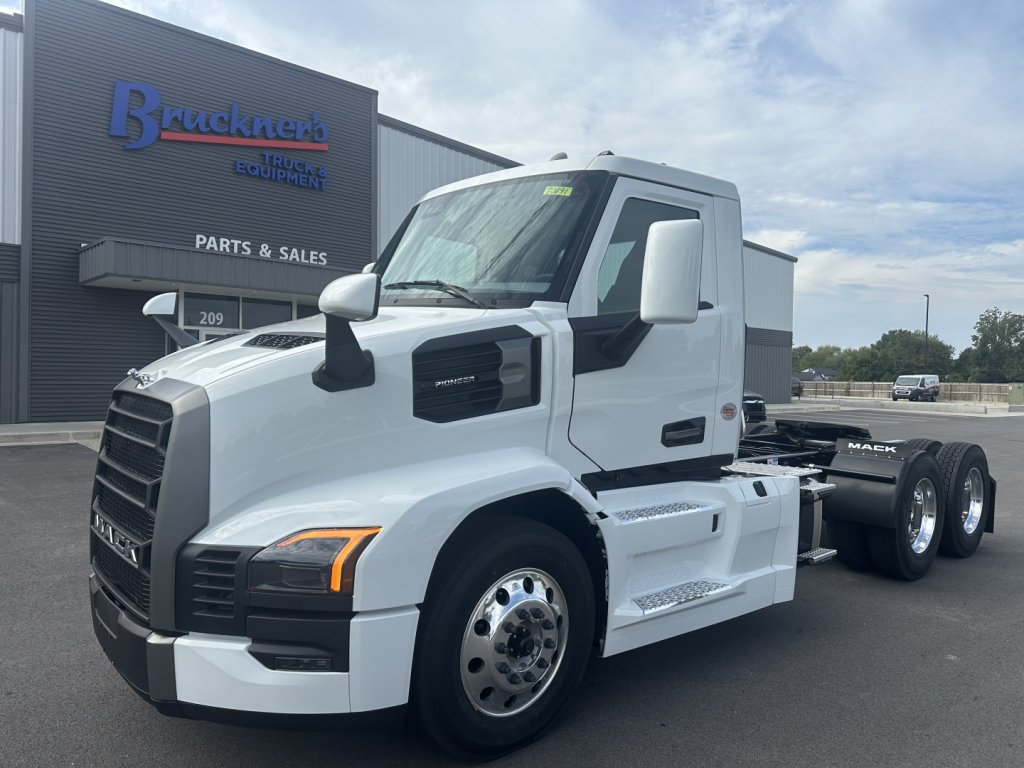

Selling a conventional daycab truck? List your conventional daycab truck for sale and reach thousands of commercial buyers.
Conventional Daycab Trucks in Arkansas
The spec decisions that matter most usually start with axle layout, wheelbase, and drivetrain. Tandem axle daycabs are common for general freight and regional hauling, while heavier vocational or specialized setups may push into tri-axle configurations, higher front axle ratings, and higher GVWR. Sample specs in this category show wheelbases ranging from under 190 inches to over 230 inches, which can significantly affect turning radius, bridge law flexibility, and room for frame-mounted equipment such as hydraulics, wet kits, headache racks, pumps, or tool storage. Powertrain choices often include diesel engines in the 445 to 565 horsepower range paired with 12-speed automated manuals or 18-speed manual transmissions. Rear axle ratios such as 3.08, 3.23, 3.79, and 3.90 indicate how these trucks can be tailored for fuel economy, startability, and vocational performance.
For Arkansas buyers, daycab specs often need to balance highway efficiency with mixed-duty work. Trucks running I-40, I-30, I-49, and regional freight corridors may favor an overdrive automated transmission, moderate rear ratio, and air ride suspension for fuel mileage and driver comfort. Operations handling heavier loads, rougher jobsite access, or PTO-driven equipment often look for a heavier steer axle, more aggressive rear ratio, and chassis space for add-on equipment. Rear suspension choice matters too. Air ride is popular for ride quality and freight protection, while heavier vocational air suspensions and high-capacity rears can better support demanding service. Buyers should also verify fifth wheel setup, frame rail condition, brake type, PTO provisions, fuel capacity, and emissions system history on used units.
A good conventional daycab should match the route, trailer, and payload, not just the horsepower number. Shorter wheelbase trucks are generally easier to place in urban service and customer yards, while longer wheelbase trucks can offer better stability and more room for vocational accessories. High-horsepower daycabs with heavy front and rear axle ratings are often selected for lowboy, tanker, heavy haul, or severe-service applications. Lighter highway-oriented specs are better suited for dry van, reefer, and regional dedicated work where uptime, fuel economy, and easy driver transitions are the priority. The best buying approach is to compare axle ratings, suspension, ratio, transmission type, and intended body or trailer use before narrowing down make or model.
Frequently Asked Questions about Conventional Daycab Trucks in Arkansas
What is a conventional daycab truck used for?
A conventional daycab truck is used for hauling where a sleeper berth is not necessary. Common applications include local and regional freight, drayage, terminal work, tanker service, dump operations, dedicated route work, and vocational setups that require PTO or hydraulic equipment. The absence of a sleeper reduces cab length and weight, which can improve maneuverability and allow more flexibility in wheelbase and frame layout.
What wheelbase is best for a daycab tractor?
The best wheelbase depends on the job. Shorter wheelbases are better for city delivery, tight terminals, and frequent backing because they improve turning radius. Longer wheelbases are often preferred when the truck needs frame space for wet kits, hydraulic tanks, toolboxes, headache racks, pumps, or other vocational equipment. Wheelbase also affects trailer swing clearance, fifth wheel placement, and overall ride characteristics.
Is an automated transmission or manual transmission better in a daycab?
Automated manual transmissions are popular in daycab trucks because they help with driver consistency, reduce clutch wear, and perform well in stop-and-go regional service. Manual transmissions still appeal to some heavy haul and vocational buyers who want direct gear control, especially in demanding terrain or specialized applications. The better choice depends on driver pool, route profile, maintenance preference, and whether PTO or severe-service duty is part of the operation.
How much horsepower does a conventional daycab need?
Horsepower needs vary by trailer type, gross combined weight, terrain, and duty cycle. Many general freight and regional daycabs fall in the mid-400 horsepower range, which is enough for common tandem axle highway work. Heavier applications such as lowboy, tanker, or high-GCW hauling may call for 500 horsepower or more, especially when paired with lower rear axle ratios and heavier axle ratings. Torque rating is just as important as horsepower when evaluating startability and grade performance.
What should I check when buying a used conventional daycab truck?
Key inspection points include engine hours, maintenance records, emissions system history, transmission operation, axle ratings, suspension condition, brake wear, tire wear pattern, frame integrity, and fifth wheel condition. Buyers should also confirm the rear ratio, wheelbase, PTO provisions, and fuel tank configuration to make sure the truck matches the intended trailer and route. On vocational daycabs, it is important to inspect frame modifications, hydraulic plumbing, and any evidence of severe-duty use.