
2006 Conventional Daycab Trucks For Sale
Browse 2006 conventional daycab trucks with specs buyers compare most, including engine, axle ratio, wheelbase, suspension, and 5th wheel setup.
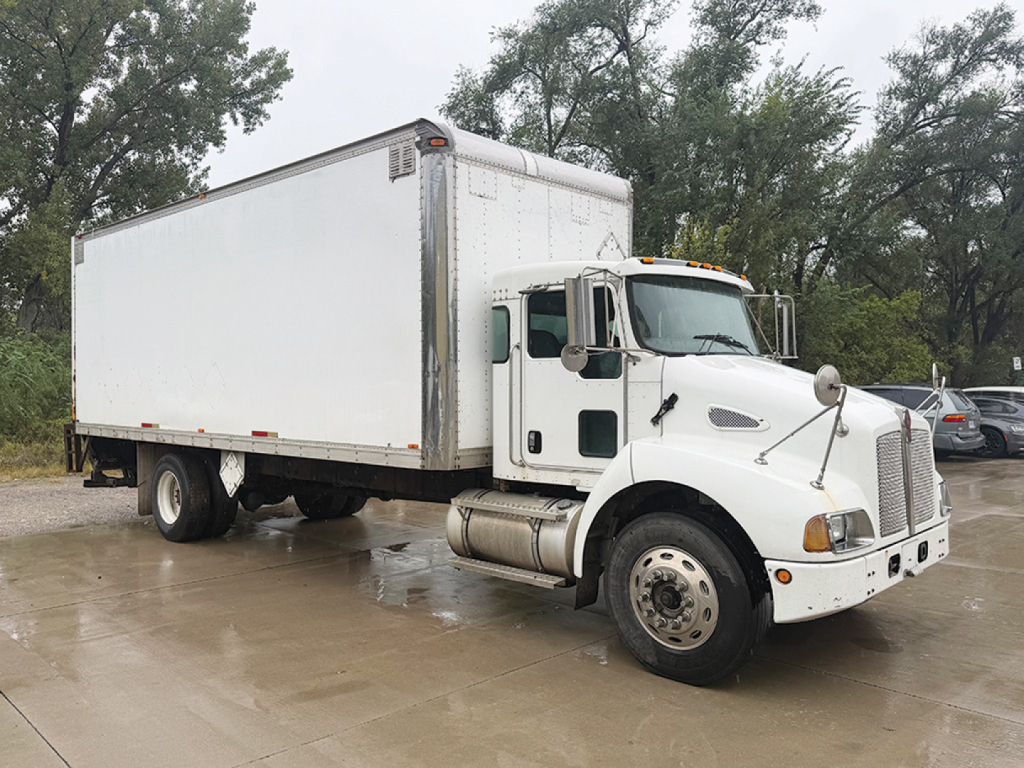
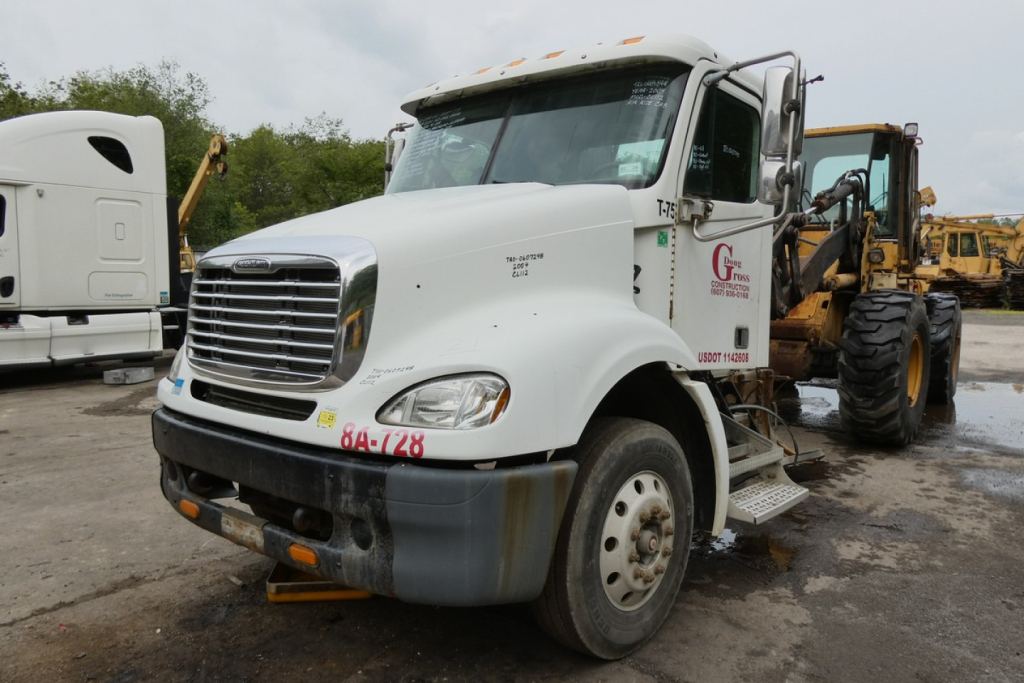
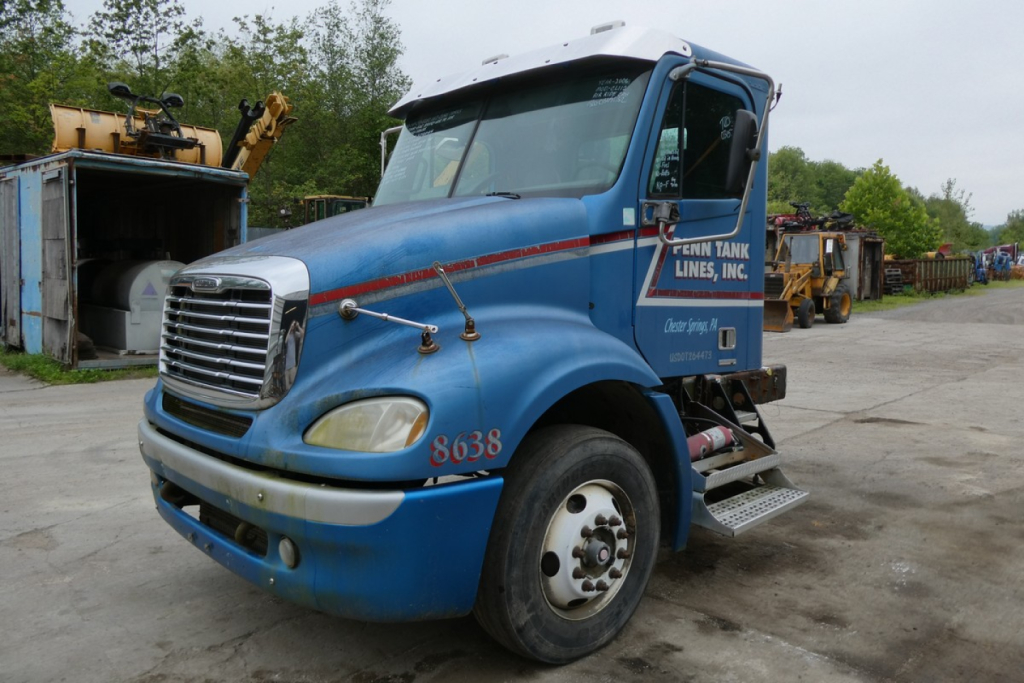
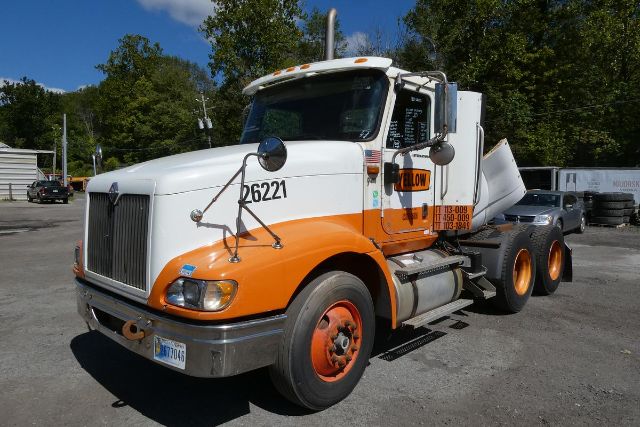
Selling a 2006 conventional daycab truck? List your 2006 conventional daycab truck for sale and reach thousands of commercial buyers.
2006 Conventional Daycab Trucks
The key buying decisions start with engine and driveline spec. In 2006, common engines included the Caterpillar C13 and C15, Cummins ISX, Detroit Series 60, Mercedes, Mack ASET, and Volvo D12 depending on make and region. Horsepower in this class commonly ranges from the mid-300s into the 400-plus range, with torque and rear axle ratio making a major difference in how the truck performs under load. A shorter wheelbase daycab with a faster ratio can be a better fit for city and terminal work, while a highway regional tractor may carry a longer wheelbase, taller gearing, and a more aerodynamic setup. Manual 10-speed transmissions are common in this age group, though some automated manuals may appear. Suspension type, axle rating, and brake configuration should match the trailer and duty cycle, especially for operations involving heavy start-stop work or frequent docking.
Condition matters more than headline mileage on a 2006 conventional daycab. Buyers should look closely at engine history, blow-by, cooling system condition, clutch or transmission wear, frame condition, suspension bushings, kingpins, air system leaks, and evidence of prior fifth wheel or frame modifications. On older daycabs, wheelbase changes, wet kit installation, and fifth wheel relocation are not unusual, so it is important to confirm the truck is properly set up for the trailer length and kingpin settings you plan to run. Interior wear, cab mount condition, HVAC performance, and electrical repairs also deserve attention because these trucks often spend years in demanding local service.
Application fit is what separates a good value from an expensive mismatch. A 2006 conventional daycab spec’d for van or reefer work may not be ideal for heavy haul, and a truck built for short regional lanes may feel overgeared or underpowered in vocational trailer service. Pay attention to front axle capacity, rears, suspension rating, tire size, fuel capacity, and whether the truck has air ride, air slide fifth wheel, or PTO capability if your operation needs it. Buyers comparing 2006 conventional daycab trucks usually get the best results by matching the truck’s existing spec to the intended route, trailer, and gross weight instead of planning on multiple major changes after purchase.
Frequently Asked Questions about 2006 Conventional Daycab Trucks
Why do some buyers specifically look for a 2006 conventional daycab truck?
Many buyers target 2006 daycabs because this model year often falls before the 2007 emissions changes that introduced more complex aftertreatment systems. That can mean a simpler engine package, lower upfront cost, and easier maintenance for some operations. The tradeoff is age, so overall mechanical condition, maintenance history, and prior use are usually more important than the year alone.
What engine and transmission specs are common in 2006 conventional daycab trucks?
Common engine choices in this year include Caterpillar, Cummins, Detroit, Volvo, Mack, and Mercedes diesel platforms, typically rated from about 350 to 475 horsepower depending on the application. Manual 10-speed transmissions are widely seen, with some heavier specs using 13-speed or 18-speed gearboxes. The best combination depends on route profile, gross weight, and how much stop-and-go work the truck will handle.
What should I inspect first on an older daycab tractor?
Start with the engine, cooling system, transmission, differential condition, frame rails, suspension, and air system. Then verify the wheelbase, fifth wheel position, axle ratings, and tire size match the trailer setup you intend to use. On a 2006 truck, cab mounts, wiring repairs, HVAC operation, rust, and signs of hard local-service wear can affect ownership cost just as much as mileage.
Is a 2006 conventional daycab good for local and regional hauling?
Yes, this category is commonly used for local and regional applications because the non-sleeper layout improves maneuverability and reduces empty weight compared with a sleeper tractor. It is a practical choice for van, reefer, flatbed, container, and specialty trailer work when the truck is spec’d correctly. The important factor is matching horsepower, axle ratio, wheelbase, and suspension to the load and route.
How important are wheelbase and axle ratio on a conventional daycab?
They are two of the most important spec decisions in this category. Wheelbase affects turning radius, bridge law flexibility, trailer gap, and how the truck handles in tight terminals or urban routes. Axle ratio affects launch, gradeability, cruise rpm, and fuel economy, so a truck geared for heavy city work can perform very differently from one built for lighter regional highway miles.