
2006 Conventional Daycab Trucks For Sale in New York
Shop 2006 conventional daycab trucks for hauling, regional runs, and vocational work. Compare wheelbases, axle ratings, engines, and specs.
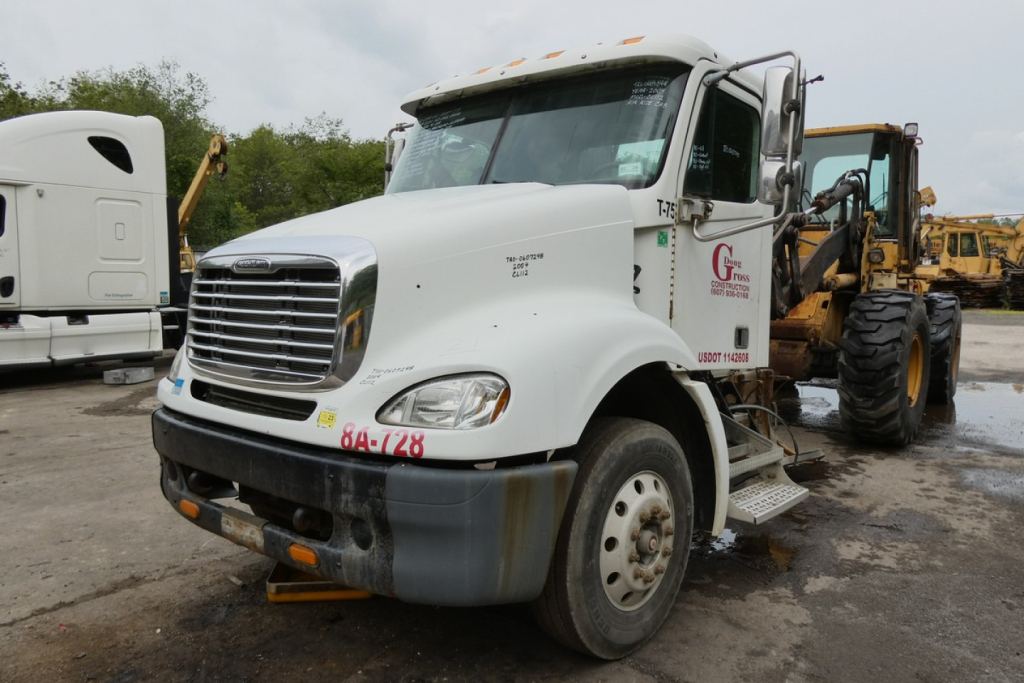
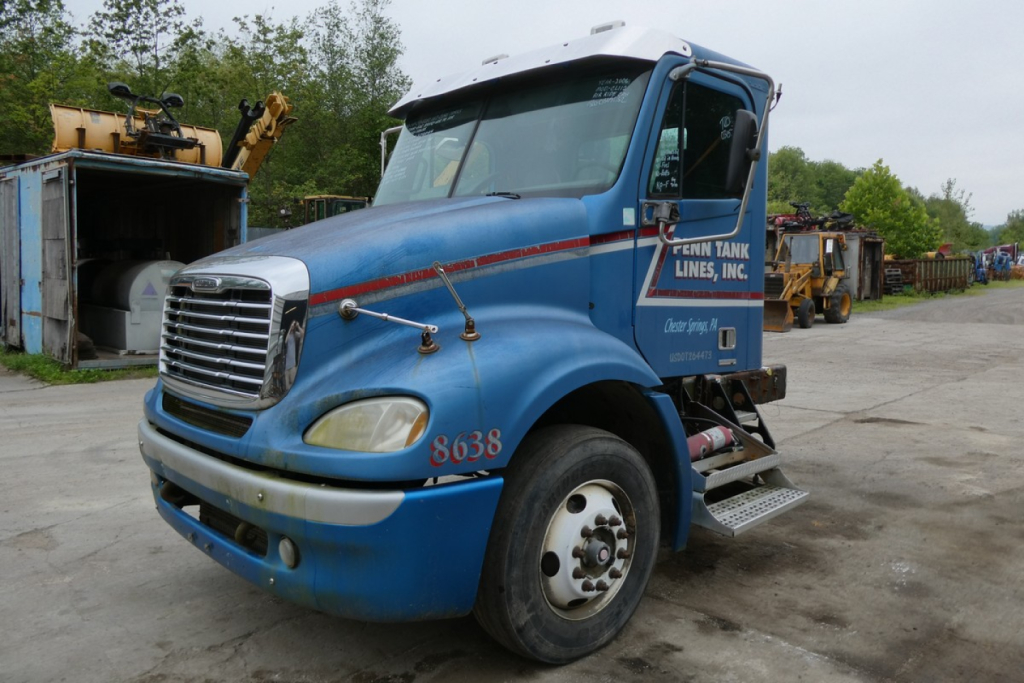
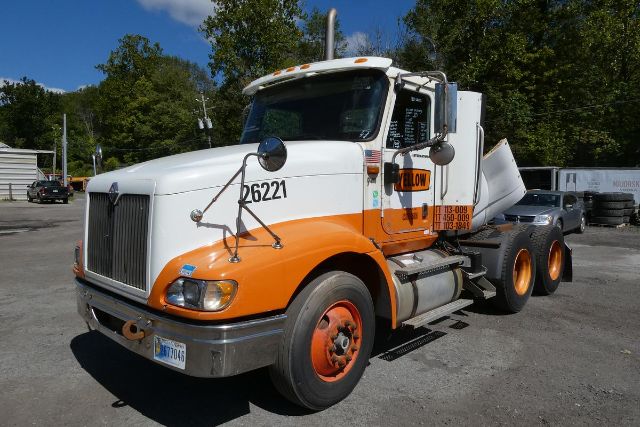
Selling a 2006 conventional daycab truck? List your 2006 conventional daycab truck for sale and reach thousands of commercial buyers.
2006 Conventional Daycab Trucks in New York
The 2006 model year sits in an important transition period for emissions and engine design. Many trucks from this era carry pre-DPF or early emissions-era diesel engines, which matters for maintenance strategy, operating region, and parts planning. Common powerplants in conventional daycabs from this period include Cummins ISC and ISX, Detroit Series 60 and early DD-platform engines in later comparable trucks, Caterpillar C-series in some makes, and mid-range diesels for lighter GVW applications. Horsepower can range from around 250 hp in medium-duty or bridge-law oriented specs to 475 hp or more in heavier tandem-axle tractors. Transmissions are often 7-speed, 8-speed, 9-speed, 10-speed, or 13-speed manuals, with Eaton Fuller boxes being especially common. Rear axle ratios such as 3.42, 3.70, or 3.90 can make a major difference in launch performance, cruising RPM, and fuel economy, so ratio should be matched to route speed and trailer weight rather than chosen on horsepower alone.
Chassis details matter as much as the engine. A typical 2006 conventional daycab may carry a 12,000 lb front axle, with rear axle ratings from 20,000 to 23,000 lb on lighter single-axle tractors and up to 40,000 lb on tandem-axle specs with power divider. Wheelbases commonly fall in the 150-inch to 170-inch range, but the right number depends on trailer swing clearance, kingpin setting, and how often the truck backs into tight docks or crowded yards. Suspension type also affects operating feel and maintenance cost. Two-bag and four-bag air ride suspensions are common, while some vocational-leaning units may use more rugged spring setups. Buyers should also pay close attention to frame configuration, cab-to-axle measurement, tire size, brake type, and whether the truck has a stationary or air slide fifth wheel. Those items directly affect trailer compatibility, legal scaling, and resale flexibility.
For New York operators, application fit is especially important because city work, interstate regional lanes, and heavier upstate hauling all demand different specs. A lighter daycab with a shorter wheelbase can be a better choice for borough deliveries, port drayage, and warehouse shuttles, while a tandem-axle tractor with a heavier rear and deeper ratio is more appropriate for construction support, bulk hauling, or dense commodity loads. Condition on a 2006 truck should be judged by more than odometer reading alone. Engine hours, ECM data, rust on cab and frame, suspension wear, brake system condition, steering play, and evidence of prior fifth wheel or frame modifications tell a more complete story. Buyers comparing multiple listings in this category should weigh simplicity, serviceability, and intended payload first, then narrow the field by cab layout, drivetrain brand preference, and emissions tolerance.
Frequently Asked Questions about 2006 Conventional Daycab Trucks in New York
What is a conventional daycab truck used for?
A conventional daycab truck is primarily used for local and regional hauling where the driver returns home daily and does not need a sleeper berth. Common applications include dry van freight, flatbed work, port drayage, terminal shuttles, municipal support, and vocational trailer hauling. The shorter overall length and lower curb weight compared with a sleeper tractor can improve maneuverability, payload potential, and operating efficiency in stop-and-go routes.
What should I check first on a 2006 conventional daycab?
Start with the truck's axle ratings, wheelbase, engine family, transmission, rear axle ratio, and fifth wheel type because those specs determine if the truck fits the job. After that, inspect engine hours, maintenance records, frame condition, suspension wear, brake system condition, tire match, and any signs of corrosion or prior structural repair. On a 2006 model, emissions configuration and parts support are also important because this era can vary significantly by engine make and original spec.
Is a single-axle or tandem-axle daycab better?
A single-axle daycab is usually better for lighter freight, lower operating cost, tighter turning, and applications where bridge laws and payload demands are modest. A tandem-axle daycab is better for heavier trailers, more demanding duty cycles, and operations that need improved traction, higher rear axle capacity, or a sliding fifth wheel setup. The right choice depends on the trailer type, loaded weight, route profile, and dock environment rather than the truck's age alone.
What engine and transmission setups are common in 2006 daycab trucks?
Many 2006 conventional daycabs were equipped with Cummins, Caterpillar, Detroit, or International/Navistar diesel engines depending on make and application. Horsepower can vary widely, from mid-range engines in lighter local tractors to 15-liter platforms in heavy tandem-axle units. Manual transmissions are very common in this category, especially Eaton Fuller 10-speed and 13-speed units, although some trucks may be spec'd with automatic or automated transmissions. Matching engine torque, transmission ratio spread, and rear axle ratio is more important than choosing any single component in isolation.
Why do wheelbase and cab-to-axle measurements matter on a daycab?
Wheelbase and cab-to-axle dimensions affect trailer clearance, turning radius, weight distribution, and the truck's ability to work with different trailer lengths and kingpin settings. A shorter wheelbase generally improves maneuverability in city or yard work, while a longer wheelbase can help with ride quality and certain trailer combinations. If the truck will handle multiple trailers or specialized equipment, these measurements should be checked carefully to avoid interference issues and scaling problems.