
Hino Conventional Daycab Trucks For Sale
Shop Hino conventional daycab trucks with J08E diesel power, automatic transmissions, and specs suited for box truck and local delivery work.
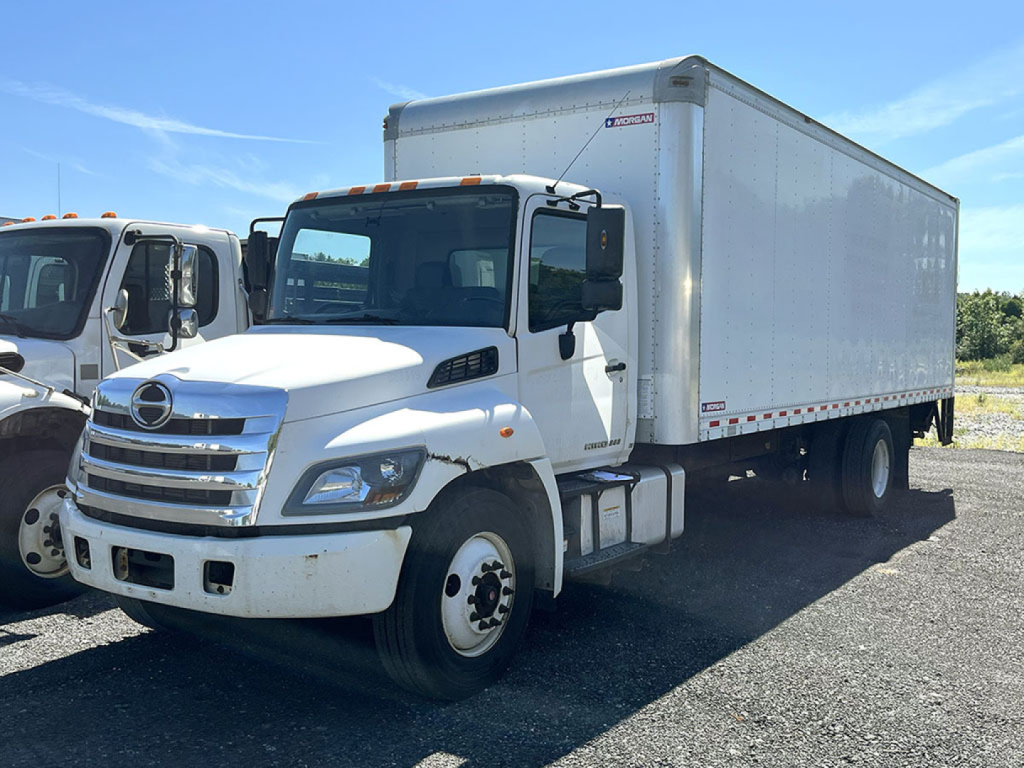
Have hino conventional daycab truck to sell? List it here to reach thousands of buyers.
Hino Conventional Daycab Trucks
A lot of buying decisions in this class come down to engine and drivetrain setup. Hino models such as the 268A commonly use the J08E-series diesel, often rated around 220 to 260 horsepower, and are frequently matched with an Allison automatic transmission. That combination is popular in stop-and-go delivery service because it is easy on drivers and well suited for routes with frequent starts, backing, and dock work. Pay close attention to rear axle rating, axle ratio, suspension type, and wheelbase. A truck with a 19,000 lb rear axle, 25,950 lb rear axle, or a 5.57 ratio can behave very differently depending on the body length, payload profile, and operating terrain.
Body and chassis compatibility is a major factor with Hino conventional daycab trucks. Many are spec'd with 26-foot van bodies, liftgates, E-track, scuff liners, roll-up doors, and wood or laminated floors for final-mile freight and route delivery. Wheelbase is critical because it affects body fit, bridge law positioning, and turning performance in tight urban settings. Buyers should also look at suspension choice, with spring suspension often favored for durability and air ride often preferred for cargo protection and driver comfort. Disc wheels, 22.5-inch rubber, hydraulic steering, tilt and telescoping columns, and standard cab comfort features are common and can make a real difference in daily route productivity.
For a used Hino daycab, the smart inspection points are maintenance history, emission system condition, transmission service records, liftgate operation if equipped, and signs of body-to-chassis overloading. On straight trucks, cargo area condition matters as much as cab condition. Check the floor, threshold plate, door frame, sidewall lining, and tie-down system for hard use. If the truck has spent its life on city routes, expect higher brake, suspension, and door-cycle wear, but also look for evidence of consistent fleet maintenance. A well-matched Hino conventional daycab can be a practical choice for local freight, furniture, parcel, beverage, and general delivery operations that need diesel durability without moving up to a full Class 8 platform.
Frequently Asked Questions about Hino Conventional Daycab Trucks
What are Hino conventional daycab trucks typically used for?
Hino conventional daycab trucks are commonly used for local and regional delivery, especially in straight truck applications with van bodies, reefer bodies, and other medium-duty upfits. They are a strong fit for pickup and delivery routes, dock-to-dock freight, parcel work, furniture delivery, beverage service, and municipal or contractor operations that need a durable chassis without sleeper accommodations.
What engine and transmission setups are common in a Hino daycab?
Many Hino conventional daycab trucks in this class use the Hino J08E diesel engine, often in horsepower ratings around 220 to 260 hp. Allison automatic transmissions are very common because they perform well in stop-and-go service and reduce driver fatigue. For buyers comparing trucks, the key is not just horsepower but how the engine rating, transmission, rear axle ratio, and payload needs work together.
Why does wheelbase matter on a Hino conventional daycab straight truck?
Wheelbase determines more than body length compatibility. It affects turning radius, dock access, ride quality, axle weight distribution, and how the truck handles in city traffic. A longer wheelbase may be necessary for a 26-foot body and liftgate, but it can also reduce maneuverability in tight streets and loading areas. Buyers should match wheelbase to both the body spec and the route environment.
Should I choose spring suspension or air ride on a Hino daycab?
Spring suspension is often selected for simplicity, lower cost, and durability in tough service. Air ride suspension can improve driver comfort and help protect sensitive cargo by reducing road shock. The right choice depends on application. General freight, fragile product delivery, and routes with rough pavement often benefit from air ride, while basic route delivery and vocational work may do just fine with spring suspension.
What should I inspect first on a used Hino conventional daycab truck?
Start with the engine and transmission service history, then inspect the emission system, brakes, suspension, steering components, and rear axle condition. On a straight truck, also inspect the body interior, floor wear, scuff protection, roll-up door operation, liftgate function, and signs of repeated overloading. A truck can look clean in the cab and still have expensive wear in the cargo body or chassis components from hard route service.