
2009 Conventional Daycab Trucks For Sale
Shop 2009 conventional daycab trucks with specs for regional haul, local delivery, port work, PTO use, and vocational tractor applications.
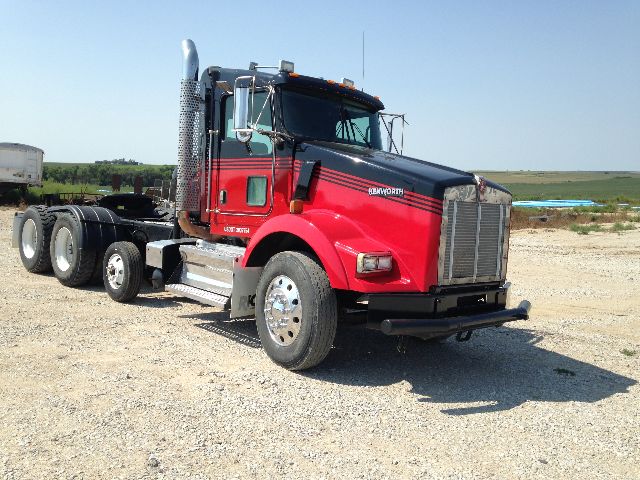
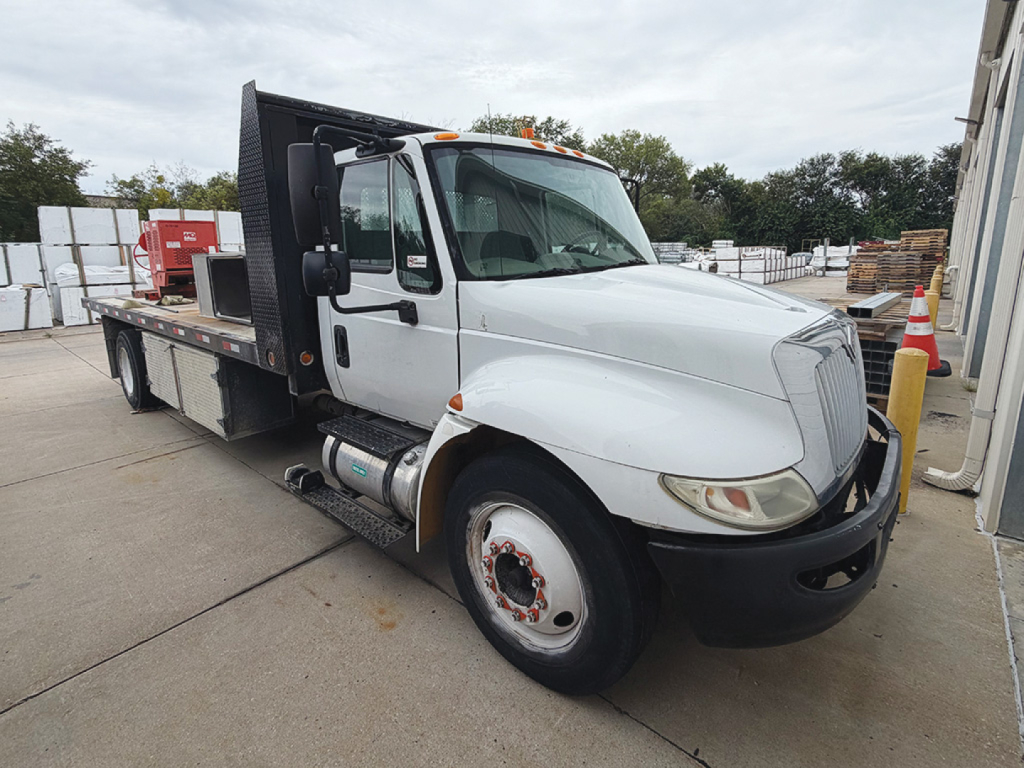
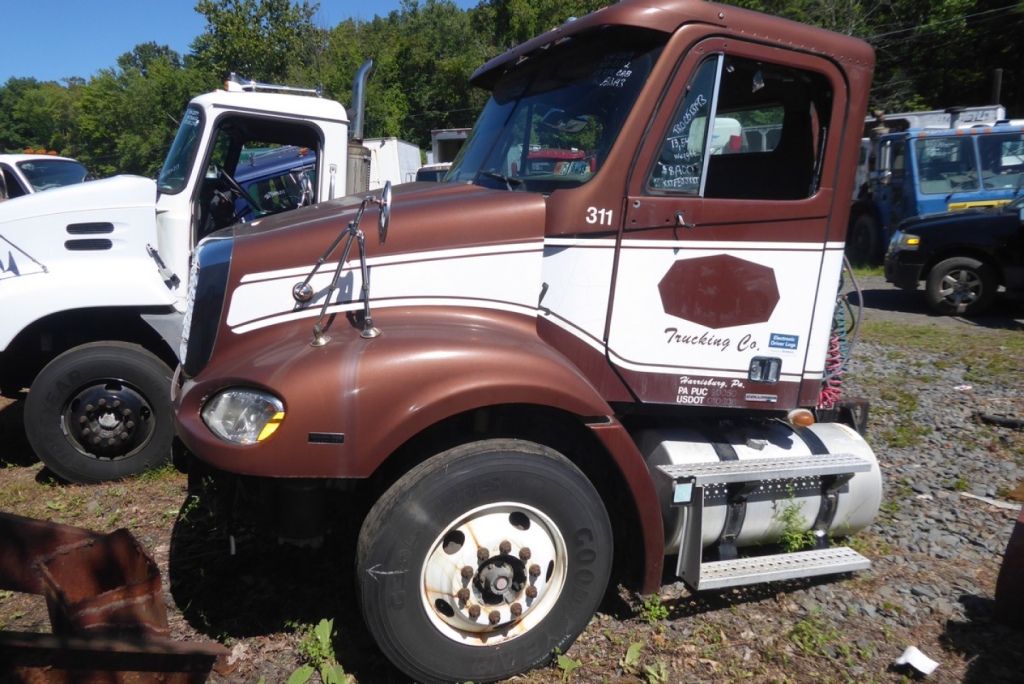
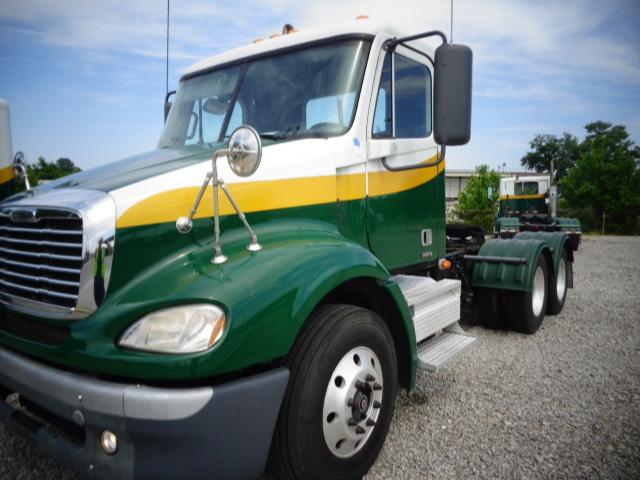
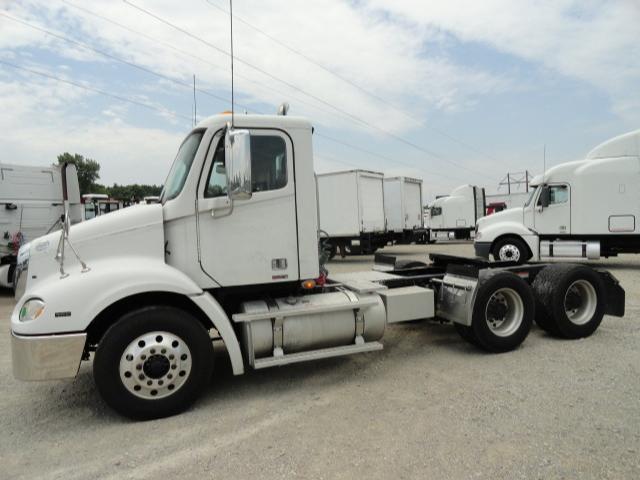

Selling a 2009 conventional daycab truck? List your 2009 conventional daycab truck for sale and reach thousands of commercial buyers.
2009 Conventional Daycab Trucks
Most 2009 conventional daycabs on the market are set up as 6x4 tractors, though some fleets prefer 4x2 layouts for lighter regional payloads and lower operating weight. Common engines in this year include Detroit Diesel Series 60 and early DD-platform engines, Cummins ISX, Caterpillar C13 or C15 in pre-emissions and transitional applications, Volvo D11 or D13, and Mack MP-series depending on make and build date. Transmission choice matters on a 2009 truck because this was a period when manuals were still common, automated manuals were gaining share, and some fleet trucks were spec'd with full automatics for stop-and-go duty. Rear axle ratios, often in the mid-3s for mixed service or lower numerically for highway-oriented regional work, should be matched to tire size, top speed requirements, and expected trailer weight.
Emissions equipment deserves close attention in the 2009 model year. Many trucks from this period use diesel particulate filter systems, and buyers should evaluate service history, fault code activity, regen performance, and whether the truck has been used in duty cycles that support proper aftertreatment operation. For regional and local work, the right spec often includes an engine brake, air ride suspension, sliding fifth wheel, and fuel capacity sized for the route instead of long-haul range. Frame height, suspension rating, and wheelbase also matter if the truck will pull tank, dry van, flatbed, dump, or heavy vocational trailers. A shorter wheelbase usually helps maneuverability in terminals and city streets, while a longer wheelbase may improve ride quality and frame-mounted equipment space.
Cab condition and driver environment still affect value in this category even on a work-focused truck. Look for seat wear, steering play, HVAC performance, electrical integrity, and signs of hard stop-and-go use around the clutch, driveline, and suspension. Daycab buyers should also compare fairings, fuel tank material, brake type, and fifth wheel configuration because those details influence tare weight, maintenance cost, and trailer compatibility. A well-matched 2009 conventional daycab can still serve effectively in port service, regional lanes, refuse transfer, bulk haul, or dedicated local freight if the drivetrain spec, emissions history, and chassis layout align with the job.
Frequently Asked Questions about 2009 Conventional Daycab Trucks
What is a 2009 conventional daycab truck typically used for?
A 2009 conventional daycab truck is typically used for local and regional hauling where a sleeper is not needed. Common applications include dry van, flatbed, tanker, drayage, dedicated shuttle lanes, and vocational tractor work. The main advantage is a shorter, lighter tractor that is easier to maneuver in city traffic, terminals, and customer yards while still offering the pulling power of a conventional highway chassis.
What should buyers check on a 2009 daycab because of emissions systems?
The 2009 model year falls into an emissions era where diesel particulate filter systems became a major inspection point. Buyers should review regeneration history, fault codes, DPF cleaning or replacement records, sensor condition, and any signs of excessive soot loading from low-speed duty cycles. A truck used in short-route stop-and-go service without proper maintenance can develop aftertreatment problems that increase downtime and repair cost.
Are manual or automatic transmissions more common in 2009 conventional daycab trucks?
Both can be found, but manual transmissions were still very common in 2009, especially in fleet and vocational service. Automated manuals were becoming more common, and some trucks were spec'd with full automatics for heavy urban use. The best choice depends on duty cycle, driver preference, terrain, and maintenance strategy. Manual transmissions can be straightforward and durable, while automated options can reduce driver fatigue and improve consistency in stop-and-go operations.
What axle and wheelbase specs matter most on a 2009 daycab tractor?
The most important chassis decisions are usually 4x2 versus 6x4, wheelbase length, rear axle rating, suspension type, and fifth wheel placement. A shorter wheelbase improves maneuverability and is often preferred for city and port work. A longer wheelbase can improve ride quality and allow more room for fuel tanks, battery boxes, or PTO-related equipment. Rear axle ratio should also be matched to the route profile, gross combination weight, and desired cruise speed.
Is a 2009 conventional daycab still a good fit for fleet service?
It can be, if the truck has the right service history and the spec matches the job. Many buyers target 2009 daycabs for lower acquisition cost in regional, drayage, yard, and vocational applications. The key is to evaluate engine condition, emissions health, drivetrain wear, suspension, brakes, and cab integrity instead of buying on appearance alone. A properly maintained truck from this model year can still provide solid value in shorter-haul operations.