
2009 Freightliner Conventional Daycab Trucks For Sale
Shop 2009 Freightliner conventional daycab trucks with specs, common applications, engine options, axle ratings, and buyer tips.
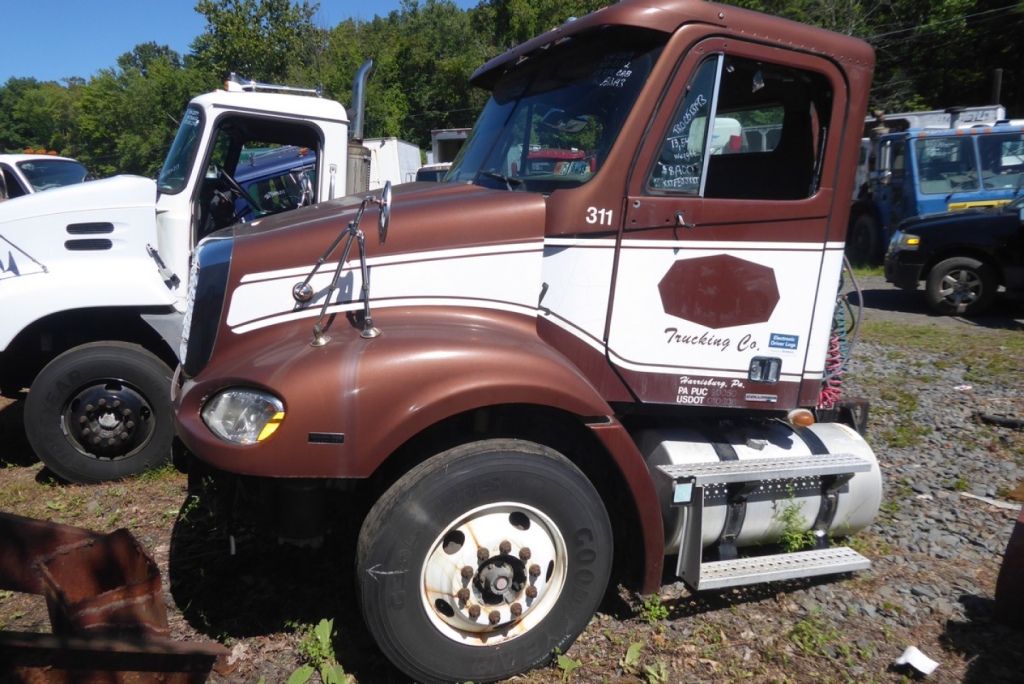
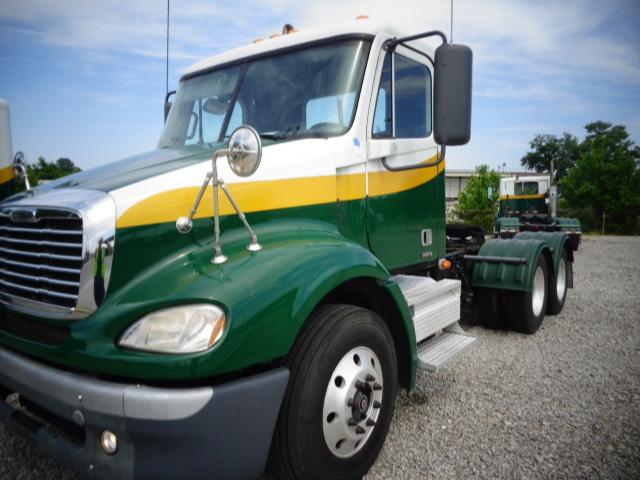
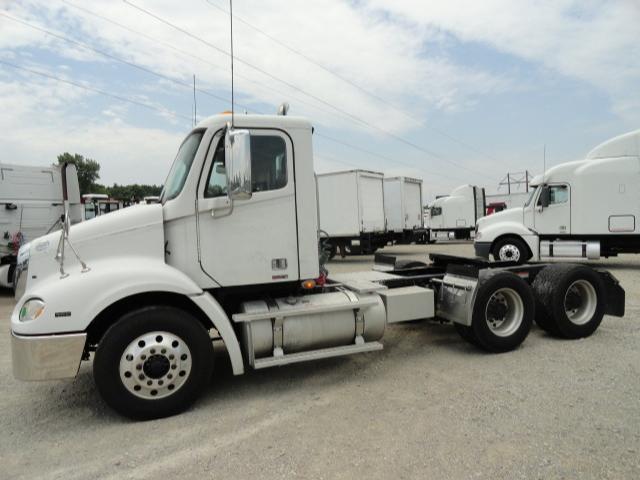

Selling a 2009 freightliner conventional daycab truck? List your 2009 freightliner conventional daycab truck for sale and reach thousands of commercial buyers.
2009 Freightliner Conventional Daycab Trucks
The most important buying decision on a 2009 unit is the powertrain. Many trucks from this period were spec'd with Detroit Diesel, Cummins, or Mercedes-Benz engines, paired with Eaton-Fuller manual transmissions, Eaton UltraShift automated manuals, or Allison automatics in some vocational setups. Rear axle ratings often fall in the 20,000 to 40,000 pound range depending on intended use, and common front axle ratings are around 12,000 pounds. If the truck is being used for highway tractor duty, check ratio, suspension type, and fifth-wheel setup carefully. A fleet tractor with a 3.08 or 3.36 ratio and air ride suspension will behave very differently from a local vocational daycab with shorter gearing, walking beam, or a pintle plate.
Emissions equipment is another key consideration on a 2009 Freightliner conventional daycab truck. This year sits in the later pre-DEF emissions period for many applications, which can appeal to buyers trying to avoid later SCR complexity while still getting a more modern cab and chassis. That said, EGR-related maintenance, DPF service history where equipped, engine brake function, and fault code activity should be reviewed closely. Mileage alone does not tell the full story. Engine hours, idle time, clutch life, suspension wear, kingpins, steering box play, air system condition, and frame integrity matter just as much on a daycab that may have spent years in city or stop-and-go service.
Cab configuration and frame layout should match the job. Short wheelbase daycabs are easier to maneuver in tight urban yards and terminals, while longer wheelbase tractors may offer better ride quality and trailer clearance for certain body styles. Look at cab-to-axle and cab-to-end dimensions if the truck may be converted for a flatbed, rollback, tanker, or other specialty use. Also pay attention to single versus double frame, sliding versus fixed fifth wheel, suspension capacity, brake type, and tire size. A well-matched 2009 Freightliner conventional daycab can still be a cost-effective working truck if the spec aligns with the route, trailer, and gross weight it is expected to handle.
Frequently Asked Questions about 2009 Freightliner Conventional Daycab Trucks
What are the most common uses for a 2009 Freightliner conventional daycab?
A 2009 Freightliner conventional daycab is commonly used for regional freight, local P&D service, container drayage, tanker work, dump applications, and dedicated shuttle routes. The daycab layout eliminates sleeper weight and length, which helps with maneuverability, payload, and operating efficiency on jobs where the driver returns home daily.
What should I inspect first on a used 2009 Freightliner daycab?
Start with the engine and emissions history, then move to transmission operation, rear axle ratio, suspension condition, and frame integrity. On a truck of this age, buyers should also check ECM hours against the odometer, inspect for excessive idle time, verify brake and tire wear patterns, and look closely at kingpins, steer axle components, air leaks, and signs of prior frame or collision repair.
Did 2009 Freightliner daycabs use DEF?
Most 2009 Freightliner conventional daycab trucks were built before DEF became standard in heavy-duty applications. Many trucks from this model year rely on EGR-based emissions systems, and some may include a DPF depending on engine family and GVWR class. Buyers often confirm the exact engine emissions configuration by engine serial number and VIN rather than assuming all 2009 trucks are equipped the same way.
What axle and suspension specs are typical on a Freightliner conventional daycab?
Typical specs include a 12,000 pound front axle and rear axle ratings ranging from about 20,000 pounds on lighter single-axle units up to 40,000 pounds on tandem-axle tractors. Common suspension setups include Freightliner AirLiner air ride for highway use and heavier mechanical suspensions for vocational service. The correct setup depends on trailer type, ride preference, axle spread requirements, and expected gross combination weight.
Is a 2009 Freightliner conventional daycab a good fleet or owner-operator buy?
It can be a strong value if the truck has the right spec, documented maintenance, and a powertrain suited to the route. Freightliner has broad dealer coverage and strong parts availability, which helps control downtime. For fleets, standardization and service familiarity are major advantages. For owner-operators, the key is buying on condition, engine history, and application fit rather than buying strictly on price or mileage.