
2007 Conventional Daycab Trucks For Sale
Browse 2007 conventional daycab trucks with specs, applications, axle ratings, engine options, wheelbases, and buyer tips for local hauling.
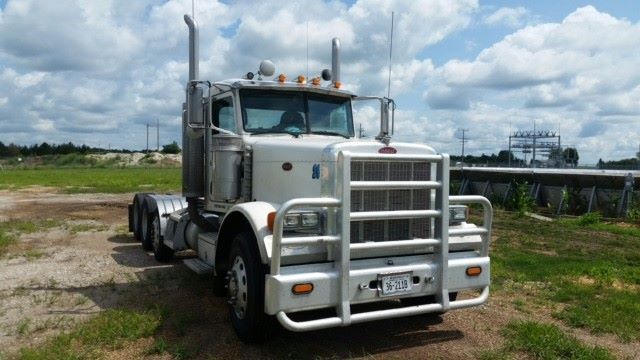
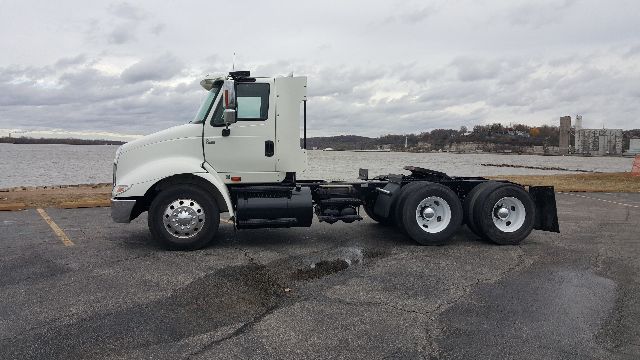
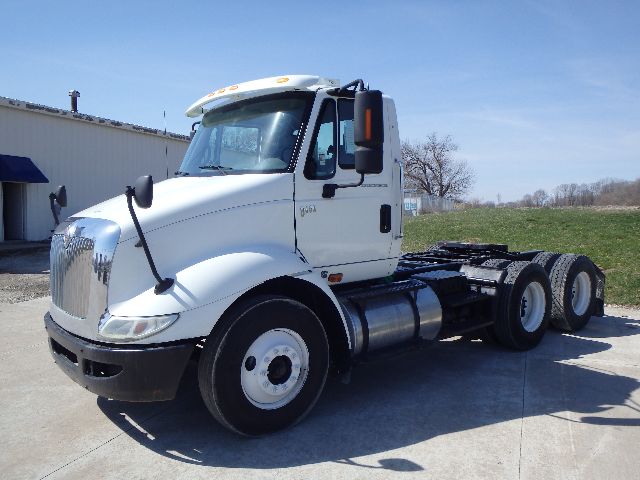
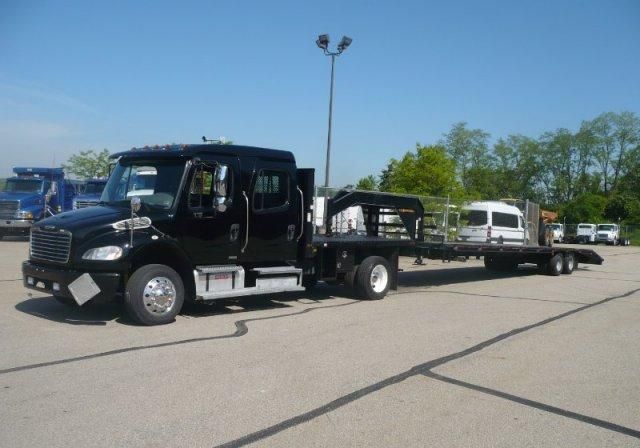
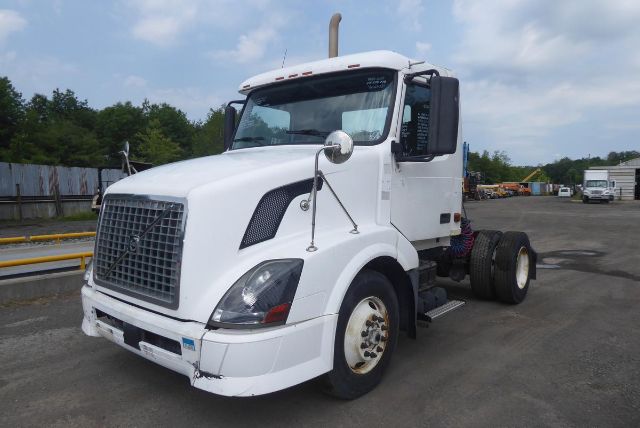

Selling a 2007 conventional daycab truck? List your 2007 conventional daycab truck for sale and reach thousands of commercial buyers.
2007 Conventional Daycab Trucks
Most 2007 conventional daycab trucks on the market are spec'd as tandem-axle tractors with a 12,000 to 14,600 pound front axle and 40,000 to 46,000 pound rears, although lighter single-axle daycabs are also common in metro delivery and LTL applications. Typical wheelbases often fall in the mid-150 inch to low-180 inch range, with cab-to-axle and cab-to-end dimensions varying by body or fifth wheel position. Buyers should pay close attention to rear axle ratio, suspension type, and whether the truck has a sliding or fixed fifth wheel. A lower numerical ratio can favor highway fuel economy, while a deeper ratio is usually better for heavy starts, city work, and steep grades. Air ride suspensions remain popular for freight protection and driver comfort, while vocational daycabs may be spec'd with heavier suspensions and locking differentials.
The 2007 model year is also important from an emissions standpoint. These trucks were built around the first major 2007 EPA diesel emissions changes, so engine platform, maintenance history, and aftertreatment condition deserve extra scrutiny. Common engines in this segment include Detroit Diesel, Cummins, Caterpillar, Mack, Volvo, and Mercedes-Benz offerings, paired with manual transmissions, automated manuals, or traditional automatics depending on the application. Many buyers still target 10-speed and 13-speed manuals for serviceability, while others prefer automated manuals for route consistency and driver turnover. Service records matter more than badge alone on a 2007 truck. Engine hours, ECM miles, regen history where applicable, clutch life, suspension wear, and brake type should all be reviewed alongside rust, frame condition, and evidence of prior fifth wheel or frame modifications.
A good 2007 conventional daycab should match the lane it runs in every day. For port and city work, prioritize turning radius, forward visibility, and a wheelbase that clears tight yards. For short regional trailer pulls, focus on power rating, axle ratio, ride quality, and legal bridge spacing. For heavier vocational use, look harder at frame spec, locking rears, front axle capacity, and PTO compatibility. Also check practical details that affect uptime, including tire size, wheel type, air disc versus drum brakes, wet kit provisions, and the condition of cab mounts, steering components, and HVAC. In this category, the best value usually comes from a truck with a clear maintenance story and a spec that fits the job without carrying unnecessary weight or complexity.
Frequently Asked Questions about 2007 Conventional Daycab Trucks
What is a conventional daycab truck?
A conventional daycab truck is a road tractor with a standard hooded cab and no sleeper compartment. It is designed for local, regional, and vocational hauling where the driver returns the same day or does not need onboard living space. The layout improves maneuverability and usually reduces chassis weight compared with a sleeper tractor, which can help with payload and yard access.
What should I inspect first on a 2007 conventional daycab?
Start with emissions system condition, engine service history, ECM miles and hours, transmission operation, and rear axle health. On a 2007 truck, the aftertreatment system and related sensors can be a major ownership factor, so fault codes, regen history, and documentation are important. After that, inspect frame rails, suspension bushings, kingpins, steering play, brake condition, tire wear, and any signs of prior damage or modifications around the fifth wheel and crossmembers.
What wheelbase is best for a daycab tractor?
The best wheelbase depends on the trailer and route. A shorter wheelbase generally helps with turning radius, backing, and urban work, which makes it a strong choice for drayage, city P&D, and tight yards. A longer wheelbase can improve ride quality, bridge compliance, and trailer tracking in regional service, but it may give up some maneuverability. Cab-to-axle and fifth wheel position matter just as much as overall wheelbase.
Are 2007 daycab trucks good for heavy hauling?
They can be, but only if the truck is properly spec'd. Heavy hauling capability depends on axle ratings, frame strength, suspension, gear ratio, and whether the truck has locking differentials, the right tires, and the proper fifth wheel capacity. Many 2007 conventional daycabs were built for standard highway freight, not severe-duty work, so buyers should verify the original build intent and current component ratings before assigning the truck to heavy starts or off-road conditions.
Is a manual or automated transmission better in this category?
A manual transmission is still favored by many fleets and owner-operators for lower complexity, driver control, and familiar repair paths. An automated manual can improve consistency, reduce driver fatigue, and help in stop-and-go service when the system is in good condition. On a 2007 truck, the better choice often comes down to maintenance history, available technicians, and how the truck will be used each day rather than transmission type alone.