
2023 Conventional Daycab Trucks For Sale
Shop 2023 conventional daycab trucks with modern aero cabs, diesel power, automated manuals, and specs built for regional and local hauling.
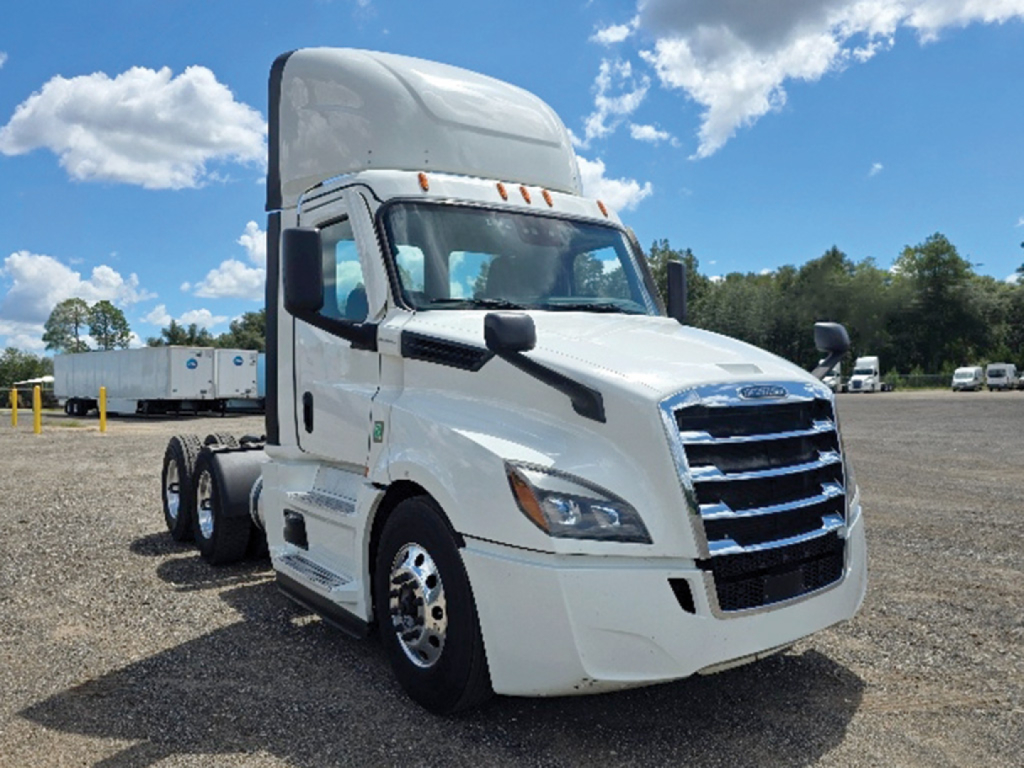
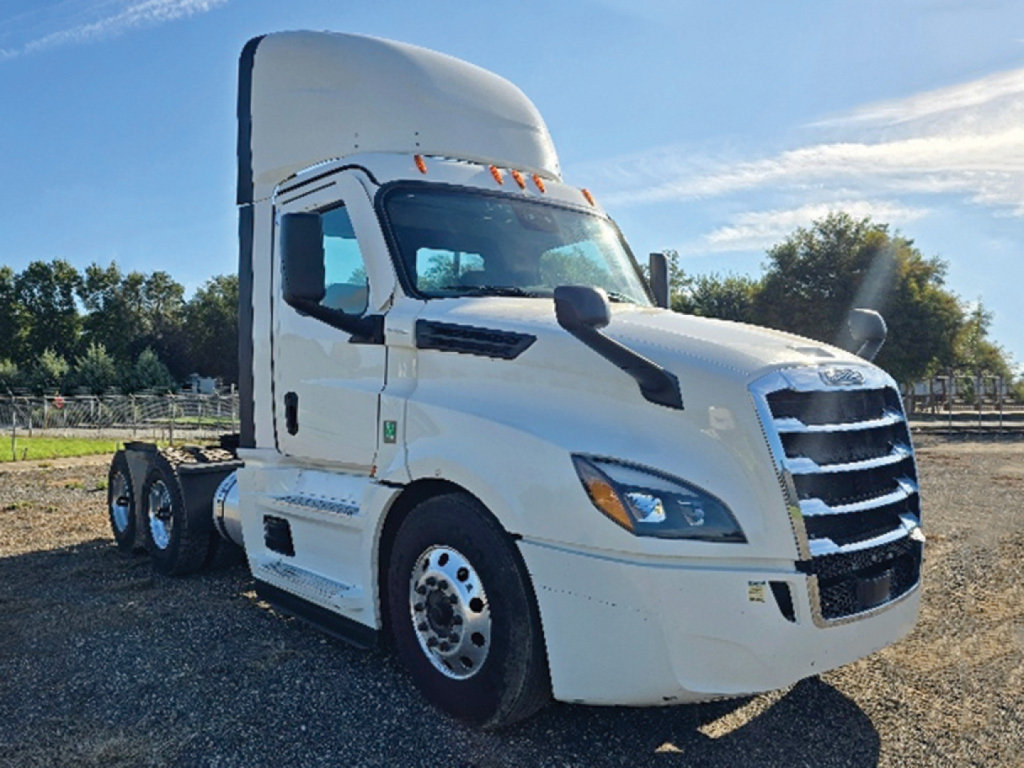
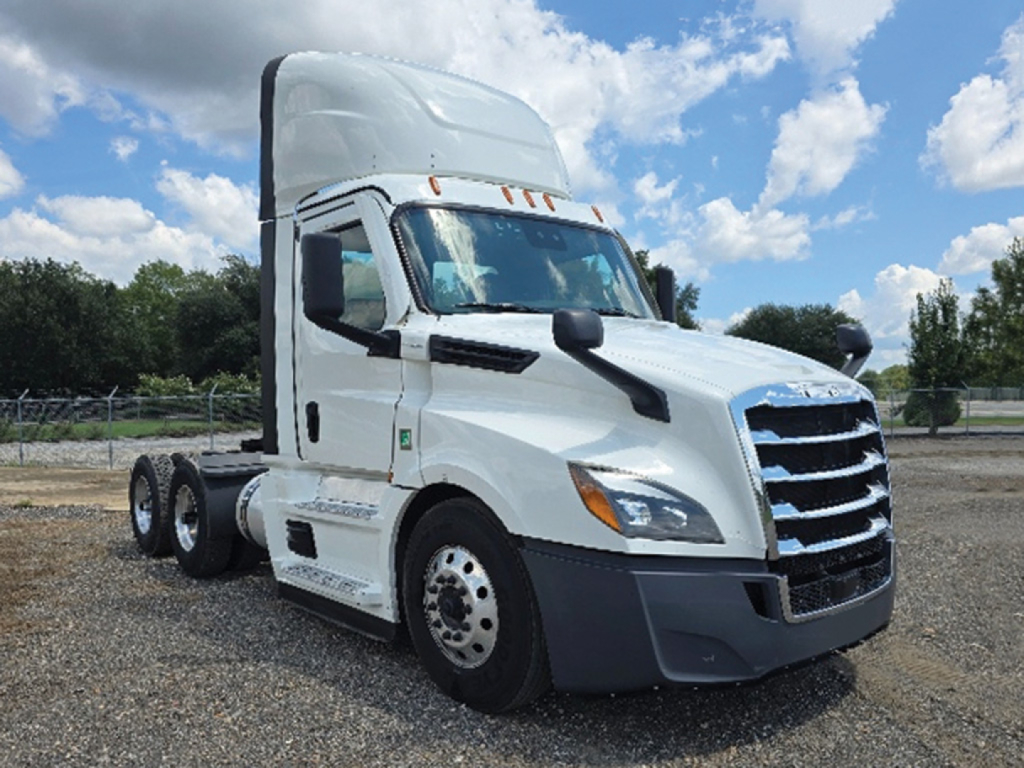
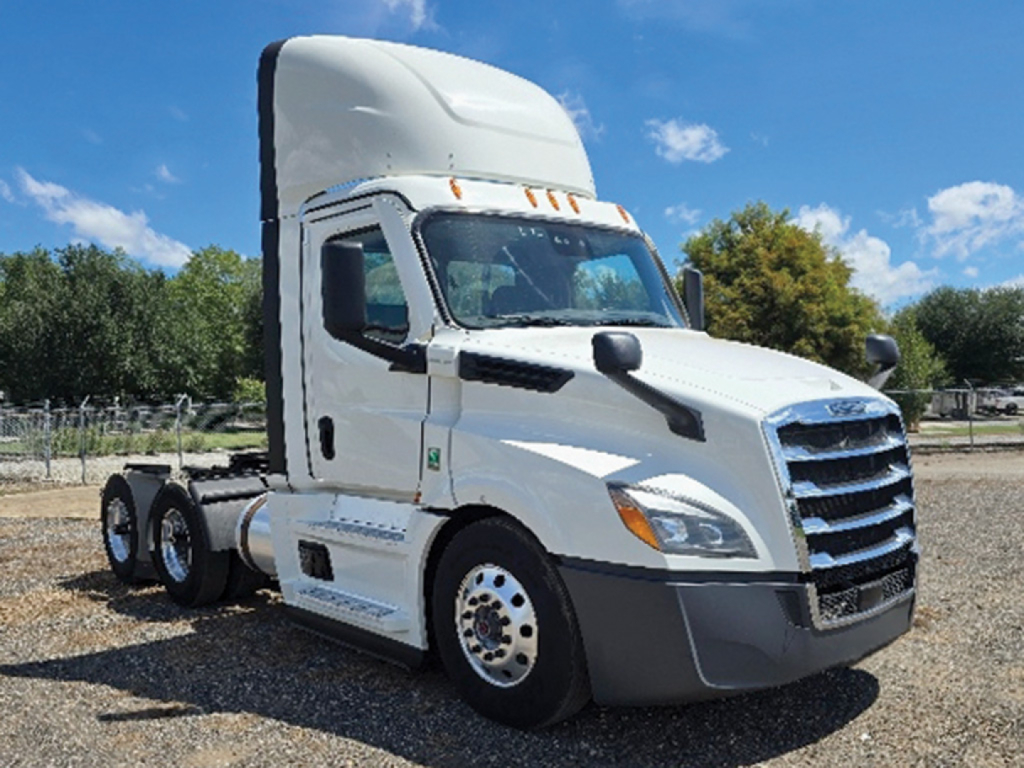
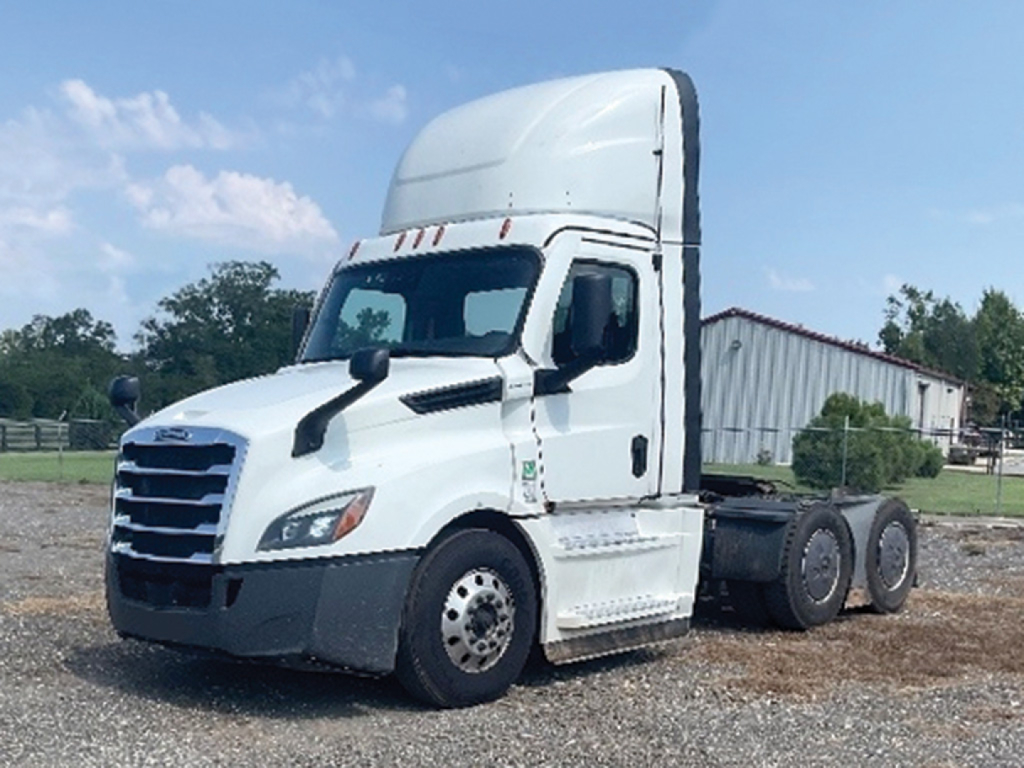
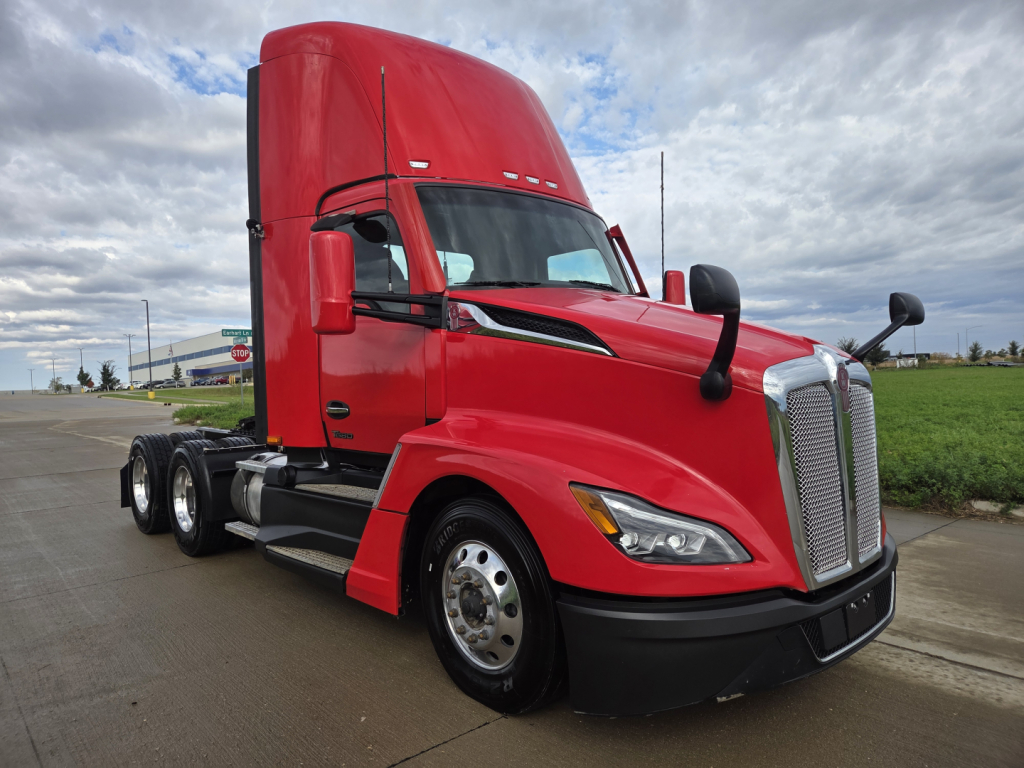
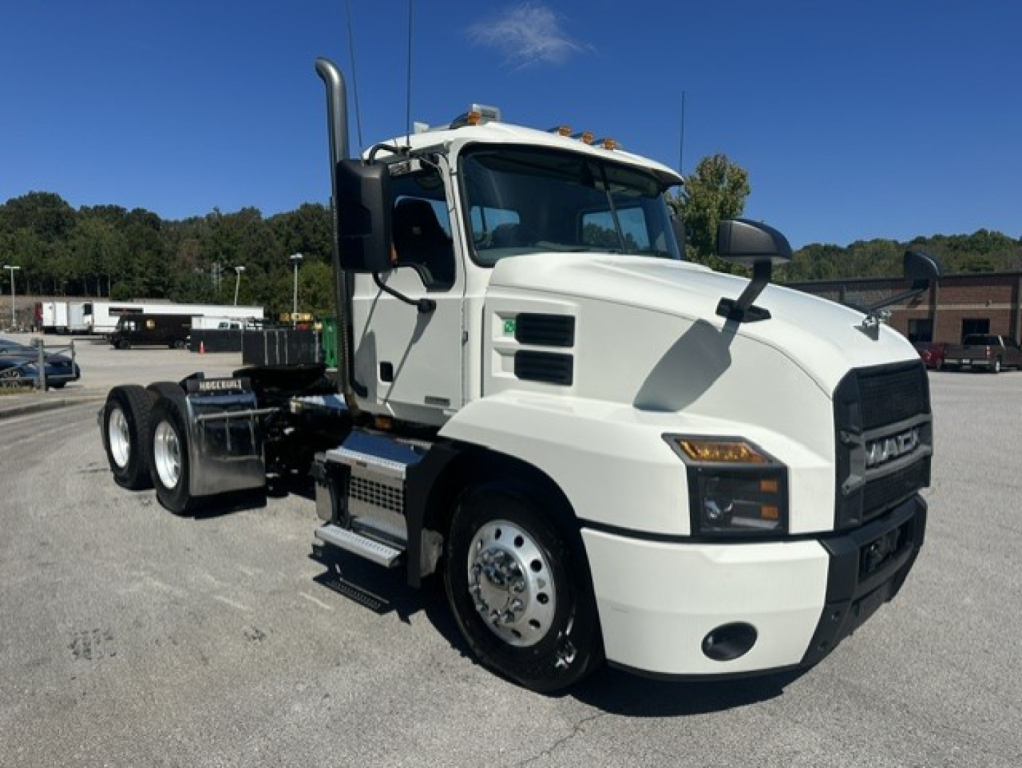
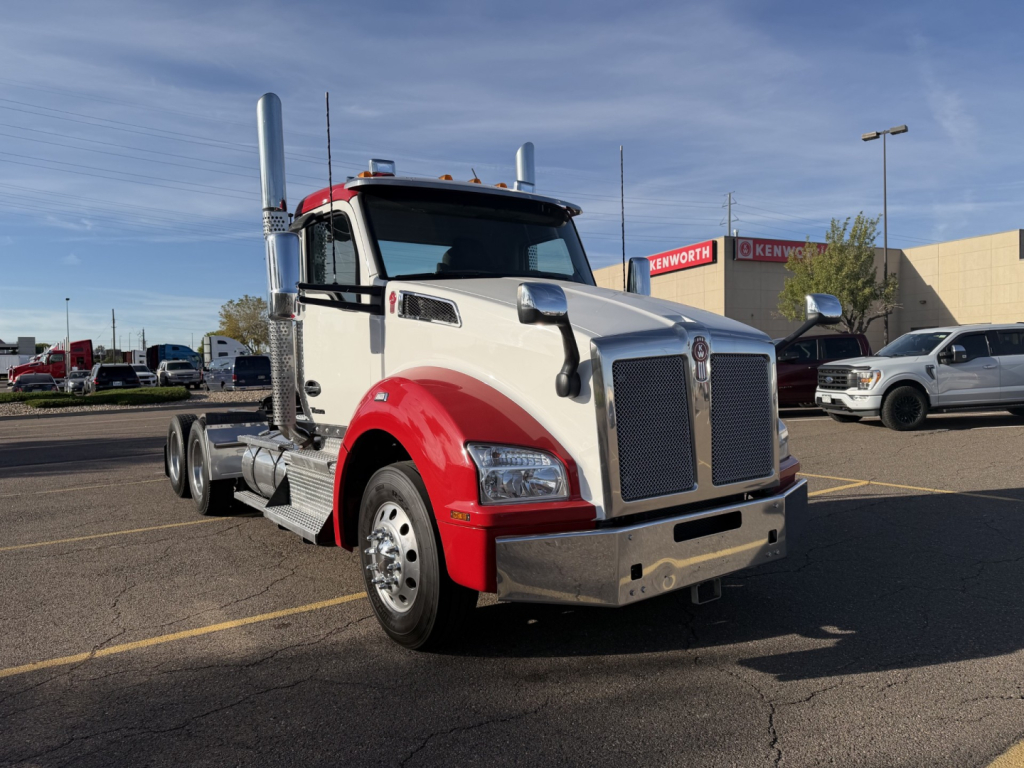
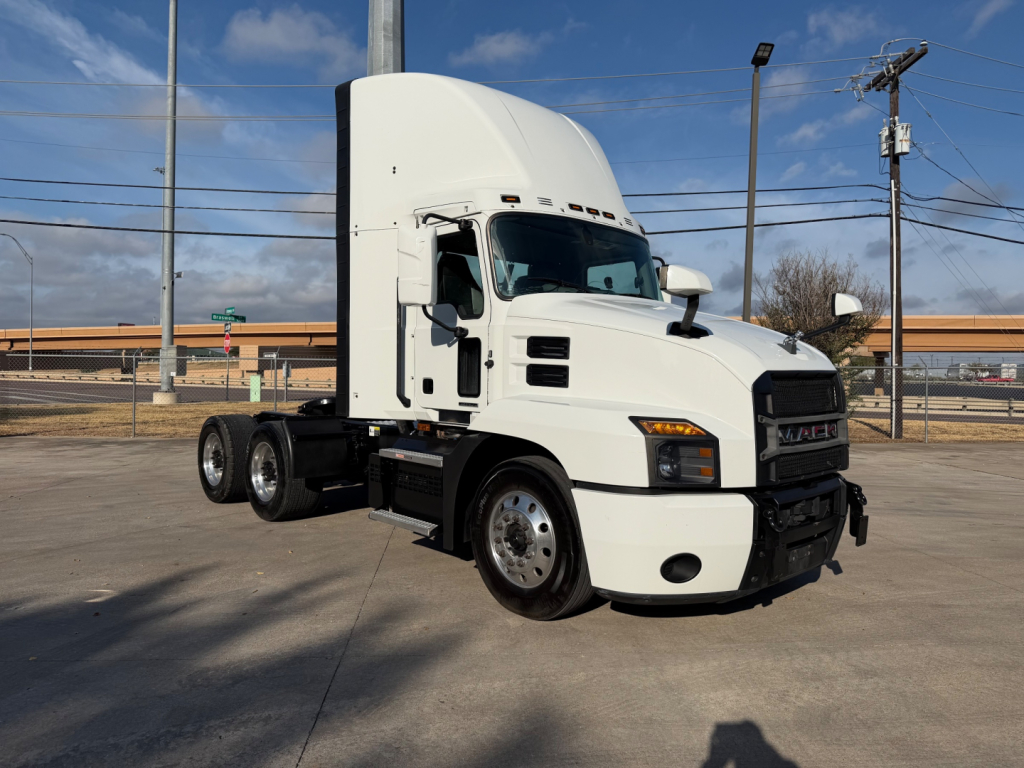
2023 Mack ANTHEM 64T
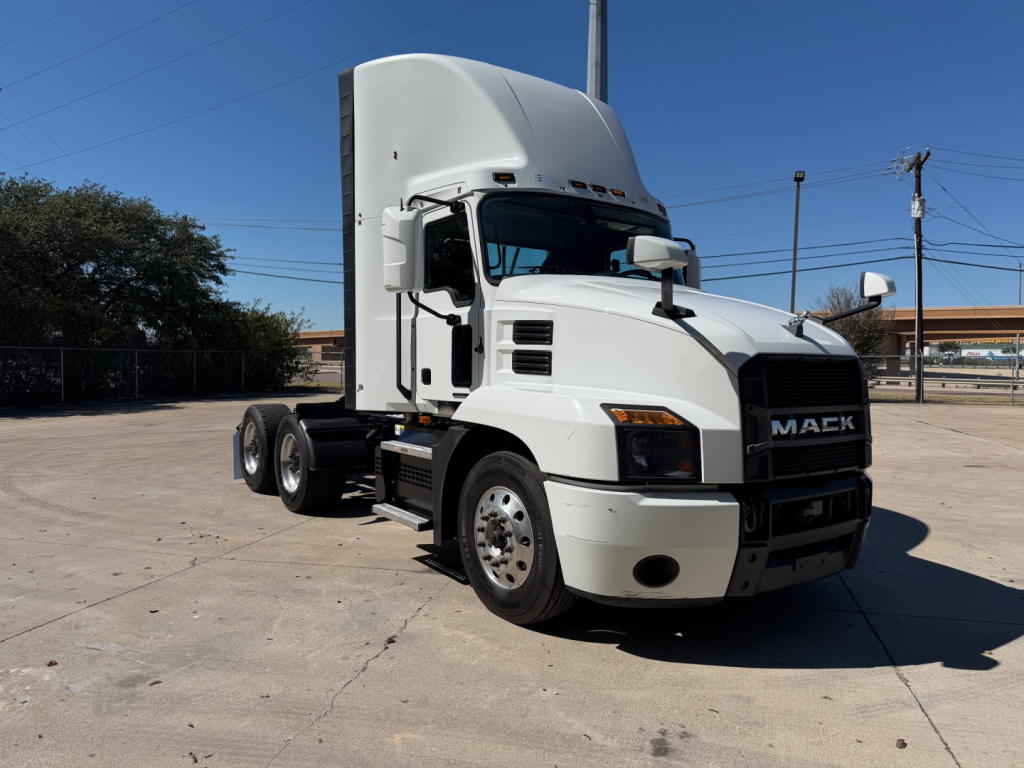
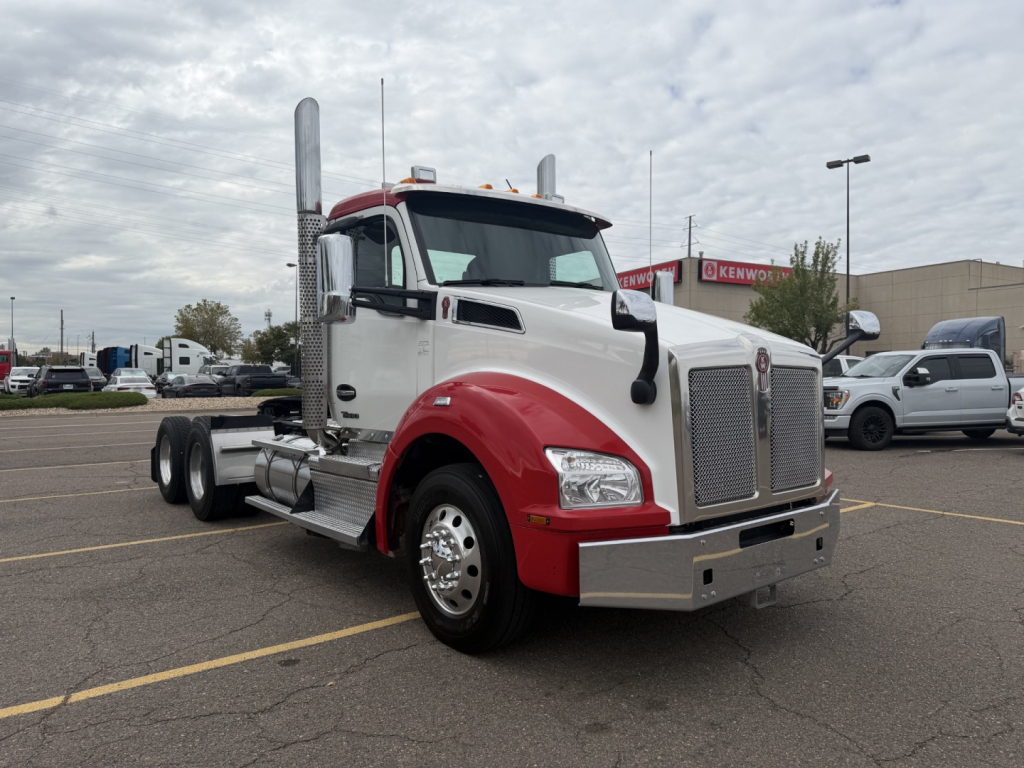
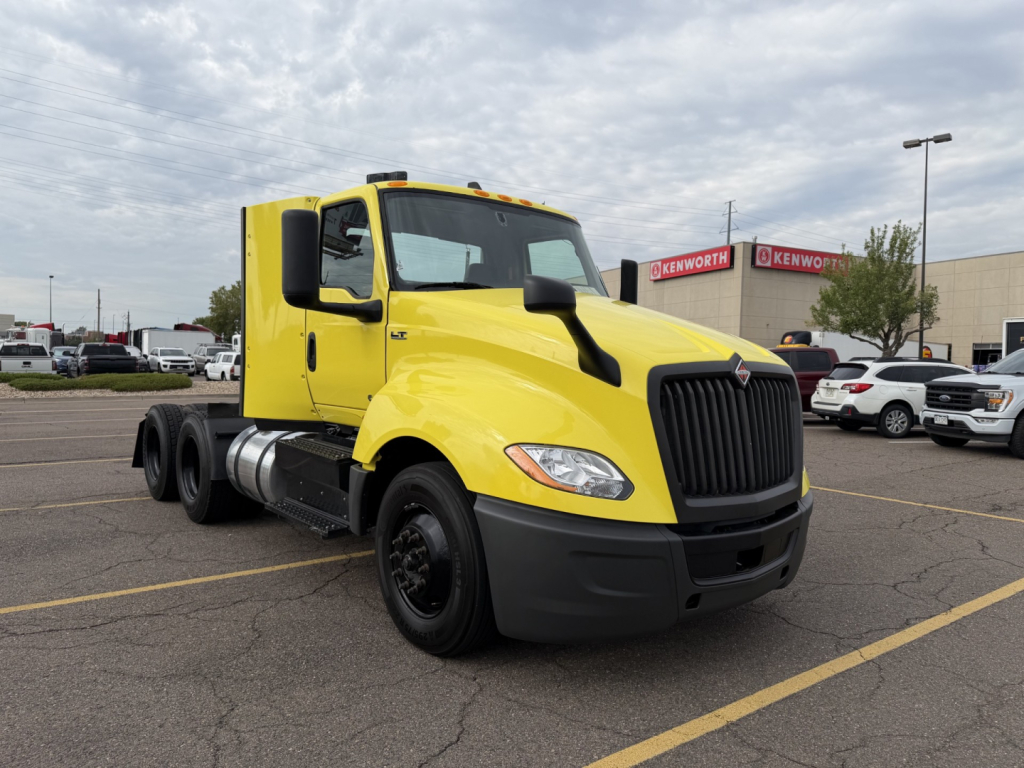
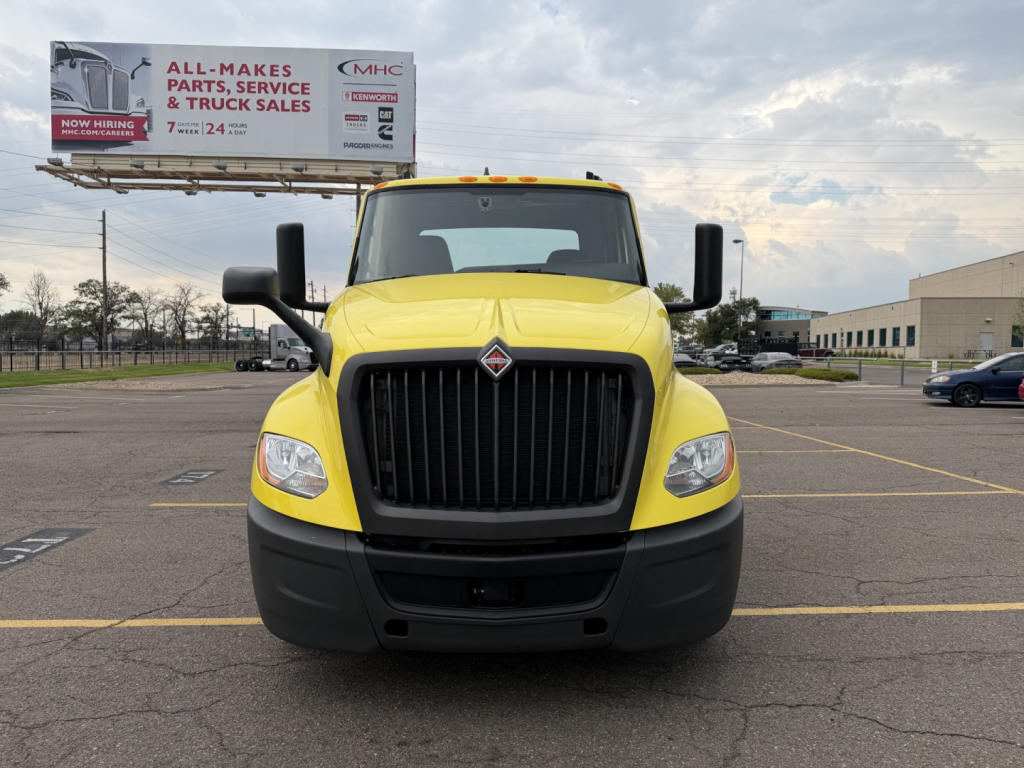
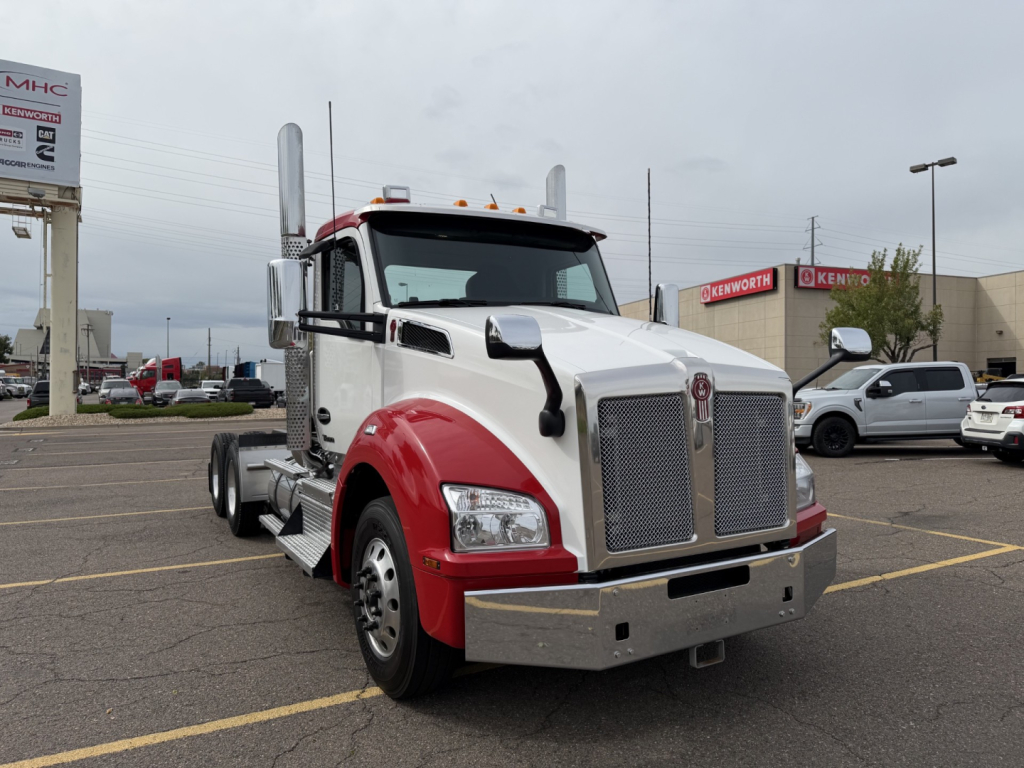
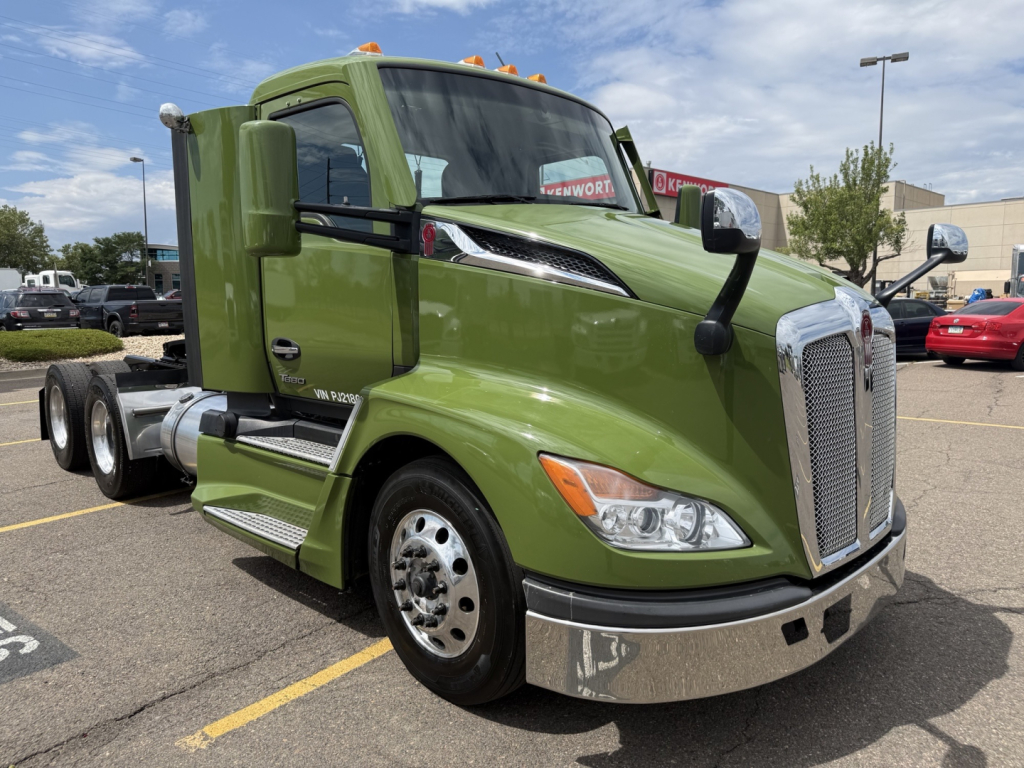
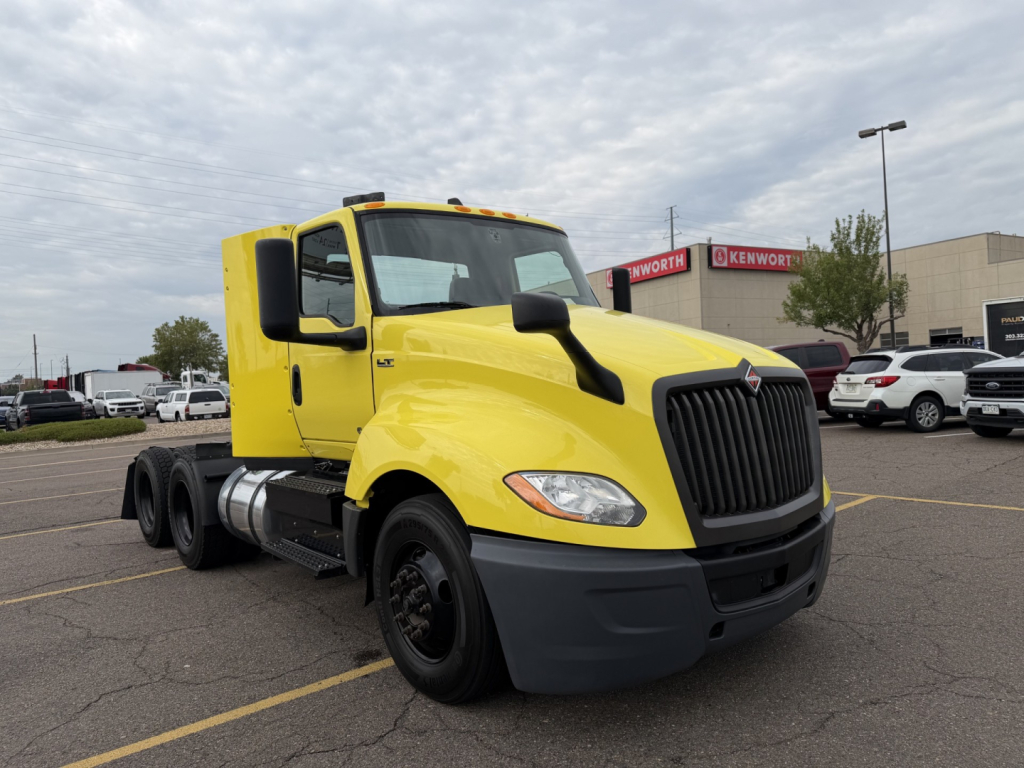
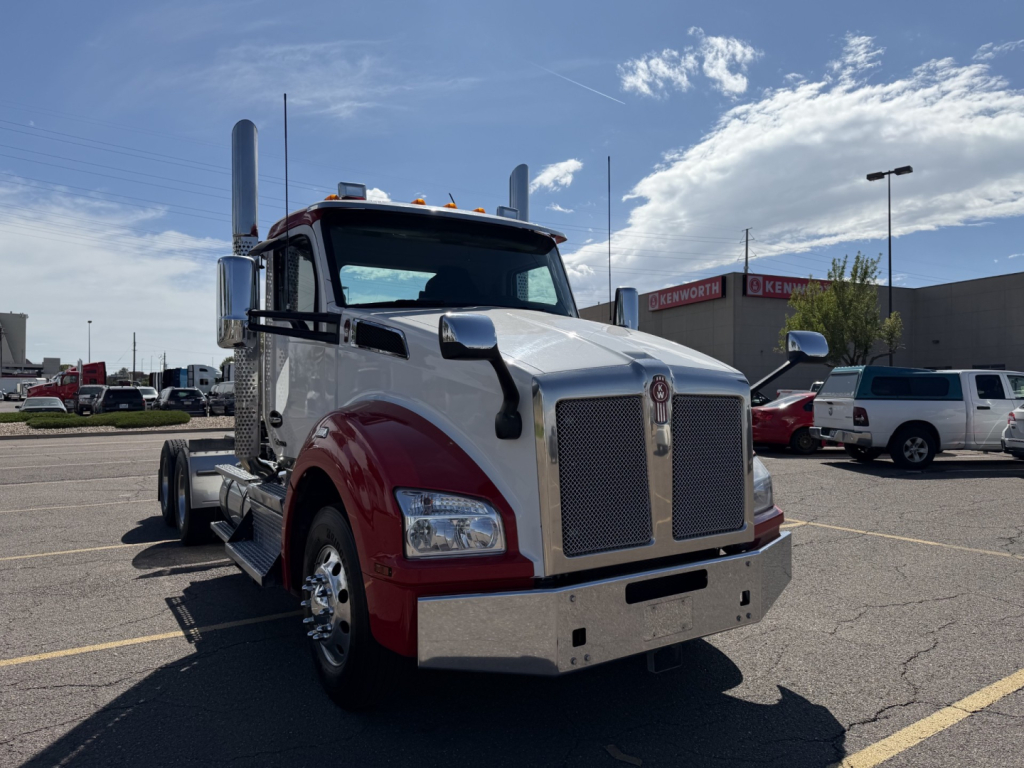
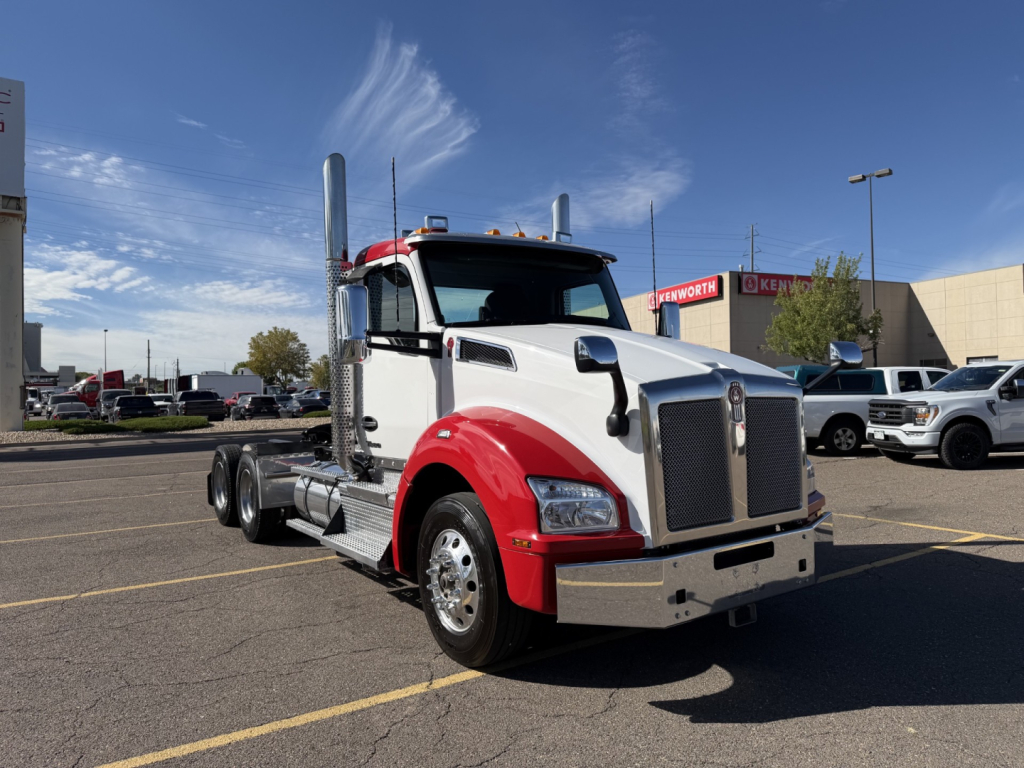
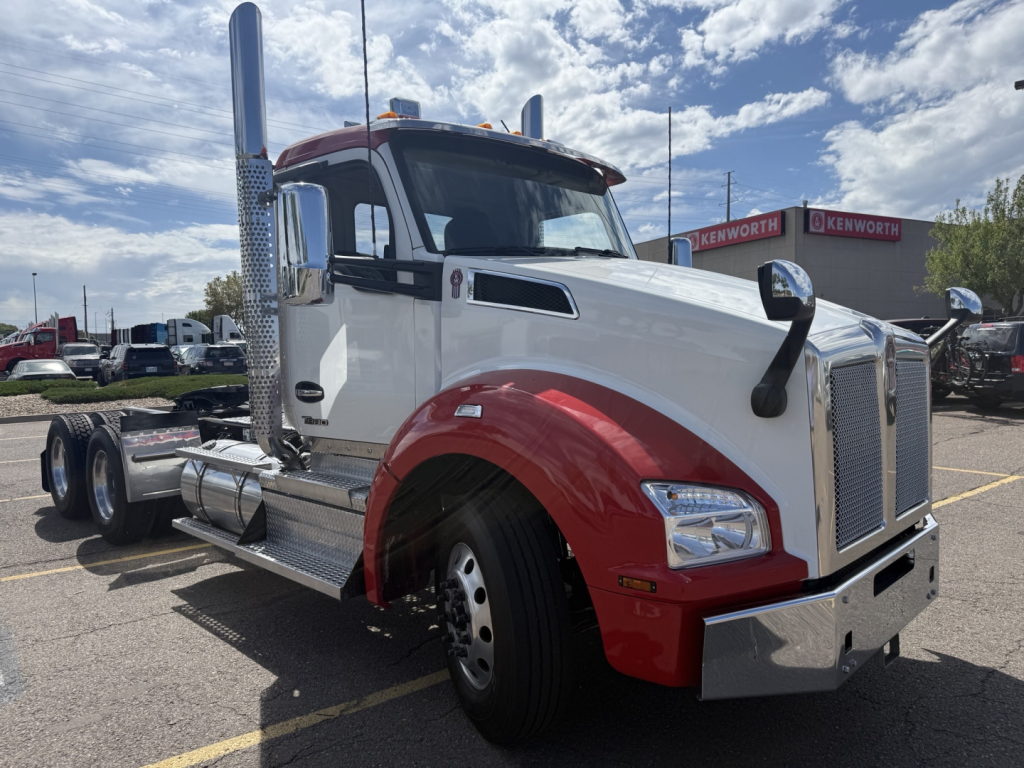
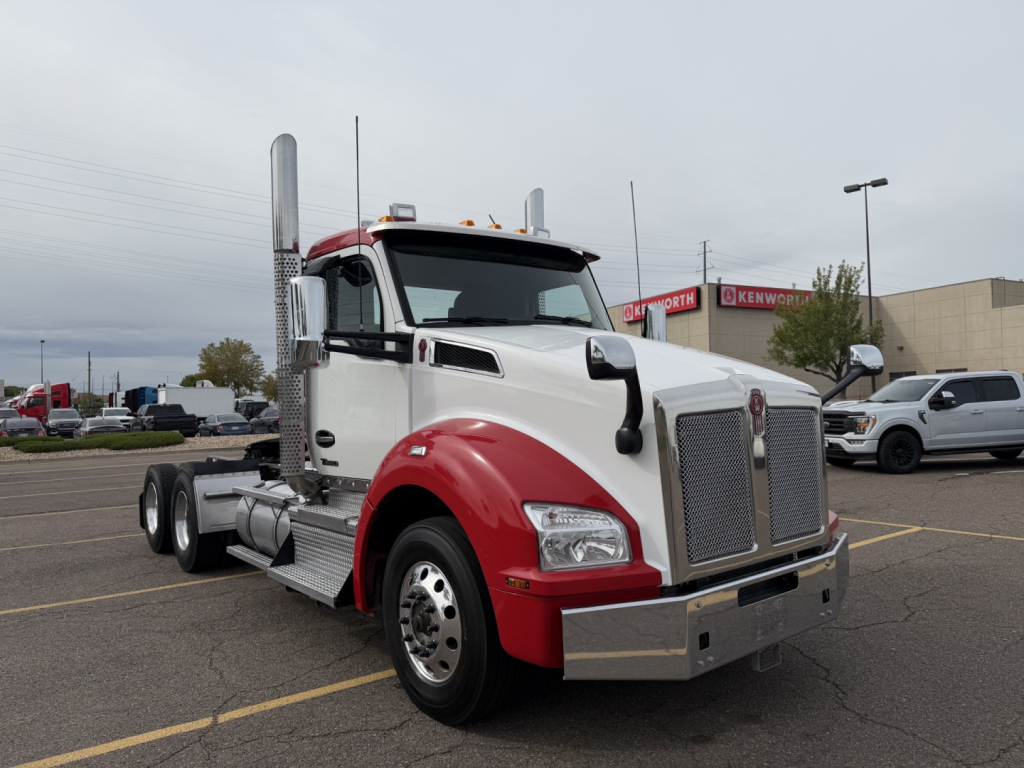
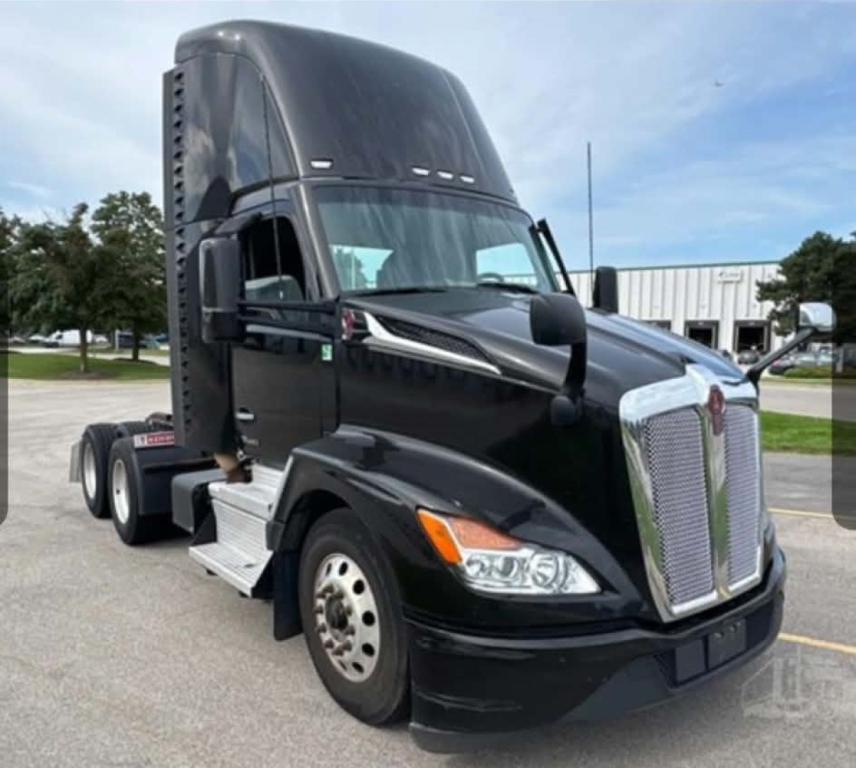
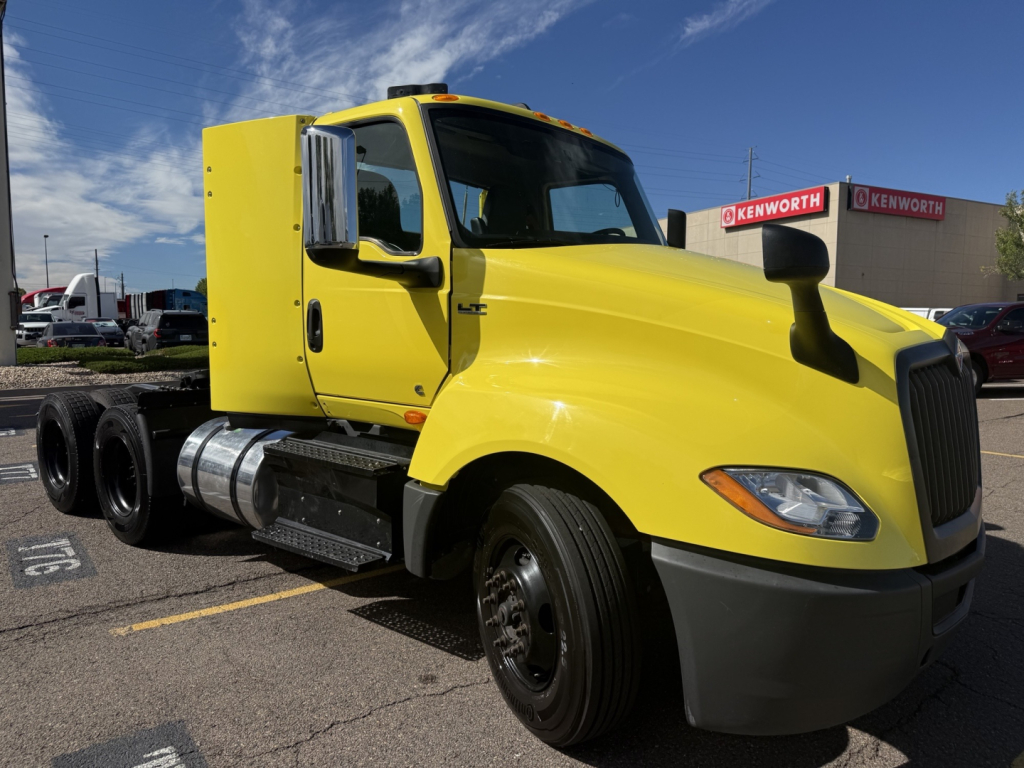
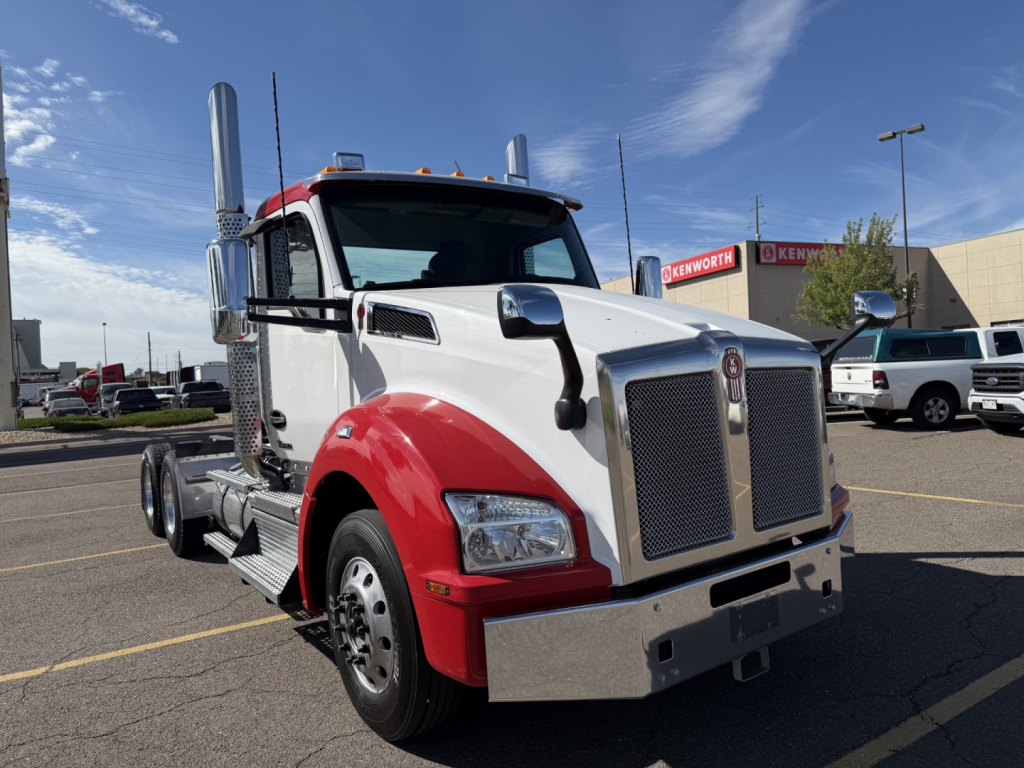
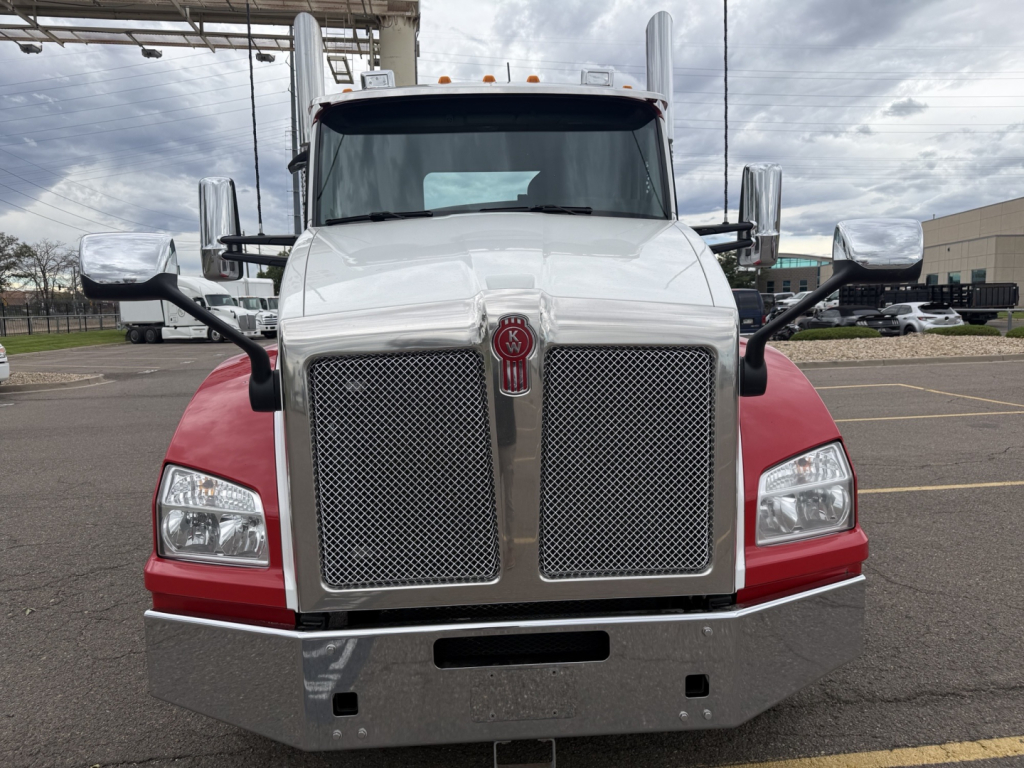

Showing 1 to 28 of 29 results
Selling a 2023 conventional daycab truck? List your 2023 conventional daycab truck for sale and reach thousands of commercial buyers.
2023 Conventional Daycab Trucks
Spec decisions matter more than the badge on the hood. Most 2023 conventional daycab trucks in this class are configured with diesel engines in the 350 to 500 horsepower range and torque ratings suited for stop-and-go regional hauling or heavier GCWR applications. Common pairings include automated manuals for fuel economy and driver consistency, though some buyers still prefer manual transmissions for severe service or mixed fleets. Front axles often land around 12,000 pounds, with rear axle ratings commonly at 23,000, 40,000, or 46,000 pounds depending on the intended trailer and load profile. Gear ratios, suspension type, and tire size all deserve close attention because a fast highway spec drives very differently than a short-wheelbase terminal tractor or a heavier vocational daycab.
For buyers comparing 2023 units, the useful differences are often in the frame and cab layout. A single-frame regional tractor may save weight and improve fuel economy, while a double-frame or heavier vocational build can better handle pintle work, dumps, tanks, or rougher operating conditions. Wheelbase and cab-to-axle dimensions affect how the truck handles with 48-foot and 53-foot trailers, how much room remains for headache racks or wet kits, and how easily it can work in tight docks or urban lanes. Air-ride suspension, air-slide fifth wheels, disc brakes, collision mitigation, adaptive cruise, and telematics became increasingly common on newer conventional daycabs, and those features can make a meaningful difference in uptime, driver acceptance, and maintenance planning.
A strong 2023 conventional daycab should be evaluated around application fit, not just mileage or appearance. Look closely at engine family, aftertreatment service history, transmission calibration, rear axle ratio, brake type, and any signs of frame modification. If the truck will run regional van or reefer freight, an aerodynamic spec with a taller ratio may be the right move. If it will pull heavier loads, operate in construction support, or spend time on uneven surfaces, heavier suspensions, locking differentials, and more durable vocational components may be worth the tradeoff in fuel burn. The right daycab is the one whose wheelbase, axle package, and drivetrain line up with the trailers, terrain, and duty cycle you actually run.
Frequently Asked Questions about 2023 Conventional Daycab Trucks
What is a conventional daycab truck used for?
A conventional daycab truck is used for freight operations that return the driver home daily or do not require overnight accommodations. Common applications include regional dry van, reefer, drayage, local flatbed, tanker, dedicated route work, and vocational tractor service. Its main advantage is lower weight and simpler packaging than a sleeper tractor, which can improve maneuverability, reduce tare weight, and lower operating costs in the right duty cycle.
What should I look for when buying a 2023 conventional daycab?
The most important factors are wheelbase, axle ratings, engine horsepower and torque, transmission type, rear axle ratio, suspension, and fifth wheel configuration. Those specs determine how the truck will perform with your trailers, payload, and route profile. On a 2023 model, it also makes sense to review emissions system history, warranty status if applicable, safety technology, and service records for telematics, software updates, and aftertreatment components.
Are automated manual transmissions common in 2023 daycab trucks?
Yes. Automated manual transmissions are very common in 2023 conventional daycab trucks because they help standardize driver performance, improve fuel economy, and reduce clutch-related wear. They are especially popular in regional and fleet applications. Buyers should still confirm the transmission model, torque rating, calibration, and intended duty cycle because not every automated manual is spec'd the same for heavy haul, stop-and-go, or highway use.
How do wheelbase and cab-to-axle measurements affect a daycab tractor?
Wheelbase and cab-to-axle dimensions affect turning radius, weight distribution, trailer swing clearance, and room for accessories such as headache racks, wet kits, or auxiliary equipment. A shorter wheelbase is often better for city work, port service, and tight yards. A longer wheelbase may track better on the highway and provide more flexibility for certain trailer setups, but it can reduce maneuverability in confined areas.
Is a 2023 conventional daycab better for regional work than a sleeper tractor?
For regional and local applications, a daycab is often the more efficient choice because it eliminates sleeper weight, shortens overall tractor length, and usually costs less to operate and maintain. A sleeper tractor is the better fit when routes require overnight stays, team driving, or long-haul scheduling flexibility. The right choice depends on trip length, dispatch pattern, driver needs, and how much payload and maneuverability matter in your operation.