
2023 Conventional Daycab Trucks For Sale in Nevada
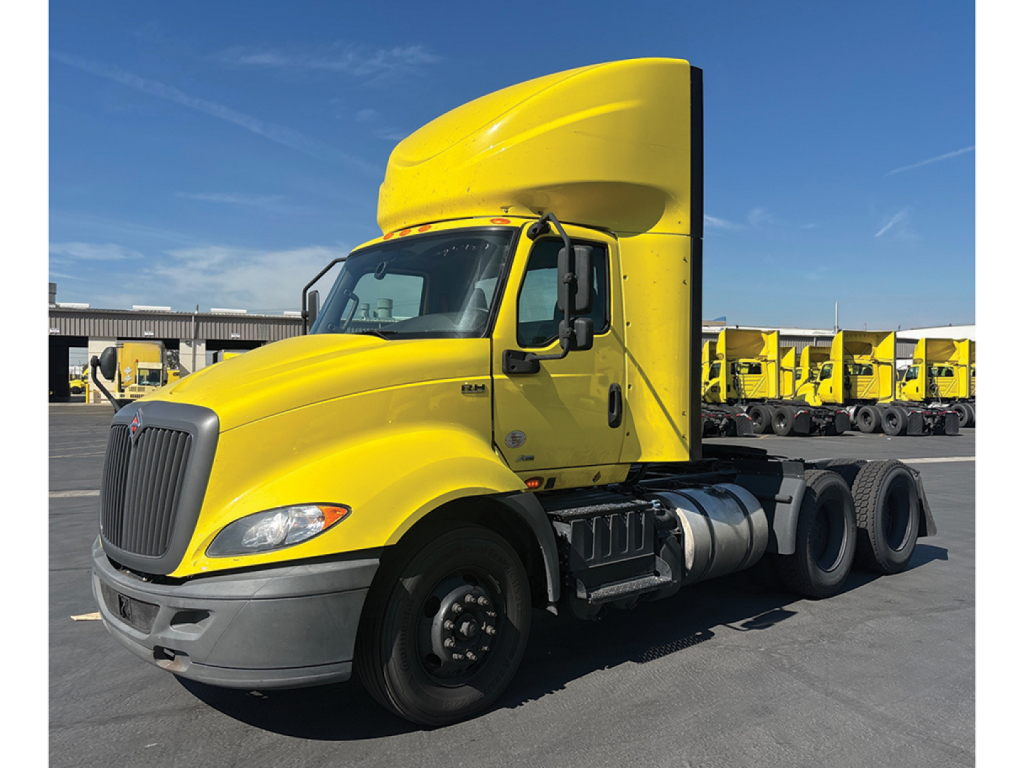
2023 International RH613
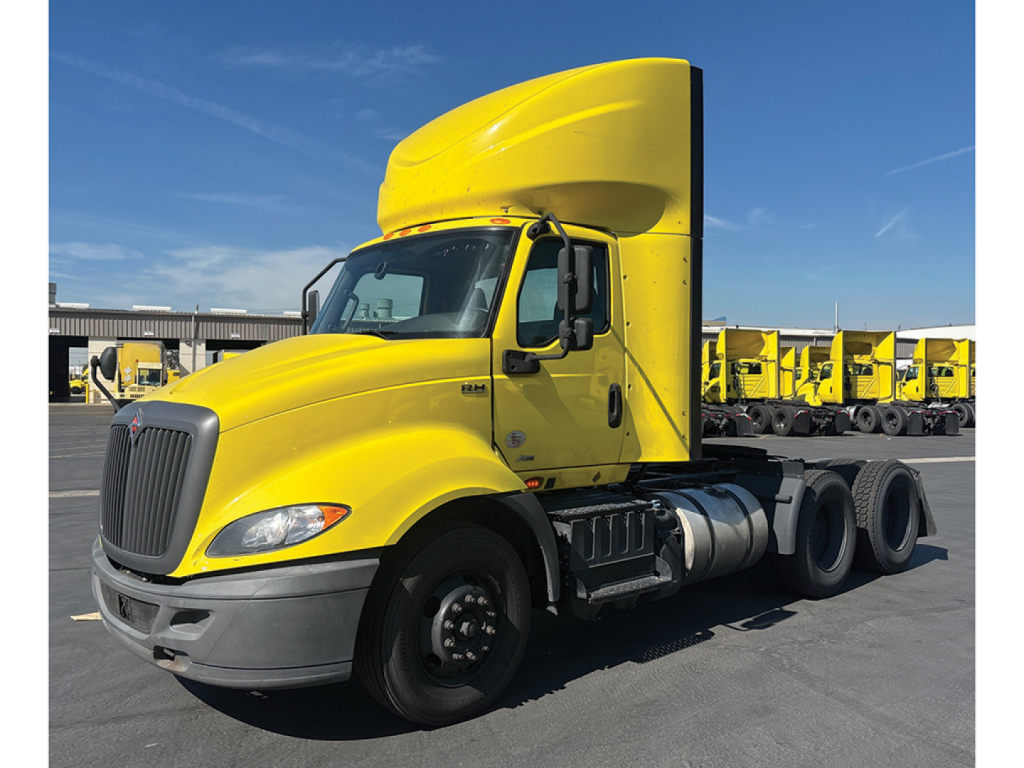
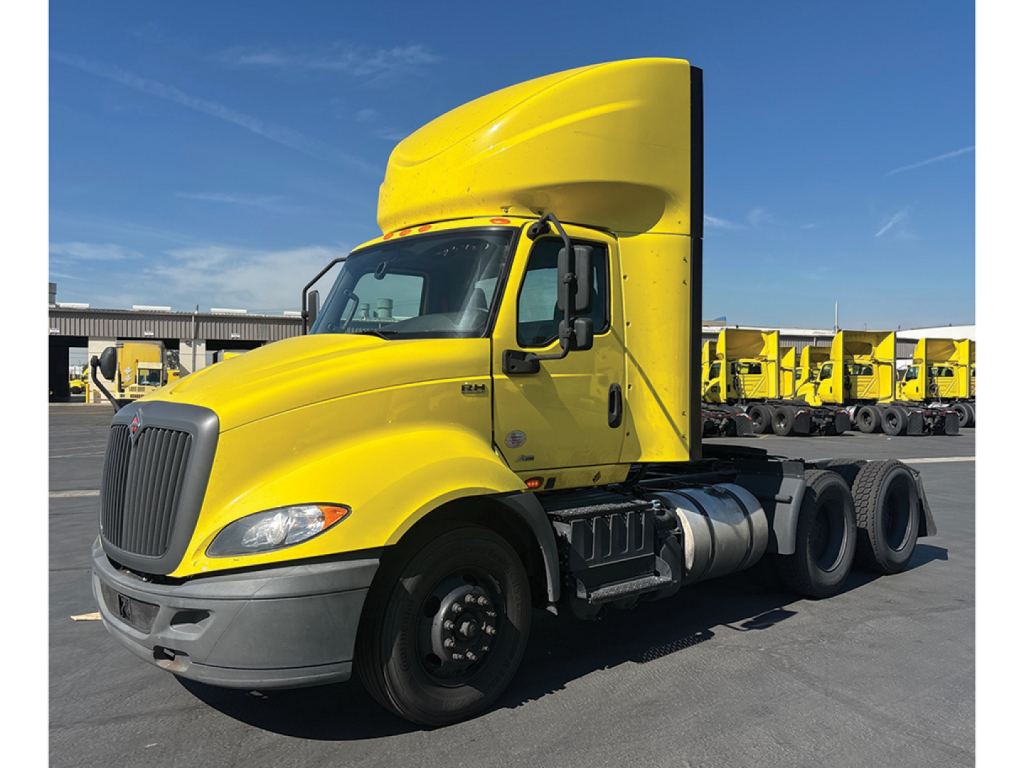
2023 International RH613
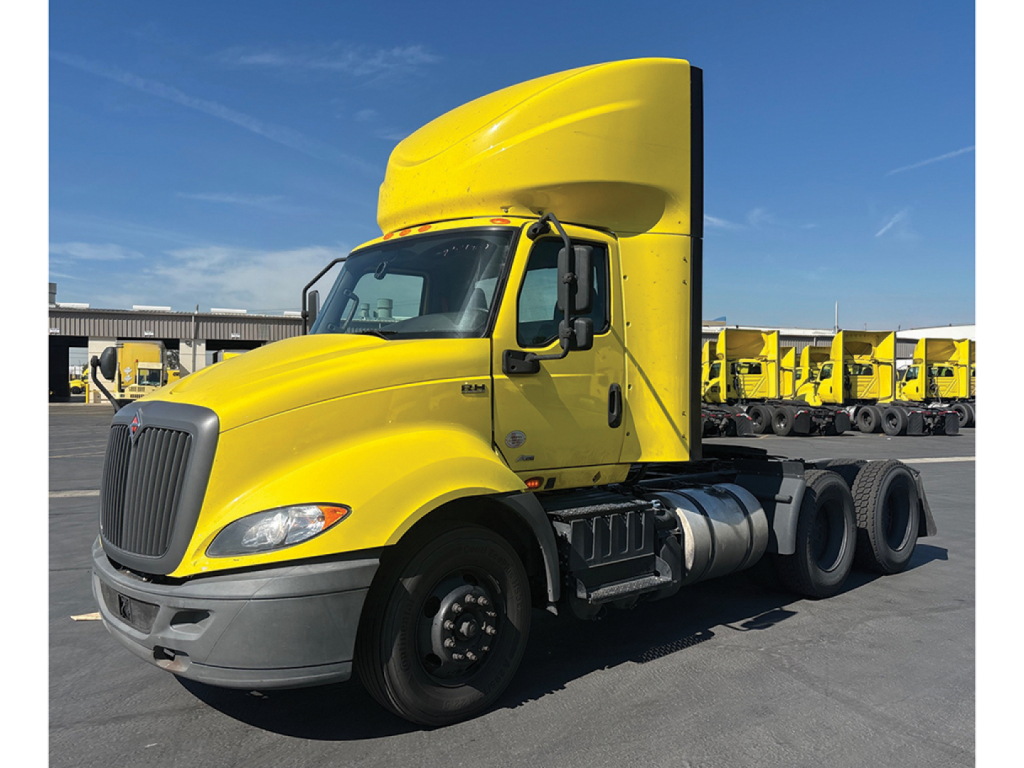
2023 International RH613
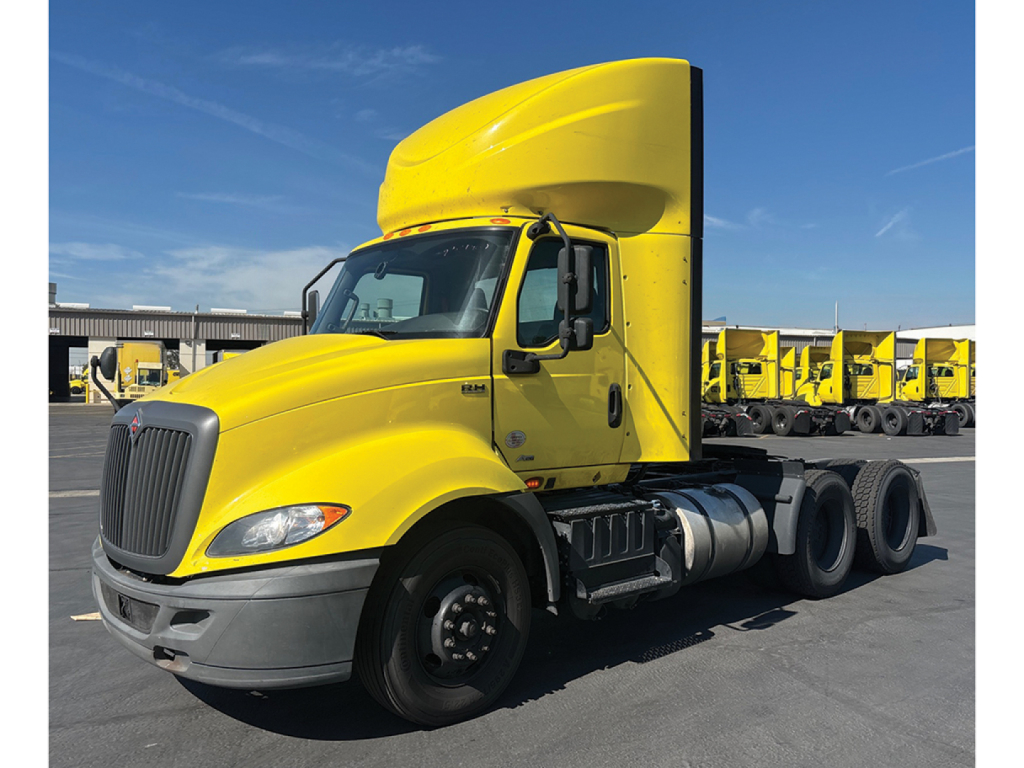
2023 International RH613
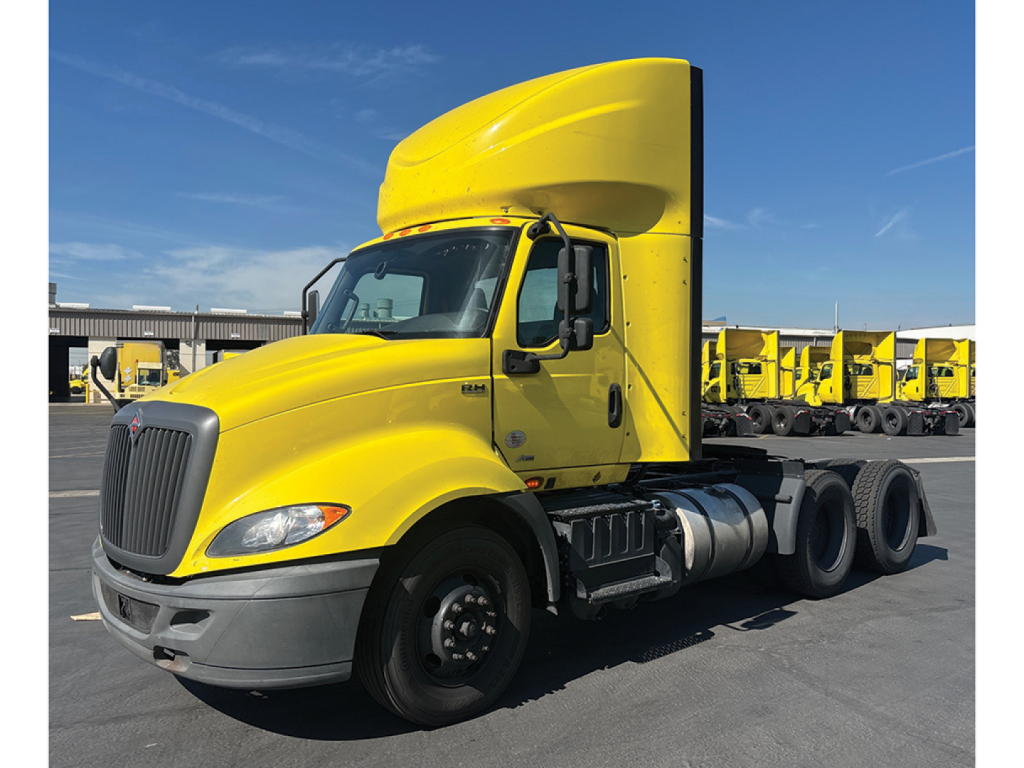
2023 International RH613
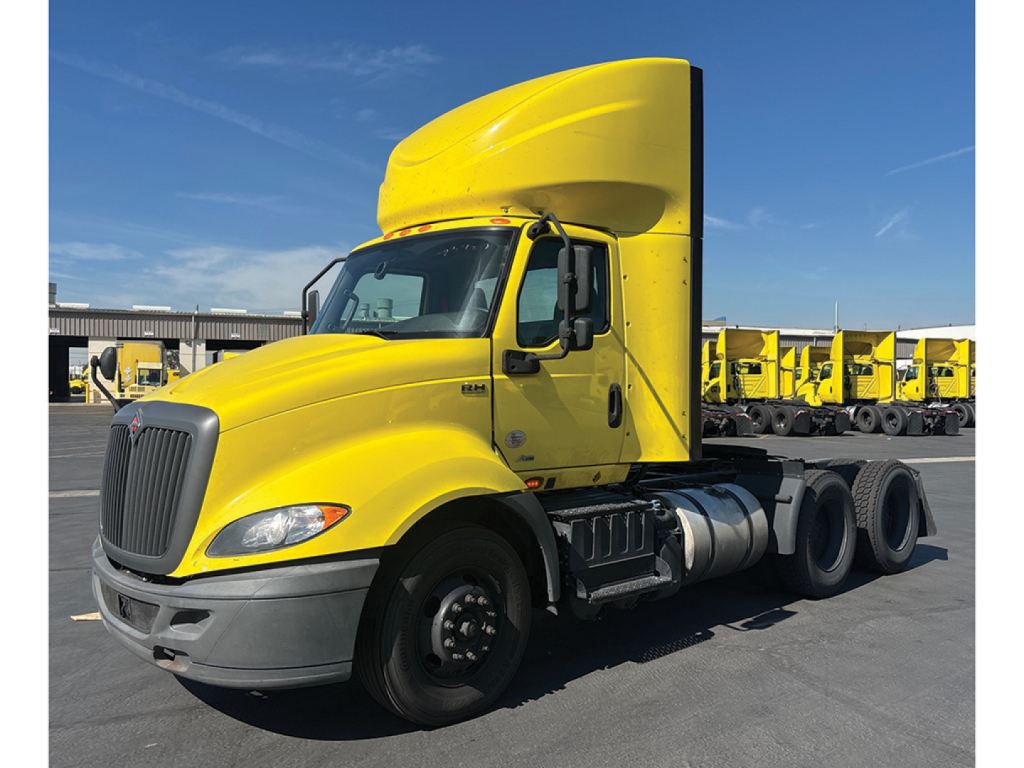
2023 International RH613
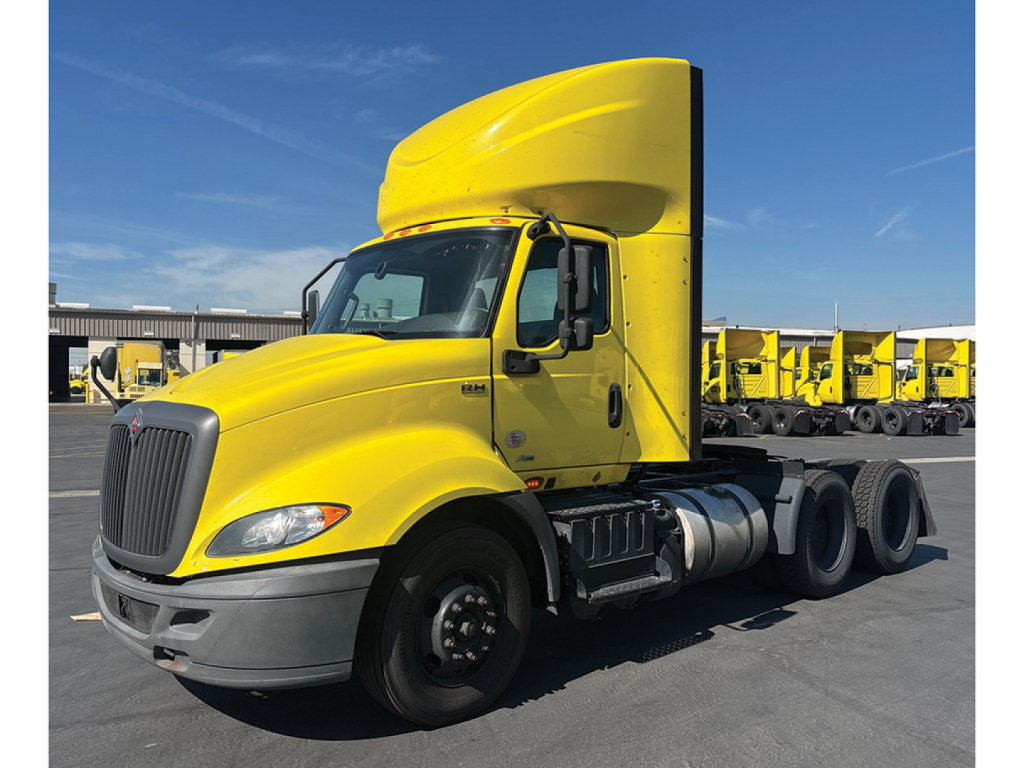
2023 International RH613
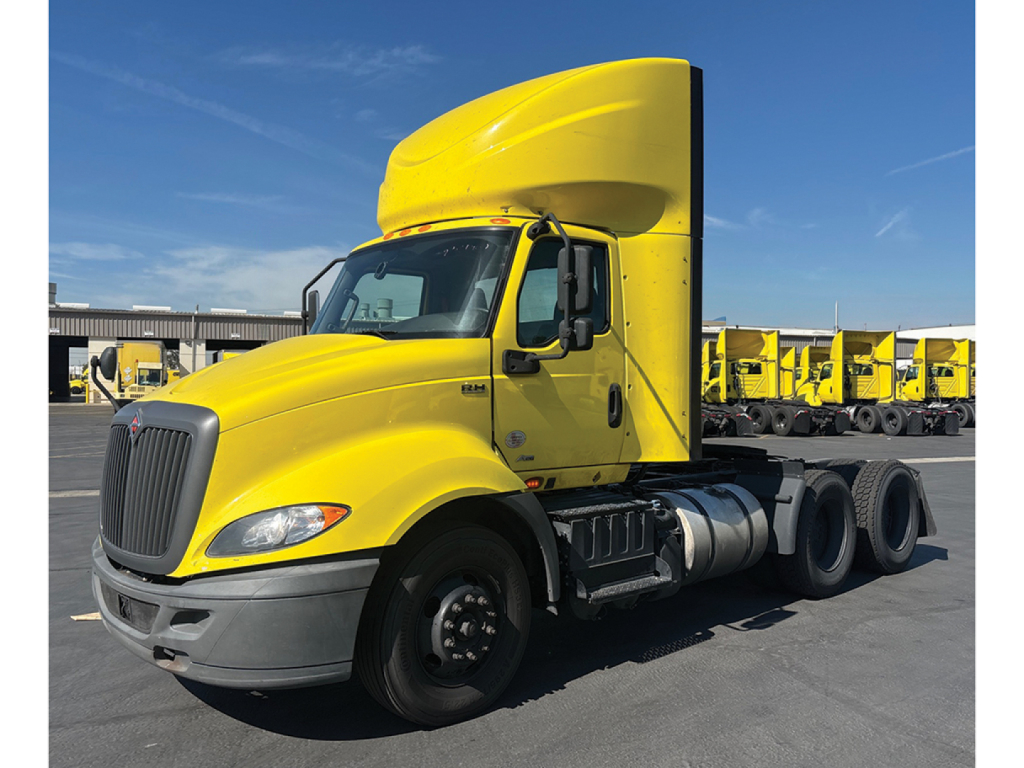
2023 International RH613
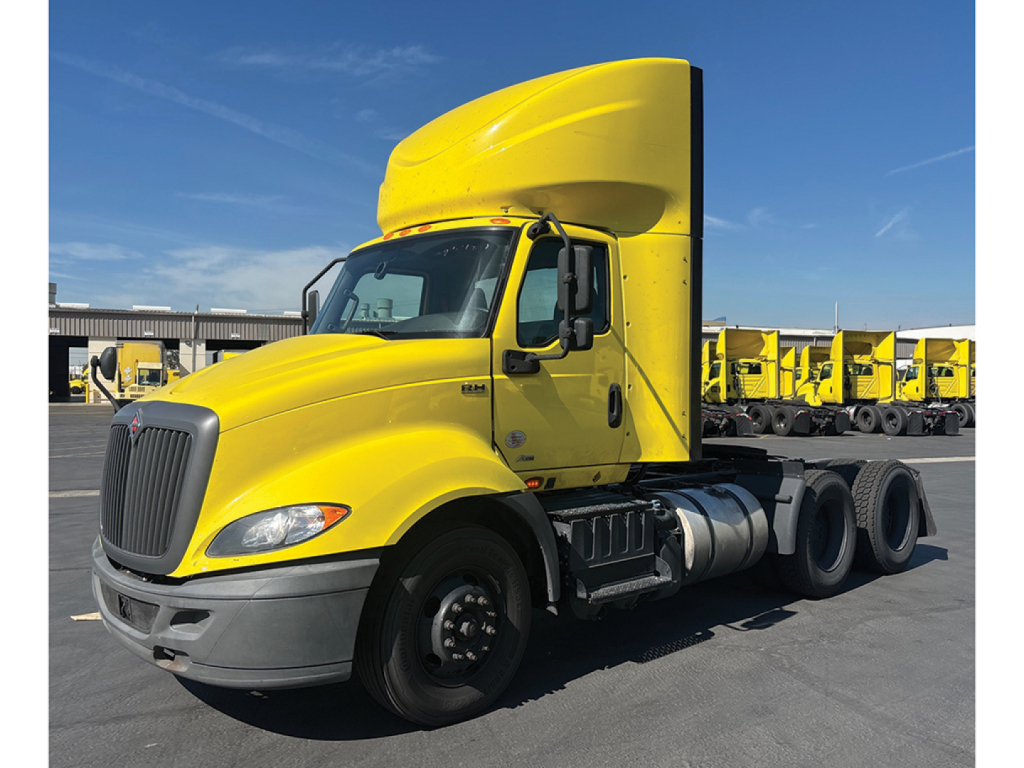
2023 International RH613
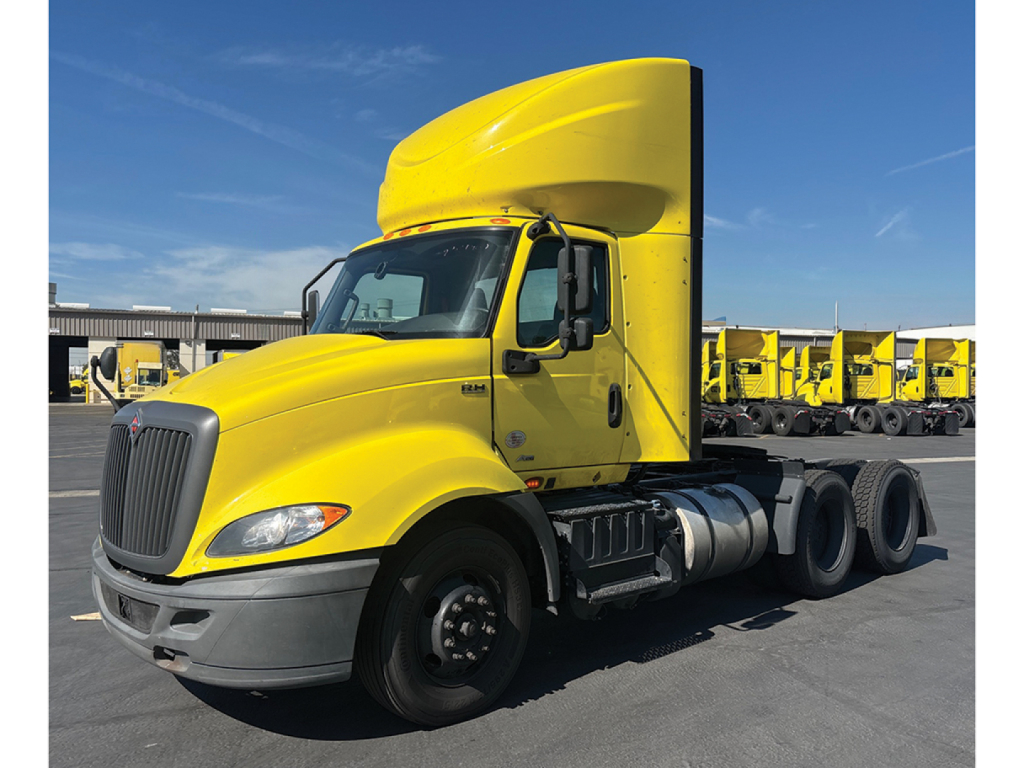
2023 International RH613
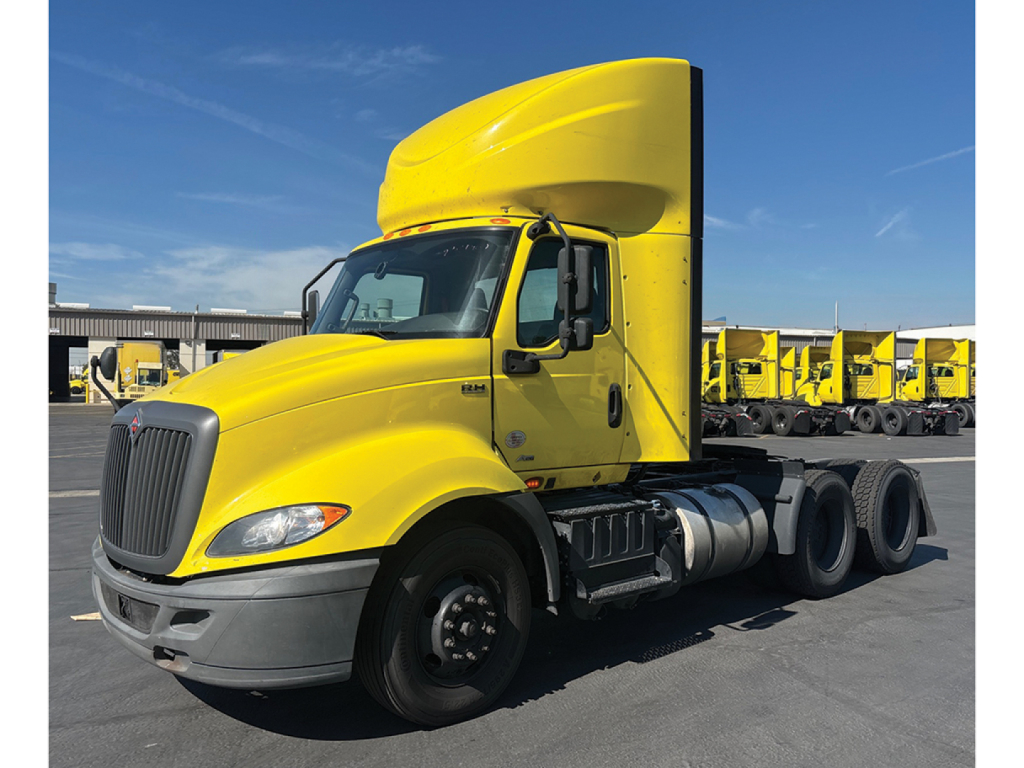
2023 International RH613
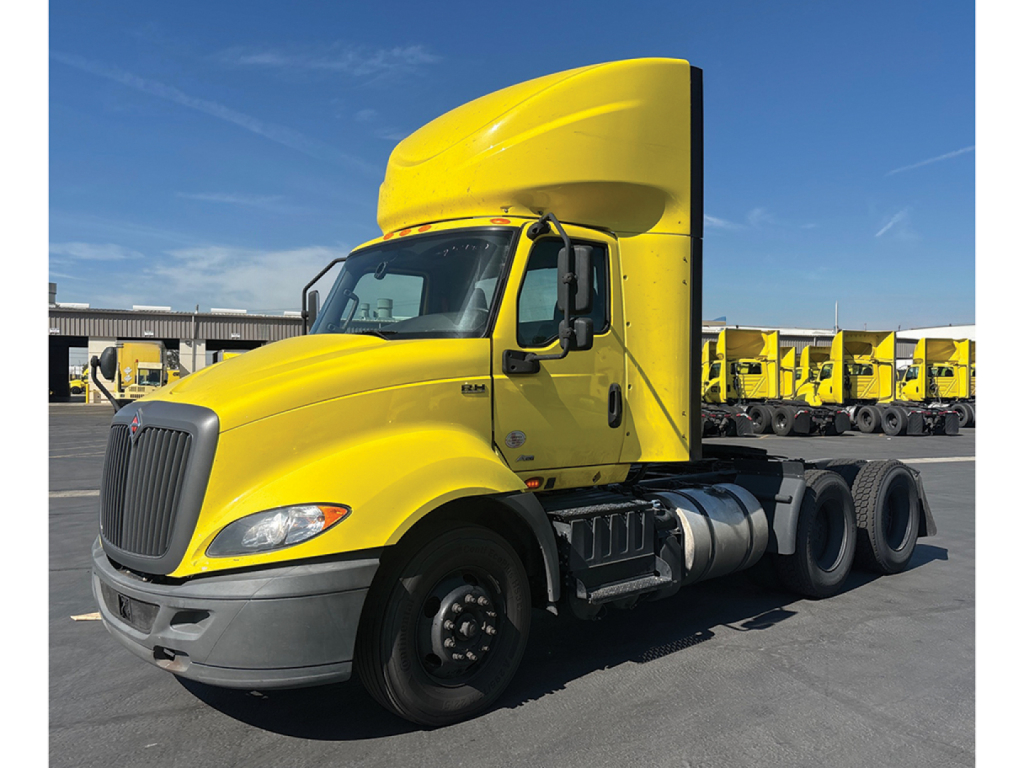
2023 International RH613
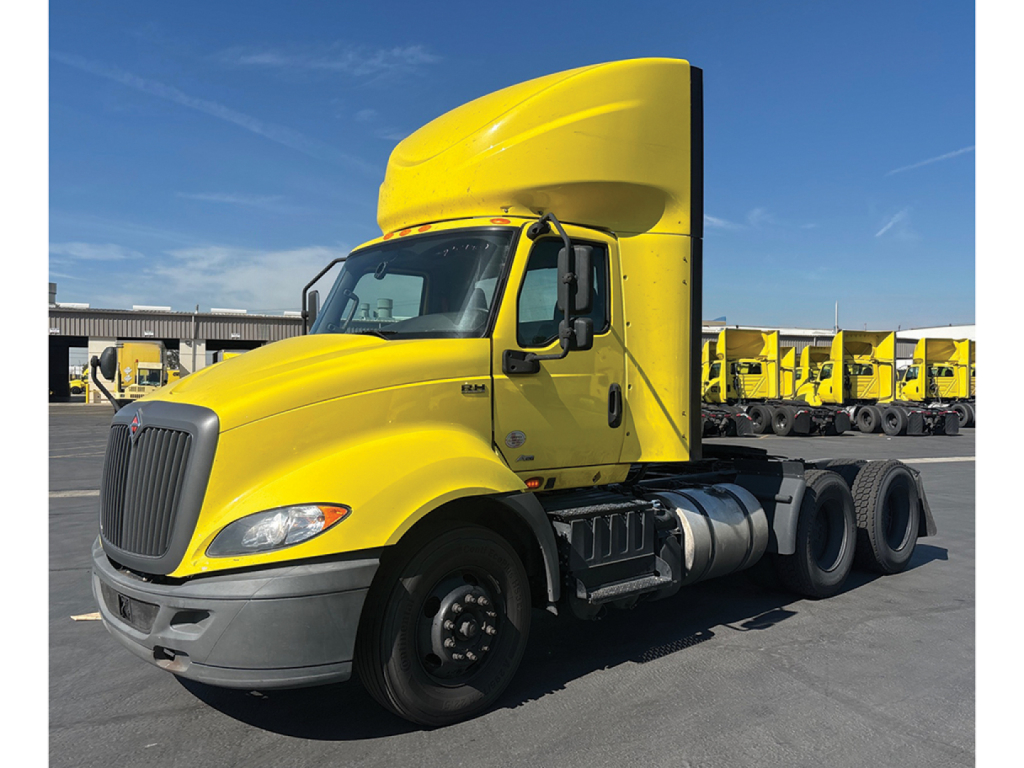
Have 2023 conventional daycab truck to sell? List it here to reach thousands of buyers.
2023 Conventional Daycab Trucks in Nevada
For Nevada operations, heat management, fuel capacity, and driver comfort matter more than buyers sometimes expect. Air conditioning performance, cooling system condition, and underhood service access are important on trucks that spend time in Las Vegas traffic, desert grades, or long regional lanes. Aerodynamic packages such as roof fairings and cab extenders can help fuel economy on highway runs, while horizontal exhaust, low-profile 22.5 tires, and disc wheels are common features on fleet-spec units. Many 2023 daycabs also include collision mitigation, cruise control, power windows, and tilt-telescoping steering columns, which support driver retention and reduce fatigue on repeat routes.
The key buying decision is matching the truck to the trailer and duty cycle. A shorter wheelbase is useful for tight yards, city docks, and port work. A longer wheelbase can improve ride quality and frame space for fuel tanks, battery boxes, and PTO-related equipment. If the truck will pull van, reefer, or dry bulk at highway speed, pay attention to rear axle ratio, top gear strategy, and tire size because those directly affect fuel burn and drivability. If the truck will work in heavier start-stop service, engine brake performance, transmission calibration, and suspension durability deserve a closer look than headline horsepower.
A strong 2023 conventional daycab should also be evaluated like any late-model fleet tractor. Check emissions warranty status, telematics compatibility, brake type, fifth wheel travel, and service history for the engine, transmission, and aftertreatment system. Review the cab for visibility, entry height, seat condition, and switch layout because local and regional drivers get in and out of these trucks all day. For buyers comparing multiple 2023 daycab trucks for sale in Nevada, the best value usually comes from a clean spec with the right wheelbase, axle package, and safety technology for the lanes it will actually run.
Frequently Asked Questions about 2023 Conventional Daycab Trucks in Nevada
What is a conventional daycab truck used for?
A conventional daycab truck is used for freight operations that return the driver home daily or do not require overnight accommodations. Common applications include regional haul, drayage, LTL, tanker, flatbed, dedicated fleet routes, and local distribution. The non-sleeper cab keeps weight down, improves maneuverability, and usually lowers acquisition cost compared with a sleeper tractor.
What specs matter most when buying a 2023 daycab tractor?
The most important specs are wheelbase, engine rating, transmission type, rear axle ratio, rear axle capacity, suspension, and fifth wheel setup. Those items determine turning radius, trailer compatibility, payload support, highway gearing, and driver acceptance. Safety features such as collision mitigation, along with practical items like fuel tank capacity and brake configuration, also matter on a late-model 2023 truck.
Is an automatic or automated transmission better for a daycab?
For many fleets, an automated manual or automatic-style transmission is the preferred choice because it reduces driver fatigue, helps standardize operation across multiple drivers, and can improve clutch life in stop-and-go service. A manual transmission may still appeal to buyers with experienced drivers, specific vocational needs, or shop familiarity with manual driveline service. The better choice depends on route density, driver pool, and maintenance strategy.
How does wheelbase affect a conventional daycab truck?
Wheelbase affects turning radius, ride quality, bridge law considerations, and available frame space for tanks, batteries, PTO equipment, or other components. A shorter wheelbase is often better for urban freight and tight terminals. A longer wheelbase can be better for smoother highway ride and for applications that need more component space or specific trailer clearances.
What should buyers inspect on a used 2023 conventional daycab in Nevada?
Buyers should inspect the cooling system, air conditioning performance, tire wear, brake condition, aftertreatment history, and any signs of excessive idle time or harsh duty cycles. In Nevada, heat exposure can make cooling efficiency and cab climate control especially important. It is also smart to confirm software updates, fault code history, safety system operation, and documented service records before putting the truck into fleet service.