
2023 International Conventional Daycab Trucks For Sale
Shop 2023 International conventional daycab trucks with specs, axle ratings, wheelbases, and drivetrain options for regional and local hauling.
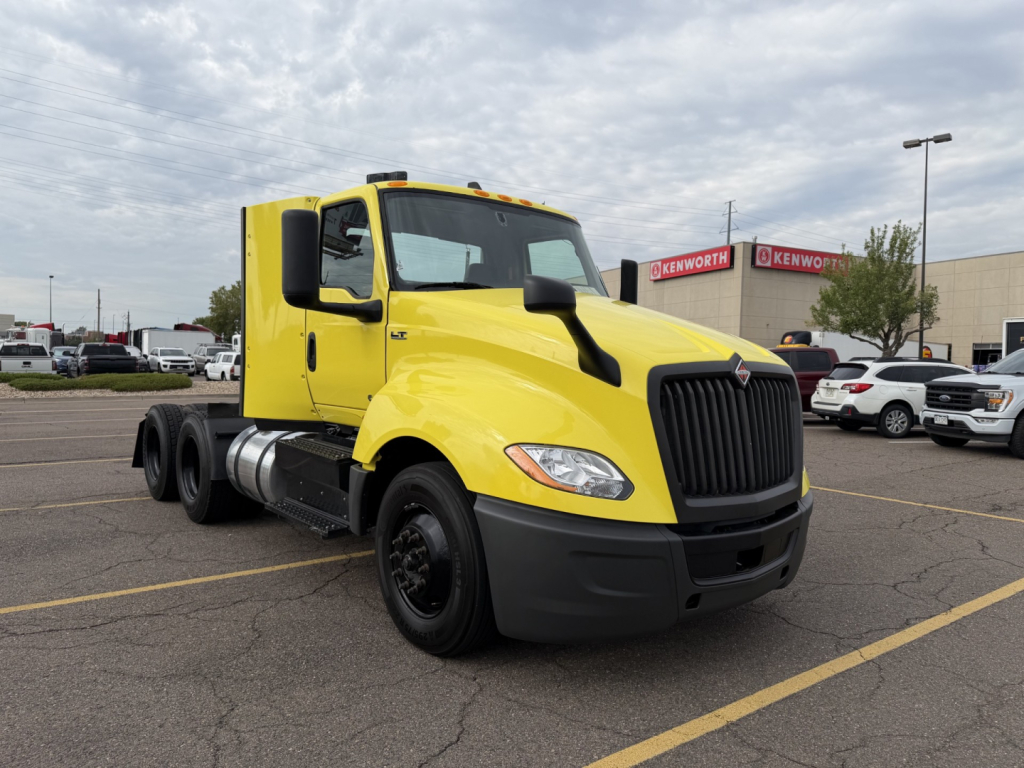
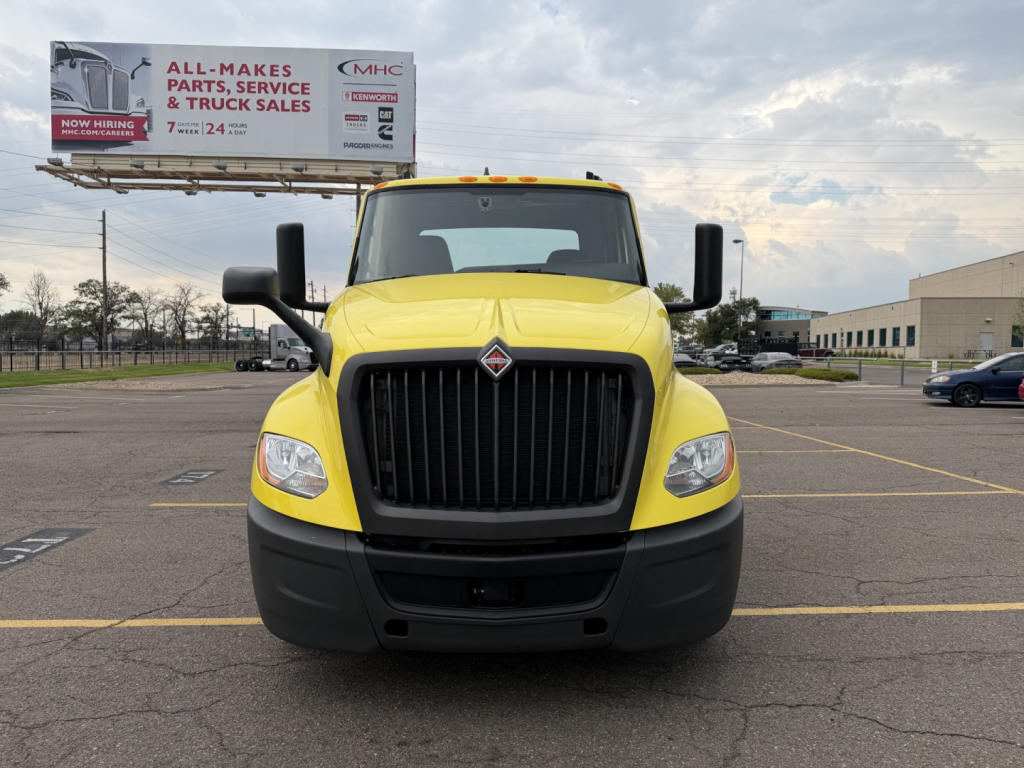
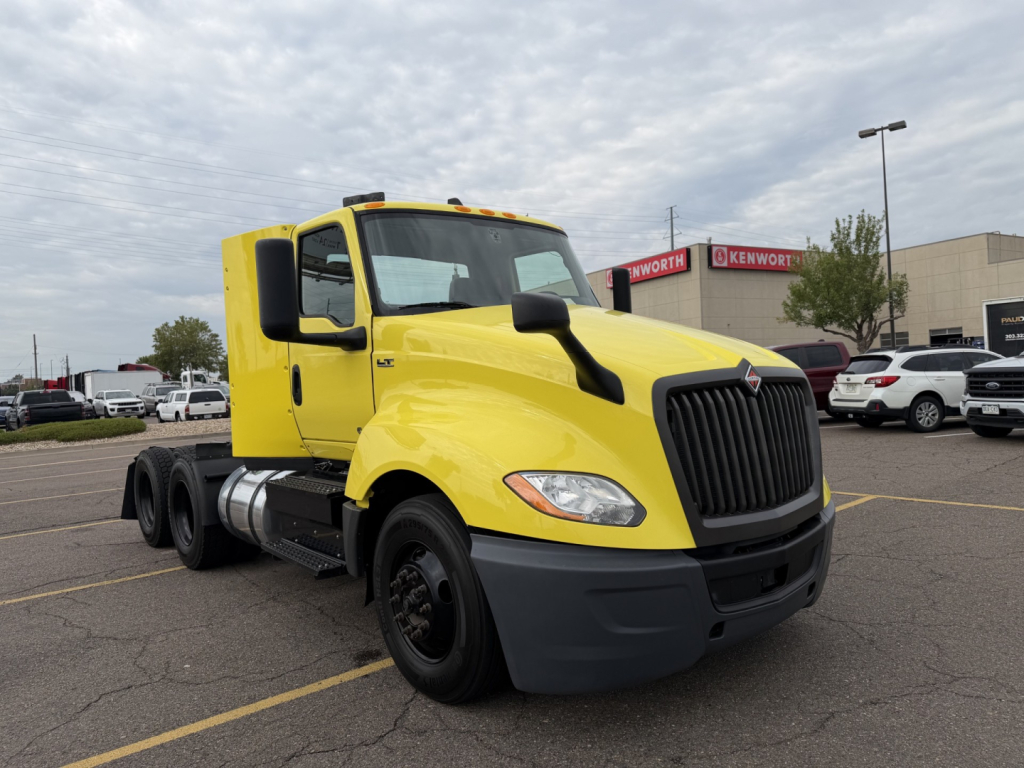
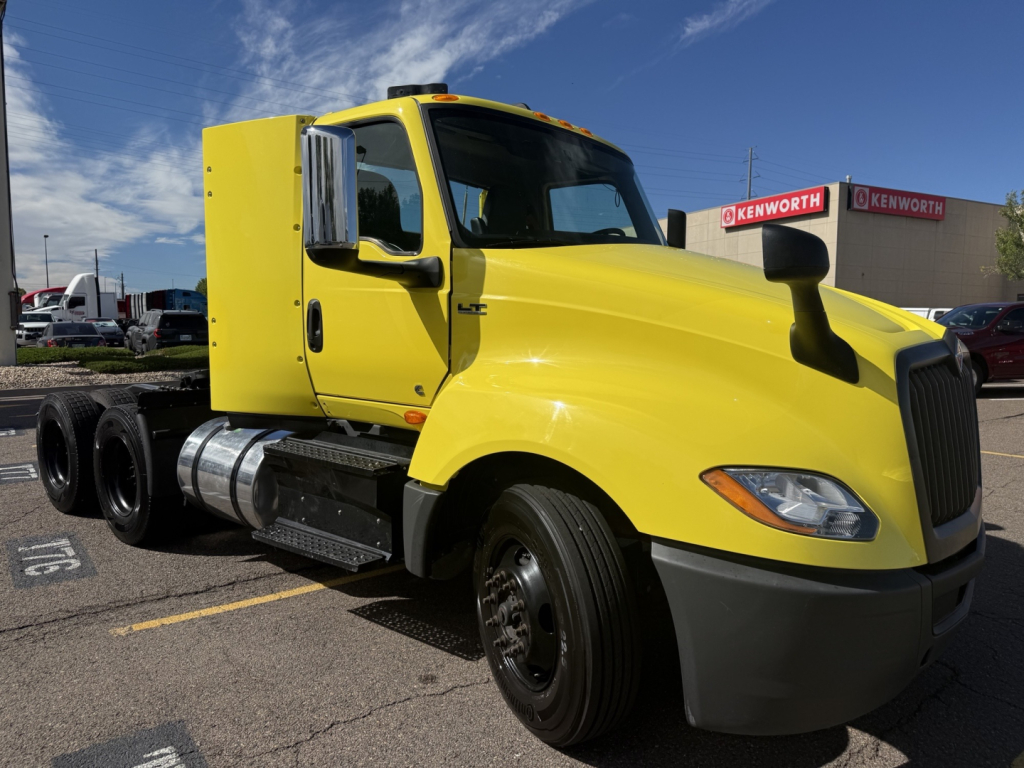
Selling a 2023 international conventional daycab truck? List your 2023 international conventional daycab truck for sale and reach thousands of commercial buyers.
2023 International Conventional Daycab Trucks
Powertrain choice is a major part of the buying decision. Many 2023 International daycabs are spec'd with 11 to 15 liter diesel engines, often paired with automated manual transmissions, though some fleets still prefer manual gearboxes for specific vocational or regional applications. Common horsepower ratings for this class typically land in the high-300 to mid-400 HP range, with torque selected to match gross combination weight and terrain. Rear axle ratios such as 3.08, 3.25, 3.36, or 3.55 are worth close attention because they affect launch feel, cruise RPM, and fuel economy. A buyer running short regional hops with frequent stops may value a different ratio than one covering steady highway miles with van or reefer trailers.
Chassis spec matters just as much as the engine badge. Conventional daycab trucks in this category are often built with front axles around 12,000 to 12,350 pounds and tandem rears in the 40,000 pound range, with air ride suspension and an air slide fifth wheel being common fleet choices. Wheelbase and cab-to-axle dimensions should be matched to trailer swing clearance, weight distribution, and loading dock constraints. Aluminum wheels, disc or drum brake setups, collision mitigation systems, and dual fuel tank capacity can all shift the truck’s operating cost and driver acceptance over time. If the truck will see urban service, visibility, bumper-to-back-of-cab measurement, and tighter turning radius may matter more than maximum fuel capacity.
For a 2023 model, emissions equipment, safety technology, and electronic integration deserve a careful review. Buyers should confirm the status of the aftertreatment system, engine brake performance, ADAS features, and telematics compatibility with the fleet’s maintenance and dispatch platforms. Cab condition still matters on a newer daycab because ingress-egress wear, seat durability, switchgear, and HVAC performance directly affect driver retention on multi-stop routes. A well-matched 2023 International conventional daycab should deliver a balance of fuel economy, payload-friendly spec, and dependable regional service without carrying the extra weight and length of a sleeper tractor.
Frequently Asked Questions about 2023 International Conventional Daycab Trucks
What is a conventional daycab truck used for?
A conventional daycab truck is primarily used for regional hauling, local freight, drayage, dedicated fleet routes, and other operations where the driver returns home or to a terminal without needing a sleeper berth. The shorter overall tractor length improves maneuverability in yards, city streets, and crowded docks, while still allowing the truck to handle standard semi-trailers and typical over-the-road duties within a shorter operating cycle.
What specs matter most when buying a 2023 International conventional daycab?
The most important specs are axle ratings, wheelbase, cab-to-axle measurement, engine rating, transmission type, rear axle ratio, suspension, and fifth wheel configuration. These details determine trailer compatibility, turning radius, legal weight distribution, and fuel economy. On a 2023 truck, buyers should also look closely at emissions system history, collision mitigation features, and electronic integration because those systems affect uptime and long-term operating cost.
Are International daycab trucks good for regional fleet work?
International daycab trucks are commonly chosen for regional fleet work because they are typically spec'd for fuel-efficient highway operation, easy driver entry and exit, and practical maintenance access. Their chassis can be configured for van, reefer, flatbed, tanker, and port applications, depending on axle layout and wheelbase. Fleet buyers often like them for standardized parts support, straightforward cab ergonomics, and compatibility with modern safety and telematics systems.
What engine and transmission setups are common in this category?
In the conventional daycab category, common engine sizes usually range from 11 to 15 liters, with horsepower often falling between about 390 and 450 HP depending on application. Many newer trucks use automated manual transmissions to improve fuel consistency and reduce driver fatigue, although some are still equipped with manual transmissions. The best setup depends on load weight, terrain, start-stop frequency, and whether the truck is pulling mostly highway freight or working in tighter urban service.
How does wheelbase affect a daycab tractor?
Wheelbase has a direct effect on turning radius, ride quality, trailer gap, weight distribution, and how the truck fits into docks or tight customer sites. A shorter wheelbase is usually better for city and yard maneuvering, while a longer wheelbase can help with ride stability, fuel tank capacity, and certain axle placement needs. Buyers should compare wheelbase with fifth wheel travel, trailer type, and state bridge law requirements before choosing a spec.