
2025 Conventional Daycab Trucks For Sale
Shop 2025 conventional daycab trucks built for regional haul, local delivery, port work, and vocational spec applications.
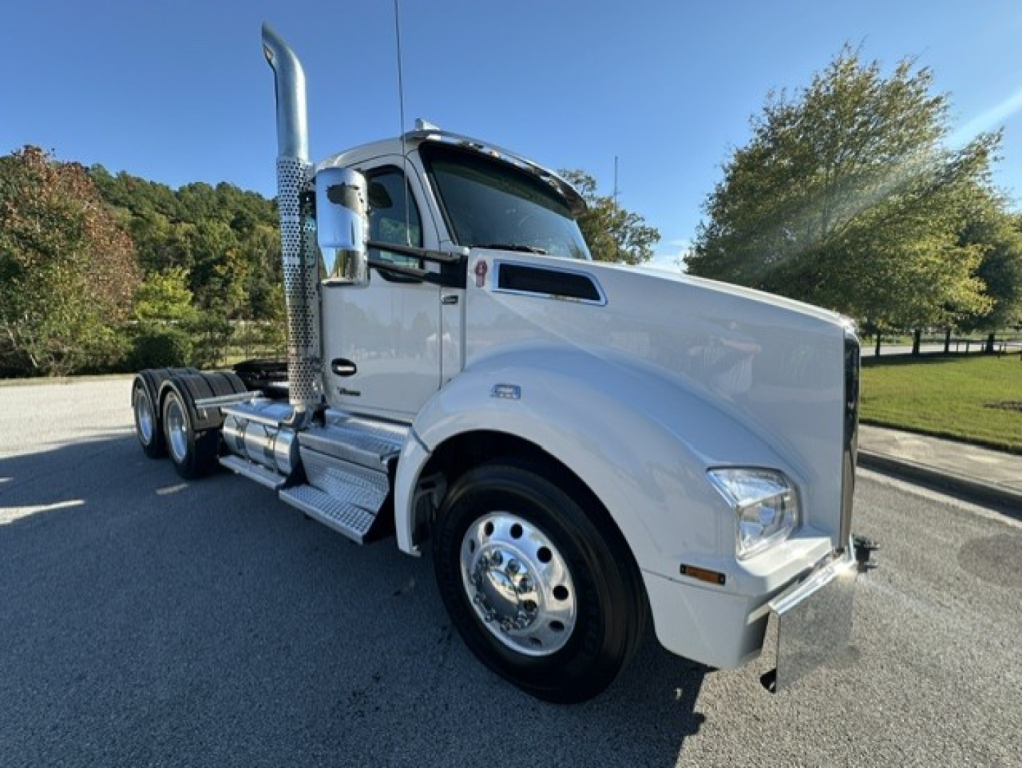
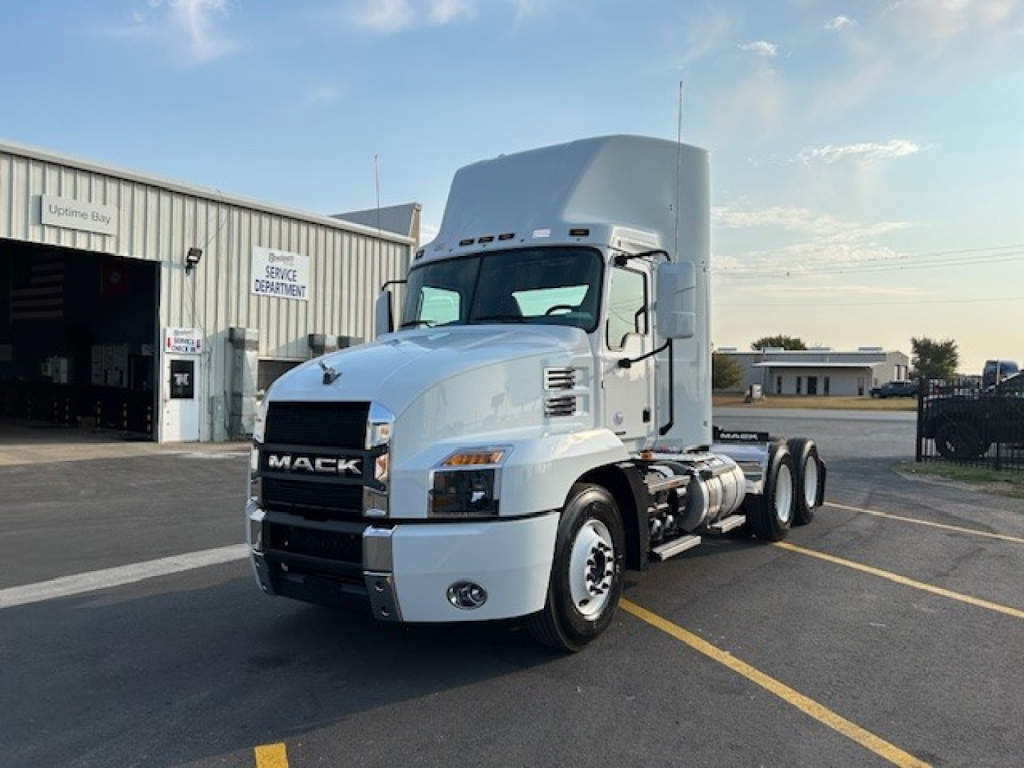
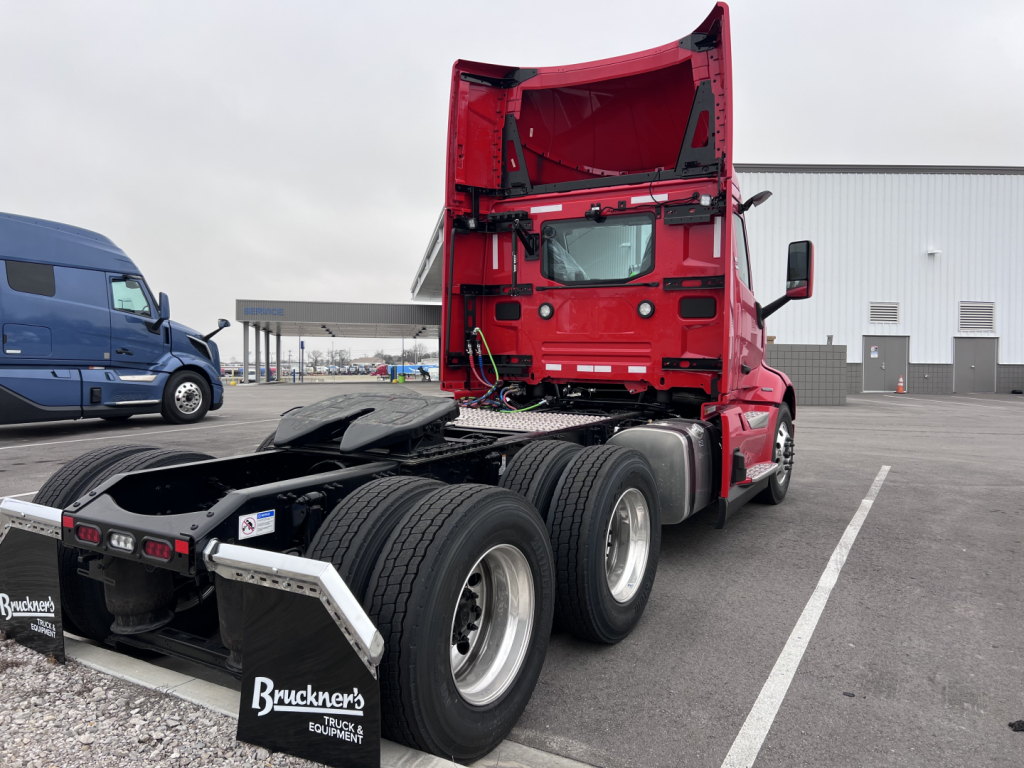
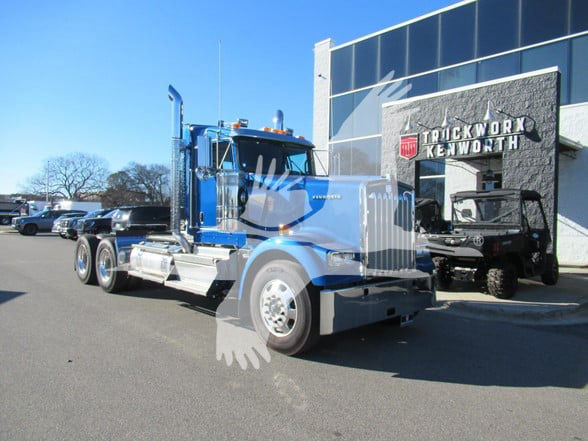
Selling a 2025 conventional daycab truck? List your 2025 conventional daycab truck for sale and reach thousands of commercial buyers.
2025 Conventional Daycab Trucks
The biggest spec decisions usually start with powertrain and axle ratio. In this class, late-model conventional daycabs are commonly ordered with diesel engines in the 350 to 500 horsepower range, paired with automated manual or manual transmissions and rear axle ratios tuned for either fuel economy or stop-and-go pulling power. A 4x2 daycab can make sense for lighter regional lanes and fuel savings, while a 6x4 remains common for heavier gross weights, mixed terrain, and tougher yard conditions. Buyers comparing listings should pay close attention to front axle capacity, rear axle rating, suspension type, wheelbase, and whether the truck has a sliding or fixed fifth wheel. If the truck is intended for tanker or flatbed work, engine brake performance, PTO provision, and frame layout matter as much as horsepower.
Cab and chassis details have a direct effect on uptime and driver acceptance. Air ride seats, good visibility, tight turning radius, and easy cab access matter on multi-stop routes where drivers get in and out all day. Air disc brakes are increasingly attractive for regional and local fleets because of stopping consistency and service advantages, while drum brakes still remain common and familiar in many operations. Tire size, low-profile rubber, fuel tank placement, fairings, and DEF system packaging can all affect serviceability and route fit. On newer trucks, buyers also look closely at collision mitigation, adaptive cruise, lane departure alerts, telematics integration, and idle management features because those systems influence insurance, training, and total operating cost.
For a 2025 conventional daycab, the best value is not just the newest truck with the highest trim level. It is the truck whose wheelbase, axle spec, engine rating, and cab configuration match the freight and duty cycle. A short wheelbase tractor may be ideal for city delivery and port turns, while a longer wheelbase setup may better suit tanker stability or specialized body installations. If the truck will see frequent trailer swaps, check fifth wheel travel, kingpin setting compatibility, and frame space for add-ons such as wet kits, lift axles, or toolboxes. A properly spec'd conventional daycab truck can deliver lower empty weight, better maneuverability, easier maintenance access, and strong resale appeal in regional and local operations.
Frequently Asked Questions about 2025 Conventional Daycab Trucks
What is a conventional daycab truck used for?
A conventional daycab truck is used for local and regional hauling where the driver does not need a sleeper berth. Common applications include port drayage, LTL and P&D routes, tanker work, flatbed hauling, refuse transfer, and terminal-to-terminal freight. The layout is popular because it improves maneuverability, reduces tare weight compared with a sleeper tractor, and usually makes loading yards, city streets, and tight customer sites easier to handle.
What should I look for when buying a 2025 conventional daycab?
Start with the job before the badge. Buyers should match horsepower, transmission type, axle ratio, wheelbase, and suspension to the intended route and gross combination weight. A truck used for heavy regional pulling needs a different rear ratio and axle package than a local yard tractor or city delivery spec. It is also smart to review brake type, fifth wheel setup, fuel capacity, cab-to-axle measurement, and any provisions for PTO, hydraulics, or body installation if the truck will support a specialty application.
Is a 4x2 or 6x4 better for a conventional daycab?
A 4x2 conventional daycab can be a strong choice for lighter payloads, lower rolling resistance, and fuel-conscious regional lanes. A 6x4 is generally better for heavier gross weights, rougher surfaces, mixed weather, and applications where traction and durability matter more than weight savings. The better choice depends on commodity, terrain, bridge formula requirements, and how often the truck operates at or near maximum legal or vocational weight.
Are automated manual transmissions common in 2025 daycab trucks?
Yes. Automated manual transmissions are now common in conventional daycab trucks because they help with driver onboarding, shift consistency, and fuel economy. They are especially useful in stop-and-go regional and urban work where repeated clutching can fatigue drivers. Some buyers still prefer manual transmissions for specific vocational uses or fleet standardization, but AMTs have become the mainstream spec in many daycab applications.
Why does wheelbase matter on a conventional daycab?
Wheelbase affects turning radius, ride quality, frame space, weight distribution, and trailer compatibility. A shorter wheelbase is typically better in ports, city streets, and crowded terminals where maneuverability is the priority. A longer wheelbase may be preferred for stability, larger fuel capacity, body equipment, or room for wetline components and other chassis-mounted accessories. Buyers should also confirm cab-to-axle and fifth wheel location so the truck matches trailer swing clearance and kingpin settings.