
2012 Conventional Daycab Trucks For Sale
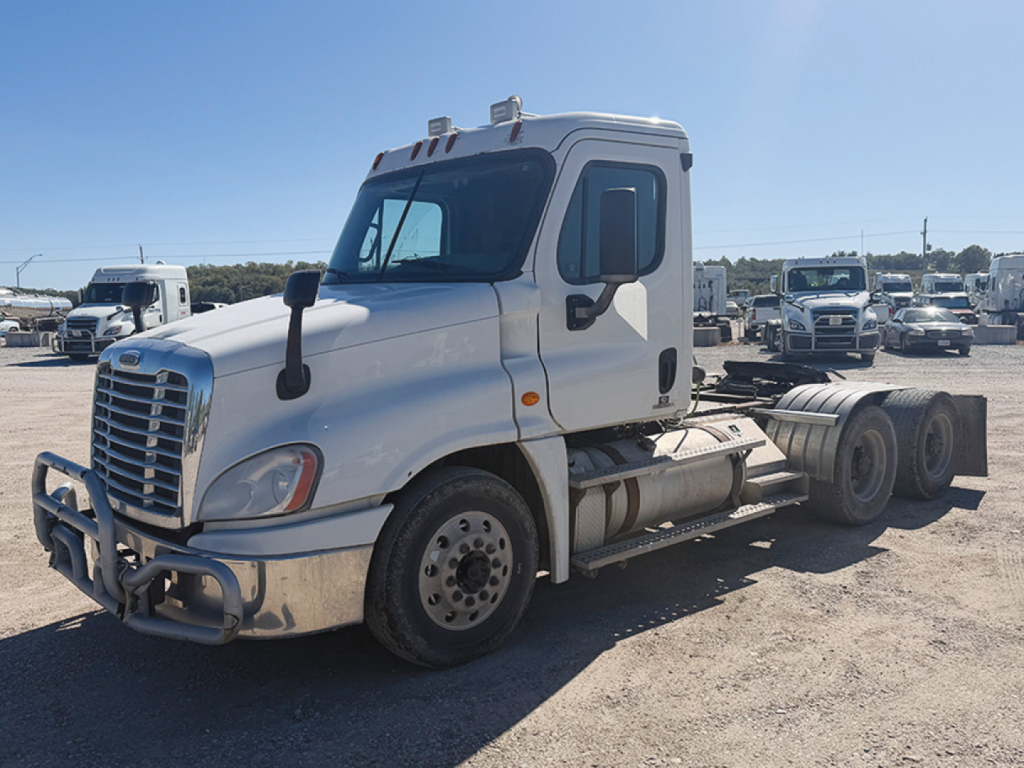
Shop 2012 conventional daycab trucks with specs for local and regional haul, including engine, axle, wheelbase, and transmission considerations.
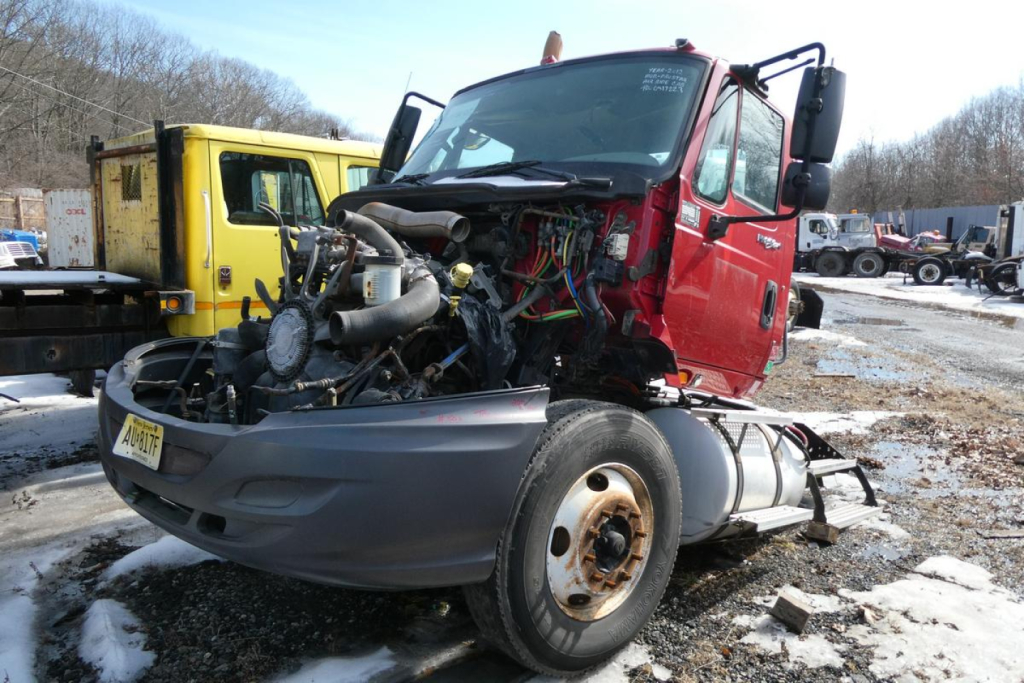
2012 International PROSTAR
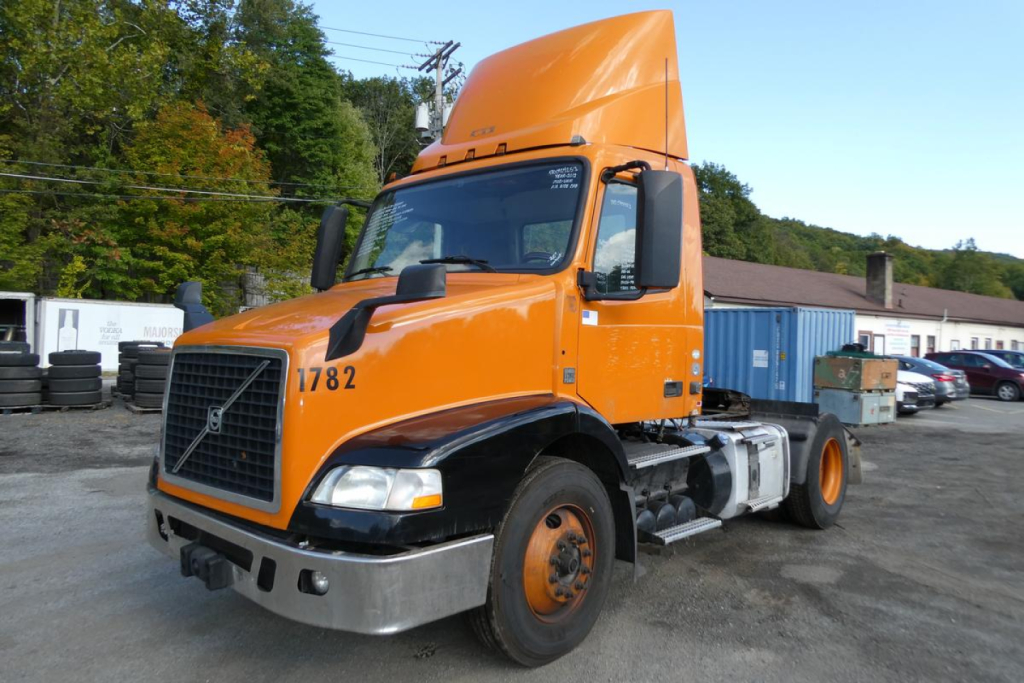
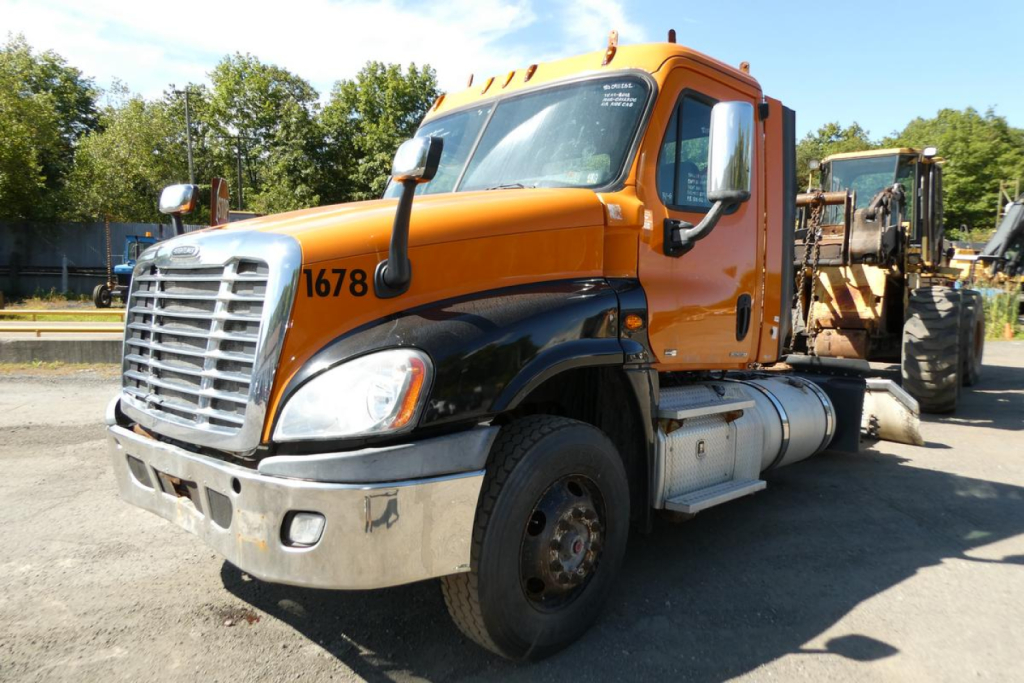
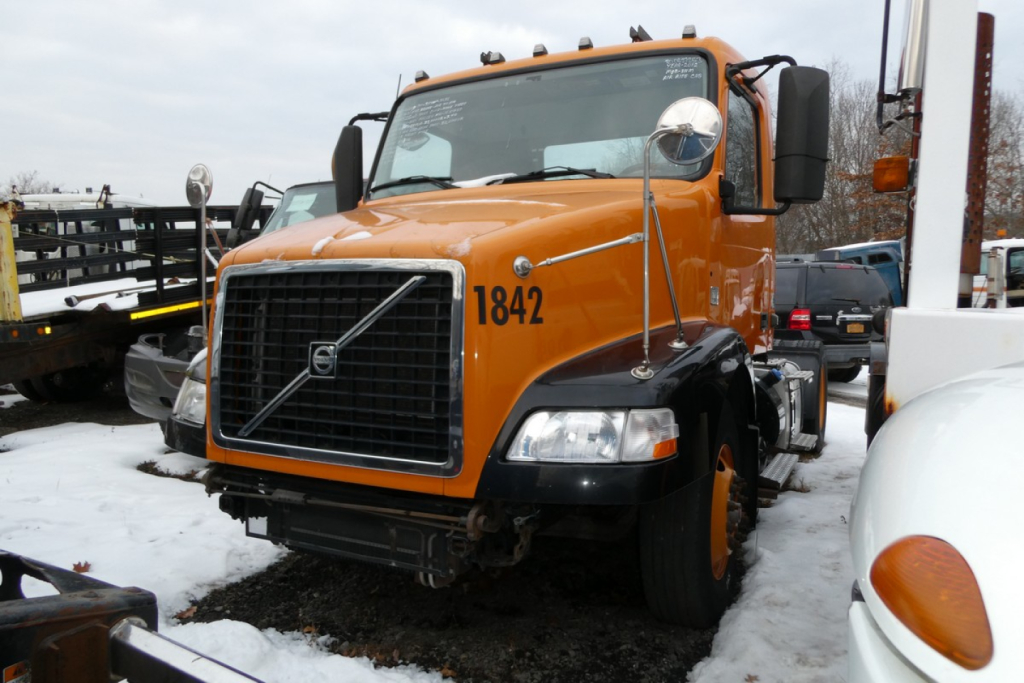
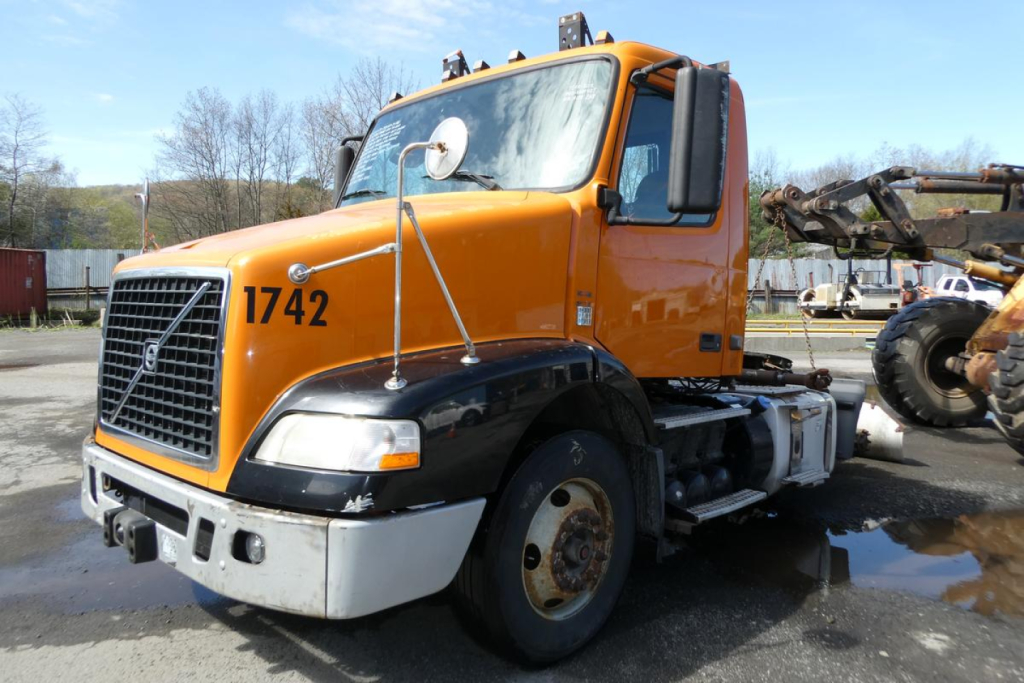
2012 Volvo VNM42T
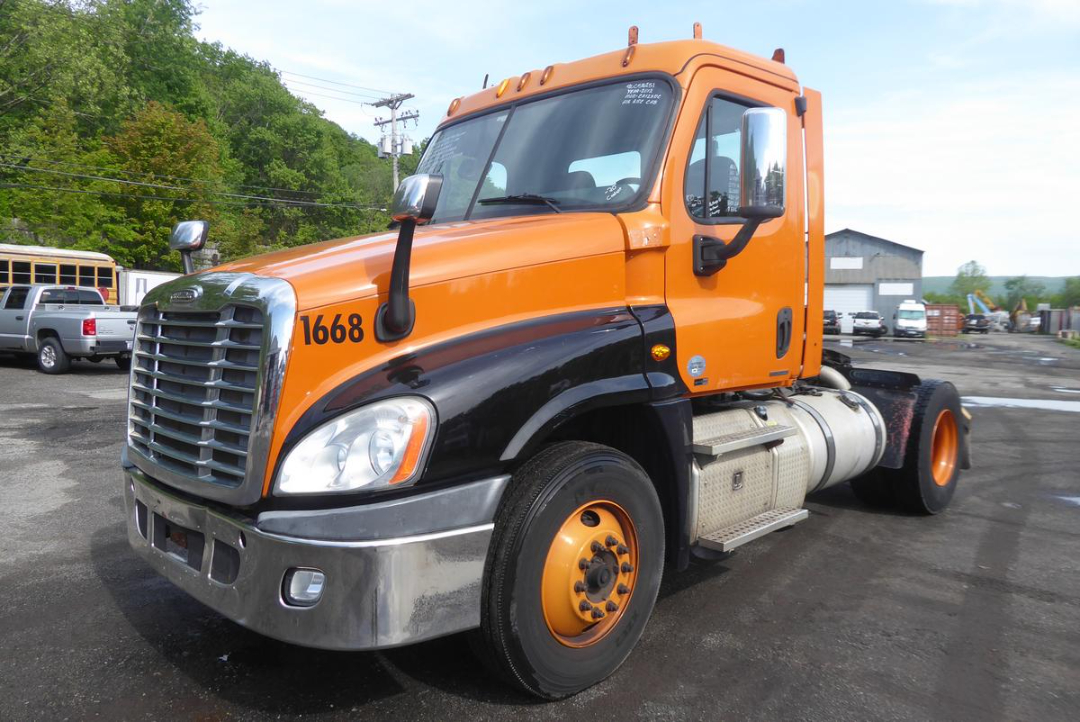
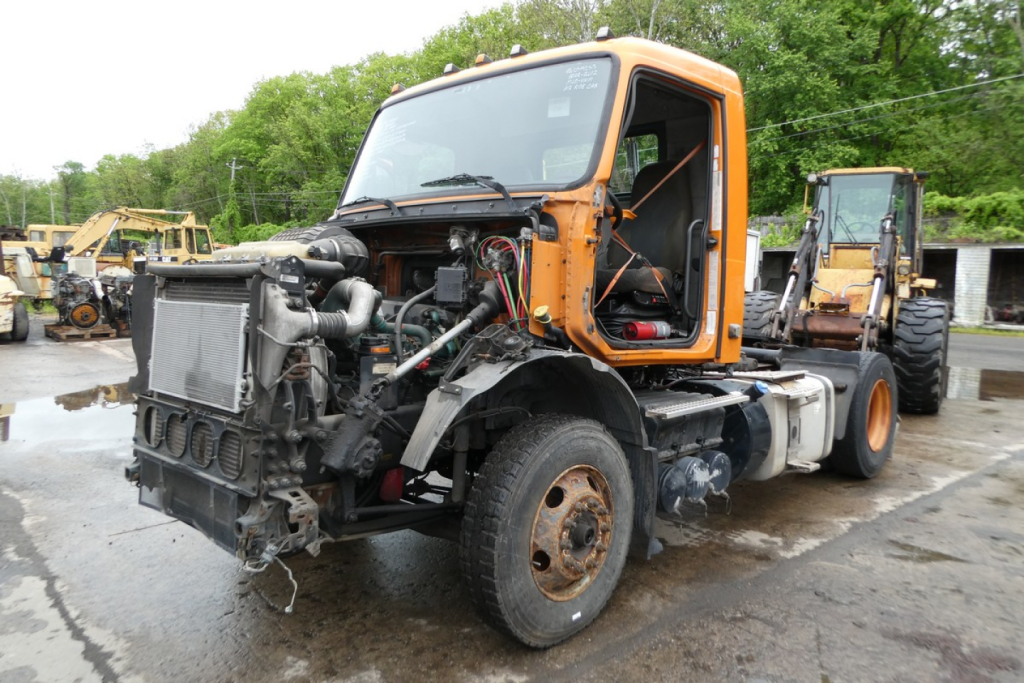
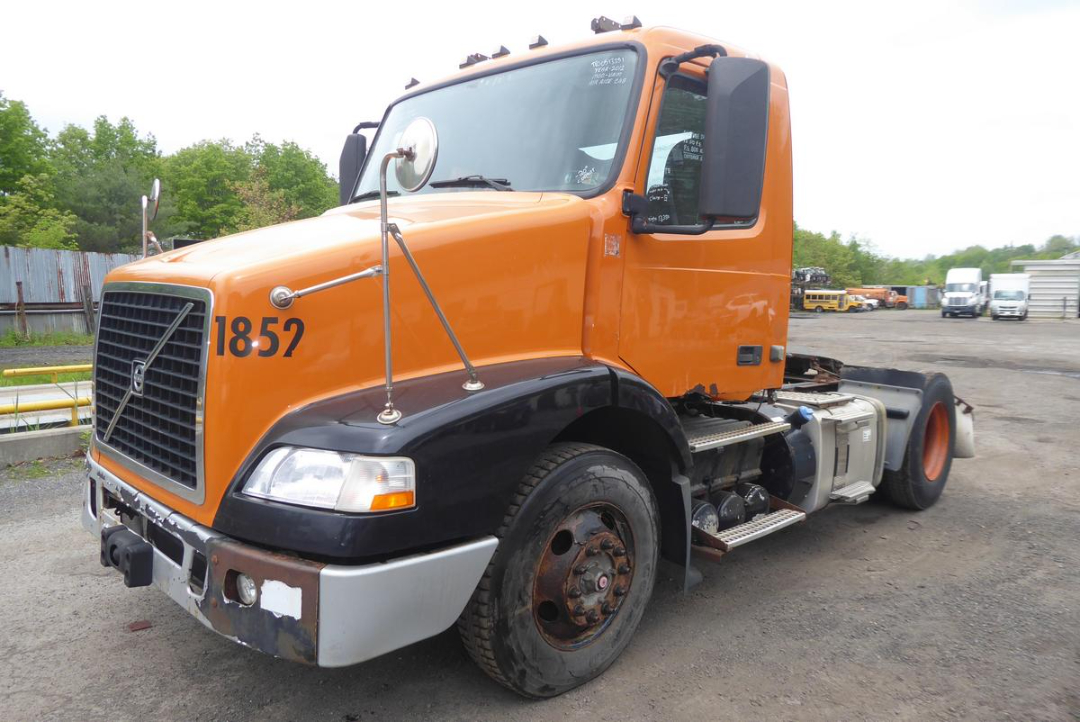
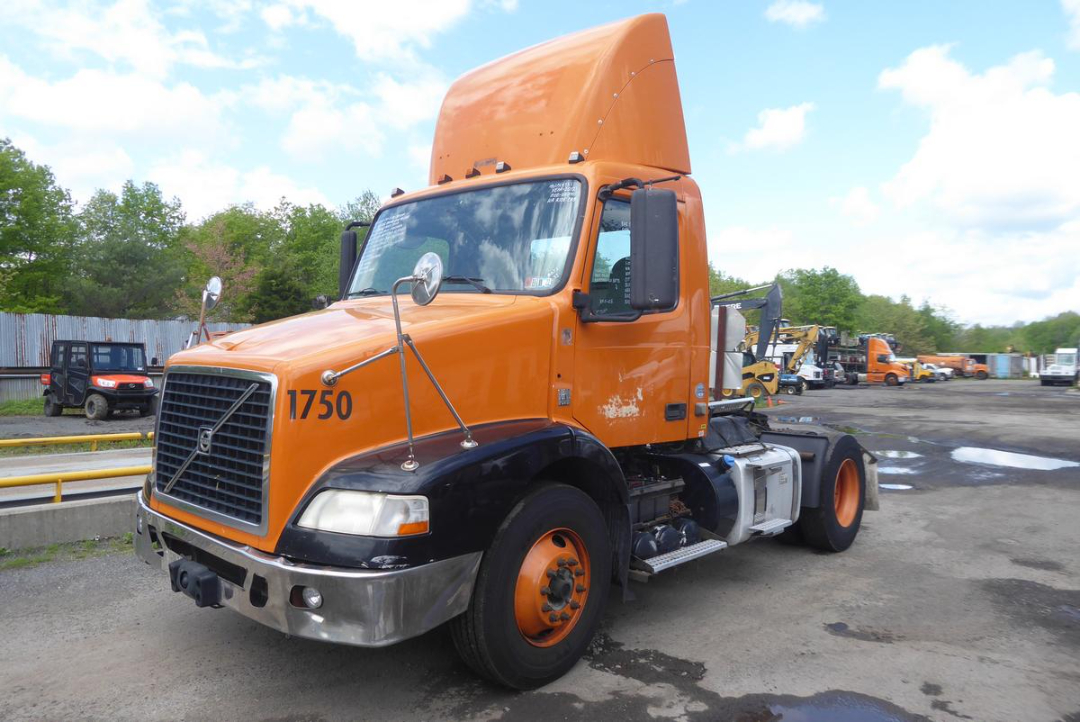
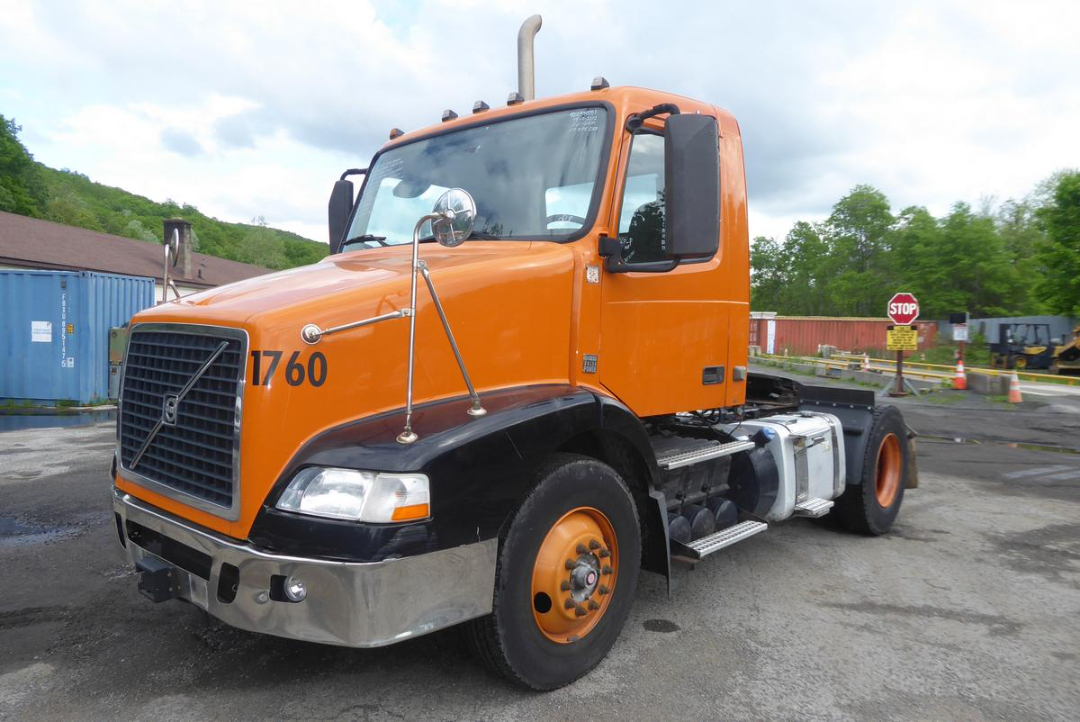
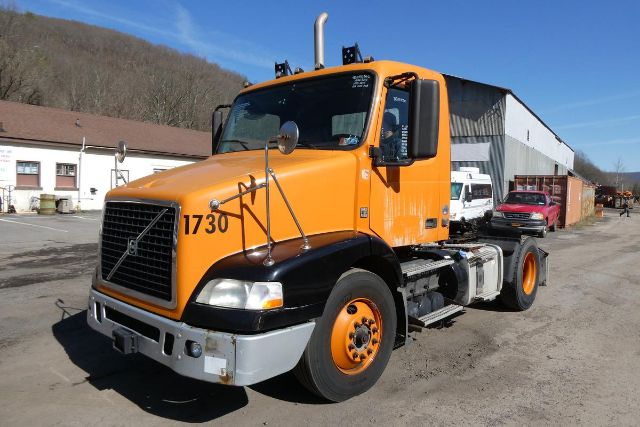
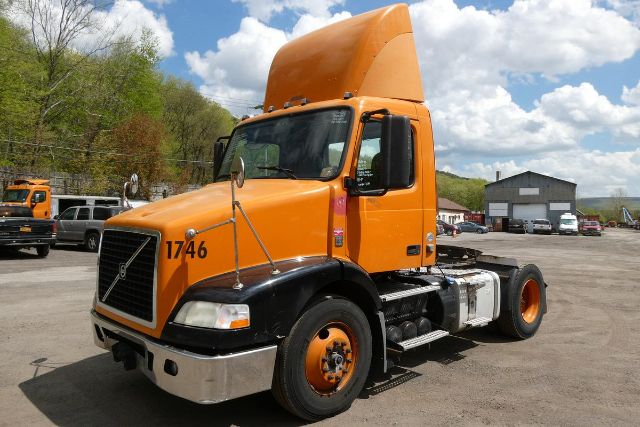
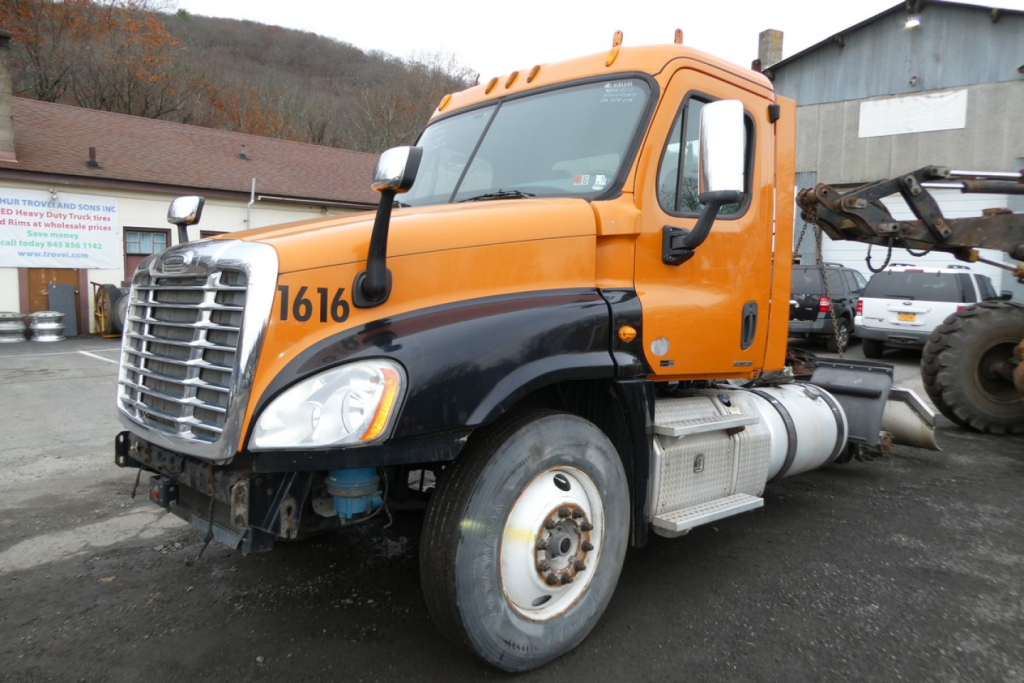
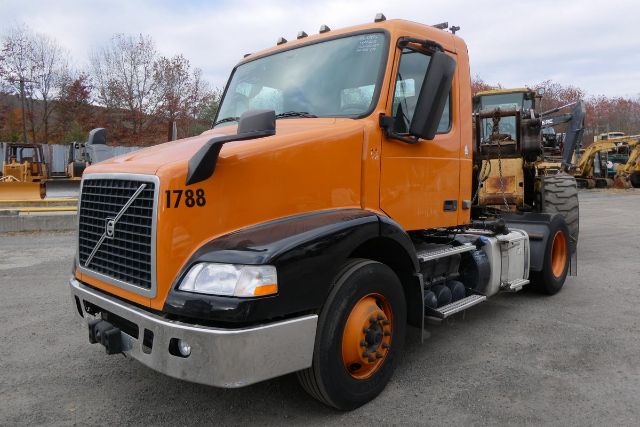
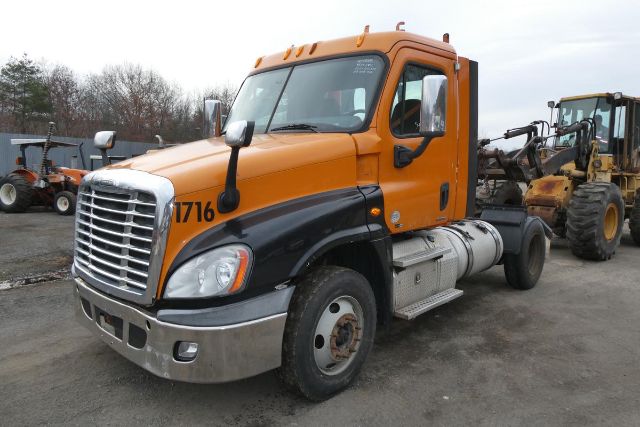
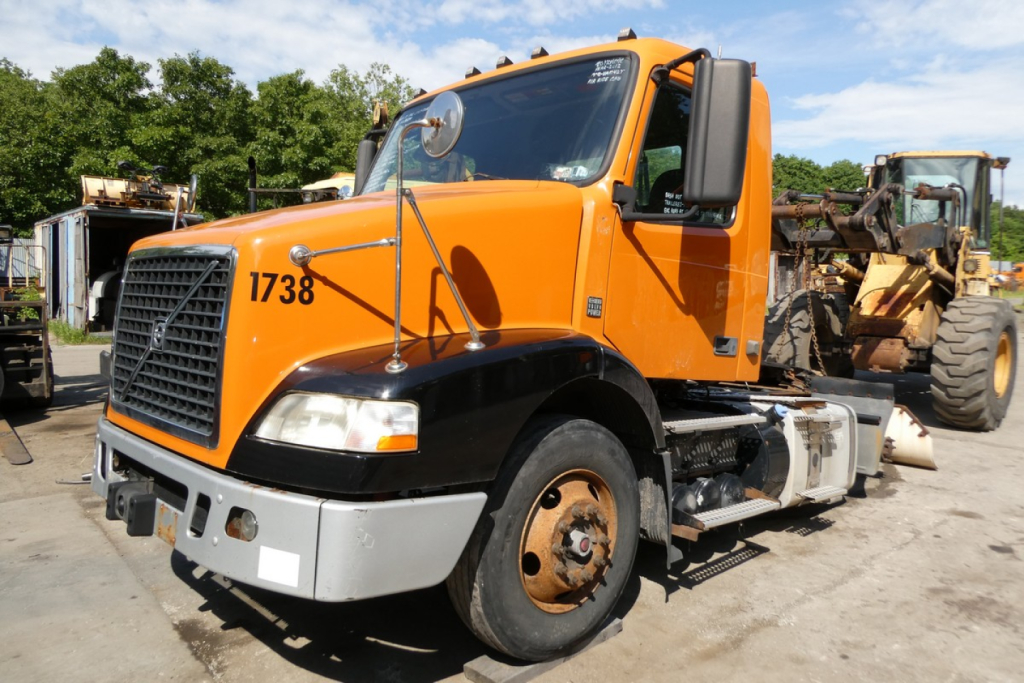
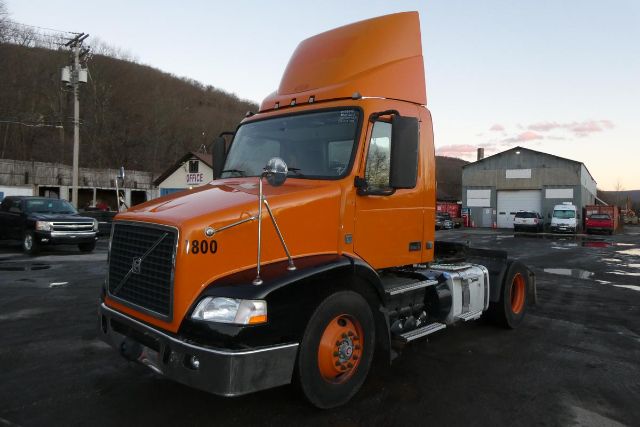
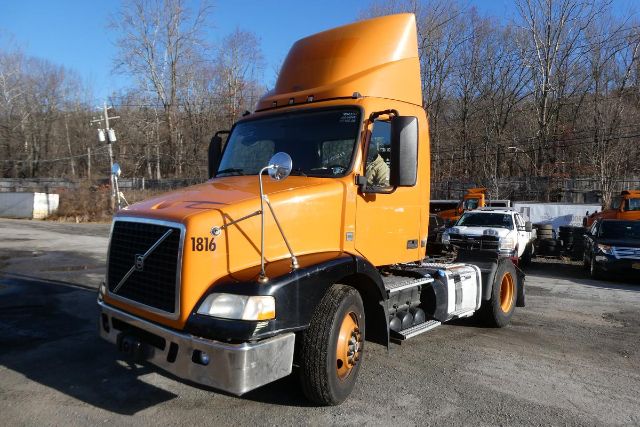
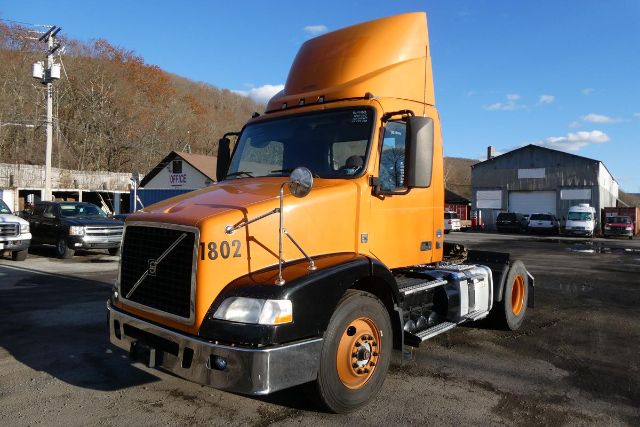
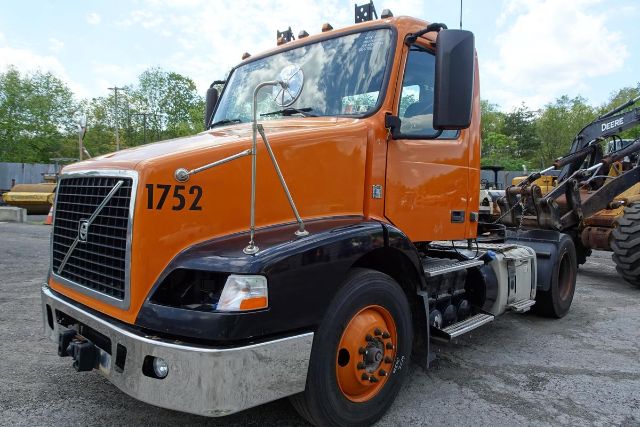
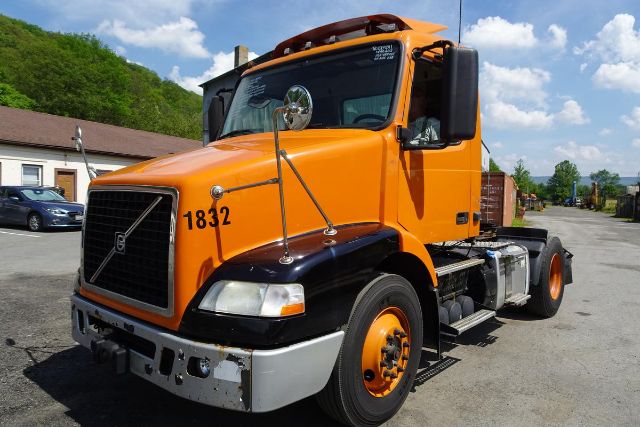
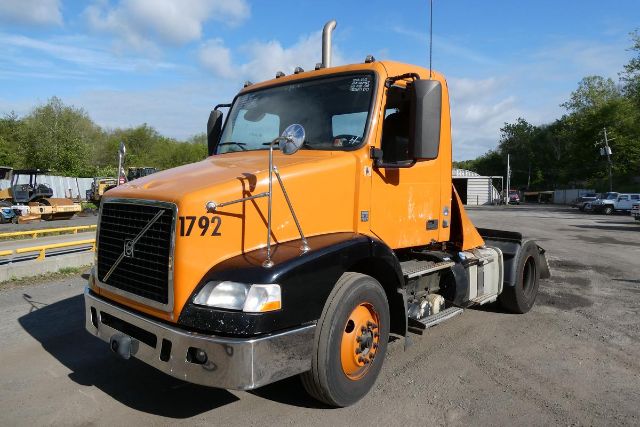
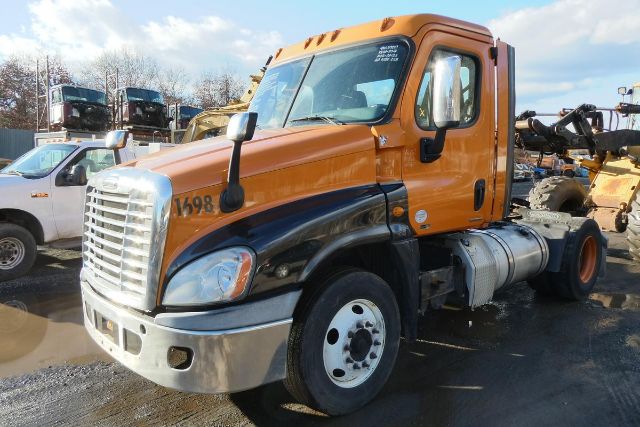
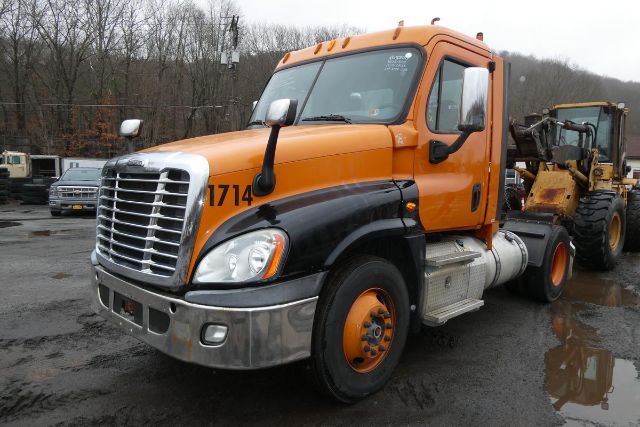
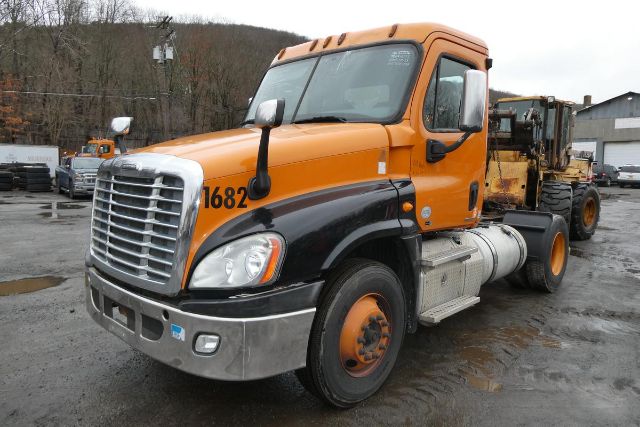
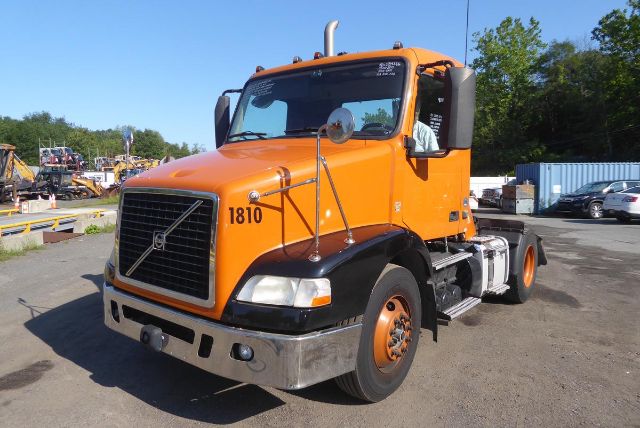
Showing 1 to 28 of 35 results
Selling a 2012 conventional daycab truck? List your 2012 conventional daycab truck for sale and reach thousands of commercial buyers.
2012 Conventional Daycab Trucks
Spec choices on a 2012 daycab often come down to application. Fleet and owner-operator units in this class are commonly found with Detroit, Cummins, Paccar, Volvo, or Mack power, usually in ratings suited for stop-and-go city work or regional highway miles. Transmissions may be manual, automated manual, or full automatic depending on duty cycle and driver preference. Wheelbase, fifth wheel placement, and axle setup deserve close attention because they affect bridge law compliance, turning radius, and trailer compatibility. Many buyers compare single-axle versus tandem-axle layouts, suspension type, rear ratio, and fuel capacity to match the truck to container work, dry van spotting, flatbed lanes, or heavier vocational service.
Cab condition matters more on a daycab than many buyers expect because the truck is entered and exited constantly through the workday. Look closely at seat wear, steering and pedal feel, HVAC performance, and visibility around the hood and mirrors. On 2012 trucks, it is also smart to evaluate frame condition, crossmembers, air system leaks, suspension wear, brake type, and the age of major components such as injectors, turbo, clutch, aftertreatment parts, and batteries. If the truck has a sliding fifth wheel, diff locks, wet kit, PTO provisions, or full lockers, those details can significantly change its usefulness for specialized hauling.
The best 2012 conventional daycab trucks are not defined by age alone but by how well the original spec matches the intended route and trailer. A lighter spec may make sense for urban pickup and delivery, while a heavier rear axle, longer wheelbase, and higher horsepower rating may be better for dump, bulk, or end-dump work. Buyers comparing listings should read for axle ratings, GVWR, transmission model, brake configuration, suspension, and documented maintenance. In this category, a well-maintained 2012 day cab can still be a practical tractor for short-cycle freight and vocational jobs when the emissions system, driveline, and chassis have been properly cared for.
Frequently Asked Questions about 2012 Conventional Daycab Trucks
What should I check first on a 2012 conventional daycab truck?
Start with the emissions system and maintenance records. Most 2012 conventional daycab trucks use EPA 2010 emissions technology, which means DPF, DEF, SCR, sensors, and related wiring need to be in good working order. Fault codes, forced regens, derate history, and documentation for aftertreatment repairs can tell you a lot about how the truck has been maintained. After that, inspect engine hours, idle time, transmission operation, suspension condition, brakes, and frame integrity.
Is a 2012 day cab a good fit for local hauling?
Yes, a 2012 day cab is often a strong fit for local and regional hauling because the shorter cab improves maneuverability and reduces unnecessary weight compared with a sleeper tractor. These trucks are commonly used for drayage, tanker, dump, LTL, and short-route trailer work. The right fit depends on axle configuration, wheelbase, engine rating, and transmission choice, so the truck should be matched to the trailer type, route density, and average payload.
What axle setup is most common on a conventional daycab?
Tandem-axle daycabs are common because they give buyers more flexibility for heavier loads and a broader range of trailer applications. Single-axle daycabs are also used, especially in lighter regional service or applications where lower empty weight and tighter maneuvering are priorities. The best choice depends on local bridge laws, expected gross combination weight, and whether the truck will pull van, flatbed, tanker, container, or vocational trailers.
Are manual or automatic transmissions better in a 2012 day cab?
Both can work well, but the better choice depends on route and driver needs. Manual transmissions are still valued for simplicity and driver control, especially in certain vocational jobs. Automated manuals can reduce driver fatigue, improve shift consistency, and help in stop-and-go operations. On a 2012 truck, condition matters more than transmission type alone, so clutch wear, calibration, software updates, and service history should be reviewed carefully.
What specs matter most when comparing 2012 conventional daycab trucks?
The most important specs are engine make and horsepower, transmission model, axle ratings, rear-end ratio, suspension type, wheelbase, fifth wheel setup, and fuel capacity. Buyers should also compare brake type, tire size, frame condition, and any vocational equipment such as PTO, wet kit, or locking differentials. These details determine how well the truck will handle the intended trailer, payload, terrain, and daily mileage.