
2012 Volvo Conventional Day Cab Trucks For Sale
Compare 2012 Volvo conventional day cab trucks for sale by axle layout, D11 or D13 power, transmission type, and EPA 2010 aftertreatment condition.
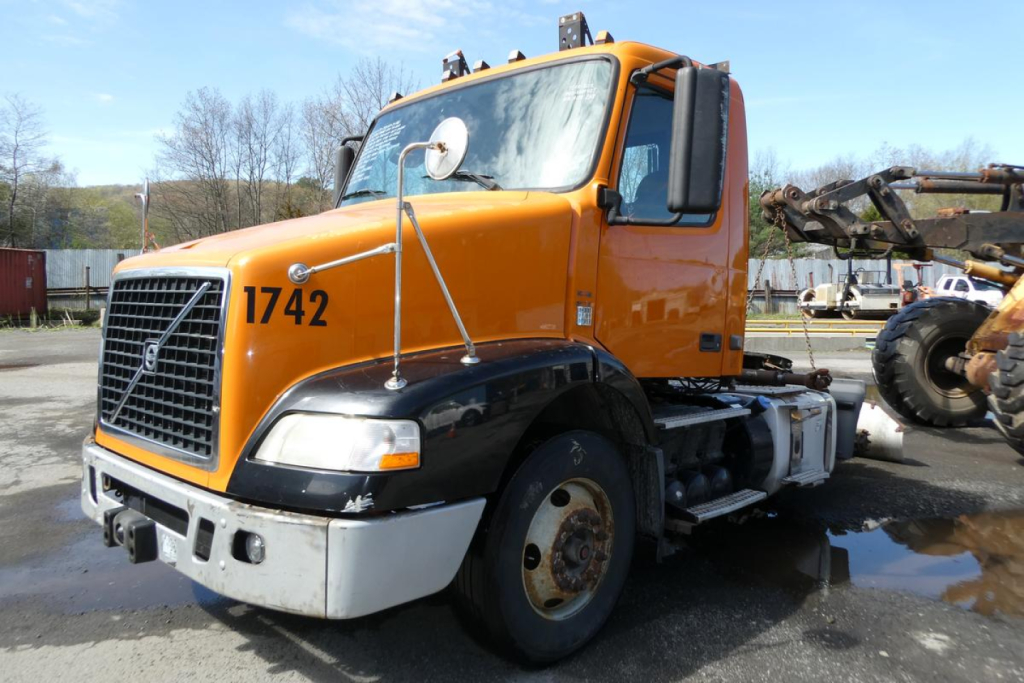
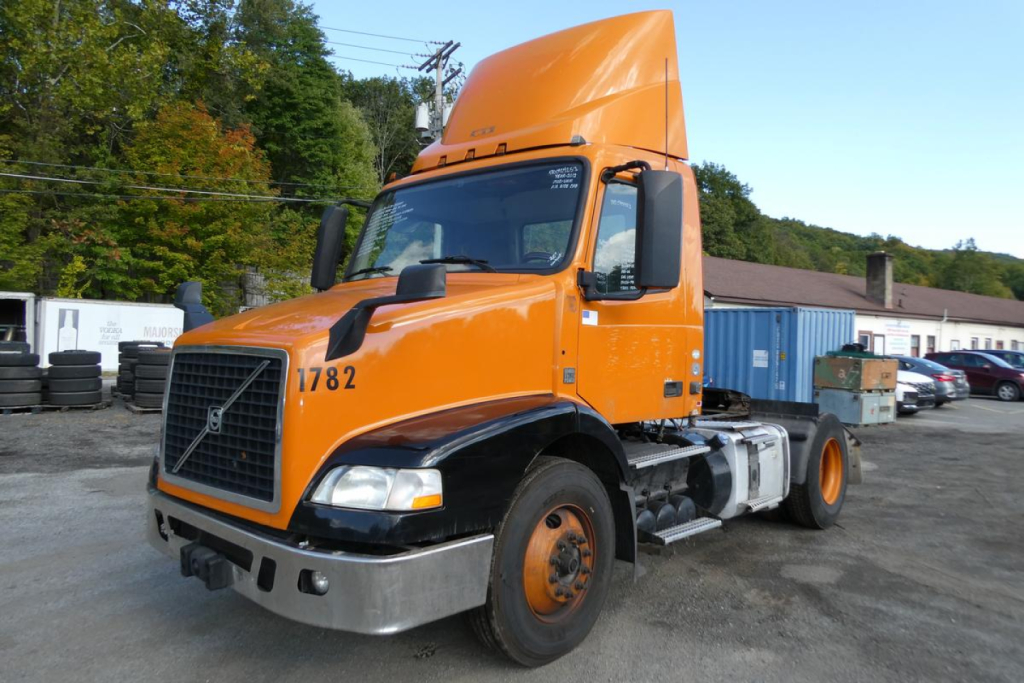
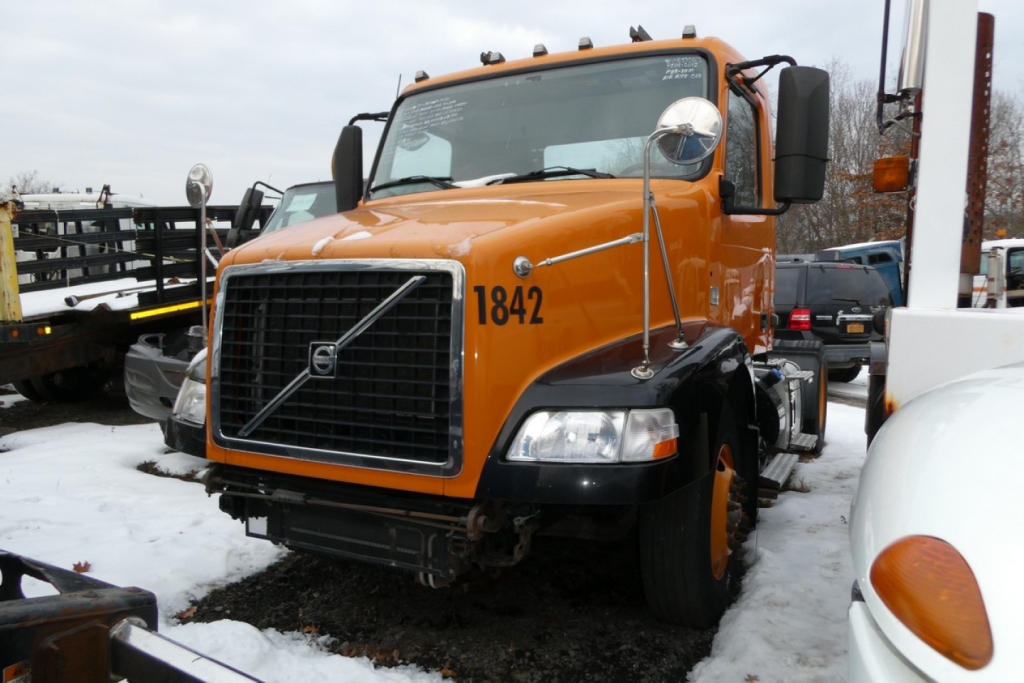
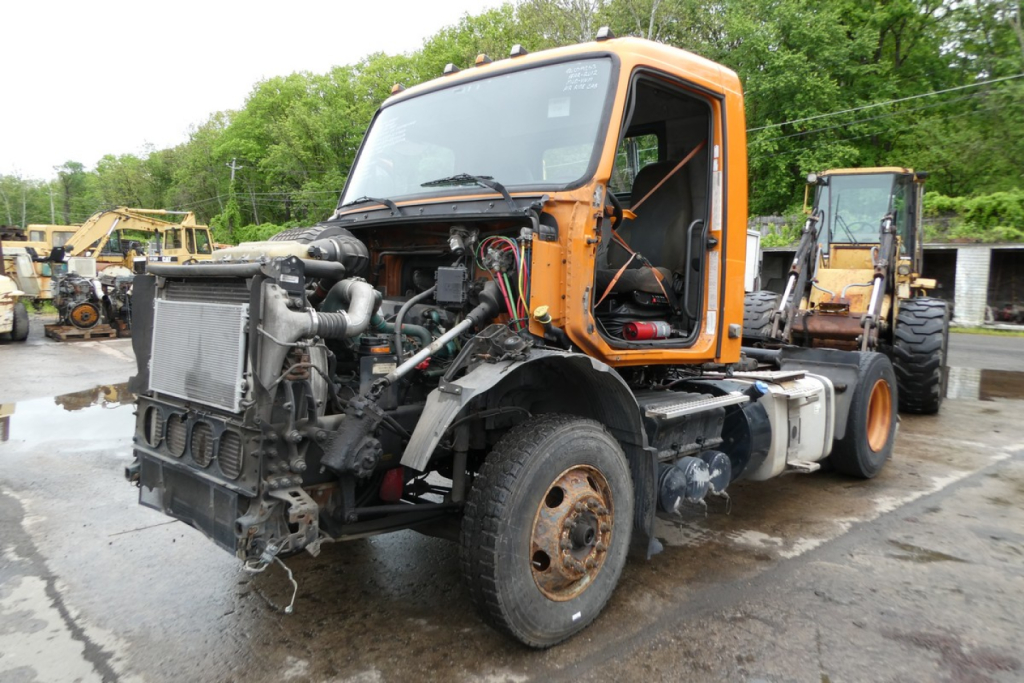
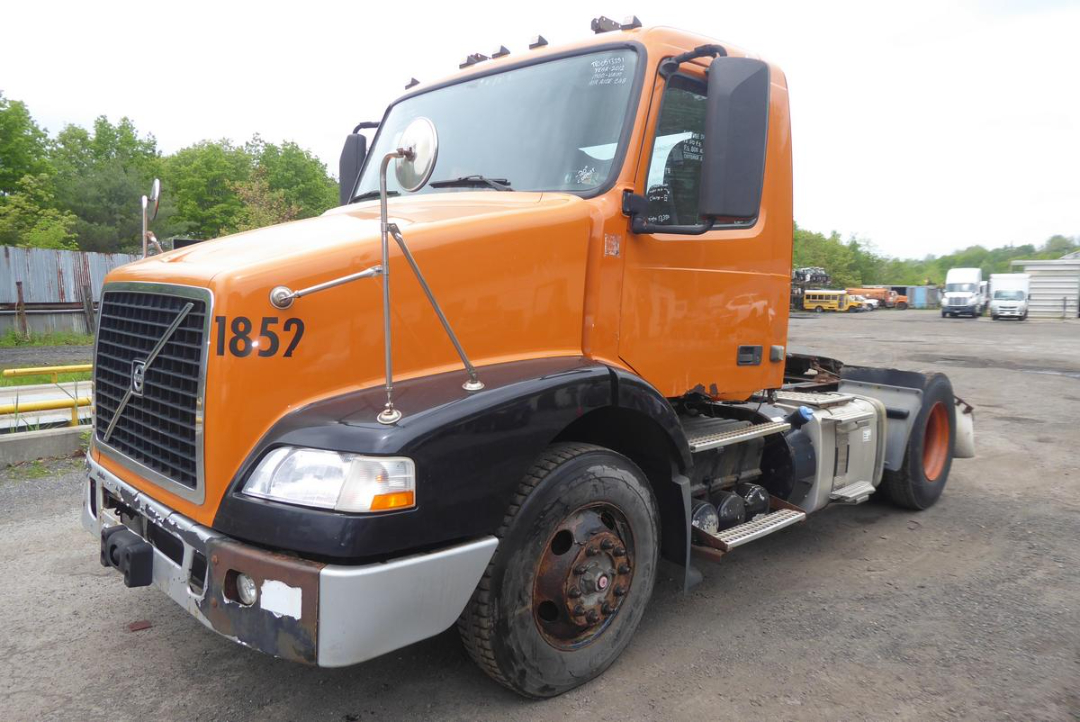
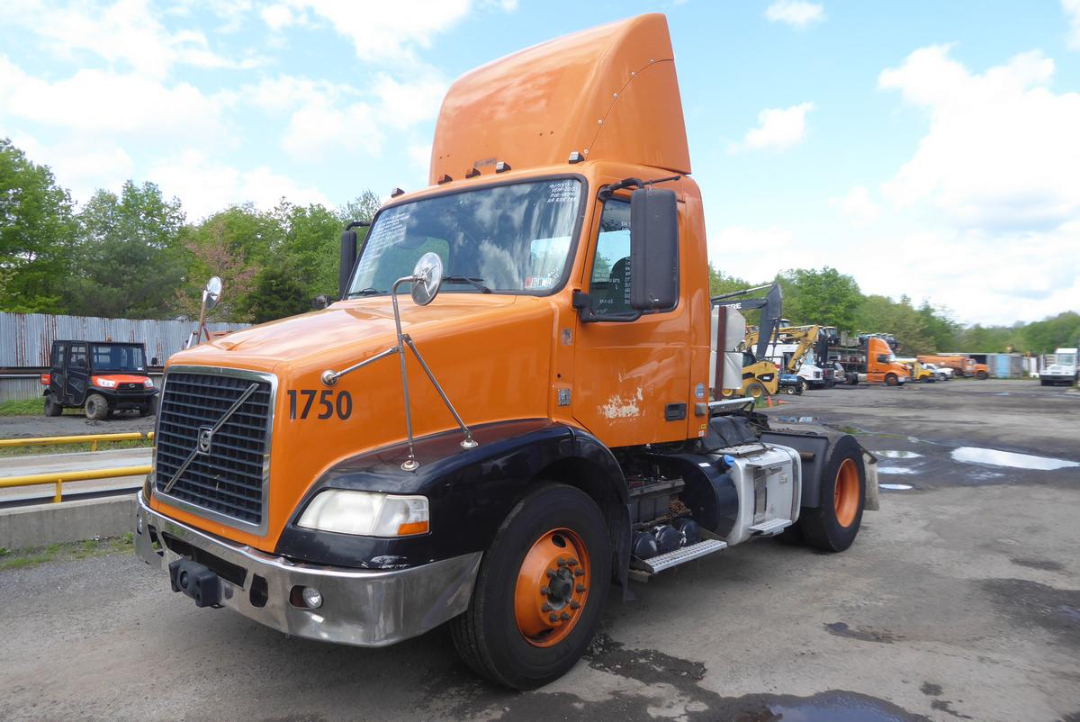
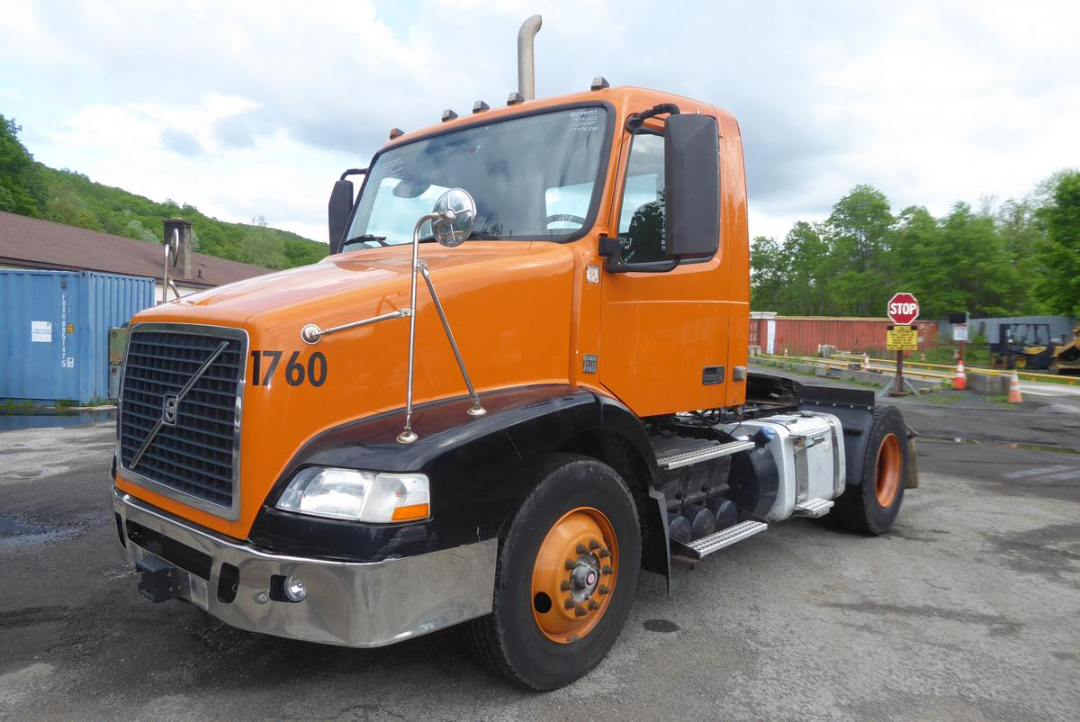
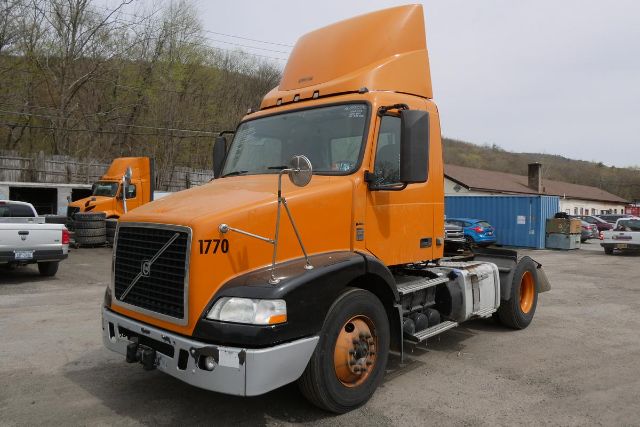
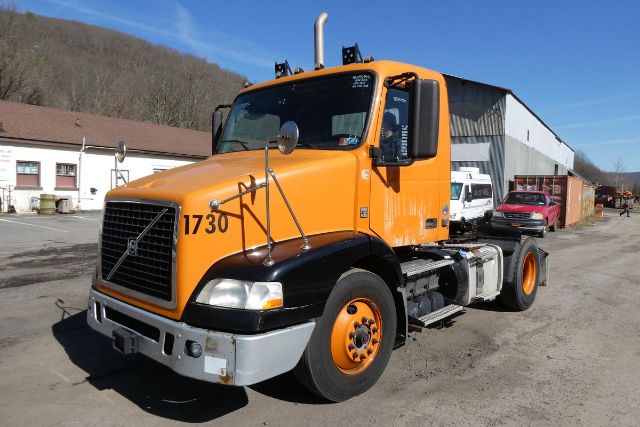
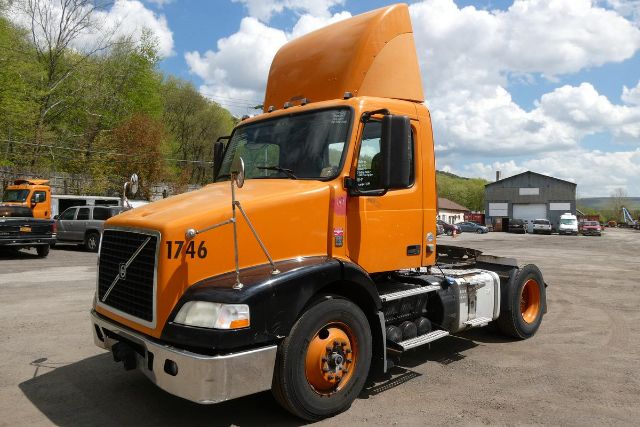
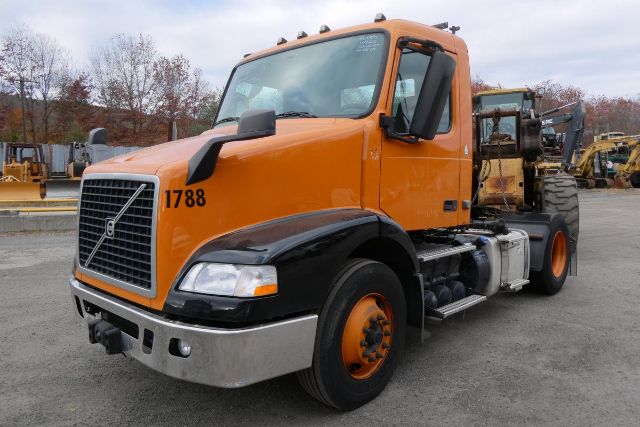
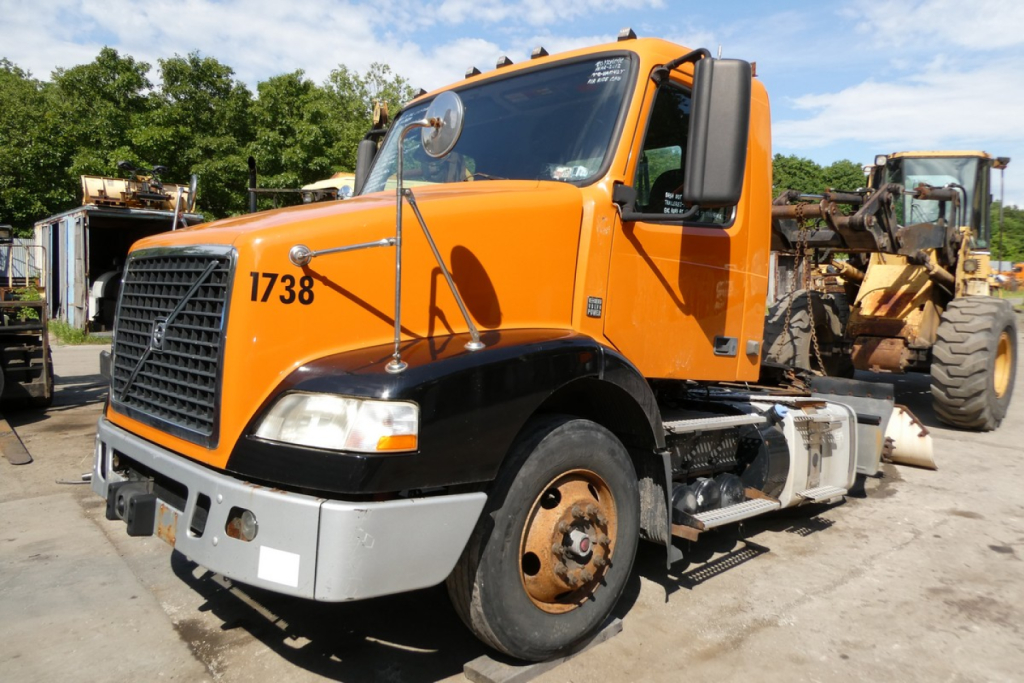
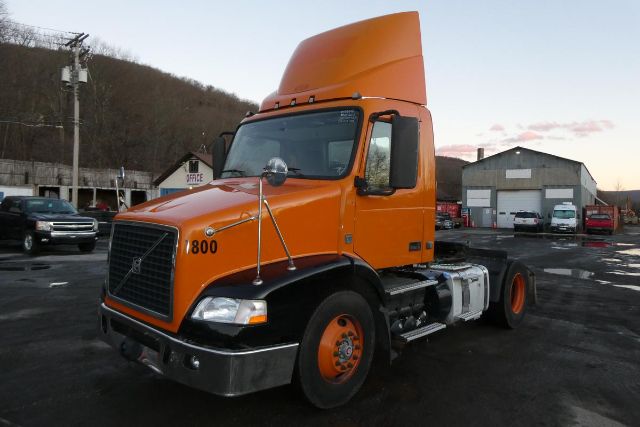
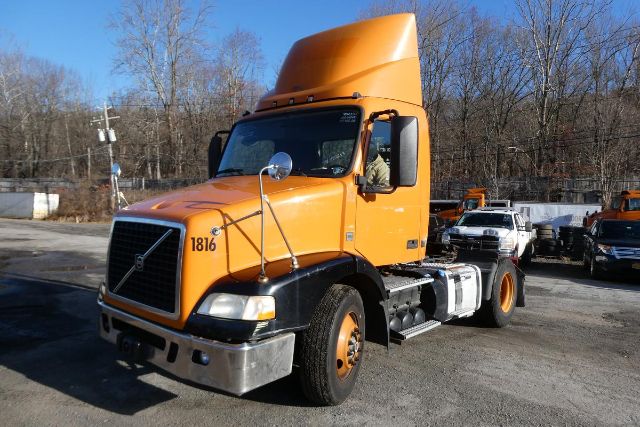
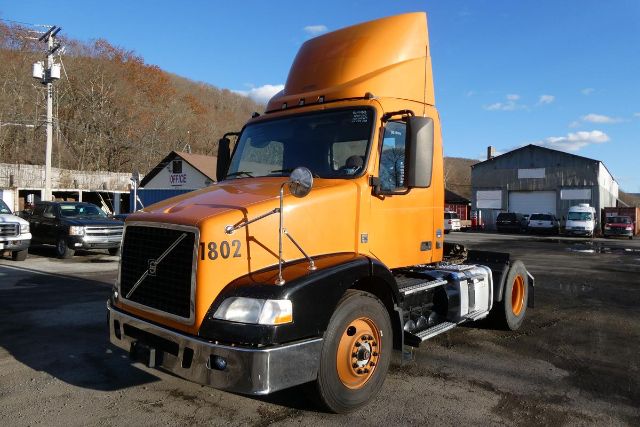
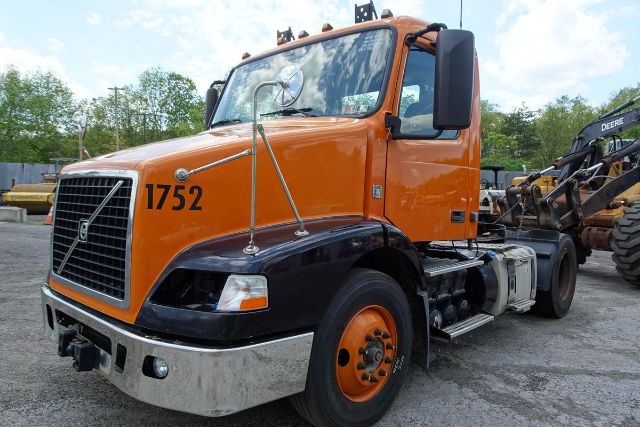
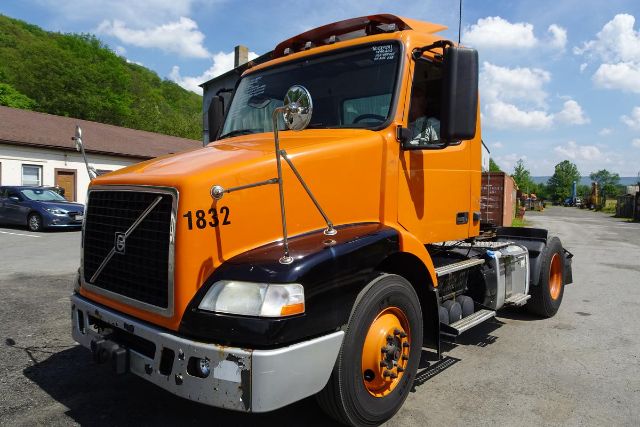
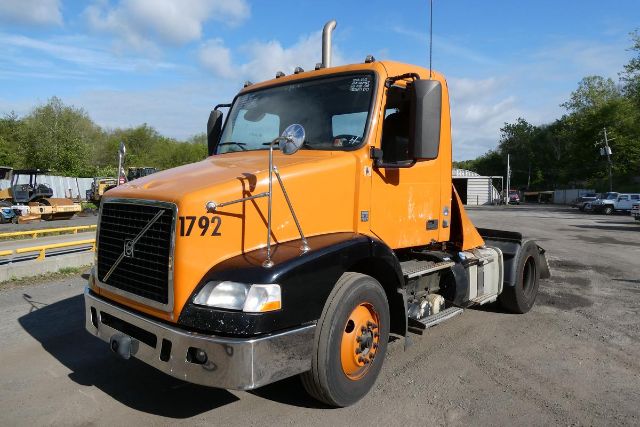
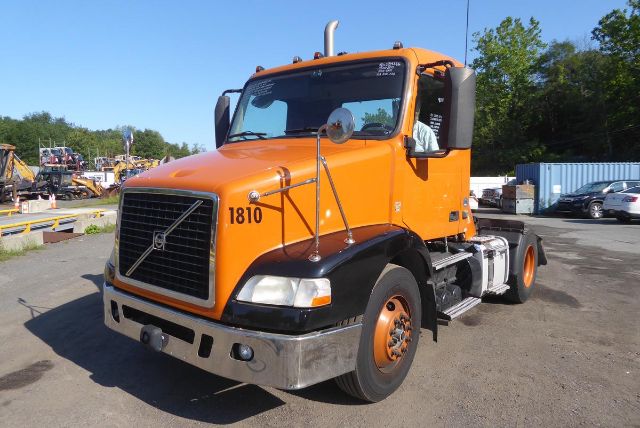
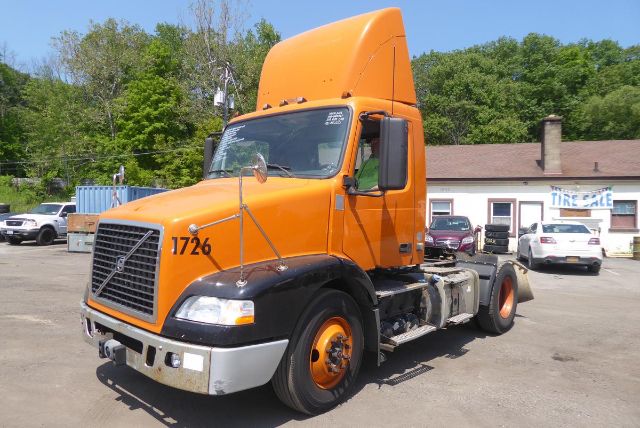
Selling a 2012 volvo conventional day cab truck? List your 2012 volvo conventional day cab truck for sale and reach thousands of commercial buyers.
2012 Volvo Conventional Day Cab Trucks
Volvo-powered 2012 models use EPA 2010-era emissions systems with a DPF, SCR, and DEF, so aftertreatment condition is a major buying decision. Request an ECM download showing faults, engine hours, and regeneration history, then reconcile mileage with maintenance records. A loaded road test should establish whether the engine reaches operating temperature, pulls cleanly, and completes shifts without warnings. Check cold starting, cooling-system pressure, oil contamination, clutch operation, fifth-wheel wear, and suspension bushings. Northern U.S. and Canadian service warrants close inspection of frame rails, crossmembers, brake plumbing, and electrical connectors for salt damage.
For an unused 2012 chassis, confirm storage maintenance, tire age, the in-service date, and written warranty terms; an older model year does not guarantee remaining factory coverage. Treat the truck as an existing specification rather than a current factory order. A qualifying first U.S. retail sale can carry 12% federal excise tax on a new heavy truck, but that U.S. tax does not apply in Canada.
Frequently Asked Questions about 2012 Volvo Conventional Day Cab Trucks
Should I choose I-Shift or a Fuller manual in a 2012 Volvo day cab?
I-Shift reduces clutch-pedal work in stop-and-go service, while a Fuller manual suits fleets standardized around manual transmissions and trained drivers. On a 2012 Volvo day cab with I-Shift, inspect clutch wear data, actuator operation, and engagement when maneuvering under load. On a Fuller-equipped tractor, check clutch adjustment, shift quality, gear noise, and driveline vibration. An automated manual still has a clutch that wears.
Can a single-axle 2012 Volvo day cab pull a tandem-axle trailer?
Yes, a single-drive-axle 2012 Volvo day cab can pull a tandem-axle semitrailer when the tractor, coupling, brakes, and combination ratings support the load. Tractor GVWR is not the same as GCWR. Scale the loaded combination by axle group, because trailer kingpin weight can overload the single drive axle before the combination reaches its permitted gross weight. Wheelbase and axle spacing also affect legal loading.
Does a 2012 Volvo day cab meet California emissions requirements?
California's Truck and Bus Regulation generally requires a 2010 or newer engine in diesel trucks over 26,000 pounds GVWR, but a 2012 chassis year alone does not establish compliance. Verify the engine emissions label and confirm that required emissions equipment remains intact. California Clean Truck Check registration and testing requirements are separate considerations and can apply to out-of-state Volvo day cabs operating in California.
What does oil in the coolant mean on a 2012 Volvo day cab?
Oil in the coolant requires diagnosis of the oil cooler and possible internal engine leakage before a 2012 Volvo day cab is put to work. Contamination alone does not prove a failed head gasket. Request cooling-system pressure testing and appropriate checks for combustion leakage, then inspect hoses and the radiator for contamination damage. Require documentation of the identified cause, completed repair, and cooling-system cleanup rather than accepting a coolant change as the repair.