
2012 Conventional Daycab Trucks For Sale in Nevada
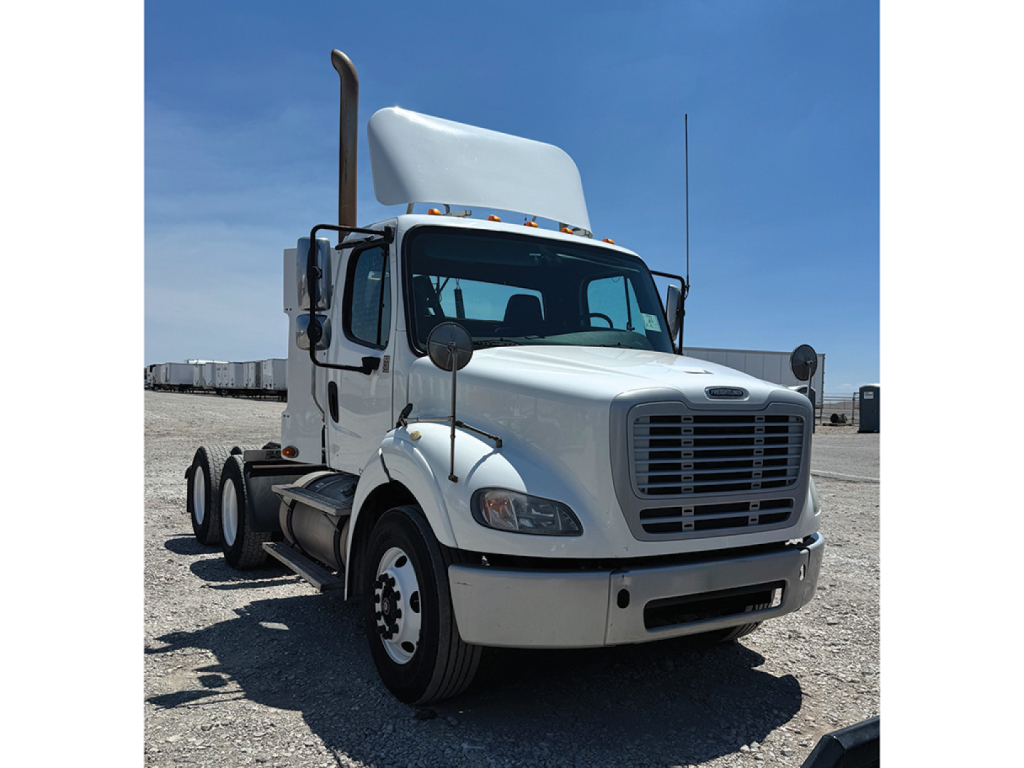
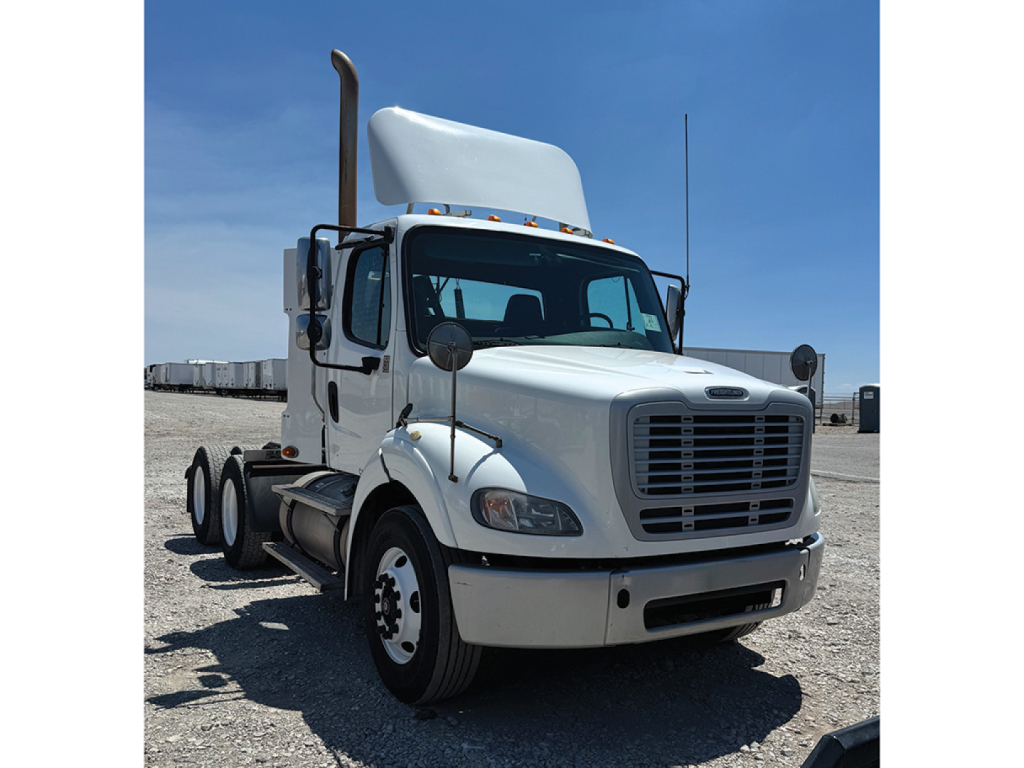
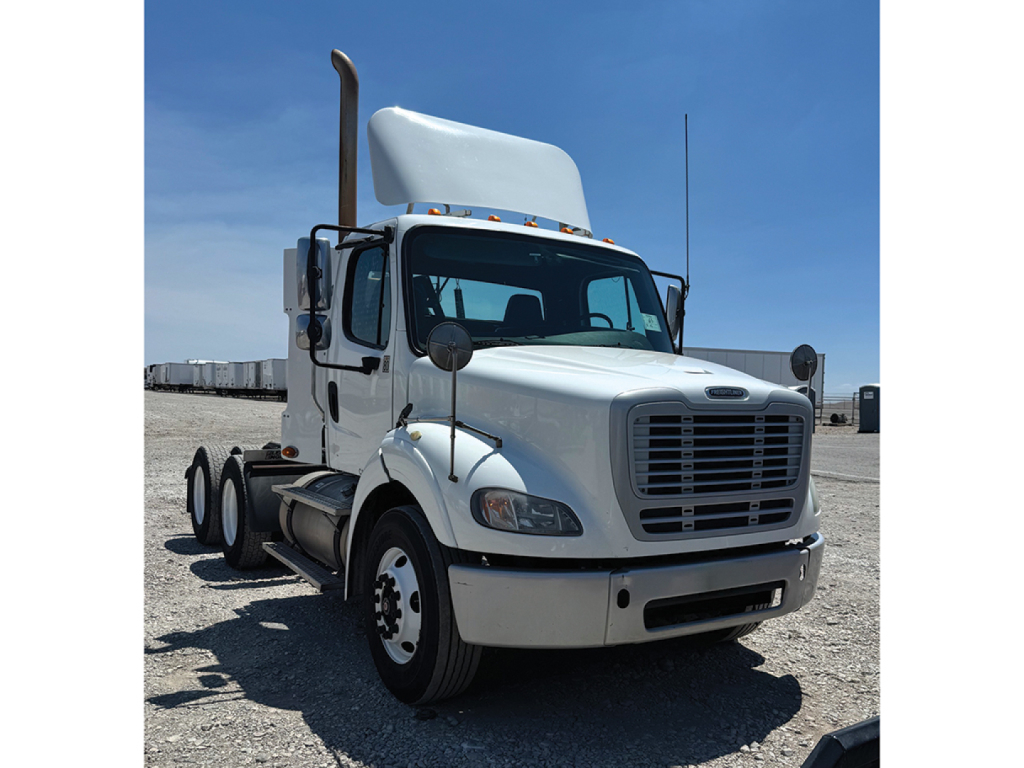
2012 Freightliner M2 112
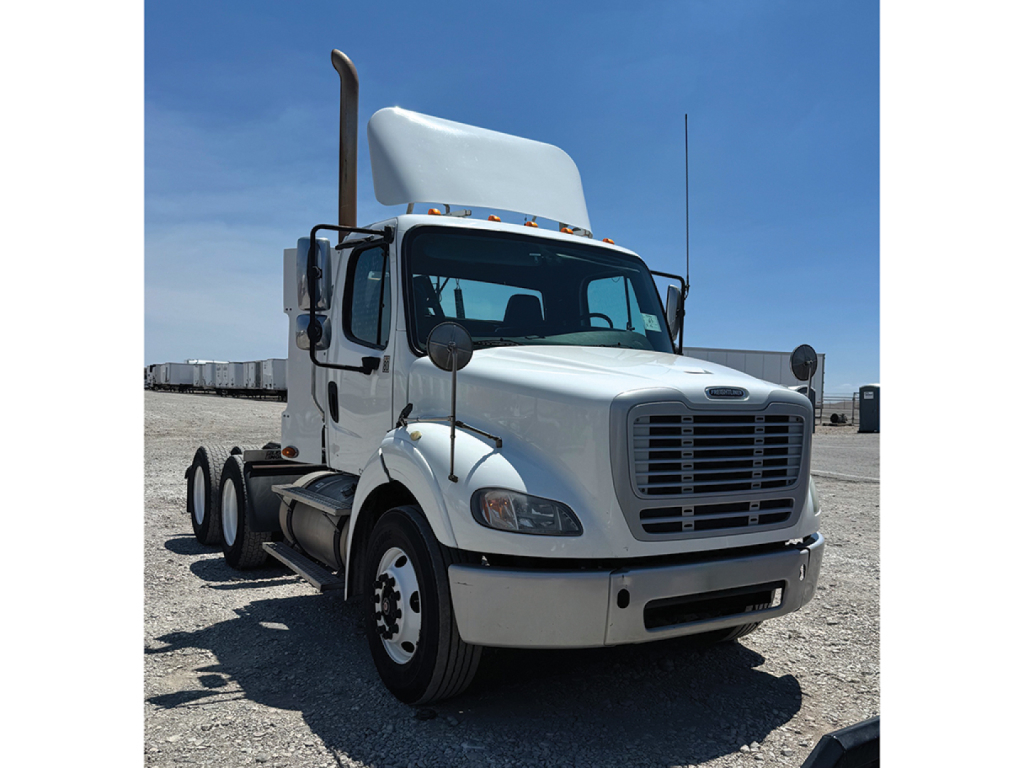
2012 Freightliner M2 112
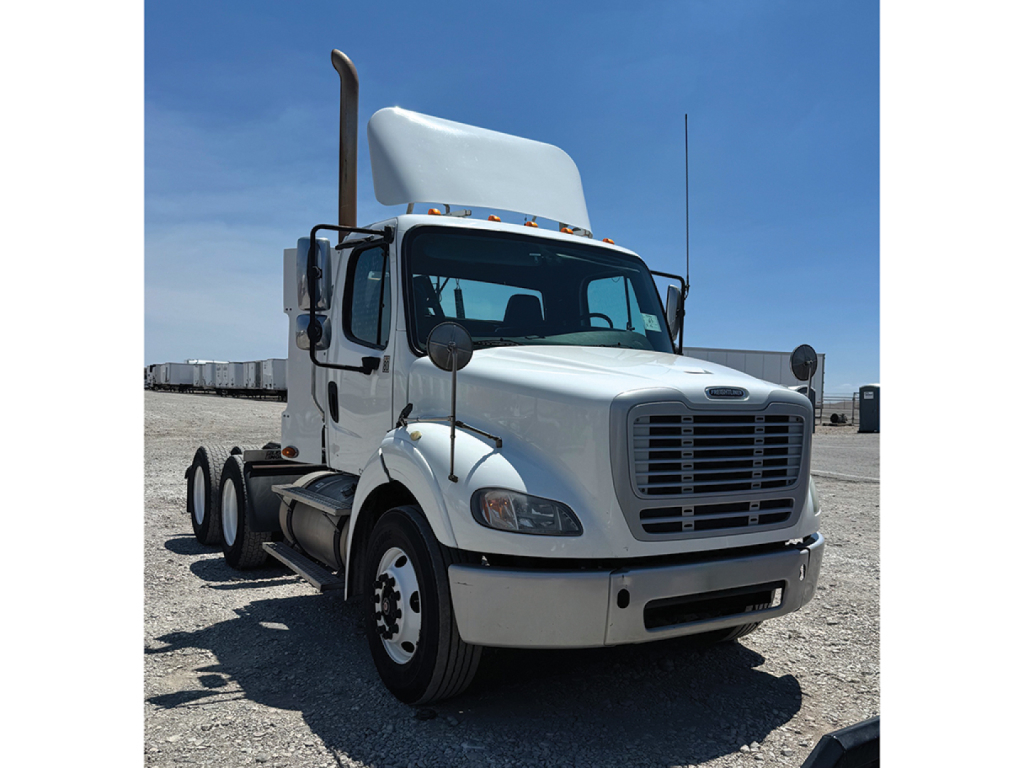
2012 Freightliner M2 112
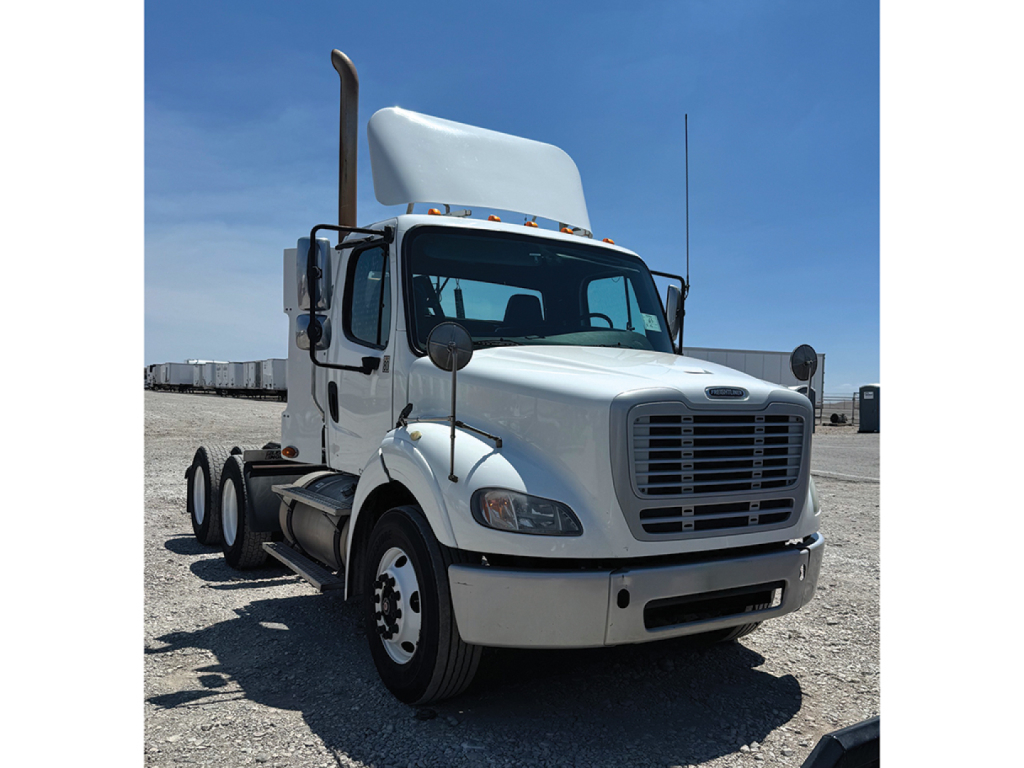
2012 Freightliner M2 112
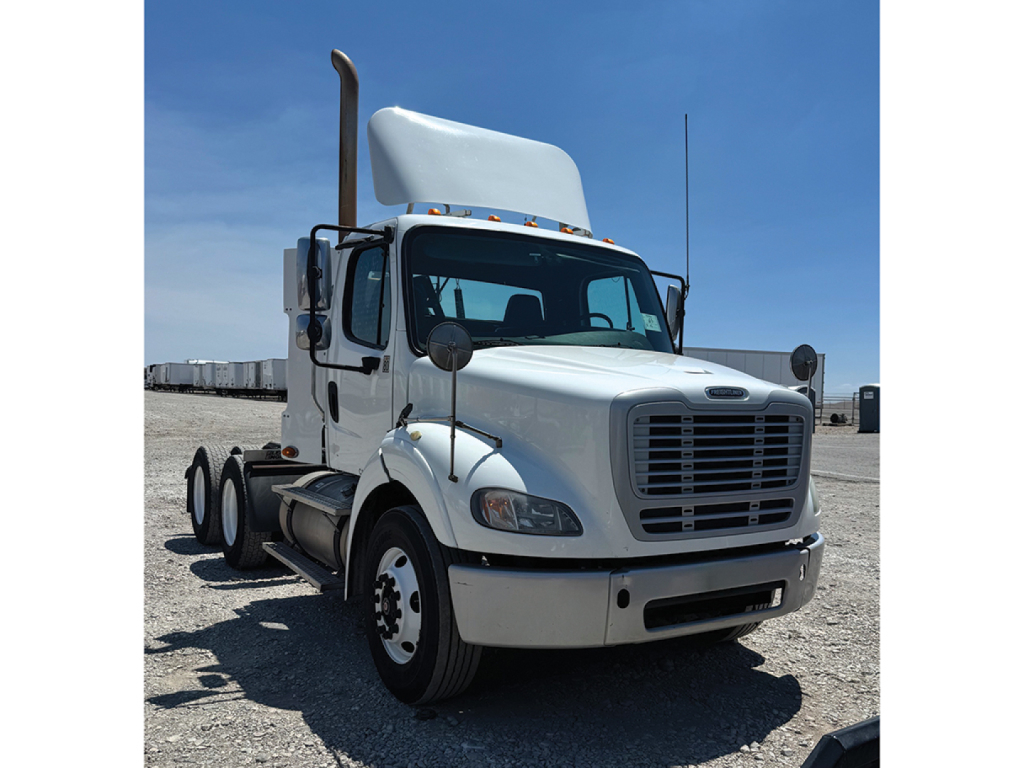
2012 Freightliner M2 112
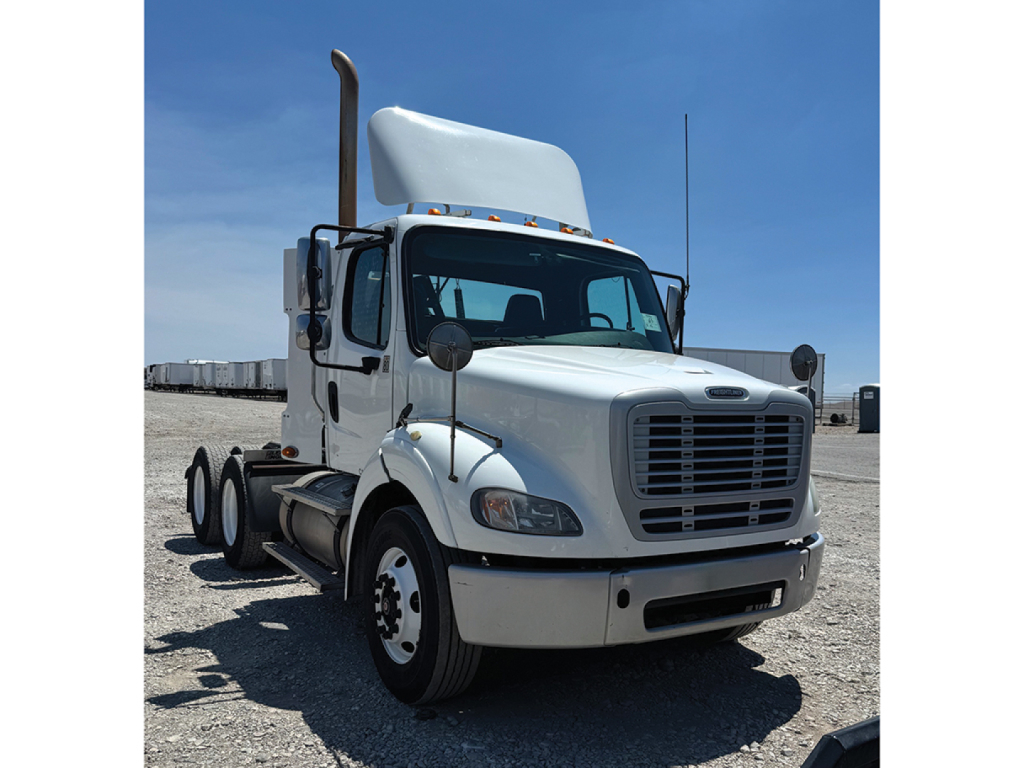
2012 Freightliner M2 112
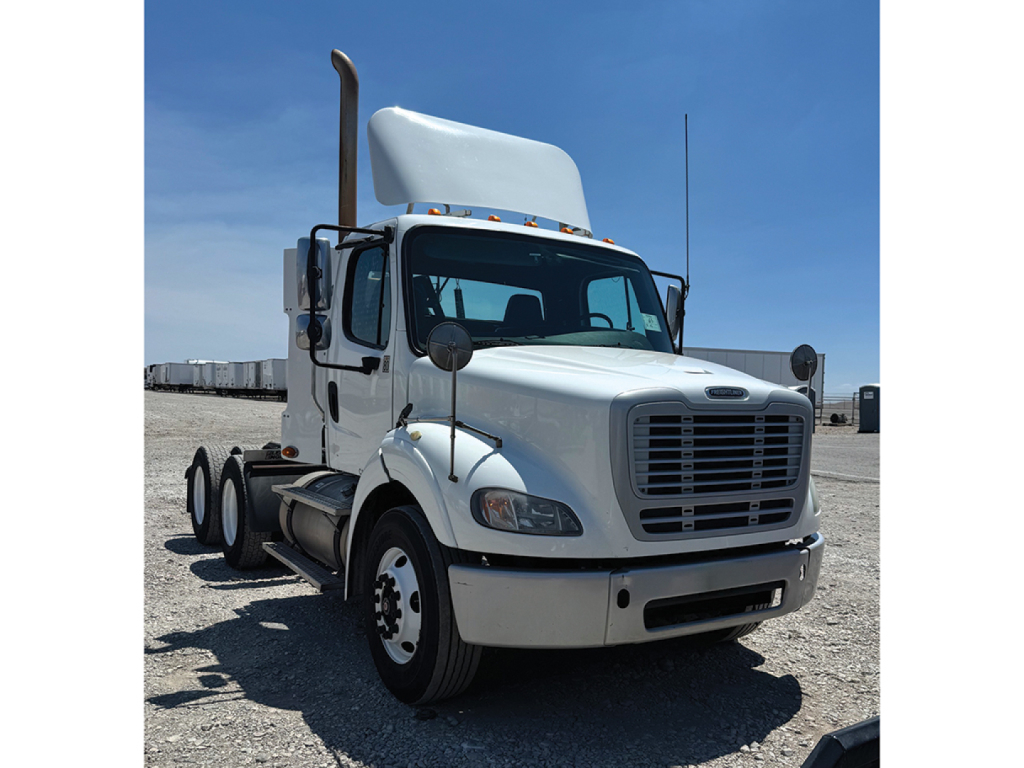
2012 Freightliner M2 112
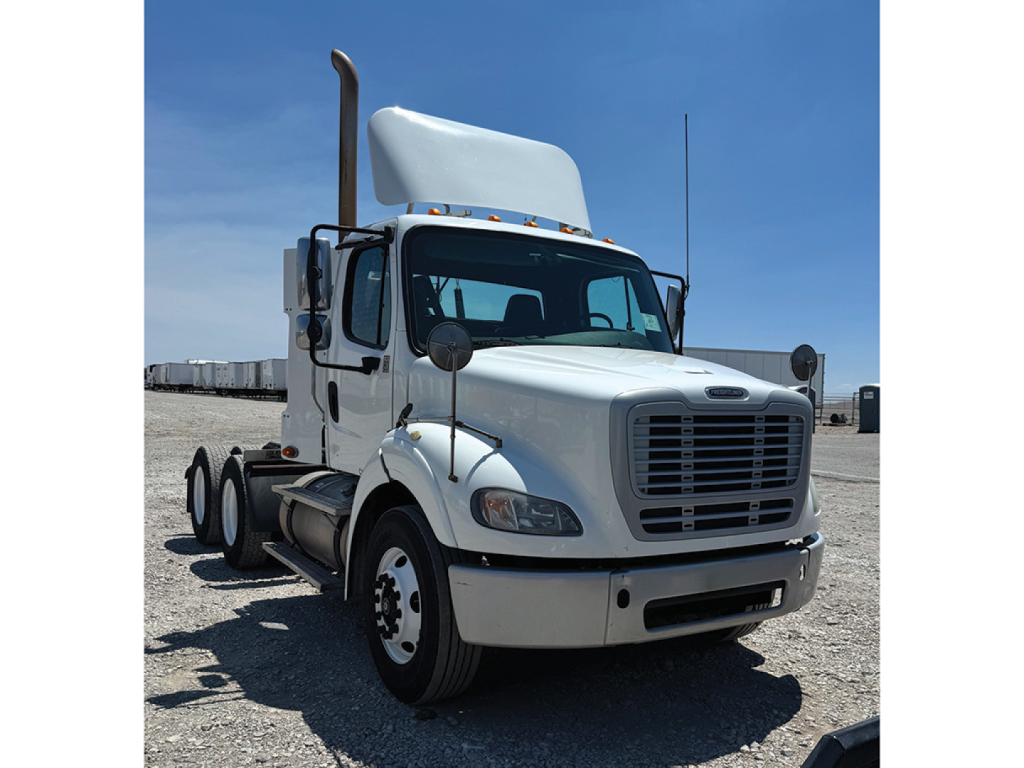
2012 Freightliner M2 112
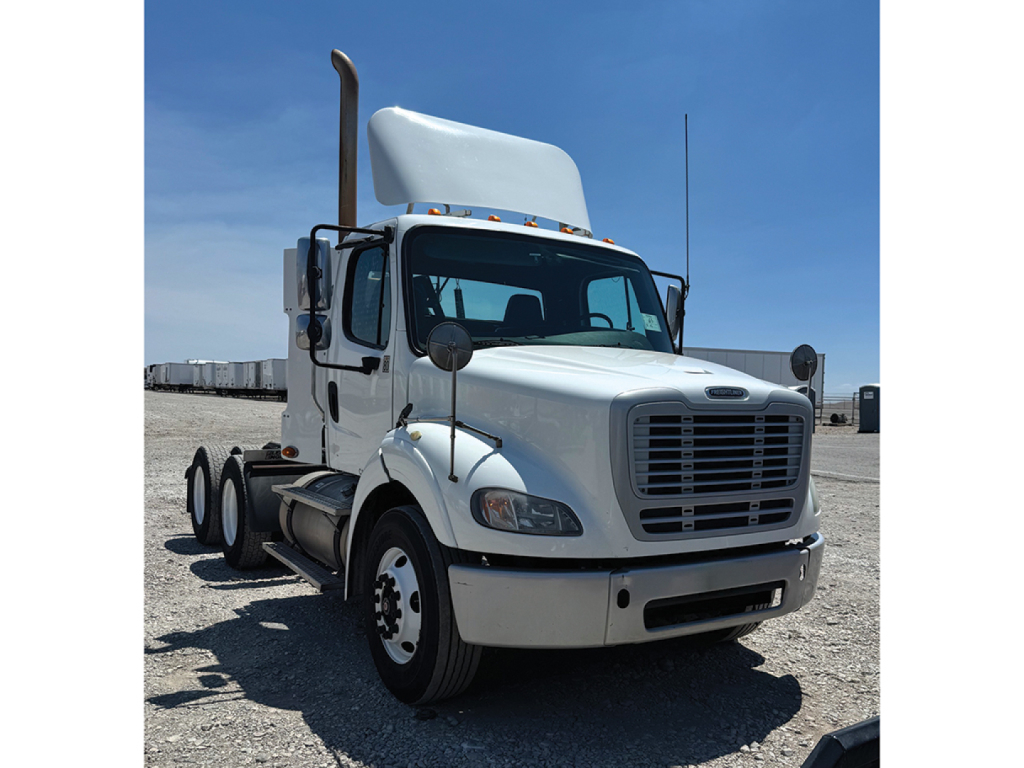
2012 Freightliner M2 112
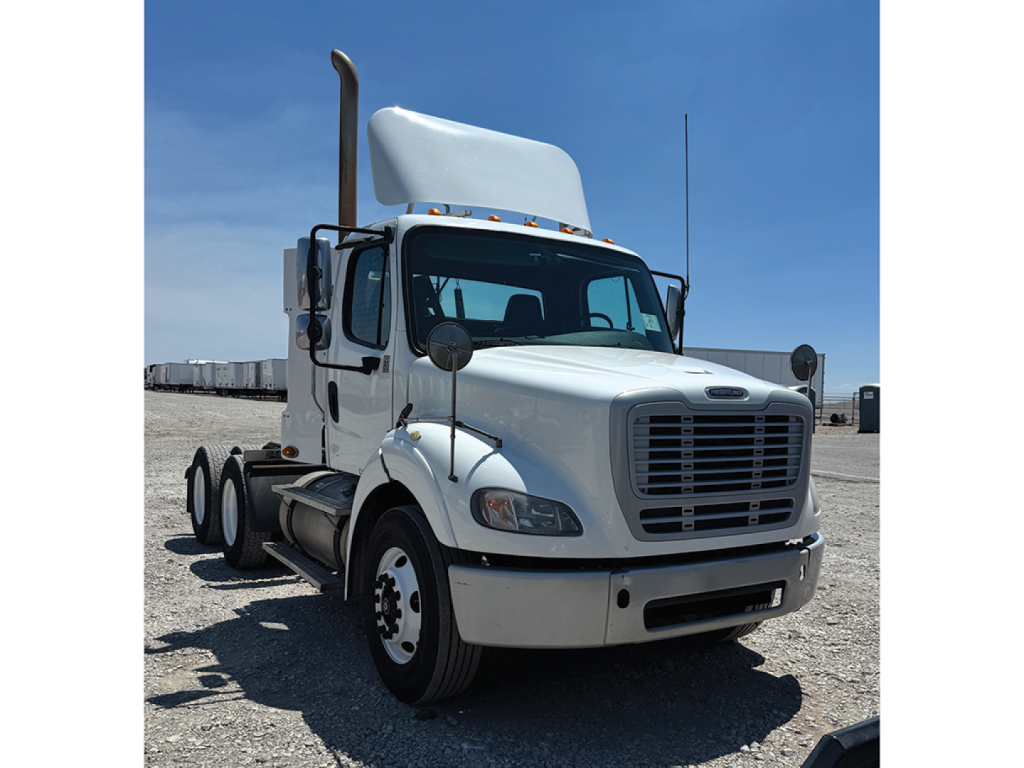
2012 Freightliner M2 112
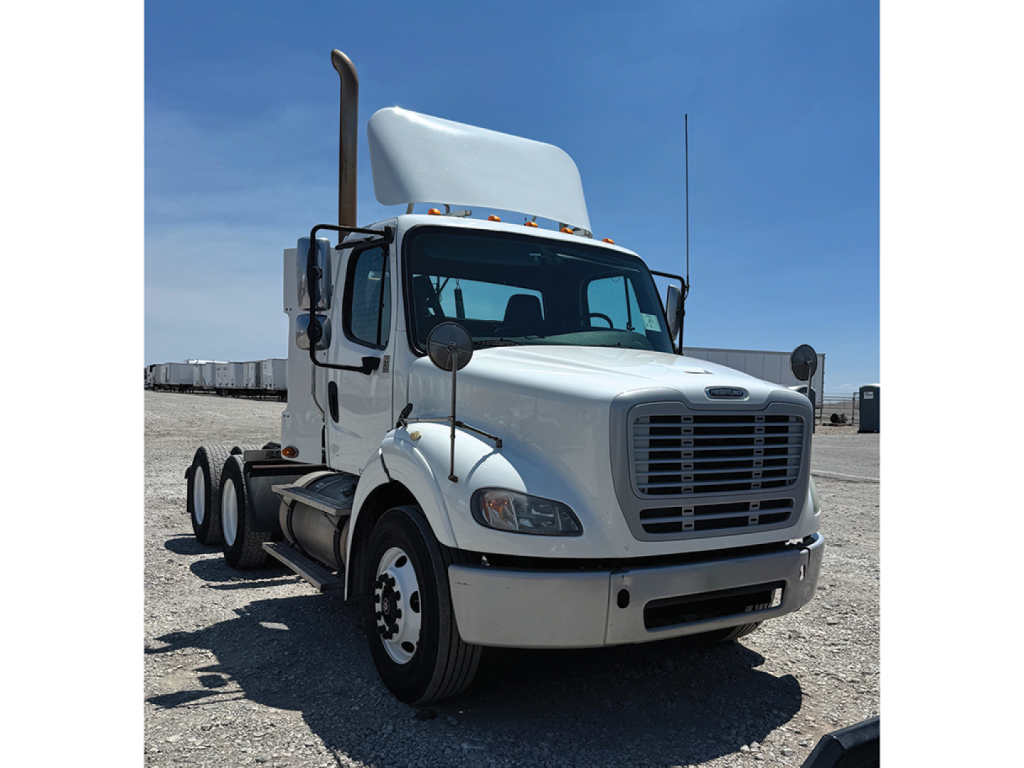
2012 Freightliner M2 112
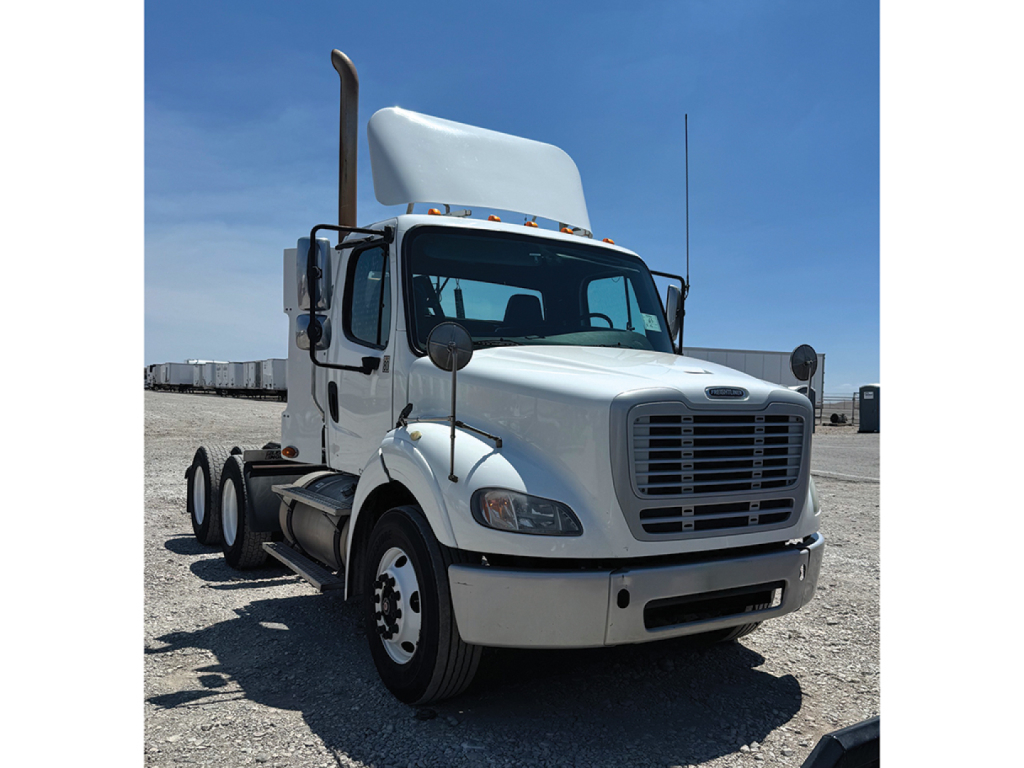
2012 Freightliner M2 112
Have 2012 conventional daycab truck to sell? List it here to reach thousands of buyers.
2012 Conventional Daycab Trucks in Nevada
The most important buying decision is matching the truck’s spec to the job. Common engines in this class include mid-range to heavy-duty platforms such as the Detroit DD13, often paired with manual or automated transmissions and either single or tandem rear axles. Horsepower in many 2012 daycabs falls around the 350 to 450 HP range, with rear axle ratios selected for either fuel economy or low-speed pulling power. Wheelbase matters more than many buyers expect. A shorter wheelbase helps in yards, construction access, and tight urban turns, while a longer wheelbase may offer better ride quality, fuel capacity options, and fifth-wheel placement flexibility. If the truck will see multiple trailer types, check adjustable fifth wheel travel, frame layout, and kingpin setting compatibility.
On used 2012 conventional daycab trucks, condition matters more than badge. Review engine hours alongside miles, then pay close attention to aftertreatment history, clutch wear on manual units, suspension bushings, steering play, and signs of uneven tire wear that can point to alignment or axle issues. In Nevada, sun exposure can also show up in cab interiors, seals, fairings, and electrical connectors. Trucks equipped with air ride suspension, engine brake, aluminum fuel tanks, and driver comfort features like tilt-telescoping steering and power accessories tend to hold broader appeal because they fit both fleet and owner-operator applications. For buyers pulling heavier loads, tandem axle setups with higher rear-end capacity are typically the better fit, while single-axle daycabs can make sense for lighter regional routes where maneuverability and lower operating cost are priorities.
A good 2012 daycab should be evaluated as a working tractor, not just a truck with a clean cab. Look at front axle capacity, rear suspension rating, tire size, brake type, PTO needs, and the intended trailer mix before deciding. The right conventional daycab can serve dry van, flatbed, bulk, container, and equipment-hauling operations effectively if the gearing, axle capacity, and wheelbase are aligned with the route and payload. For Nevada operations, a truck that balances cooling efficiency, strong brakes, usable power, and a durable chassis setup will usually outperform a cheaper unit with the wrong spec.
Frequently Asked Questions about 2012 Conventional Daycab Trucks in Nevada
What is a conventional daycab truck used for?
A conventional daycab truck is a highway-style tractor without a sleeper compartment, designed for local and regional runs where the driver returns the same day. These trucks are commonly used for dry van, flatbed, tanker, container, and vocational tractor applications. Their main advantage is lower weight, simpler packaging, and better maneuverability than a comparable sleeper tractor.
What should I check on a used 2012 conventional daycab before buying?
Start with engine hours, maintenance records, emissions system repairs, and any documented transmission or clutch work. Then inspect the fifth wheel, frame rails, suspension, tires, brakes, steering components, and differential condition. On a 2012 model, aftertreatment performance and cooling system condition are especially important because age, heat, and regional duty cycles can expose weak points even on trucks with acceptable mileage.
Is a single-axle or tandem-axle daycab better?
The better choice depends on the load and trailer. A single-axle daycab usually costs less to run, weighs less, and turns tighter, making it a strong fit for lighter regional freight. A tandem-axle daycab is generally better for heavier trailers, higher gross combination weights, and applications that need more traction, durability, and rear axle capacity.
Why does wheelbase matter on a daycab tractor?
Wheelbase affects turning radius, ride quality, bridge law flexibility, and fifth-wheel placement. A shorter wheelbase is usually preferred for urban routes, yards, and jobsite access because it improves maneuverability. A longer wheelbase can provide a smoother ride, room for larger fuel tanks or accessories, and better fit for certain trailer and kingpin settings.
Are 2012 daycab trucks a good value for regional hauling?
A 2012 daycab can be a strong value if the specifications match the route and the truck has been maintained properly. Buyers often find solid heavy-duty components, established engine platforms, and lower purchase prices than late-model tractors. The key is verifying mechanical condition and avoiding a truck that was spec'd for a very different job than the one it will be expected to handle.