
2013 Conventional Daycab Trucks For Sale
Browse 2013 conventional daycab trucks with specs buyers compare most: engine, transmission, axle ratings, wheelbase, fifth wheel setup, and weight.
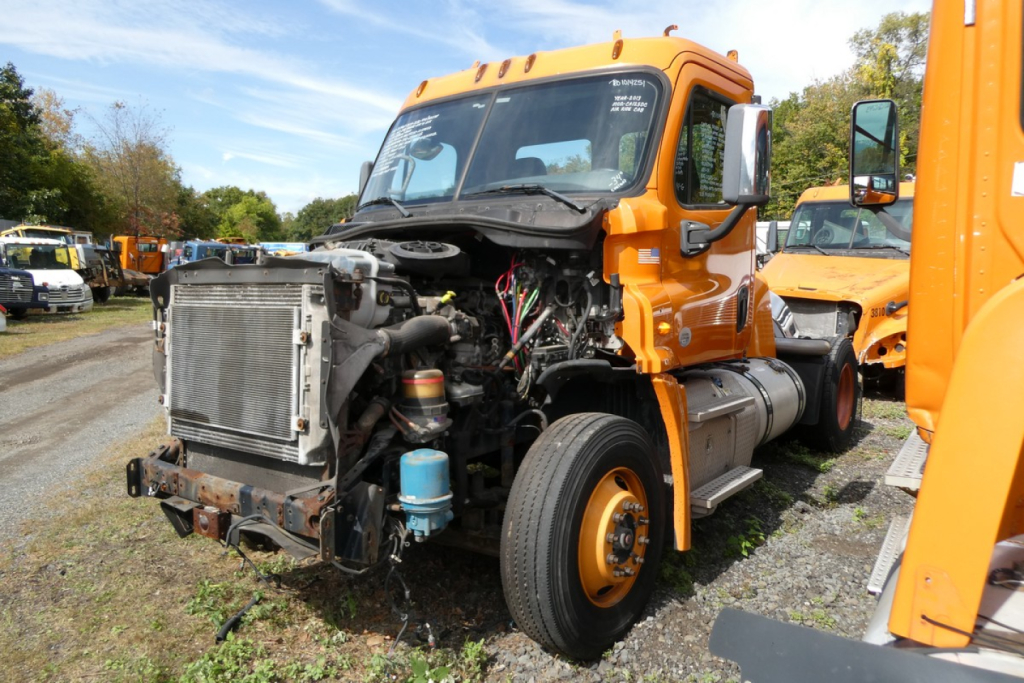
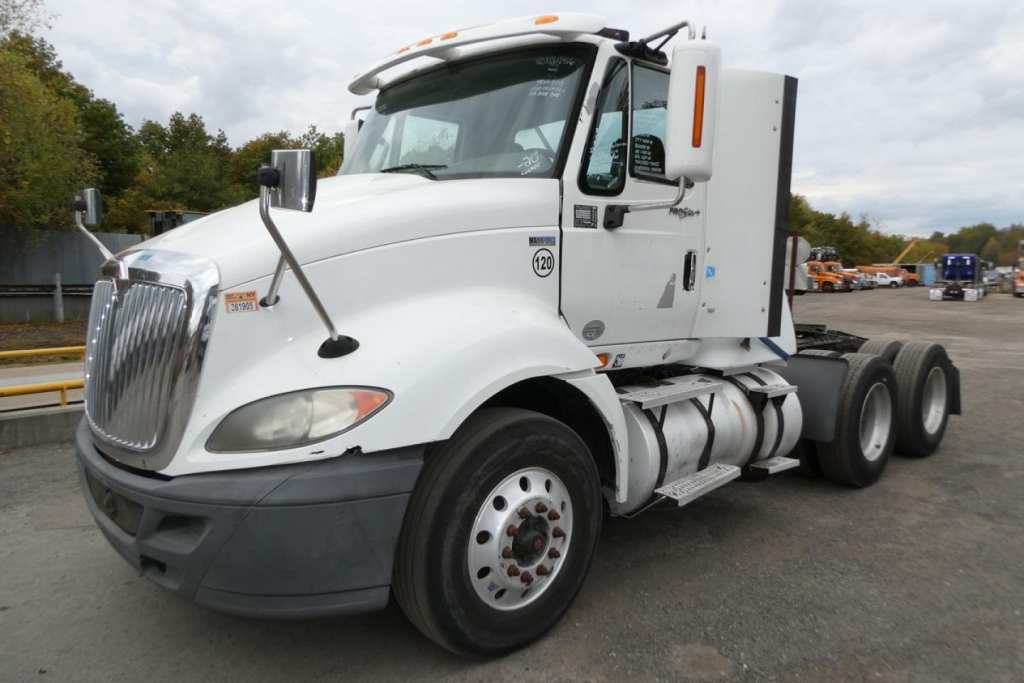
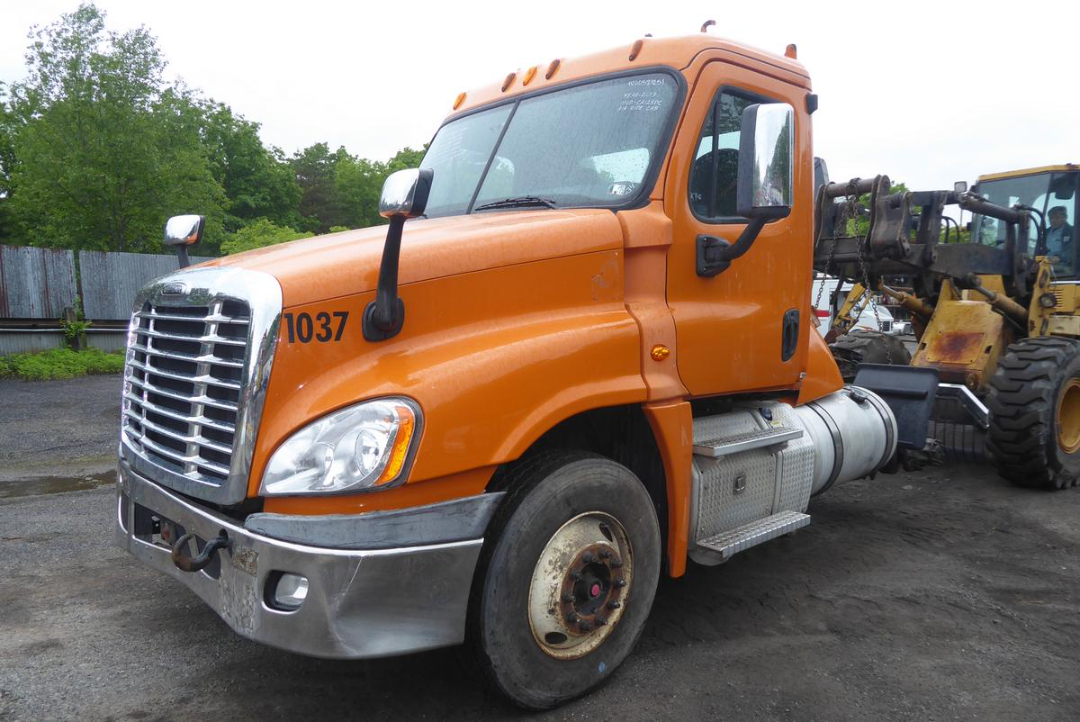
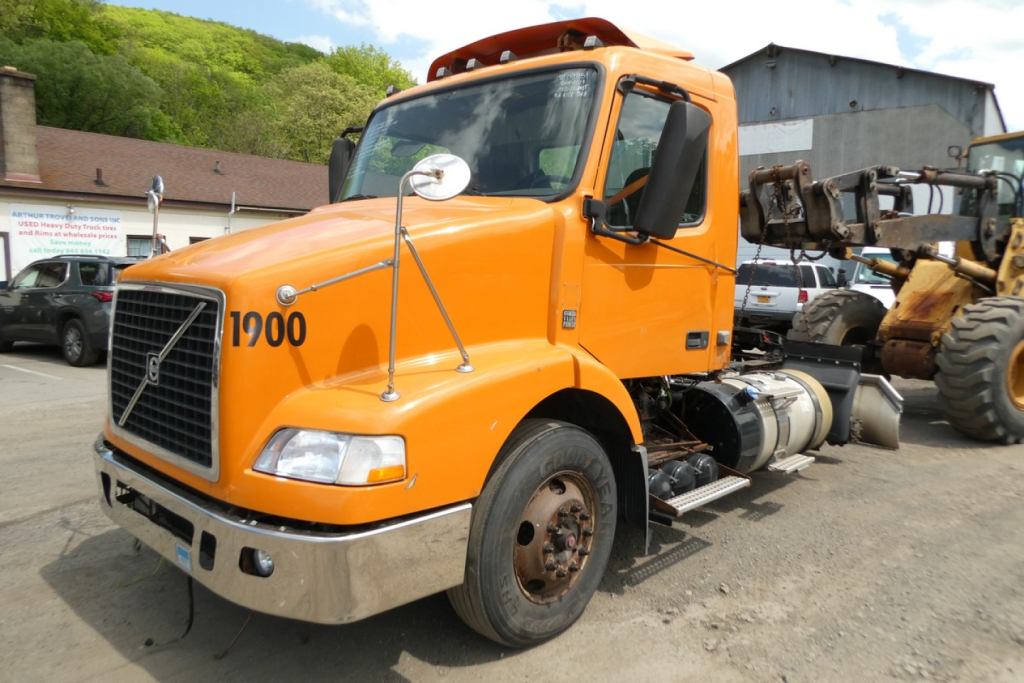
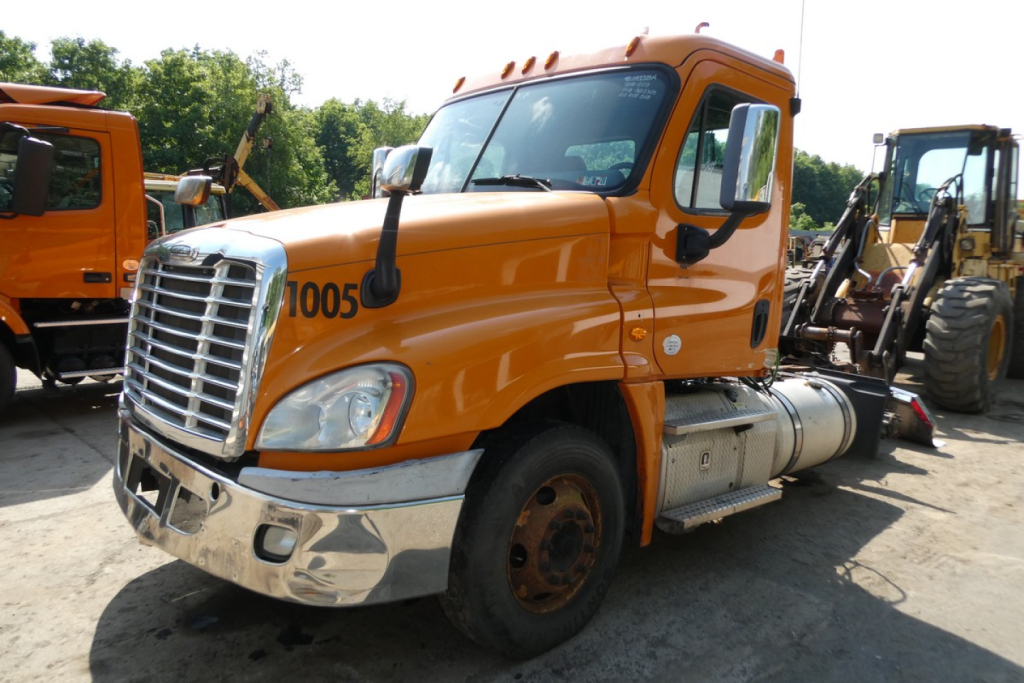
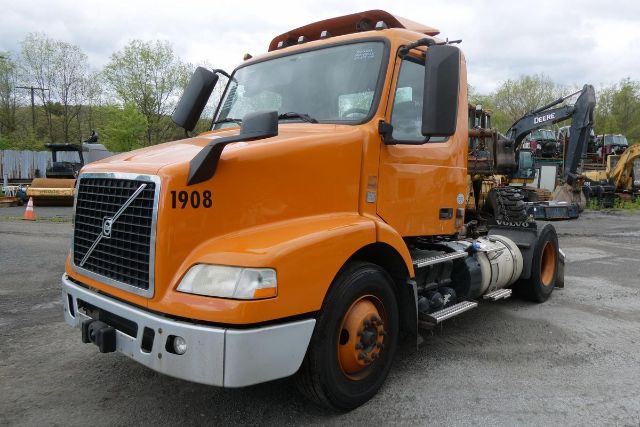
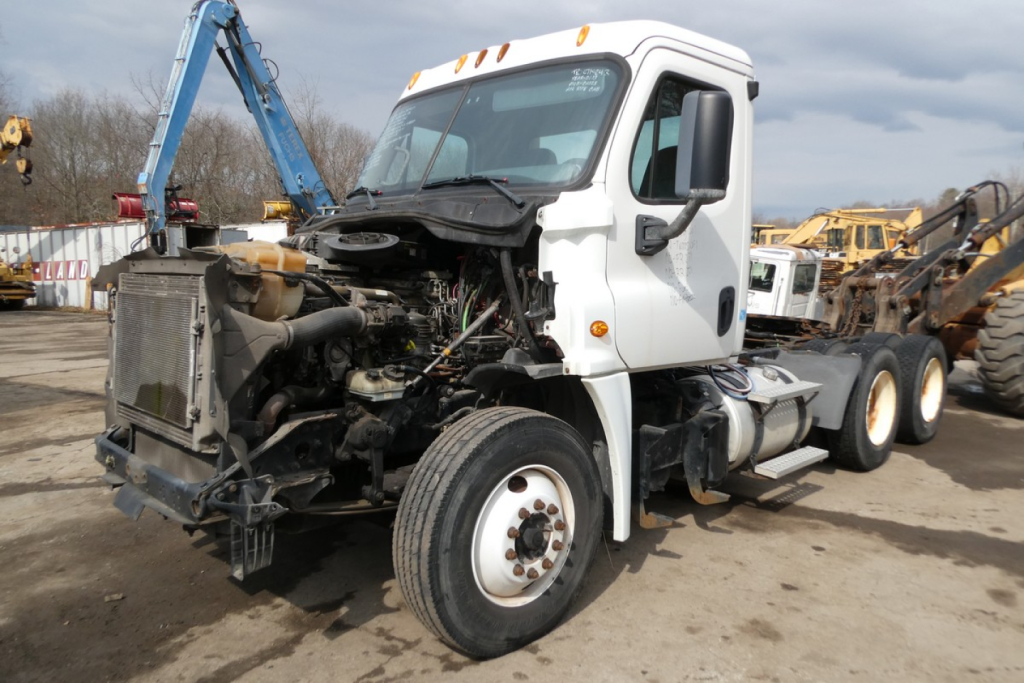
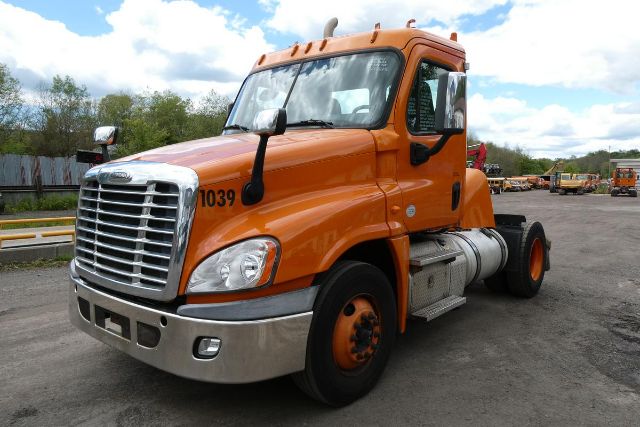
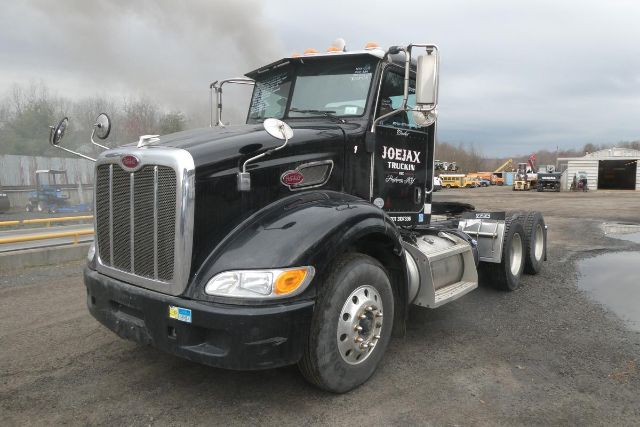
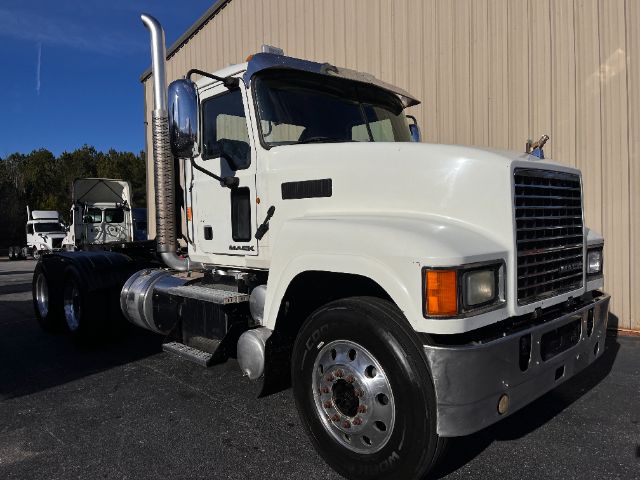
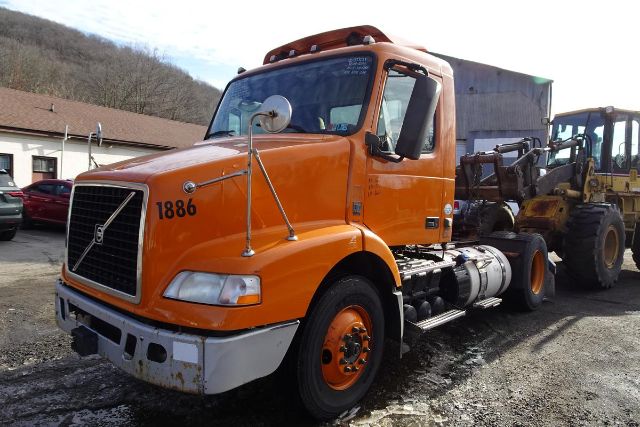
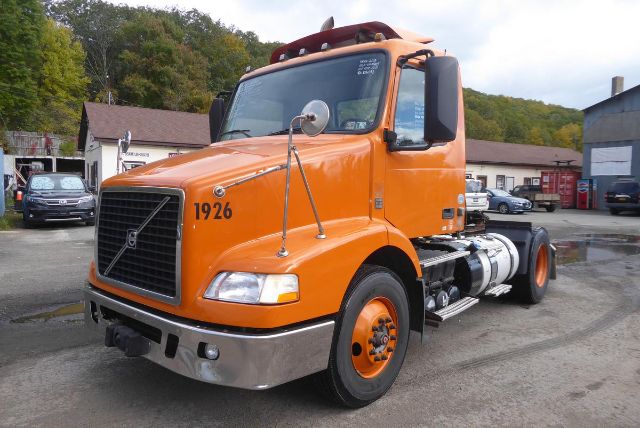
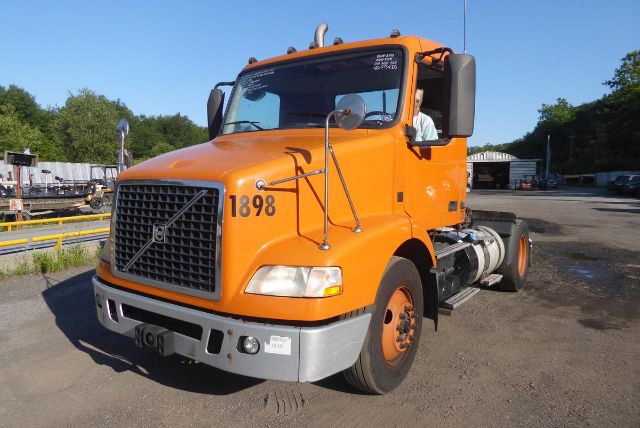
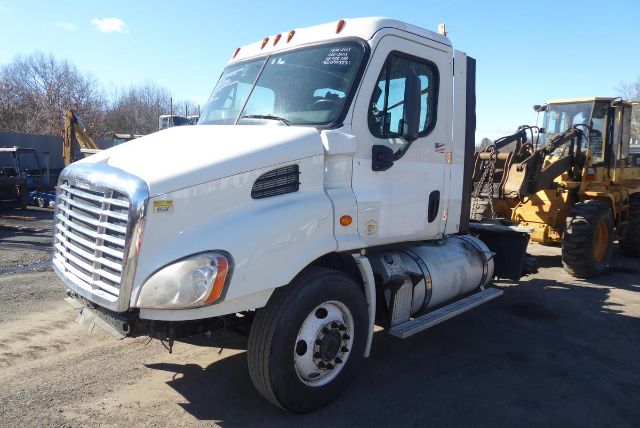
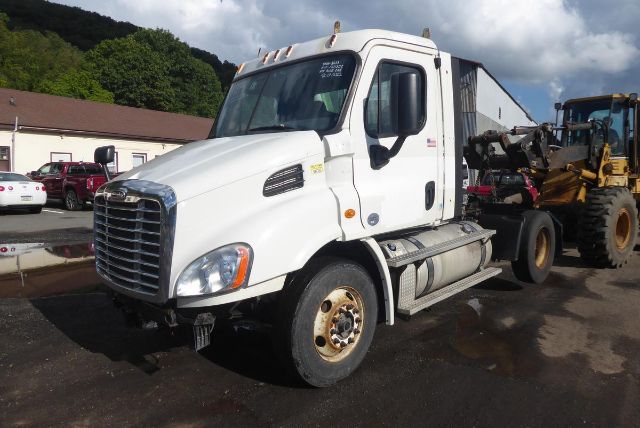
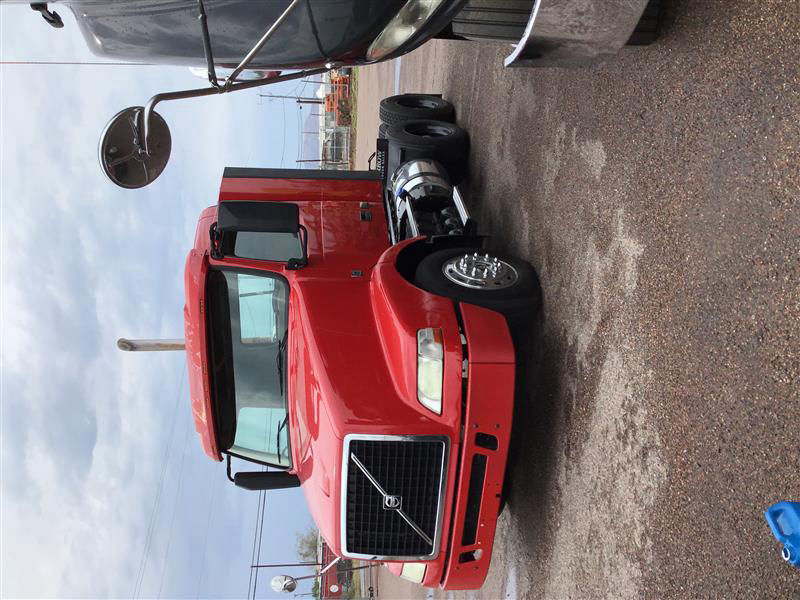
Selling a 2013 conventional daycab truck? List your 2013 conventional daycab truck for sale and reach thousands of commercial buyers.
2013 Conventional Daycab Trucks
On 2013 models, powertrain selection matters more than the badge on the hood. Many trucks from this era carry engines such as the Detroit DD13 or DD15, Cummins ISX, Paccar MX, Volvo D11 or D13, or Mack MP series, paired with manual, automated manual, or full automatic transmissions. A buyer should pay close attention to horsepower and torque ratings, rear axle ratio, and whether the truck is geared for stop-and-go city work, short regional pulls, or heavier gross weights. Emissions equipment is another major checkpoint on a 2013 truck because this model year falls well into the DEF and DPF generation. Service history for the aftertreatment system, fault codes, regen behavior, and evidence of downtime tied to SCR or DEF components can be just as important as mileage.
Cab layout and chassis details also separate one conventional daycab from another. Shorter wheelbase trucks are easier to place in tight yards and urban docks, while longer wheelbases may ride better and offer more frame space for wet kits, toolboxes, headache racks, or specialized PTO-driven equipment. Fifth wheel type, sliding range, frame specification, suspension design, and brake setup should all match the intended use. Air ride suspensions are common for highway and general freight work, while vocational daycabs may use heavier specifications for severe service. Buyers also compare curb weight closely, especially in bulk haul and tanker applications where every few hundred pounds can affect revenue payload.
A well-matched 2013 conventional daycab can still make sense for fleets and owner-operators who want a straightforward tractor for local and regional service. The strongest candidates are usually the ones with documented maintenance, clean driveline operation, consistent tire wear, and specs that fit the route instead of forcing a compromise. If the truck will be used with multiple trailer types, check kingpin setting compatibility, fifth wheel height, and turning clearance before deciding. On this equipment class, the best value usually comes from buying the right specification the first time, not from buying the lowest-priced truck on the page.
Frequently Asked Questions about 2013 Conventional Daycab Trucks
What should I look at first on a 2013 conventional daycab truck?
Start with the truck's intended application and compare wheelbase, axle ratings, engine, transmission, and rear axle ratio against that job. A daycab spec that works for regional van freight may be wrong for tanker, container, or heavy local hauling. On a 2013 model, emissions system condition should be near the top of the list because DPF, DEF, and SCR issues can affect uptime and repair cost as much as the engine itself.
Are 2013 daycab trucks a good choice for local and regional hauling?
Yes, many 2013 conventional daycab trucks are still well suited for short-haul and regional work if the specifications and maintenance history are right. They are commonly used for port drayage, dedicated freight, tanker, dump, and terminal-to-terminal routes. Buyers should focus less on age alone and more on service records, fault history, driveline condition, suspension wear, and whether the gearing and axle package match the load profile.
Which transmission is better in a 2013 conventional daycab: manual or automated manual?
That depends on driver preference, duty cycle, and maintenance approach. A manual transmission can still appeal in severe service or fleets that prefer simpler mechanical control, while an automated manual can improve driver consistency and reduce fatigue in stop-and-go work. On any used 2013 truck, the better choice is usually the transmission with documented service, smooth operation, and no signs of clutch, shift actuator, or calibration problems.
Why do wheelbase and fifth wheel setup matter on a daycab tractor?
Wheelbase affects turning radius, bridge law flexibility, ride quality, and how the tractor balances trailer weight. Fifth wheel type and position affect kingpin placement, cab-to-trailer clearance, and axle loading. A short wheelbase daycab can be ideal for tight terminals and city routes, but it still needs the right sliding fifth wheel range and frame layout to work safely with the trailers it will pull.
What mileage is too high for a 2013 conventional daycab?
There is no single mileage cutoff that makes a 2013 daycab truck good or bad. A higher-mileage truck with strong maintenance records, healthy aftertreatment performance, and evidence of proper drivetrain care can be a better buy than a lower-mileage truck with neglect or repeated emissions faults. Buyers should compare odometer miles with engine hours, look for signs of excessive idle time, and review ECM data, maintenance intervals, and repair history before making a decision.