
2013 Volvo Conventional Daycab Trucks For Sale
Shop 2013 Volvo conventional daycab trucks. Compare VNL and VNM specs, D11 or D13 power, wheelbase, axle ratings, and regional haul setup.
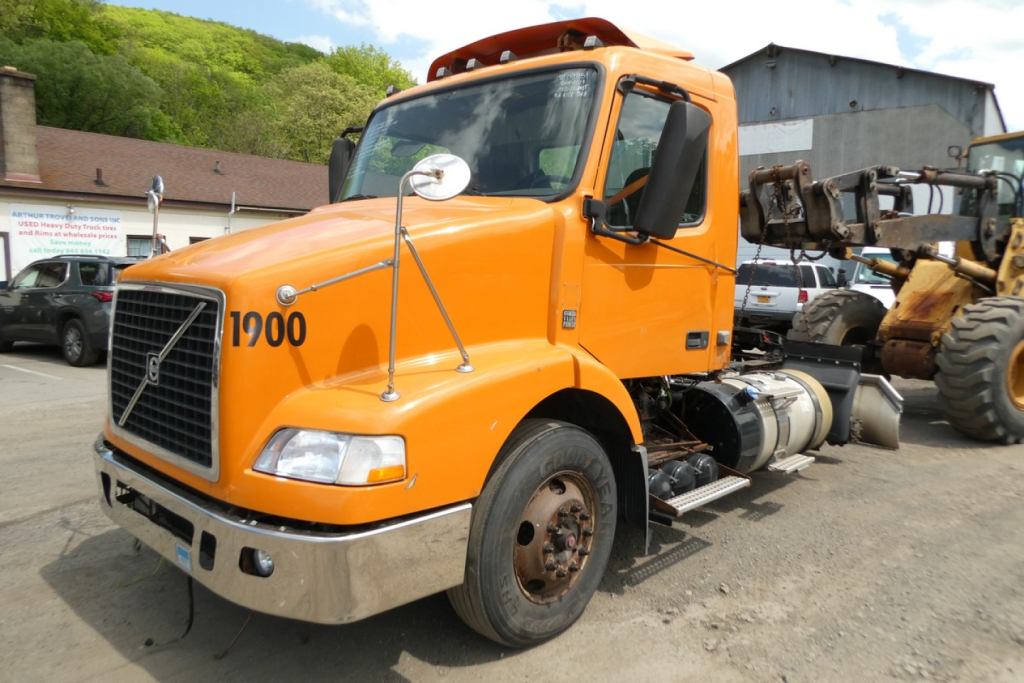
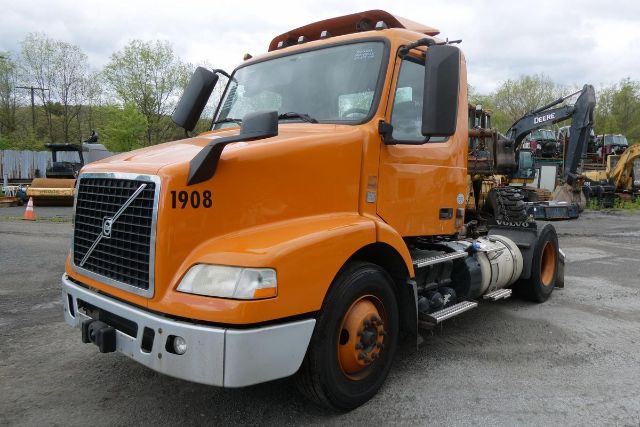
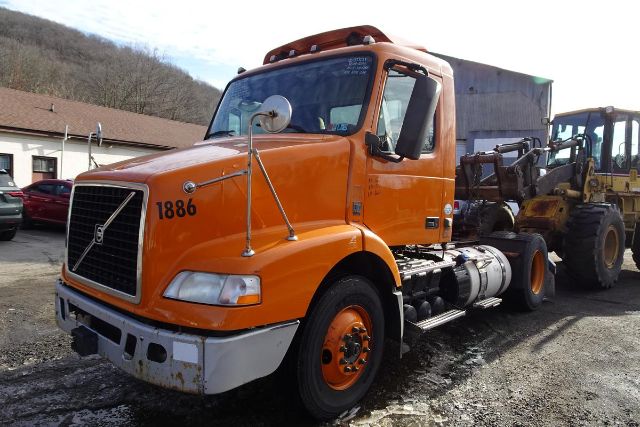
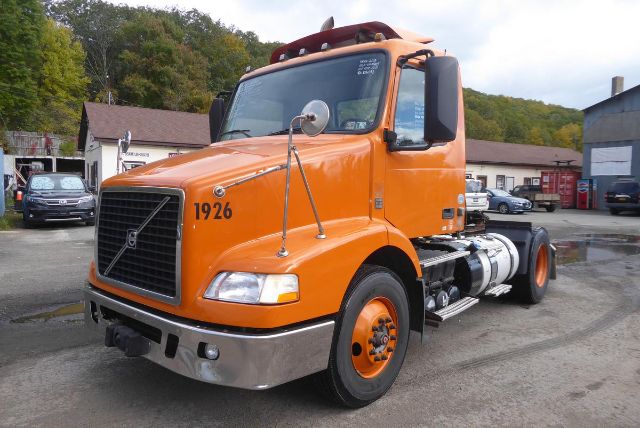
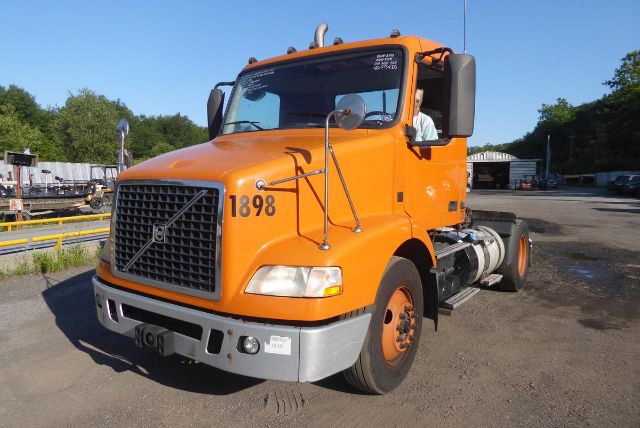
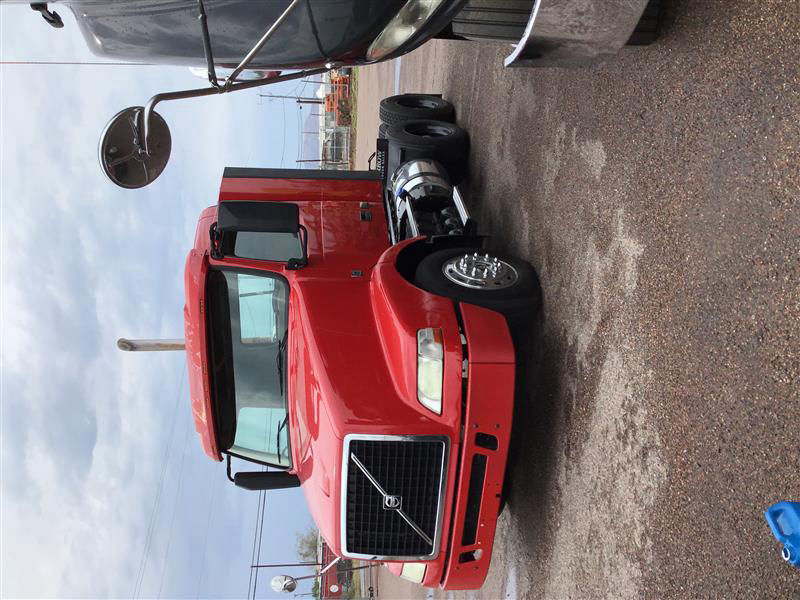
Selling a 2013 volvo conventional daycab truck? List your 2013 volvo conventional daycab truck for sale and reach thousands of commercial buyers.
2013 Volvo Conventional Daycab Trucks
The main spec decisions on a 2013 Volvo daycab usually start with engine, transmission, axle configuration, and wheelbase. Many trucks from this era carry a Volvo D11 or D13 diesel, with horsepower commonly landing in the mid-300 to low-400 range depending on the intended duty cycle. For lighter regional lanes, the D11 can be a practical fit with lower curb weight and solid fuel economy. For heavier freight, more demanding terrain, or higher average gross weights, the D13 gives better pulling power and often pairs well with automated manual transmissions such as Volvo I-Shift, though some units will have Eaton Fuller manual gearboxes. Buyers should also look closely at rear axle ratings, common ratios like 3.42 or 2.31, suspension type, and whether the truck is set up as a single axle, tandem, or includes a lift axle or pusher for specialized payload needs.
Daycab buyers should pay attention to chassis layout because it affects trailer compatibility and how the truck performs in real service. Wheelbase, cab-to-axle, and fifth wheel position determine turning radius, bridge law flexibility, and kingpin setting options. A shorter wheelbase is easier around docks and city streets, while a longer setup can improve ride quality and weight distribution on regional van, reefer, or flatbed work. Common features on Volvo daycabs from this period include air ride suspension, engine brake, aerodynamic fairings, aluminum fuel tanks, and air slide or stationary fifth wheels. Air disc brakes show up on some units and can be a meaningful advantage for stopping performance and maintenance planning.
A 2013 model year also sits in an important emissions window, so the aftertreatment system deserves a careful review. These trucks use DEF and emissions components that should be checked for fault history, turbo condition, injector performance, and evidence of proper maintenance. Service records matter on any used Volvo daycab, but especially on trucks with high idle hours or stop-and-go duty cycles. It is also worth comparing odometer miles to ECM miles and engine hours, then inspecting the cab, seats, steering wheel, and pedals for wear that matches the reported use. A well-spec'd 2013 Volvo conventional daycab can still be a productive tractor for regional carriers and owner-operators if the powertrain, emissions system, and chassis setup align with the freight it is expected to handle.
Frequently Asked Questions about 2013 Volvo Conventional Daycab Trucks
What is the difference between a 2013 Volvo VNL daycab and a 2013 Volvo VNM daycab?
The VNL daycab is generally the more aerodynamic and highway-focused platform, making it a strong fit for regional lanes and longer daily runs. The VNM daycab is typically shorter and more maneuverable, which can be better for city delivery, port work, and tight dock environments. The right choice comes down to route density, trailer length, gross weight, and how much emphasis you place on turning radius versus highway comfort.
Which engine is common in a 2013 Volvo conventional daycab?
A 2013 Volvo daycab commonly comes with a Volvo D11 or D13 diesel engine. The D11 is often used in lighter regional applications where fuel economy and lower weight are priorities, while the D13 is better suited for heavier loads and more demanding routes. Buyers should evaluate horsepower, torque rating, maintenance history, and emissions system condition instead of choosing on displacement alone.
Is an automated transmission a good choice in a 2013 Volvo daycab?
An automated manual such as Volvo I-Shift can be an excellent choice for regional and urban work because it helps with driver consistency, clutch life, and ease of operation in traffic. A manual transmission may still appeal to fleets or operators with in-house maintenance preferences or specific driver requirements. The key is to confirm the transmission matches the rear axle ratio, engine rating, and intended operating speed.
What should I inspect first on a used 2013 Volvo daycab?
Start with the emissions system, engine fault history, turbocharger condition, and transmission operation. Then review axle ratings, suspension wear, brake type, tire condition, wheelbase, and fifth wheel setup to make sure the tractor fits your trailers and freight. It is also smart to compare dash mileage, ECM data, and engine hours, because daycabs used in local or drayage service can accumulate high idle time relative to road miles.
What applications fit a 2013 Volvo conventional daycab best?
This truck class fits regional dry van, reefer, container drayage, LTL linehaul, dedicated shuttle routes, and some flatbed work depending on the axle and fifth wheel configuration. A daycab is best when the driver returns to base or home daily and sleeper space is not needed. Matching the spec to the job is critical, especially when it comes to wheelbase, axle capacity, fuel tank size, and transmission type.