
2013 Volvo Conventional Daycab Trucks For Sale in New York
Shop 2013 Volvo conventional daycab trucks in New York. Compare D11 and D13 specs, wheelbase, axle ratings, I-Shift options, and local haul fit.
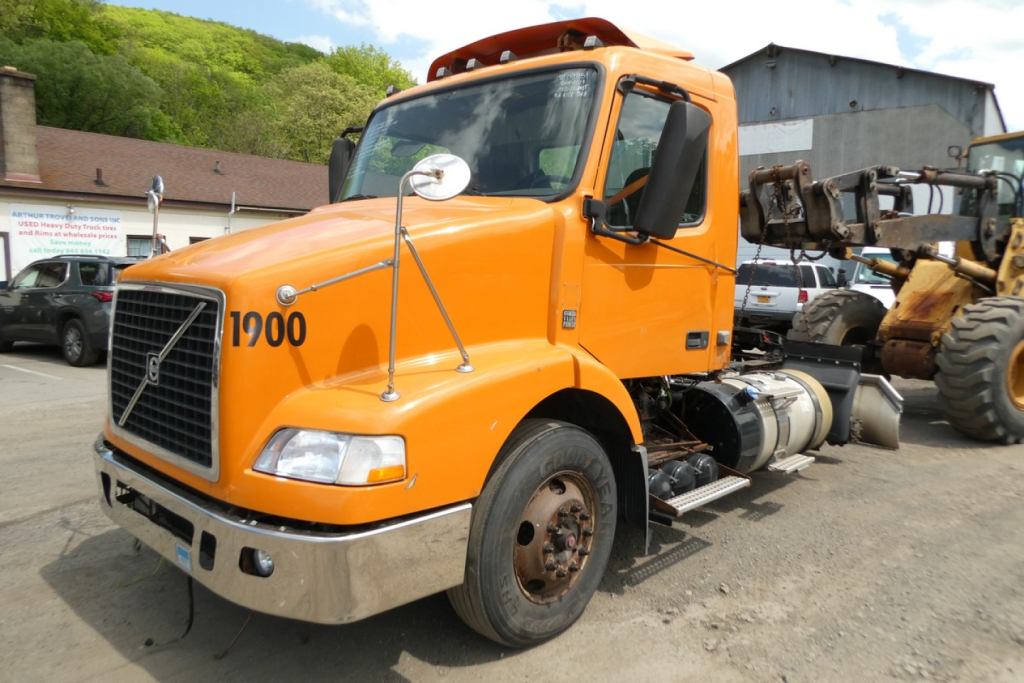
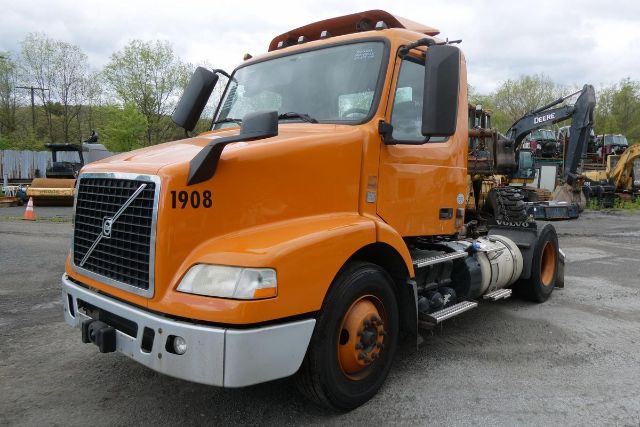
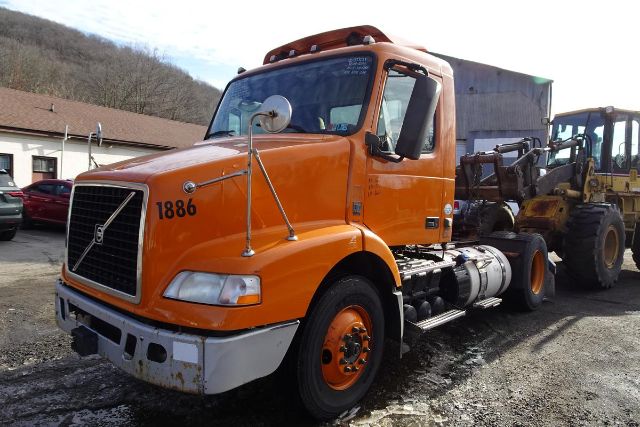
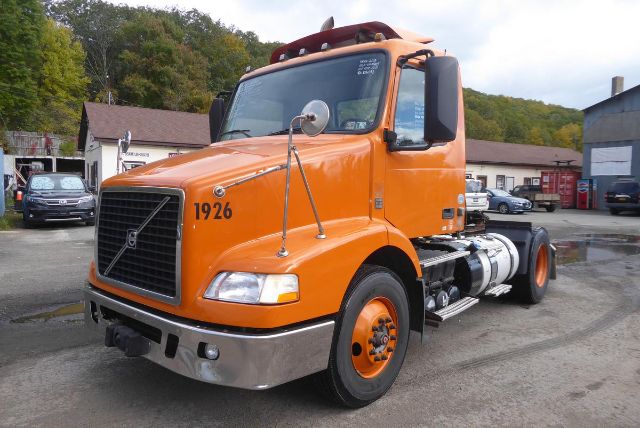
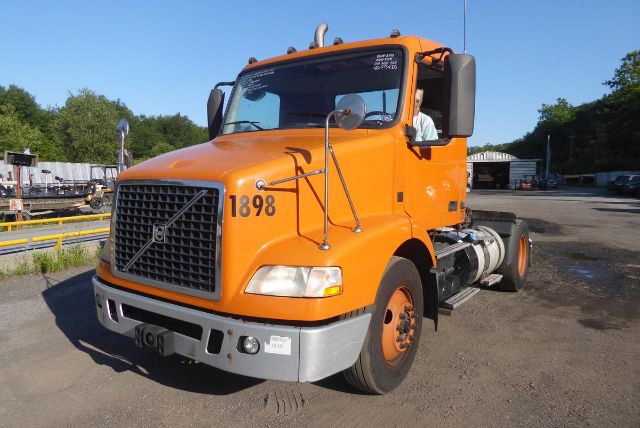
Selling a 2013 volvo conventional daycab truck? List your 2013 volvo conventional daycab truck for sale and reach thousands of commercial buyers.
2013 Volvo Conventional Daycab Trucks in New York
The biggest spec decision is usually engine and axle package. Many 2013 Volvo daycabs were built with the Volvo D11 for lighter weight and fuel efficiency, while heavier regional and bulk applications may have the Volvo D13 for more torque and stronger GCWR capability. Typical horsepower in this class often falls in the mid-300 to mid-400 range, paired with automated manual transmissions such as Volvo I-Shift or a traditional 10-speed. Rear axle ratings can range from lighter single-axle setups around 23,000 pounds to tandem configurations around 40,000 pounds, with ratios such as 3.21 or 3.42 often showing up in regional service. A buyer comparing listings should look closely at wheelbase, cab-to-axle, suspension type, and fifth wheel setup because those details determine trailer compatibility and how easily the truck can be repurposed.
Volvo daycabs from this era are known for a driver-friendly cab, good visibility, and efficient powertrain integration. Features often found in the category include air ride suspension, engine brake, DEF-equipped emissions systems, air-to-air charge cooling, and air disc brakes on some specs. Air disc brakes can be a real advantage for stop-and-go work and easier brake service intervals, but condition still matters more than feature count on a used truck. On a 2013 unit, pay close attention to ECM miles and hours, aftertreatment history, transmission calibration, suspension bushing wear, and any signs of repeated city-duty stress such as steering play, frame corrosion, uneven tire wear, and fifth wheel or pintle wear.
For buyers sorting through multiple used listings, the best 2013 Volvo conventional daycab is the one whose specs match the job without carrying excess weight or complexity. A short single-axle VNM can be a smart fit for local van, flatbed, or municipal support work, while a tandem-axle daycab with I-Shift, power divider, and higher rear rating makes more sense for heavier regional hauling. In New York, it is also worth checking overall height with fairings, tire size, and frame layout if the truck will see terminals, ferry access, low-clearance routes, or body installation. A clean maintenance record, consistent engine hours relative to miles, and the right axle and wheelbase combination usually matter more than brand cosmetics on a working daycab.
Frequently Asked Questions about 2013 Volvo Conventional Daycab Trucks in New York
What is a 2013 Volvo conventional daycab best used for?
A 2013 Volvo conventional daycab is best suited for regional and local applications where sleeper space is unnecessary. Common uses include dry van shuttles, container drayage, tanker work, flatbed hauling, refuse support, and terminal or port operations. The shorter chassis and lighter overall package make it easier to maneuver in tight city environments, which is especially important in dense markets such as New York.
What engines are common in a 2013 Volvo daycab?
The most common engines in this category are the Volvo D11 and Volvo D13. The D11 is typically chosen for lighter weight, fuel economy, and regional-duty performance, while the D13 is better suited for heavier loads and higher torque demands. The right choice depends on gross combination weight, terrain, duty cycle, and how often the truck will be operating in stop-and-go traffic versus steady highway service.
Is Volvo I-Shift a good transmission choice in a used 2013 daycab?
Volvo I-Shift is a strong fit for many used daycab applications because it improves driver consistency, reduces clutch wear, and performs well in urban and regional routes. On a 2013 truck, the condition of the transmission matters more than the name alone. Buyers should confirm smooth shifting, review any fault history, and verify that clutch, software, and driveline components have been maintained correctly.
What specs should I compare first when shopping a used Volvo conventional daycab?
Start with axle configuration, rear axle rating, wheelbase, cab-to-axle measurement, engine model, horsepower, transmission type, and rear ratio. Those specs determine what trailers the truck can handle, how it performs under load, and whether it fits your route profile. After that, review suspension type, brake setup, tire size, fifth wheel style, and emissions system service history to get a clearer picture of operating cost and suitability.
What should New York buyers watch for on a used 2013 Volvo daycab?
New York buyers should pay close attention to maneuverability, axle ratings, corrosion, and application-specific frame setup. Urban service can accelerate wear in steering, suspension, brakes, and fifth wheel components, while road salt can affect frame rails, crossmembers, airlines, and electrical connections. Clearance, bridge-law considerations, and compatibility with local trailer fleets are also important, especially for trucks working in borough traffic, ports, warehouses, and short-haul regional lanes.