
2013 Conventional Daycab Trucks For Sale in Nevada
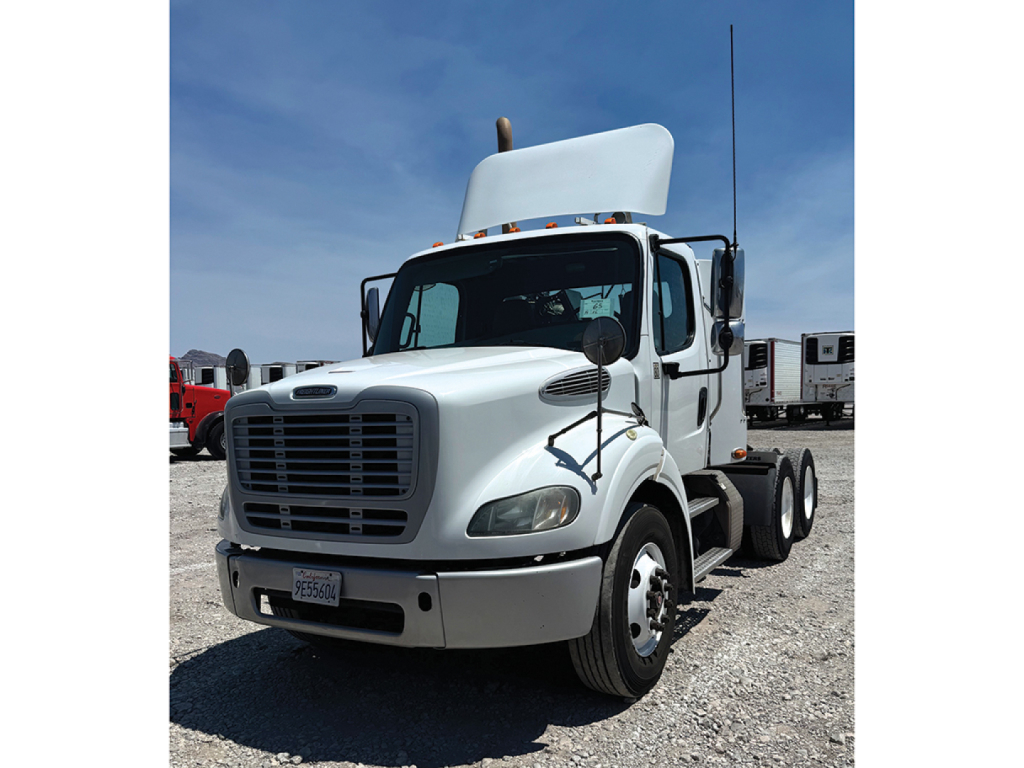
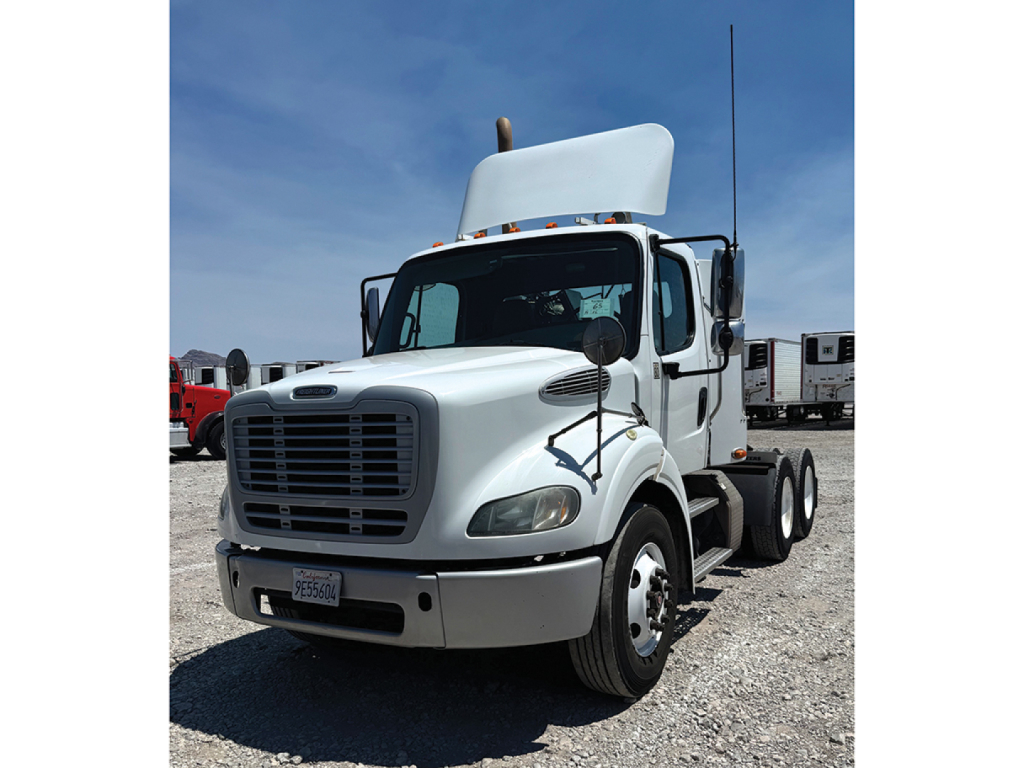
2013 Freightliner M2 112
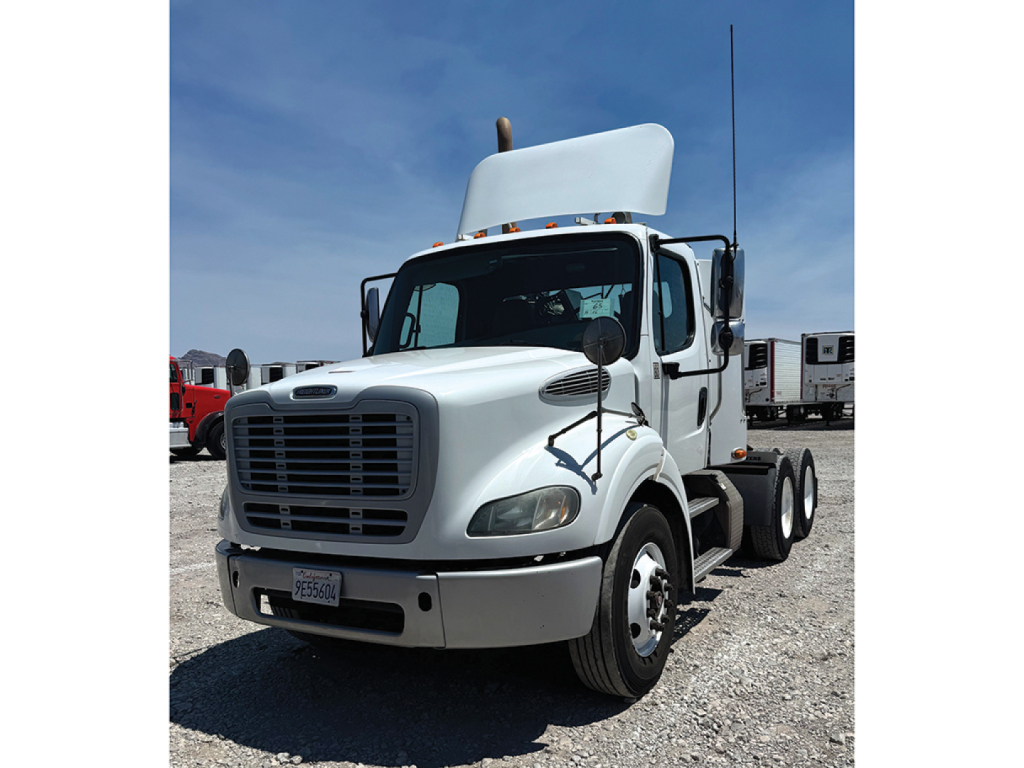
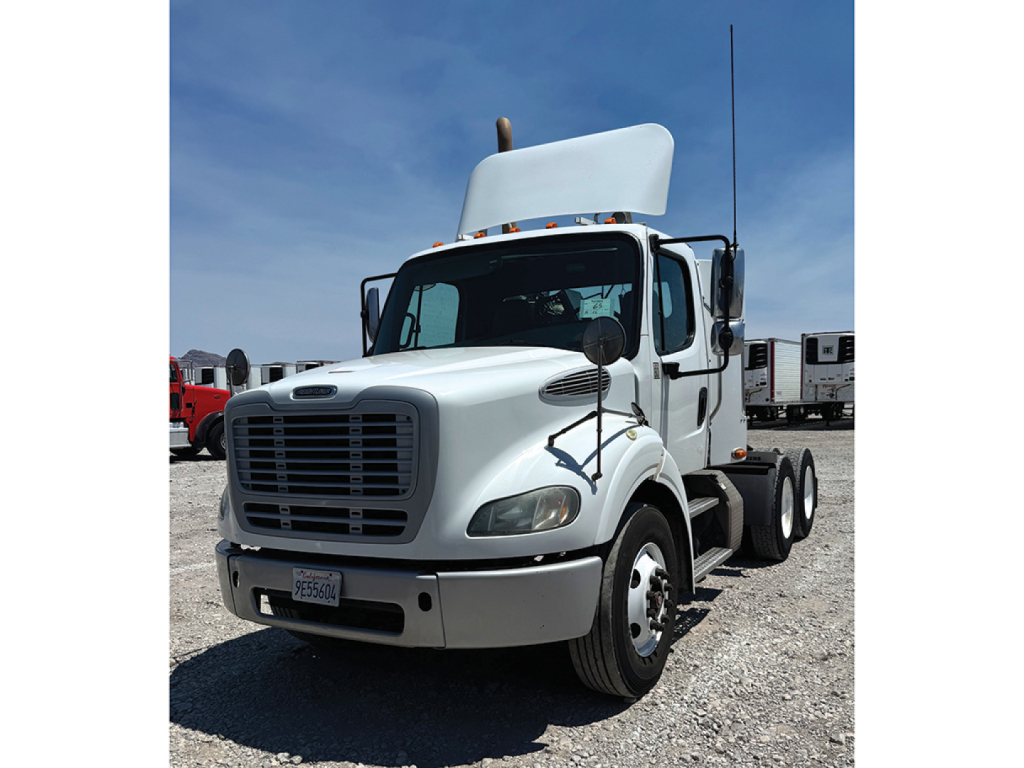
2013 Freightliner M2 112
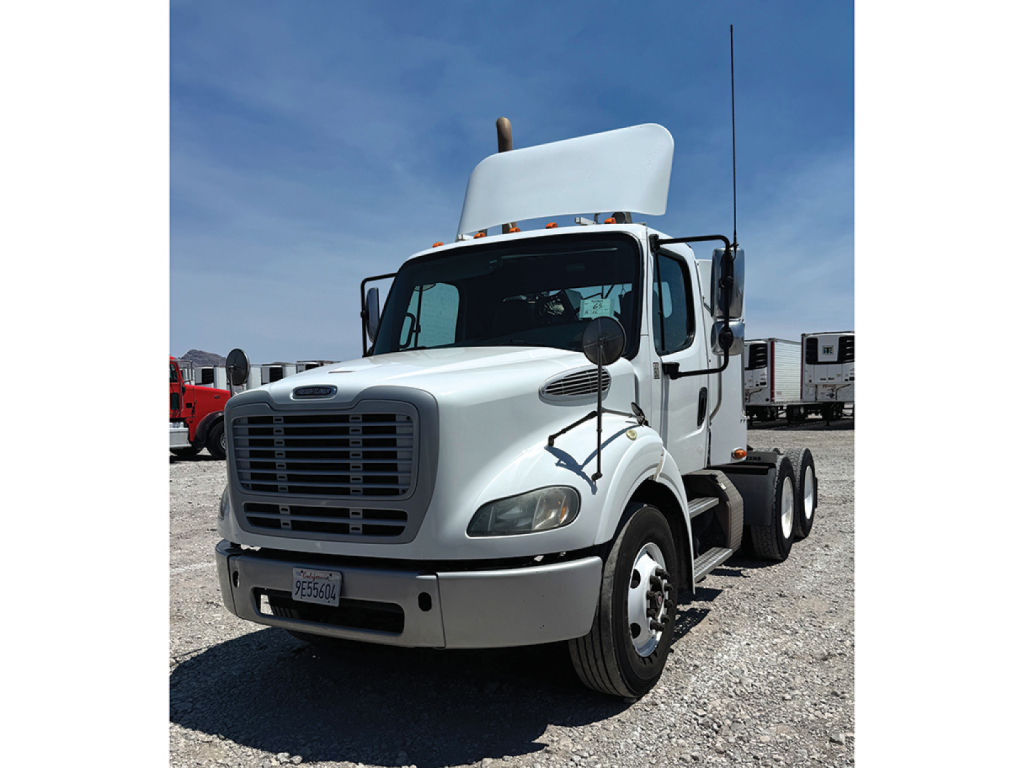
2013 Freightliner M2 112
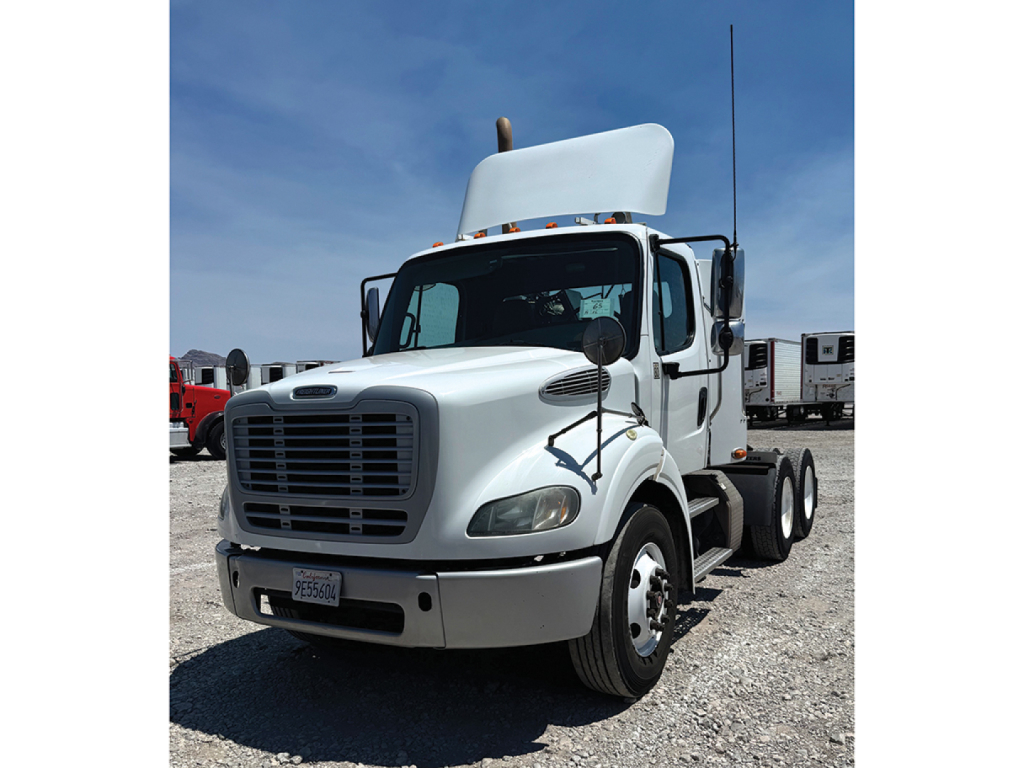
2013 Freightliner M2 112
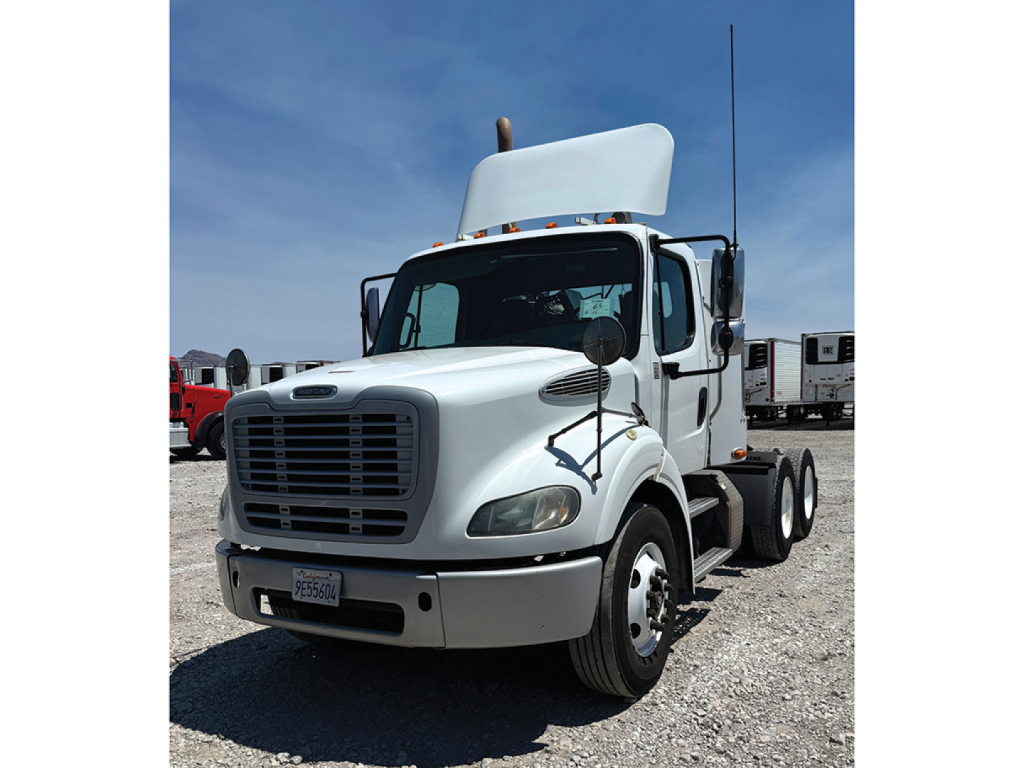
2013 Freightliner M2 112
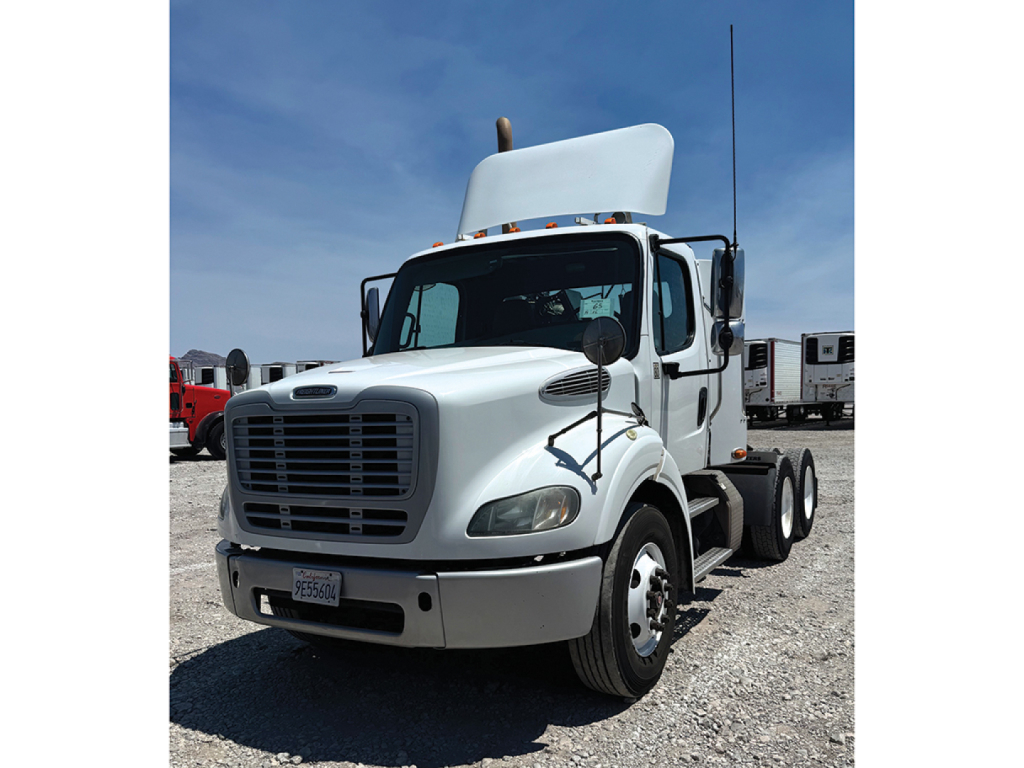
2013 Freightliner M2 112
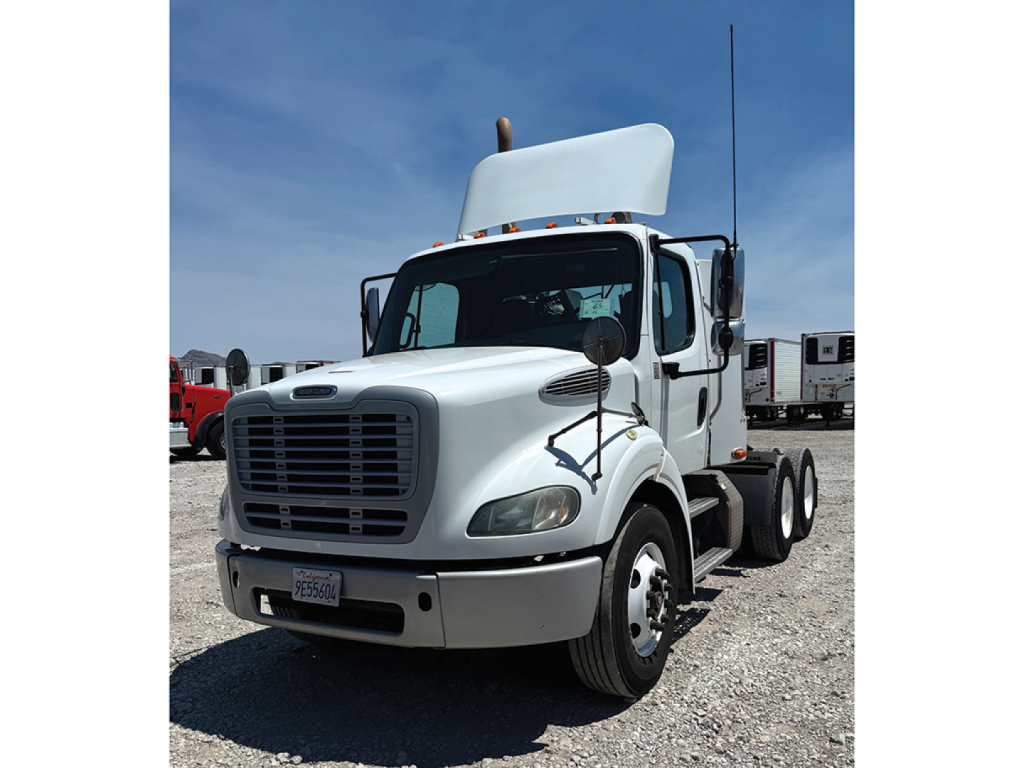
2013 Freightliner M2 112
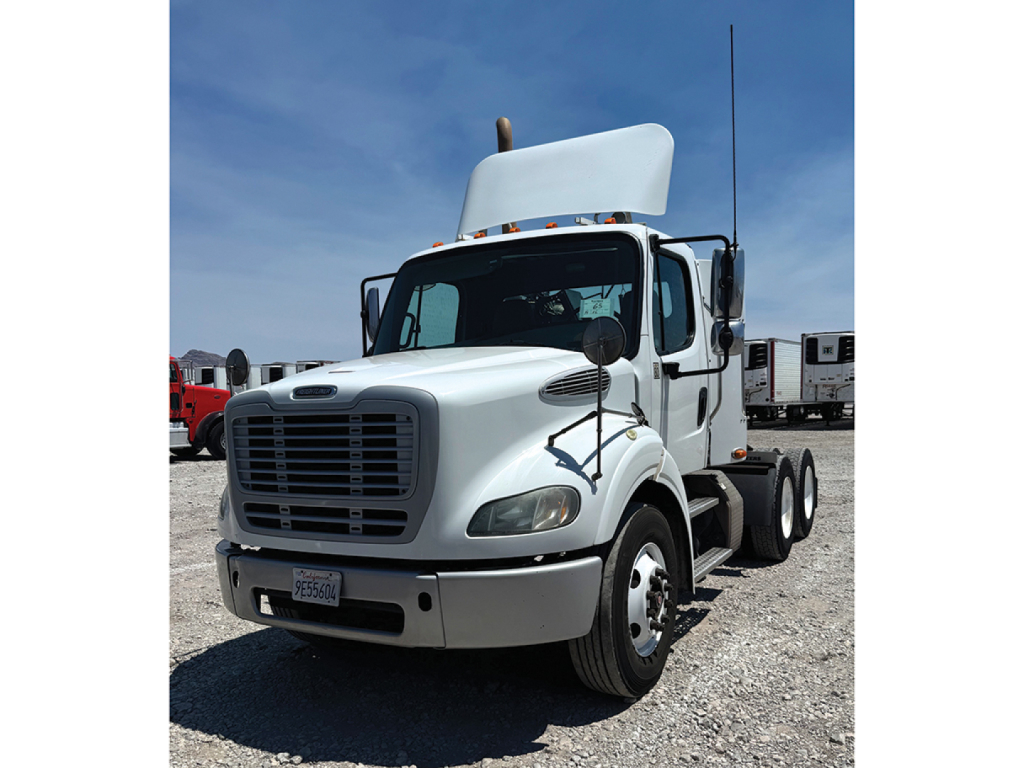
2013 Freightliner M2 112
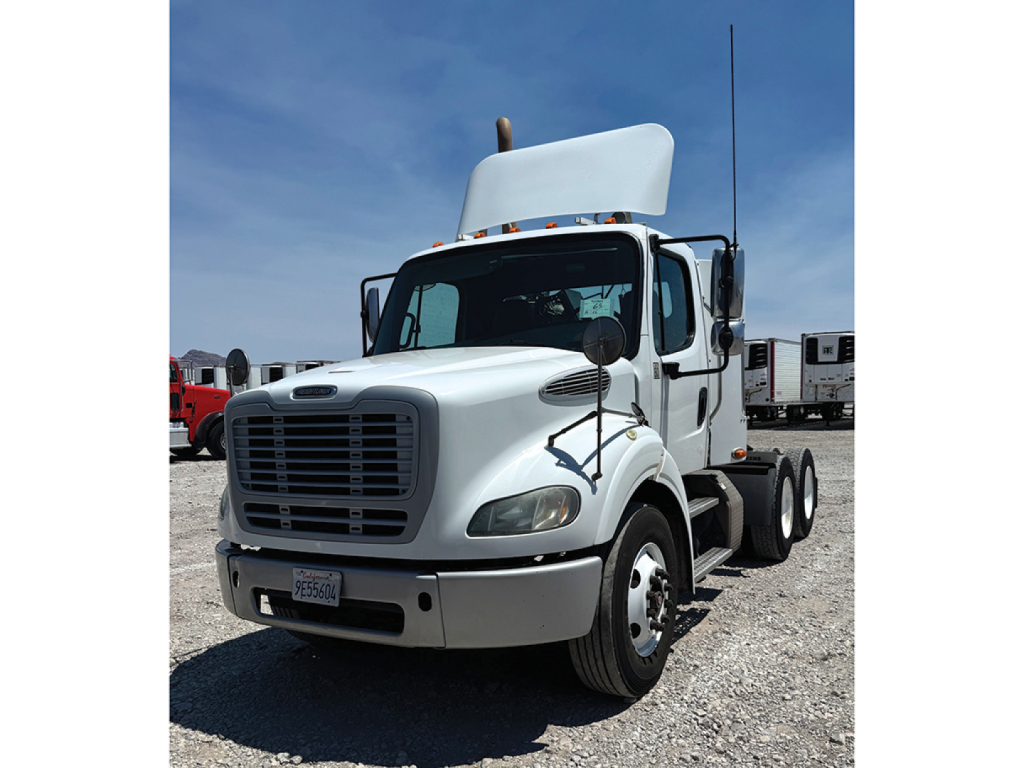
2013 Freightliner M2 112
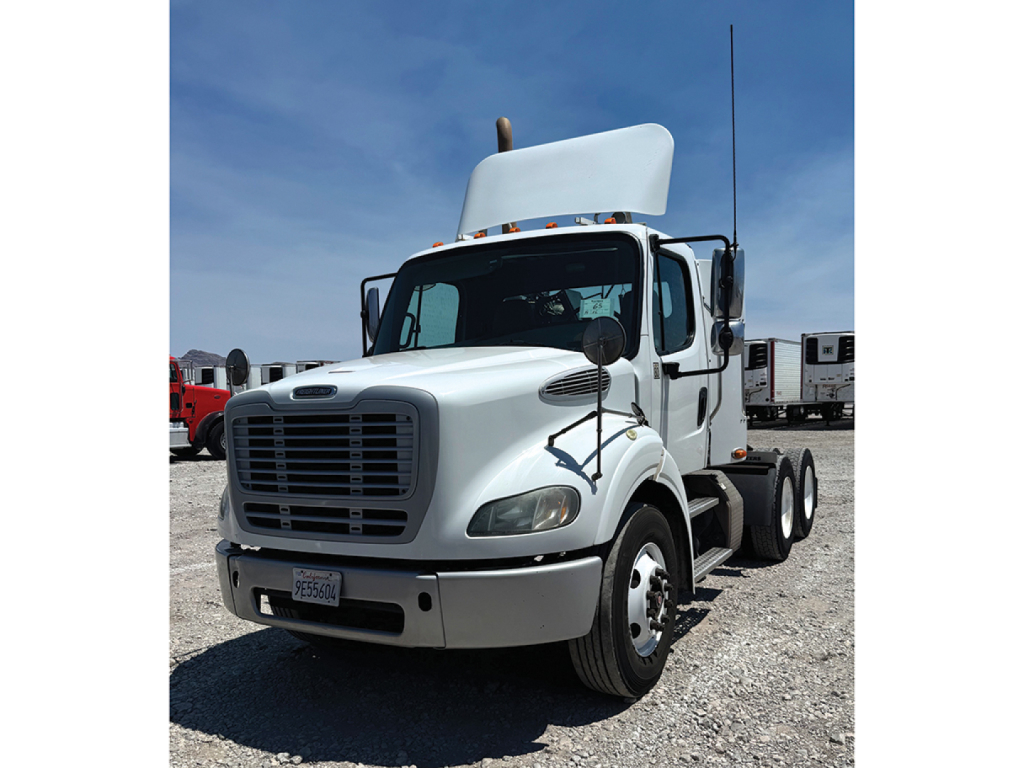
2013 Freightliner M2 112
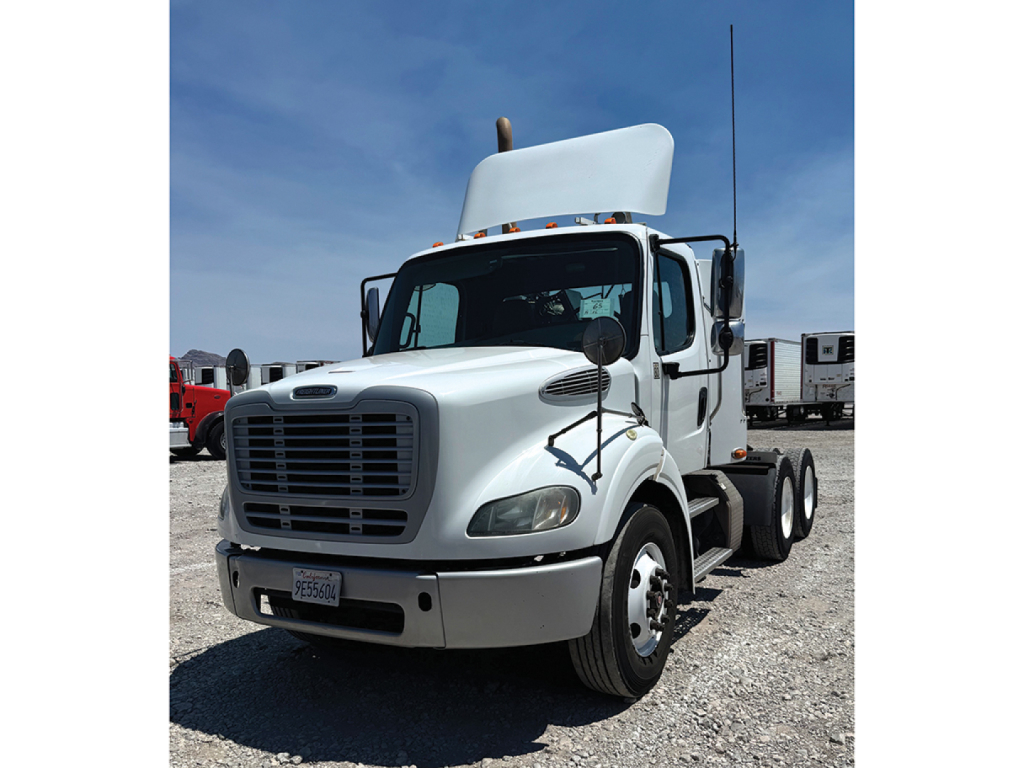
2013 Freightliner M2 112
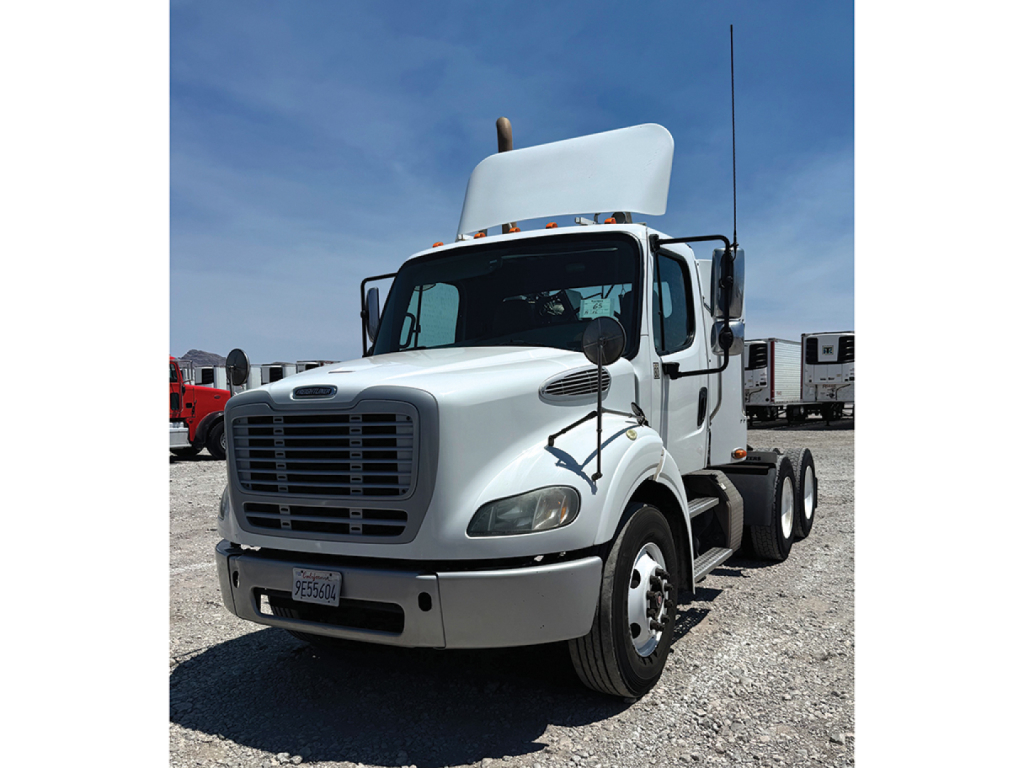
2013 Freightliner M2 112
Have 2013 conventional daycab truck to sell? List it here to reach thousands of buyers.
2013 Conventional Daycab Trucks in Nevada
Frequently Asked Questions about 2013 Conventional Daycab Trucks in Nevada
What should I look at first on a 2013 conventional daycab truck?
Start with the drivetrain and chassis spec, not the paint or interior. Engine model, horsepower, transmission type, rear axle ratio, wheelbase, suspension, and fifth wheel style tell you what kind of work the truck was built to do. A shorter wheelbase daycab is better in tight yards and city operations, while a longer wheelbase can improve ride quality and trailer clearance. Service records, engine brake operation, clutch or transmission condition, and any signs of hard fleet use should also be checked early.
Is a 2013 daycab good for regional and local freight?
Yes. A 2013 conventional daycab is commonly used for regional lanes, shuttle runs, distribution work, and dedicated routes that return the driver home daily. These trucks are designed to carry the weight and durability of a road tractor without the added cost and length of a sleeper. For buyers in Nevada, that can be a practical fit for metro freight, warehouse-to-warehouse runs, construction support, and short desert corridors where maneuverability and simple spec choices are important.
What engine and transmission specs are common in 2013 conventional daycabs?
Many 2013 daycabs were equipped with diesel engines in the 12 to 13 liter class, often around 400 to 410 horsepower, with engine brakes and tandem rear axles. Manual 10-speed transmissions were very common, though some fleets also ordered automated options. Rear axle ratios such as 2.79 were often chosen for fuel-efficient highway cruising when matched correctly to tire size and transmission gearing. The right spec depends on your gross weight, terrain, average speed, and frequency of starts and stops.
Does wheelbase matter on a conventional daycab?
Wheelbase matters a great deal because it affects maneuverability, bridge law flexibility, trailer swing clearance, and ride quality. A daycab in the 160 to 175 inch range is common for general tractor work, but the best number depends on your trailer lengths and loading environment. Shorter wheelbases are easier around docks and urban terminals. Longer wheelbases can offer better balance with certain trailer setups and may leave more room for fuel capacity or frame-mounted equipment.
Are 2013 conventional daycabs expensive to maintain?
Operating cost depends more on prior maintenance and component condition than on age alone. A well-kept 2013 daycab can still be a cost-effective truck for local or regional service, especially if the emissions system, clutch or transmission, suspension, brakes, and tires have been properly maintained. Buyers should pay close attention to aftertreatment service history, oil leaks, cooling system condition, and wear items such as bushings, airbags, brakes, and steering components. A pre-purchase inspection is especially important on any used fleet tractor.