
2013 Freightliner Conventional Daycab Trucks For Sale in Nevada
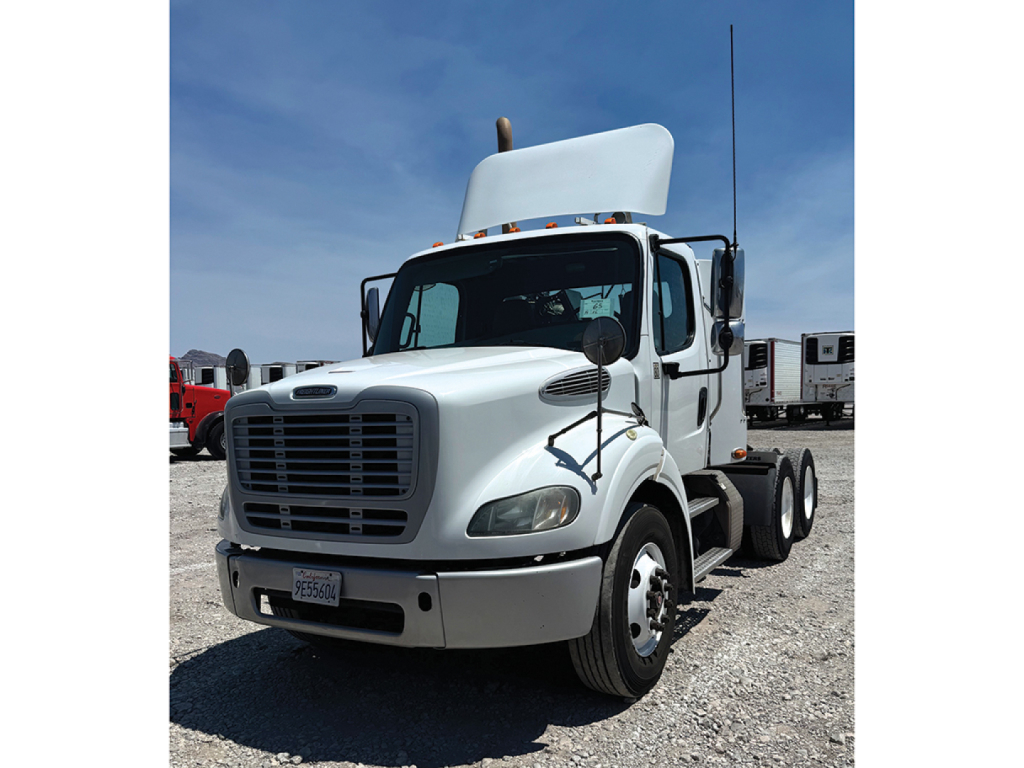
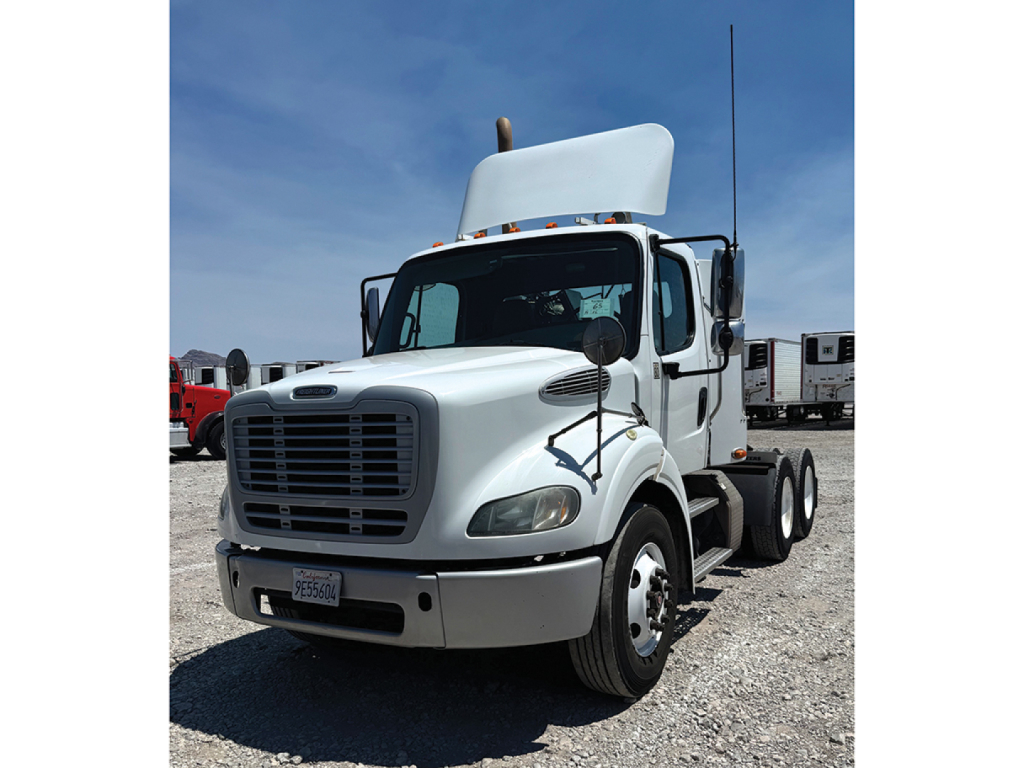
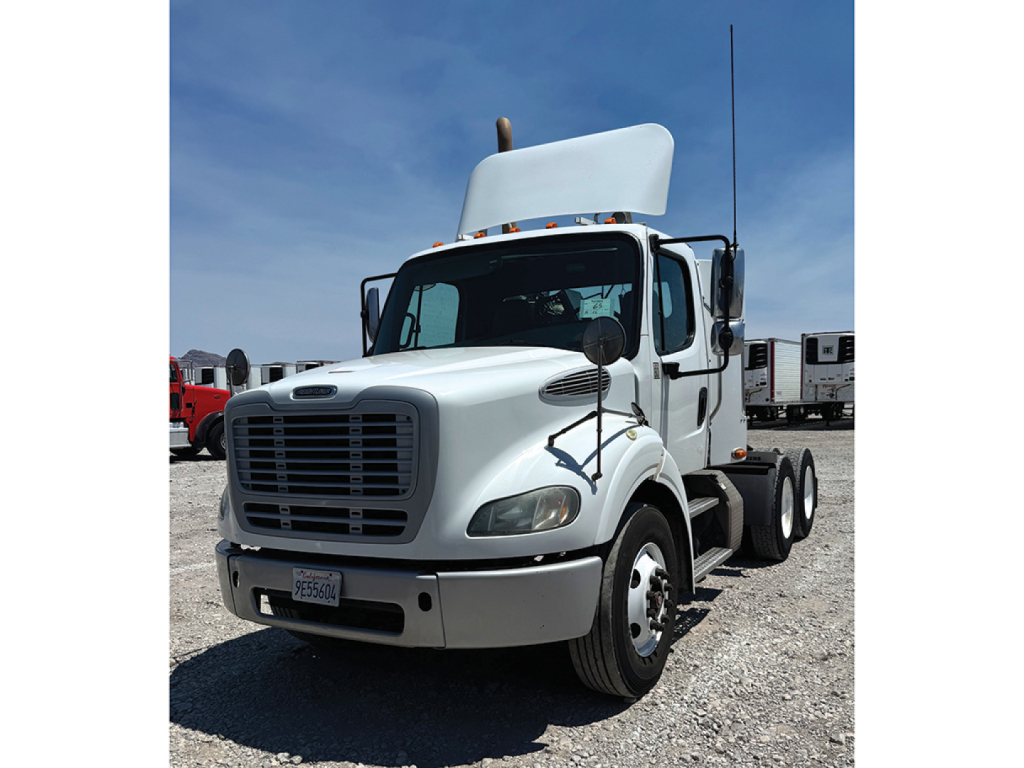
2013 Freightliner M2 112
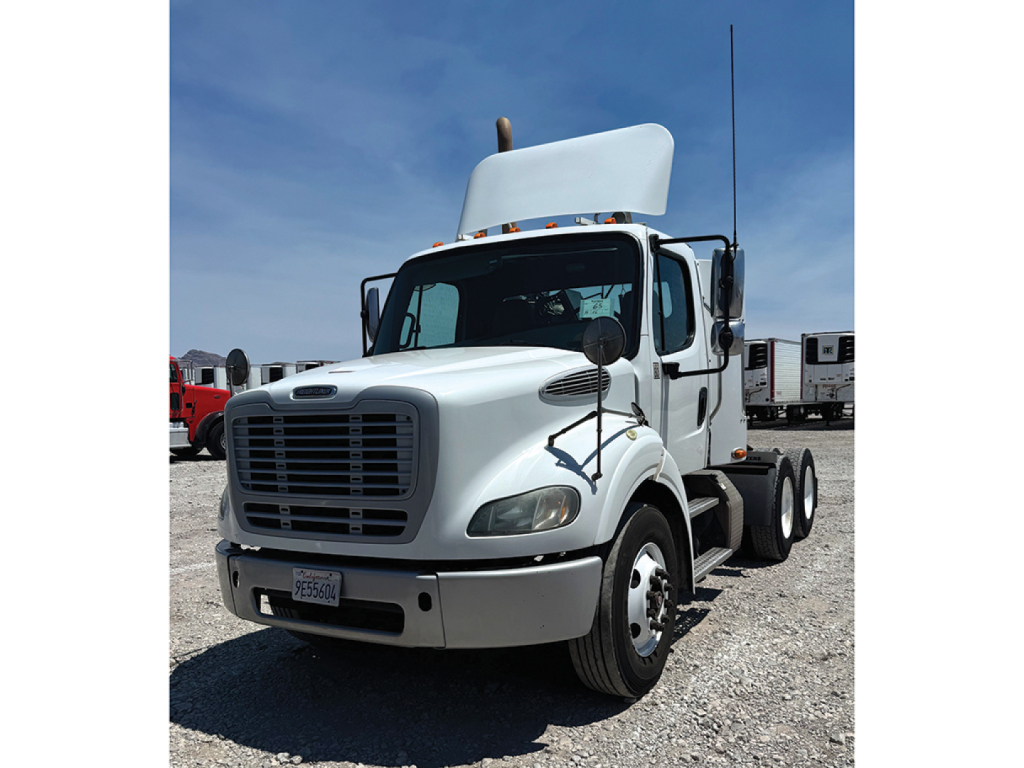
2013 Freightliner M2 112
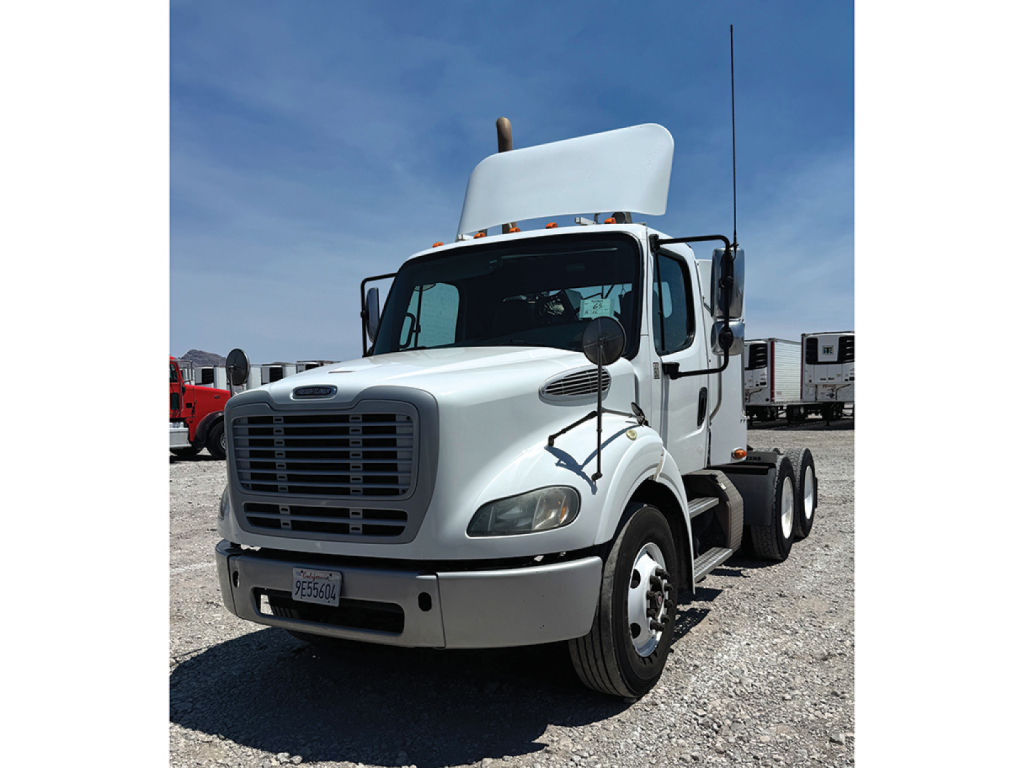
2013 Freightliner M2 112
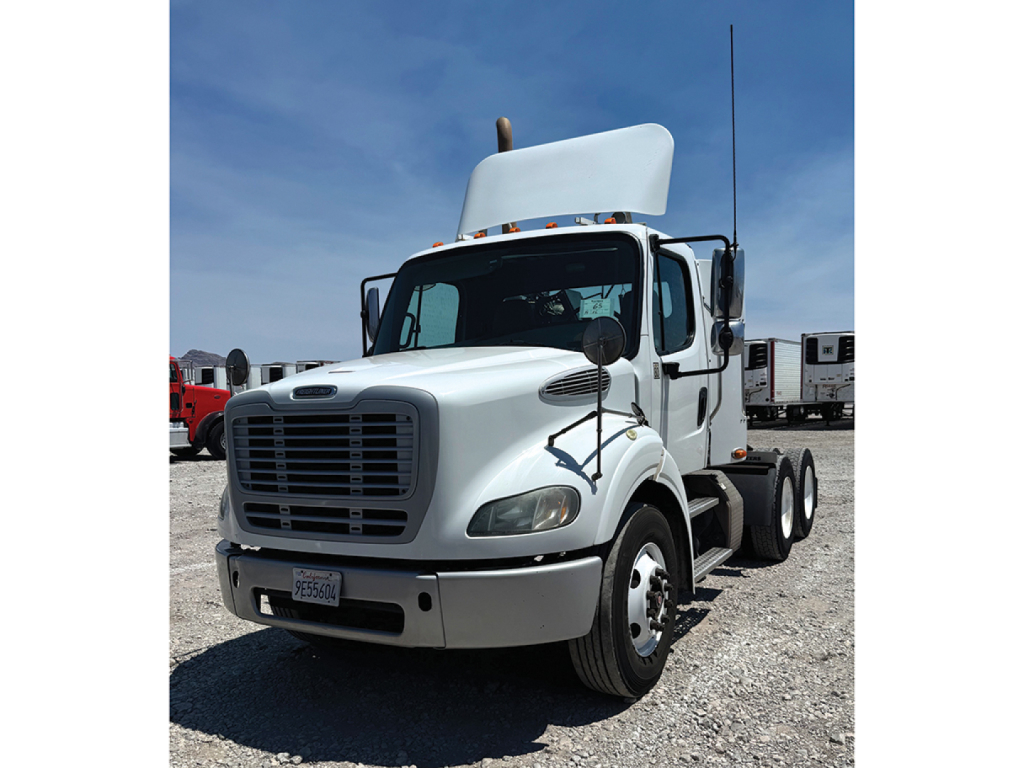
2013 Freightliner M2 112
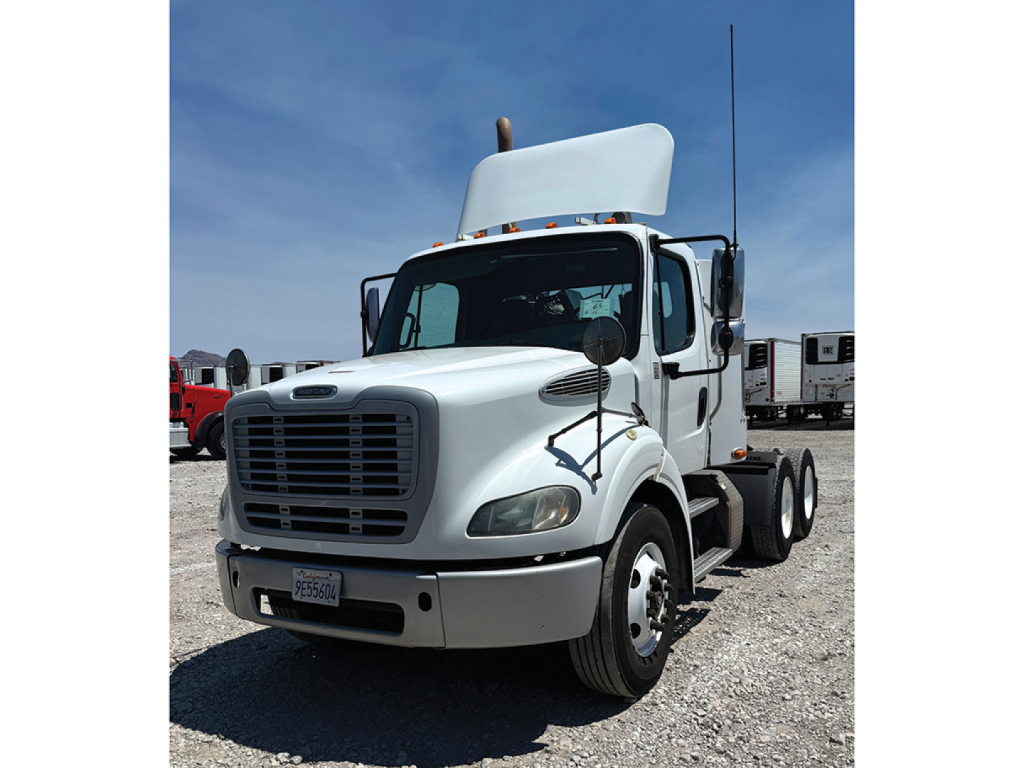
2013 Freightliner M2 112
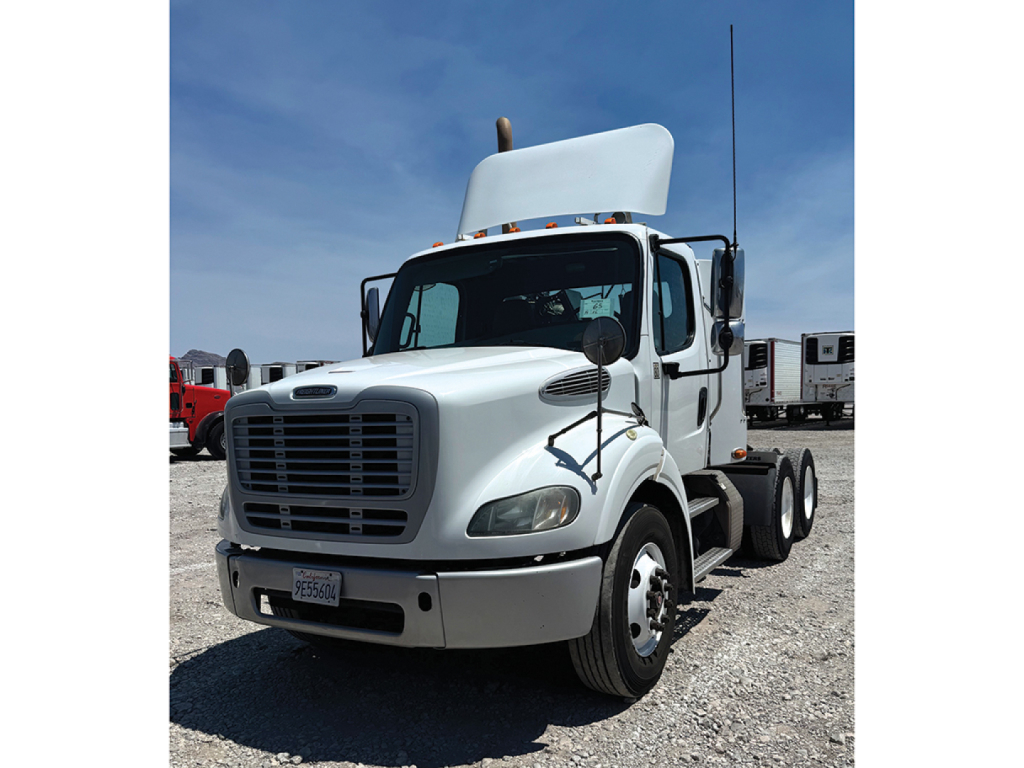
2013 Freightliner M2 112
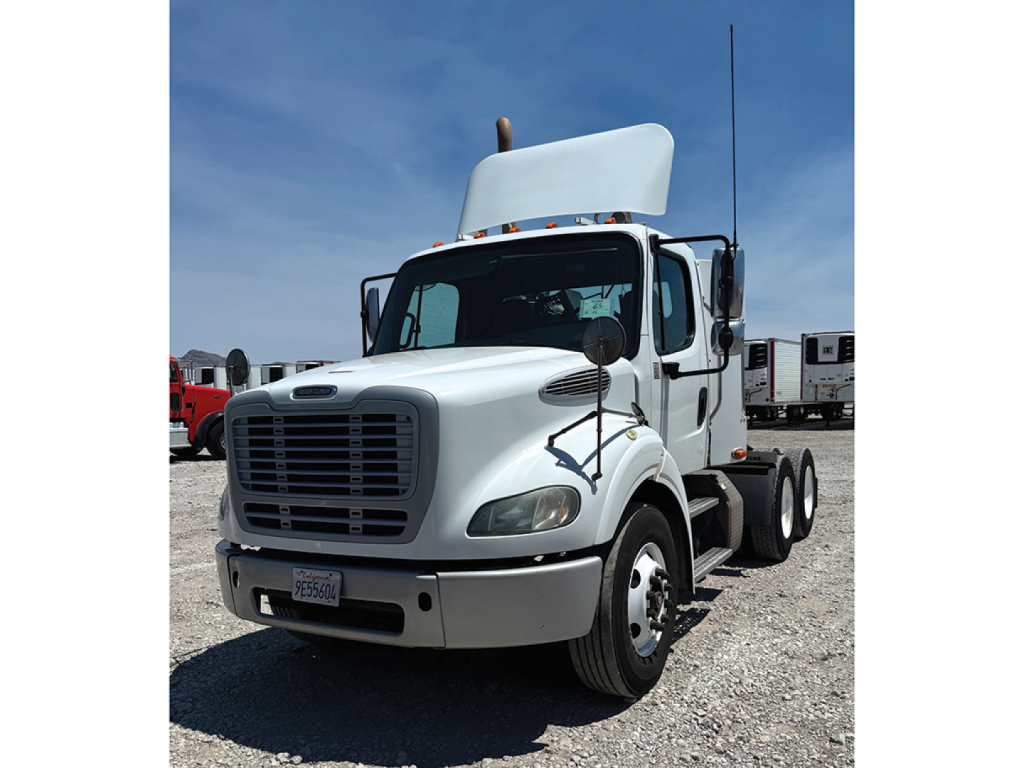
2013 Freightliner M2 112
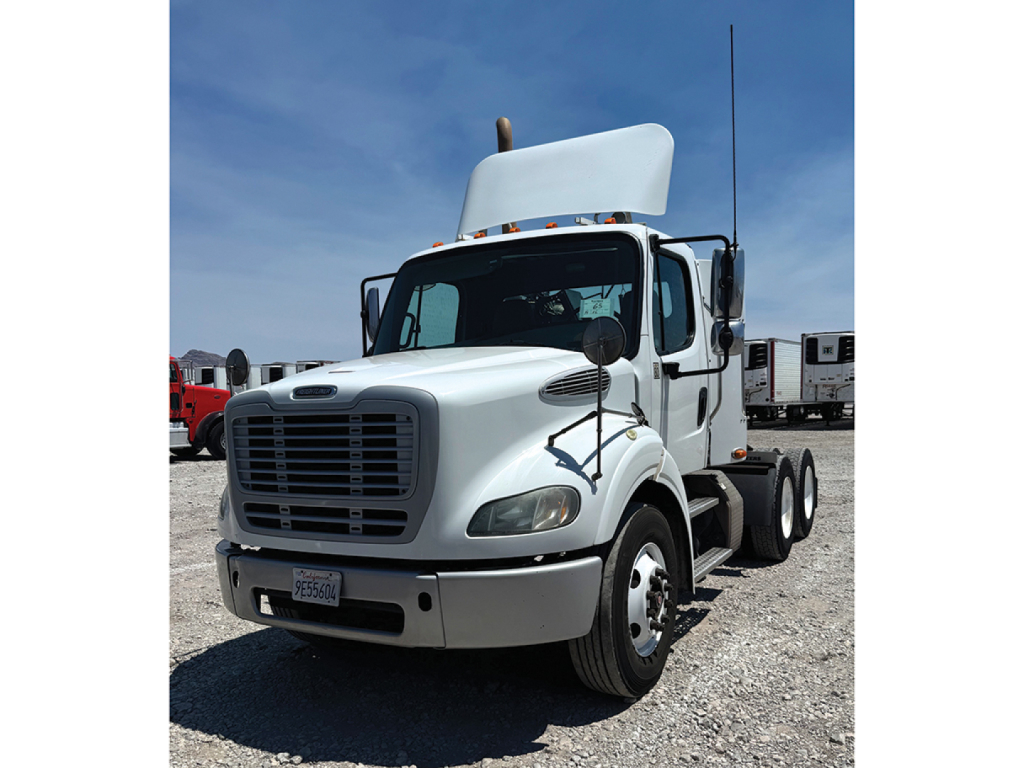
2013 Freightliner M2 112
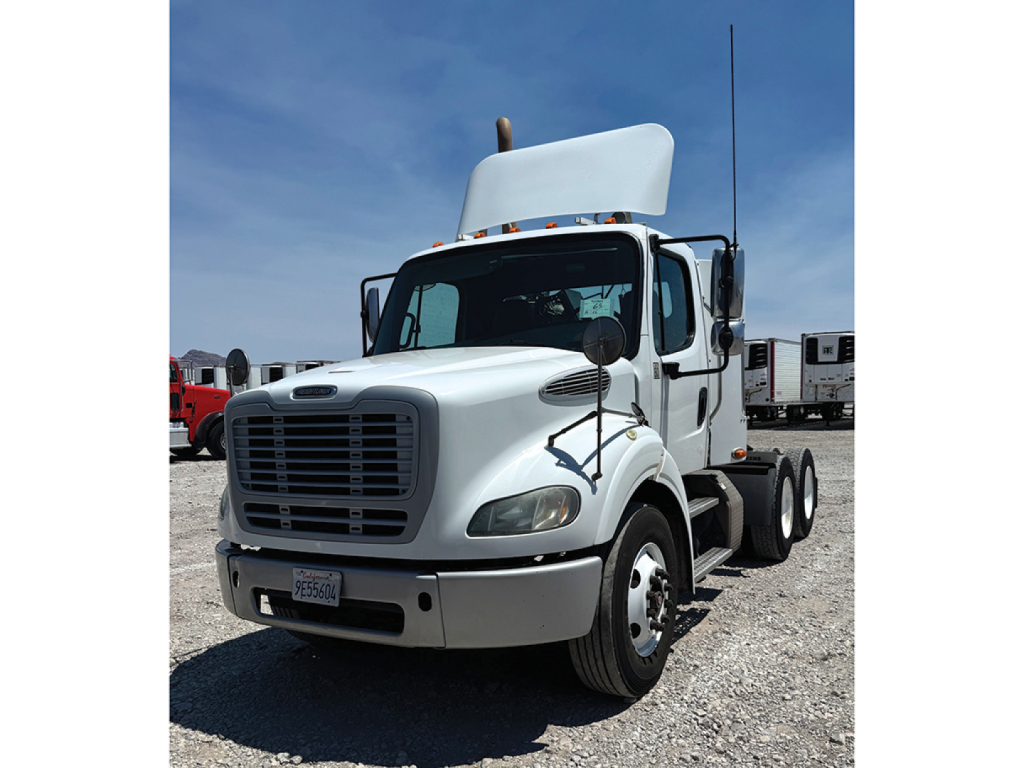
2013 Freightliner M2 112
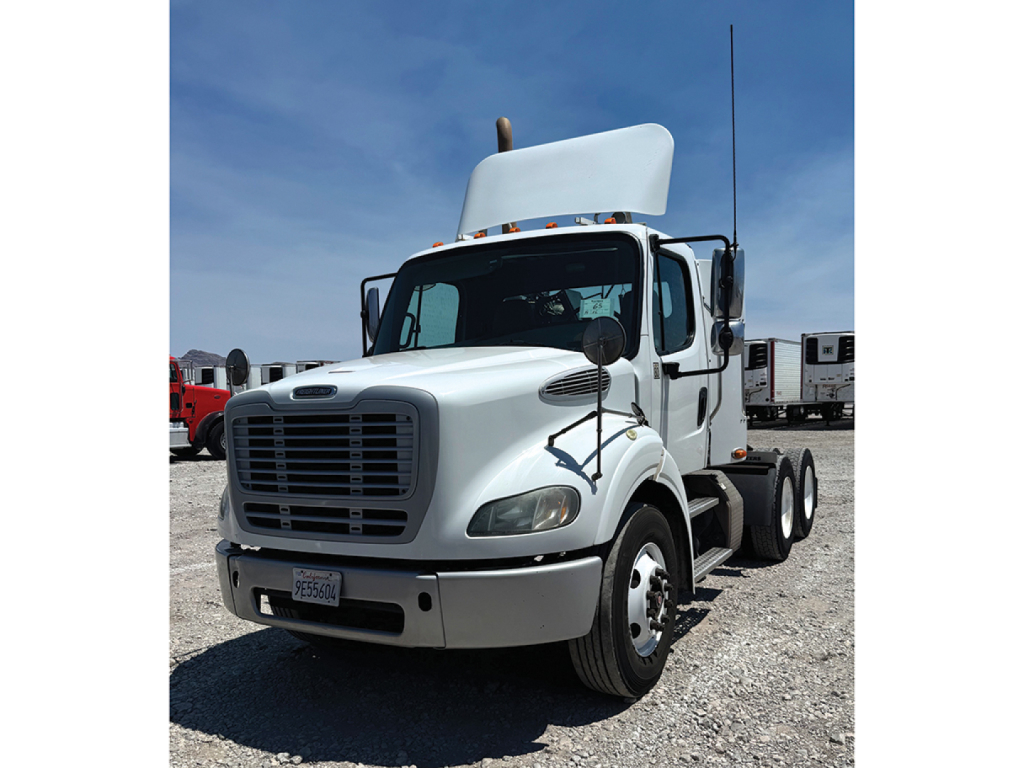
2013 Freightliner M2 112
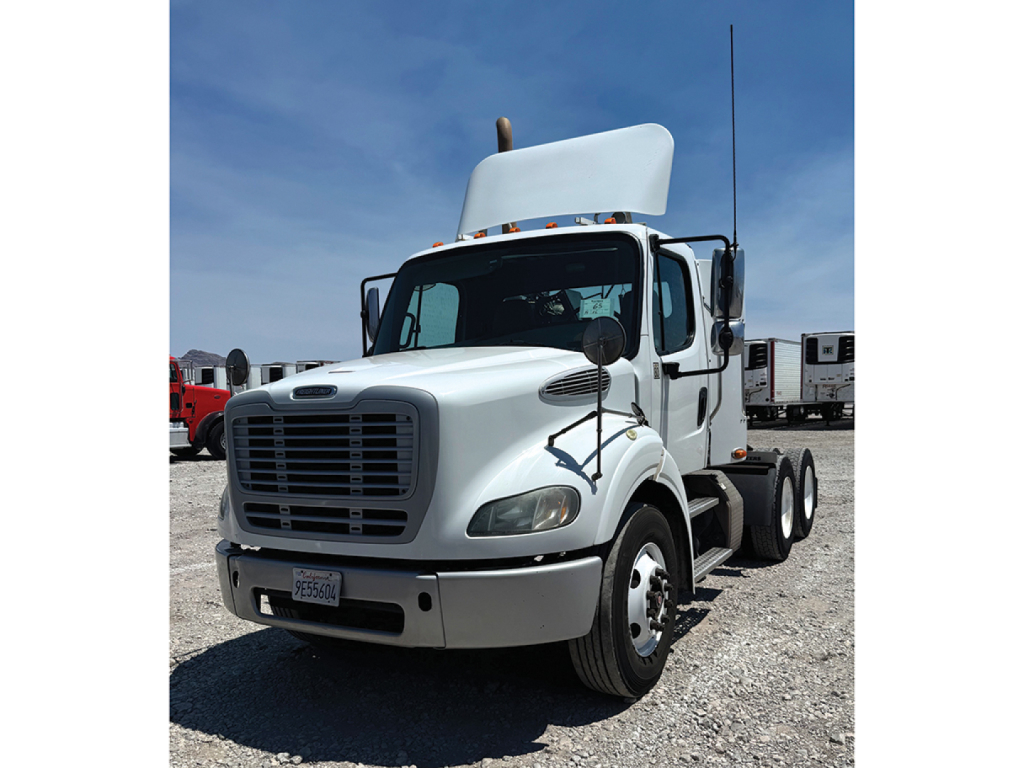
2013 Freightliner M2 112
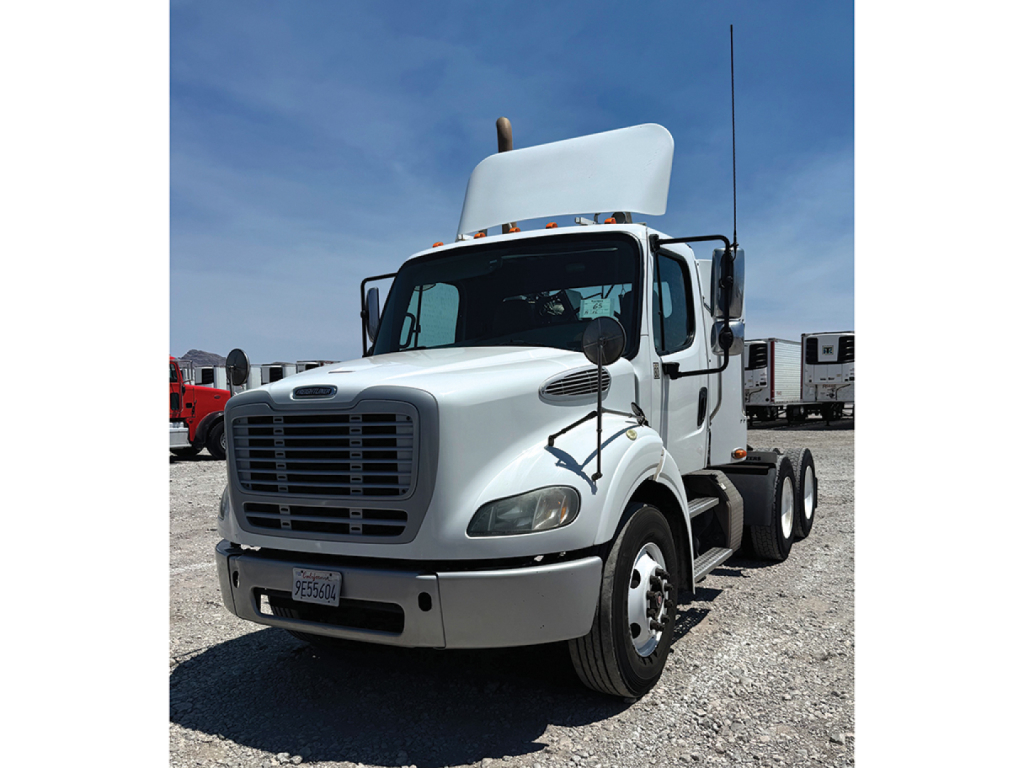
2013 Freightliner M2 112
Have 2013 freightliner conventional daycab truck to sell? List it here to reach thousands of buyers.
2013 Freightliner Conventional Daycab Trucks in Nevada
The main buying decisions are engine, transmission, rear axle rating, and wheelbase. Many 2013 Freightliner daycabs in this class are equipped with Detroit diesel power, often in the DD13 range, with horsepower ratings around the low- to mid-400 HP range depending on spec. Manual transmissions such as a 10-speed are common, though some units may be automated or fully automatic depending on prior use. A 40,000 lb rear axle setup, air ride suspension, and an adjustable fifth wheel are typical on road tractor specs, while axle ratio and tire size will tell you a lot about the truck's intended duty cycle. A shorter wheelbase generally helps in city and yard work, while a longer wheelbase can improve ride and bridge spacing for certain trailer combinations.
Cab and chassis details matter more on a used daycab than many buyers expect. Look closely at brake type, suspension condition, fifth wheel wear, frame modifications, and signs of PTO or hydraulic use if the truck came out of vocational service. Features like engine brake, cab extenders, roof fairings, aluminum fuel tanks, quarter fenders, and low-profile 22.5 tires can point to a truck spec'd for regional highway use rather than severe-duty off-road work. Freightliner daycabs from this era are also valued for a practical parts network and familiar service procedures, which helps control downtime for fleets and owner-operators.
For 2013 trucks, emissions system condition should be part of every inspection. A buyer should review maintenance records for DPF cleaning intervals, DEF system repairs, fault history, clutch life on manual transmissions, and any axle or suspension work. In Nevada, cooling system performance and A/C operation deserve extra attention because heat and grades can expose weak components quickly. A well-matched 2013 Freightliner conventional daycab can still be a productive, cost-effective truck if the spec fits the route, trailer, and average gross combination weight.
Frequently Asked Questions about 2013 Freightliner Conventional Daycab Trucks in Nevada
What is a 2013 Freightliner conventional daycab best used for?
A 2013 Freightliner conventional daycab is best suited for local and regional hauling where the driver returns home daily and does not need sleeper space. Common uses include dry van, flatbed, tanker, dump, container, and yard-to-road tractor work. The daycab layout reduces weight and can improve maneuverability compared with a sleeper tractor, which makes it a practical choice for multi-stop routes, terminal work, and vocational operations.
What engine and transmission specs are common in a 2013 Freightliner daycab?
Many 2013 Freightliner conventional daycabs, especially M2 112 specs, were built with Detroit engines such as the DD13 and paired with 10-speed manual transmissions, though some trucks may have automated manuals or automatic transmissions. Horsepower often falls around the 350 to 450 HP range depending on application. Rear axle ratings, axle ratio, and wheelbase are just as important as horsepower because they determine startability, cruise RPM, payload suitability, and how well the truck matches the trailer it will pull.
What should I inspect first on a used 2013 Freightliner conventional daycab?
Start with the emissions system, engine fault history, transmission condition, clutch wear if equipped with a manual, and rear suspension. Then inspect the frame rails, fifth wheel, brake system, tires, steering components, and evidence of hard vocational use. Service records for DPF cleaning, DEF components, cooling system work, and preventive maintenance are especially important on a 2013 model year truck because those items can affect both uptime and operating cost.
Is a Freightliner M2 112 a highway tractor or a vocational truck?
It can be either, depending on how it was spec'd. The Freightliner M2 112 is a versatile conventional chassis used as a daycab tractor for regional highway work and also as a platform for vocational applications. Fairings, cab extenders, adjustable fifth wheels, and highway axle ratios usually indicate road-oriented service. PTO equipment, heavier frame specs, or signs of body installation may indicate previous vocational use.
Why does wheelbase matter on a conventional daycab?
Wheelbase affects turning radius, ride quality, trailer swing clearance, bridge law flexibility, and how the truck carries weight across the axles. A shorter wheelbase is usually better for urban deliveries, tight yards, and frequent backing. A longer wheelbase can offer a smoother ride and may be better suited for certain trailer setups or regional highway use. On a used daycab, wheelbase also helps reveal what kind of work the truck was originally built to do.