
2013 Freightliner Conventional Daycab Trucks For Sale
Shop 2013 Freightliner conventional daycab trucks. Compare Cascadia specs, DD13 engines, wheelbases, axles, and transmission options.
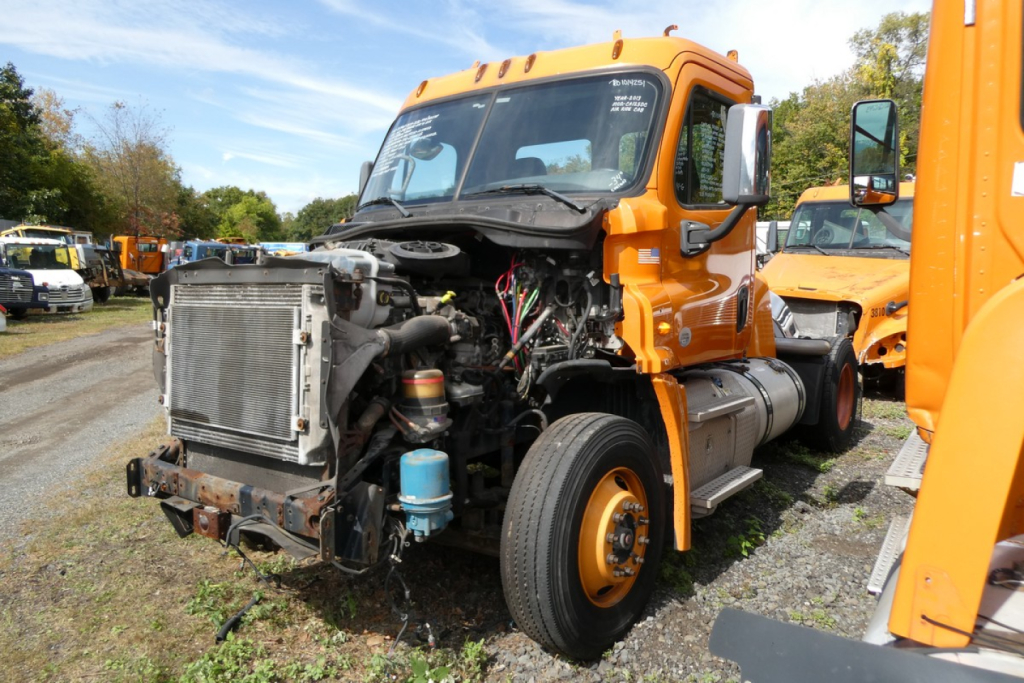
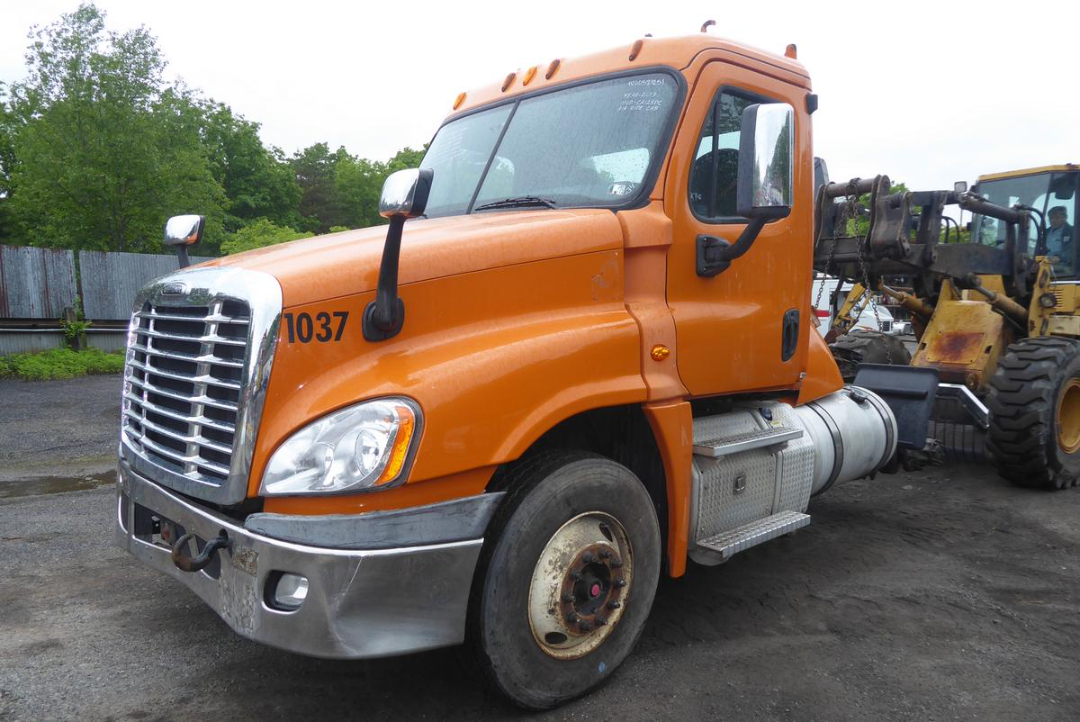
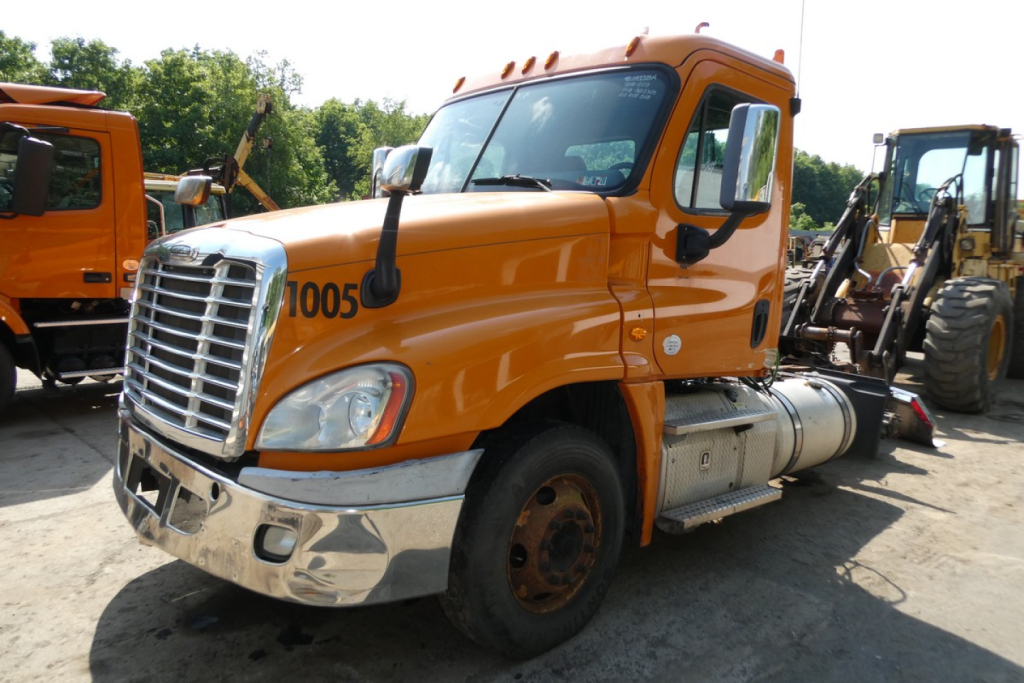
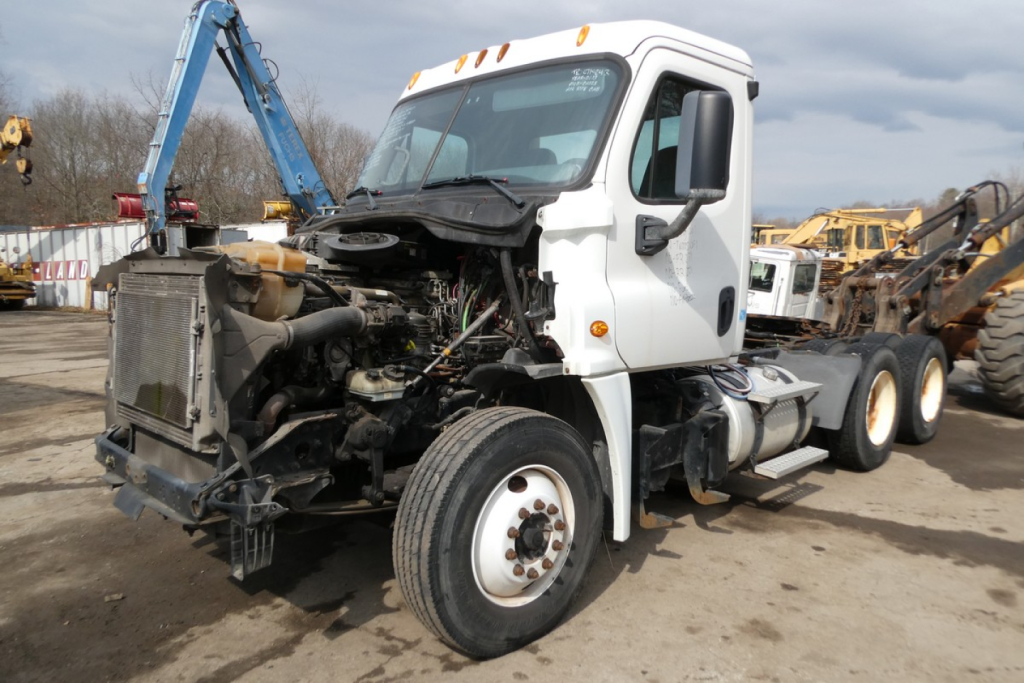
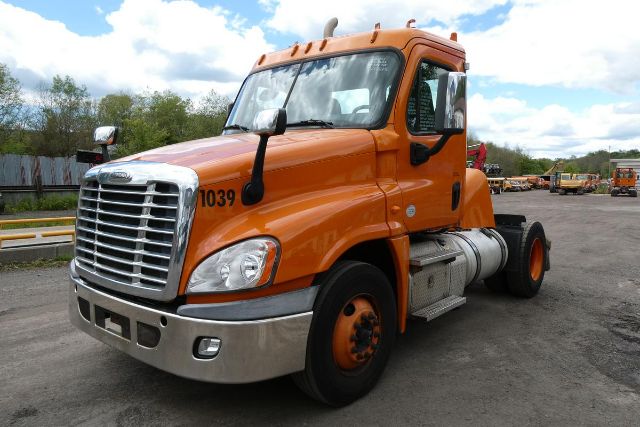
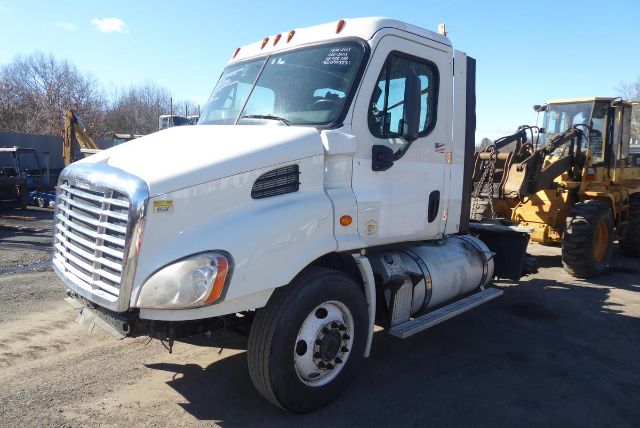
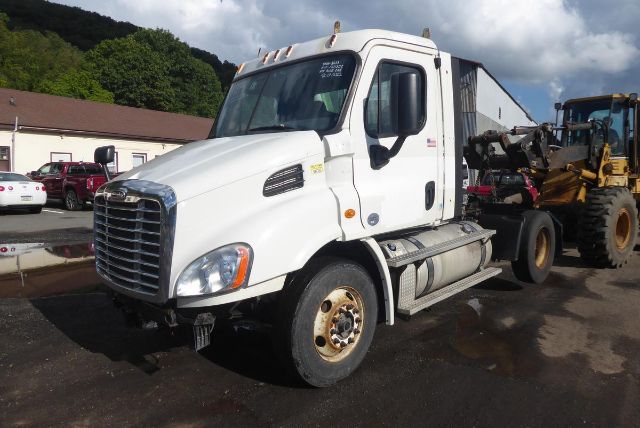
Selling a 2013 freightliner conventional daycab truck? List your 2013 freightliner conventional daycab truck for sale and reach thousands of commercial buyers.
2013 Freightliner Conventional Daycab Trucks
For a 2013 Freightliner daycab, the first buying decision is usually drivetrain. Many trucks in this class carry a Detroit DD13, typically in the 410 to 500 horsepower range, paired with either a 10-speed manual or an automated manual transmission. Rear axle ratings commonly fall around 23,000 to 40,000 pounds, with front axles around 12,000 pounds depending on the build. Ratios such as 3.08 or 3.42 are common and should match the job. A taller ratio can help fuel economy on faster regional routes, while a deeper ratio may be better for heavier starts, city work, or vocational trailer combinations. Suspension setup also matters. Freightliner AirLiner suspensions are common on these trucks, and the difference between a lighter 2-bag setup and a heavier 4-bag tandem can directly affect ride quality, load handling, and intended trailer type.
Fitment details are just as important as engine and transmission specs. Wheelbase, cab-to-axle, and fifth wheel style determine how well the truck matches your trailer fleet. A shorter wheelbase daycab is easier to turn and better suited to urban work, while a longer wheelbase may provide better bridge law flexibility and trailer clearance. Buyers should also check whether the truck has a stationary or air-slide fifth wheel, single or double frame, air disc or drum brakes, and standard 11R22.5 rubber or another tire package. On a used 2013 unit, cab condition, ECM hours versus odometer, emissions history, and the operation of the A/C, engine brake, and aftertreatment system are all worth close attention. DEF-equipped trucks from this period can be solid performers, but maintenance records matter.
Freightliner daycabs remain popular because parts support is strong, service knowledge is widespread, and the Cascadia platform is familiar to most fleets and owner-operators. For buyers comparing listings, the smartest approach is to match axle capacity, ratio, wheelbase, and transmission type to the actual route and trailer rather than shopping by horsepower alone. A properly spec'd 2013 Freightliner conventional daycab can still be a cost-effective tractor for short regional freight, container drayage, tanker, van, flatbed, and terminal operations.
Frequently Asked Questions about 2013 Freightliner Conventional Daycab Trucks
What engine is common in a 2013 Freightliner conventional daycab?
A 2013 Freightliner conventional daycab is commonly equipped with a Detroit DD13 engine. In this class, horsepower ratings often fall in the 410 to 500 horsepower range depending on the original fleet spec. The DD13 is popular for regional and local haul applications because it balances fuel economy, drivability, and serviceability well. Buyers should still verify the exact rating, emissions equipment condition, and maintenance history on any used truck.
Is a 2013 Freightliner daycab better with a manual or automated transmission?
That depends on the route and driver preference. A 10-speed manual can be a good fit for fleets that want simple driveline components and have drivers comfortable with shifting. An automated manual, such as Detroit's DT12, can improve consistency, reduce driver fatigue, and help in stop-and-go service. For used truck buyers, condition matters more than theory, so clutch wear, shift performance, software updates, and service records should all be reviewed before deciding.
What axle and suspension specs should buyers watch on these trucks?
Front axles around 12,000 pounds are common, while rear axle ratings may range from about 23,000 pounds on lighter regional specs to 40,000 pounds on tandem setups intended for heavier work. Suspension choice is important because it affects ride, durability, and application fit. Freightliner AirLiner suspensions are common, with lighter 2-bag and heavier 4-bag configurations appearing often. The right setup depends on trailer type, payload, and how much time the truck will spend on rough yards versus highway miles.
What is the right wheelbase for a 2013 Freightliner daycab?
The right wheelbase depends on trailer swing clearance, bridge requirements, and how tight the operating environment is. Shorter wheelbases are easier to maneuver in city work, customer docks, and port operations. Longer wheelbases can improve stability and may fit certain trailer combinations better. Buyers should compare wheelbase, cab-to-axle, and fifth wheel position together because those measurements determine whether the truck will match the trailers already in the fleet.
Are 2013 Freightliner daycabs good for regional hauling?
Yes. A 2013 Freightliner conventional daycab is well suited to regional hauling, local freight, drayage, and dedicated short-haul lanes. The daycab layout reduces weight and simplifies the truck compared with a sleeper tractor, which helps with maneuverability and operating cost. A truck in this age range can still be a productive regional unit if the engine, emissions system, brakes, suspension, and cab components have been properly maintained and the spec matches the work.