
2013 Freightliner Conventional Daycab Trucks For Sale in New York
Shop 2013 Freightliner conventional daycab trucks. Compare Cascadia specs, DD13 engines, wheelbases, axle ratings, and vocational fit.
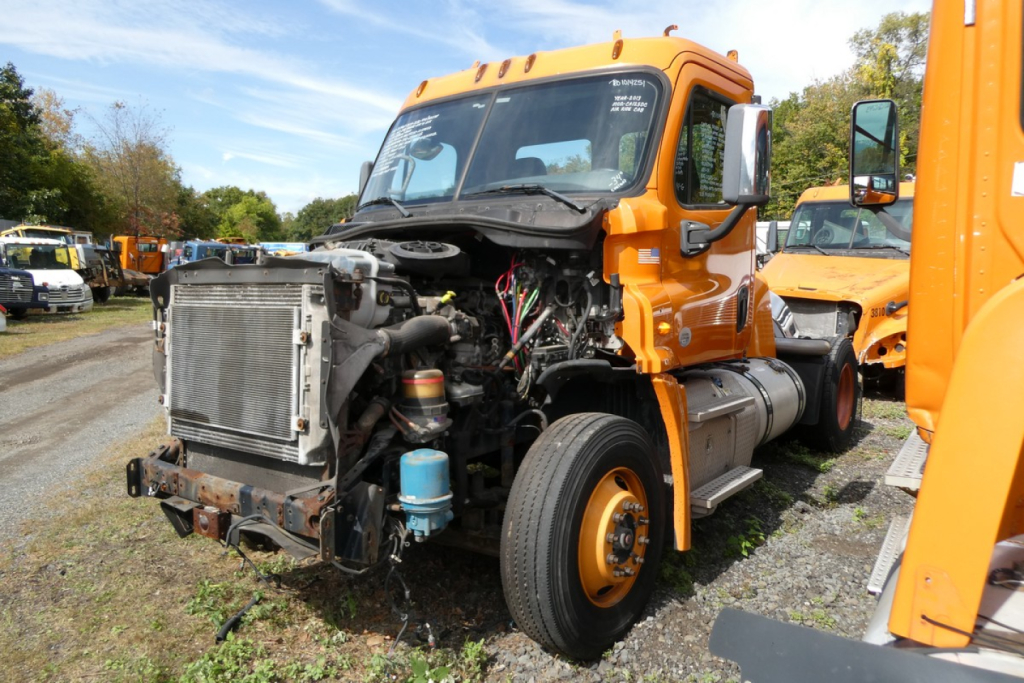
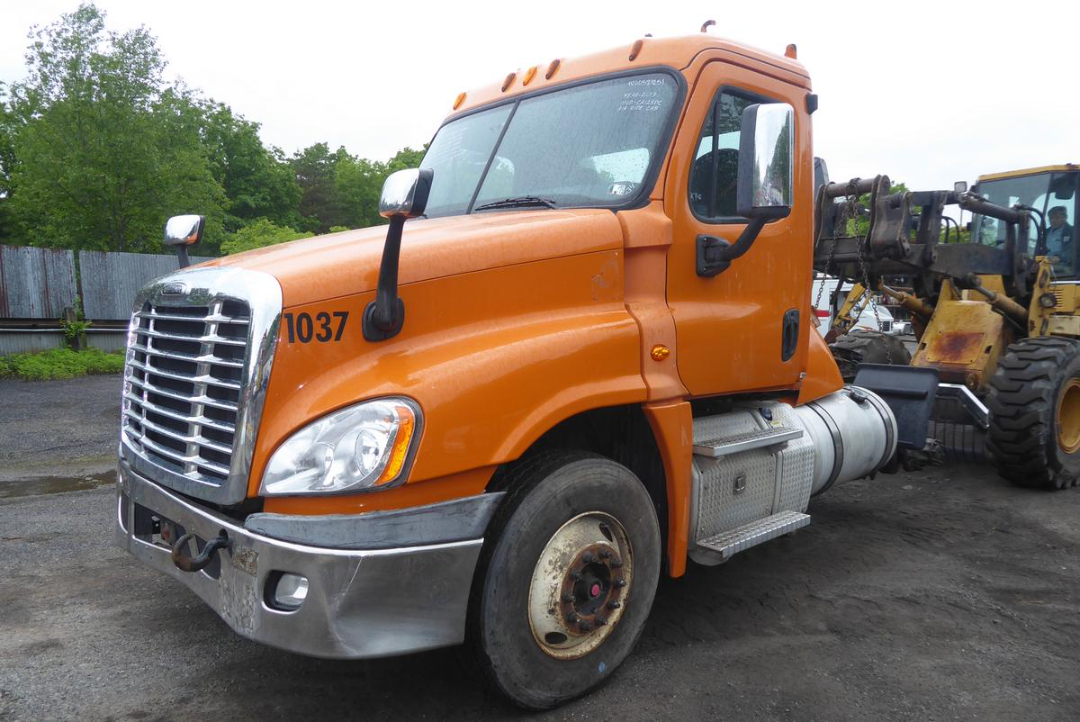
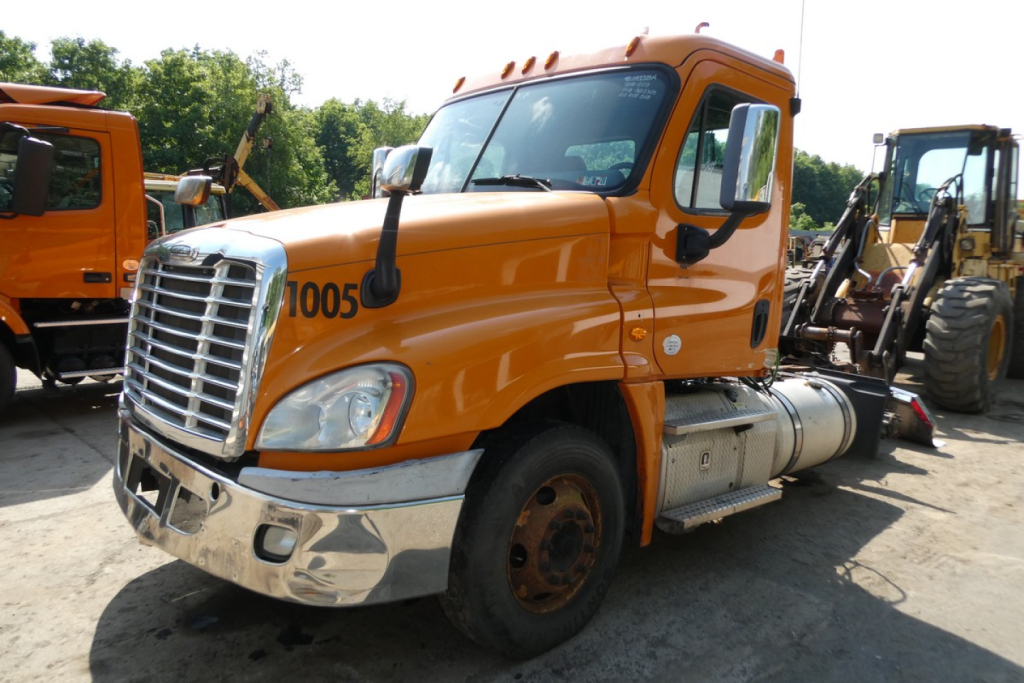
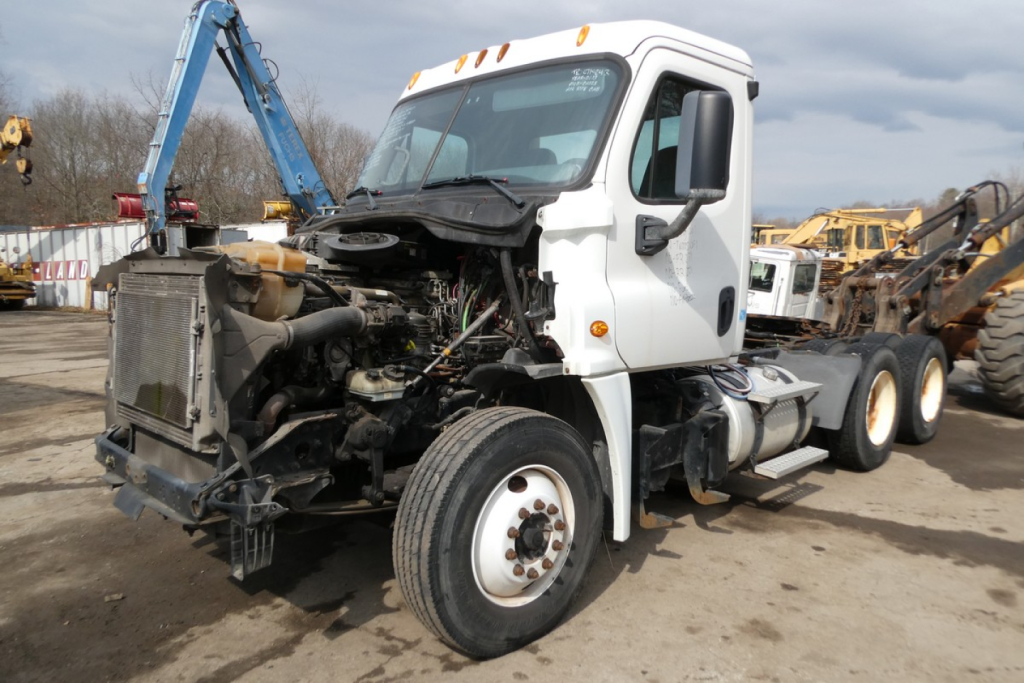
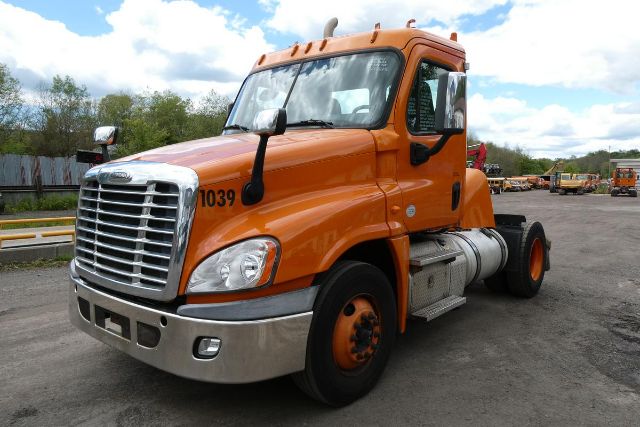
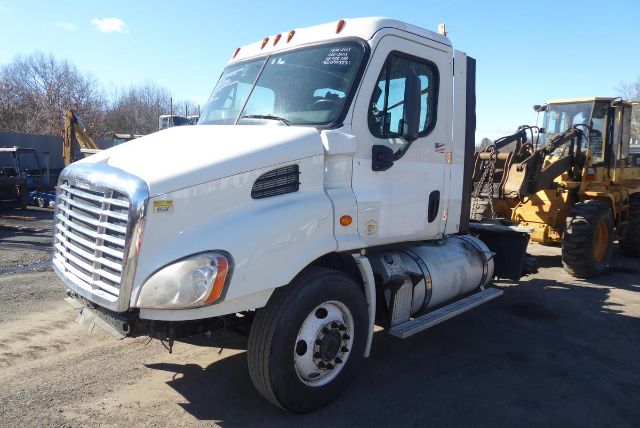
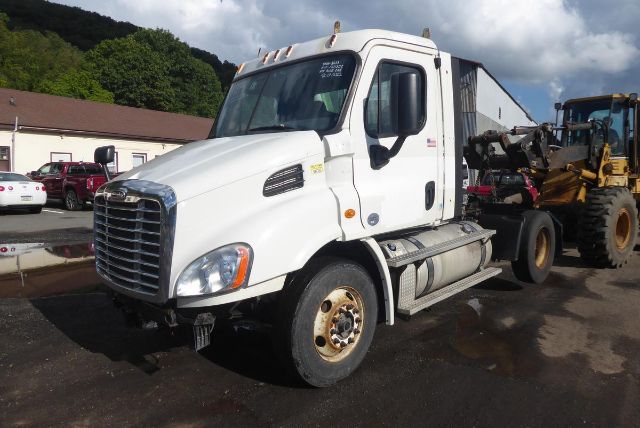
Selling a 2013 freightliner conventional daycab truck? List your 2013 freightliner conventional daycab truck for sale and reach thousands of commercial buyers.
2013 Freightliner Conventional Daycab Trucks in New York
The most important spec decisions usually come down to wheelbase, rear axle rating, suspension, and rear ratio. Many daycabs in this class fall around a 157-inch to 161-inch wheelbase, which helps with maneuverability in tight yards and Northeast city traffic while still providing stable trailer handling. Common rear axle ratings are in the 23,000 lb range on single-axle tractors, often paired with Freightliner Airliner suspension. A 2.67 ratio generally favors highway speed and fuel efficiency on lighter regional work, while a 3.42 ratio is better suited to heavier starts, more mixed terrain, or operations that need stronger low-speed pull. Stationary and air-slide 5th wheel setups both appear in the market, so kingpin setting and trailer fleet dimensions should be verified before purchase.
For a 2013 Freightliner daycab, engine and emissions condition matter as much as mileage. Many trucks from this period use DEF-equipped emissions systems, and buyers should review maintenance history for the aftertreatment, EGR components, sensors, and any signs of repeated check-engine or derate issues. On higher-mileage examples, compare dash miles to ECM miles and engine hours to get a better picture of duty cycle. A truck with lower average road speed and high engine hours may have spent much of its life in severe local service. Transmission choice also affects operating cost and driver acceptance. Fuller 10-speed manuals remain common, durable, and straightforward to service, while some fleets may prefer automated options for newer replacements. Suspension wear, air leaks, brake type, and frame condition are all worth close inspection, especially on ex-fleet or vocational daycabs that have seen yard impacts, heavy hookups, or frequent docking.
In New York and other dense freight markets, a conventional daycab earns its keep by staying compact, visible, and easier to route through congested industrial areas than a sleeper tractor. Freightliner remains popular because parts availability is strong, Detroit powertrains are widely supported, and the Cascadia platform is familiar to most independent shops and fleet technicians. A good buyer will look beyond make and model and focus on the actual operating spec: front axle capacity, GVW, tire size, brake configuration, cab condition, and how the truck's gearing matches the route. The right 2013 Freightliner daycab can be a cost-effective tractor for container work, short regional van and reefer pulling, flatbed shuttles, and private fleet distribution, provided the drivetrain, emissions system, and chassis spec align with the job.
Frequently Asked Questions about 2013 Freightliner Conventional Daycab Trucks in New York
What is a 2013 Freightliner conventional daycab best used for?
A 2013 Freightliner conventional daycab is best suited for local and regional freight where overnight accommodations are not needed. Common applications include port drayage, city and suburban delivery, terminal-to-terminal moves, dedicated short-haul lanes, and private fleet distribution. Its shorter overall length compared with a sleeper tractor improves maneuverability in tight yards, loading docks, and dense urban routes, which is especially important in Northeast markets.
What engine and transmission are common in a 2013 Freightliner daycab?
Many 2013 Freightliner daycabs, especially Cascadia 113 models, are equipped with the Detroit DD13 12.8L engine, often rated around 410 hp. A Fuller 10-speed manual is a common transmission in this class because it is familiar to fleets and independent repair shops, and it offers a good balance of durability and operating simplicity. Some trucks may have different ratings or automated transmissions, so buyers should confirm the exact horsepower, torque, and driveline spec before matching the truck to the intended route and load.
What specs matter most when comparing used Freightliner daycabs?
The key specs are wheelbase, axle ratings, rear ratio, suspension type, GVW, and fifth wheel setup. Wheelbase affects turning radius and trailer tracking. Rear axle rating and suspension determine how the truck handles payload and road conditions. Rear ratio has a major impact on launch performance, highway rpm, and fuel economy. Buyers should also verify whether the truck has a stationary or sliding fifth wheel and make sure the kingpin setting works with their trailer fleet.
Are 2013 Freightliner daycabs good for New York regional and city work?
Yes, they are often a strong fit for New York regional and urban operations because the daycab layout keeps the tractor shorter and easier to position in congested areas. A properly spec'd conventional daycab can handle warehouse runs, intermodal freight, food distribution, and shuttle work with less hassle in tight spaces than a sleeper tractor. Buyers should still confirm axle weight compliance, turning needs, and gearing, since city work and bridge-sensitive routes can expose a poor spec quickly.
What should I inspect on a used 2013 Freightliner daycab before buying?
Start with engine health, emissions history, transmission operation, suspension condition, and frame integrity. Review ECM miles, engine hours, fault codes, and service records for the DD13 and its aftertreatment system. Check for air leaks, uneven tire wear, brake condition, worn fifth wheel components, and signs of collision or dock damage around the bumper, cab mounts, and rear frame area. On older fleet tractors, those items often tell more about future repair cost than the odometer alone.