
2013 Conventional Daycab Trucks For Sale in New York
Shop 2013 conventional daycab trucks for regional hauling, port work, and local delivery with specs buyers compare most.
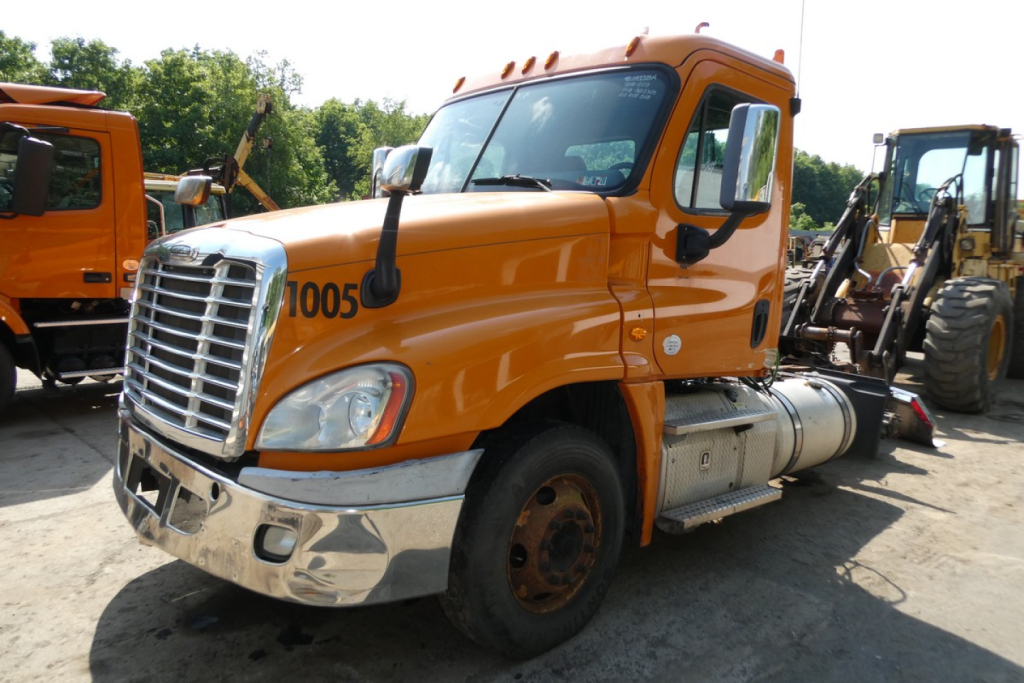
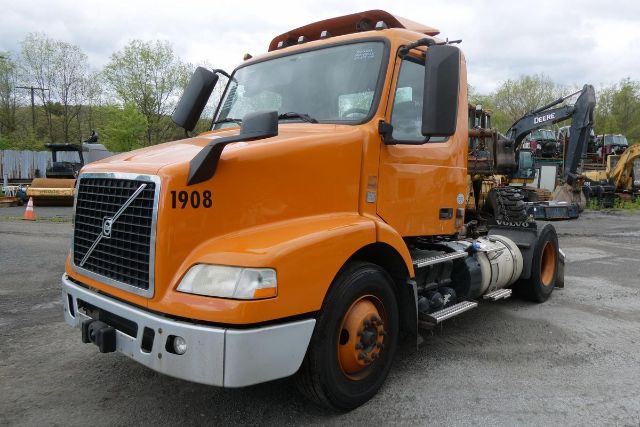
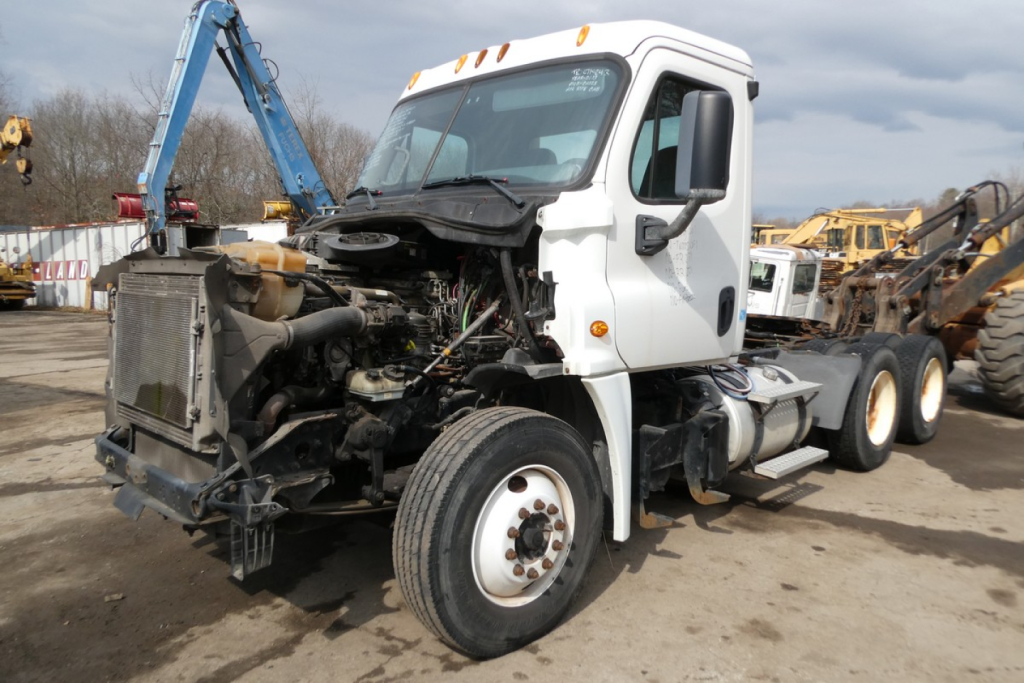
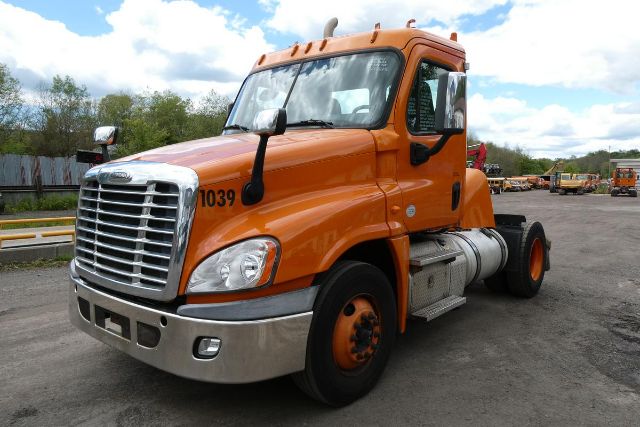
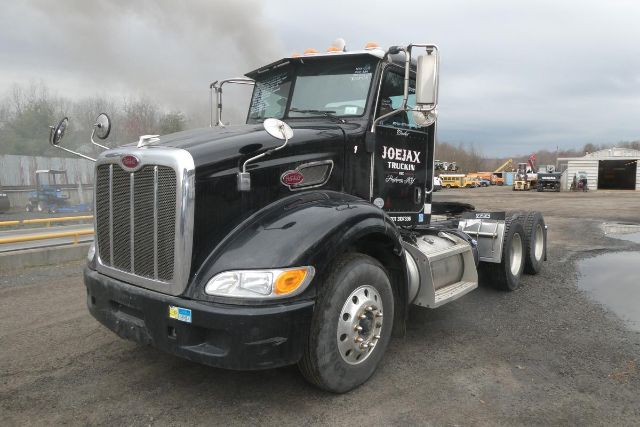
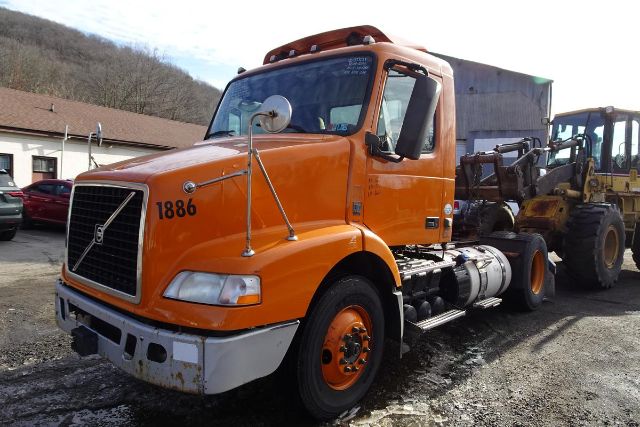
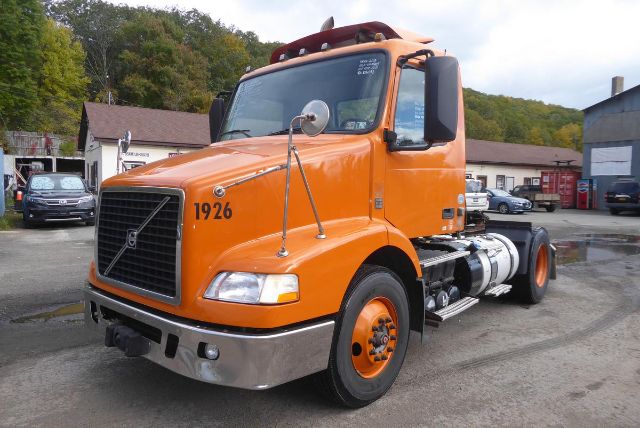
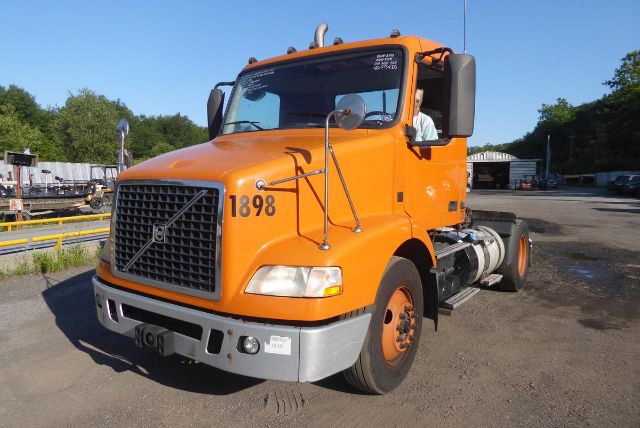
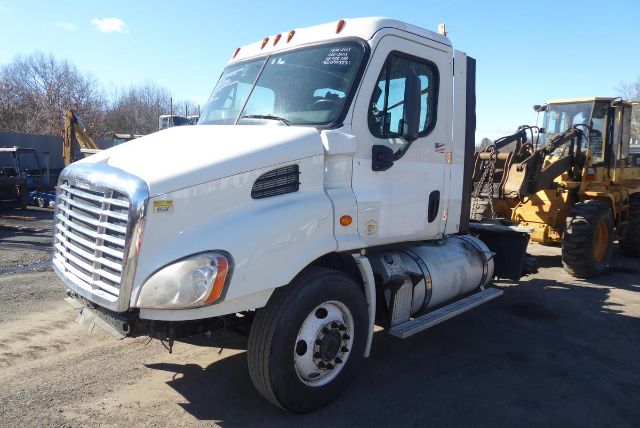
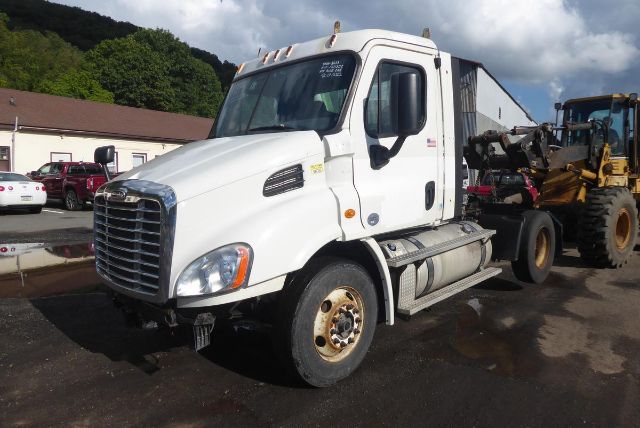
Selling a 2013 conventional daycab truck? List your 2013 conventional daycab truck for sale and reach thousands of commercial buyers.
2013 Conventional Daycab Trucks in New York
The most important buying decision is usually how the truck is spec'd, not just the badge on the hood. In the 2013 model year, common engines in conventional daycab trucks include Detroit DD13 and DD15, Cummins ISX, Volvo D11 and D13, and PACCAR MX variants depending on make. Horsepower can range from the mid-300s into the 450 hp class, with torque and rear axle ratio making a big difference in real-world performance. A buyer pulling heavier gross weights will want to compare 40,000 lb rears, power divider, and 3.08 or similar ratios against lighter regional specs with 23,000 lb rears and faster gearing. Transmission choice matters too. Ten-speed and 13-speed manuals remain popular for serviceability, while automated manuals can improve driver acceptance and consistency in stop-and-go work.
Wheelbase, fifth wheel setup, and suspension should match the trailer and route. Many 2013 daycabs fall in the 150-inch to 180-inch wheelbase range, which can be a strong fit for van, reefer, tanker, chassis, and flatbed applications. Air ride suspensions such as 2-bag and 4-bag setups are common, and buyers should pay attention to ride quality, articulation, and maintenance history. A sliding fifth wheel adds flexibility for changing kingpin settings and trailer lengths, while a stationary fifth wheel can be fine for dedicated service. Front axle ratings around 12,000 lbs are typical, and tire size, wheel type, brake configuration, and frame layout all affect how the truck performs in tight turns, on rough pavement, and under repeated heavy loads.
Because 2013 trucks sit in an emissions-era sweet spot for many fleets, it is important to inspect the aftertreatment system carefully. DEF-equipped trucks from this period can deliver good value, but buyers should review DPF service records, fault history, regen behavior, and engine hours alongside odometer mileage. Brake type is another key comparison point, with air disc brakes showing up on some daycab specs and drum brakes still common. Look closely at cab condition, steering wear, suspension components, driveline play, and evidence of frame modifications or corrosion, especially in northern states. A well-matched 2013 conventional daycab can still be a productive tractor for regional lanes, yard-to-road work, and high-cycle daily operation when the axle, gearing, and fifth wheel specs line up with the job.
Frequently Asked Questions about 2013 Conventional Daycab Trucks in New York
What is a conventional daycab truck used for?
A conventional daycab truck is used for local and regional hauling where the driver returns home or to a terminal without needing a sleeper. Common applications include port drayage, short-haul van and reefer work, tanker service, container chassis moves, flatbed runs, and dedicated shuttle routes. The layout gives you a shorter overall tractor, better maneuverability, and easier cab access than a comparable sleeper tractor.
What should I look for when buying a 2013 conventional daycab?
Start with the truck’s actual operating spec. Engine model, horsepower, transmission type, rear axle rating, axle ratio, wheelbase, and fifth wheel style will determine how well it fits your trailers and gross weights. On a 2013 model, also pay close attention to emissions components such as the DPF, DEF system, sensors, and fault codes. Service records, engine hours, suspension wear, brake condition, and frame integrity usually tell you more than appearance alone.
Is a 2013 daycab good for heavy hauling?
It can be, if the truck has the right drivetrain and axle package. Some 2013 conventional daycabs are built with 40,000 lb rears, power divider, heavier suspensions, and gearing suited for higher combined weights, while others are lighter regional tractors with 23,000 lb rears and economy-oriented specs. The key is to match the truck to the trailer type, terrain, and expected payload instead of assuming all daycabs are built the same.
What wheelbase is common on a conventional daycab truck?
Many conventional daycab tractors are spec'd between roughly 150 inches and 180 inches of wheelbase, although exact dimensions vary by make and application. A shorter wheelbase generally helps with turning radius and city work, while a longer wheelbase can improve stability and trailer compatibility. Buyers should also compare cab-to-axle and cab-to-end measurements to make sure the tractor works with the intended kingpin setting and trailer swing clearance.
Are manual or automated transmissions better in a daycab?
Neither is universally better because the right choice depends on the operation and maintenance approach. Manual transmissions are still valued for familiarity, lower replacement cost in some cases, and driver control in specialized work. Automated manuals can reduce driver fatigue, improve shift consistency, and make stop-and-go urban routes easier to manage. The better option is the one your drivers can use efficiently and your shop can support confidently.