
Conventional Day Cab Trucks For Sale in Washington
Conventional day cab trucks for sale in Washington: compare axle layouts, mountain gearing, emissions history, and new or used purchase considerations.
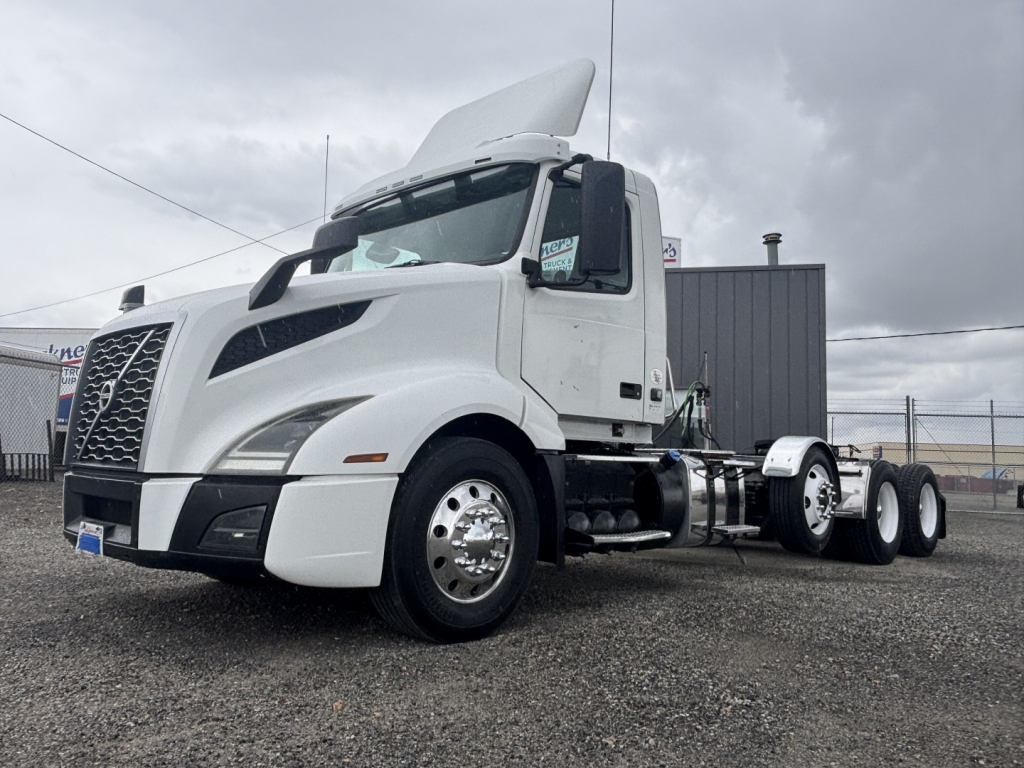
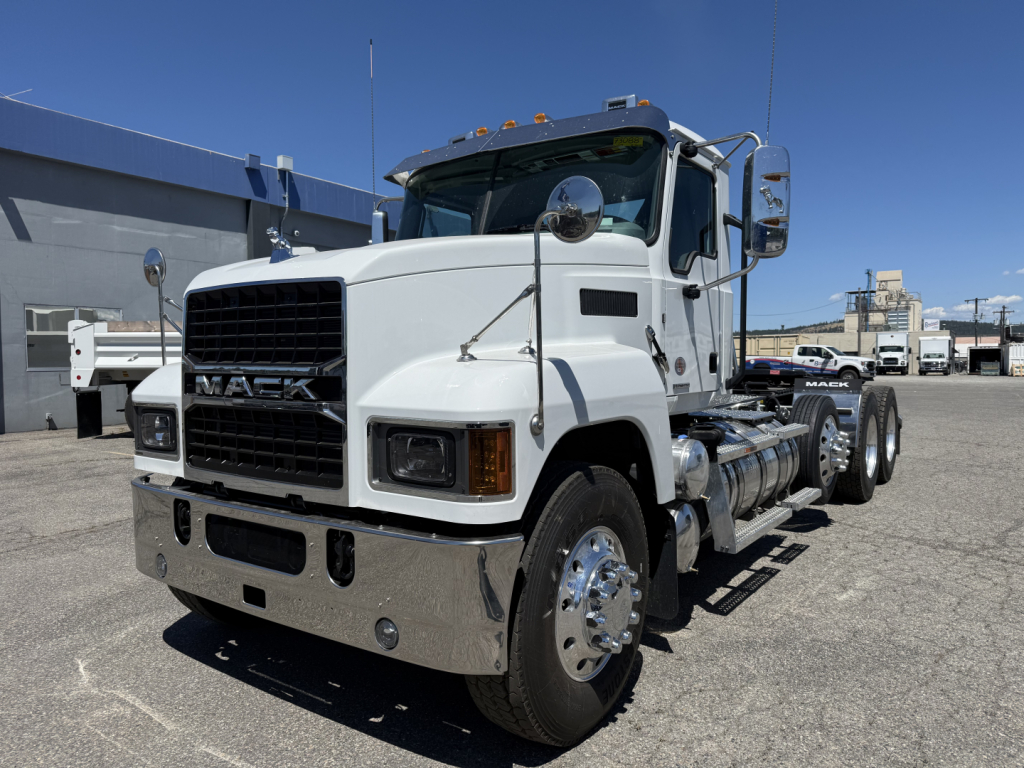
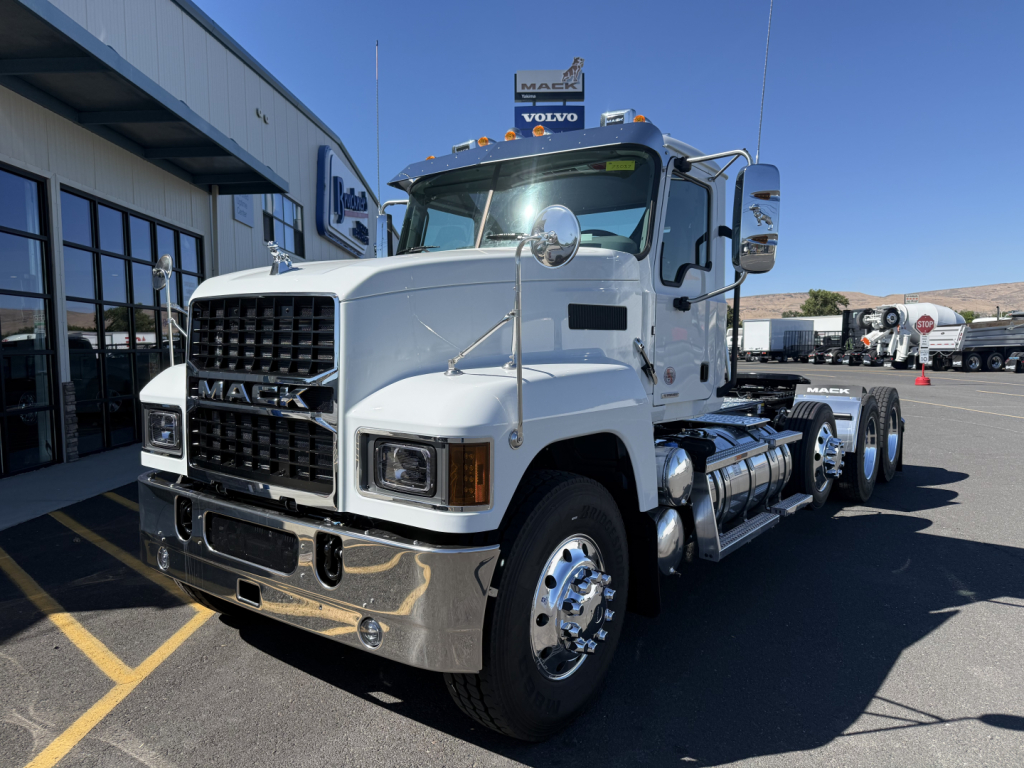
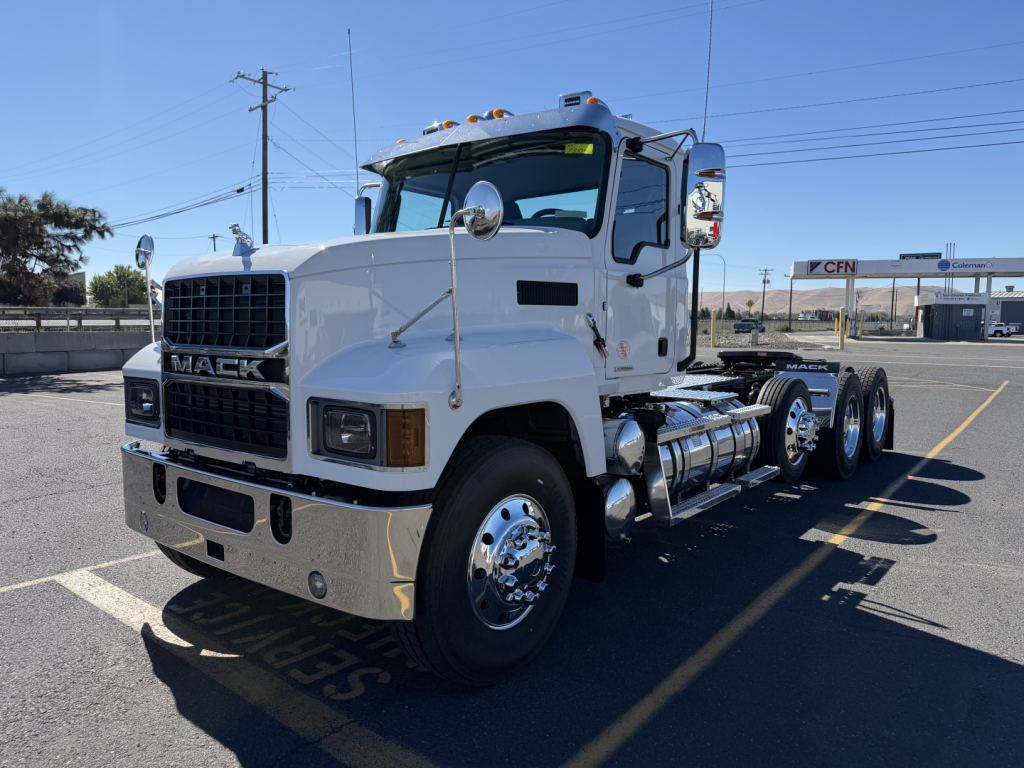
Selling a conventional day cab truck? List your conventional day cab truck for sale and reach thousands of commercial buyers.
Conventional Day Cab Trucks in Washington
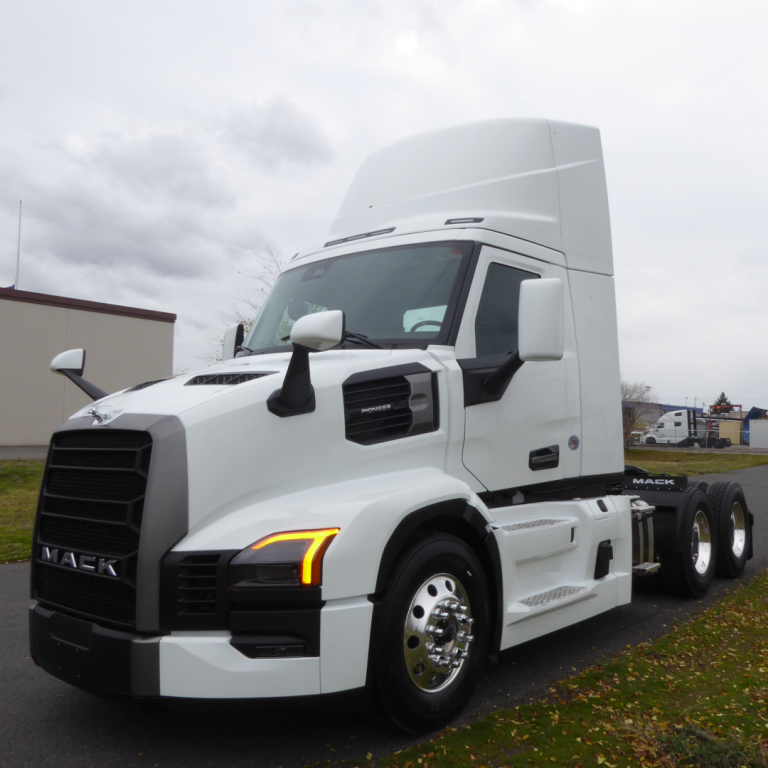
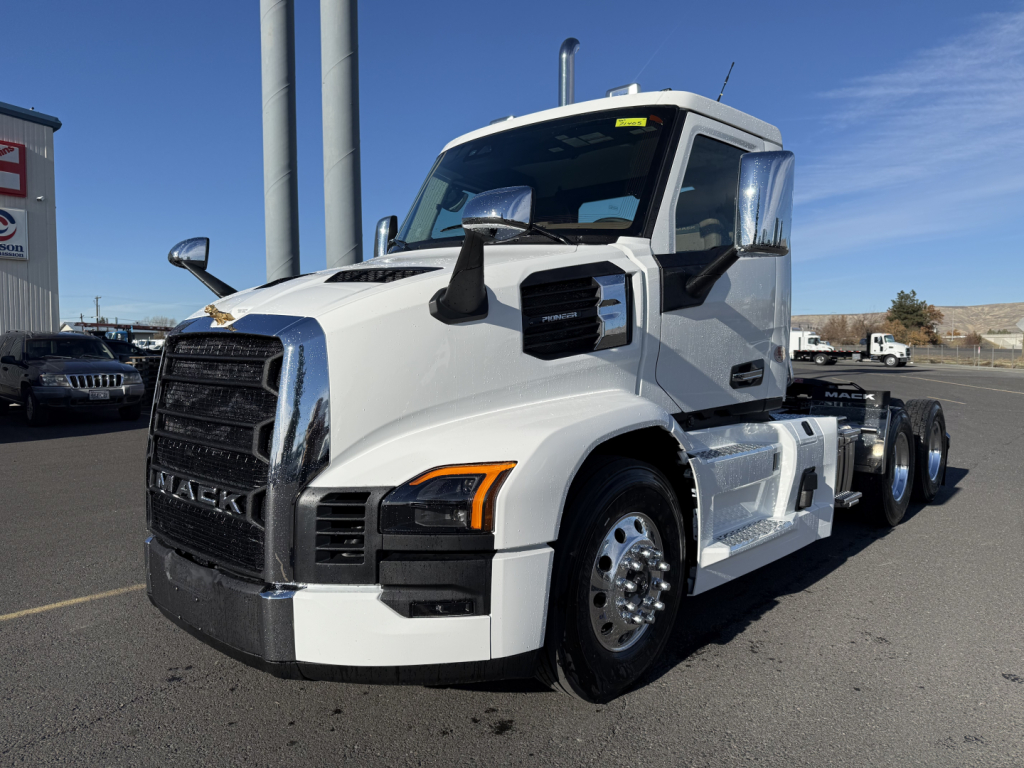
Match engine torque, transmission ratios, and rear gearing to loaded grades on I-90 and other mountain routes rather than buying horsepower alone. Common powertrain combinations include Freightliner Cascadia models with Detroit engines and DT12 transmissions, Volvo VNL models with D13 engines and I-Shift, and Mack Pinnacle models with MP8 engines and mDRIVE; exact combinations vary by year. Older trucks may use manual transmissions. Verify engine-brake operation and cooling capacity under load, and compare cruise rpm using the actual tire size and transmission top gear.
Axle ratings do not establish legal carrying capacity. Washington combination-weight limits also depend on axle spacing, bridge limits, route restrictions, registration, and applicable permits. A lift axle can improve weight distribution, but its placement, tire capacity, and controls must match the intended combination. Obtain an empty scale weight with normal fuel and equipment before calculating payload, especially when comparing tandem and multi-axle tractors.
On used equipment, reconcile ECM mileage, engine hours, idle time, and service records before judging condition from the odometer. Short drayage cycles can produce substantial clutch and aftertreatment wear despite modest mileage. Most 2007-era highway diesels introduced diesel particulate filters, and most 2010-era engines added SCR and DEF; verify the engine emissions label. Earlier diesels still warrant cold-start observation, blowby checks, and oil analysis. Inspect regeneration history, fault codes, cooling-system condition, fifth-wheel wear, suspension bushings, and frame repairs. Wet western Washington service warrants close checks of electrical connectors and cab water leaks, while trucks exposed to mountain deicers need brake-line, crossmember, and wiring inspections.
For new tractors, settle axle spacing, PTO provisions, fifth-wheel height, and trailer electrical connections before ordering. Confirm engine, transmission, and aftertreatment warranty terms separately, including coverage limits based on time, miles, or hours. Budget for the 12% federal excise tax on qualifying new heavy trucks and tractors, and verify whether the quoted total includes it. A documented delivery inspection should confirm alignment, ride height, safety-system calibration, and the intended duty-cycle programming.
Frequently Asked Questions about Conventional Day Cab Trucks in Washington
Do day cab trucks need to carry chains over Washington mountain passes?
Washington requires vehicles over 10,000 pounds GVWR to carry chains on designated mountain routes from November 1 through March 31. Installation requirements depend on posted restrictions and axle configuration, and traction tires do not replace required chains for heavy combinations. Before assigning a day cab tractor to mountain work, confirm the applicable WSDOT chain diagram and verify tire size, fender clearance, and accessible chain storage.
What CDL do I need to drive a day cab tractor in Washington?
A conventional day cab tractor generally requires a Class A CDL when the combination is rated or weighs 26,001 pounds or more and the trailer is rated or weighs over 10,000 pounds. Air-brake and transmission restrictions must also match the equipment being driven. Hazardous materials, tank vehicles, and double or triple trailers can require additional endorsements, so match the driver's credentials to the intended operation.
Can a conventional day cab run a dump trailer or walking floor?
PTO compatibility and the trailer's hydraulic requirements determine whether a conventional day cab can operate a dump trailer or walking floor. Verify pump flow, pressure, reservoir capacity, return filtration, and the required hydraulic circuit. A transmission with a PTO opening does not make a tractor ready for hydraulic work; pump installation, controls, hoses, and adequate chassis space still need verification.
Do local Washington day cab drivers need an ELD?
Qualifying interstate day cab drivers can use the federal 150-air-mile short-haul exception without an ELD when all exception conditions are met. Drivers must stay within that radius and return to their normal reporting location within 14 consecutive hours, and carriers must retain required time records for six months. Local port or warehouse trips can still constitute interstate commerce, so a short route alone does not establish an exemption.