
Conventional Daycab Trucks For Sale in Oklahoma
Browse conventional daycab trucks for sale in Oklahoma. Compare tandem-axle specs, horsepower, wheelbase, axle ratings, and drivetrain setups.
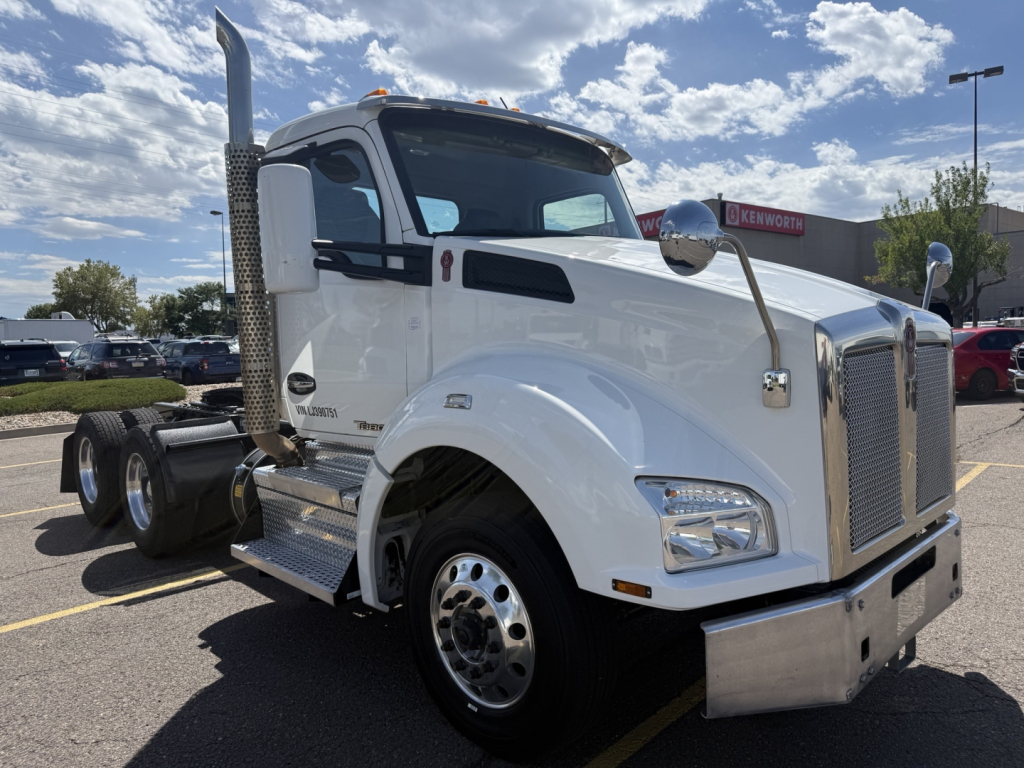
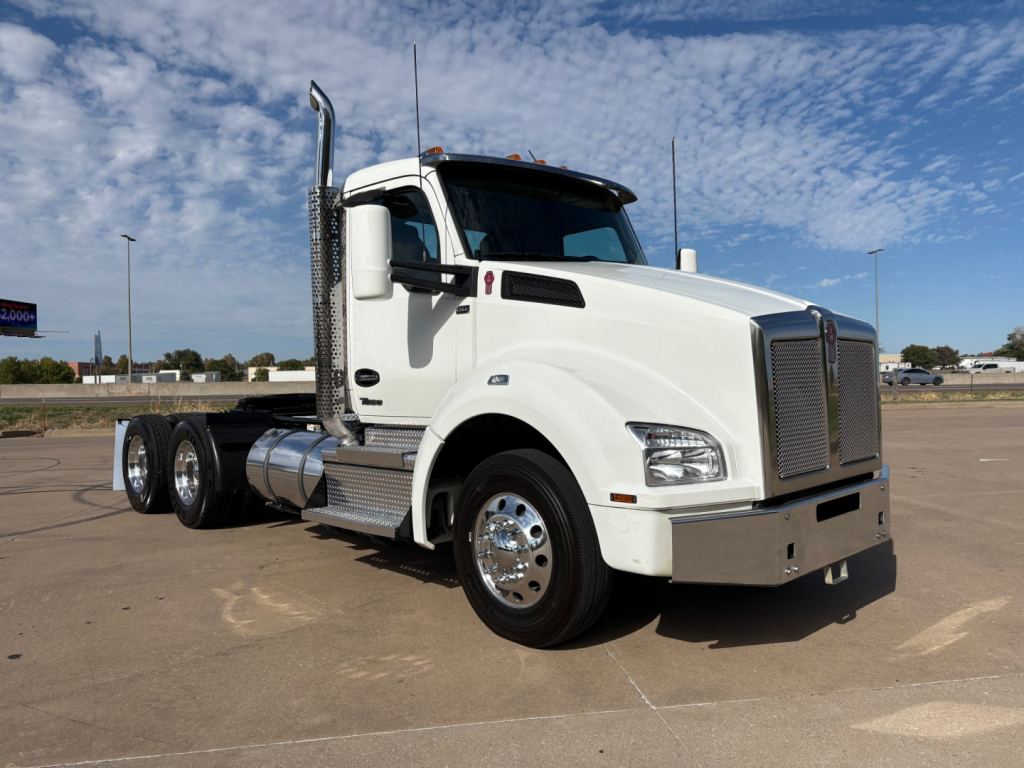
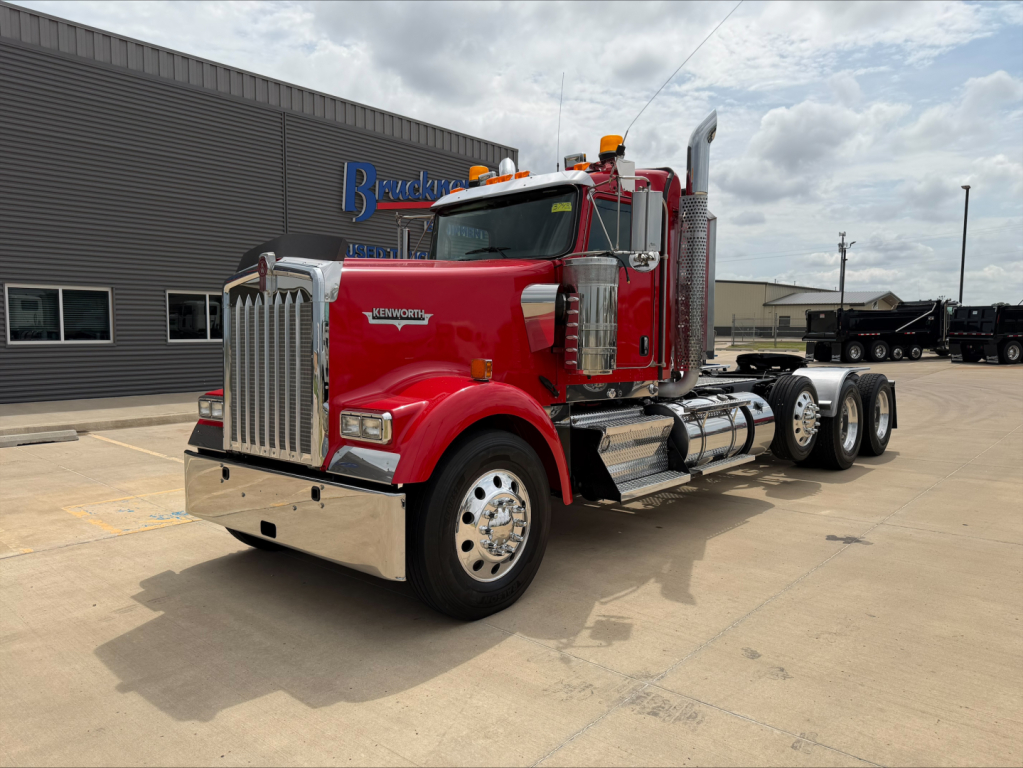
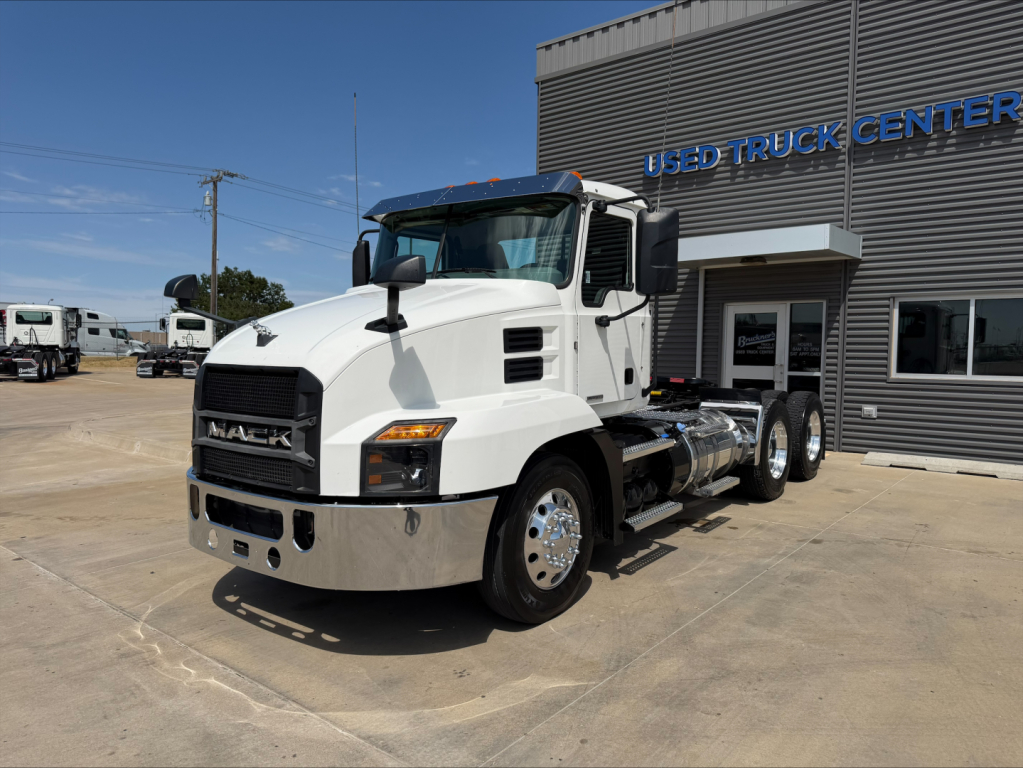
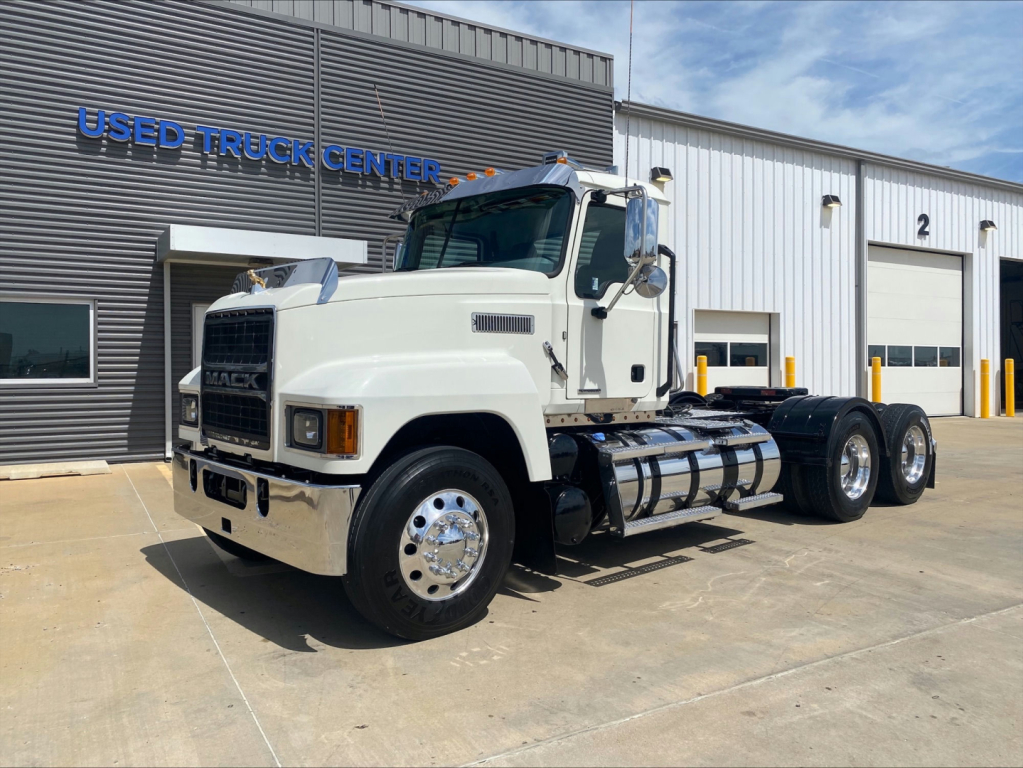
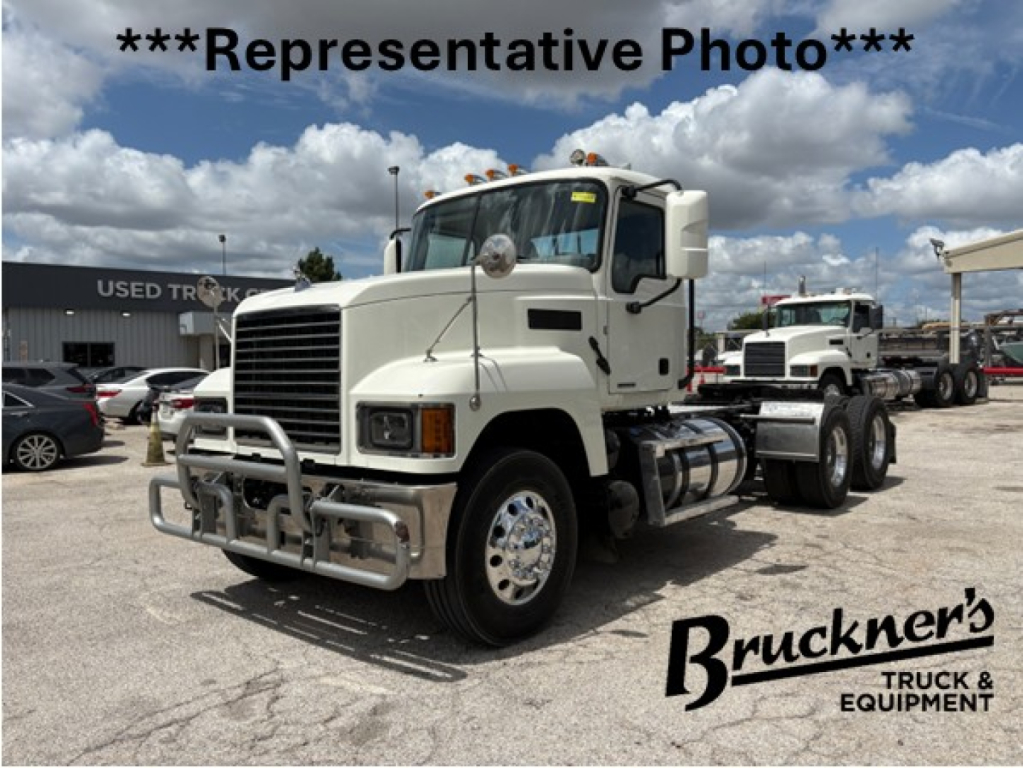
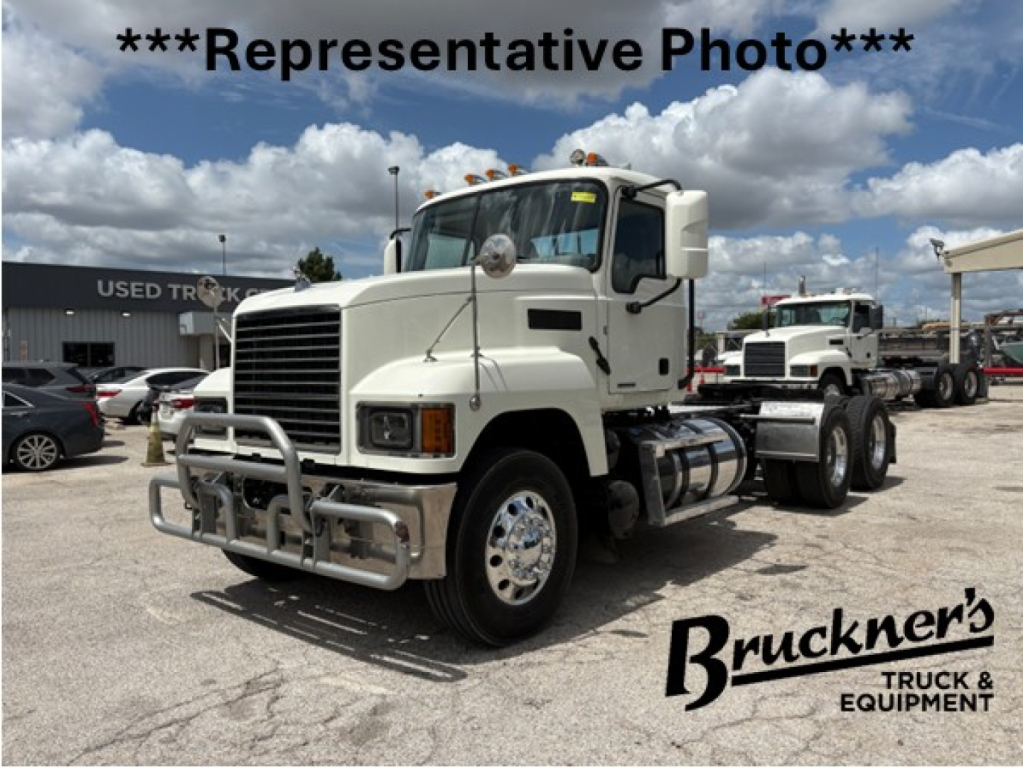
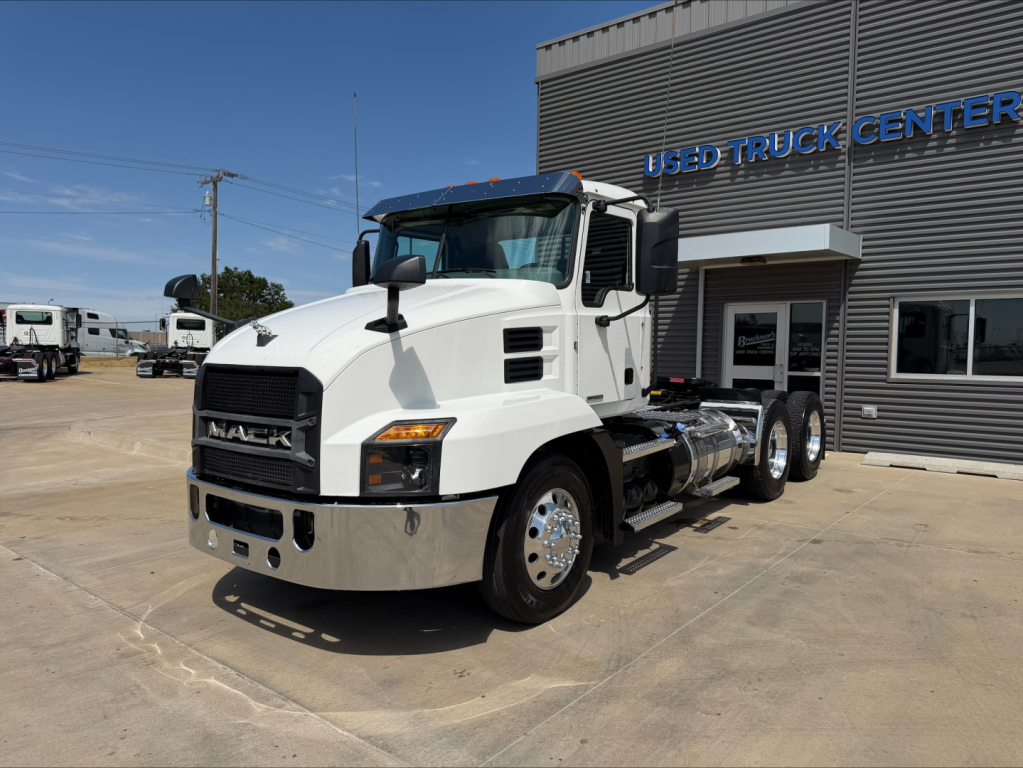
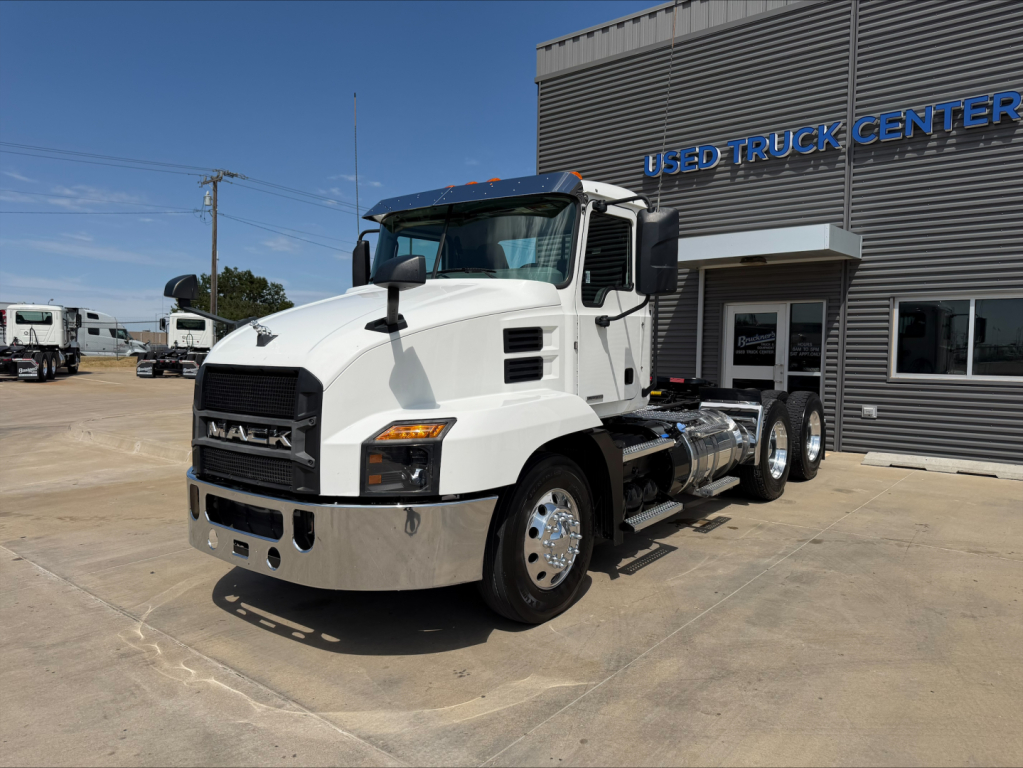
2020 Mack PI64T
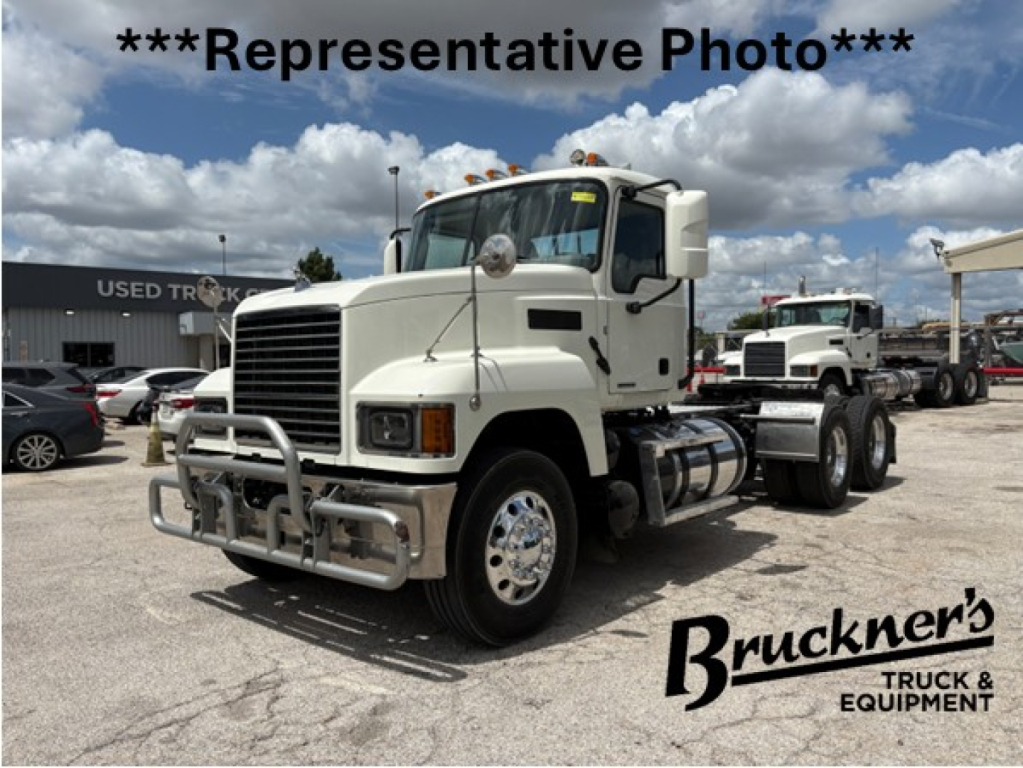
2020 Mack PI64T
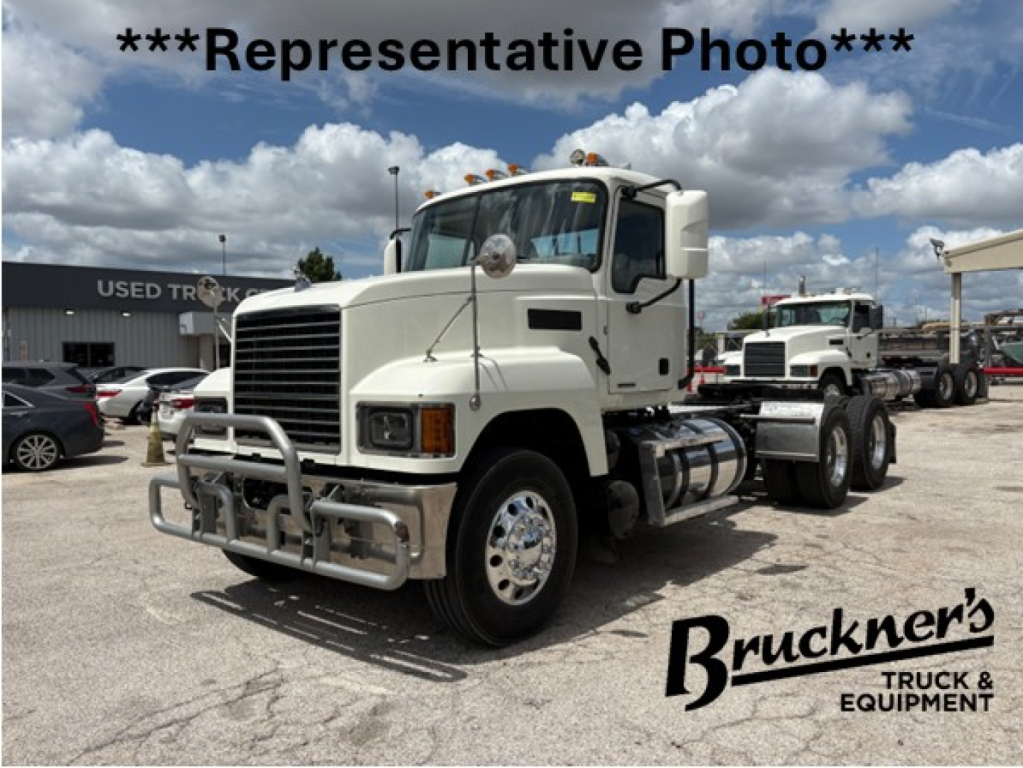
2020 Mack PI64T
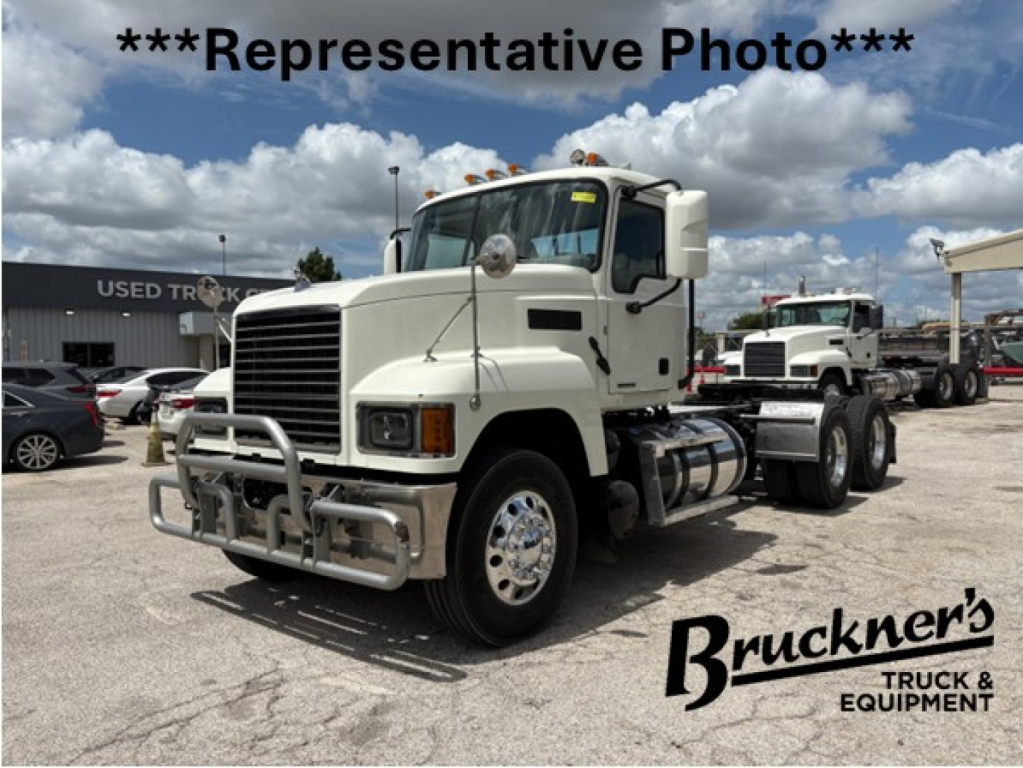
2020 Mack PI64T
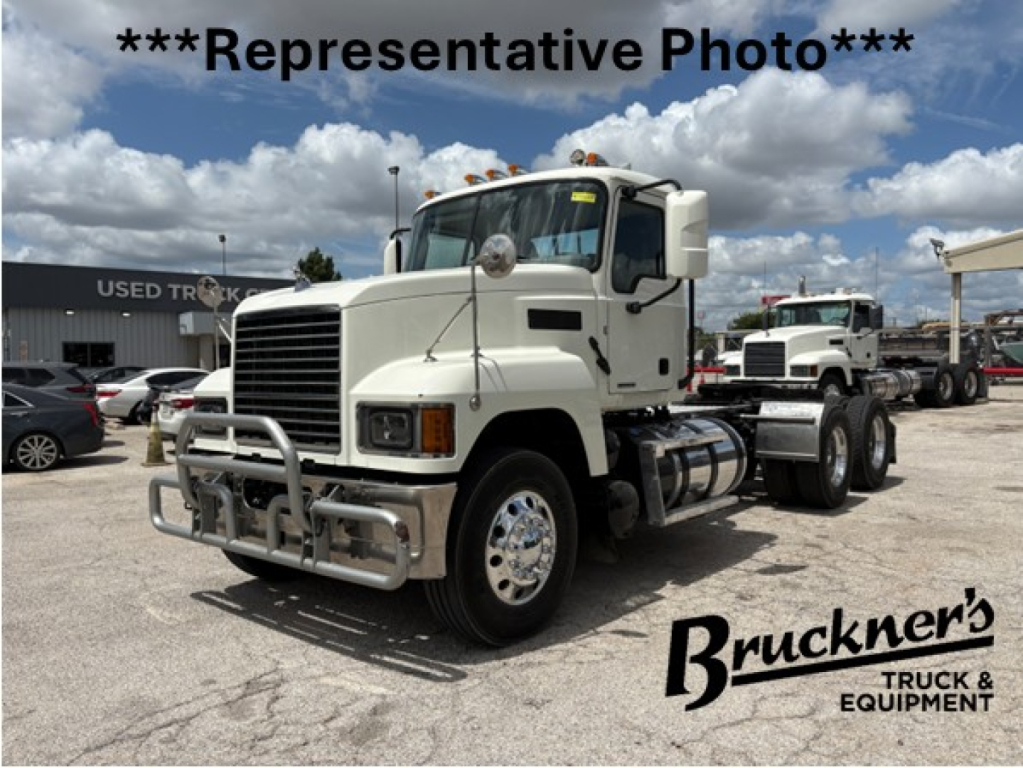
2020 Mack PI64T
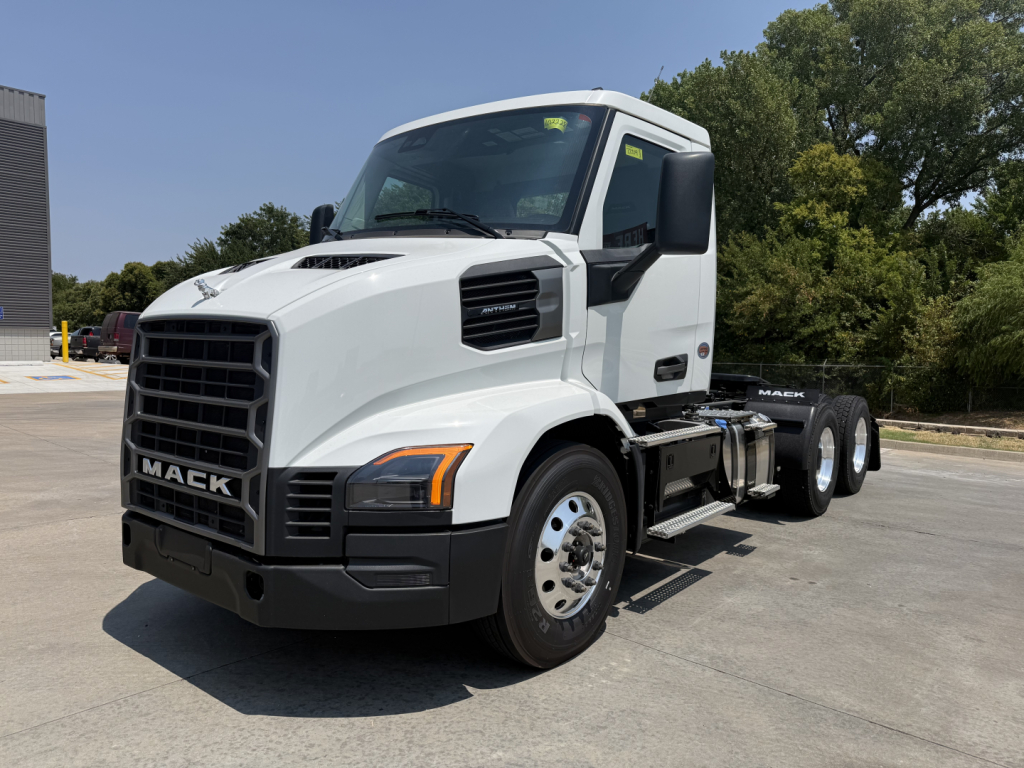
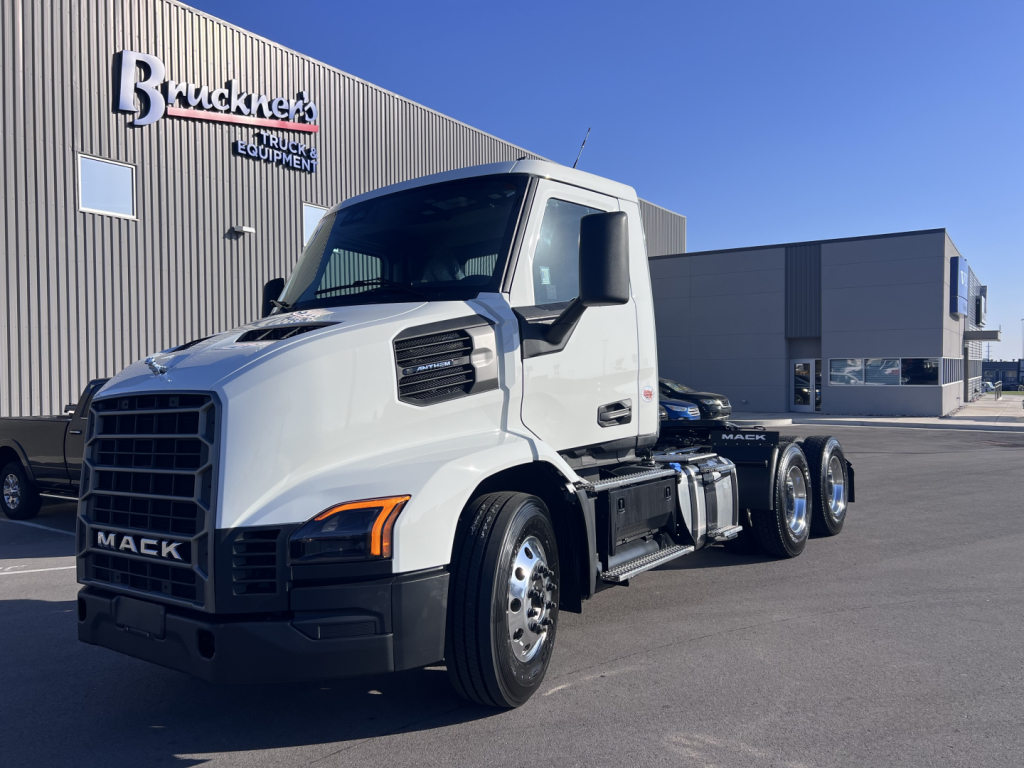
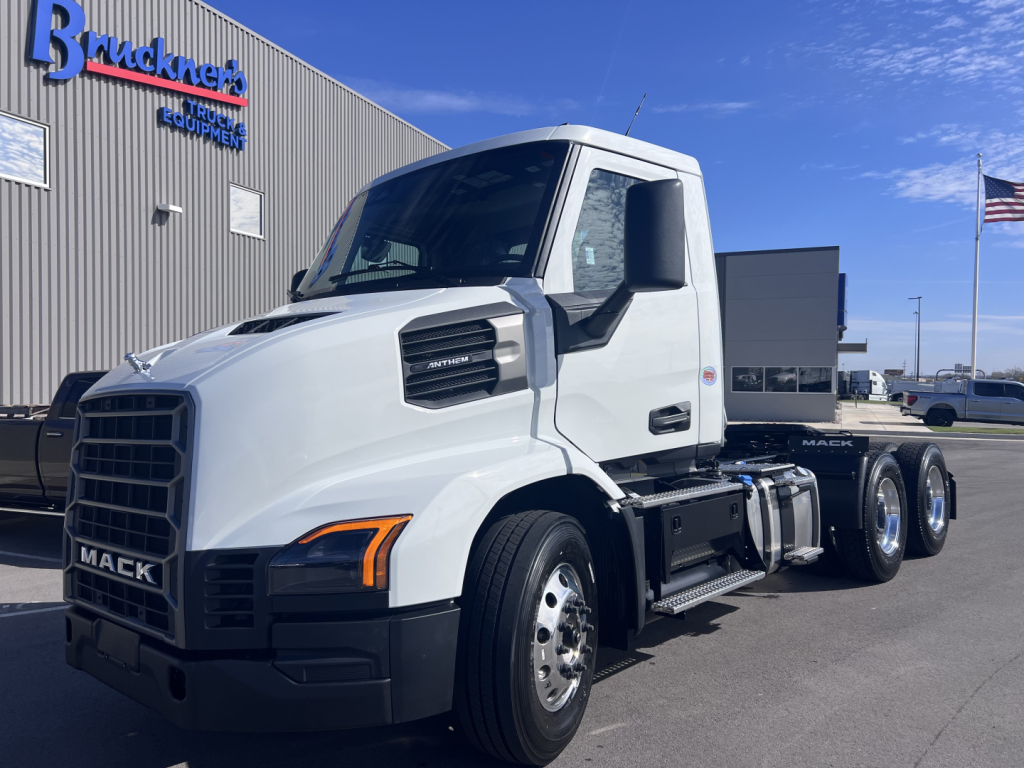
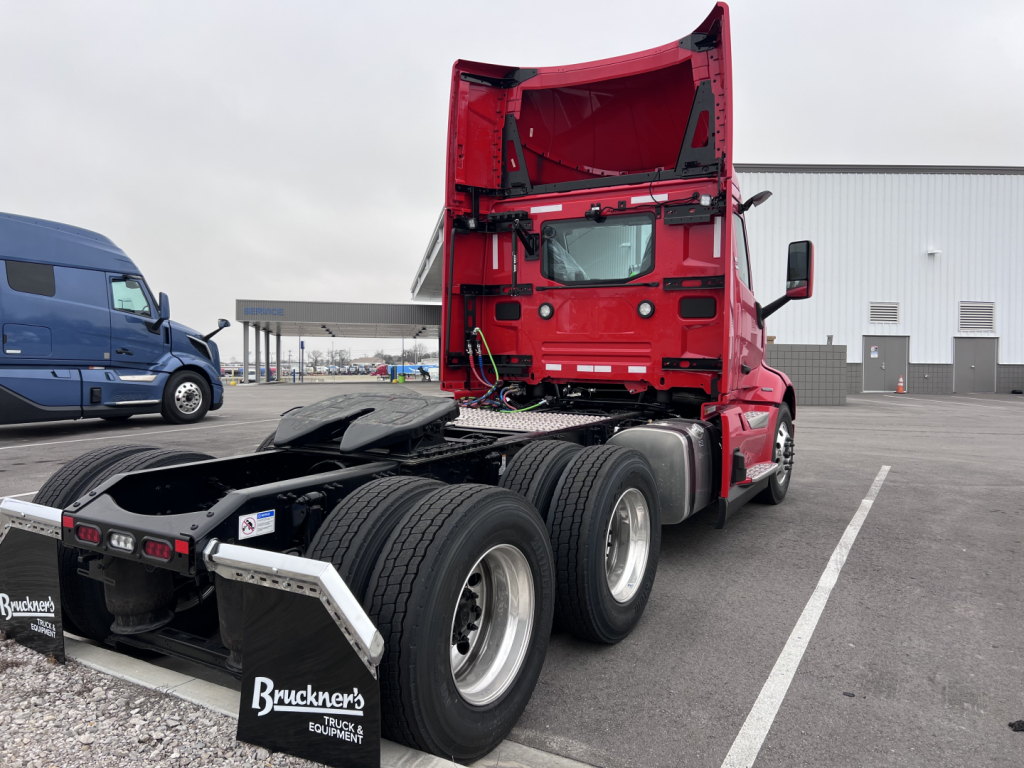
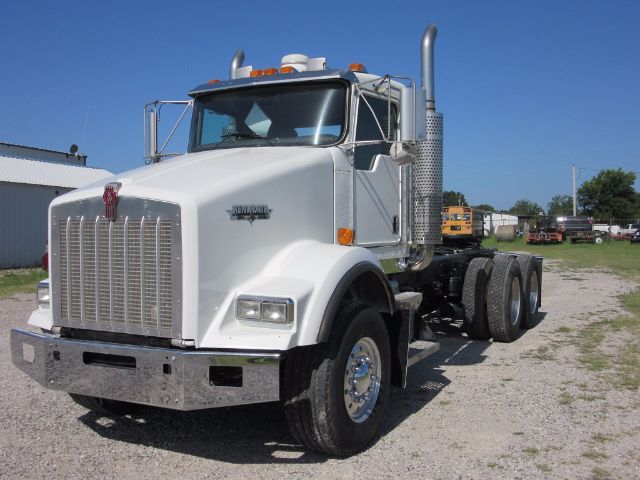

Showing 1 to 28 of 33 results
Selling a conventional daycab truck? List your conventional daycab truck for sale and reach thousands of commercial buyers.
Conventional Daycab Trucks in Oklahoma
The first buying decision is usually drivetrain and axle spec. Many conventional daycabs on the market are tandem-axle tractors with 12,000 to 12,500 lb front axles, 40,000 lb rears, and GVWRs in the low-50,000 lb range, which fits a broad range of freight applications. Horsepower commonly falls between about 400 and 475 hp, with torque and rear ratio doing as much work as the headline hp number. A 2.79 or 3.25 rear ratio paired with an overdrive automated manual can make sense for highway-oriented regional hauling and fuel economy, while a 4.10 or 4.30 ratio with a manual transmission is more at home in heavy haul, vocational, or off-road service where startability and low-speed control matter more. Wheelbase is another key spec. A 180 to 185 inch wheelbase is common for fleet daycabs that need to balance trailer swing clearance with tight turning, while longer wheelbases can support heavier front axle setups or specialized body and vocational requirements.
Buyers should also look closely at suspension, frame, and braking configuration. Air-ride rear suspension is common on highway tractors because it improves ride quality and helps protect freight, but severe-service applications may call for heavier suspensions, double frame rails, dual steering gear, full lockers, and higher-capacity front and rear axles. Engine and transmission combinations vary widely by intended use. Automated manuals such as 12-speed units are common in modern fleet daycabs because they improve driver consistency and can help fuel economy, while 13-speed manuals still appeal in demanding terrain and specialty work. Engine brake spec, tire size, and fifth wheel setup should match the trailer mix and duty cycle, especially if the truck will alternate between loaded regional lanes and yard or jobsite work.
Condition matters as much as base spec. On used conventional daycabs, pay attention to idle hours, service history, emissions system performance, clutch or AMT calibration history, suspension wear, and signs of frame or fifth wheel abuse. On heavier vocational daycabs, inspect double-frame integrity, locking differential operation, steer axle components, and evidence of prior overload use. A well-matched conventional daycab can be one of the most versatile tractors in a fleet, but the right truck depends on how often it runs highway speed, how much weight it starts from a stop, and how much maneuverability the route requires.
Frequently Asked Questions about Conventional Daycab Trucks in Oklahoma
What is a conventional daycab truck best suited for?
A conventional daycab truck is best suited for local and regional hauling where the driver returns home daily and does not need sleeper accommodations. Common applications include dry van, reefer, tanker, flatbed, drayage, dump, and vocational work. The design gives operators a shorter, lighter tractor that is easier to maneuver and often less expensive to maintain than a sleeper tractor.
What axle and GVWR specs are common on a conventional daycab?
Many conventional daycabs are tandem-axle tractors with front axle ratings around 12,000 to 12,500 lbs and rear axle ratings around 40,000 lbs. GVWR often lands in the 52,000 lb range, although heavier vocational specifications are available. Buyers should match axle capacity, suspension type, and frame construction to the actual trailer weight, payload, and terrain instead of relying on engine horsepower alone.
Is an automated manual or manual transmission better in a daycab?
An automated manual is often the better fit for fleet regional service because it improves shift consistency, reduces driver fatigue, and can support fuel economy goals. A manual transmission still has advantages in some heavy haul, construction, and off-road applications where drivers want more direct gear control. The right choice depends on route profile, driver pool, maintenance preference, and how much low-speed work the truck performs.
What rear ratio should I look for in a conventional daycab?
Rear ratio should be selected based on speed, weight, and startability requirements. Ratios such as 2.79 or 3.25 are common for highway-focused regional tractors that prioritize lower engine rpm and fuel economy. Ratios like 4.10 or 4.30 are more common in heavy vocational or severe-duty service where stronger pulling power and low-speed performance are more important than cruise rpm.
What should I inspect on a used conventional daycab truck?
Key inspection points include engine hours, maintenance records, emissions system history, transmission operation, rear suspension wear, brake condition, tire wear pattern, and any signs of frame damage or fifth wheel movement. On severe-service specs, also inspect double frame rails, differential locks, steer axle components, and evidence of overload use. A clean spec sheet is useful, but service history and physical condition usually tell the real story.