
2014 Conventional Daycab Trucks For Sale
Shop 2014 conventional daycab trucks with common specs, axle ratings, wheelbase options, and drivetrain features for regional and local hauling.
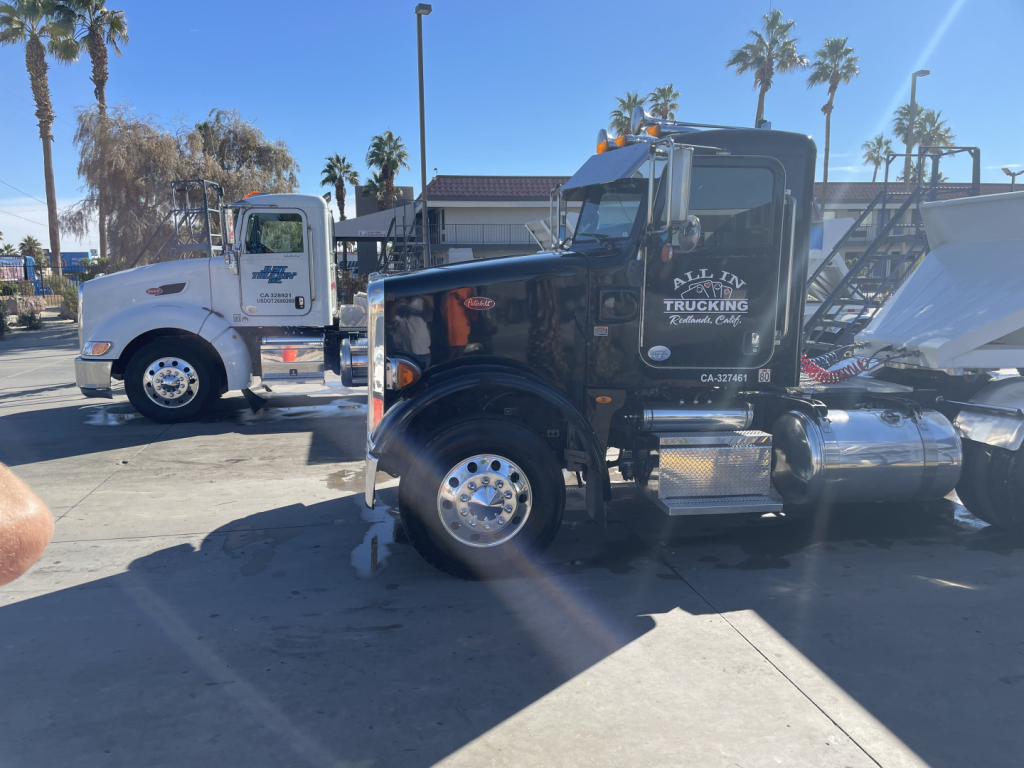
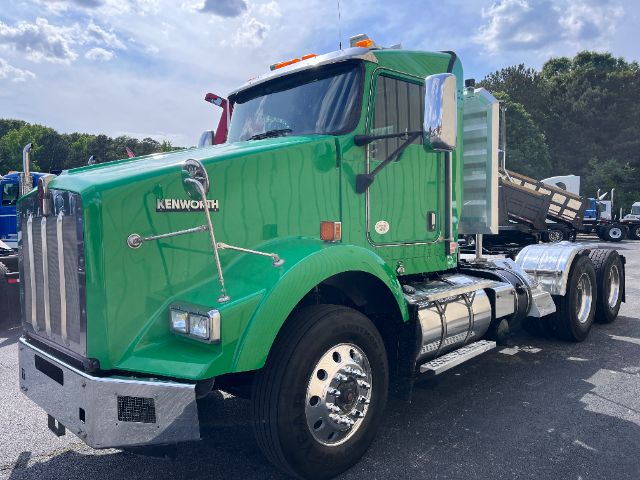
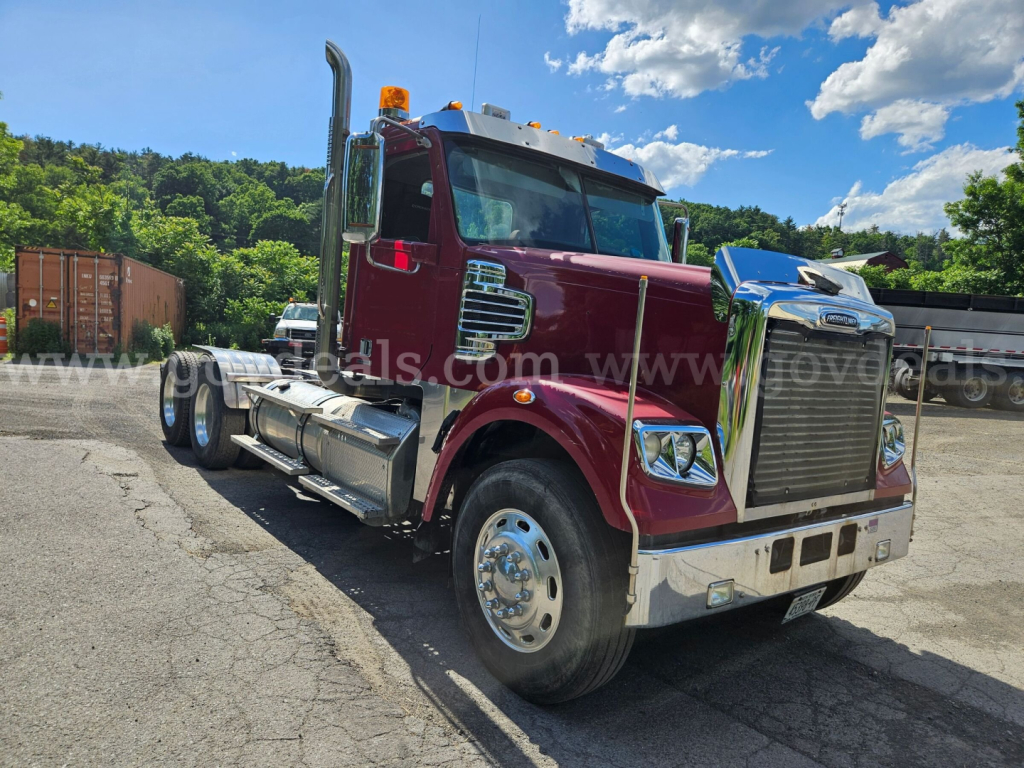
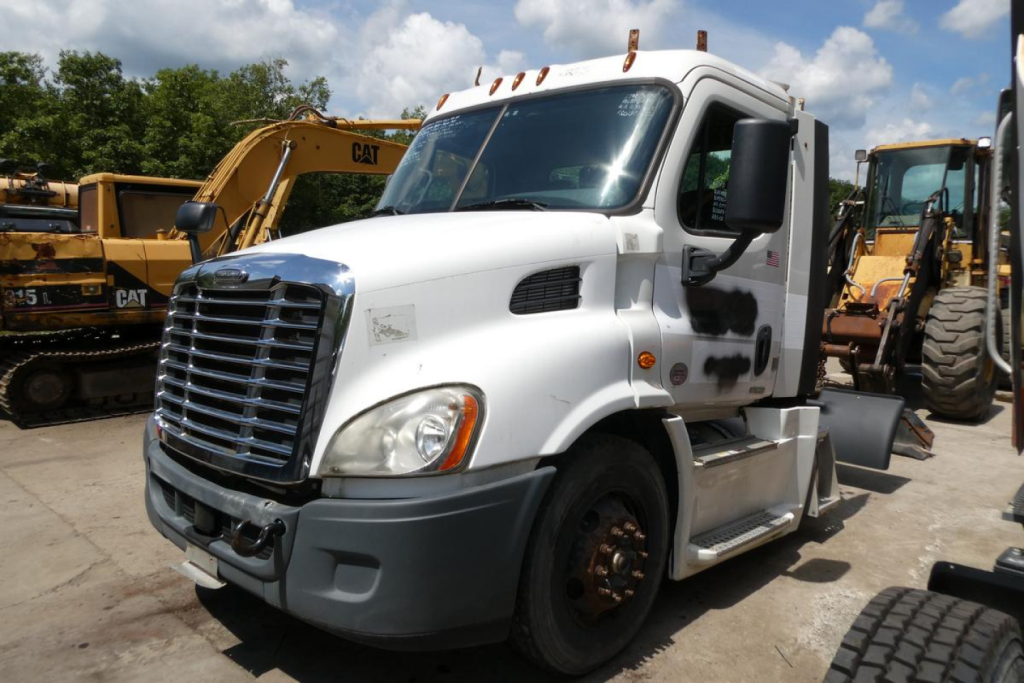
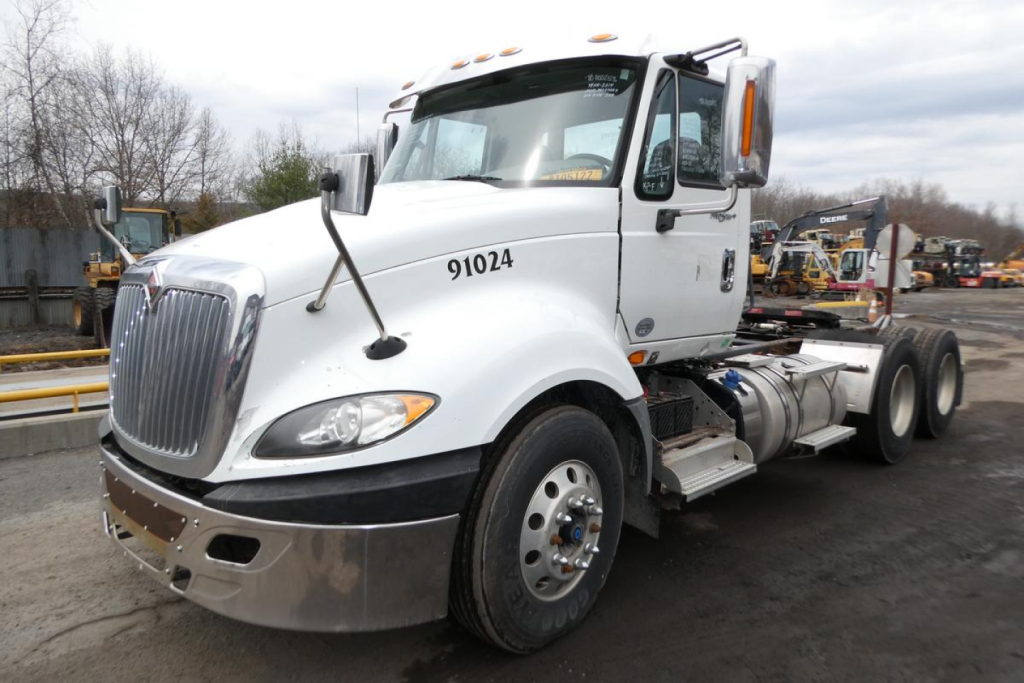
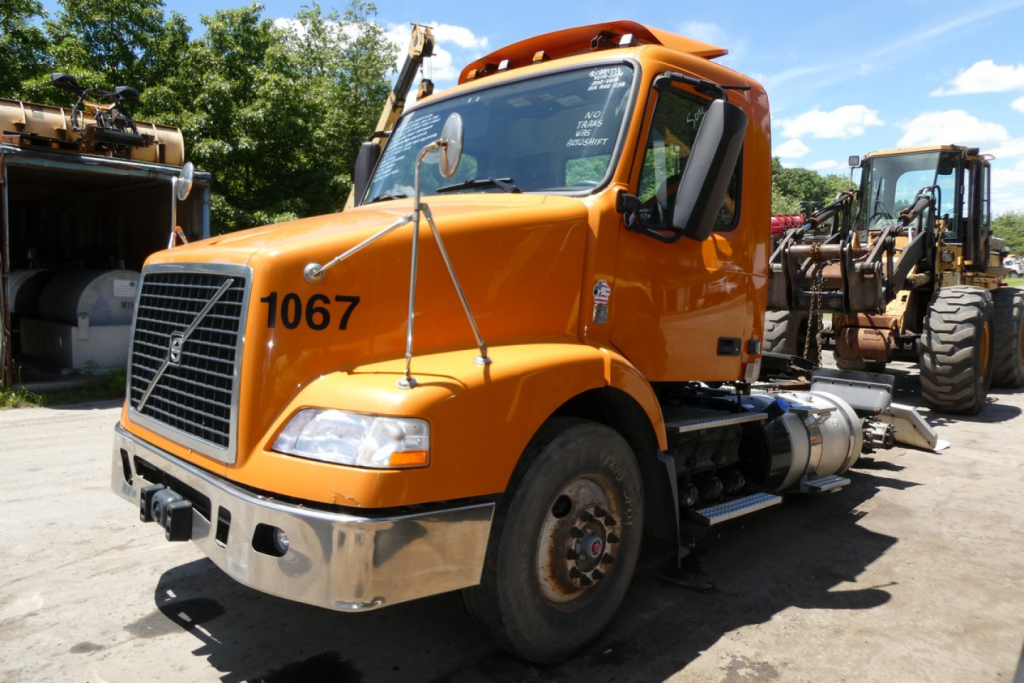
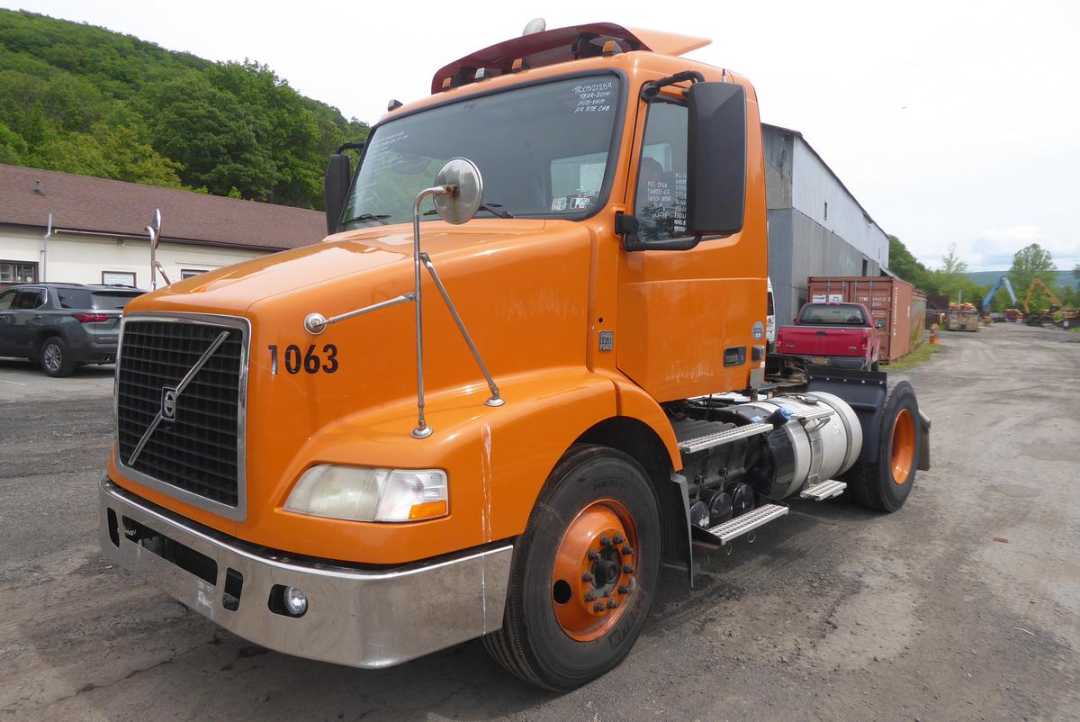
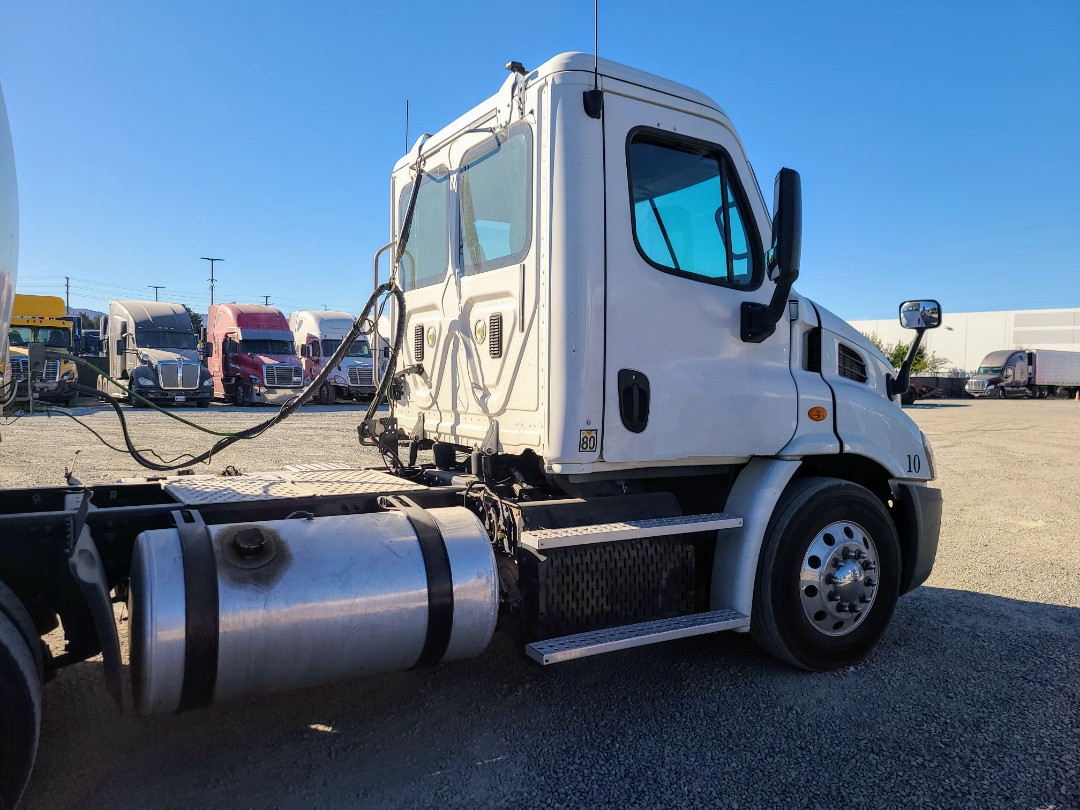
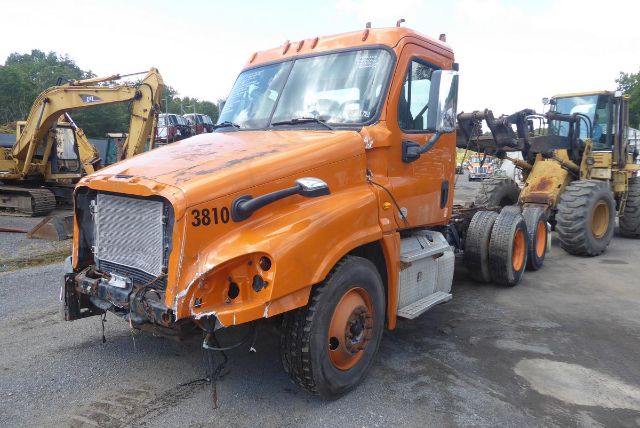
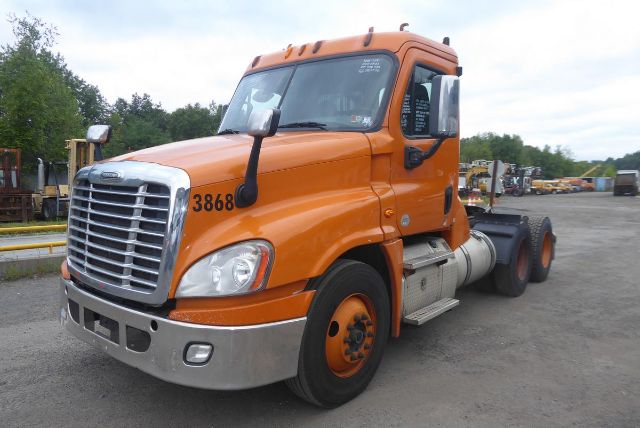
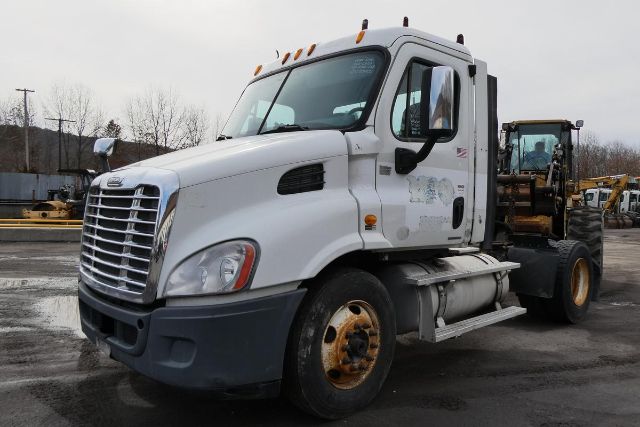
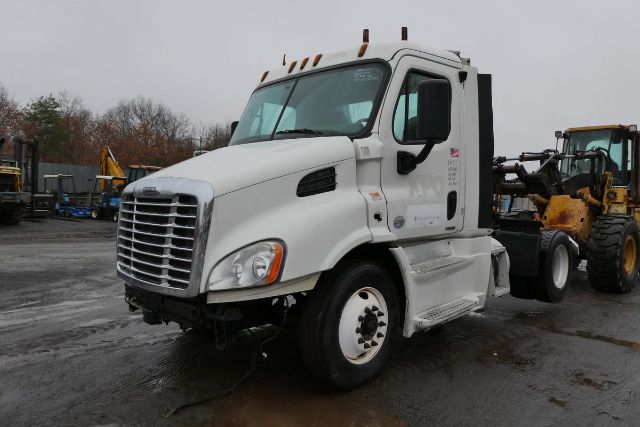
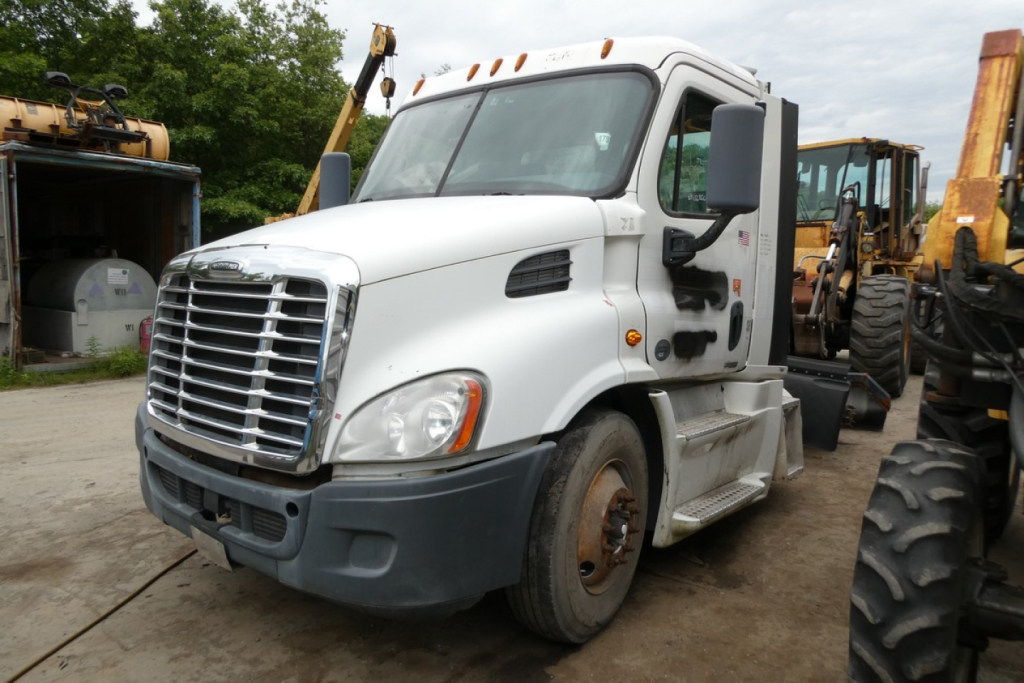
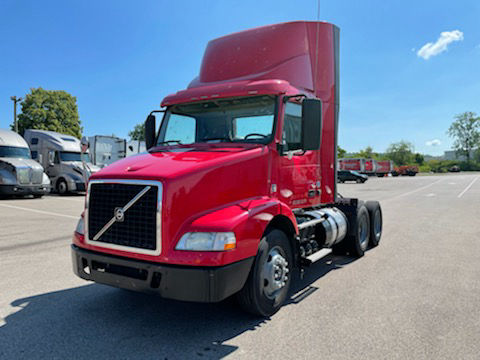

Selling a 2014 conventional daycab truck? List your 2014 conventional daycab truck for sale and reach thousands of commercial buyers.
2014 Conventional Daycab Trucks
Frequently Asked Questions about 2014 Conventional Daycab Trucks
What is a 2014 conventional daycab truck best used for?
A 2014 conventional daycab truck is best suited for regional hauling, drayage, local distribution, intermodal work, dump and transfer applications, and dedicated routes that return the driver home daily. The lack of a sleeper shortens overall length and often reduces weight, which can improve maneuverability and payload flexibility. Daycabs are especially common where dock access, city driving, and frequent coupling and uncoupling matter more than long-haul driver accommodations.
What specs matter most when buying a used 2014 daycab tractor?
The most important specs are engine make and horsepower, transmission type, rear axle ratio, suspension, wheelbase, fifth wheel setup, and axle ratings. A buyer should also verify emissions system condition on 2014 trucks, including DEF and aftertreatment history, because downtime in these systems can affect operating cost. Wheelbase and kingpin setting compatibility matter if the truck will pull different trailer lengths or operate in tight urban environments, while rear ratio and transmission choice affect startability, cruise RPM, and fuel economy.
Are 2014 conventional daycab trucks good for regional fuel economy?
Many 2014 daycab trucks can still be strong fuel economy candidates when spec'd correctly. Aerodynamic features such as roof fairings, cab extenders, and chassis side fairings help at highway speeds, but gearing is just as important. Trucks with automated manual transmissions, efficient downsped rear ratios, and engines matched to regional cruise speeds often deliver better fuel performance than heavier vocational specs or older direct-drive combinations built primarily for pulling power.
What is the difference between a daycab and a sleeper tractor?
A daycab removes the sleeper compartment and keeps only the cab, which shortens the chassis and reduces empty weight. That usually makes a daycab easier to maneuver in terminals, yards, and city routes. A sleeper tractor is built for over-the-road operation where the driver needs rest space and onboard storage. For buyers focused on local or regional operations, a conventional daycab often provides a better balance of acquisition cost, access, and route efficiency.
What should I inspect on a 2014 used daycab before purchase?
Focus on engine hours, maintenance records, fault codes, aftertreatment service history, clutch or automated transmission performance, suspension wear, brake condition, frame integrity, and fifth wheel wear. On 2014 emissions-era trucks, a diagnostic scan is important to identify active or inactive faults tied to the DPF, SCR, DEF pump, NOx sensors, and EGR components. Buyers should also compare odometer readings to ECM data, inspect tires for irregular wear that may indicate alignment or suspension issues, and confirm the truck's axle and wheelbase configuration matches the trailers and routes it will handle.