
2014 Conventional Daycab Trucks For Sale in Nevada
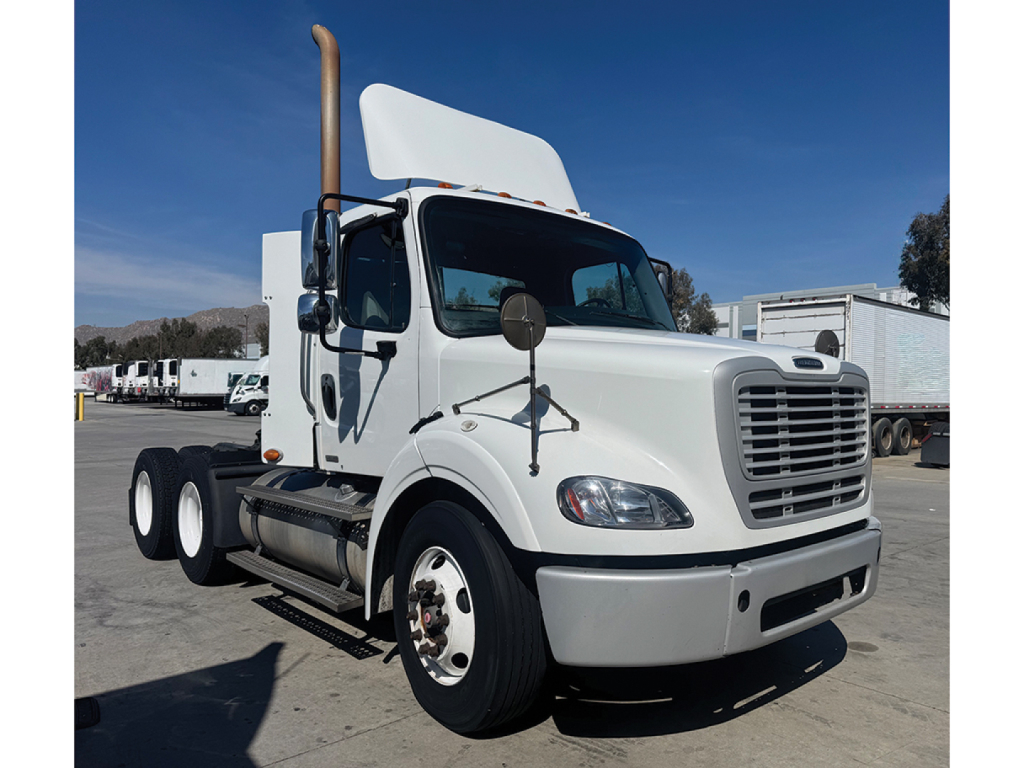
2014 Freightliner M2 112
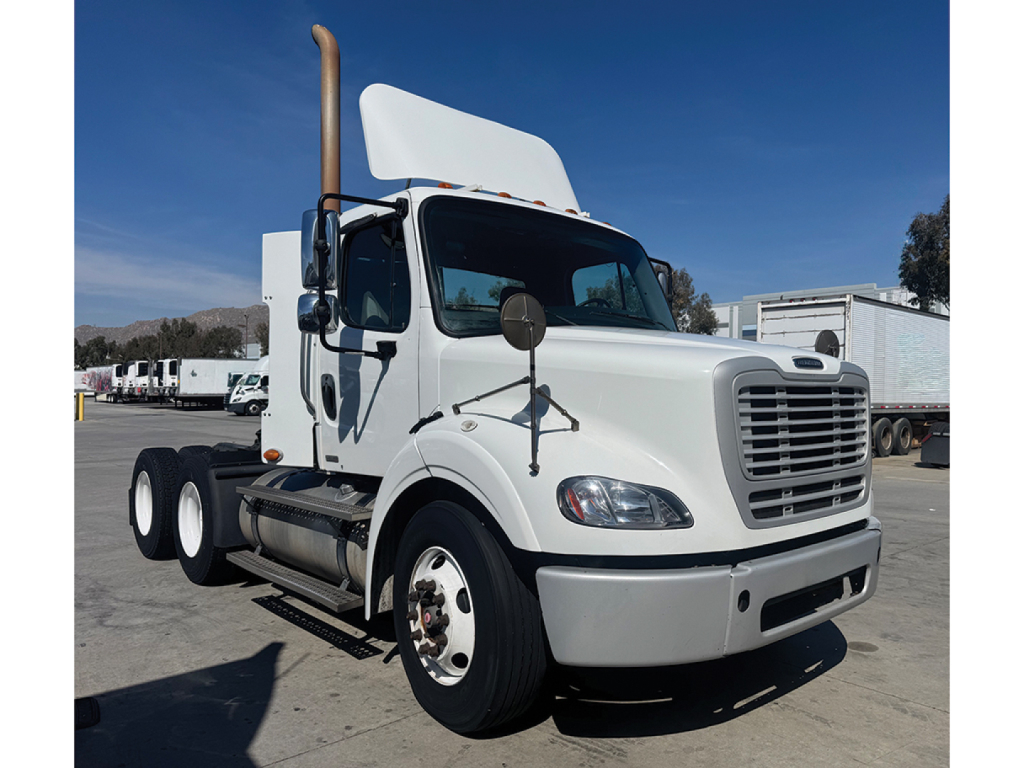
2014 Freightliner M2 112
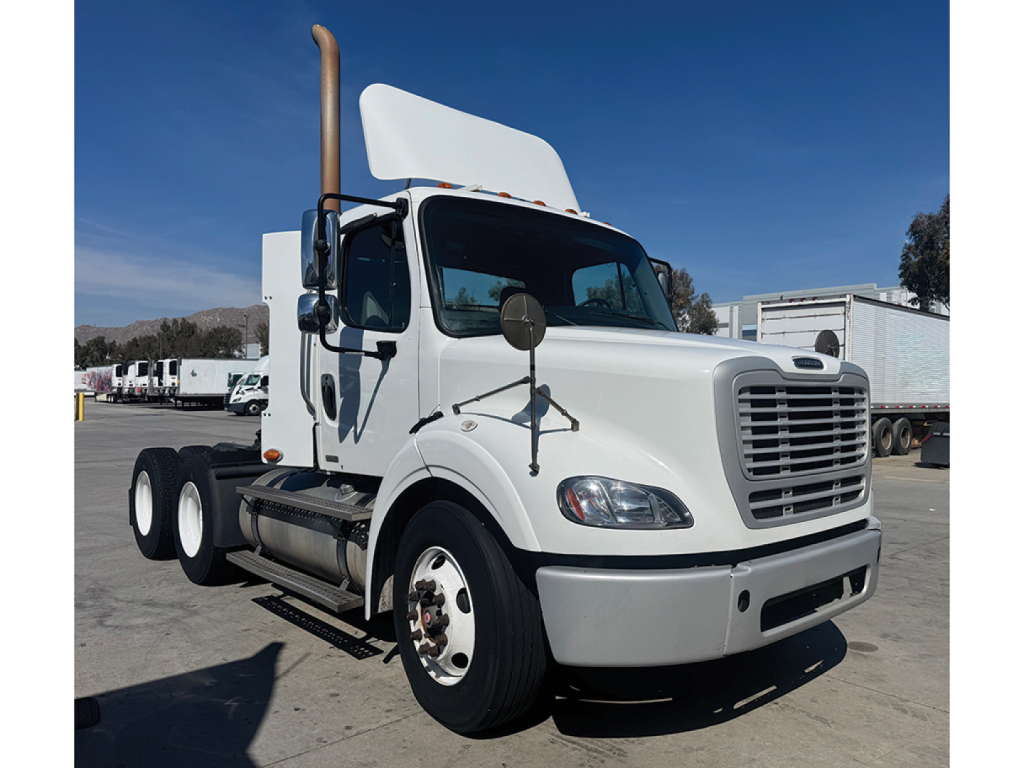
2014 Freightliner M2 112
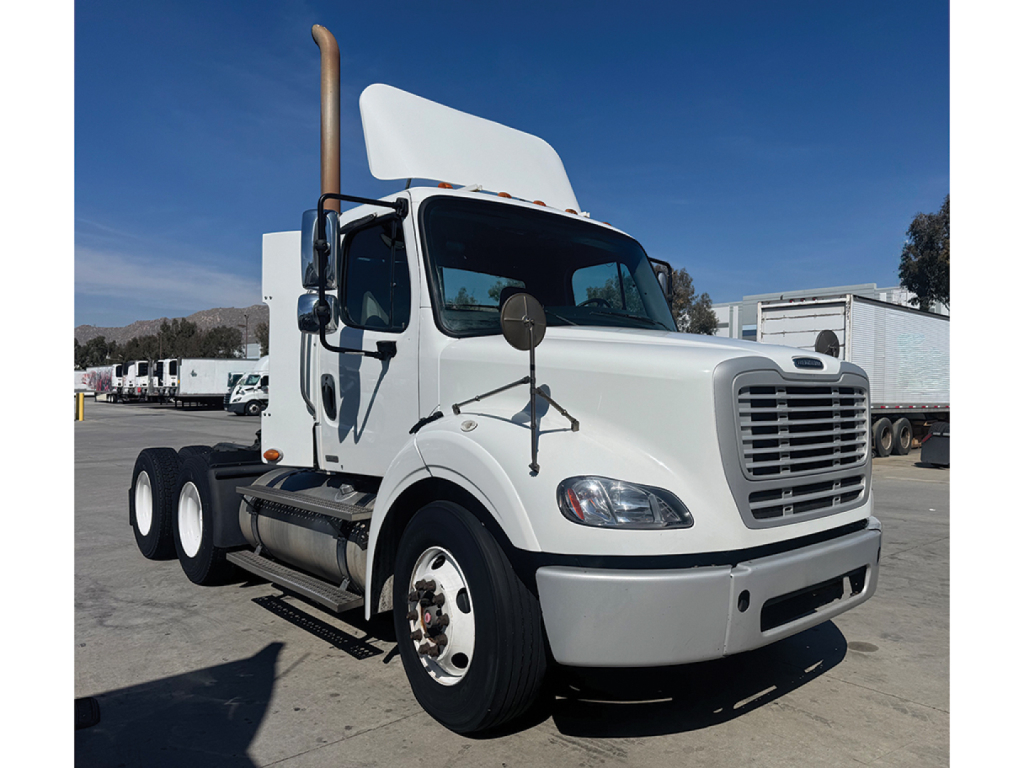
2014 Freightliner M2 112

2014 Freightliner M2 112
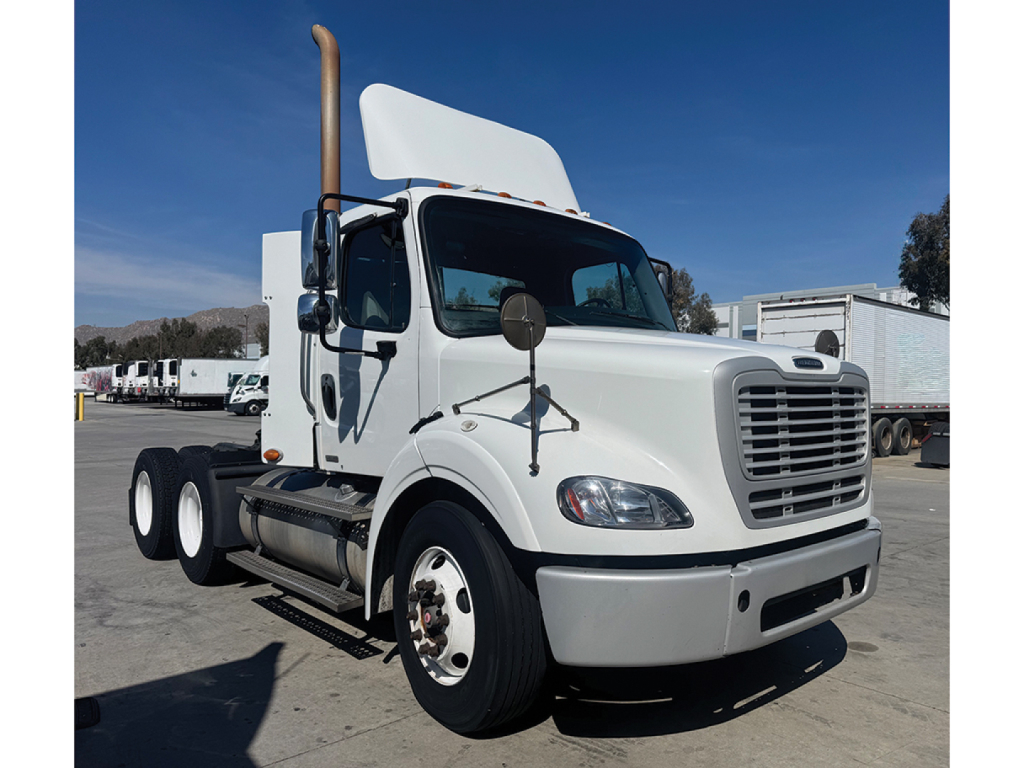
2014 Freightliner M2 112
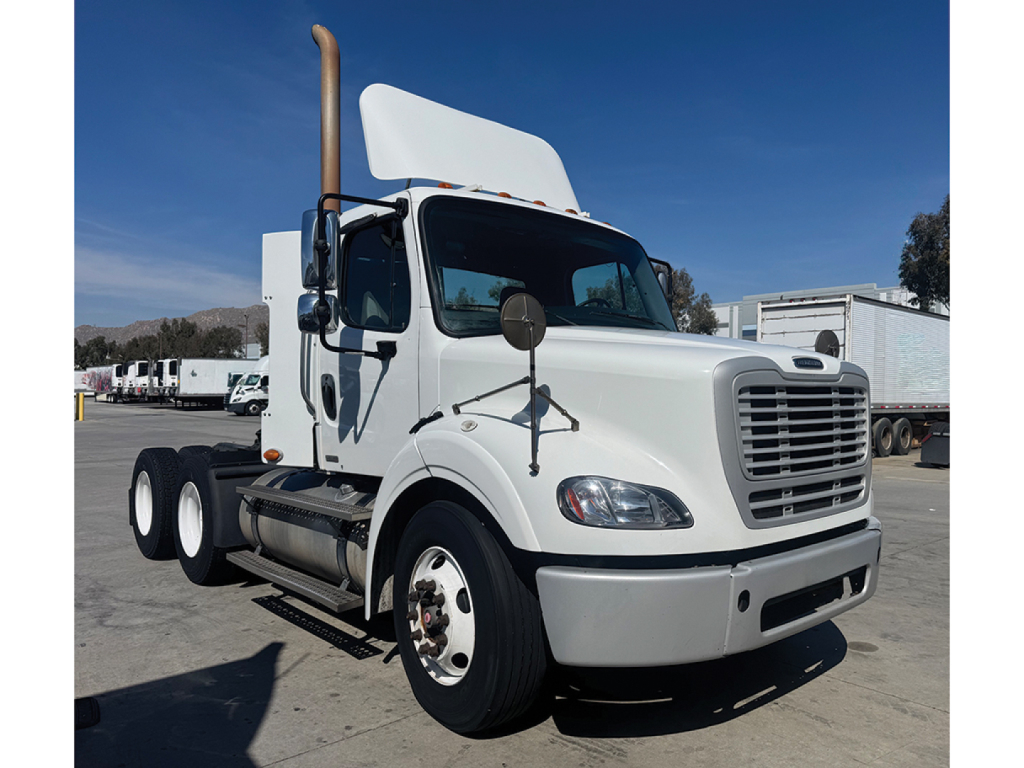
2014 Freightliner M2 112
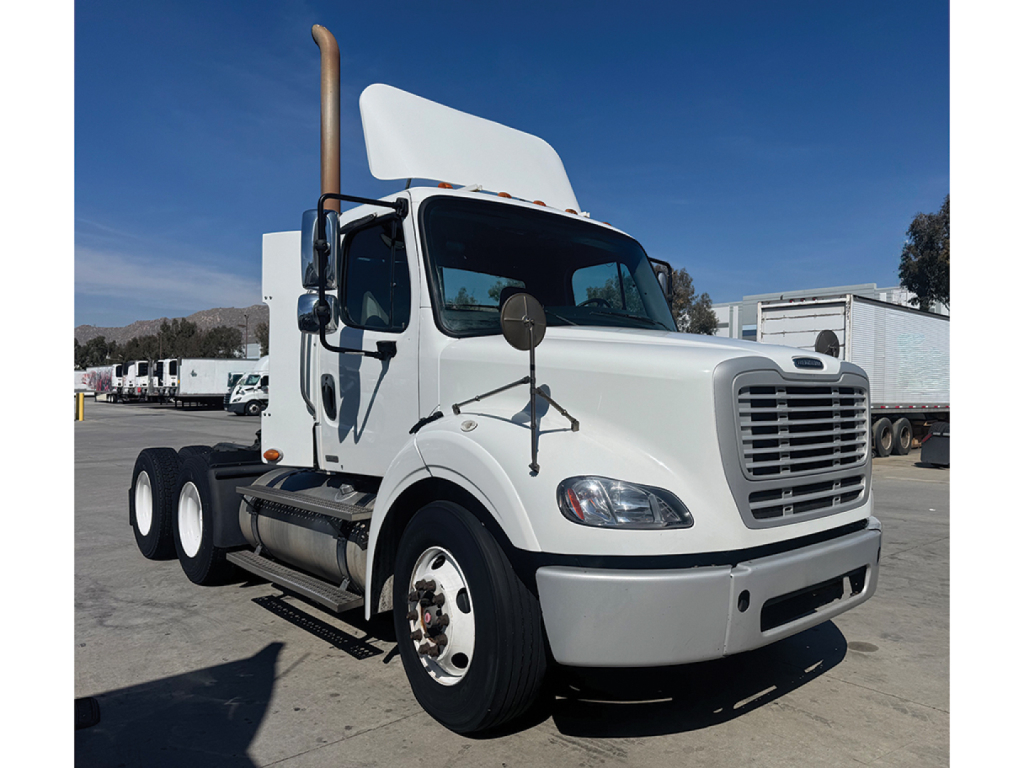
2014 Freightliner M2 112
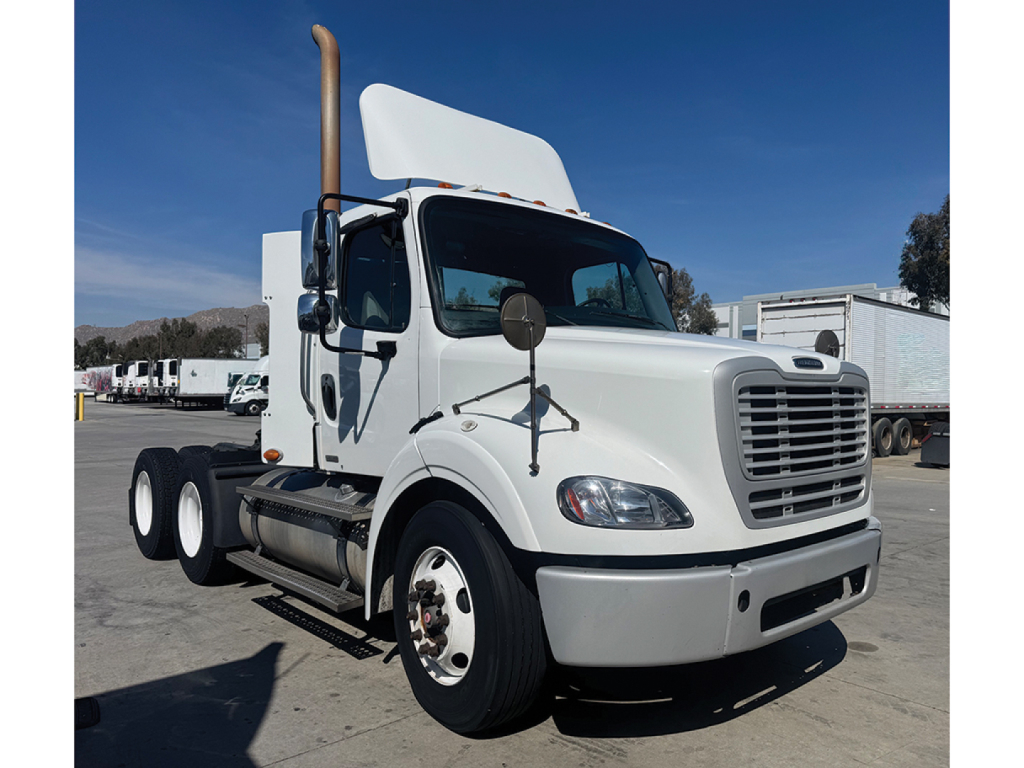
2014 Freightliner M2 112
2014 Freightliner M2 112
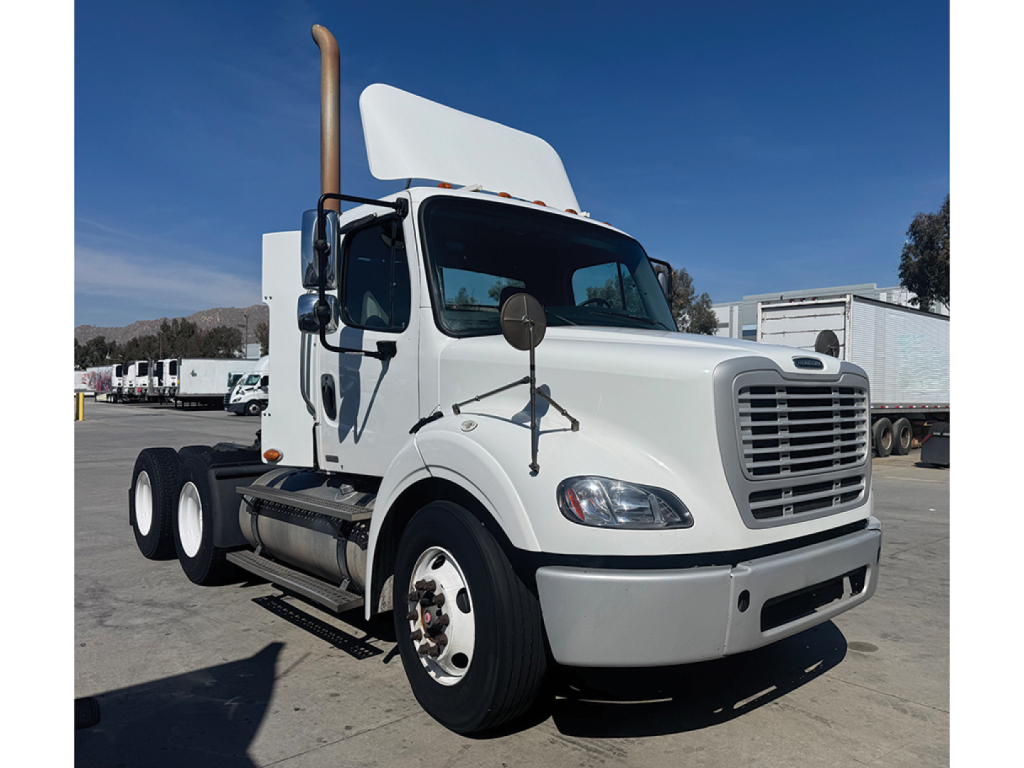
2014 Freightliner M2 112
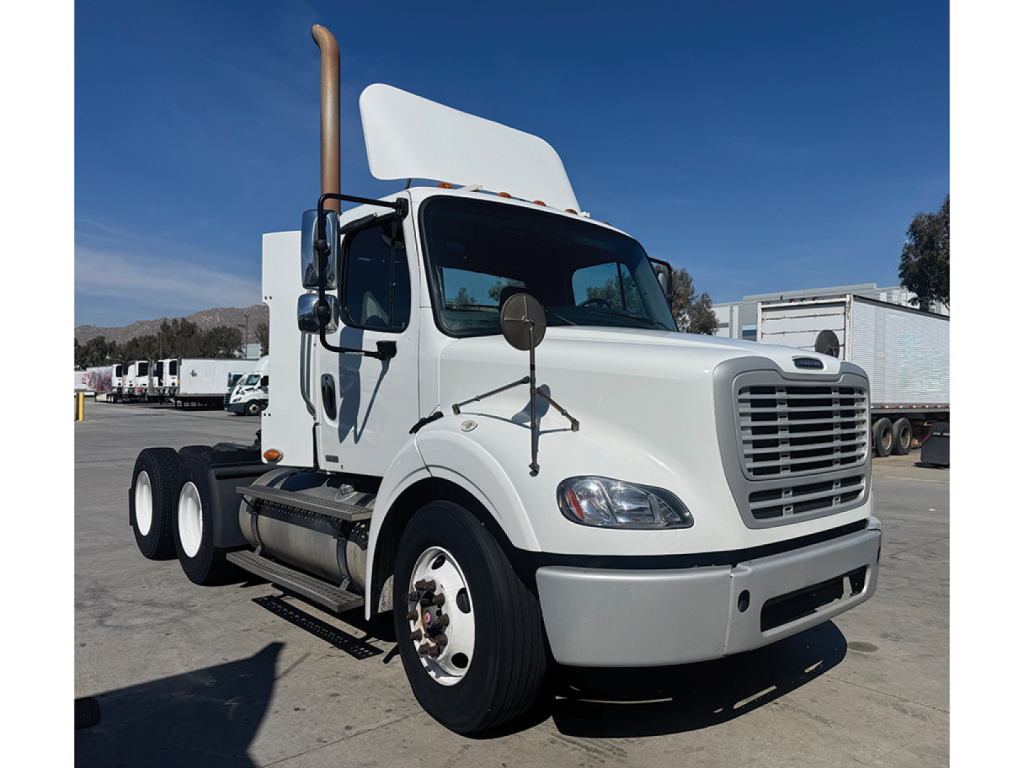
2014 Freightliner M2 112
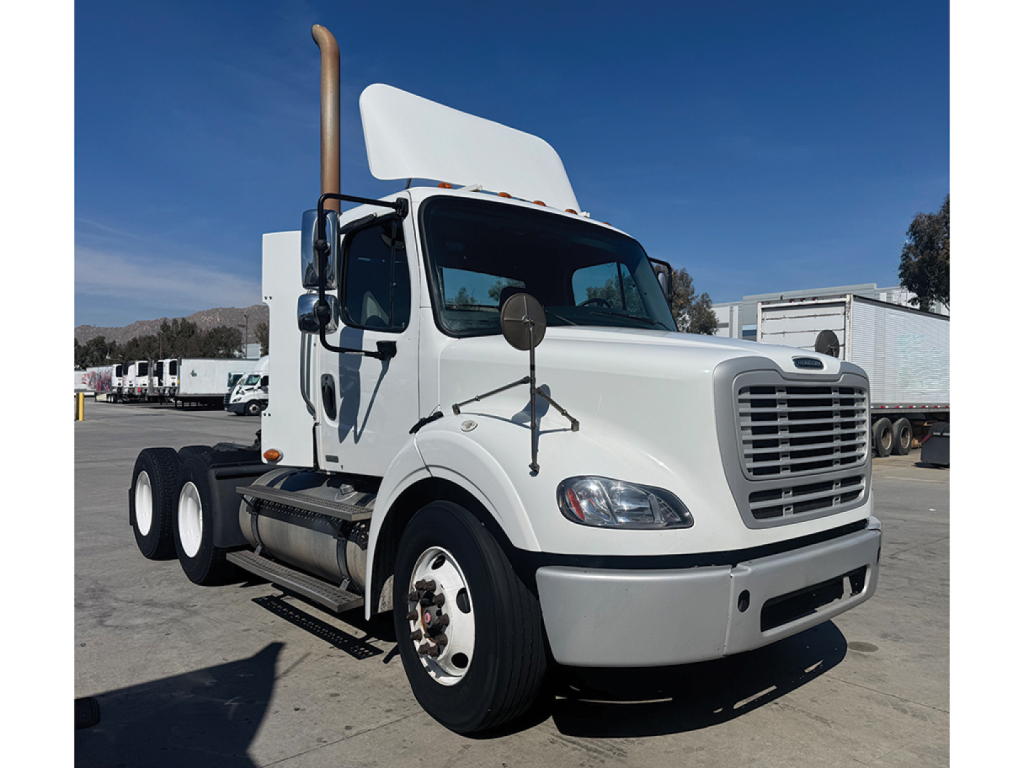
2014 Freightliner M2 112
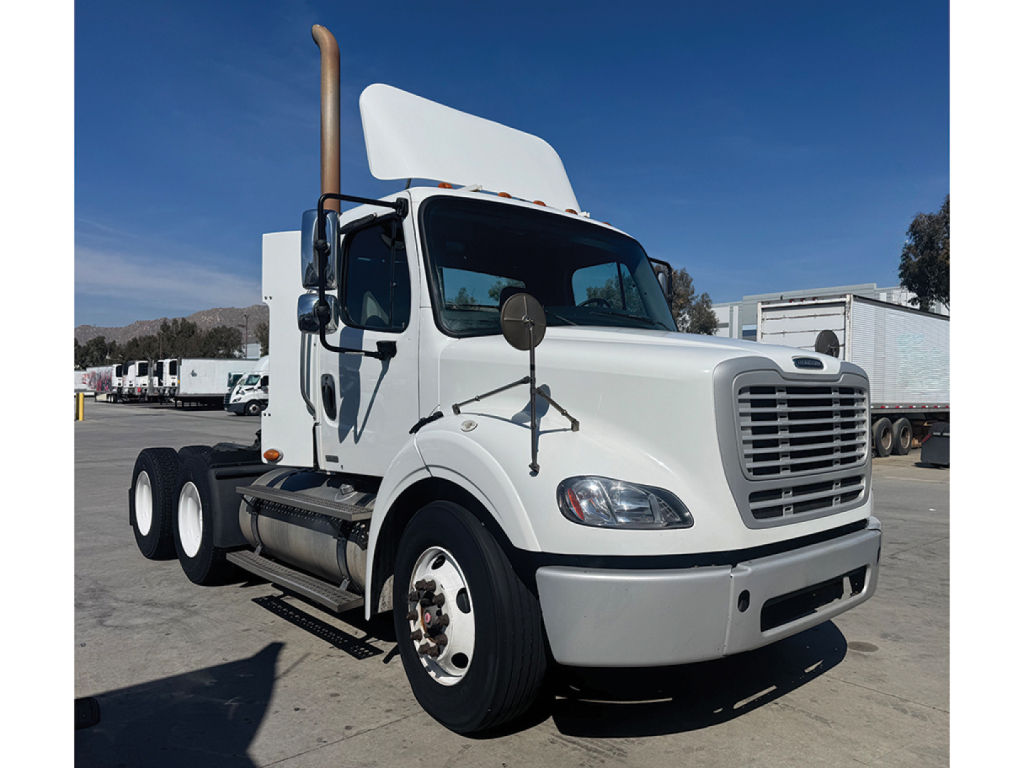
2014 Freightliner M2 112
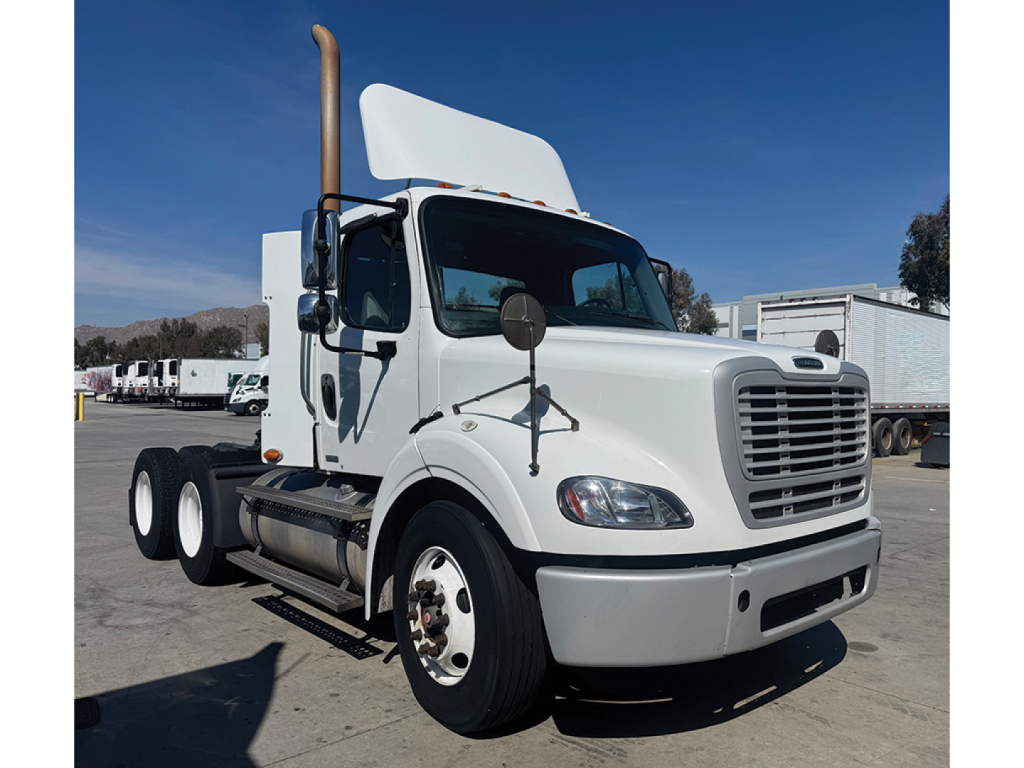
2014 Freightliner M2 112
Have 2014 conventional daycab truck to sell? List it here to reach thousands of buyers.
2014 Conventional Daycab Trucks in Nevada
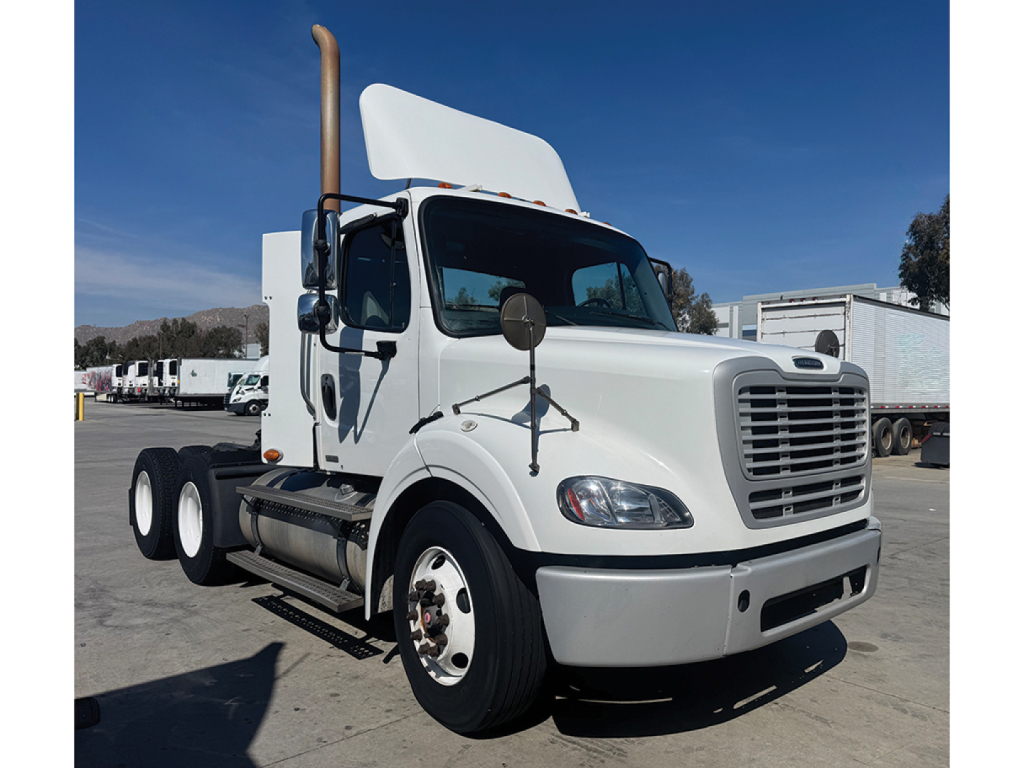
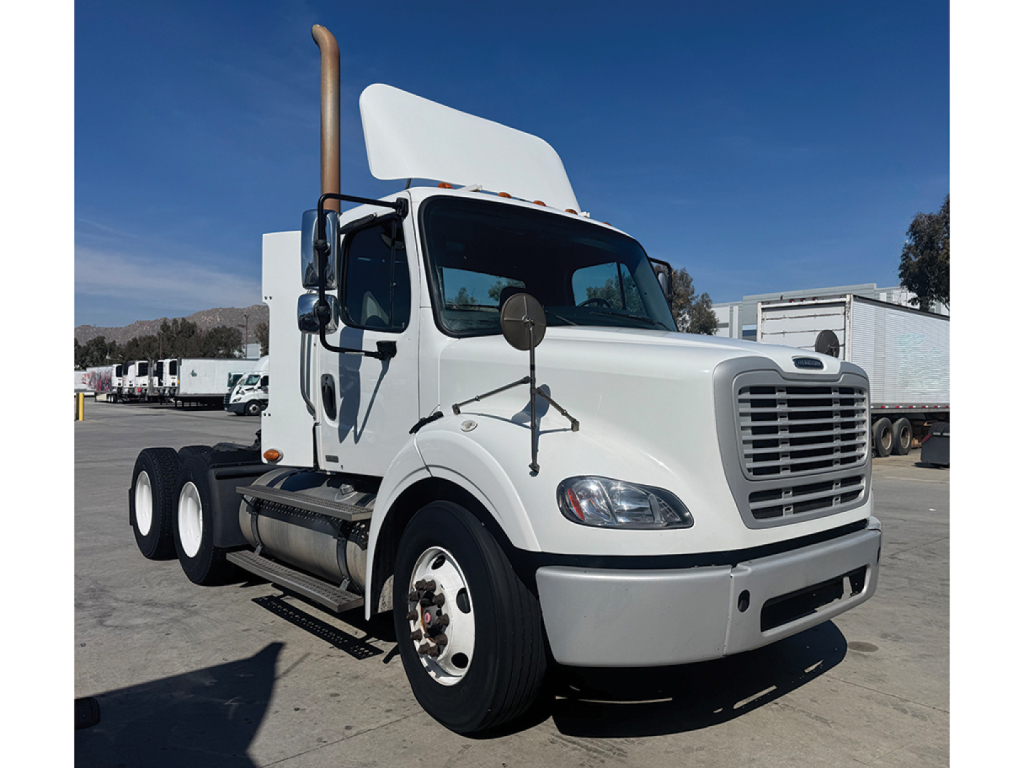
Many 2014 daycab conventionals in this segment are spec'd with mid-range to heavy-duty diesel engines in the 350 to 450 horsepower range, often paired with 10-speed or similar manual and automated transmissions. A truck like a Freightliner M2 112 commonly shows up with a Detroit DD13, engine brake, air ride suspension, and 40,000 lb rear axles, which puts it in a useful range for general freight and short-haul tractor work. A 2.79 rear ratio is typical for fleets chasing fuel economy on paved routes, but it should be matched to the loads you pull and the terrain you run. Nevada operators crossing grades or pulling heavier trailers may want to confirm startability, cruise RPM, and transmission gearing before deciding on a highway-friendly ratio.
Cab layout and chassis details matter more on a daycab than many buyers expect. Non-sleeper conventionals are about driver access, visibility, and ease of coupling through a full workday. Features like an air slide or adjustable fifth wheel, cab extenders, quarter fenders, roof fairing, power windows, tilt and telescoping steering, and aluminum fuel tanks all affect daily use and operating cost. Wheelbases in the low-160-inch to 170-inch range are common in this category and can be a smart middle ground for trailer swing clearance without giving up too much maneuverability. Low-profile 22.5 tires, disc wheels, and air ride suspension also point to a road-focused tractor spec rather than a vocational chassis.
The best way to compare 2014 conventional daycab trucks is by application, not just by make or odometer. Confirm the axle rating, suspension type, brake setup, wheelbase, tank capacity, and fifth wheel position against the lanes you run and the trailers you already own. If the truck will spend its life on regional van or reefer work, fuel economy and driver comfort may rank highest. If it will handle heavier local loads, pay closer attention to axle capacity, clutch condition, driveline wear, and how the engine and transmission are matched. A well-spec'd 2014 daycab can still be a practical fleet tractor when the chassis dimensions and drivetrain are right for the job.
Frequently Asked Questions about 2014 Conventional Daycab Trucks in Nevada
What is a conventional daycab truck best used for?
A conventional daycab truck is best suited for local and regional hauling where the driver returns home daily and does not need sleeper accommodations. Common applications include dry van, reefer, container drayage, dedicated route work, and terminal moves. The shorter overall length compared with a sleeper tractor can improve maneuverability, yard access, and weight efficiency.
What specs matter most when comparing a 2014 conventional daycab?
The most important specs are engine rating, transmission type, rear axle ratio, wheelbase, suspension, rear axle capacity, and fifth wheel configuration. Those items determine how the truck accelerates, cruises, turns, couples to different trailers, and handles legal payloads. Buyers should also verify tire size, brake type, fuel capacity, and whether the truck has an engine brake for grade control.
Is a 2.79 rear axle ratio good for a daycab tractor?
A 2.79 rear ratio can be a strong choice for fuel-efficient highway and regional service, especially when paired with the right transmission and tire size. It generally favors lower cruise RPM and better road speed economy, but it may not be ideal for every heavy-start or steep-grade application. The right answer depends on trailer weight, route profile, and how often the truck has to launch heavy loads from a stop.
How does wheelbase affect a conventional daycab truck?
Wheelbase affects turning radius, bridge law flexibility, trailer swing clearance, and ride quality. A shorter wheelbase usually helps in city work, tight docks, and yard maneuvering, while a slightly longer wheelbase can improve stability and packaging for tanks, fairings, and sliding fifth wheel setups. Buyers should match wheelbase to trailer length, kingpin setting, and the type of loading docks they use most often.
Are 2014 conventional daycab trucks still a good fleet option?
Yes, a 2014 conventional daycab can still be a productive fleet truck if the drivetrain, chassis spec, and maintenance history fit the intended work. Many units from this model year were built with proven engines, straightforward emissions systems for the era, and durable regional-haul components. Condition matters more than age alone, so buyers should evaluate service records, fault history, clutch and transmission wear, suspension condition, and any signs of hard vocational use.