
2014 Volvo Conventional Daycab Trucks For Sale
Shop 2014 Volvo conventional daycab trucks. Compare VNL, VNM, and VHD specs, wheelbases, engines, transmissions, and axle setups.
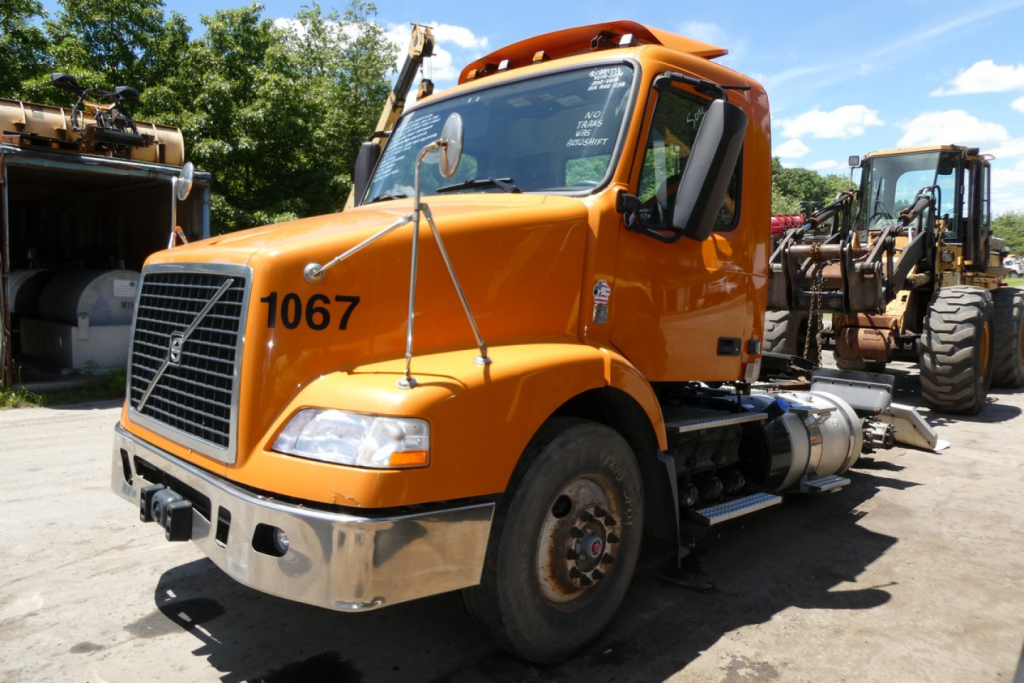
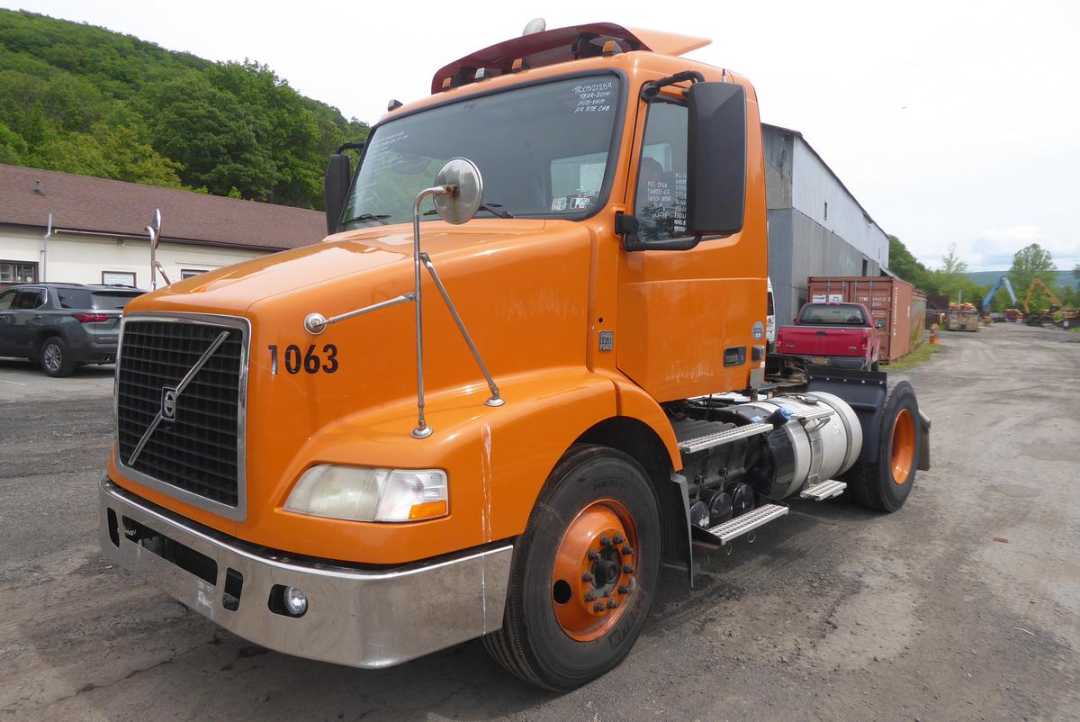
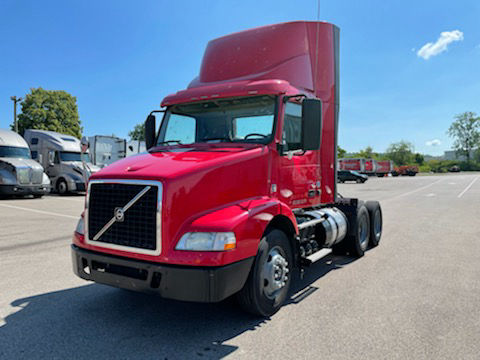
Selling a 2014 volvo conventional daycab truck? List your 2014 volvo conventional daycab truck for sale and reach thousands of commercial buyers.
2014 Volvo Conventional Daycab Trucks
The first decision is usually chassis size and axle package. A 2014 Volvo daycab may be set up as a single axle or tandem axle tractor, with common front axle ratings around 12,000 pounds and rear axle ratings from about 20,000 to 40,000 pounds depending on application. Wheelbase, cab-to-axle, and fifth wheel arrangement matter more than many buyers expect because they determine trailer swing clearance, bridge compliance, and how well the truck fits existing routes or terminal layouts. Check for fixed versus air-slide fifth wheels, suspension type, rear axle ratio, and whether the truck has a single frame or double frame. These details tell you if the truck was built for van and reefer freight, tank work, heavier vocational pulls, or short-wheelbase city operation.
On the powertrain side, 2014 Volvo conventional daycabs commonly use the D11 or D13 with horsepower ratings that can range from the mid-300s into the 400-plus horsepower range. The D11 is often favored where lower curb weight and fuel economy matter, while the D13 is the better fit for heavier regional loads and higher GCW demands. Many buyers specifically seek the I-Shift because it can improve driver consistency and reduce clutch wear in stop-and-go service, but a manual transmission may still appeal in certain fleets or owner-operator applications. Emissions equipment is a key inspection point on any 2014 model year truck. Since these trucks use DEF and modern aftertreatment, it is important to review fault history, regeneration behavior, sensor condition, and overall maintenance records before purchase.
A well-matched 2014 Volvo daycab can still be a productive tractor if the specs line up with the work. Focus on engine hours as much as miles, especially on trucks that spent time in urban or PTO-related duty cycles. Pay attention to brake type, with many Volvo daycabs from this period equipped with air disc brakes, and inspect suspension wear, steering components, cab mounts, and electrical performance in the dash and body control systems. For buyers who want a regional tractor with strong visibility, good ergonomics, and a broad range of axle and wheelbase configurations, the 2014 Volvo conventional daycab remains a practical used-truck category.
Frequently Asked Questions about 2014 Volvo Conventional Daycab Trucks
What are the most common 2014 Volvo daycab models?
The most common 2014 Volvo conventional daycab models are the VNM and VNL, with some heavier-duty applications using the VHD. The VNM is generally the shorter, lighter regional or local-haul platform, while the VNL daycab is often spec'd for more highway-oriented regional service with a larger cab and broader drivetrain choices. The VHD is usually found where heavier front axle ratings, vocational durability, or severe-service chassis components are needed.
Is a 2014 Volvo daycab better with a D11 or D13 engine?
That depends on the job. A D11 is often a smart choice for lighter regional freight, tighter payload targets, and operations that prioritize fuel economy. A D13 is usually the better option for heavier trailers, higher gross combined weights, hillier routes, or applications that demand stronger torque reserves. Buyers should match horsepower, torque rating, rear axle ratio, and transmission type to the actual duty cycle rather than choosing by engine size alone.
What should I inspect on a used 2014 Volvo conventional daycab?
Pay close attention to emissions system health, transmission operation, engine fault history, and maintenance documentation. On a 2014 truck, DEF system issues, communication faults, sensor problems, and aftertreatment repairs can affect uptime and cost. Also inspect suspension components, steering wear, air system leaks, brake condition, wheel seals, cab mounts, and electrical functions in the dash. Engine hours are important because many daycabs accumulate significant idle and stop-and-go time even when miles look moderate.
Are 2014 Volvo daycabs good for regional and local work?
Yes. A 2014 Volvo daycab is well suited for regional haul, drayage, local delivery support, dedicated lane work, and terminal-to-terminal service. The daycab layout reduces overall length and weight compared with a sleeper tractor, which helps in tight yards and frequent stop environments. Volvo's cab ergonomics and the availability of I-Shift transmissions also make these trucks attractive for fleets focused on driver comfort and consistency in urban or regional duty cycles.
Why do wheelbase and fifth wheel setup matter on a Volvo daycab?
Wheelbase and fifth wheel configuration directly affect trailer clearance, turning radius, load distribution, and compatibility with the trailers you plan to pull. A short wheelbase truck may work better in city service or port environments, while a longer wheelbase can improve ride quality and stability in regional highway use. An air-slide fifth wheel adds flexibility for varying trailer lengths and kingpin settings, while a stationary fifth wheel may be acceptable in dedicated applications where trailer dimensions stay consistent.