
2014 Freightliner Conventional Daycab Trucks For Sale
Shop 2014 Freightliner conventional daycab trucks. Compare Cascadia specs, Detroit engines, axle ratios, wheelbases, and vocational fit.
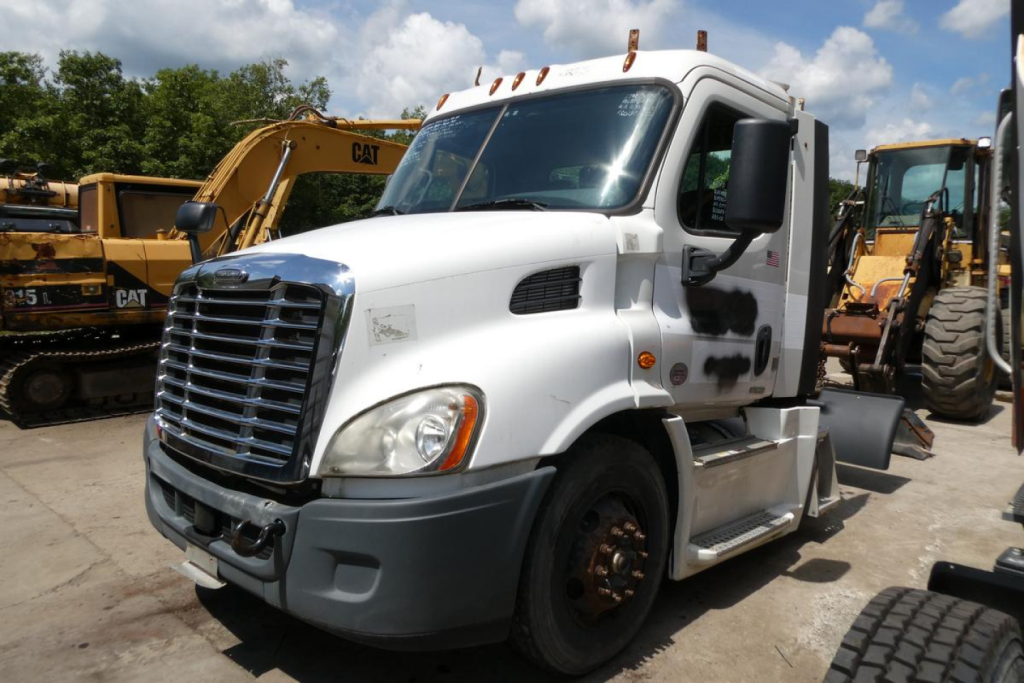
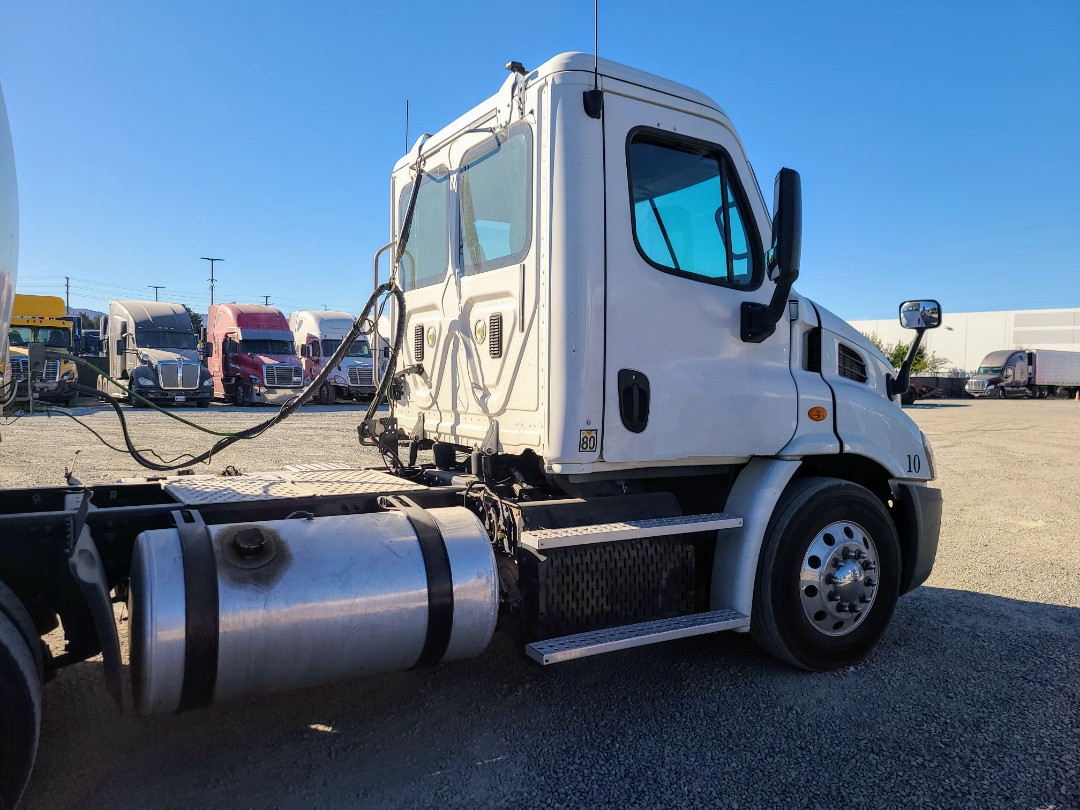
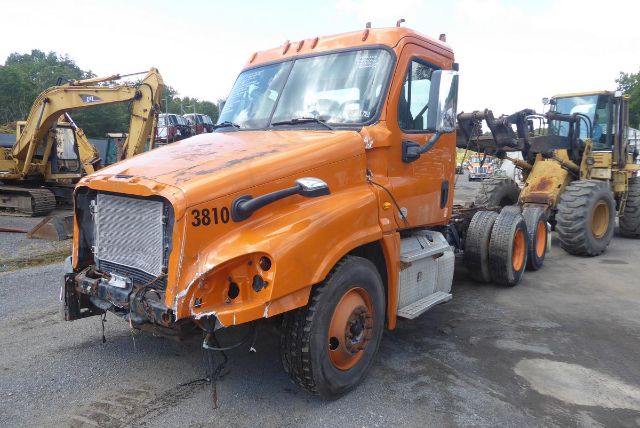
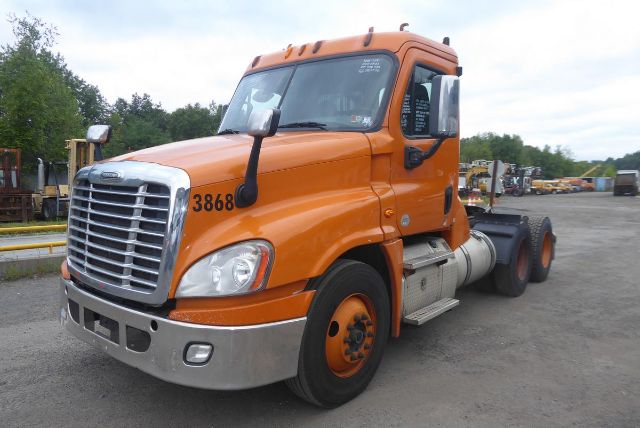
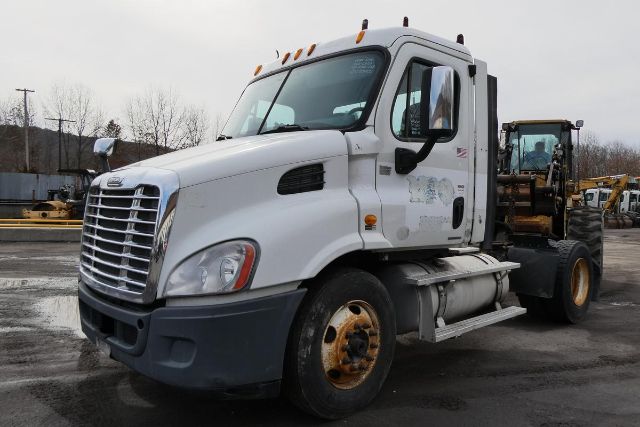
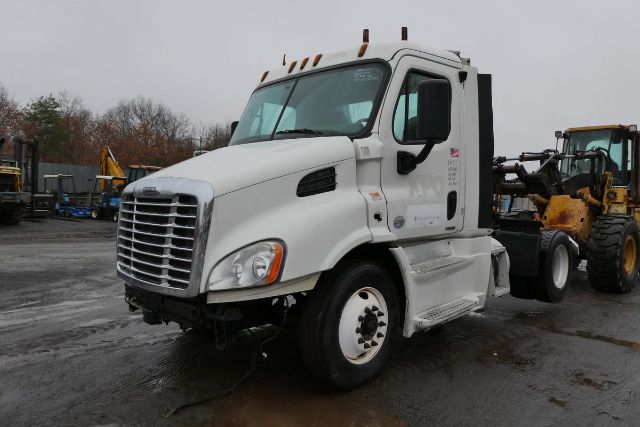
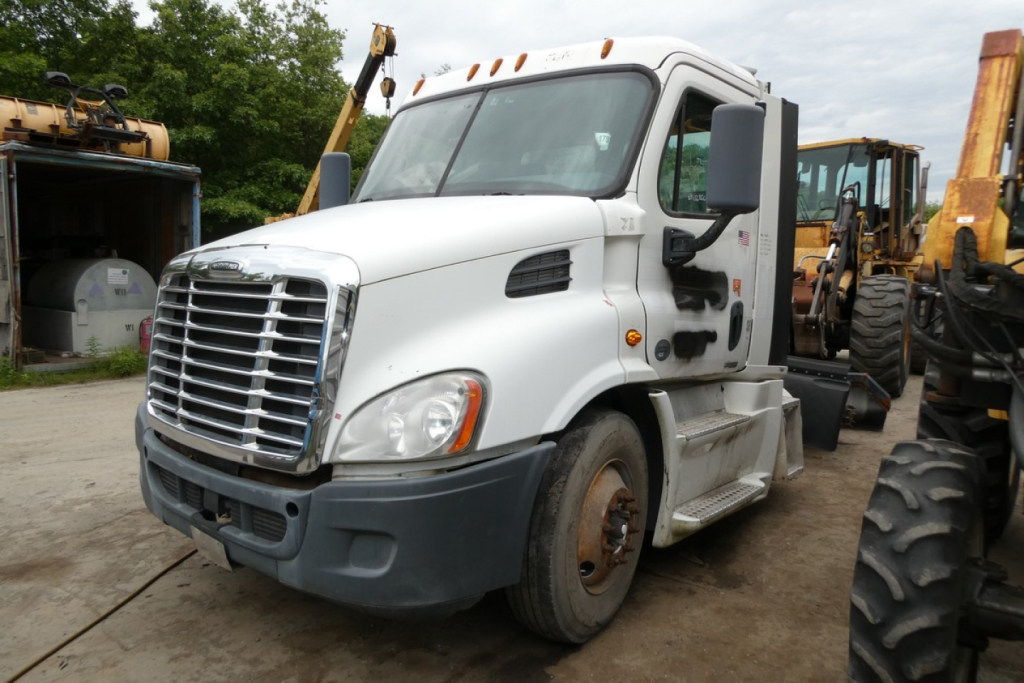

Selling a 2014 freightliner conventional daycab truck? List your 2014 freightliner conventional daycab truck for sale and reach thousands of commercial buyers.
2014 Freightliner Conventional Daycab Trucks
The main buying decision usually starts with the engine and transmission. Many 2014 Freightliner daycabs were spec'd with Detroit power, especially the DD13 and DD15, paired with either a manual, an Eaton Fuller automated manual, or Detroit's DT12 automated transmission. A DD13 daycab is often a strong fit for regional freight and weight-sensitive applications because it balances fuel economy with enough horsepower for typical 5-axle work. A DD15 may make more sense for heavier gross weights, steeper terrain, or operations that spend more time at highway speed. Buyers should verify horsepower and torque ratings, emissions history, idle hours, and whether major aftertreatment components such as the DPF, DEF system, and one-box have already been serviced or replaced.
Wheelbase and axle specs matter more on a daycab than many buyers expect. A shorter wheelbase helps in tight yards, ports, and urban delivery environments, while a longer wheelbase can improve ride quality and allow more flexibility in fifth wheel placement. Common specs in this class include tandem rear axles around 40,000 lbs, air ride suspension, and ratios chosen either for fuel mileage or low-speed pulling power. For van and reefer lanes, a taller highway ratio may be ideal. For dump, heavy local, or container work, buyers often prefer a deeper ratio and a more durable vocational-style spec. It is also worth checking for air slide fifth wheels, disc versus drum brakes, tire size, frame configuration, and fuel tank capacity, since those details affect trailer compatibility and daily operating cost.
Condition is where the real value gap shows up on used 2014 Freightliner conventional daycab trucks. Electronic issues, CPC-related faults, hard starting, transmission faults, and deferred maintenance can turn a low-priced truck into an expensive shop unit. Good buyers compare odometer miles with engine hours, look for service records, inspect injector and fuel system history, and confirm that the truck builds air properly and shifts correctly under load. Freightliner daycabs from this era remain popular because they are familiar to drivers, relatively straightforward to source parts for, and available in many fleet-friendly configurations, but the best purchase is always the truck whose spec matches the route and trailer mix it will actually run.
Frequently Asked Questions about 2014 Freightliner Conventional Daycab Trucks
What is the most common 2014 Freightliner conventional daycab model?
The most common 2014 Freightliner conventional daycab on the used market is usually the Cascadia. It was widely purchased by regional and national fleets, so buyers often find a broad range of specs, including DD13 and DD15 engines, automated manual transmissions, tandem axles, and multiple wheelbases. That volume matters because it improves parts availability, service familiarity, and the ability to compare one truck against another.
Is a 2014 Freightliner daycab better suited for local work or highway freight?
A 2014 Freightliner daycab can do both, but the exact spec determines where it fits best. Shorter wheelbase trucks with lower axle ratios and local-duty gearing tend to work well in port, yard, tanker, and city applications. Trucks with aerodynamic fairings, highway gearing, and a fuel-efficient Detroit powertrain are better suited for regional van and reefer work. Buyers should match the truck to route length, average payload, terrain, and trailer type rather than relying on model name alone.
What should I inspect first on a used 2014 Freightliner daycab?
Start with the engine, emissions system, transmission operation, and electronic controls. On a 2014 model, buyers should pay close attention to fault codes, cold-start behavior, injector history, DPF and DEF system condition, and any signs of CPC or communication issues. After that, inspect suspension wear, brake type and remaining life, tire condition, frame integrity, and fifth wheel wear. Service records and an ECM report can tell more than cosmetic condition.
What engine is common in a 2014 Freightliner conventional daycab?
Detroit engines are very common in this class, especially the DD13 and DD15. The DD13 is often chosen for regional applications where fuel economy and lighter weight are priorities. The DD15 is frequently preferred when the truck will pull heavier loads or spend more time on longer highway routes. The best choice depends on gross weight, terrain, and how aggressively the truck needs to be geared.
Are 2014 Freightliner daycabs expensive to maintain?
Maintenance cost depends more on prior care and current condition than on the badge alone. Freightliner daycabs are generally supported well across North America, which helps with parts and shop access. Costs can rise quickly if the truck has deferred emissions repairs, automated transmission problems, or unresolved electrical faults. A properly maintained 2014 daycab can still be a practical fleet truck, but a pre-purchase inspection is essential on this age of equipment.