
2014 Conventional Daycab Trucks For Sale in California
Shop 2014 conventional daycab trucks in California. Compare engine, transmission, axle, wheelbase, and fuel tank specs for regional hauling.
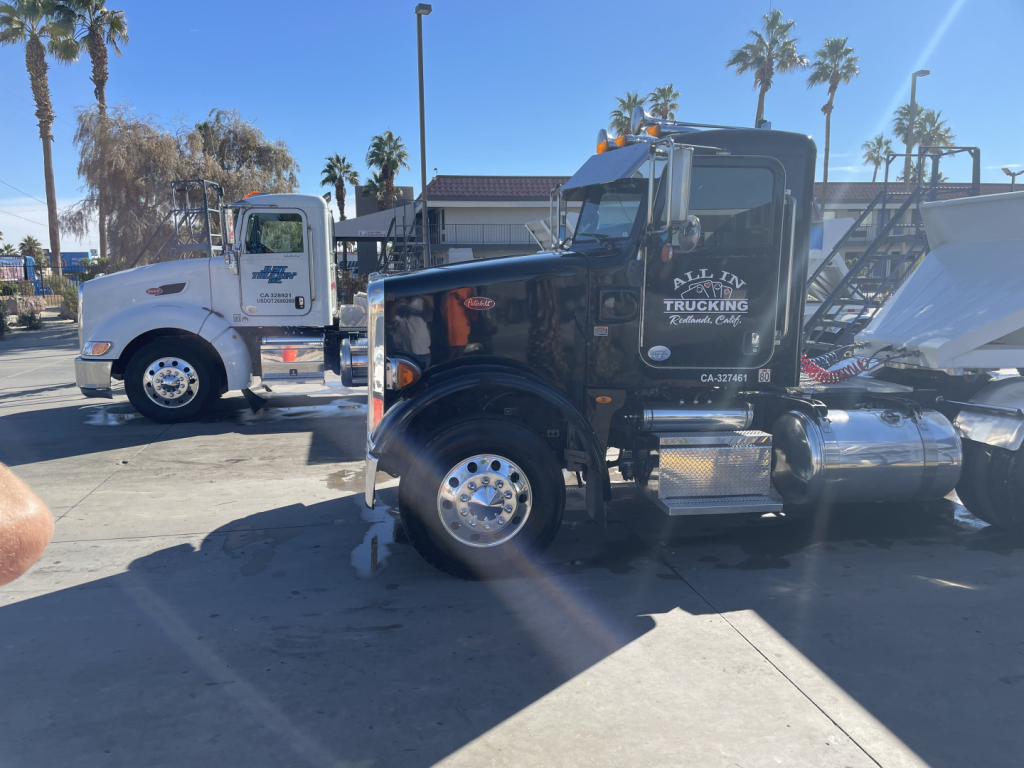
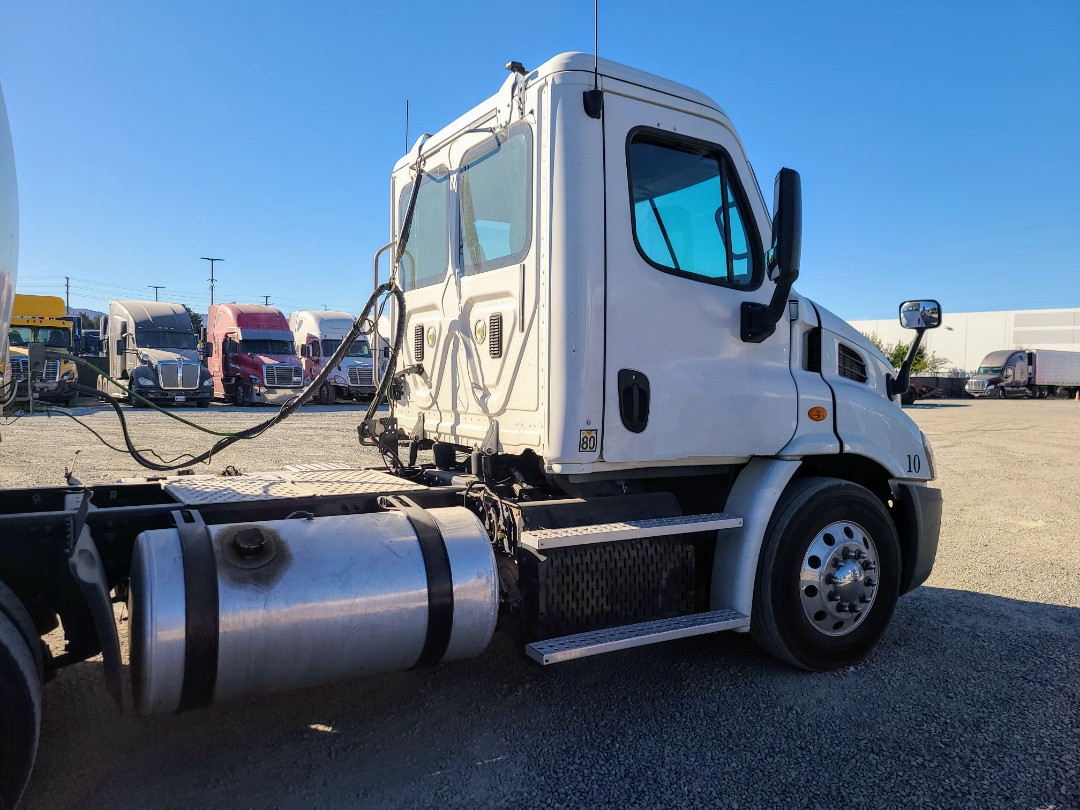

Selling a 2014 conventional daycab truck? List your 2014 conventional daycab truck for sale and reach thousands of commercial buyers.
2014 Conventional Daycab Trucks in California
For a 2014 daycab, the biggest buying decisions usually come down to axle configuration, transmission type, and wheelbase. Single-axle daycabs are common for lighter regional moves, tanker work, and operations where bridge laws or tare weight are a concern. Tandem-axle trucks are more typical for heavier van, flatbed, container, and bulk hauling. Many 2014 models were spec'd with 10-speed or 13-speed manual transmissions, though automated manuals also appear in this market. Wheelbase often lands in the 150-inch to 190-inch range, and that dimension affects turning radius, trailer gap, and room for deck plate, headache rack, toolboxes, or a wet kit. Rear axle ratios such as 3.23, 3.36, or 3.55 can tell you a lot about whether the truck was intended for highway fuel economy or quicker low-speed pulling power.
California buyers should pay close attention to emissions equipment, especially on a 2014 diesel. This model year sits firmly in the DEF and DPF era, so service history on the aftertreatment system matters as much as engine make and mileage. Ask about DPF cleaning intervals, injector history, NOx sensors, one-box replacements, and any recent fault codes. If the truck will work ports, construction support, or regional dry van routes, it also makes sense to check suspension type, fifth wheel style, and fuel capacity. Air ride suspension remains the standard choice for ride quality and freight protection, while sliding fifth wheels add flexibility if trailer lengths vary. Dual aluminum fuel tanks, disc or drum brake setups, and aluminum wheels are common value points in this category because they affect operating weight, maintenance, and resale.
A solid 2014 conventional daycab should be matched to the lane before it is matched to the badge on the hood. A DD13 with a 10-speed manual may fit a fleet that wants simple serviceability and broad parts support, while a higher-horsepower tandem-axle spec may be better for heavier gross weights or mountain grades. Cab condition also matters more than many buyers expect on a daycab, since drivers are climbing in and out all day. Look closely at seat wear, steering play, HVAC performance, switchgear, and visibility features. The best buy in this class is usually the truck with the right wheelbase, axle rating, and maintenance record for the job, not just the newest paint or the highest horsepower number.
Frequently Asked Questions about 2014 Conventional Daycab Trucks in California
What is a conventional daycab truck used for?
A conventional daycab truck is used for regional hauling, local freight, drayage, dedicated routes, tanker work, flatbed operations, and other jobs where the driver returns home instead of sleeping in the truck. The absence of a sleeper reduces weight and shortens overall length, which improves maneuverability and can increase usable payload. This makes the category especially practical for urban freight lanes, port service, and multi-stop operations.
What should I check first on a 2014 conventional daycab in California?
Start with emissions and maintenance records. A 2014 truck will have modern aftertreatment components such as DPF and DEF systems, so buyers should review fault history, DPF cleaning or replacement records, sensor replacements, and any major engine or one-box repairs. In California, compliance and downtime risk are major buying factors, so it is smart to verify the engine family, inspect for active codes, and confirm the truck has been maintained for emissions-related service intervals.
Is a single-axle or tandem-axle daycab better?
It depends on the application. A single-axle daycab is lighter, easier to maneuver, and often a better fit for lighter regional loads or operations where tare weight matters. A tandem-axle daycab is better for heavier freight, more demanding trailer combinations, and higher gross vehicle weight requirements. Buyers should choose based on loaded weight, trailer type, route conditions, and any bridge or axle restrictions that apply to their operation.
What engine and transmission setups are common in 2014 daycabs?
Common engine choices in this model year include Detroit DD13 and DD15, Cummins ISX, Paccar MX, and Navistar offerings, usually in the 350 to 475 horsepower range. Many 2014 conventional daycabs were equipped with 10-speed or 13-speed manual transmissions, although automated manuals are also available. The right setup depends on terrain, driver preference, maintenance strategy, and how much emphasis the operation places on fuel economy versus pulling performance.
Why does wheelbase matter on a daycab tractor?
Wheelbase affects turning radius, weight distribution, trailer clearance, and the amount of usable frame space behind the cab. A shorter wheelbase is usually easier to handle in tight yards and city environments, while a longer wheelbase can provide room for larger fuel tanks, a wet kit, deck equipment, or better balance with certain trailers. Matching wheelbase to trailer type and route is one of the most important steps in choosing a daycab tractor.