
2015 Conventional Daycab Trucks For Sale
Shop 2015 conventional daycab trucks with specs for regional haul, port work, vocational use, axle ratings, wheelbase, engines, and transmissions.
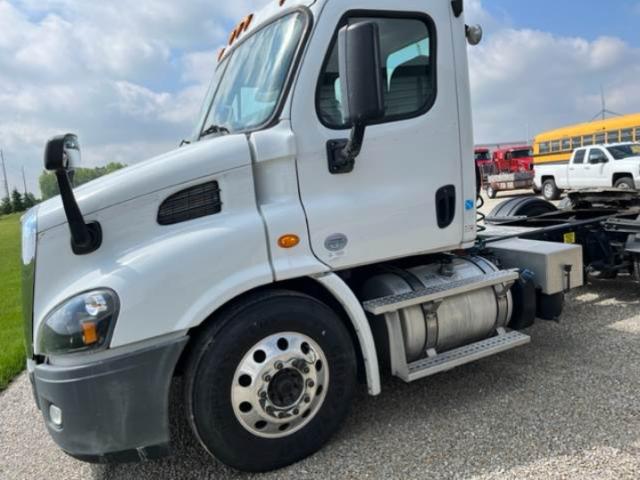
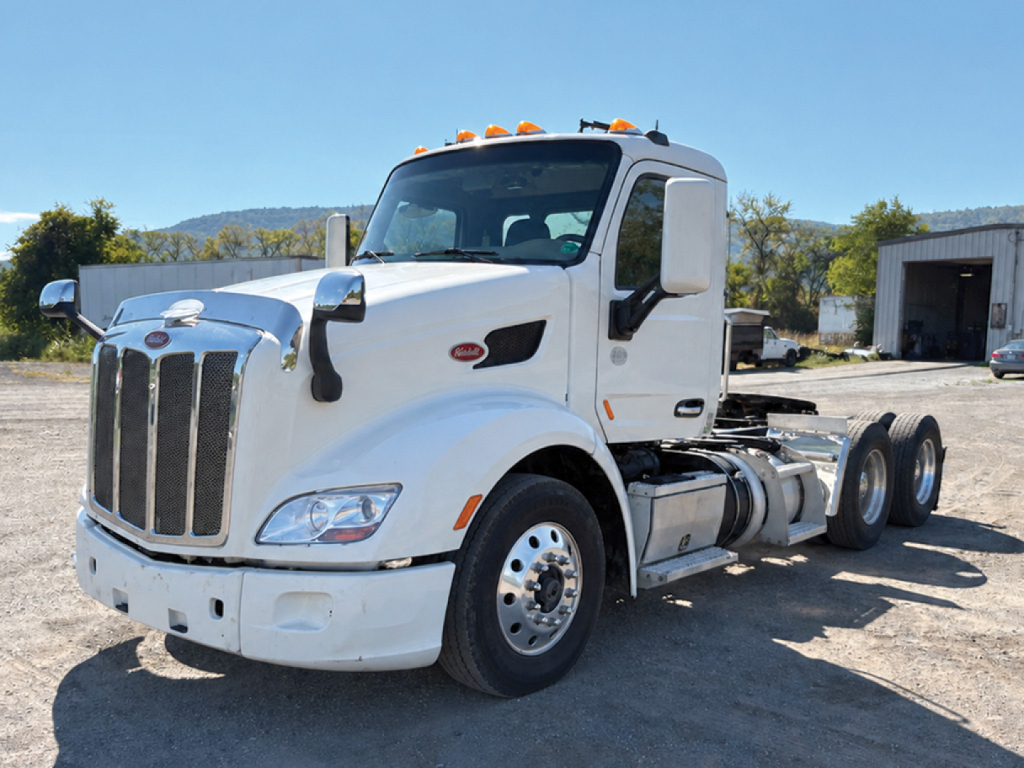
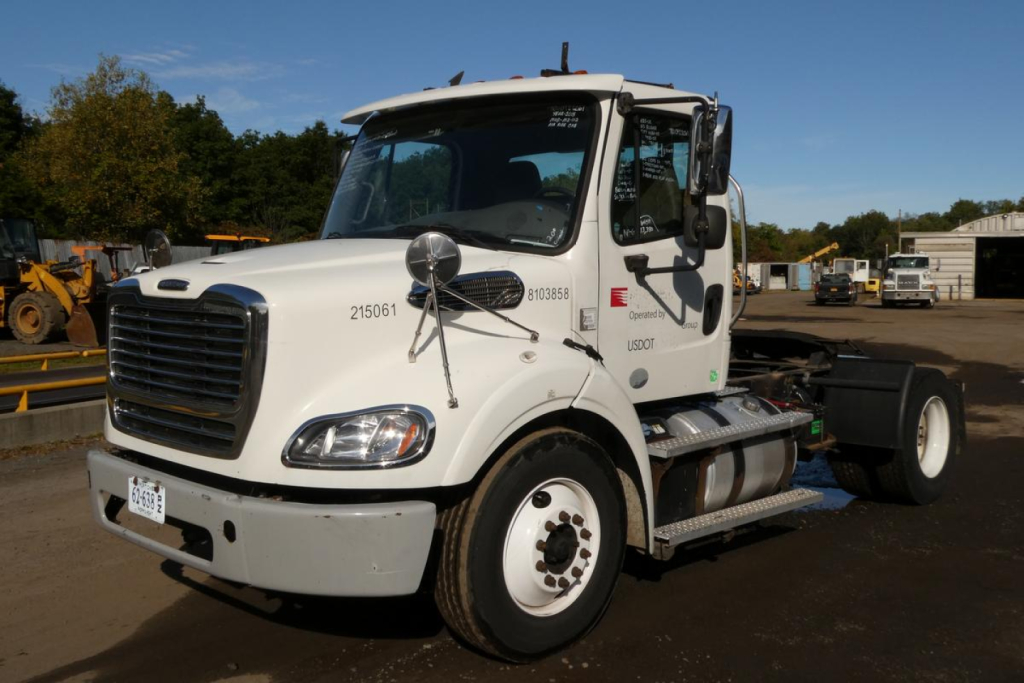
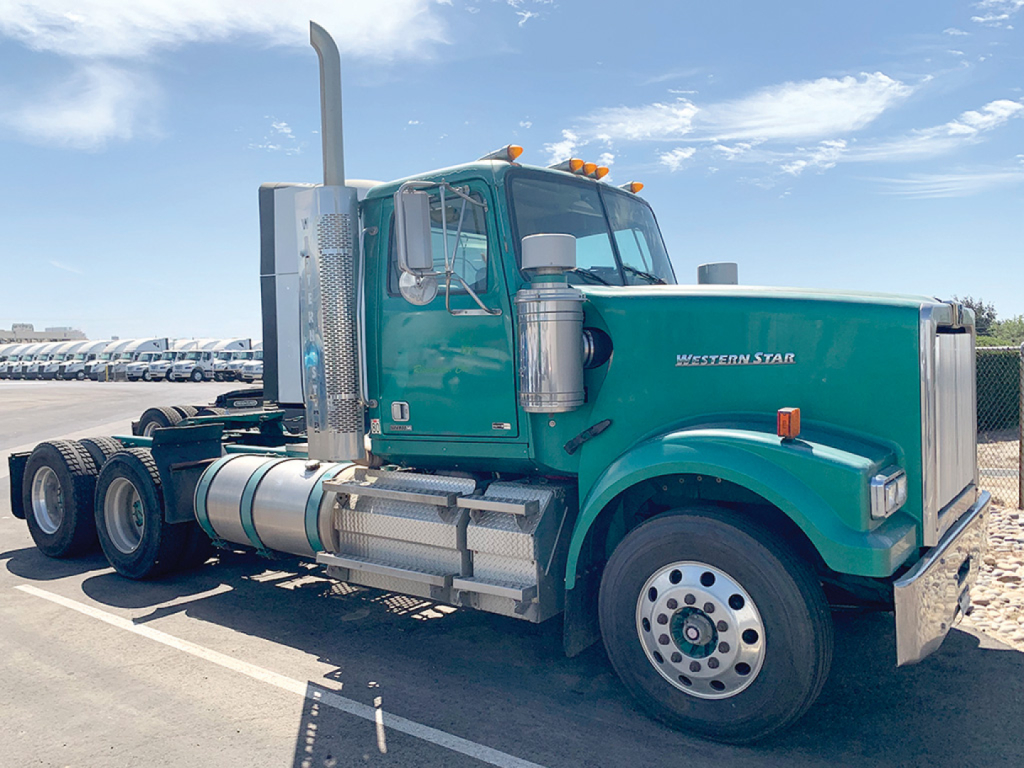
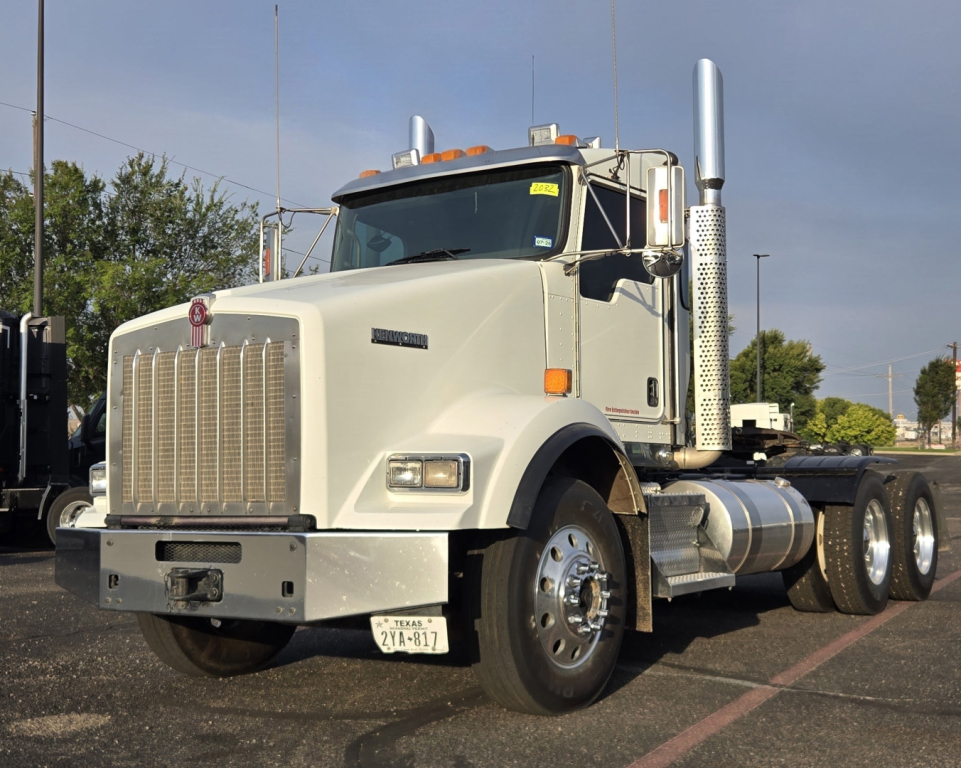
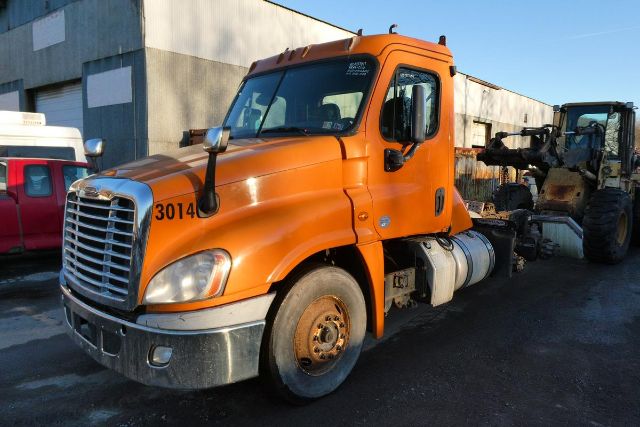
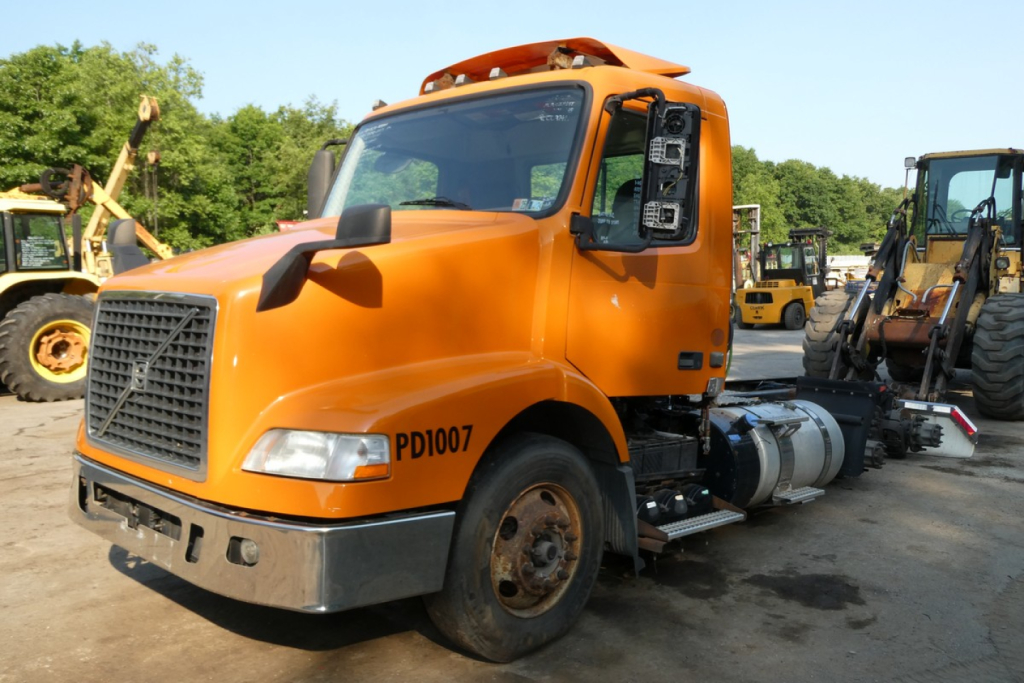
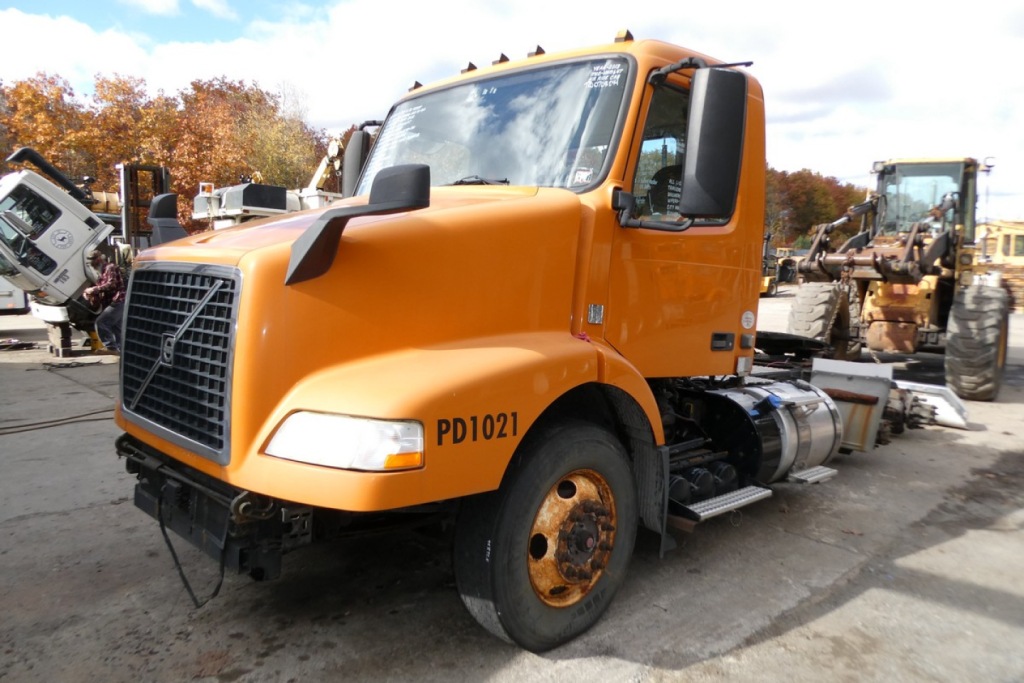
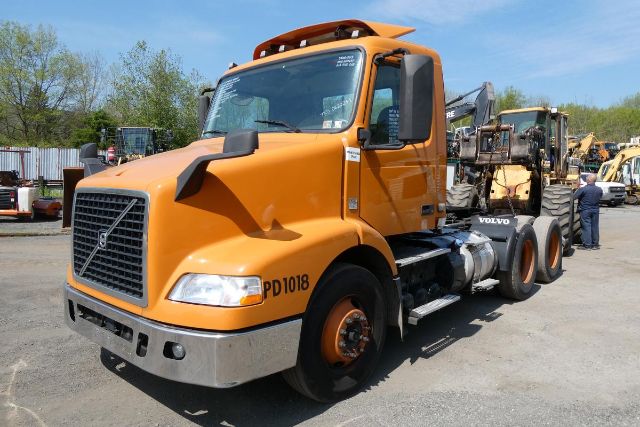
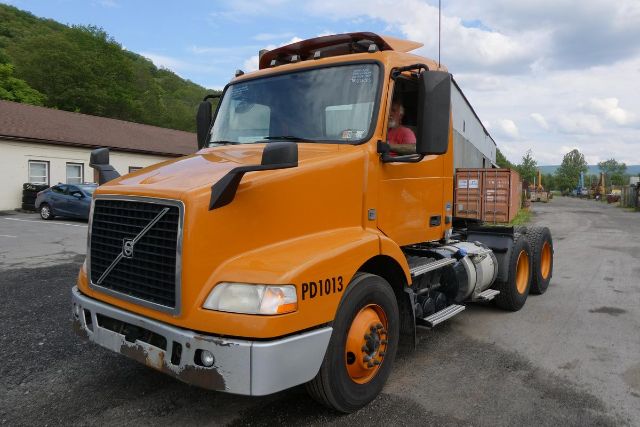
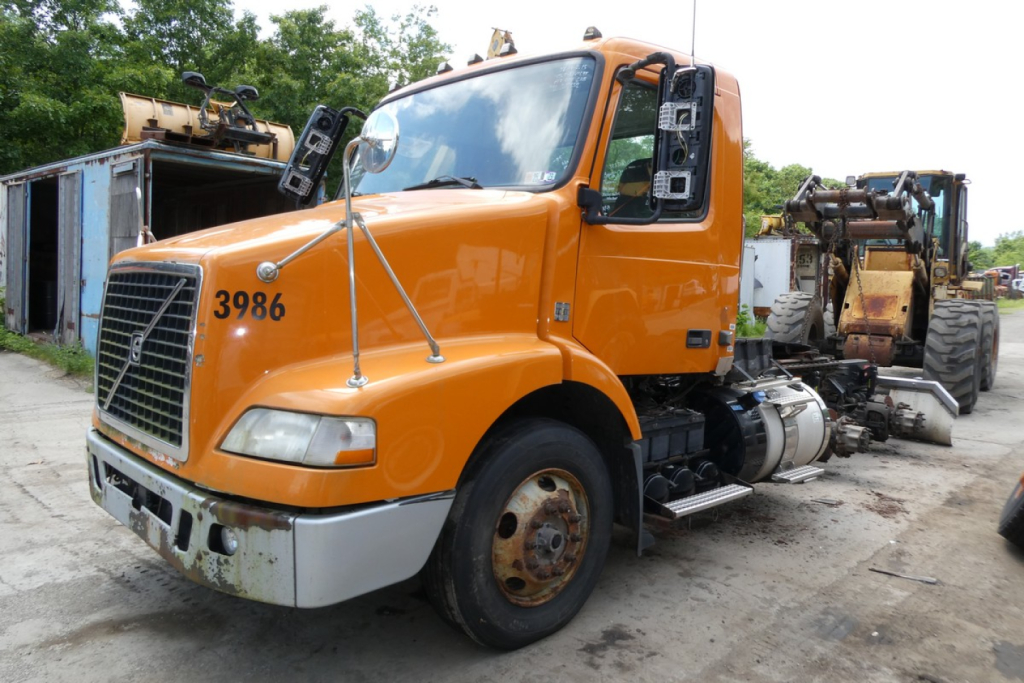

Selling a 2015 conventional daycab truck? List your 2015 conventional daycab truck for sale and reach thousands of commercial buyers.
2015 Conventional Daycab Trucks
Frequently Asked Questions about 2015 Conventional Daycab Trucks
What should I look for first on a 2015 conventional daycab truck?
Start with the drivetrain and emissions history. On a 2015 daycab, engine make, horsepower, transmission type, rear axle ratio, and maintenance documentation tell you more about suitability than the badge alone. Review fault history, DPF cleanings, injector or turbo work, clutch life on manual transmissions, and any repairs to SCR, DEF, or EGR systems. Then match wheelbase, fifth wheel setup, suspension, and axle ratings to the trailer and route you plan to run.
Are 2015 daycab trucks good for regional and local hauling?
Yes, 2015 conventional daycabs are commonly used for regional freight, container work, city-to-city lanes, LTL-style operations, tanker, dump, and other vocational tractor applications. Their shorter overall length improves maneuverability and usually reduces weight compared with a sleeper tractor. The key is choosing the right spec. Faster regional lanes usually favor aerodynamic packages, lower rear axle ratios, and automated or overdrive manual transmissions, while heavier vocational work may need a shorter ratio, heavier suspensions, PTO capability, and more robust axle ratings.
What wheelbase and axle specs are common on a conventional daycab?
Many conventional daycabs fall in a wheelbase range of roughly 170 to 210 inches, though vocational and specialty setups can vary widely. Front axles are often around 12,000 to 13,200 pounds, with tandem rears commonly rated at 38,000 to 46,000 pounds depending on suspension and intended use. Buyers should also check kingpin settings, sliding fifth wheel travel, frame configuration, and cab-to-axle measurement, especially if the truck will be paired with different trailer lengths or used in tight urban terminals.
Is an automated transmission a better choice than a manual in a 2015 daycab?
It depends on the route and driver pool. Automated manual transmissions became very common by 2015 and can improve driver consistency, reduce clutch wear, and help fuel economy in stop-and-go or regional applications. Manual 10-speed, 13-speed, and 18-speed transmissions still appeal to fleets and owner-operators doing heavier haul, off-road work, or operations where gear control matters. The better choice is the one matched to terrain, gross weight, and maintenance support.
How important are rear axle ratio and suspension on a daycab tractor?
They are critical because they directly affect launch performance, cruise RPM, fuel economy, and how the truck handles the load. A faster ratio such as the mid-2s or low-3s is common on highway-oriented regional specs, while deeper ratios are often preferred for heavy haul or vocational use. Suspension type also matters. Air ride is common for ride quality and freight protection, while heavier vocational suspensions may be preferred for durability and traction in tougher jobsite conditions.