
2015 Volvo Conventional Daycab Trucks For Sale
Shop 2015 Volvo conventional daycab trucks with specs, applications, axle options, engine details, and buying tips for regional hauling.
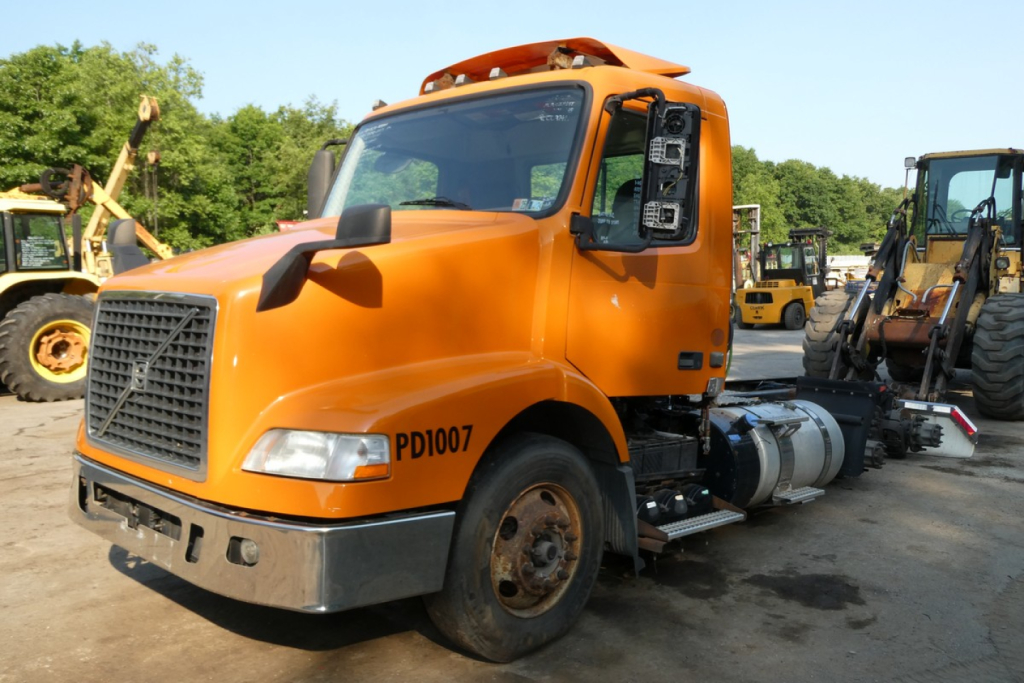
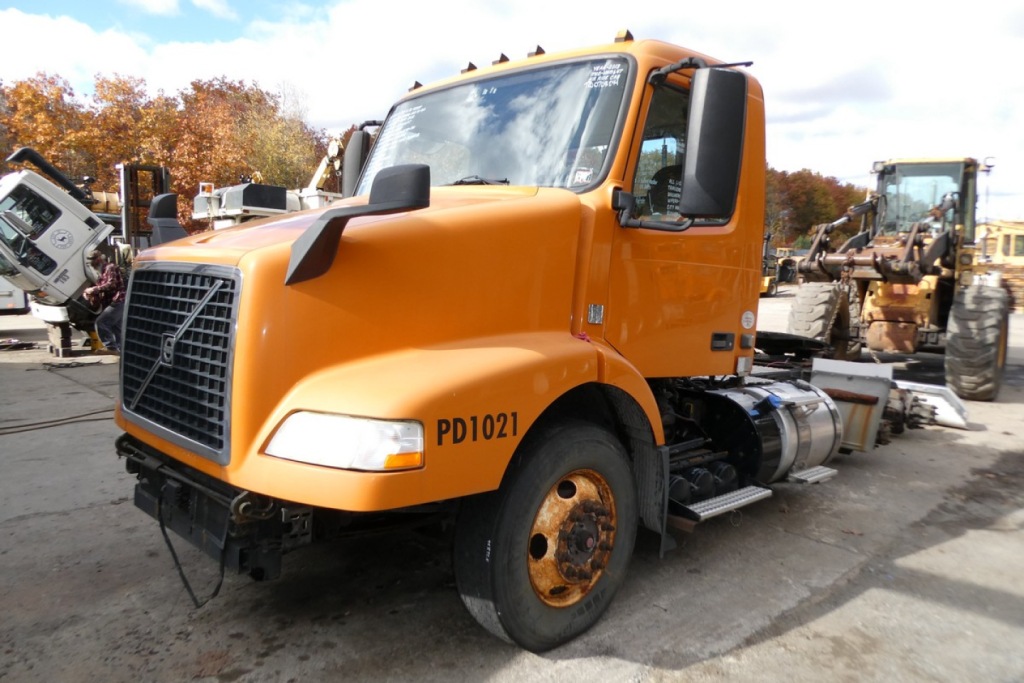
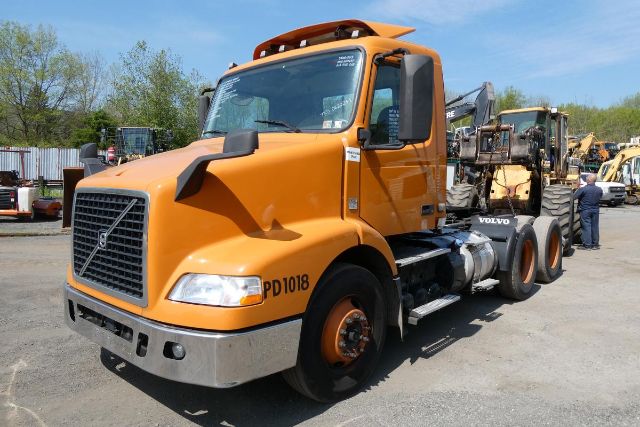
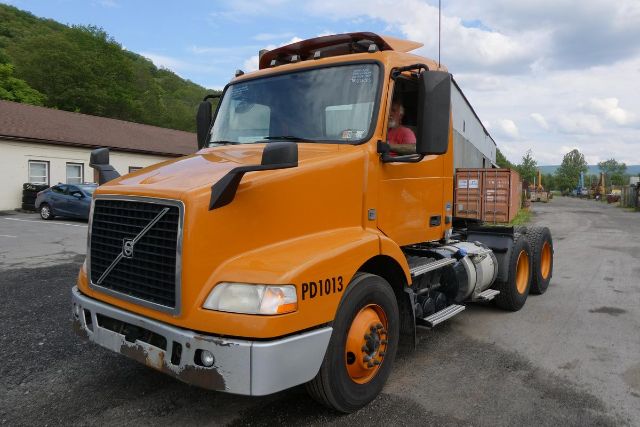
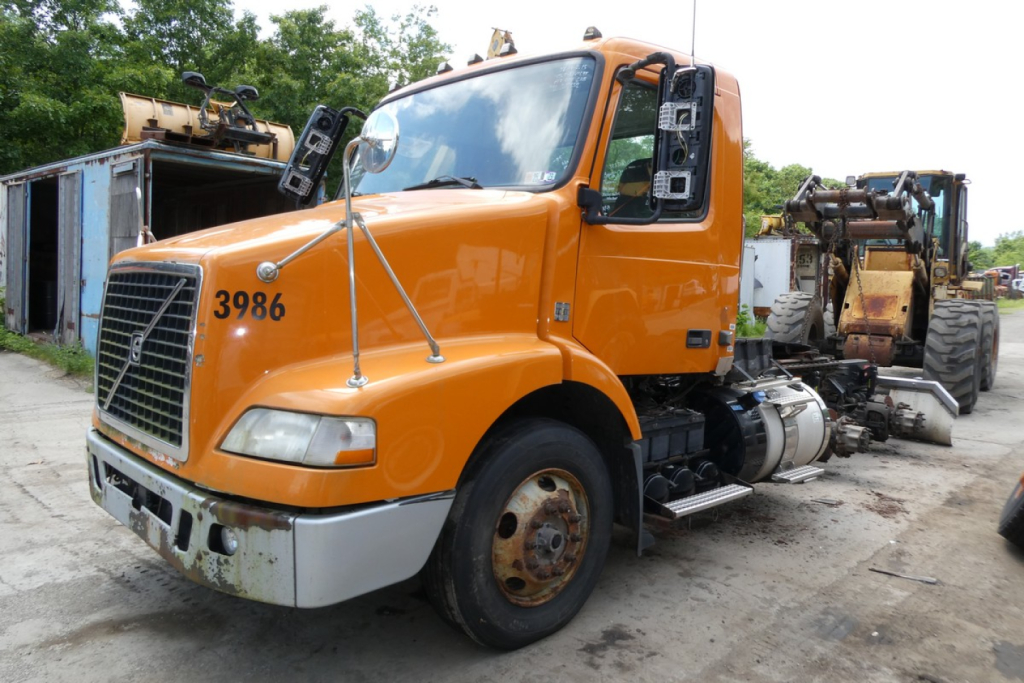
Selling a 2015 volvo conventional daycab truck? List your 2015 volvo conventional daycab truck for sale and reach thousands of commercial buyers.
2015 Volvo Conventional Daycab Trucks
Powertrain spec should be the first filter. Many 2015 Volvo daycabs were equipped with Volvo D11 or D13 diesel engines, typically paired with either a manual transmission or Volvo I-Shift automated manual. A D11 daycab can make sense for lighter regional freight where fuel economy and tare weight are priorities, while a D13 is more common when higher GCWR, stronger torque, or tougher duty cycles are required. Rear axle ratios such as 3.08, 3.36, or 3.42 affect launch, cruise rpm, and application fit, so they should be matched to route profile and trailer weight. Front axle ratings often fall in the 12,000 to 14,600 lb range, with rear axles ranging from lighter single-axle specs to tandem ratings around 40,000 lb for heavier work.
A buyer should also pay close attention to chassis layout and operating details. Wheelbase, cab-to-axle, and cab-to-end dimensions determine turning radius, bridge compliance, and body or fifth wheel placement. Some 2015 Volvo conventional daycabs were set up with stationary fifth wheels for dedicated trailer positions, while others used air-slide fifth wheels for more flexibility in kingpin settings and axle spread. Suspension choices can include Volvo air ride setups that favor ride quality and freight protection, while brake spec may include air disc brakes, which many fleets value for stopping performance and service consistency. Tire size, frame configuration, DEF system condition, engine brake operation, and emissions history are all worth confirming on a used 2015 truck.
For most buyers, the value of a 2015 Volvo daycab comes down to matching the spec to the job and verifying maintenance history. A lighter VNM daycab may be ideal for urban LTL, regional dry van, or dedicated short-haul lanes, while a heavier tandem-axle unit may be better suited for flatbed, bulk, or vocational tractor use. Service records for aftertreatment components, transmission calibration, injector work, cooling system repairs, and suspension wear points can tell you as much as the odometer. If uptime matters, review engine hours along with miles, check for fault codes, and confirm how the truck was used before deciding between a fuel-minded regional spec and a heavier-duty configuration.
Frequently Asked Questions about 2015 Volvo Conventional Daycab Trucks
What engines are common in a 2015 Volvo conventional daycab?
The most common engines in a 2015 Volvo conventional daycab are the Volvo D11 and Volvo D13. The D11 is typically found in lighter regional applications where lower weight and fuel economy are important, while the D13 is better suited for higher gross combined weights, tougher duty cycles, and operations that need more torque. The right choice depends on trailer weight, terrain, and how often the truck is expected to start and stop versus cruise at highway speed.
Is a 2015 Volvo daycab better for regional hauling or heavy vocational work?
It can be either, depending on the model and chassis spec. A 2015 Volvo VNM daycab is commonly configured for regional and local highway use, including dry van, reefer, tanker, and dedicated freight lanes. A 2015 Volvo VHD daycab is generally built for heavier-duty or vocational applications, with stronger axle ratings, heavier frame options, and more severe-service capability. Buyers should look beyond the cab style and focus on axle ratings, suspension, wheelbase, and engine-transmission setup.
What should I check on a used 2015 Volvo conventional daycab before buying?
The most important checks are engine fault history, emissions system condition, transmission performance, cooling system health, suspension wear, and brake type and condition. On Volvo trucks from this era, it is smart to review DEF and aftertreatment service records, verify engine hours against mileage, and confirm whether the truck has an I-Shift automated manual or a manual transmission. Frame condition, fifth wheel type, tire wear pattern, and signs of previous fleet maintenance quality can also affect long-term operating cost.
Are Volvo I-Shift transmissions desirable in a 2015 daycab?
Yes, many buyers specifically look for Volvo I-Shift because it can improve driver consistency, reduce clutch-related wear, and support fuel-efficient operation in regional service. It is especially attractive in fleets with multiple drivers or high turnover because it simplifies operation. The key is to confirm the transmission has been properly maintained and calibrated, because software updates, clutch wear, and driveline condition all affect how well an automated manual performs.
What axle and wheelbase specs matter most on a 2015 Volvo daycab?
The most important specs are front axle rating, rear axle rating, wheelbase, and cab-to-axle measurement. These determine legal payload distribution, maneuverability, and compatibility with the trailers or bodies the truck will handle. A shorter wheelbase is useful for tight city routes and dock work, while a longer wheelbase may better suit heavier tandem applications or specialized body installations. Axle ratio should also be reviewed because it directly affects launch performance, road speed, and fuel economy.