
Used Conventional Sleeper Trucks For Sale
Browse used conventional sleeper trucks with common specs, sleeper sizes, engine options, drivetrain setups, and buyer tips for long-haul service.
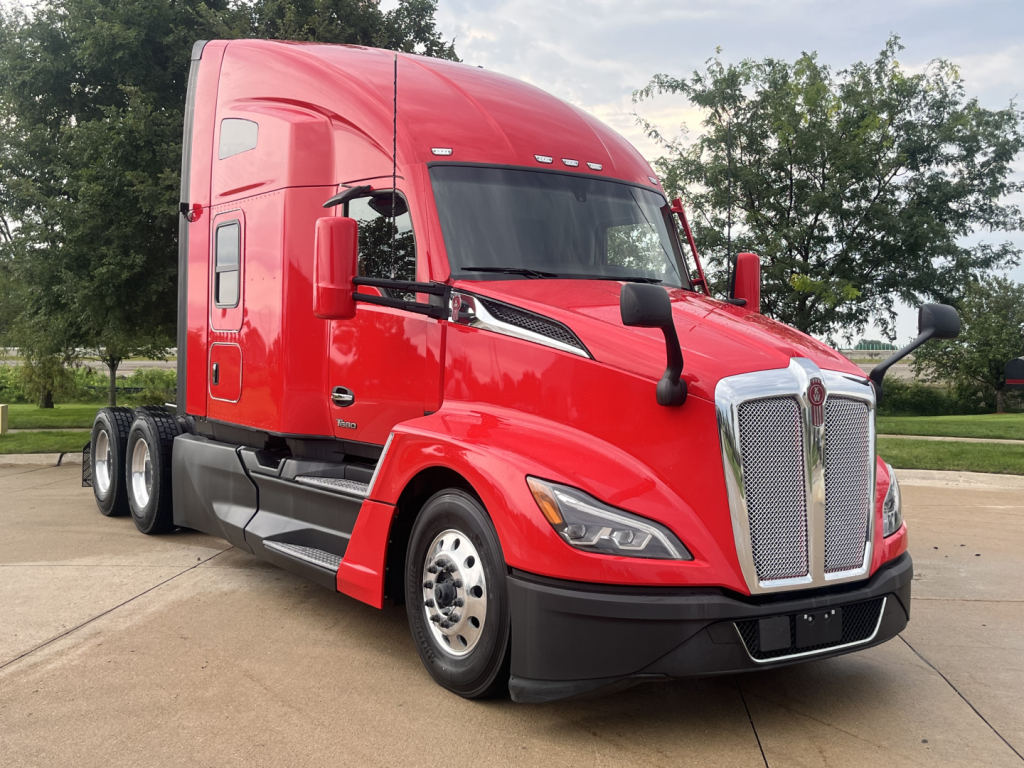
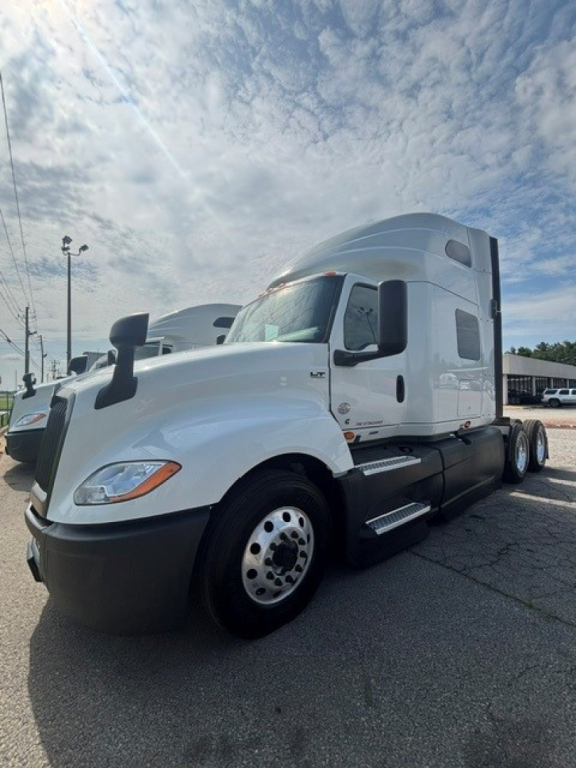
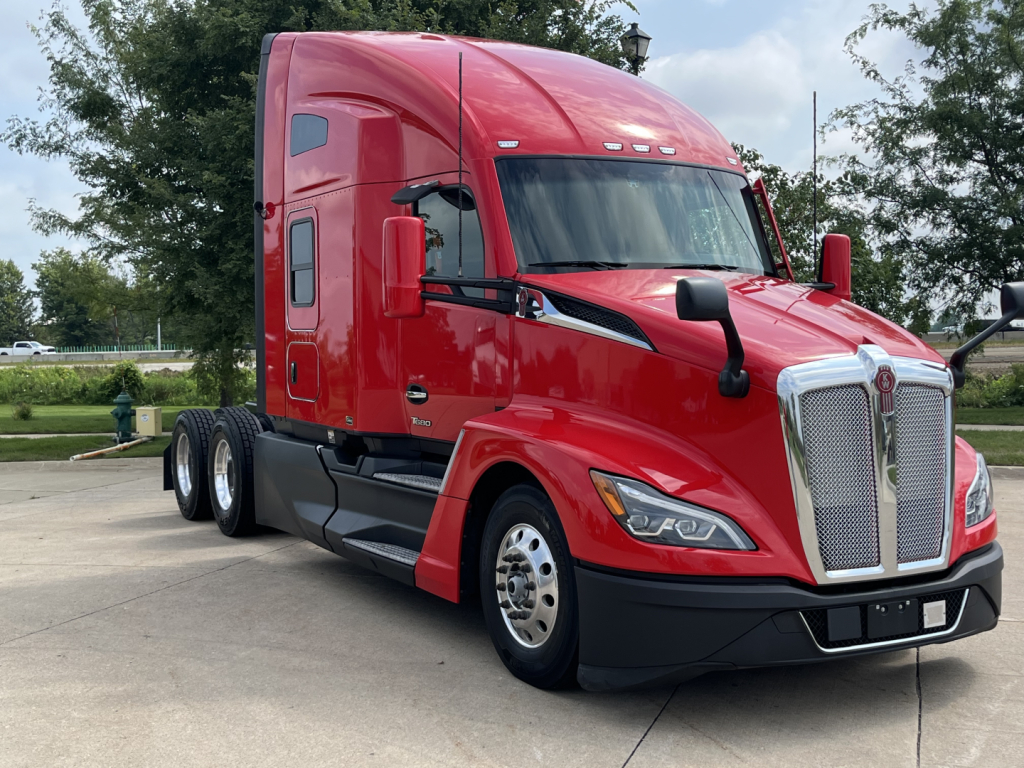
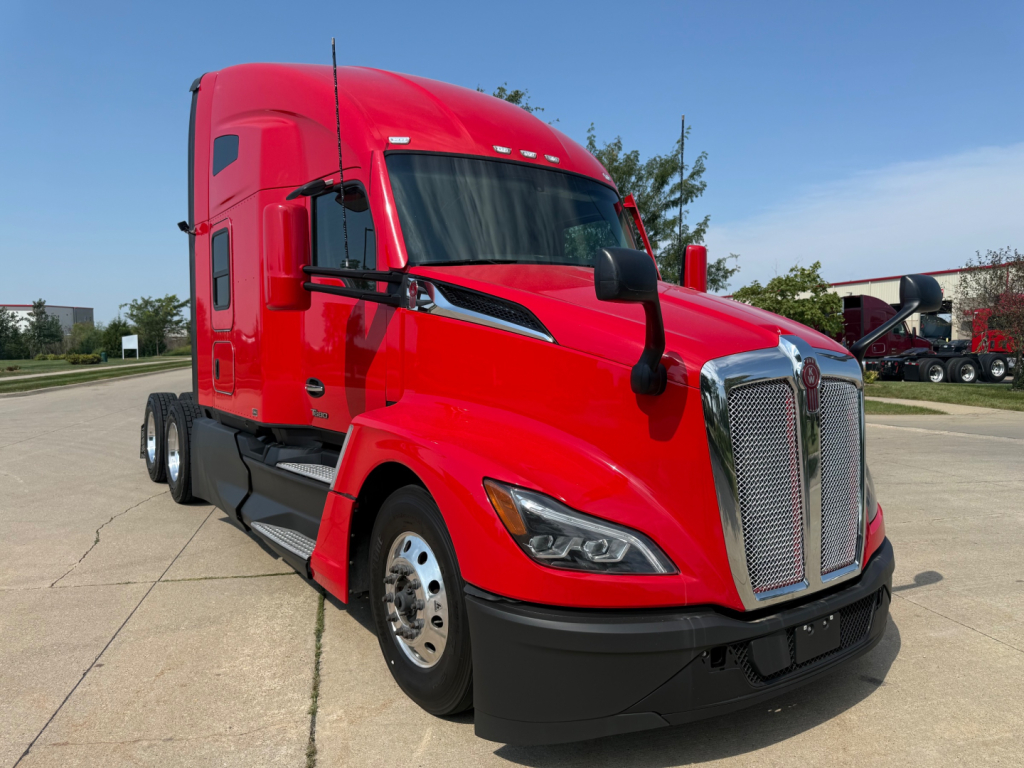
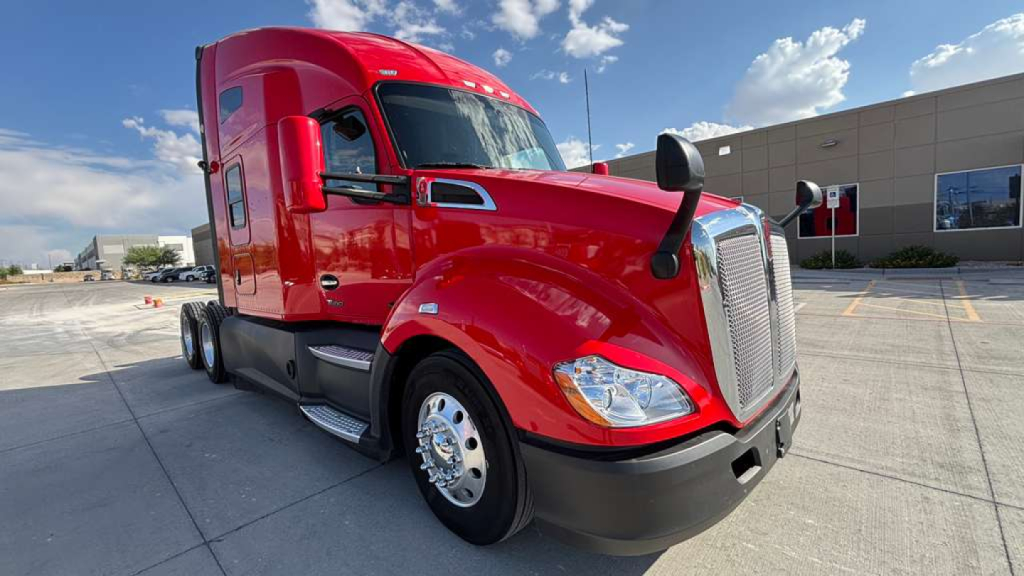
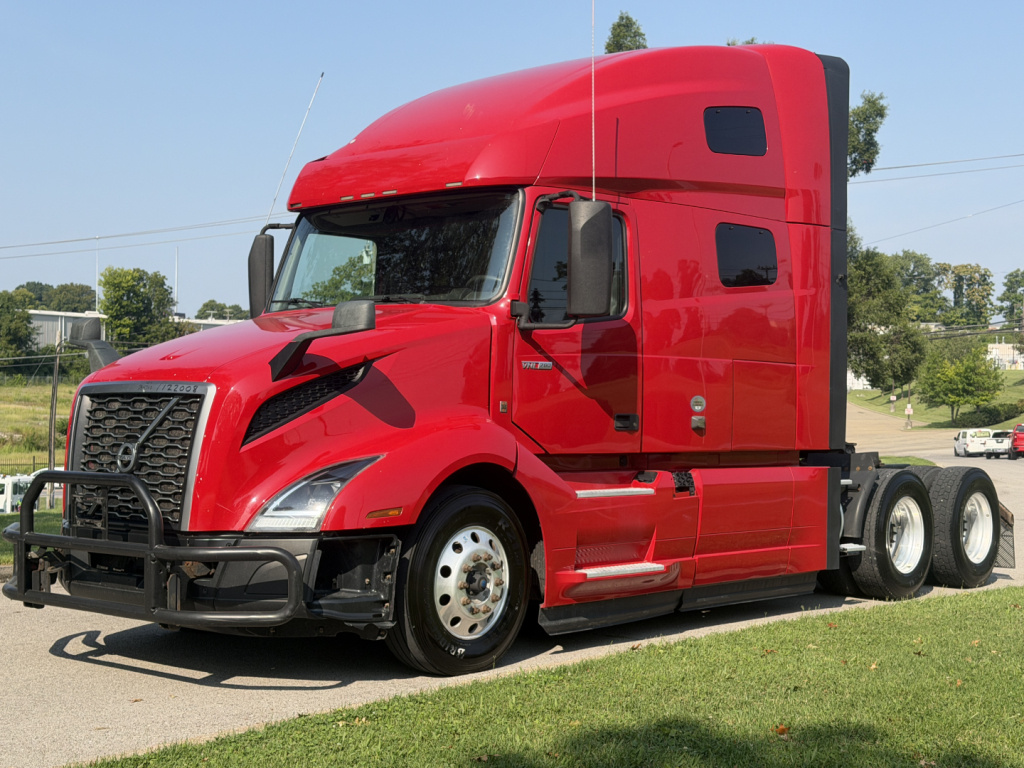
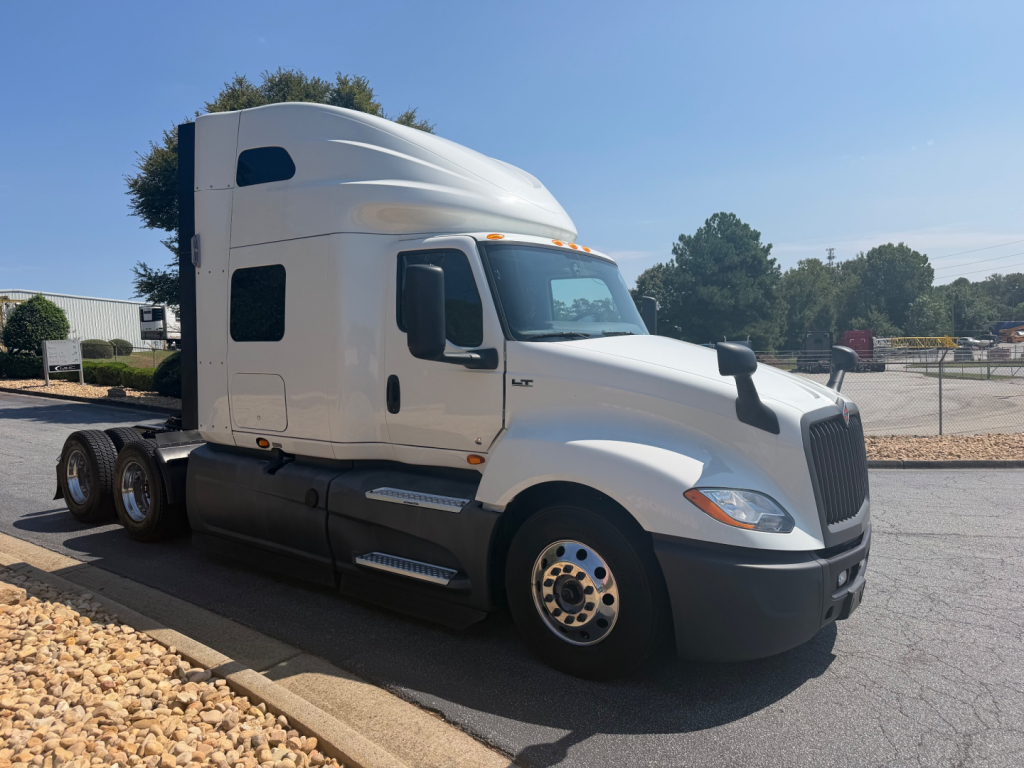
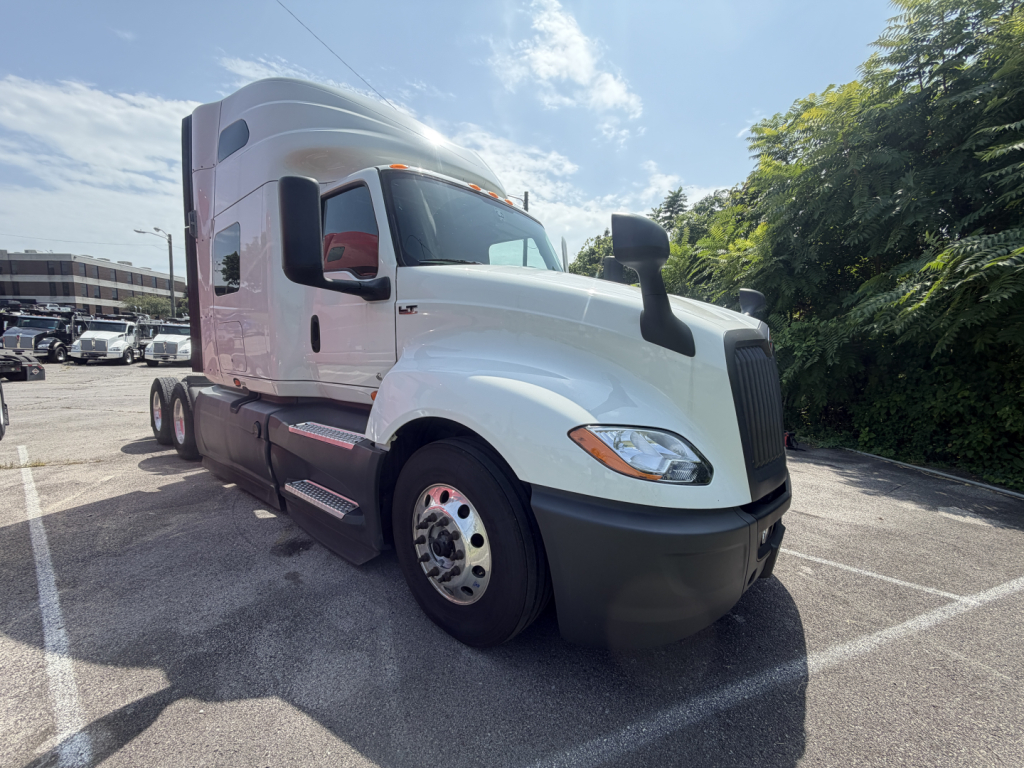
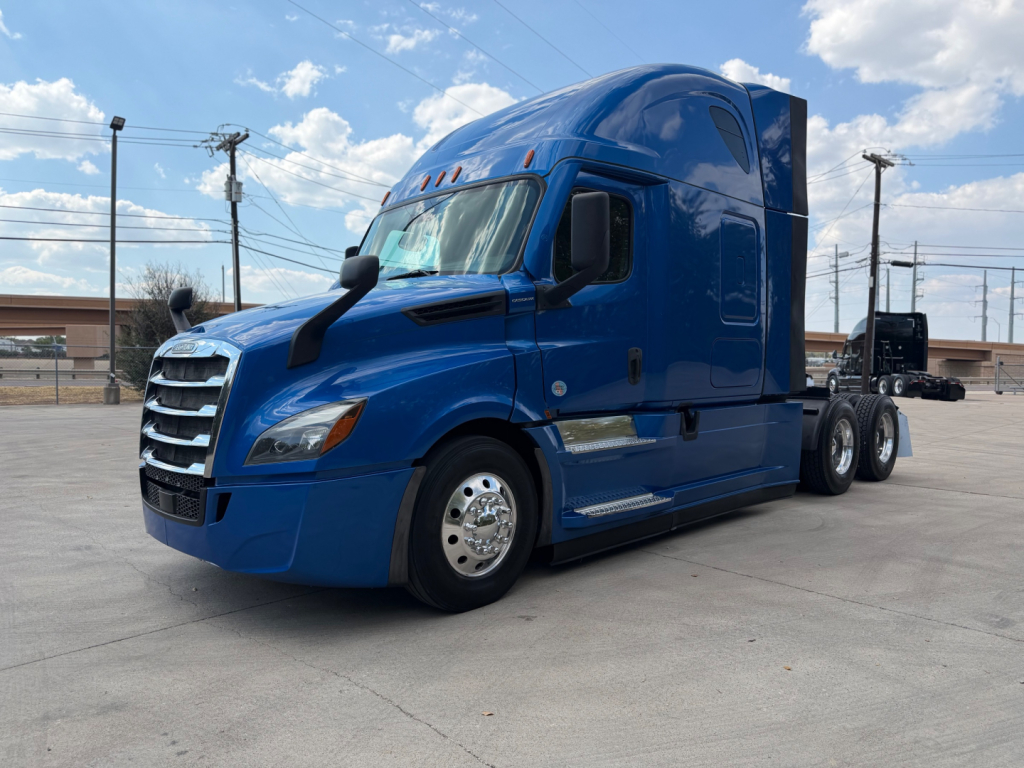
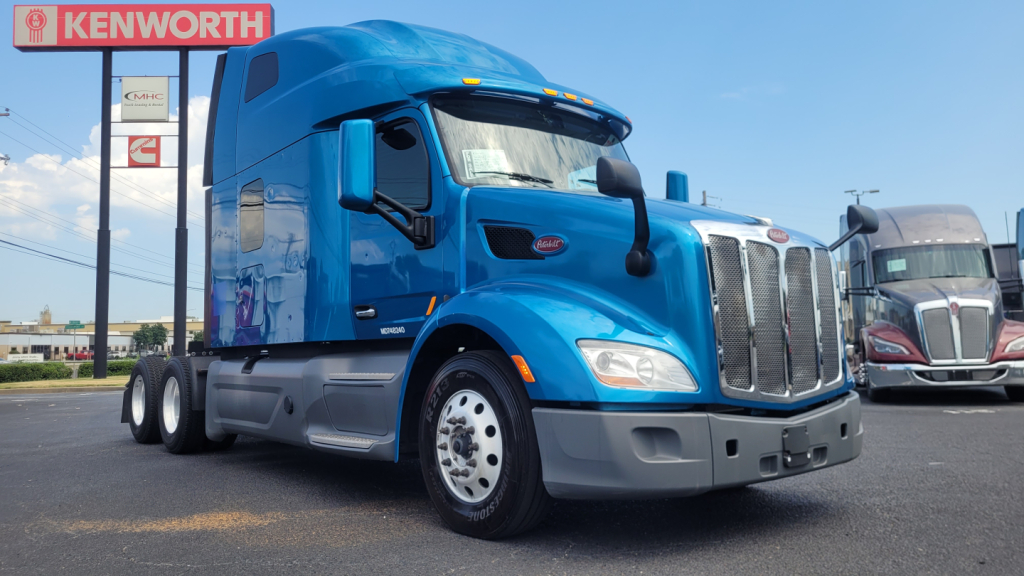
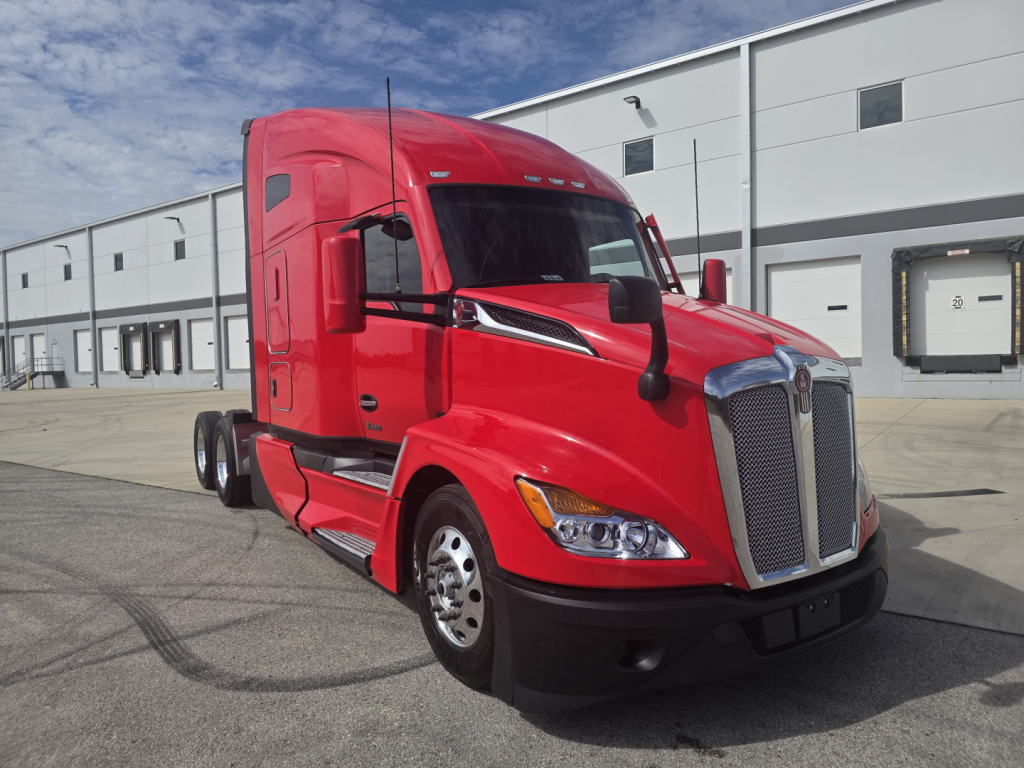
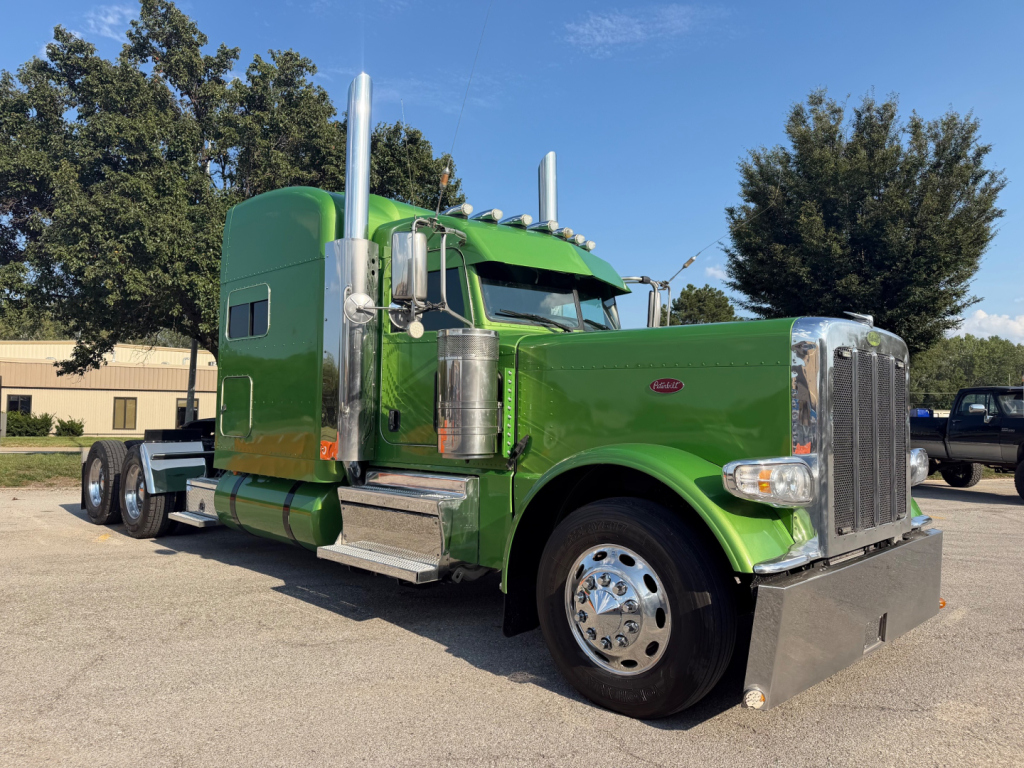

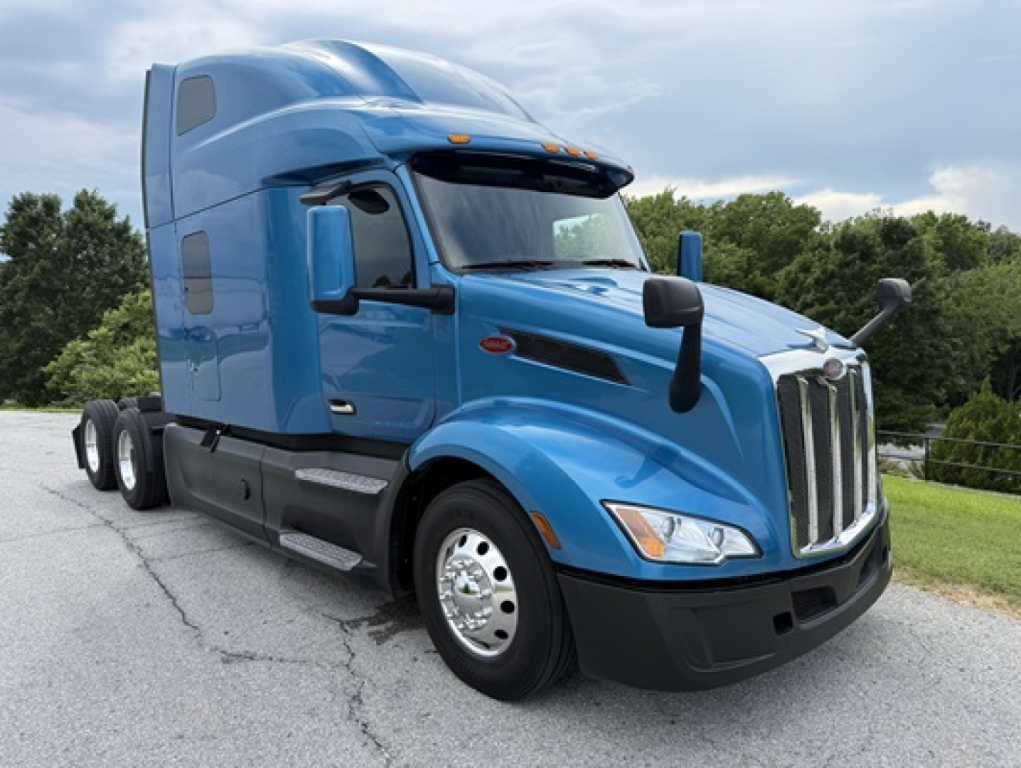
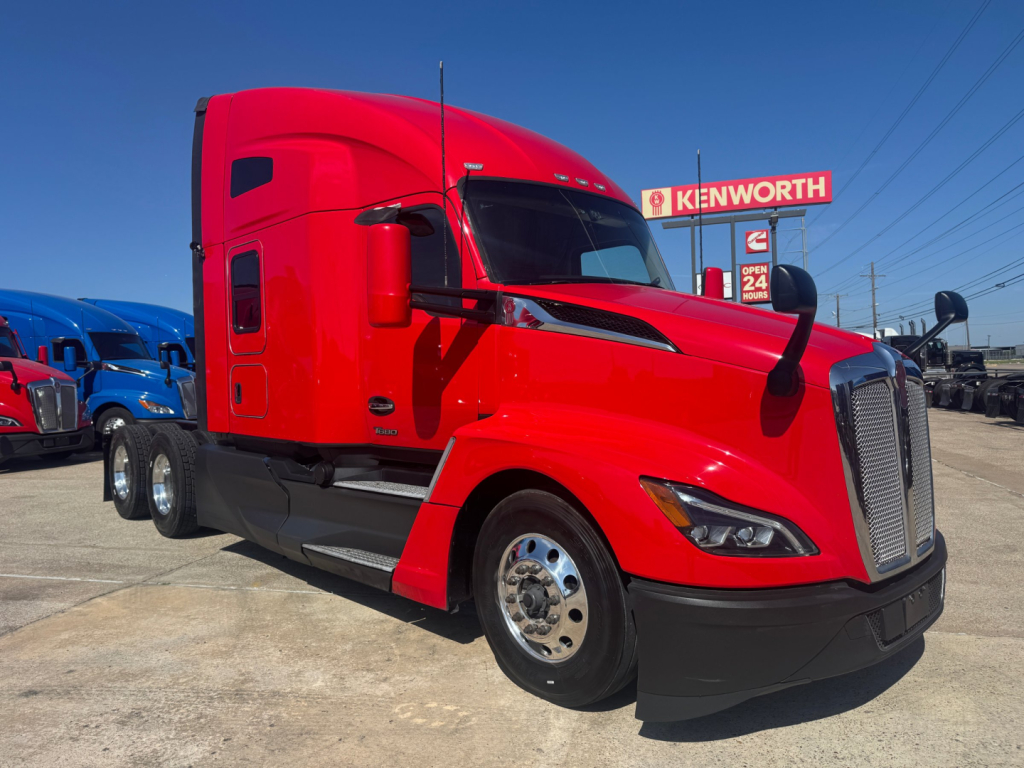
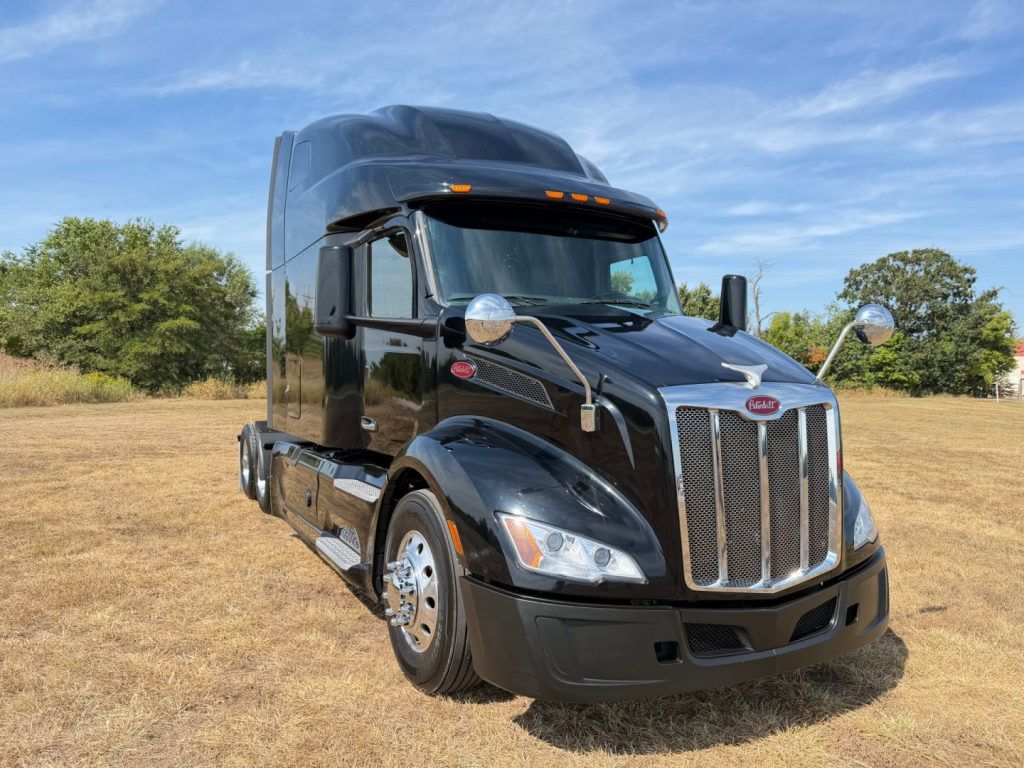
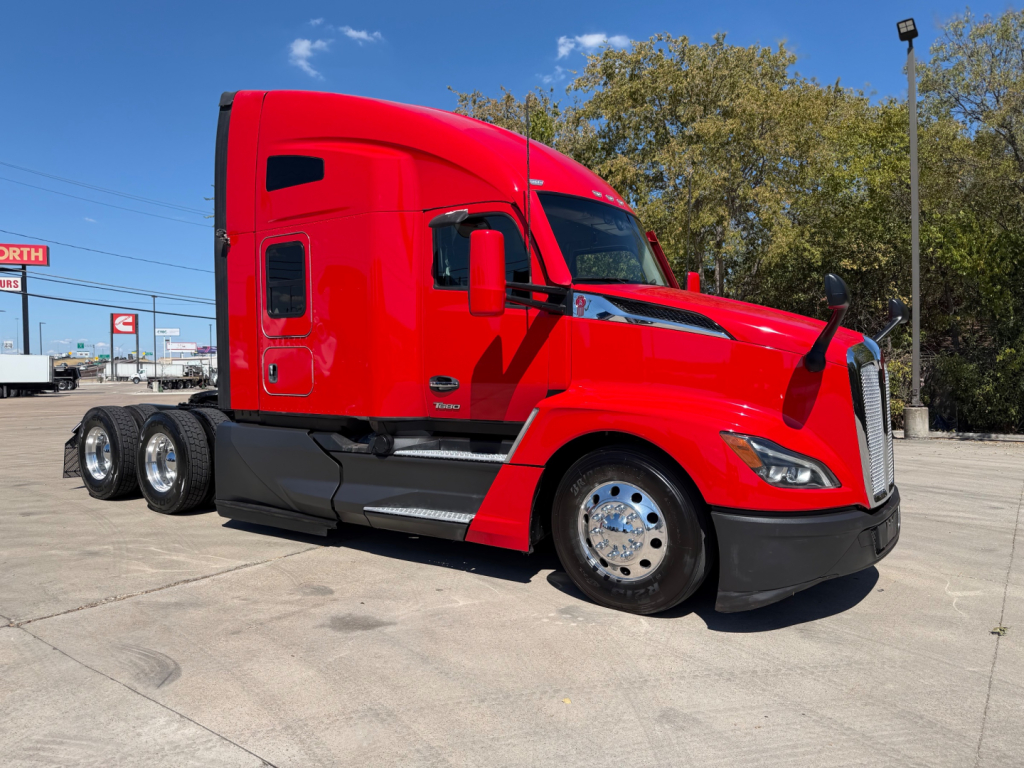
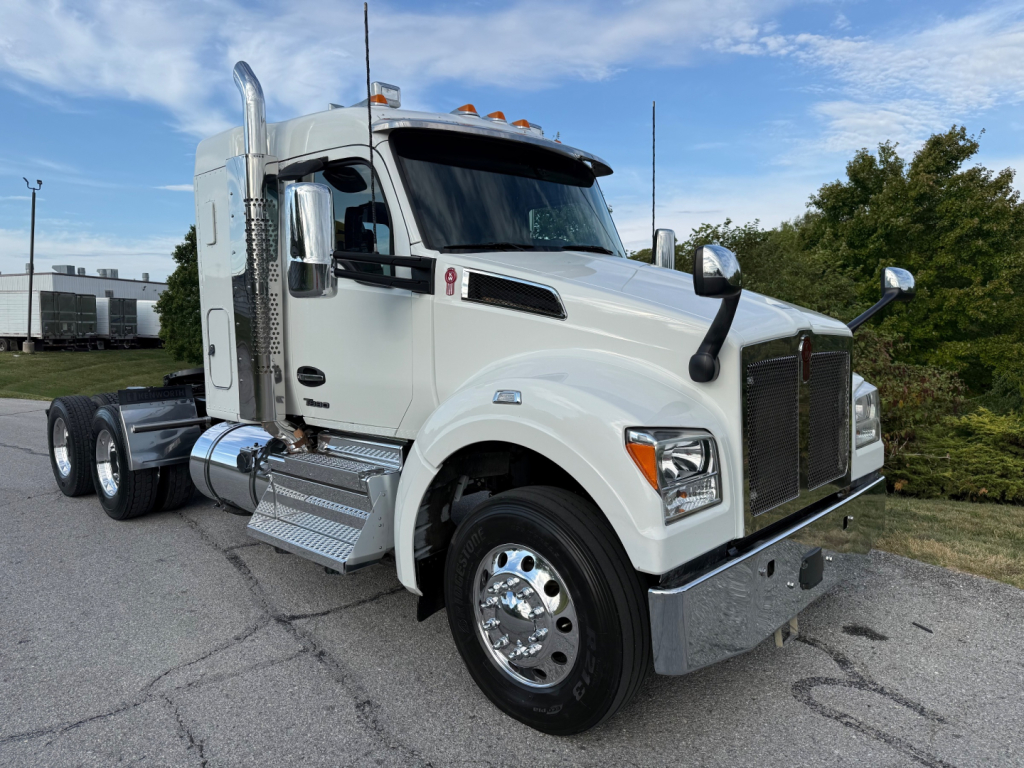
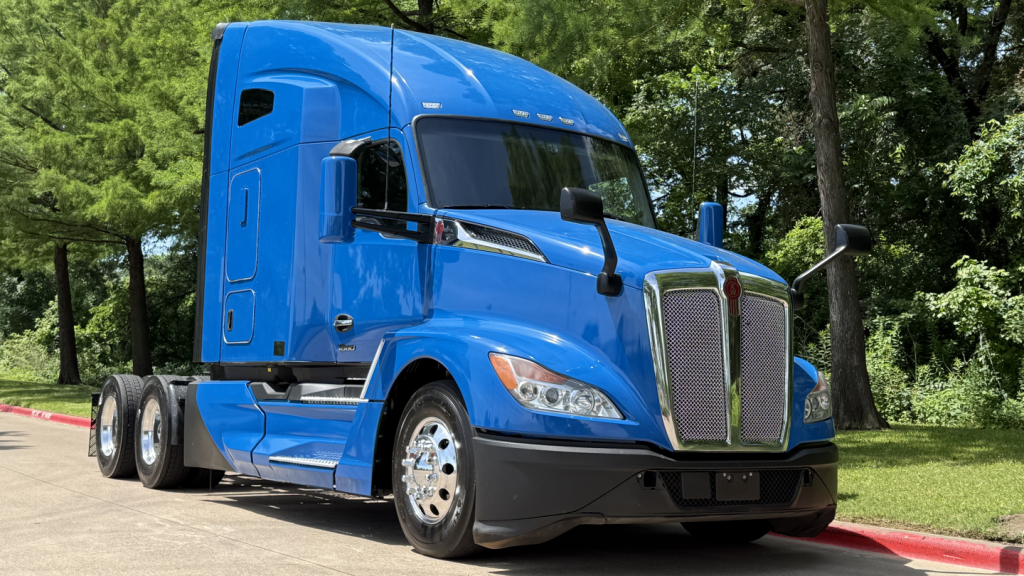
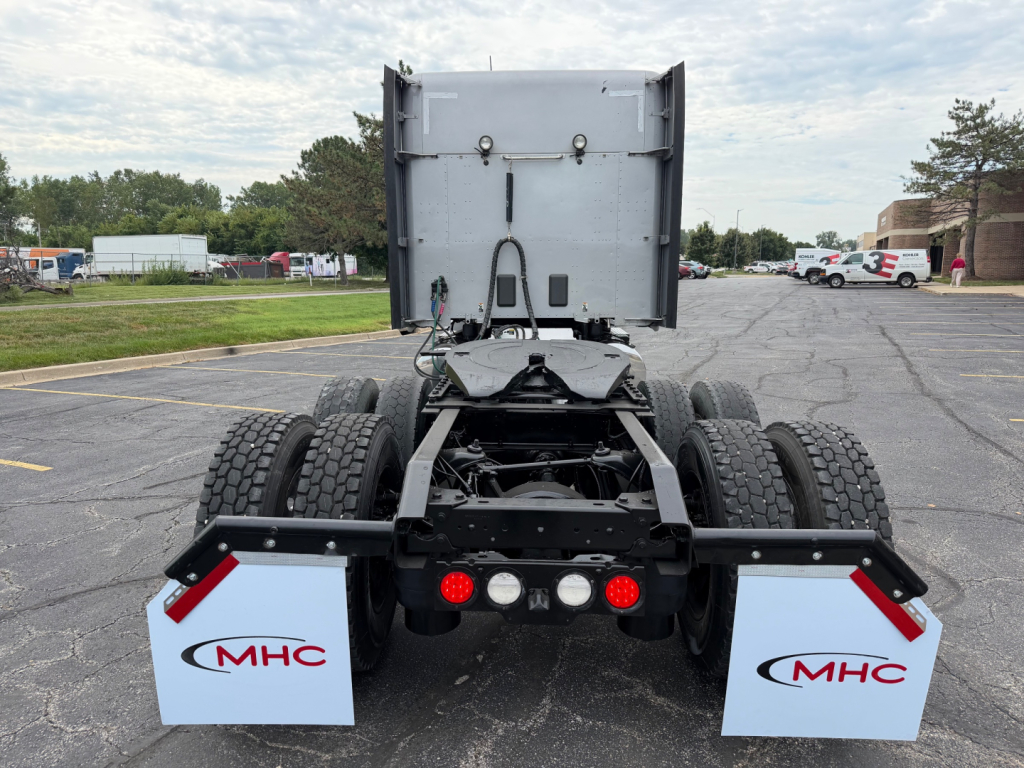
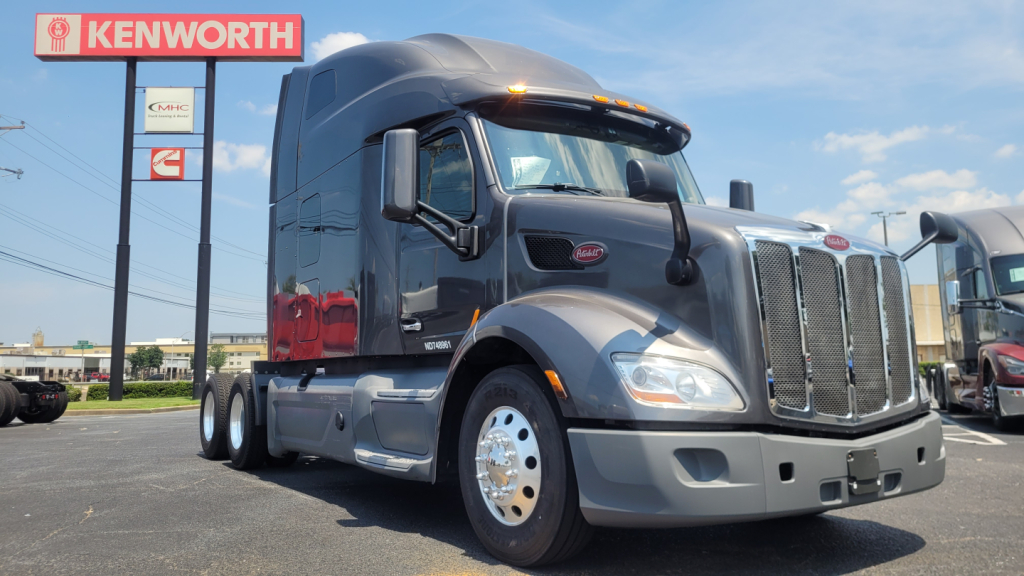
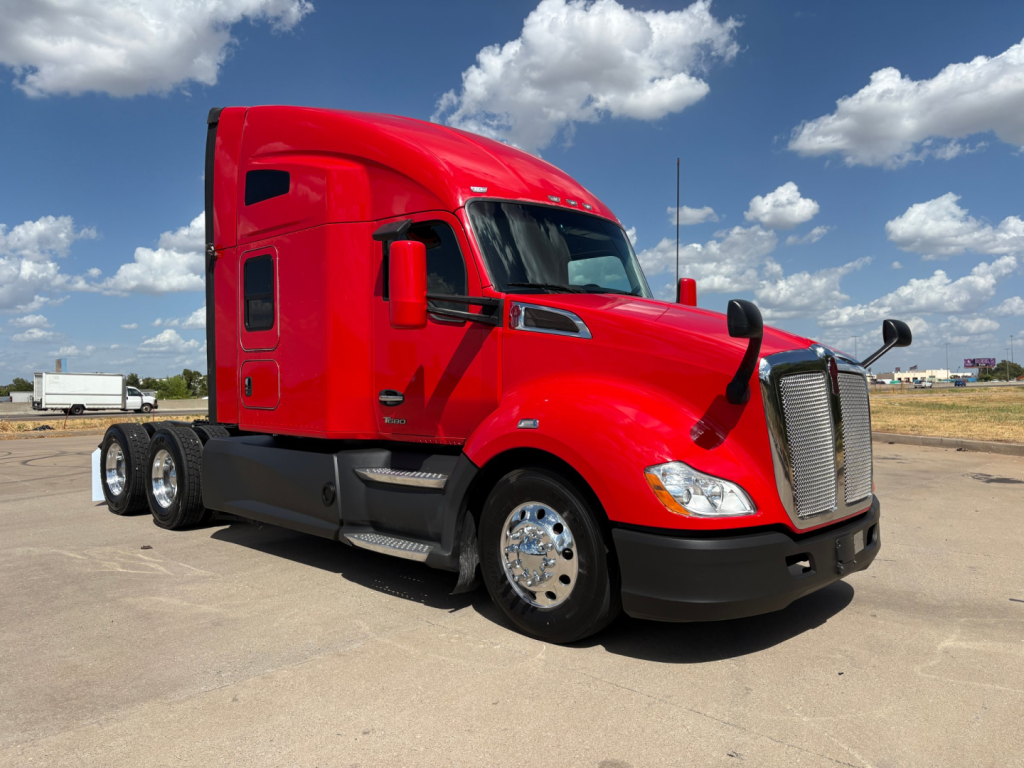
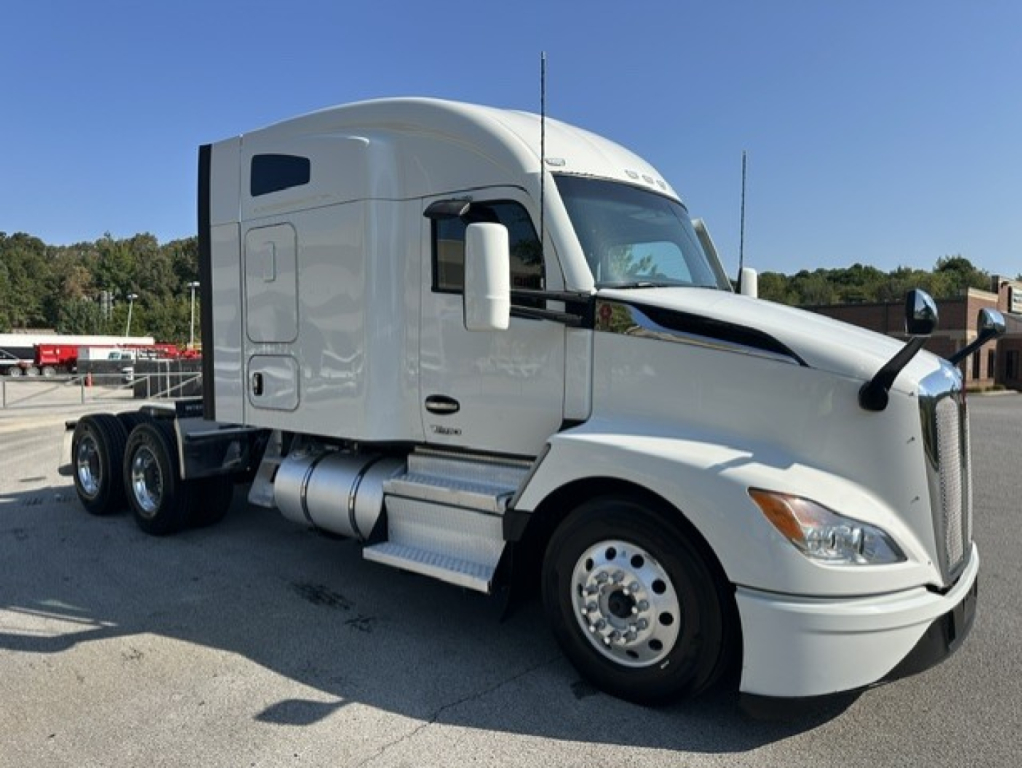
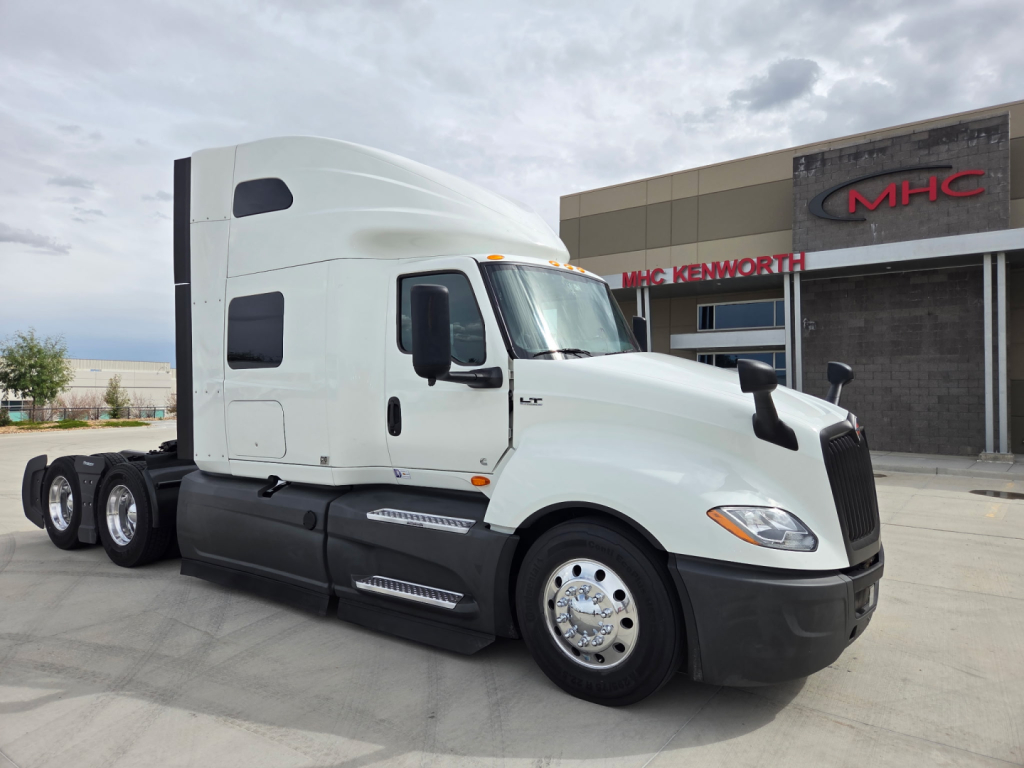
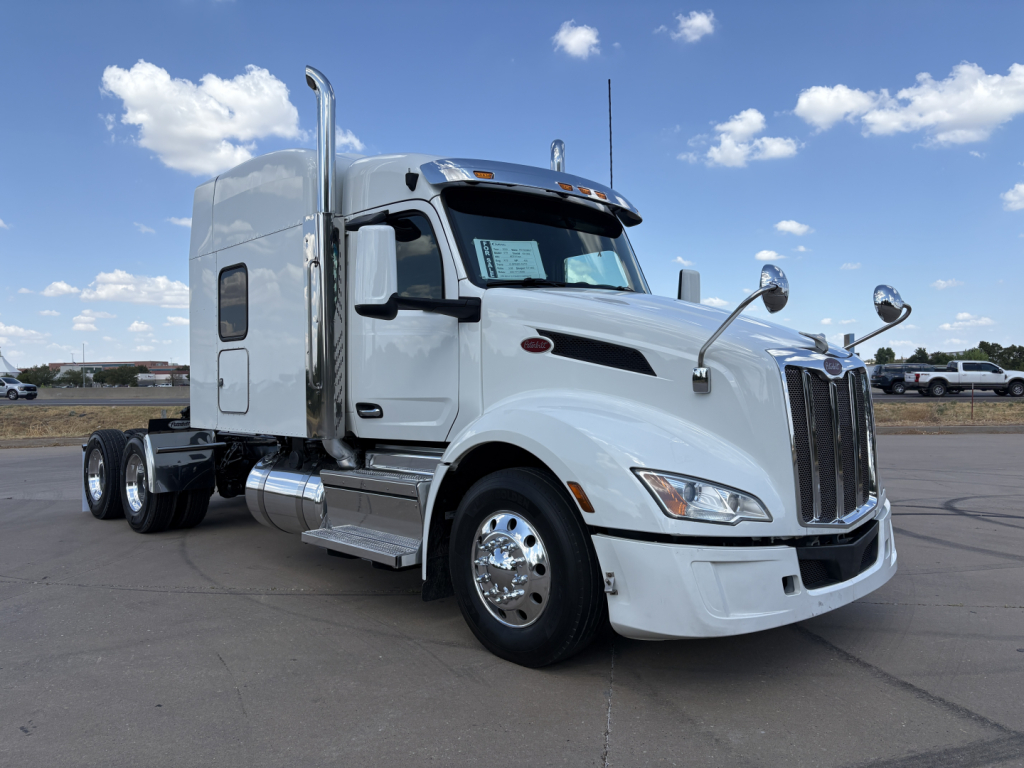
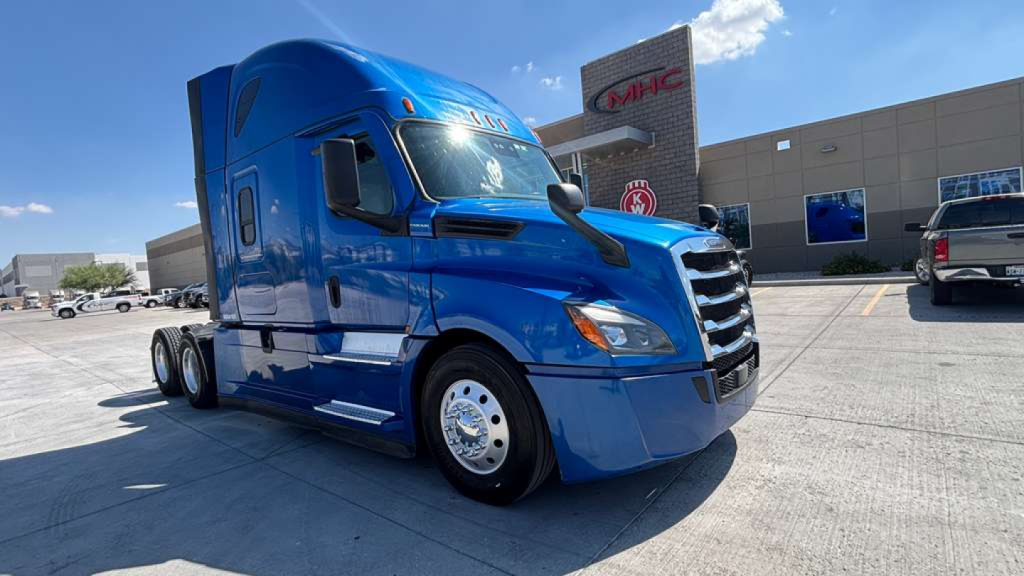
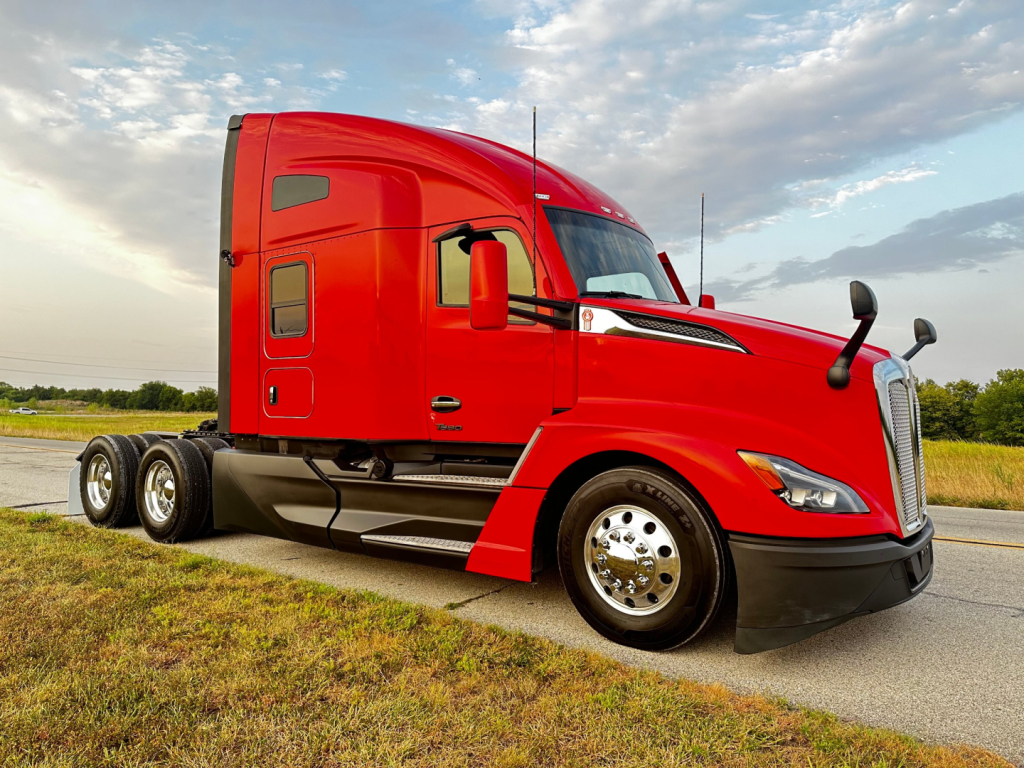
Showing 281 to 308 of 831 results
Selling a used conventional sleeper truck? List your used conventional sleeper truck for sale to reach thousands of commercial buyers.
Used Conventional Sleeper Trucks
The first real decision is spec. A fuel-efficient fleet tractor usually lands in the 400 to 455 horsepower range with automated manual transmission, 2.47 to 3.08 rear ratio, and an aerodynamic raised-roof sleeper in the 60 inch to 80 inch class. That setup fits dry van, reefer, and general freight lanes where cruising speed, mpg, and lower driver fatigue are priorities. A heavier vocational or specialized-haul sleeper may carry 500 to 600 horsepower, an 18-speed manual or heavy-duty automated transmission, deeper rear gears, and a longer wheelbase. Older long-hood conventionals are still sought after for owner-operator applications because of rebuildable drivetrains, classic styling, and simpler service access, but buyers should look closely at documented engine work, clutch life, suspension wear, and frame condition.
Sleeper layout matters more than many first-time buyers expect. Common configurations include mid-roof and raised-roof sleepers with single or double bunks, plus driver amenities such as bunk heaters, diesel-fired heaters, APUs, inverters, refrigerators, and cabinet packages. A truck that spends weeks on the road benefits from larger fuel capacity, good insulation, ample storage, and a power setup that can support hotel loads without excessive idling. Wheelbase, 5th wheel travel, and kingpin setting also affect trailer gap, weight distribution, and turning radius, especially for fleets running mixed trailer lengths. Disc brakes, collision mitigation, adaptive cruise, and newer telematics systems are increasingly common on late-model used units and can be meaningful for safety programs and insurance.
Condition should be evaluated by use case, not just by model year. On used conventional sleeper trucks, the important checkpoints are engine hours, maintenance history, aftertreatment status, transmission calibration, suspension bushings, brake wear, tire condition, and evidence of proper alignment. Pay attention to DPF, DOC, and SCR service records on emissions-equipped trucks, along with signs of repeated fault history or excessive idle time. Interior wear can also tell you a lot about how the truck was operated. A well-spec'd conventional sleeper with the right drivetrain, sleeper package, and maintenance background can stay productive in linehaul, regional haul, temperature-controlled freight, flatbed support, and team operations for a long time.
Frequently Asked Questions about Used Conventional Sleeper Trucks
What is a conventional sleeper truck?
A conventional sleeper truck is a highway tractor with a hooded front-end design and a built-in sleeping compartment behind the cab. It is the standard layout for long-haul Class 8 trucking because it combines good highway ride quality, easier engine access, and room for rest and onboard storage. In the used market, conventional sleepers range from aerodynamic fleet tractors to long-hood owner-operator trucks.
What horsepower is common in a used conventional sleeper truck?
Most used conventional sleeper trucks used in general freight are spec'd between 400 and 455 horsepower, often with engines like the Detroit DD15, Cummins X15, PACCAR MX-13, or Volvo D13. Higher-horsepower trucks in the 500 to 600 horsepower range are more common in heavy-haul, specialized applications, or older custom owner-operator specs. The right horsepower depends on gross weight, terrain, cruise speed, and fuel economy goals.
Is an automatic or manual transmission better in a used sleeper truck?
Automated manual transmissions dominate newer used sleeper trucks because they improve driver consistency, reduce fatigue, and often support better fuel economy. Manual transmissions still appeal to some buyers who run heavy loads, mountainous routes, or prefer direct control, especially in older Peterbilt and Kenworth platforms. The better choice depends on driver pool, maintenance support, and the truck's intended application more than simple preference.
What sleeper size is best for over-the-road trucking?
A 70 inch to 80 inch raised-roof sleeper is a common choice for over-the-road work because it provides enough space for standing room, storage, and double-bunk configurations. Mid-roof sleepers can work well for regional operations or drivers who spend fewer nights out. The best sleeper size depends on haul length, solo versus team use, and how much onboard equipment such as a refrigerator, inverter, or auxiliary heater is needed.
What should I inspect on a used conventional sleeper before buying?
Focus on the drivetrain and emissions system first. Review engine service records, oil sample history if available, transmission operation, clutch condition on manuals, rear axle ratio, and signs of suspension or frame wear. On newer emissions trucks, confirm DPF and SCR maintenance, check for fault history, and look at idle hours versus road miles. Also inspect sleeper accessories, APU operation, bunk HVAC, tire wear patterns, brake life, and 5th wheel condition because those items affect both uptime and operating cost.